[태그:] en

English content

  • Choosing the Right CMS for SEO Success in South Korea

    Choosing the Right CMS for SEO Success in South Korea

    As an SEO professional, you may often wonder which Content Management System (CMS) is most beneficial for your website’s SEO. For foreign companies aiming to establish a strong online presence in the South Korean market, choosing the right Content Management System (CMS) is crucial. 

    This guide will help you understand the importance of choosing the right CMS for SEO success in South Korea and identify which systems are particularly advantageous in this unique digital landscape.

    CMS: The Core of Website Success

    A CMS is the foundation of your website’s success in the Korean market. It’s a crucial tool that assists in creating, managing, and modifying content.

    Beyond managing content, it supports SEO optimization, enhances user experience, and improves website performance all critical factors for standing out in Korea’s competitive online space.

    Advantages of an SEO-Friendly CMS

    In the Korean market, an SEO-friendly CMS offers several benefits:

    • Facilitates easier crawling and indexing by both Korean and global search engines
    • Enhances visibility in search results through metadata optimization for Korean keywords
    • Provides mobile-friendly responsive design, crucial in Korea’s mobile-first market
    • Improves page loading speed, essential for Korean users’ high expectations
    • Allows easy setup of SEO-optimized URL structures

    Now, lets examine some of the leading CMS options that excel in SEO.

    WordPress and Yoast SEO
    WordPress and Yoast SEO

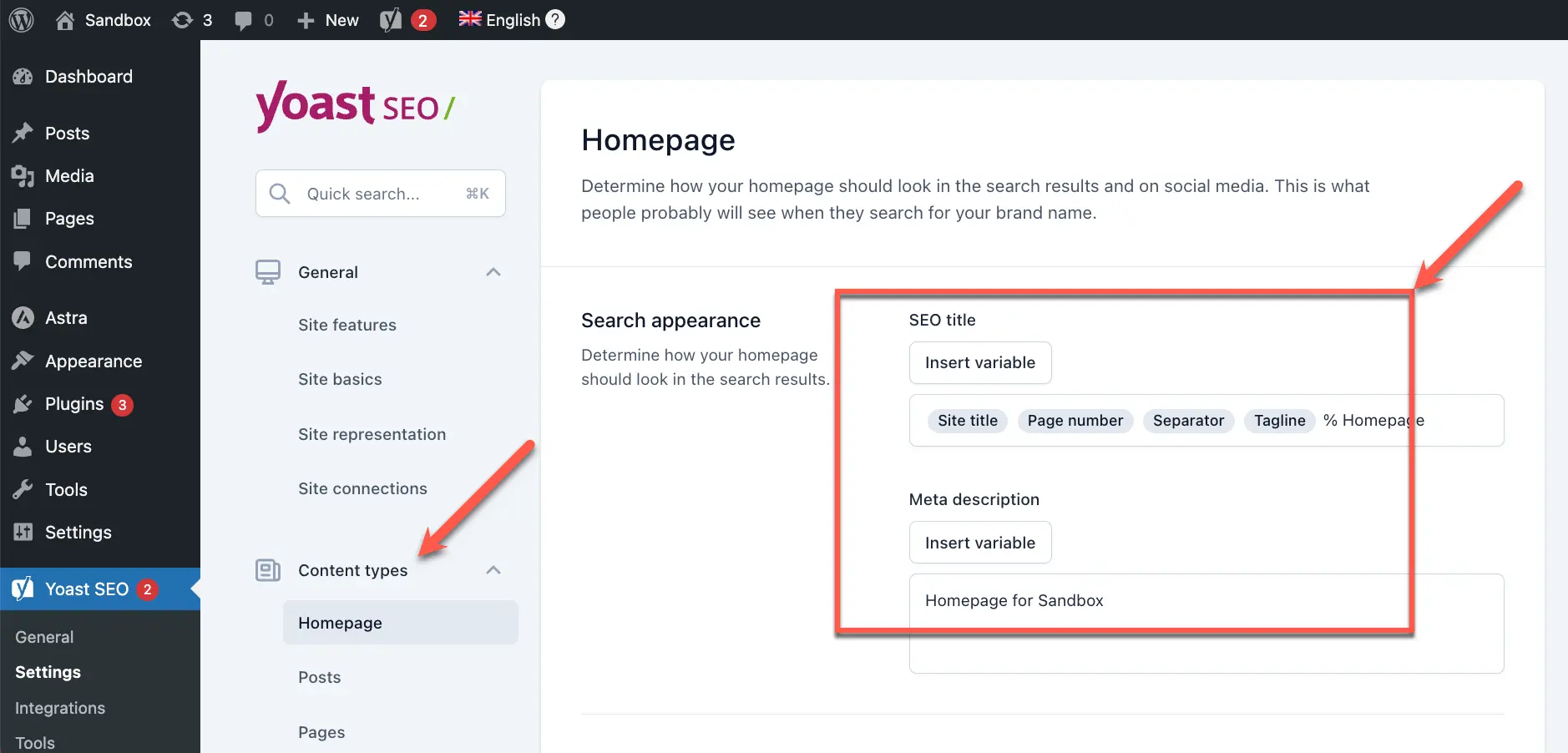
    WordPress is widely used in Korea and offers excellent localization options. Its user-friendly interface and abundance of SEO-optimized plugins make it perfect for businesses entering the Korean market, especially those focused on content marketing.

    • Pros:
      • Intuitive and easy to use
      • Easy integration with Korean payment gateways
      • Extensive range of SEO plugins
      • High scalability with themes and plugins
      • Large community support
    • Cons:
      • Can be slow if not optimized properly
      • Requires attention to security
      • Advanced features often rely on plugins

    Drupal: A Powerful Choice for Complex Websites
    Drupal's SEO Capabilities
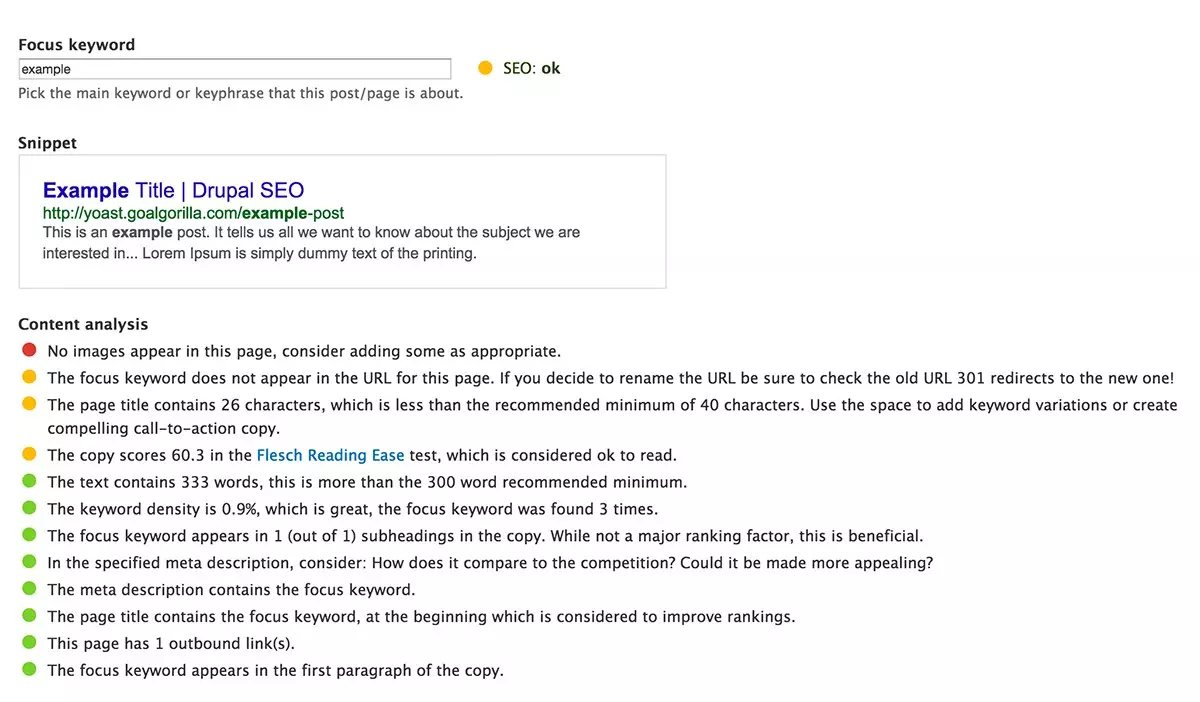
    Drupal’s SEO Capabilities

    Drupal excels at building complex, large-scale websites in Korea. It’s ideal for organizations requiring high security and complex data structures, such as government agencies, universities, and international corporations establishing a significant presence in the Korean market.

    Its high customizability makes it useful for projects with specific requirements or those managing large volumes of content.

    • Pros:
      • Excellent security, crucial in Korea’s privacy-conscious environment
      • Built-in SEO features
      • High scalability and flexibility for managing multilingual content (Korean and English)
    • Cons:
      • Steep learning curve
      • May require expert assistance
      • Fewer plugin options compared to WordPress

    Joomla: A Mid-Level Complexity CMS
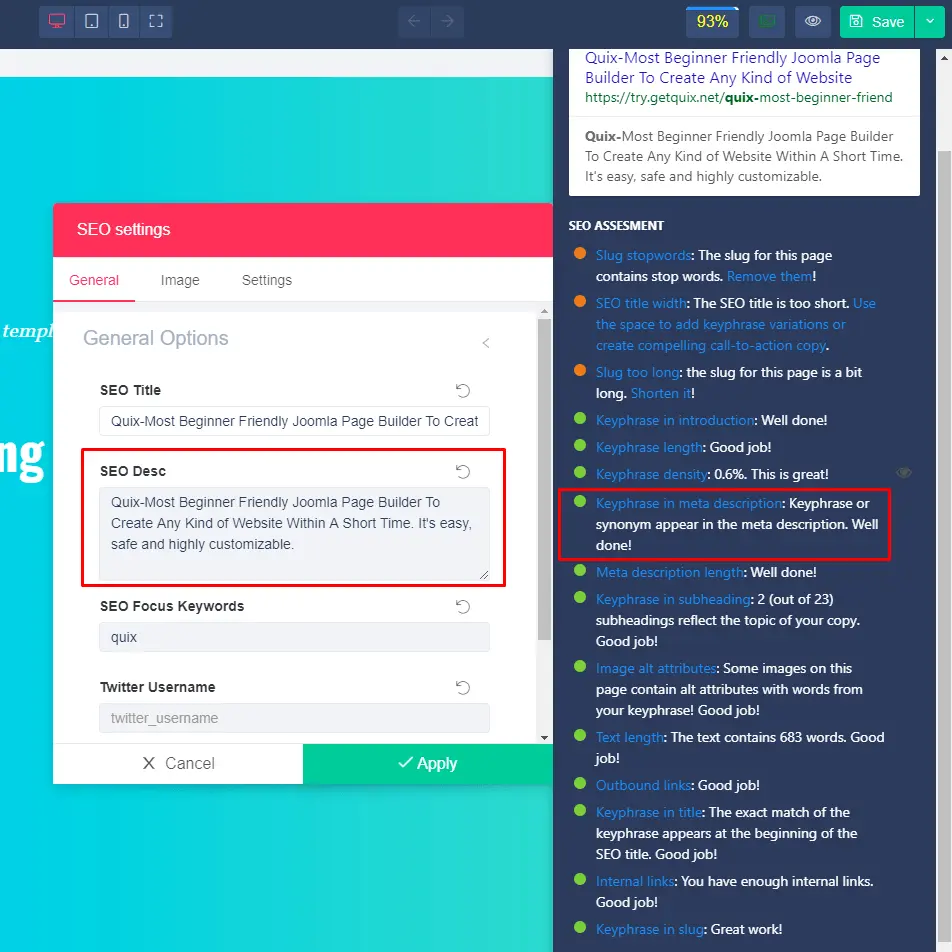
    Joomlas Technical SEO Settings
    Joomlas Technical SEO Settings

    Joomla offers a middle ground between WordPress and Drupal in terms of complexity. Its suitable for small to medium-sized business websites, online magazines, and government sites. It’s particularly suitable for companies requiring robust multilingual support for Korean and English content.

    • Pros:
      • Good balance of user-friendliness and performance
      • Built-in SEO features
      • Excellent multilingual support, crucial for businesses maintaining both Korean and English sites
    • Cons:
      • Smaller community compared to WordPress
      • Limited range of extensions.
      • Slightly complex for beginners

    Webflow: Harmony of Design and SEO
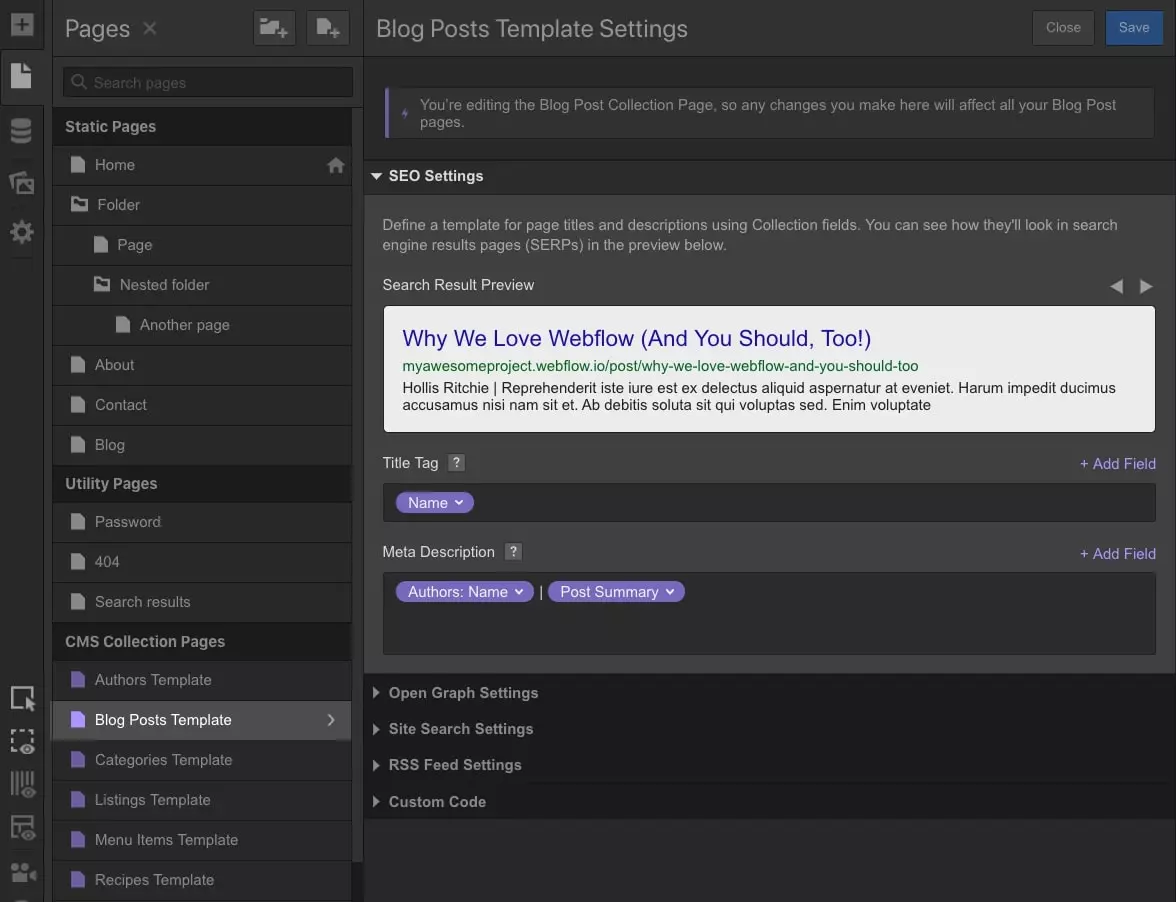
    Choosing the Right CMS for SEO - Webflows Visual and SEO-Friendly Features
    Webflows Visual and SEO-Friendly Features

    Webflow is a design-centric CMS perfect for designers and creative businesses looking to build visually appealing websites. Its useful for projects where visual impact is paramount, like portfolio sites, branding agencies, and startup landing pages. It’s particularly useful for creating visually appealing, fast-loading websites that cater to Korea’s design-savvy consumers.

    It allows building professional-looking websites without coding knowledge, making it suitable for marketing teams and small business owners.

    • Pros:
      • Advanced web design without coding
      • Fast and optimized page loading
      • Intuitive and easy-to-use SEO settings
      • Automatic responsive design generation
    • Cons:
      • Initial learning curve
      • Some advanced features can be costly
      • Less diverse plugins compared to WordPress

    How to Choose the Right CMS for SEO?

    While there’s no perfect CMS, there’s certainly one that’s best suited for your needs. If you’re new to SEO, WordPress could be an excellent choice. Its popularity means a wide variety of plugins and themes, making technical SEO more manageable. 

    On the other hand, if your company has in-house developers or designers, Webflow might be a better fit. It offers a design-centric approach with fast site speeds and lower maintenance resources. Its excellent speed and high design flexibility allow for creating high-quality websites with manageable technical SEO.

    Ultimately, the most important factor is to choose a CMS that aligns with your business goals and technical capabilities. It should also cater to the unique aspects of the Korean digital landscape. This includes considerations like mobile optimization, fast loading speeds, and support for Korean language and local services. Selecting and effectively utilizing an SEO-friendly CMS can lead to improved search engine rankings, increased traffic, and business growth.

    If you’re finding it challenging to create a website tailored for the Korean market using an SEO-friendly CMS, consider enlisting the help of SEO specialists familiar with the Korean digital ecosystem.

    At Growth Marketing Agency, we specialize in helping foreign businesses optimize their online presence for success in Korea.

  • SEO Experts in South Korea: Why They’re Hard to Find

    SEO Experts in South Korea: Why They’re Hard to Find

    For a long period, SEO (Search Engine Optimization) was an unfamiliar concept in South Korea. Many companies failed to recognize its value, resulting in a scarcity of SEO experts in South Korea.

    However, with the rapid evolution of the digital marketing landscape, the importance of SEO is increasingly being highlighted. Despite this, there is still a notable shortage of SEO experts in South Korea. What are the reasons behind it?

    Reasons Why There are Only a Few SEO Experts in South Korea

    The Dominance of Naver in the South Korean Search Market

    For a long time, the South Korean search market was dominated by Naver, a local search engine. Naver prioritized its services like blogs and cafes in search results, leading many businesses to focus solely on Naver optimization. As a result, the importance of global SEO strategies focused on Google was relatively overlooked.

    While it is true that many companies have focused on Naver optimization, the environment has been changing rapidly in recent years, with Google’s importance growing significantly.

    Korea Search Engine Rankings
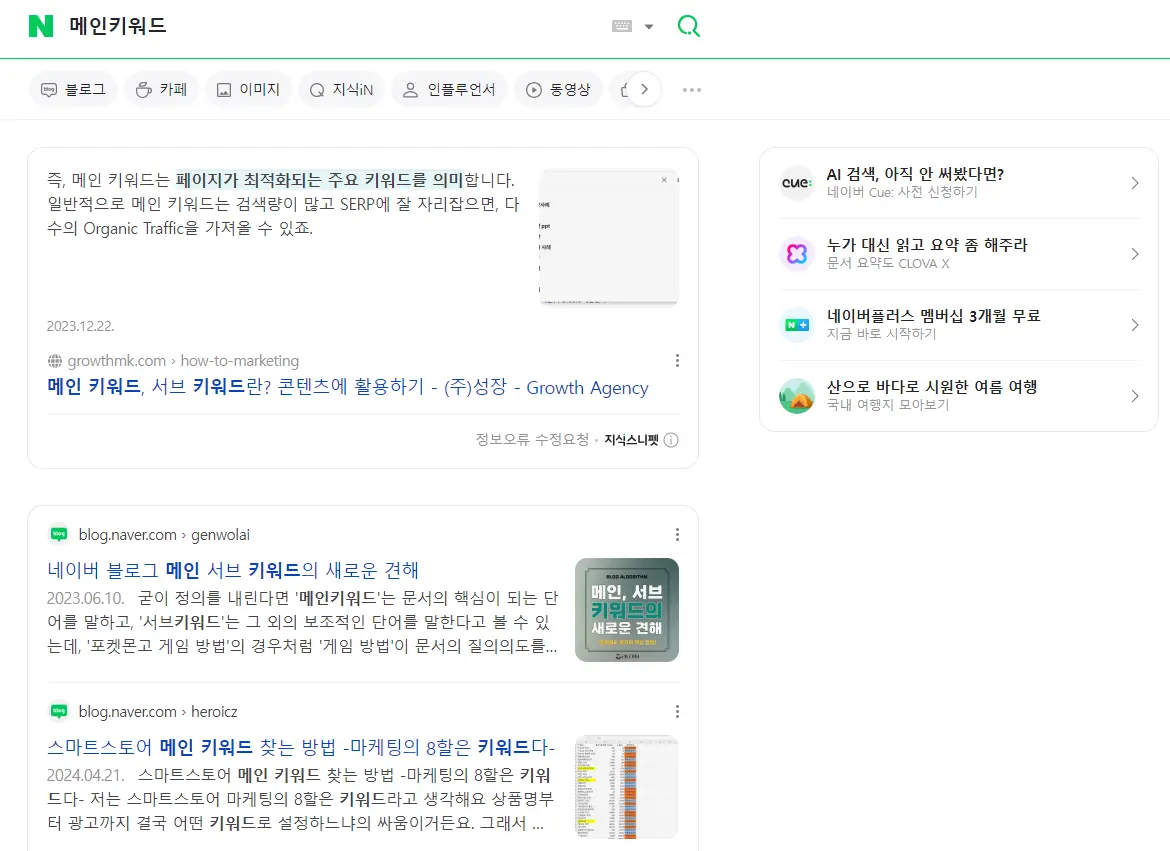
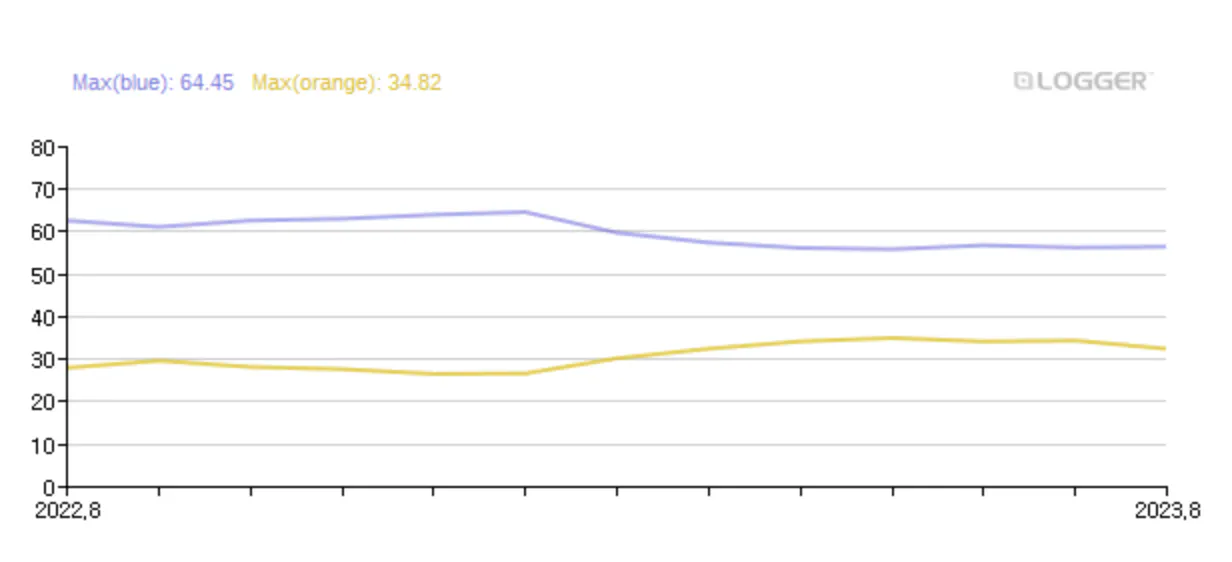
    As of Q3 2023, Naver held a market share of 56.14%, Google 33.79%, Daum 4.47%, and Microsoft Bing 2.63% in South Korea (Source: Korea Search Engine Rankings and Market Shares (2024) – inblog)

    According to Google Korea, as of 2023, Google’s search share in South Korea reached approximately 40%, with mobile searches surpassing this figure significantly. 

    Moreover, Google usage is rising among Millennials and Gen Z, and this trend is expected to accelerate.

    Considering Google’s dominance in most countries, with search shares exceeding 95%, Google SEO is essential for companies aiming to enter the South Korean market or partner with South Korean businesses.

    Google Naver SEO Optimization
    Growth Marketing Agency’s website optimized for Google SEO is also ranking as number one on Naver.

    Thus, understanding both Naver and Google SEO is crucial for foreign companies looking to expand into South Korea.

    Solely relying on Google-focused strategies may not be sufficient; understanding and investing in Naver SEO is also imperative for success in the South Korean market.

    Lack of Awareness About SEO

    Many South Korean companies still do not fully grasp the importance of SEO, likely due to their focus on the domestic market. However, in the current era of accelerating globalization, this perception must change swiftly.

    SEO is not merely a technique for ranking higher in search results. It is a strategic marketing method that accurately identifies customer needs and provides valuable content accordingly. A proper SEO strategy enhances brand credibility and helps build long-term customer relationships.

    Obsession with Short-term Results

    In South Korea’s digital marketing environment, there is a tendency to focus more on search ads or social media marketing, which shows immediate results. This aligns with a corporate culture that desires quick outcomes.

    SEO vs. SEM
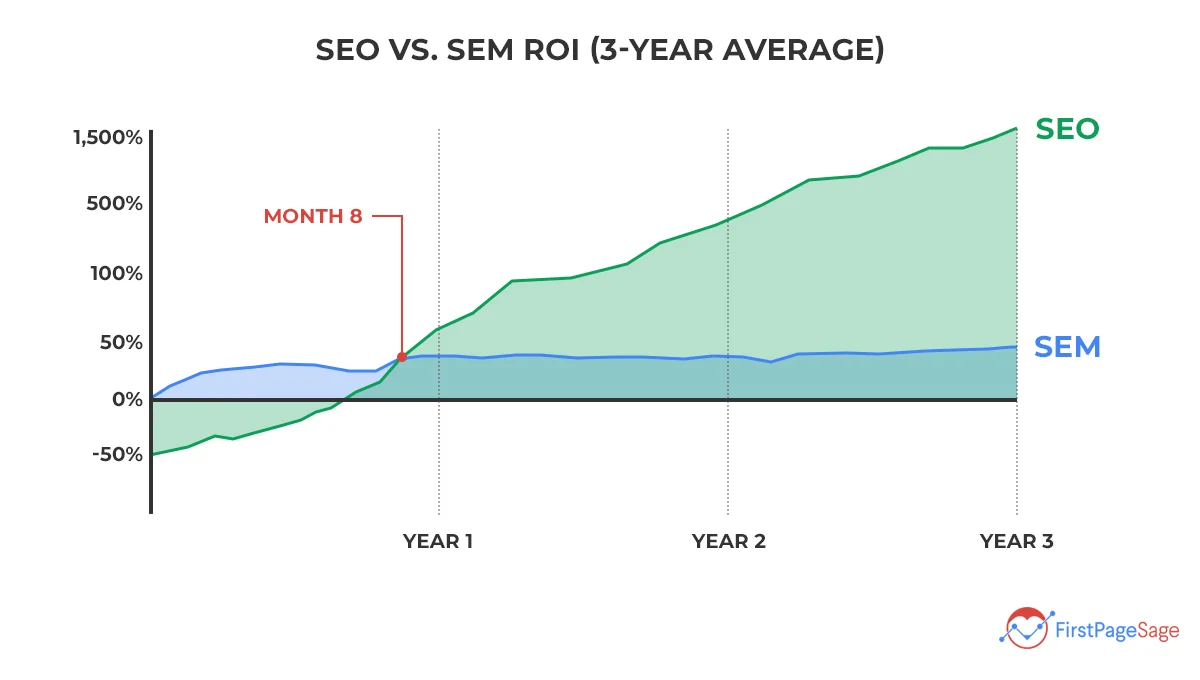
    Comparing the cost-effectiveness of SEO and SEM (Search Engine Marketing) (Source: SEO vs. SEM: Which Is Better in 2024?)

    However, SEO is a long-term strategy. Its effects grow over time rather than providing instant results. 

    Initially, it might seem slow, but with continuous management, it can secure stable traffic without advertising costs, making it a much more cost-effective marketing method in the long run.

    Technical Complexity of SEO

    SEO is a complex field that requires knowledge in various areas such as web development, content marketing, and data analysis. Training experts with such comprehensive skills takes time and effort.

    Nonetheless, this complexity is also SEO’s strength. SEO experts do not merely perform technical optimizations; they enhance user experience, create high-quality content, and make data-driven decisions.

    This significantly improves a companys overall digital marketing strategy.

    Lack of Educational Opportunities

    Compared to other marketing skills, specialized educational programs for SEO are relatively scarce in South Korea. 

    As a result, opportunities to systematically acquire SEO knowledge are limited. Most SEO experts build their knowledge through self-study or practical experience.

    This is an area where companies need to focus. Investing in SEO education and nurturing related talent can yield significant long-term benefits. 

    Additionally, universities and educational institutions should develop and offer SEO-related curricula.

    Relative Lack of Global Market Experience

    Many South Korean companies focus on the domestic market, feeling less need to optimize for a global search engine like Google. 

    However, as globalization accelerates, this situation is rapidly changing.

    Foreign companies considering global market entry must formulate an SEO strategy that takes into account both Google and Naver.

    Conclusion: SEO, the Future of Digital Marketing in South Korea

    With the growing importance of global market entry and Google’s increasing influence, awareness of SEO’s importance is rising. Consequently, the demand for SEO experts is also increasing.

    SEO is not just a technology. It is a comprehensive marketing strategy that understands user intent, provides valuable information, and improves website usability. A skilled SEO expert enhances a brands online visibility, builds trust, and ultimately drives business growth.

    If foreign companies recognize the importance of SEO in the South Korean market and start investing in it, they can achieve significant breakthroughs in their digital marketing efforts. SEO is an essential marketing strategy that must be implemented immediately for success in this unique and growing market.

  • Why Global Firms Struggle with Marketing in Korea

    Why Global Firms Struggle with Marketing in Korea

    At Growth Marketing Agency, we work with both Korean and international companies, and we’ve observed a common trend: even renowned global corporations often struggle with marketing in Korea. If you’re considering entering the Korean market or looking to improve your current performance, understanding these challenges is crucial for your success.

    Key Challenges in Marketing in Korea

    1. Lack of Understanding of the Korean Market’s Unique Characteristics

    One of the biggest issues for global companies is their failure to understand the unique aspects of the South Korean market. Many global companies view South Korea merely as part of the broader Asian market, overlooking its distinct digital ecosystem.

    The Landscape of the South Korean Market in the 2020s
    The Landscape of the South Korean Market in the 2020s

    For instance, Naver (a local search engine) and KakaoTalk (a messaging app) are dominant platforms in Korea, yet many global marketing teams focus solely on global platforms like Google and Facebook. Without recognizing the importance of these local platforms, simply allocating a “translation budget” won’t suffice for success in South Korea.

    2. Absence of Localized Marketing Strategies

    Another major issue is the lack of localized strategies. Many global companies attempt to apply their headquarters’ marketing strategies directly to the Korean market, which is ineffective.
    For example, while many global firms emphasize LinkedIn, most Koreans don’t use it.

    Remember App for B2B Marketing in Korea
    Remember App: Business Card Management

    To achieve similar results, utilizing local platforms like Remember, a business card management service, would be more for B2B marketing in Korea. Remember is a crucial marketing channel in South Korea but unfamiliar to many global companies.

    3. Lack of Competence and Authority Among Local Marketers

    The third problem is the lack of competence and authority among local marketers. In many cases, marketers at Korean branches are merely seen as communication liaisons with good English skills rather than marketing professionals. They often lack substantial marketing expertise and struggle to bridge the gap between headquarters and the local market.

    A common scenario is junior marketers working alone without senior guidance. Moreover, they’re often not given the authority to develop and implement independent marketing strategies, hindering their ability to respond quickly to local market changes.

    4. Communication Issues Between Headquarters and Local Branches

    The fourth problem is communication issues between headquarters and local branches. Decision-makers at headquarters often make choices without understanding the Korean market’s nuances, while local branch opinions are frequently overlooked.

    Key Challenges in Marketing in Korea - Communication Issues Between Headquarters and Local Branches

    It’s common for new proposals to go without feedback for 3-4 days due to time differences or staff vacations, and even minor decisions can take 2-3 weeks. The resulting decisions often disregard input from the South Korean branch.

    This disconnect leads to frustration and demotivation among local marketers, often resulting in high turnover and loss of talent.

    5. Lack of Continuity Due to High Turnover

    The fifth problem is a lack of continuity due to high turnover. In our experience with one client, the point of contact changed seven times over five years. While some changes were due to maternity leave or sabbaticals, the frequency of turnovers among marketing staff at global companies’ South Korean branches is concerning.

    These frequent changes disrupt marketing strategy continuity and result in a loss of accumulated knowledge and experience. Each time a new representative comes on board, you have to start from scratch, making it hard to maintain effective marketing efforts.

    6. Insufficient Budget Allocation

    The sixth problem is insufficient budget allocation. Compared to larger markets like China, South Korea is often perceived as a smaller market and doesn’t receive adequate budget allocation.

    For instance, the Chinese market receives substantial budget allocations due to its size and high revenue potential, whereas expectations for the Korean market are comparatively lower. This limited budget makes it difficult for local marketers to be proactive, even if they are motivated.

    Overcoming Challenges in Marketing in Korea – Localization and Empowerment

    So, how can these challenges be addressed?

    First, invest time and resources in understanding the unique characteristics of the Korean digital landscape. Develop localized marketing strategies that leverage popular local platforms such as Naver, KakaoTalk, and Remember.

    Second, empower your local marketing team with decision-making authority. Trust their insights and allow them to lead strategy development and execution, as they understand the nuances of the Korean market best.

    Global companies' strategies for successful marketing in Korea

    Third, build a strong local team by hiring marketing professionals with genuine expertise in the Korean market, or partnering with experienced local agencies like Growth Marketing Agency. Look beyond English language skills and prioritize candidates with deep knowledge of Korean consumer behavior and marketing trends.

    Fifth, establish efficient communication channels between your headquarters and the Korean branch. This step is crucial to reduce time delays and ensure that local insights are properly considered in your decision-making processes. Regular meetings and reports can help convey the local market’s situation to headquarters accurately.

    Sixth, build a compelling case for the Korean market within your organization. To secure sufficient budget allocation, present concrete data on market size, growth potential, and consumer behavior.

    At Growth Marketing Agency, we can help you gather this data and craft a persuasive narrative to convince your leadership of the immense potential the Korean market holds for your brand.

    Conclusion: Balancing Global Standards with Localization for Successful Marketing in Korea

    Success in marketing in Korea requires a delicate balance between maintaining your global brand standards and adapting to local market specifics. This means preserving your core brand identity and key messages while tailoring your approach to resonate with Korean consumers.

    To achieve this balance, foster close cooperation between your headquarters and the Korean branch. Encourage mutual understanding and respect, ensuring both teams work cohesively towards common goals.

    Additionally, collaborating with experts from Growth Marketing Agency can be highly beneficial. Our experts can effectively persuade global headquarters and advocate for the South Korean market’s unique conditions. In particular, our team members who are native English speakers and fluent in Korean can facilitate smooth communication, significantly aiding in convincing global headquarters.

    Ultimately, success in South Korea starts with a profound respect for and understanding of the local market, coupled with appropriate resource allocation. By recognizing the unique characteristics of the Korean market, developing tailored strategies, and providing your local team with sufficient budget and authority, your company can achieve remarkable success in this dynamic and lucrative market. 

    At Growth Marketing Agency, we’re here to guide you through this process and help you unlock the full potential of the Korean market.

  • Remote Work: The Game-Changer for Modern Businesses

    Remote Work: The Game-Changer for Modern Businesses

    The Journey to 100% Remote Work

    As a marketing content specialist at Growth Marketing Agency, I’ve witnessed firsthand the transformative power of remote work. Our journey began out of necessity – with increasing overseas clients and frequent employee travel, a partial WFH system became inevitable. But little did we know that this shift would revolutionize our entire business model.

    Remember those days of squeezing into crowded subways during rush hour? (I certainly don’t miss them!) The need for remote work was crystal clear, especially for those of us who experienced the daily commute grind. Despite initial hurdles, we successfully transitioned to 100% remote work in 2020. Now, our physical office is reserved for essential meetings, while the bulk of our operations hum along smoothly in the virtual realm.

    The Remote Work Assumption: Always Connected

    One key principle of our remote work system? Assume everyone’s connected during working hours. It’s like having a virtual office where you can tap on a colleague’s shoulder anytime – minus the awkward interruptions!

    The Remote Work Assumption: Always Connected

    Mastering the Art of Remote Communication

    Let’s face it – communication can be a beast when you’re not sharing the same physical space. But here’s the thing: with the right tools and mindset, it can be even more effective than traditional face-to-face interactions.

    We’ve found our groove with a combination of Zoom, Google Meet, Slack, JANDI, and Google Chat. It’s like having a Swiss Army knife of communication tools at our fingertips!

    Pro tip: Always be video-call ready during work hours. Trust me, it prevents a lot of frustration and miscommunication.

    Quality Over Quantity

    Here’s a surprising discovery: when everyone buys into the “always connected” mentality, the quantity of communication actually decreases, while quality skyrockets. It’s like distilling our conversations into pure, productive gold!

    Quality Over Quantity

    Efficient Work

    Want to know the secret to smooth remote work operations? Standardization is your best friend. By organizing all documents, data, and records in a consistent manner, we’ve minimized time wasted on understanding tasks and eliminated repetitive questions.

    At Growth, we’re G-suite enthusiasts. We’ve implemented strict naming conventions for files (date-document name-client name-author), and we operate under the “cloud-first” principle. Shared calendars, team drives, and collaborative sheets have made our remote work more efficient than ever before.

    Responsibility and Focus

    Let’s be real: remote work isn’t for everyone. It requires a high level of concentration and responsibility. To keep everyone on track, we use shared calendars as both work planners and logs. It’s like having a virtual supervisor – but way less intimidating!

    Remote Work: Responsibility and Focus

    Preparing Your Space

    Setting up for working remotely is crucial. You’ll need:

    1. A dedicated PC or laptop for work hours
    2. Video conferencing equipment (camera and microphone)
    3. A private space for uninterrupted video calls

    Pro tip: If you’re working from a caf, invest in good noise-canceling headphones. Your colleagues (and your sanity) will thank you!

    Preparing Your Space

    Embracing the Freedom of Remote Work

    Remember when remote-working companies were viewed with skepticism? Now, we’re seen as innovators! The shift has:

    • Reduced unnecessary meetings
    • Increased focus time for employees
    • Boosted our confidence in maintaining this model long-term

    But don’t worry – we haven’t forgotten the importance of human connection. We organize regular cultural events to keep our remote team bonded and energized.

    Growth Marketing Agency: Your Partner in the Remote Work Era

    As we navigate the ever-evolving landscape of work in 2024, one thing is clear: remote work is here to stay. At Growth Marketing Agency, we’ve embraced this change and reaped the benefits of increased productivity, employee satisfaction, and global reach.

    Learn more about Growth’s welfare system, the Refresh 369 system.

  • Growth-Minded Talent: 5 Key Qualities for Marketing Success

    Growth-Minded Talent: 5 Key Qualities for Marketing Success

    In the fast-paced world of digital marketing, finding and nurturing growth-minded talent is like striking gold. But what exactly makes a marketer truly growth-minded? Let’s dive into the essential qualities that set these marketing dynamos apart.

    Ready to uncover the secret sauce of marketing success? Buckle up, because we’re about to embark on a journey through the mind of a growth-oriented marketing maestro!

    Growth-Minded Talent Qualities

    What is Growth-Minded Talent in Marketing?

    Picture this: You’re at a bustling caf, sipping your favorite latte, when suddenly you overhear someone talking about “growth-minded talent” in marketing. Intrigued? You should be!

    Growth-minded talent in marketing isn’t just about having a fancy degree or a collection of certifications (though those can certainly help). It’s about possessing a unique blend of qualities that align perfectly with a company’s vision and goals. These are the marketing mavens who don’t just adapt to change they thrive on it.

    But here’s the million-dollar question: How do you spot this elusive talent? Well, my friends, that’s exactly what we’re about to explore.

    5 Essential Qualities of Growth-Minded Marketing Talent

    1. Detail-Oriented: The Devil’s in the Data

    Remember the days when marketing was more guesswork than science? Well, those days are long gone! In today’s digital landscape, being detail-oriented isn’t just a nice-to-have it’s a must-have for growth-minded talent.

    Why? Because modern marketing is all about the data. We’re talking device types, browser preferences, age demographics, and even which cat videos our audience watched last night (okay, maybe not that last one… yet).

    A truly growth-minded marketer doesn’t just collect this data they live and breathe it. They’re constantly experimenting, analyzing, and iterating. It’s like being a detective, but instead of solving crimes, you’re cracking the code of customer behavior.

    2. The Recording Habit: Document, Document, Document!

    If there’s one thing we love at Growth Marketing Agency (besides a good marketing pun), it’s our calendars. And no, I’m not talking about those cute cat-themed ones (though those are great too). I’m talking about the habit of meticulously recording everything.

    Growth-minded talent knows that documentation is the secret weapon of marketing success. It’s not just about jotting down meeting notes it’s about creating a comprehensive record of tasks, rationales, communication details, and deliverables.

    Trust me, your future self will thank you when you can easily pull up that brilliant campaign idea you had at 2 AM six months ago!

    3. Consistency: The Spice of Marketing Life

    Here’s a little nugget of wisdom I picked up during my years in the marketing trenches: If a mistake happens once, it’s a mistake. If it happens twice, it’s a coincidence. But if it happens thrice? That’s a pattern, my friends.

    Consistency: The Spice of Marketing Life

    Growth-minded talent understands that consistency is key. It’s not just about delivering great results it’s about delivering them consistently. Whether it’s meeting deadlines, maintaining brand voice, or just double-checking those pesky spelling errors, consistency is what separates the marketing maestros from the one-hit wonders.

    4. Broad-Mindedness: Think Outside the Marketing Box

    Let me tell you a story. Back when I first moved to Korea, I thought I had it all figured out. I mean, I spoke four languages and had a master degree in Marketing. How hard could it be, right?

    Well, let’s just say I learned the hard way that assuming everyone thinks like you do is a recipe for marketing disaster. Growth-minded talent knows that broad-mindedness isn’t just a nice quality it’s an essential survival skill in the marketing jungle.

    Think Outside the Marketing Box

    It’s about listening to diverse opinions, understanding different perspectives, and being open to ideas that might initially seem crazy. Remember, what seems odd to you might be the next big trend waiting to happen!

    5. Communication Skills: The Glue That Holds It All Together

    Last but certainly not least, let’s talk about communication skills. In my years at Growth Marketing Agency, I’ve seen brilliant marketing ideas fall flat simply because they weren’t communicated effectively.

    Growth-minded talent knows that marketing isn’t a solo sport. It’s a team effort that involves collaborating with designers, developers, customer service reps, etc.

    From client meetings to interdepartmental collaborations, from managing social media channels to coordinating with influencers effective communication is the thread that weaves all these elements together into a cohesive marketing tapestry.

    Nurturing Growth-Minded Marketing Talent

    As we navigate the ever-changing marketing landscape of 2024, nurturing growth-minded talent is more crucial than ever. It’s not just about finding people with the right skills it’s about cultivating a mindset of continuous learning, adaptation, and growth.

    At Growth Marketing Agency, we’re always on the lookout for these marketing diamonds in the rough. We know that with the right environment and opportunities, growth-minded talent can truly shine and drive remarkable results.

    So, whether you’re a budding marketer looking to develop these qualities or a business owner seeking to build a team of marketing superstars, remember: growth-minded talent is the key to unlocking marketing success in 2024 and beyond.

    Ready to take your marketing game to the next level? Let’s chat! At Growth Marketing Agency, we’re passionate about helping businesses harness the power of growth-minded marketing talent. Get in touch today, and let’s start growing together!

  • How to Become a Good Marketer

    How to Become a Good Marketer

    Embarking on a marketing career can feel like stepping into a whirlwind of expectations and challenges. During my 15 years of experience running a marketing agency in Korea, I’ve seen countless aspiring marketers navigate this path. But what does it really take to become a good marketer?

    How to become a good marketer

    Understanding the Reality of Being a New Marketer

    Before we dive into the specifics of how to become a good marketer, it’s crucial to grasp the reality of being a new entrant in this field. Many fresh graduates enter companies with grand visions of becoming instant marketing superstars. However, the truth is often quite different.

    The Company’s Perspective

    From a company’s viewpoint, new hires are investments rather than immediate assets. They are potential talents that need nurturing and development. This perspective is crucial for understanding your role as a new marketer.

    Key Strategies to Become a Good Marketer

    1. Embrace Your Learning Phase

    As a new marketer, your primary goal isn’t to produce groundbreaking results immediately. Instead, focus on:

    • Absorbing knowledge
    • Developing skills
    • Understanding company processes
    Key Strategies to Become a Good Marketer

    2. Build Trust: Your Most Valuable Asset

    In my years working with various Korean and international brands, I’ve learned that trust is the currency of success in marketing. Here’s how to build it:

    • Follow instructions meticulously
    • Complete all assigned tasks
    • Make recoverable mistakes (we all make them!)
    • Communicate proactively

    3. Master Task Management

    Becoming a good marketer isn’t just about creative campaigns and data analysis. It’s about mastering the basics of task management:

    • Do everything assigned, no exceptions
    • Take detailed notes and review them
    • Seek regular feedback
    • Report progress consistently

    4. The Art of Mid-Progress Reporting

    Good marketers know the value of keeping their supervisors in the loop. Here’s a pro tip: Report your progress when at least half the deadline remains. For a six-day project, touch base by day three. This approach has saved me from countless potential mishaps in my career!

    5. Respect Deadlines Like They’re Sacred

    In the fast-paced world of marketing, deadlines are sacred. Here’s how good marketers handle deadlines:

    • Clarify the deadline upfront
    • Provide regular progress updates
    • Flag potential delays early

    Overcoming Common Challenges

    Overcoming Common Challenges

    The Perfection Trap

    Many new marketers fall into the trap of trying to be perfect from day one. Remember, you’re not expected to be a marketing genius overnight. Focus on progress, not perfection.

    Balancing Learning and Doing

    While it’s crucial to learn, don’t fall into the trap of passive observation. Actively seek opportunities to apply what you’re learning, even in small ways.

    The Path to Growth

    Good marketer: The Path to Growth

    As you progress in your journey to become a good marketer, remember these key points:

    1. Build trust through reliability and communication
    2. Manage tasks effectively and meet deadlines
    3. Seek feedback and learn continuously
    4. Understand your role in the larger organizational context

    Conclusion: Your Marketing Journey Starts Now

    Becoming a good marketer is a journey that requires dedication, continuous learning, and a passion for understanding and serving customers. By focusing on building trust, managing tasks effectively, and staying committed to growth, you’ll be well-equipped to excel in this exciting and ever-evolving field.

    Remember, as we say in Korea, “A journey of a thousand miles begins with a single step. Your path to becoming a good marketer starts with the decision to commit to excellence and never stop growing.

    Are you ready to take your marketing skills to the next level? Whether you’re a startup founder looking to grow your business or an aspiring marketer seeking guidance, our team at Growth Marketing Agency is here to help. Let’s embark on this journey together and unlock your full marketing potential.