서포터즈 운영 예산 견적이 얼마인지 묻는 실무자 분들이 많습니다. 안타깝게도 즉답드리기가 어렵습니다. 예를 들어 발대식을 진행한다고 했을 때, 대관이 필요한지, 대관할 장소의 지역과 규모는 어느정도인지, 행사장을 준비하기 위한 항목(현수막, 배너, 안내직원, 사회자, 케이터링이나 다과, 사진촬영할 포토그래퍼 등)이 수십 가지에 이르기 때문입니다.
‘서포터즈 비용이 보통 얼마인가요?’라는 질문은 ‘자동차가 보통 얼마인가요?’라는 질문과 다르지 않습니다. 경차도 자동차고, 슈퍼카도 자동차니까요.
그래서 성장이 네 가지 버전의 패키지를 준비했습니다. 각각의 패키지는 상황에 맞게 권장드리는 일종의 가이드의 개념이며, 인원, 기간, 그외 기타 세부사항을 상황에 맞게 증감하는 커스텀은 당연히 가능합니다.
서포터즈 운영 과정에는 다양한 유형과 방법, 목적과 목표를 정해야 합니다. 이에 맞는 운영을 위해 ‘서포터즈 운영 전 꼭 알아야 할 체크리스트 5가지‘ 포스팅을 먼저 확인하신 후, 서포터즈 운영 계획의 큰 그림을 완성하는 것을 권장드립니다.
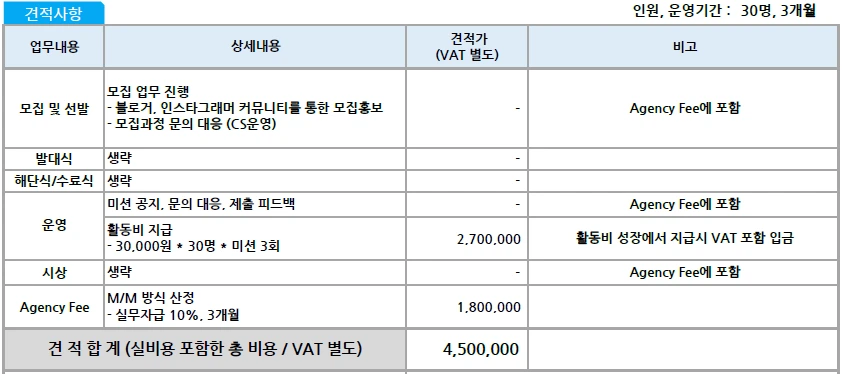
먼저 미니멈 패키지입니다. 예산이 제한되는 스타트업 또는 특수한 목적을 가진 경우에 권장드립니다. 복잡한 모든 내용을 제외하고, 최소한의 예산으로 서포터즈를 진행할 수 있는 패키지입니다.
단, 미니멈 버전의 경우 시상이 없고 모집을 홍보하는 활동이 없으므로 우리가 진행하는 서포터즈가, 서포터즈 지원자들 입장에서 꼭 하고 싶은 메리트있는 서포터즈인지에 대한 충분한 고민이 필요합니다.
일반적으로 대학생 서포터즈의 경우, 자기소개서에 추가할 대외활동 이력과 수상경력을 원하기 때문에 유명한 회사 또는 기관을 선호하고, 시상을 많이 주는 서포터즈를 선호합니다.
반면에 블로거/인스타그래머의 경우, 금전적 보상을 원하는 경우가 많으므로 리워드. 즉, 서포터즈 대원에게 제공할 활동비와 상품으로 메리트를 느끼게 해줘야 인기있는 서포터즈를 운영할 수 있습니다.
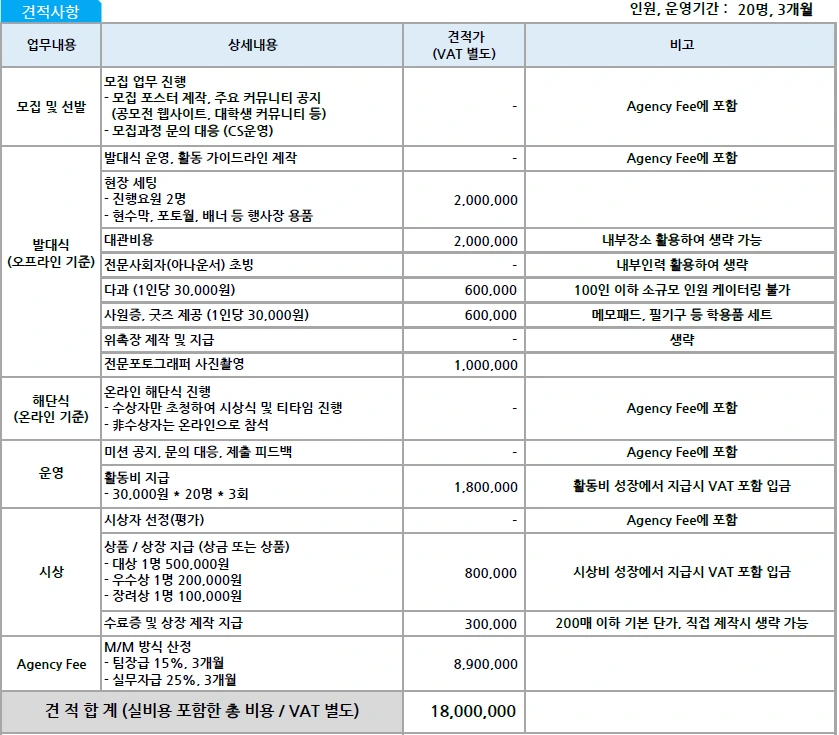
다음은 스탠다드 패키지입니다. 적은 예산으로 구색을 갖추는데 집중한 패키지로 공기업 및 공공 기관에 권장 드립니다. 오프라인으로 발대식 행사를 진행하고, 이 때 행사장 세팅, 다과, 전문 사회자, 전문 포토그래퍼의 사진 촬영 등이 포함되어 있습니다.
해단식은 비용 절감을 위해 非수상자들은 온라인으로 진행하고, 수상자만 초청하여 간단히 시상식 진행 후, 티타임을 가지는 형태로 간소하게 진행됩니다.
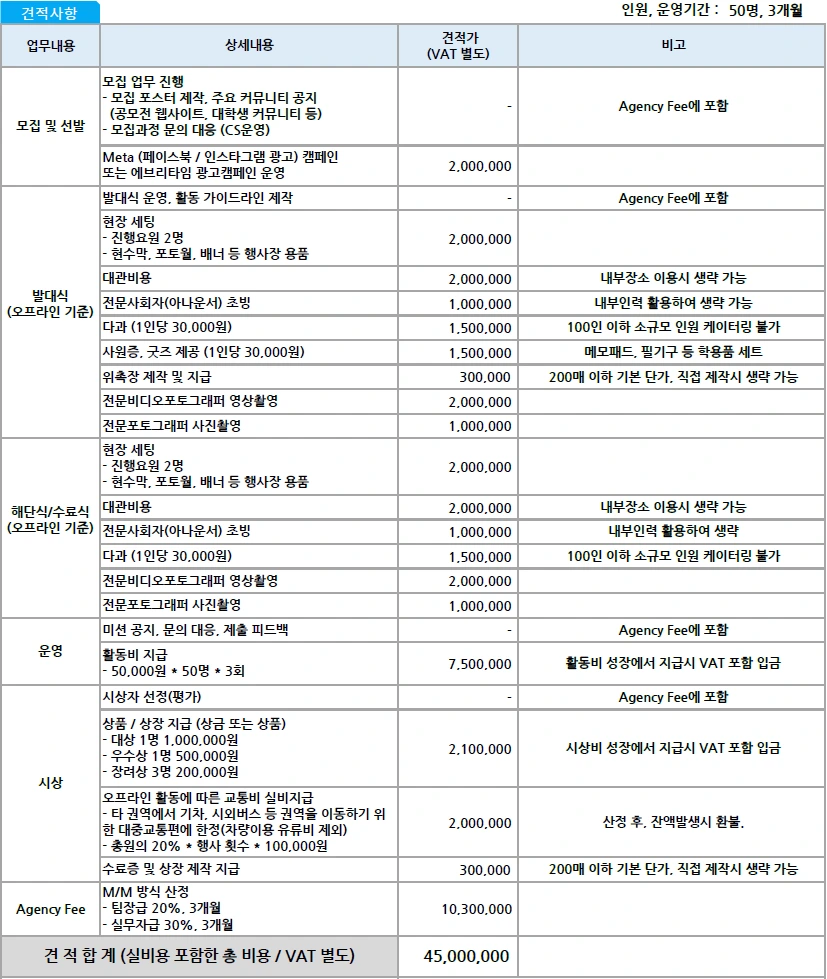
다음은 인원을 50명으로 늘린 디럭스 패키지로 중견기업에 권장드립니다. 스탠다드 패키지에서 해단식까지 오프라인으로 진행하고 전문 비디오 포토그래퍼의 영상 촬영, 오프라인 활동에 대한 교통비 실비 지급 등의 항목이 추가되었습니다.
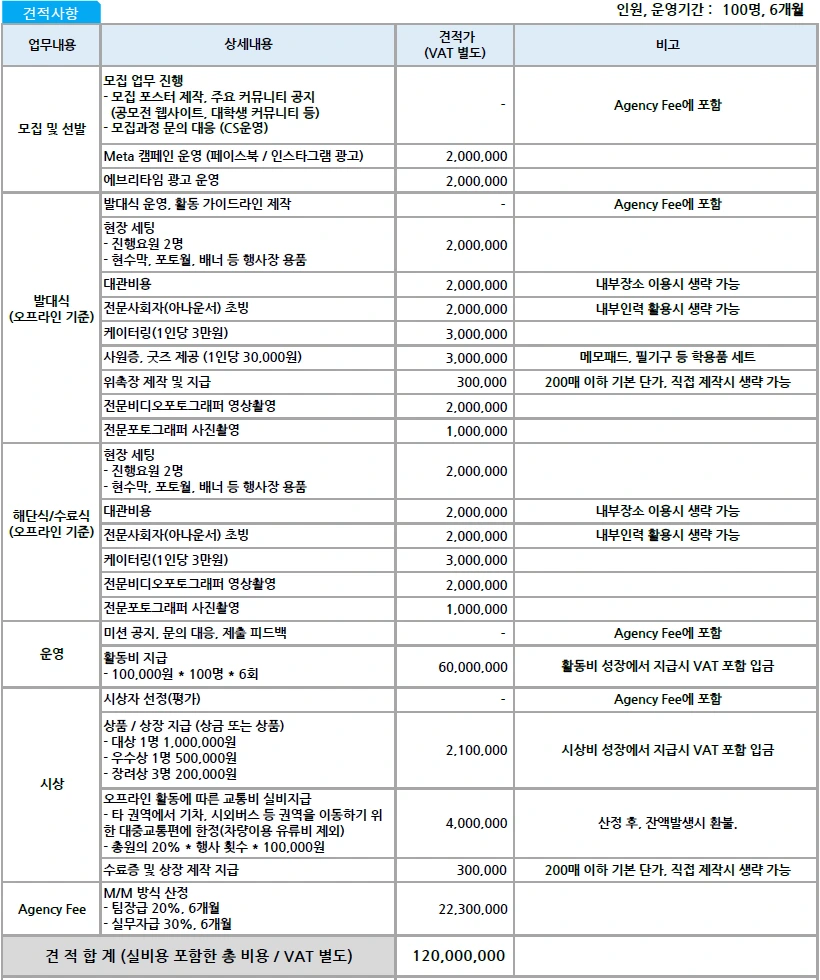
마지막으로, 프리미엄 패키지는 인원을 100명으로, 활동기간을 6개월로 늘린 패키지로 대기업에 권장드립니다. 세부항목은 디럭스 패키지와 동일하고 인원과 기간이 늘어난만큼 비용이 증가합니다.
이렇게 총 네가지 패키지를 소개해드렸는데요. 각각의 패키지는 빠른 의사결정을 위해 제안드리는 참고자료일 뿐, 모두 커스텀이 가능합니다.
예를 들어, 발대식 행사를 진행하는데 내부 장소를 활용하여 대관이 필요하지 않다면, 견적에서 해당 부분을 제외할 수 있고, 사내에 전문포토그래퍼가 있어서 별도의 섭외가 필요하지 않다면 마찬가지로 제외할 수 있습니다.
즉, 상황에 맞추어 각각의 항목을 증감하는 것은 얼마든지 가능합니다.
다만, 계약을 하기 위해서는 먼저 예산을 확정해야 하고, 서포터즈 운영 예산 견적을 확정하기 위해서는 이와 같은 세부사항을 확정해야 한다는 점을 꼭 기억해주세요.
제로클릭 콘텐츠는 반드시 클릭을 추구하는 것만이 아니라, 브랜드 인지도를 높이고, 노출을 극대화하는 방법이 될 수 있습니다.
제로클릭 콘텐츠 최적화(Zero-click content optimization)는 사용자가 정보를 얻고 후속 검색을 진행할 수 있도록 유도하는 효과적인 전략입니다.
후속 검색 의도(Follow-Up Search Intent) 전략
제로클릭 검색이 증가하긴 했지만, 사용자들은 여전히 검색 여정을 이어가며 더 많은 정보를 찾고자 합니다.
후속 검색 의도를 고려하는 것은 2025년 SEO에서 중요한 전략입니다. AI Overview에서 제공된 답변에 만족하지 않은 사용자는 더 구체적인 검색을 진행할 것입니다.
Amanda Sellers는 이를 “사용자의 검색 여정을 맞추는 것”이라고 설명하며, 이를 토대로 콘텐츠 전략을 계획하는 것이 매우 중요하다고 강조합니다.
후속 검색 의도를 예측하는 것은 콘텐츠를 설계하는 핵심 요소로, 독창적이고 정확한 콘텐츠 조각을 사용자가 원하는 대로 제공하는 전략이 필요합니다.
Ranch-Style SEO의 부상
Ranch-Style SEO가 2025년 SEO 전략의 중심으로 부상할 것으로 예상됩니다. 이는 생성형 AI의 시대와 잦은 알고리즘 업데이트에 대응하는 새로운 콘텐츠 개발 접근 방식입니다.
Ranch-Style SEO는 기존의 Skyscraper Technique과는 정반대의 접근을 취합니다. 하나의 거대한 기둥 페이지에 콘텐츠를 집중시키는 대신, 사용자의 검색 여정에 전략적으로 부합하는 정확하고 소화하기 쉬운 조각들로 콘텐츠를 분산시키는 것을 강조합니다.
이러한 접근 방식은 현대 사용자의 검색 행동과 완벽하게 일치합니다. 사용자들은 더 이상 긴 형태의 콘텐츠를 선호하지 않으며, 대신 자신들의 특정 질문에 대한 정확한 답변을 찾고 있습니다.
Ranch-Style SEO는 이러한 사용자 니즈에 부응하면서, 동시에 검색 엔진의 진화하는 알고리즘에도 효과적으로 대응할 수 있는 전략입니다.
비디오 콘텐츠의 중요성
Candour의 Mark Williams-Cook은 2025년에는 많은 중소기업들이 ‘비디오 퍼스트’ 접근방식을 채택할 것으로 예상합니다. 비디오 콘텐츠는 제작이 빠르고 저렴하며, 진정성 있는 인사이트를 전달하는 자연스러운 방법입니다. 현대의 도구들을 활용하면 자동으로 트랜스크립트를 생성하고, 이를 기사 형태로 변환할 수 있습니다.
Lily Ray는 Google이 YouTube와 TikTok 콘텐츠를 검색, Discover, Google News 등 다양한 채널에서 강조하고 있다고 지적합니다. 사이트 운영자들은 Google의 비디오 인덱싱 변화에 주목하고, 텍스트 콘텐츠를 시각적 포맷으로 확장해야 합니다.
브랜드 권위 구축
Gareth Hoyle은 EEAT(Experience, Expertise, Authoritativeness, Trustworthiness) 기반 콘텐츠의 중요성을 강조합니다. Google은 저품질 AI 생성 콘텐츠를 걸러내는 능력을 지속적으로 향상시킬 것이며, 저자의 신뢰도를 더욱 중요하게 평가할 것입니다.
그로스 마케팅 컨설턴트 Aleyda Solis는 브랜드 최적화가 핵심이 될 것이라고 강조합니다. Google은 신뢰할 수 있는 브랜드를 검색결과 상위에 노출시키려 하며, 이는 클릭률과 전환율 향상에도 도움이 됩니다.
기업들은 브랜드 쿼리 타겟팅, 구조화된 데이터 활용, 지식 패널 최적화 등을 통해 브랜드 권위를 구축해야 합니다.
결론: 2025년 SEO 성공을 위한 제언
SEO 업계는 그 어느 때보다도 빠른 속도로 진화하고 있습니다. 2025년에는 사용자 행동의 변화와 검색 알고리즘의 고도화가 더욱 가속화될 것으로 예상됩니다. 이러한 변화에 성공적으로 대응하기 위해서는 지속적인 학습과 전략의 유연한 조정이 필수적입니다.
SEO가 더 이상 단순한 기술적 최적화를 넘어, 종합적인 디지털 마케팅 전략의 핵심 요소로 자리잡고 있습니다. 이는 기업들이 보다 통합적이고 장기적인 관점에서 SEO 전략을 수립해야 함을 의미합니다.
(주)성장은 이러한 SEO 업계의 변화를 주시하며, 시장의 흐름을 선도하는 혁신적인 접근 방식을 추구하고 있습니다. 사용자 중심의 콘텐츠 전략, 데이터 기반의 의사결정, 그리고 브랜드 신뢰도 구축을 통해 고객사의 지속적인 성장을 이끌어내는 데 전력을 다하고 있습니다.
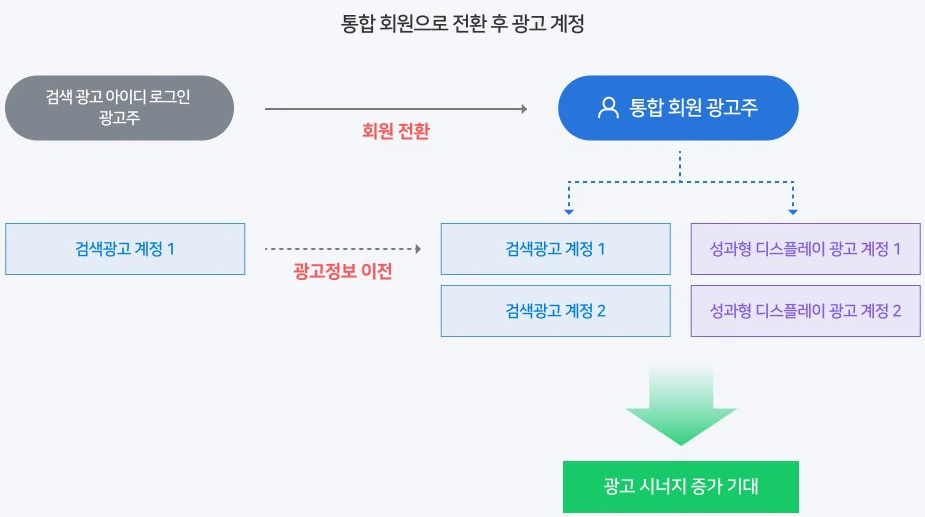
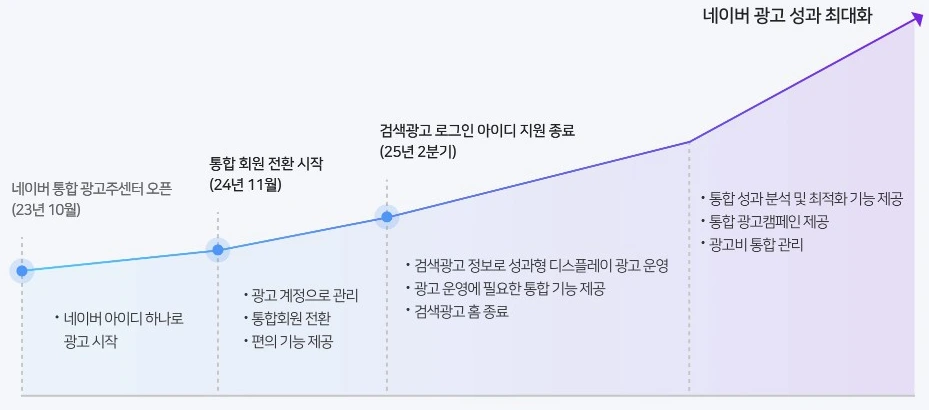
기존 네이버 광고 계정 회원은 두 가지 유형을 지원하는 탓에, 사용자들에게 혼란을 주기도 했었는데요.
네이버 검색광고를 집행하기 위해 ‘네이버 검색광고’에 가입할 때 계정을 새로 만드는 방법과 ‘네이버’의 계정을 연동하여 로그인하는 두 가지 방법이 있었습니다. 성과형 디스플레이 광고를 위한 ‘네이버 통합 광고주센터’는 ‘네이버’의 계정을 연동하여 로그인하는 방법만 있었고요.
이제 하나의 ‘네이버’ 계정으로 통합됩니다.
‘네이버’ 계정만 있으면 ‘네이버 검색광고’와 ‘성과형 디스플레이 광고’ 모두 하나의 계정으로 로그인하여 사용할 수 있습니다. 통합회원으로 전환하는 간단한 절차만 완료하면 앞으로 훨씬 더 편리하게 네이버 광고를 이용할 수 있습니다.
통합회원 전환 절차는 2024년 11월 20일부터 시작되었으며, 2025년 02월 12일부로 통합회원으로 전환하지 않은 ‘네이버 검색광고’ 기존 계정의 로그인 지원이 종료될 예정이므로 반드시 기간 내에 통합회원으로 전환하셔야 합니다.
Q. 그럼 저의 네이버 계정을 자사에서 네이버검색광고 관리하는 모든 직원과 함께 사용해야 하는 건가요?
A. 아닙니다. 광고계정의 권한을 담당자에게 부여하고, 여러 명이 각자의 네이버계정으로 네이버검색광고를 관리할 수 있습니다.
네이버 광고 계정 통합 회원 전환 가이드
권한을 받을 계정으로 네이버검색광고에 로그인한 후, 좌측 상단의 표시되는 숫자 ID를 확인해 주세요. 권한을 줄 계정은 내 정보를 클릭해 주세요.
내 정보 화면에서 권한설정을 클릭해 주세요.
‘권한 부여하기’를 클릭해 주세요.
아까 확인했던 ‘권한을 받을 계정’의 숫자ID를 입력한 후, 부여하기 클릭해 주세요.
이제 통합회원 전환 절차를 진행해 보겠습니다.
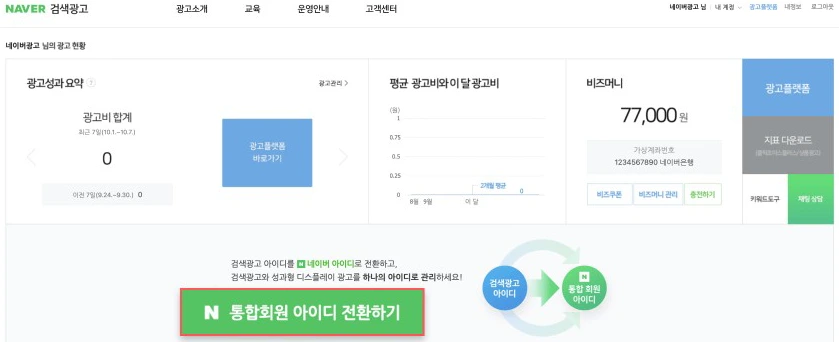
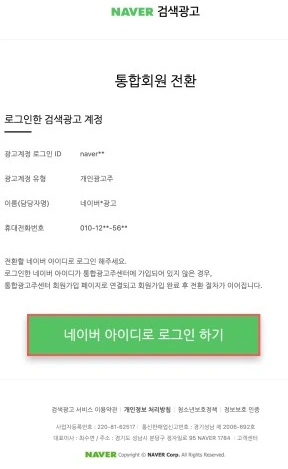
위 캡처처럼 네이버 검색광고 플랫폼에 로그인하면, 하단에 ‘N 통합회원 아이디 전환하기’ 버튼을 클릭하면,
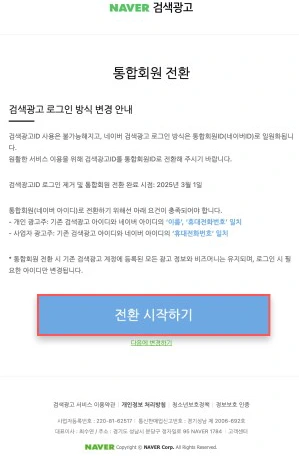
안내 페이지가 뜨는데, ‘전환 시작하기’ 버튼을 클릭하세요.
다음 페이지에서 네이버 아이디로 로그인하면 됩니다.
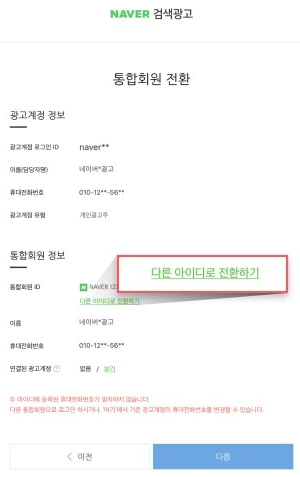
다음 페이지에서 통합회원의 이름과 휴대전화 번호가 검색광고 계정과 일치하지 않는다면 다른 아이디로 로그인하시거나 휴대전화 번호를 변경해야 합니다. 정보가 일치한다면 다음으로 진행해 주시면 됩니다.
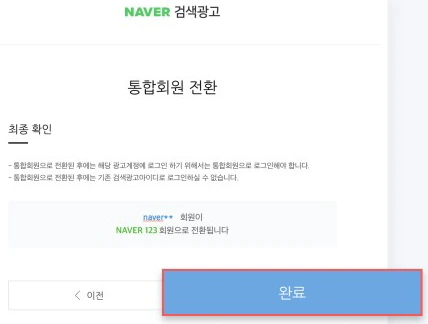
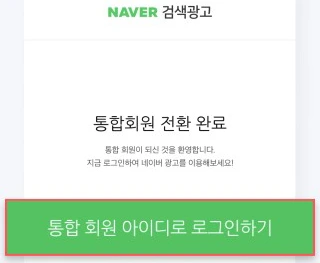
완료 버튼까지 클릭하시면 통합회원 전환이 완료됩니다.
네이버 광고 계정 통합 회원 전환의 기대 효과
이렇게 통합회원으로의 전환이 완료되면, 기존에 따로 구분되어 있었던 검색 광고와 성과형 디스플레이 광고를 통합으로 운영할 수 있어 광고비 통합관리, 통합된 광고캠페인, 검색광고 정보를 기반으로 한 성과형 디스플레이 광고의 성과 개선 등 다양한 시너지가 있을 것으로 기대하고 있습니다.
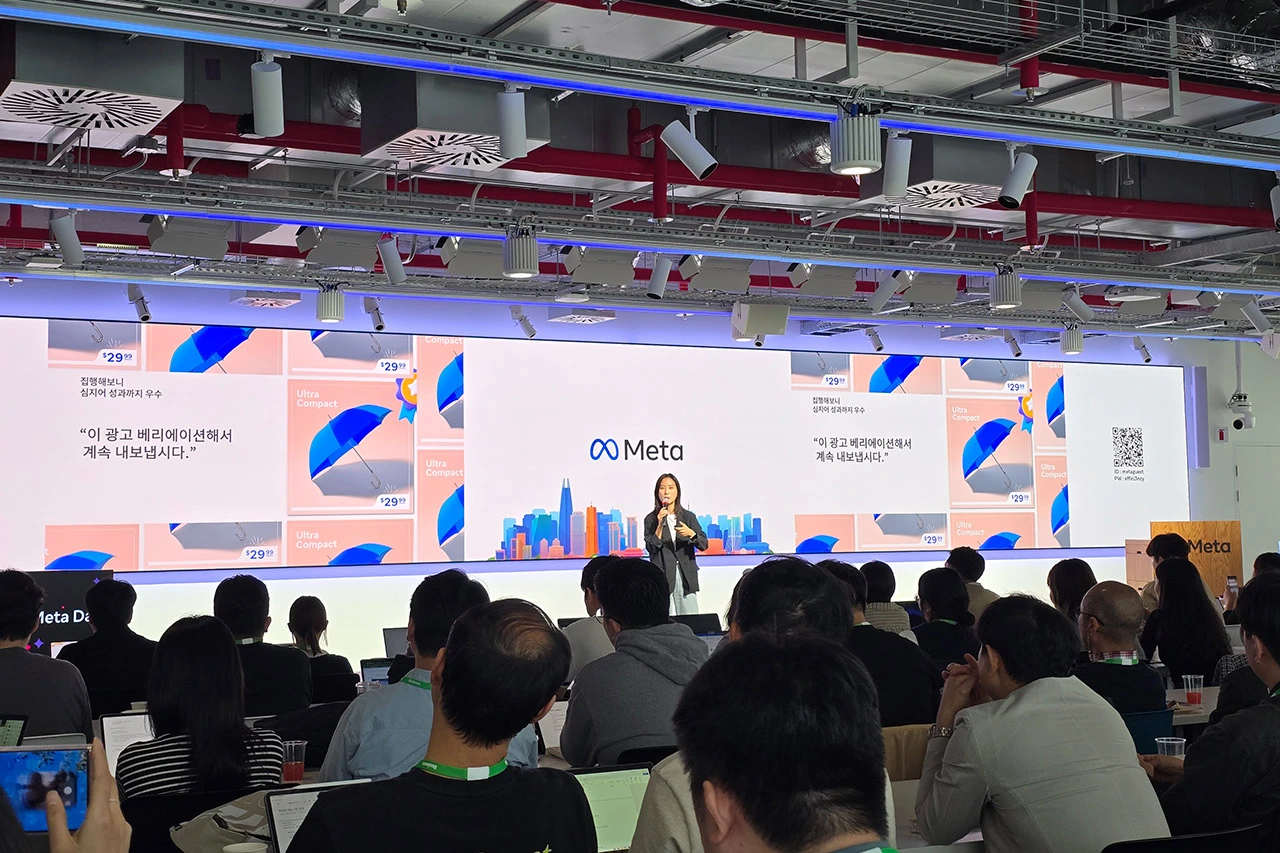
Meta 측에서 마케팅 에이전시들을 대상으로 진행한 Meta Day for Agencies 행사에 다녀왔습니다. 매체사에서 간혹 이런 행사들을 진행하곤 하는데요. 성장마케팅에서는 고객사 업무에 지장이 없는 이상, 이런 행사들에 적극적으로 참여하고 있습니다. 매체사의 이러한 교육은 새로운 광고 상품, 광고 기법, 새로운 접근 방식이나 인사이트를 발견하는 기회가 되기 때문입니다.
이런 행사는 보통 매체사의 새로운 광고 상품이나 잘 활용되지 않는 광고 상품을 세일즈하는 자리이기도 합니다. 인상 깊었던 것은 Meta의 행사에 사용된 스크린 크기가 압도적이어서 너무 갖고 싶었다는… 건 농담이고요. 매체사의 직접적인 교육, 행사 등에 참여하게 되면 새로운 이야기보다 이미 알고 있는 뻔한 이야기가 재탕되는 경우가 많은 편인데, 좋은 세션을 준비해주셨다는 생각이 들었습니다.
크게 Meta의 퍼포먼스 관련 세션, 콘텐츠 관련 세션, 에이전시 파트너 프로그램에 대한 세션으로 진행이 되었습니다.
개인적으로 현존하는 광고 매체 중 Meta는 머신러닝에 있어 단연 최고의 기술 수준을 가진 매체라고 생각하는데요. 특히 Meta의 머신러닝은 어떻게 활용하는 것이 가장 효율적이라는 기법이 수학 공식처럼 정확하게 나와 있어 퍼포먼스 마케터들에게 사랑받고 있는 것 같습니다.
예를 들어, 오늘 세션에서 강조되었던 이야기 중, 계정을 간소화하면 고객에게 도달할 기회가 늘어난다는 꼭지가 있었는데요.
빠른 머신러닝을 위해 몇 개의 광고 세트를 세팅하는 것이 적정한가, 최대 광고 세트는 몇 개까지 세팅해도 될까? 같은 질문에 대해 수학 공식 같은 답변을 내 놓았습니다.
이렇듯 퍼포먼스 캠페인에서 성과를 예측하거나, 목표 성과를 위해 예산을 배정하는 활동들이 ‘감’ 혹은 ‘경험’에 의존할 때가 많은데, 메타는 이러한 부분을 상당히 깔끔하게 정의한 이론들을 정리해주는 것 같습니다. 최근에 가장 핫한 건 아무래도 ASC 캠페인일텐데요. 실제 이번 세션에서도 상당시간을 할애해 ASC에 대해 이야기해주시기도 하셨고요. ASC가 사실 마케터 입장에서는 너무 편한 캠페인 세팅이면서, 성과는 정말 잘 나와줍니다. 페이스북 ASC 캠페인이란? 콘텐츠를 일독하시기를 권해드립니다.
이 밖에도 광고 소재, 크리에이티브 영역에서도 많은 인사이트, 힌트를 얻을 수 있었는데요. 실무와 관련된 크리에이티브 바리에이션 팁 등은 B2B 기업같은 경우, 그대로 적용하긴 애매할 것 같지만, B2C 기업들을 대상으로는 성장마케팅 내부에서도 활용해봐야겠다는 생각을 했습니다.
이번 Meta Day for Agencies 행사에서 얻은 인사이트를 실제 업무에 반영하고, 새로운 레퍼런스들을 정리해 여러분들께 공개할 준비를 해 보도록 하겠습니다.
Meta에서 다양한 행사를 많이 준비하고 진행하는 것 같다는 느낌을 받았습니다. 인플루언서나 마케터 분들은 Meta에 방문할 기회가 있으시면 포토존에서 인증샷 하나 남겨두는 것도 나쁘지 않을 것 같네요.
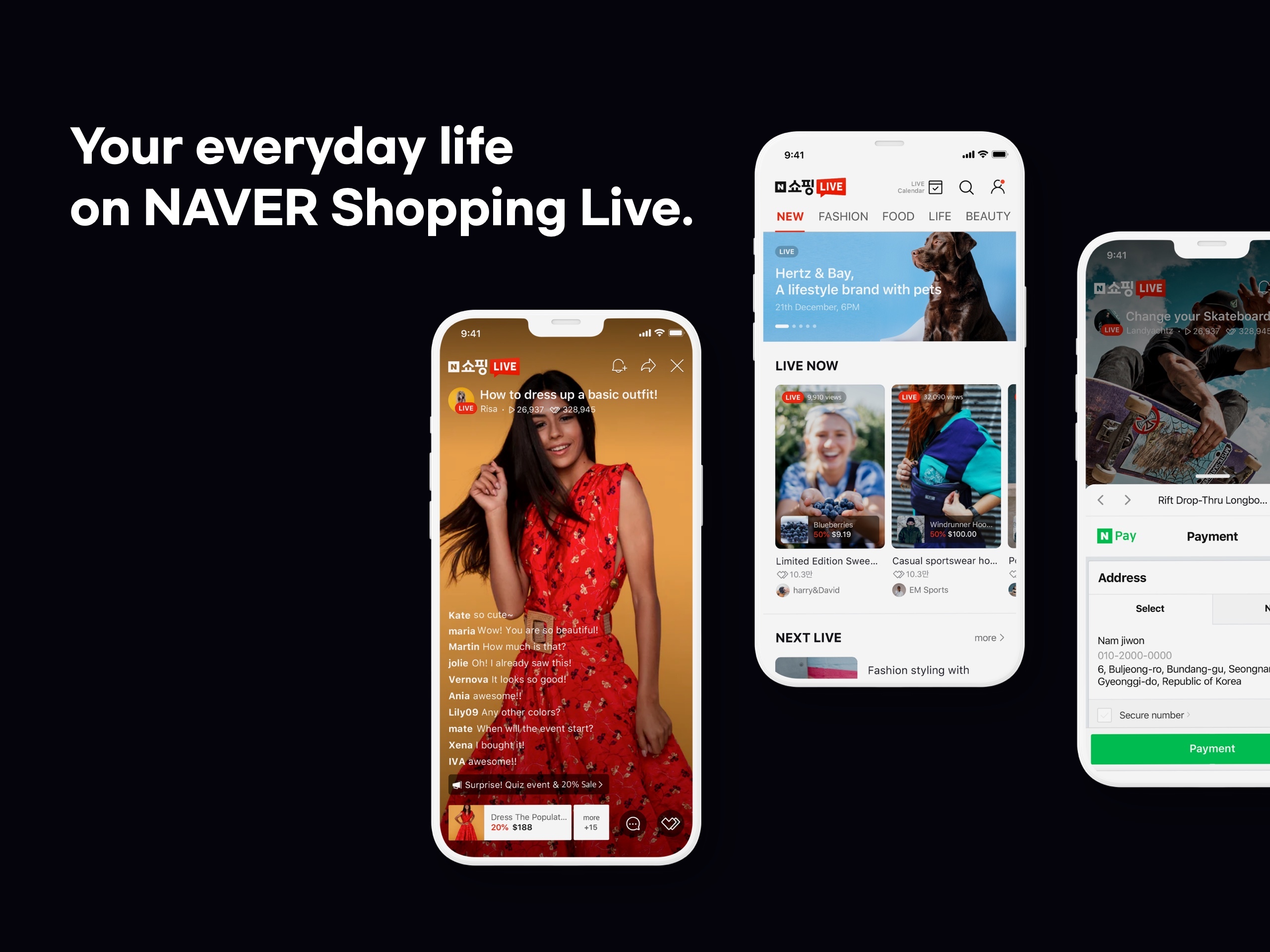
In recent years, live commerce has taken South Korea by storm, with Naver Shopping Live emerging as the dominant platform in the space. Naver Shopping Live allows brands to create live, interactive shopping experiences that engage audiences and drive sales. Through its unique blend of live streaming and e-commerce, it has become a cornerstone of digital marketing strategies for businesses across the country.
Why Naver Shopping Live is Leading the Digital Commerce Revolution
Naver Shopping Live is South Koreas largest live commerce platform, with a market share that far exceeds its competitors. As of 2023, 73.6% of mobile shoppers in South Korea chose Naver Shopping Live as their primary platform, leaving competitors such as Kakao Shopping Live (41.9%) and ZEM Live (20.3%) far behind. This remarkable dominance is a testament to the platform’s ability to meet the needs of both consumers and brands.
SME (Small and Medium Enterprises) transaction share: 50% of total transactions
These figures illustrate not only Naver Shopping Live’s popularity among consumers but also its growing importance as a channel for businesses of all sizes. The platform has become a vital tool for small businesses to reach wider audiences and increase sales, thanks to its seamless integration with Naver’s broader ecosystem and its easy-to-use features.
Key Factors Behind Naver Shopping Live’s Success
Several factors contribute to the rapid growth and success of Naver Shopping Live:
Stable Live Video Streaming Technology: Naver has invested heavily in technology, ensuring that broadcasts are stable, high-quality, and engaging for users.
AI and Vision Technology Integration: By leveraging advanced AI and visual technologies, Naver Shopping Live offers personalized shopping experiences that enhance user engagement and drive conversions.
Introduction of Short-Form Video: The addition of short-form videos has lowered the entry barriers for sellers, making it easier for smaller brands and individual entrepreneurs to create and share content, thus boosting overall participation.
To understand the power and potential of Naver Shopping Live, its helpful to look at a real-world example of how the platform was used to drive a successful digital marketing campaign. One such example is the Mercedes-Benz EQA launch in South Korea, which showcased the platform’s capabilities in creating immersive, engaging, and interactive shopping experiences.
Mercedes-Benz recognized that reaching younger, digitally native consumers was essential for launching their EQA electric SUV. The brand needed a platform that would resonate with Millennials and Gen Z, who are not only tech-savvy but also highly engaged in live streaming and social commerce. Naver Shopping Live provided the perfect opportunity to connect with this audience in a creative and impactful way.
Mercedes-Benz chose Naver Shopping Live to host a digital live concert, a unique approach that blended entertainment with product promotion. Rather than following the traditional route of a static product showcase, the campaign featured live performances by popular Korean artists such as pH-1, Jessie, and Heize. This immersive concert experience created an engaging environment where the EQA was introduced alongside dynamic performances, appealing directly to the MZ generations love for music and culture.
The campaign leveraged several key features of Naver Shopping Live:
Pre-event Teasers: To build anticipation for the live concert, Mercedes-Benz utilized Naver Ads to promote the event across the platform. Display ads and outlink banners were used to generate buzz in the days leading up to the event.
Real-Time Viewer Engagement: During the 60-minute live concert, viewers were encouraged to interact in real-time through live comments and chat features. This created a sense of community and direct engagement between the brand and its audience.
Seamless Conversion: Outlink banners were also integrated into the live broadcast, providing viewers with easy access to EQA test drive sign-ups. This integration of e-commerce and entertainment enabled Mercedes-Benz to drive immediate conversions during the event itself.
The results from the Mercedes-Benz campaign were remarkable, showcasing Naver Shopping Lives effectiveness as a digital marketing tool. Key metrics included:
Over 800,000 cumulative viewers tuned in to the live concert.
The event peaked at 5,800 concurrent viewers, demonstrating the platforms ability to handle large-scale live events.
15,000+ clicks on the test drive sign-up banners were recorded during the live broadcast.
A 170% increase in daily qualified clicks (QC) was achieved, highlighting the success of the campaign in driving meaningful engagement.
These statistics illustrate how Naver Shopping Live can effectively combine entertainment, engagement, and sales to achieve impressive results for brands.
The Future of Digital Marketing with Naver Shopping Live
The success of campaigns like the Mercedes-Benz EQA launch further solidifies Naver Shopping Live as a powerful tool for digital marketing. Its ability to merge entertainment, e-commerce, and real-time interactivity makes it an essential platform for businesses aiming to connect with modern consumers.
As South Koreas live commerce leader, Naver Shopping Live will continue to shape the future of digital marketing, especially in industries like luxury automobiles, fashion, and electronics. By providing a platform where brands can create authentic, engaging, and impactful experiences, Naver Shopping Live is positioning itself as a key player in the future of digital marketing, driving both brand awareness and conversion rates for businesses across all sectors.
When it comes to online advertising in Korea, Naver Display Ads are a powerful tool that can drive significant growth for businesses. One notable success story is Nike Korea, which effectively leveraged Naver Display Ads with the help of Echomarketing Agency to boost awareness and engagement for its Nike Members Day event. This case study shows how Nike used Naver’s advertising solutions to amplify its brand visibility and increase customer interest.
Brand Overview: Nike
Nike, headquartered in Beaverton, Oregon, is a leading global brand in sportswear, fitness apparel, equipment, and accessories. Known for its innovative design and marketing, Nike continues to dominate in both the retail and online spaces.
In line with its goal to foster an active lifestyle, Nike has consistently aligned its campaigns with meaningful events, including its annual Members Day in South Korea.
Campaign Objective: Amplifying Awareness for Nike Members Day The primary objective of Nike’s campaign was to maximize awareness and anticipation for its Members Day event, which takes place in two phases: Pre-heat and Launch.
On October 15, 2023, a key date marking the last day of the Pre-heat phase, Nike wanted to generate excitement and anticipation for the Members Day event. By using Naver, Nike effectively aligned this campaign with Korea?s National Sports Day, under the brand?s vision of ?Make sport a daily habit.?
Naver Display Ads Solutions: The Triple Crown Strategy
Nike’s campaign leveraged Naver?s Triple Crown advertising solution, which consists of three high-impact ad formats: Special Logo, Headline Display Ads (DA), and Special Display Ads (DA). Each of these formats played a critical role in driving the success of the campaign.
Special Logo: Nike utilized Naver?s Special Logo feature to display a custom-designed logo that matched its brand colors and National Sports Day theme. This logo, prominently displayed on Naver?s homepage, helped build anticipation for the upcoming event.
Headline DA: In addition to the logo, Nike ran Headline Display Ads that highlighted the Members Day event. These ads prominently displayed the event dates, creating a sense of urgency and encouraging users to participate.
Special DA: Nike also ran Special Display Ads that showcased its key campaign message and promotional offers. These ads targeted premium placements on Naver?s high-traffic pages, ensuring maximum visibility.
Creating a Seamless User Flow
Nike?s strategy focused on creating a seamless user flow from Naver to its own website. The Special Logo was clickable, leading users to a custom search result page that celebrated National Sports Day. At the top of this page, Nike displayed its Members Day event banner, which encouraged users to visit Nike?s event page on its website. This created a smooth and natural transition for users, driving them directly to Nike?s online store to explore products and promotions.
By using multiple ad formats and carefully planning their placement, Nike effectively built excitement, drove traffic to its website, and provided users with a consistent brand experience across the Naver platform.
Campaign Results: Record-Breaking Search Queries and Engagement
The Triple Crown strategy proved to be highly successful for Nike. Key metrics from the campaign include:
25% Increase in Search Queries: On October 15, Nike saw a 25% increase in search queries compared to the previous day. This resulted in the highest daily search volume for the brand in October. This indicates a significant boost in brand visibility and user interest.
Highest CTR for the Year: The campaign achieved the highest Click-Through Rate (CTR) for a banner ad on the integrated search results page in 2023. This underscores the effectiveness of Naver’s Triple Crown format in driving user engagement.
Halo Impact Across Media: The success of the campaign demonstrated the ?Halo Effect? of display media on search performance. By combining search and display ads, Nike was able to create a full-funnel marketing approach that boosted both brand awareness and direct engagement.
Key Takeaways: Why Naver Display Ads Work for Large-Scale Campaigns
Nike?s campaign serves as an excellent example of how Naver Display Ads can be leveraged for large-scale branding and performance marketing. Here?s why the campaign worked so well:
Strategic Timing: Aligning the campaign with National Sports Day helped Nike resonate with a broader audience, tying its event to a meaningful national celebration.
Comprehensive Ad Solutions: The use of multiple ad formats, including Special Logo and Display Ads, ensured that Nike?s message was visible across different parts of the Naver ecosystem.
Seamless User Experience: By creating a smooth user journey from Naver to Nike?s website, the brand was able to convert search interest into actual traffic and engagement on its online store.
Data-Driven Insights: The campaign?s impressive CTR and search query increases highlight the importance of tracking and optimizing for both brand visibility and performance. Nike?s success shows that a well-rounded strategy incorporating both display and search can drive significant business results.
Conclusion: Naver Display Ads as a Key Tool for Branding and Performance
Nike?s use of Naver Display Ads illustrates how powerful the platform can be for large-scale marketing campaigns. By utilizing Naver?s unique ad formats and premium placements, Nike was able to drive a significant increase in brand awareness and engagement, particularly during a key promotional event.
For businesses looking to make a lasting impact in the Korean market, Naver Display Ads offer a powerful combination of reach, visibility, and performance. With customizable solutions that can fit a variety of marketing objectives, Naver is the go-to platform for brands aiming to amplify their presence and drive measurable results.
Expanding into new markets or selling overseas presents unique challenges and opportunities. Understanding the nuances of search engines in different regions is crucial. This article delves into the differences of Naver vs Google, focusing on how these differences can impact your digital marketing strategies whether youre a company entering the Korean market or a Korean business looking to expand internationally.
By the end of 2022, Googles market share in South Korea was 26.8%, which surged to 35.3% by the end of March 2023, closing the gap with market leader Naver.
Nevertheless, Naver maintains a strong position thanks to its integrated portal services, user-generated content, and deep cultural relevance. The ongoing competition between these two search giants highlights the importance of localization and understanding unique market dynamics in the global tech landscape.
Recognizing and leveraging the differences of Naver vs Google can significantly enhance your marketing effectiveness. Lets dive into the differences between these two platforms.
Naver: Integrated Search Platform Based on Portals
Naver is a familiar portal site for Koreans, offering a comprehensive range of services beyond just search, including news, blogs, cafes, and shopping. This integration allows ads on Naver to appear in various forms across its diverse channels.
For instance, if youre running a cosmetics brand, your ads on Naver can appear not only in search results but also in beauty-related blogs or cafes. This broad exposure through multiple channels is a significant advantage of Naver.
Google: Pure Search Engine Platform
Conversely, Google is renowned as the “king of search,” focusing primarily on its powerful search engine. Googles search results are straightforward yet precise, which makes it highly effective at displaying ads that closely match user search intents.
For example, if someone searches for “laptop recommendations,” Google will show ads for relevant laptops, based on the users intention to purchase. This approach contributes to Googles high conversion rates.
Naver vs Google: Search Results Page Structure
Next, lets compare the search results page structures of Naver and Google. Understanding these differences will guide how to effectively display ads on each platform.
Naver: Sectioned Results
Navers search results page is divided into several sections: Power Links, Blogs, Cafes, Knowledge iN, News, etc. This structure allows advertisers to place ads across various sections in different formats.
For example, if youve launched a new diet product, you could use Navers advertising methods as follows:
Power Links: Display ads at the top of search results for keywords like “diet.”
Blog Section: Show product reviews in blog content.
Cafe Section: Post ads in diet-related cafes.
Knowledge iN: Use Q&A format for indirect advertising.
Leveraging these sections allows multiple exposures to potential customers. However, each section requires a distinct approach: information-based content for blogs and direct sales messages for Power Links.
Google: Simple and Unified Results Page
Googles search results page is much simpler compared to Navers. It primarily lists text-based search results and ads together. Thus, creating ads that precisely match the users search intent is crucial on Google.
For example, if youre selling an online English learning program, you might:
Search Ads: Run ads with keywords like “online English learning.”
Highlight Unique Selling Points: Emphasize features like “free trials” and “native 1:1 lessons.”
Optimize Landing Page: Ensure it matches the search keywords.
Remarketing: Continuously show ads to website visitors.
Googles emphasis on ad quality scores means using relevant keywords and optimizing landing pages are key. Understanding user intent and aligning your ads accordingly is essential.
Naver vs Google: Ad Types
Now, let’s look at the specific ad types offered by Naver and Google. Understanding these can help you develop more effective advertising strategies.
For example, if launching a new smartphone accessory brand, you could:
Power Links: Advertise with keywords like “smartphone cases” and “wireless chargers.”
Brand Search: Use banner ads to emphasize brand image and introduce new products.
Content Search Ads: Display ads in blogs or cafes with keywords like “smartphone accessory recommendations.”
Combining these ad types allows for a multifaceted approach to reaching potential customers. However, each type requires a different strategy: direct purchase incentives for Power Links and information provision for content search ads.
Google Ad Types
Google also offers diverse ad types:
Search Ads: Text ads related to users’ search queries displayed on search results pages.
Display Ads: Banner ads shown across various websites in the Google Display Network.
Video Ads: Ads displayed in video format on platforms like YouTube.
For example, if running an online furniture store, you could:
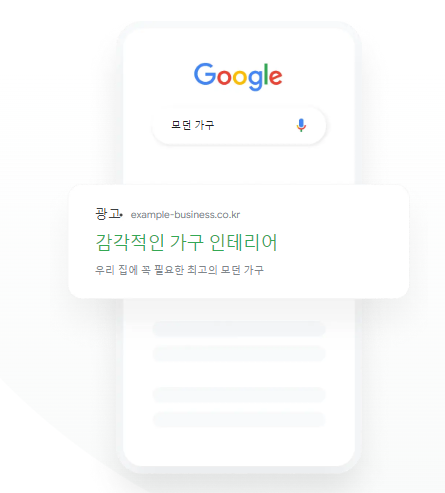
Search Ads: Use keywords like “modern living room furniture” or “affordable sofas” to drive traffic to your store.
Display Ads: Show banner ads on home dcor blogs or interior design websites to capture potential buyers.
Video Ads: Create short videos showcasing your furniture collections or offering decorating tips on platforms like YouTube, with a link to your product pages.
Googles strength lies in its refined targeting options. For example, targeting users interested in home dcor or furniture who are 25-45 years old, or recent searchers for topics like “living room design ideas” or “furniture shopping,” enhances ad efficiency.
Naver vs Google: Keyword Management
Keywords are central to search advertising. Naver and Google differ in how they manage and expand keywords. Understanding these differences can help you develop more effective keyword strategies.
Naver: Manual Keyword Management with Limited Expansion
Naver generally relies on manual keyword management, requiring advertisers to select and manage keywords themselves. This method allows for precise control but can be time-consuming.
For instance, if running a pet shop:
Select Core Keywords: Choose keywords like “dog supplies” and “cat food.”
Use Related Searches: Identify and add related keywords like “dog toys” and “dog clothes.”
Seasonal Keywords: Manually add keywords like “dog cooling mats” for summer and “dog padding” for winter.
Negative Keywords: Exclude irrelevant clicks with negative keywords like “free” or “cheap.”
Careful manual keyword management is crucial for aligning with your business needs.
Google: Advanced Keyword Expansion with Machine Learning Optimization
Google offers advanced keyword management features and automated optimization through machine learning, reducing manual effort while enhancing strategy effectiveness.
Googles key keyword management features include:
Keyword Planner: Provides new keyword ideas and data on search volume and competition.
Automated Keyword Expansion: Automatically displays ads for keywords similar to the ones set.
Dynamic Search Ads: Automatically targets relevant search queries based on website content.
For a pet shop:
Use Keyword Planner: Analyze related keywords and their search volumes.
Automated Keyword Expansion: Set a keyword like “dog food” and let Google expand it to related terms.
Dynamic Search Ads: Automatically target ads based on your websites content.
While Googles automation features reduce effort, periodic checks and adjustments are necessary to ensure keyword relevance.
Naver vs Google: Targeting Options
Lets explore the targeting options available on Naver and Google. Precise targeting is crucial for maximizing ad efficiency.
Naver: Basic Targeting Options
Naver offers relatively basic targeting options:
Geographical Targeting: Display ads to users in specific regions.
Time Targeting: Show ads during specific times of the day.
Day-of-Week Targeting: Target ads to specific days of the week.
Gender Targeting: Focus ads on male or female users.
For instance, if operating a fitness center in Seoul:
Geographical Targeting: Set ads for Seoul and nearby areas.
Time Targeting: Focus on evening hours, from 6 PM to 10 PM.
Day-of-Week Targeting: Target weekdays when people are more likely to exercise.
Gender Targeting: Aim ads at women aged 20-30, your primary clientele.
However, Navers targeting options are less advanced compared to Google.
Demographic Targeting: Age, gender, parental status, etc.
Geographical Targeting: Country, city, radius, etc.
Language Targeting: Ads for specific language users.
Device Targeting: Mobile, desktop, tablet, etc.
Interest Targeting: Users based on interests or behaviors.
Remarketing: Target previous website visitors.
For the fitness center:
Demographic Targeting: Set ads for women aged 25-45.
Geographical Targeting: Focus on a 5 km radius around a specific area in Seoul.
Device Targeting: Target mobile users, as they often search for fitness information on mobile devices.
Interest Targeting: Focus on users interested in “fitness,” “diet,” and “health.”
Remarketing: Re-target users who visited your website but didnt sign up.
Googles detailed targeting options enhance ad effectiveness but balancing reach with specificity is crucial.
Naver vs Google: Advertising Management Approaches
Naver and Google also differ in their advertising management approaches. Understanding these differences will help you create effective strategies for each platform.
Googles automated management saves time but requires monitoring and adjustments.
Conclusion: Navigating the Landscape
Below is a summary of the key differences between Naver and Google, providing a clear comparison to guide your decision-making process.
Choosing between Naver vs Google for your digital advertising efforts involves evaluating several factors, including your target audience, preferred ad types, and keyword management approach. Navers diverse ad placements within its integrated platform offer a unique advantage for reaching Korean users, while Googles precise targeting and automated keyword expansion provide efficiency and global reach. By understanding these differences, you can tailor your advertising strategy to maximize effectiveness and achieve your marketing goals.
Growth Marketing Agency is a certified partner with Naver, leveraging our extensive expertise to navigate the nuances of both Naver and Google. Our deep understanding of these search engines enables us to craft tailored strategies that optimize your digital presence and drive results in the Korean market and beyond.
A follow link refers to the standard type of hyperlink on the web. Since March 2022, Google has included the “No follow” attribute in its page ranking criteria.
Therefore, to achieve higher visibility in search results, it is important to understand the benefits and usage of no follow links.
To understand these links, one must first know how search engines work and the definition of follow links.
In this article, we will summarize the essential conditions for creating an SEO-friendly website and explain the difference between do follow and no follow links.
What are Follow Links, or Do Follow Links?
When search engines detect inbound links to a page, they view it as a sign of trustworthiness and assign a good SEO score.
The more links a website has, the more it is considered SEO-friendly.
Google created a metric called PageRank to calculate link points. Pages that receive many links on a specific topic gain priority in search results.
Experts refer to this as ‘link juice.’
Link juice builds connections between sites through hyperlinks. When a site receives a link from a reputable source, its link juice becomes stronger.
Therefore, a follow link is one that connects from another website to yours.
Search engines use follow links to gauge your website?s credibility. These links are converted into link juice and significantly impact your site?s ranking in search results.
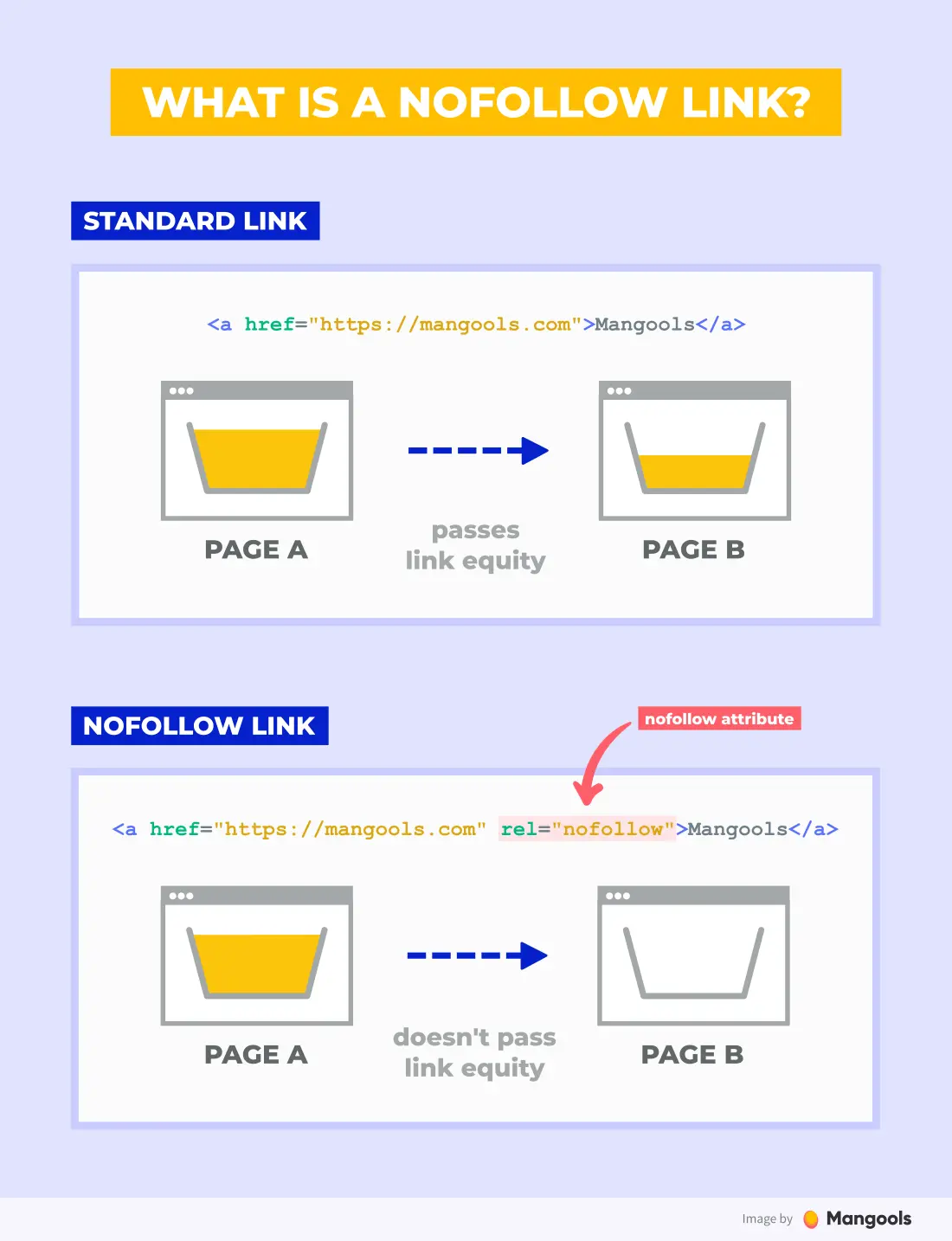
The difference between do follow and no follow links is whether they affect the search ranking of the linked page. Do follow links contribute to link juice, impacting SEO. However, no follow links do not.
Definition and Background of No Follow Links
No follow links are those that do not contribute to link juice points and therefore do not affect Google?s search ranking. You can identify these links through HTML tags:
This tag tells search engines not to count the link. While follow links have a positive effect on SEO, no follow links serve a different purpose.
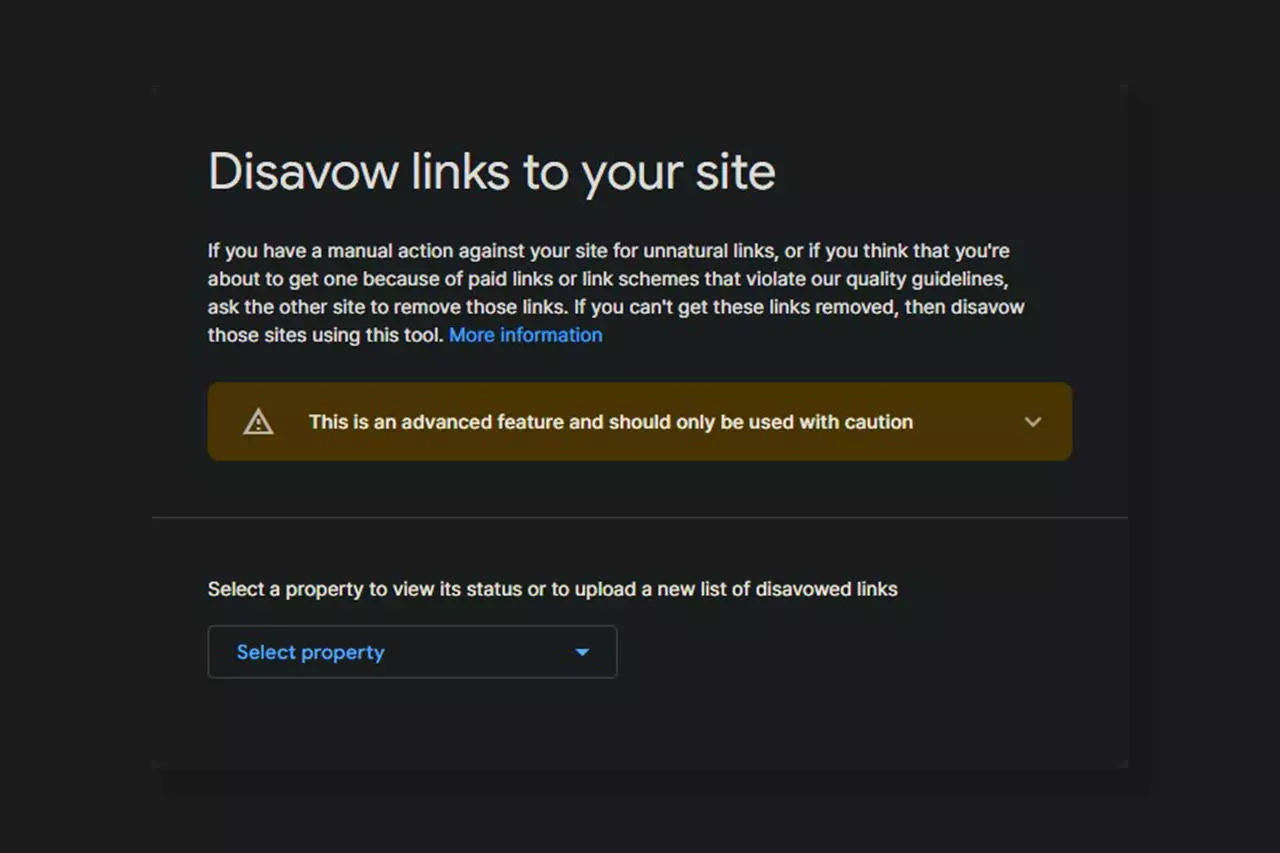
Incorrect links can decrease your website?s quality. Thus, it?s important to use no follow attributes for such links or implement a disavow process. If you need to disavow links on your website, use the disavow tool in Google Search Console.
You might have noticed suspicious links in places where anyone can comment publicly.
In the past, when link juice directly affected page ranking, acquiring links through artificial means was a common trick.
With the rise of spammy comments, comment sections on websites no longer served as effective communication platforms. Consequently, Google introduced the no follow link concept in 2005.
Where are No Follow Links Used?
No follow links play a crucial role in blocking SEO-related spammy comments.
Due to their influence, backlinks created from irrelevant comments have disappeared, allowing search engines to provide fairer results.
Should all comment spaces use no follow attributes to block spam? Generally, no follow is applied to the following areas:
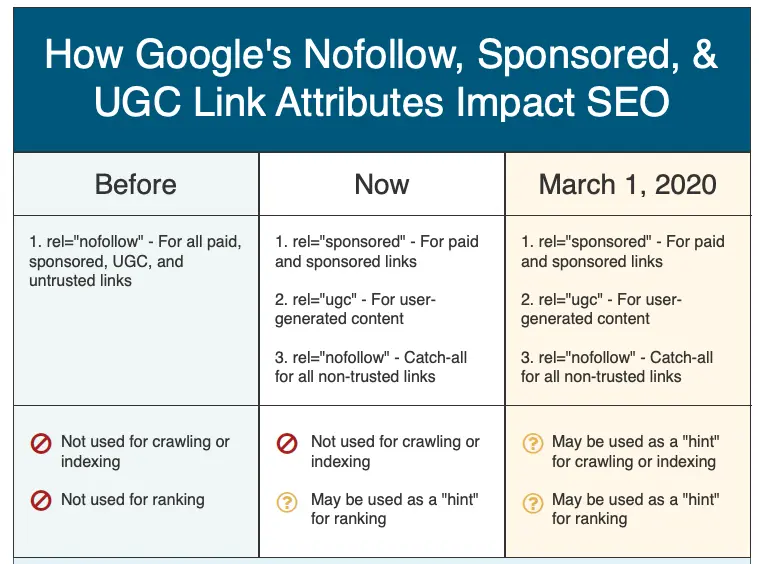
Paid Links: Hyperlinks purchased with money for a website.
Not assigning a no follow attribute to paid links violates search engine policies.
If your website has paid links, Google may not recognize them and could penalize the seller.
Comment Sections: Applying no follow tags to comment spaces clearly communicates to search engines and users that the linked websites are not endorsed.
This prevents certain sites from leveraging your website?s authority for backlinks.
Forums: Links within forum discussions might be spammy or irrelevant.
It?s essential to block such links in advance to avoid affecting search engine algorithms.
High-quality websites linking to each other?s content can be valuable partners. However, if a site with a poor reputation or suspicious content links to your website, it can negatively impact your ranking.
The Role of Follow Links in SEO
No follow links also have their importance.
While they don?t influence link juice, they still offer value. Even with a no follow link, if someone visits your site, it generates referral traffic.
Regardless of follow attributes, if your website?s link appears in places that interest users, it can drive substantial traffic. This traffic can enhance brand awareness and lead to conversions.
Search engines now consider numerous factors beyond link juice and page rank to determine SEO scores.
Even if a link is no follow, if it gains popularity on social media platforms like Twitter or Facebook, it can still be valuable.
Backlinks are crucial for SEO optimization because they help search engines evaluate a website?s authority and value.
When other websites link to your content, search engines view it as a recommendation or endorsement.
Content that is frequently mentioned and linked by quality sites is more likely to rank higher in search results. Backlinks thus help increase your website?s ranking and improve its visibility.
SEO Has No Shortcuts
Effective digital marketing requires SEO optimization. Alongside creating quality content, strategic link building enhances website visibility and attracts more traffic.
However, SEO goes beyond improving search rankings. It helps you understand website visitors better and provide the information they seek.
This strengthens customer communication and boosts brand value. Over time, SEO investment becomes a powerful driver of website growth.
Starting with SEO might be challenging, as it differs significantly from paid media, which provides immediate ranking changes with financial investment.
If you?re struggling with SEO, consider consulting with Growth Marketing Agency. With expert assistance, you can develop a strategic SEO plan and achieve your desired results through ongoing effort.
Regularly posting high-quality content on your corporate blog website increases visibility in search engines, which in turn leads to increased traffic for your site.
Providing useful information related to your products or services through your corporate blog can greatly assist in attracting potential customers.
Additionally, you can generate leads by encouraging blog readers to subscribe to newsletters or sign up for free trials.
Through corporate blogs, you can also communicate the value and expertise of your brand or build relationships by engaging with readers.
Such activities help boost brand awareness and customer loyalty.
While there are many benefits to running a corporate blog, the majority of blogging efforts tend to fail.
The main reason corporate blogs fail is that they start without understanding their audience. Blogs that focus only on what the company wants to say, without considering the interests of the target audience, struggle to gain traction.
Content marketing through a corporate blog requires a long-term strategy, but if done effectively, it can greatly benefit business growth.
This guide covers everything you need to know to grow your corporate blog, from foundational elements to promotional strategies.
Identifying and categorizing your blog users is an essential step toward successful blog marketing.
By identifying and categorizing users, you can provide more targeted content to your readers, better understanding their needs and interests.
Knowing who is reading your blog is crucial for several reasons:
Relationship Building: Understanding your audience helps you build relationships. By responding to comments and questions and engaging on social media, you can create a community around your blog, increasing loyalty and brand advocacy.
Tailored Content: You can customize your content to meet specific needs and interests, increasing the relevance of your blog for the target audience and enhancing engagement, which may lead to conversions.
Performance Measurement: Understanding your audience helps measure your blog’s success. Track metrics like page views, bounce rate, and time spent on the page to see what resonates with potential customers and what doesnt. This information can be used to improve blog performance.
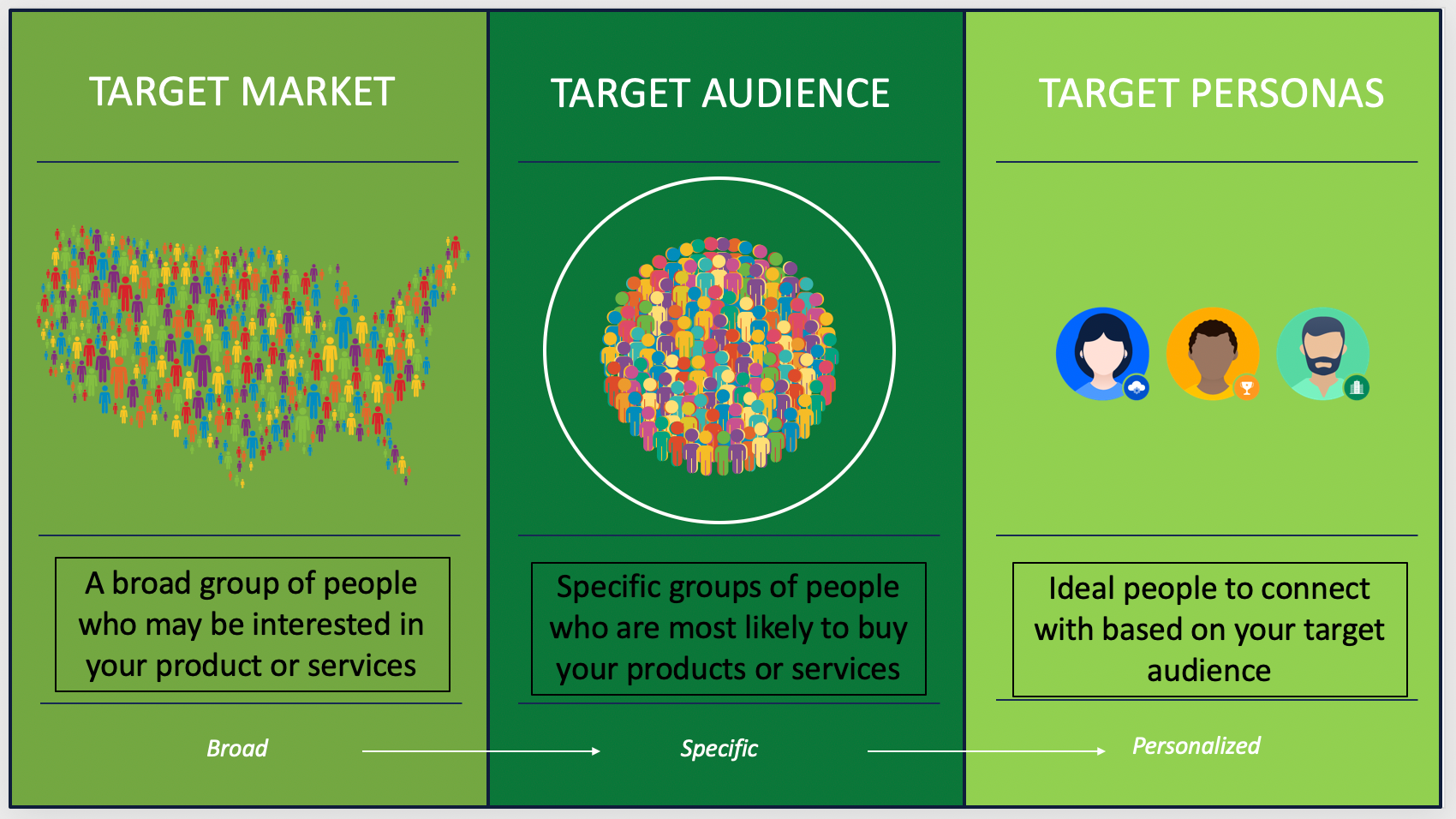
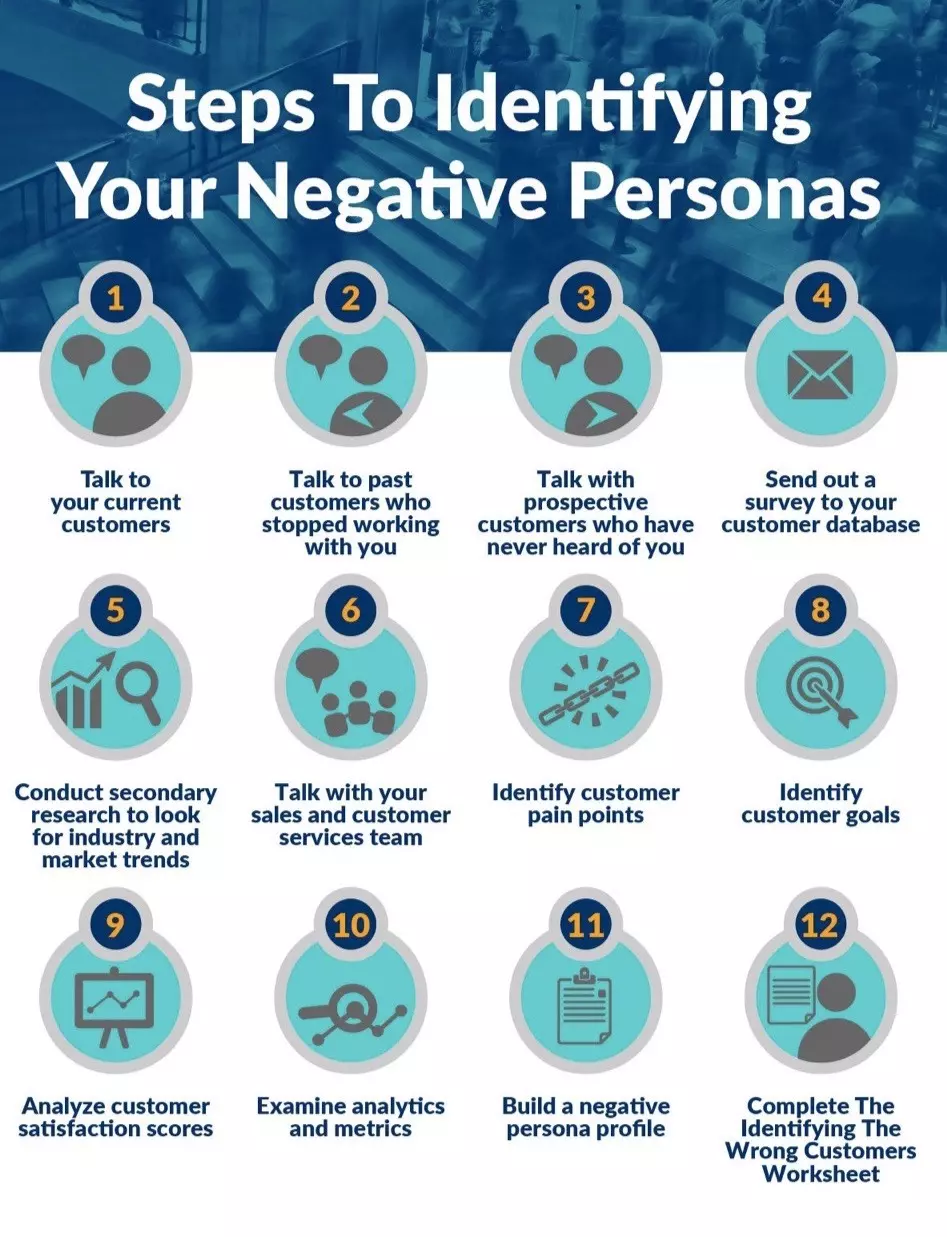
Negative Buyer Personas represent those who are not ideal customers. Analyzing and understanding negative personas helps you avoid creating content that may be irrelevant or off-putting to them.
For example, in a software company, a negative persona could be someone uninterested in technology or lacking the budget for the product. Understanding these personas helps avoid producing overly technical or unaffordable content.
Persona Development Strategy
To identify your corporate blogs target audience, follow these steps:
Analyze Existing Customers: Look at your best customers. What are their demographics, interests, and pain points? By understanding them well, you can craft content that captures their attention.
Conduct Market Research: Understand industry trends and the challenges your target audience faces. This allows you to create relevant and timely content.
Analyze Competitors: Study what content your competitors are creating and who they are targeting. This can help you better understand your target audience and how to reach them.
Methodology
Interviews with Readers and Users
Analyzing Contact Databases
Using Forms to Capture User Information
Examining Who the Sales Team Engages with Most Frequently
These methods allow you to analyze who is likely to read your corporate blog and develop personas based on insights gathered from real-world data.
Creating Engaging Blog Content
Your readers are influenced by every part of the blog, from style to topic. To attract organic traffic, it’s essential to write about topics users are actively searching for. Heres how you can achieve that:
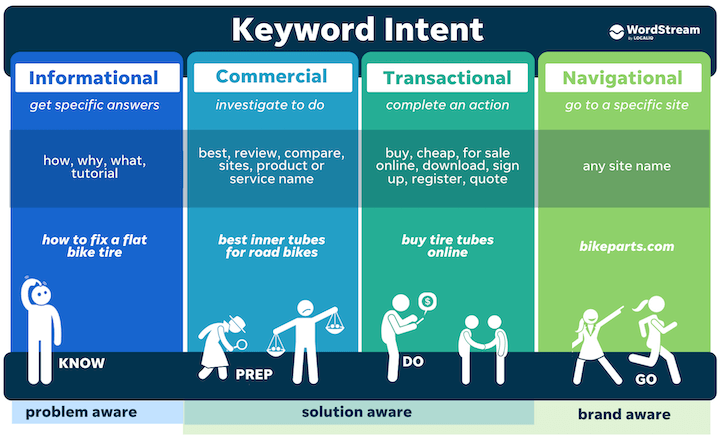
Finding Persona-Centered Keywords
Keywords can be broken down into different intentsinformational, navigational, transactional, and commercial. Persona-centered keywords relate to the needs, interests, and pain points of your target audience. (Source: How to Do Keyword Research: The Easy, Step-by-Step Guide)
Finding the right keywords involves understanding what your target audience searches for when seeking solutions or information. Using these keywords helps create relevant content that drives engagement and increases the likelihood of turning visitors into leads.
Here are some ways to find persona-centered keywords:
Start with Buyer Personas: Understanding your buyer personas will help you identify the keywords they are most likely to search for.
Use Keyword Research Tools: Tools like Google Keyword Planner or SEMrush can help you find relevant keywords and their search volumes.
Analyze Competitors: Study your competitors websites and identify the keywords they focus on.
Creating a List of Corporate Blog Content Ideas
A list of corporate blog content ideas should be created based on keywords and prioritized according to the preferences of potential customers.
Once youve developed a persona-based keyword list, you can begin generating content ideas.
Think about various types of content that might interest your target audience. Do they prefer blog posts, news articles, or technical white papers? Do they like watching videos or listening to podcasts? Create a list of various content types using persona-based keywords.
Finally, prioritize your topics. Not all topics are created equal. Some will be more relevant and engaging for your target audience than others. Set priorities based on your audiences needs and interests.
Brainstorm a list of topics that can be written based on each persona-based keyword. For example, if the keyword is “content marketing,” you could write about “how to develop a content marketing strategy,” “tips for writing effective blog posts,” or “how to promote content.”
Persona-based keywords make your content more relevant to your target audience. By creating engaging content based on this data, you can increase corporate blog visitors and generate more leads.
Successful corporate blogs have a unique personality. While it may not be a measurable factor, personality is one of the core aspects of a brand because people are drawn to brands they can relate to.
In life, we tend to form friendships with people who share our tastes and ideas. The same applies to business blogs. Blog readers tend to consume content from brands that resonate with their personality, lifestyle, and interests.
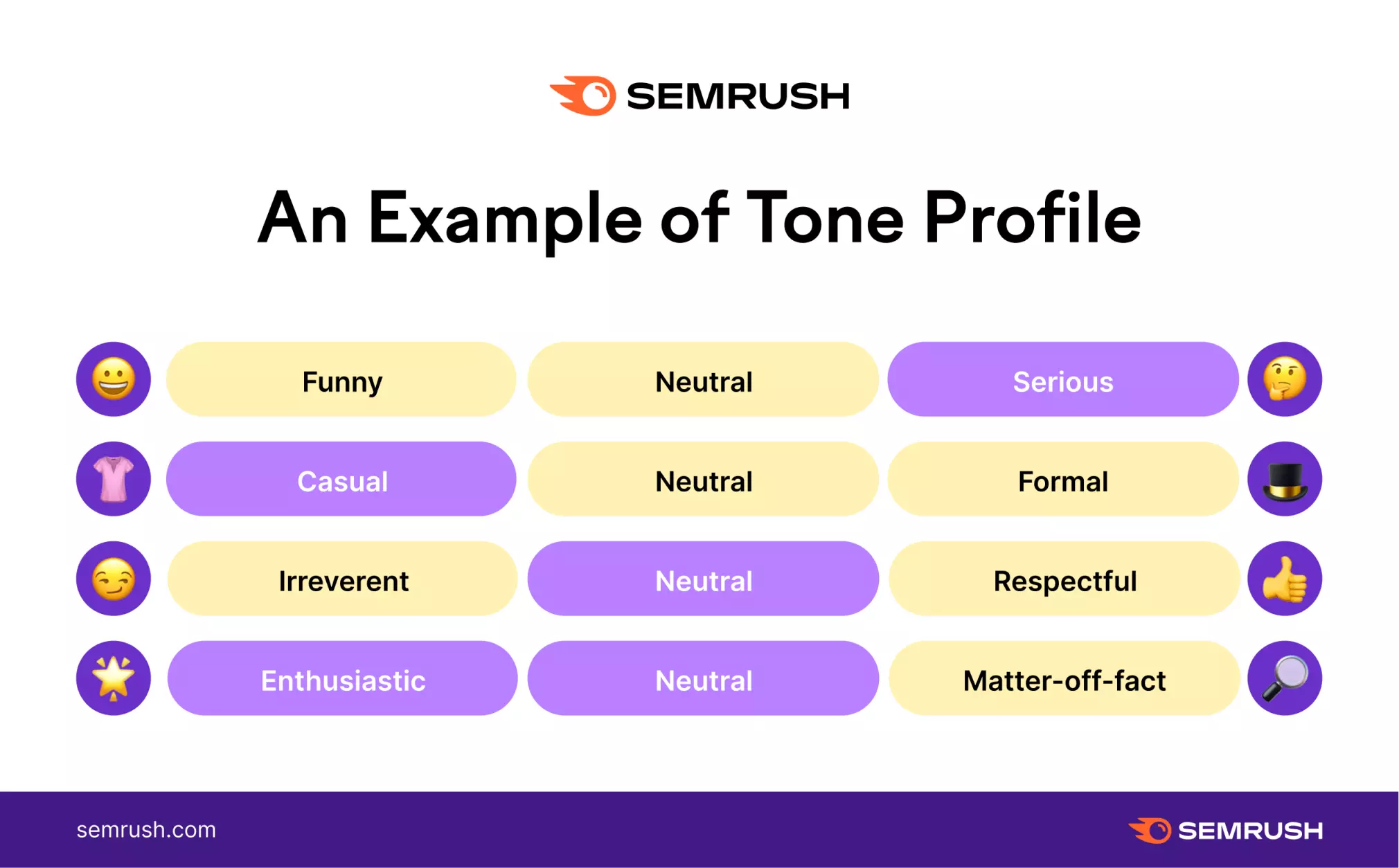
Earlier, we explored the preliminary work of identifying the content types your audience desires. Now, its time to strategize how to create the content. This includes selecting the tone of voice or the image you want to portray.
A good example of a successful corporate blog with a strong identity is Red Bull. Red Bull creates content aimed at an active and energetic audience, presenting it in a style that suits its brand.
Consistent Uploads
The posting frequency of corporate blogs is slightly different from that of social media or email newsletters. You need to consider the frequency and timing of your content posts.
First, review the type of content youre creating and the time it takes to produce. This will help you calculate how often you can post on your blog.
Also, keep your readers habits in mind when scheduling uploads. Think about when they are likely to be online and ready to engage.
For example, Growth Marketing Agency typically uploads at 10 a.m., considering the decision-makers in the business sector.
Once your schedule is set, stick to it. Whether you post daily or weekly, consistency is key.
After determining your blogs posting frequency and audience, use a blog calendar to manage this process in the long term. Pre-planning your posting schedule ensures consistency and efficiency for your corporate blog team.
Even if youve created a corporate blog that matches your audience’s personality, the internet is vast and competitive. To drive new blog traffic, you need to optimize your posts so search engines can easily find them.
For more details on search engine optimization (SEO), check out Growth Marketing Agencys SEO guide. Here, well briefly summarize the practical aspects for running your blog.
Optimizing Post Structure
Custom URLs: A blog posts URL is one of the first things search engines crawl. Create unique URLs that include your blog posts main keyword. A URL thats both search engine and user-friendly can significantly impact how quickly your content ranks higher.
Compelling Titles: Create curiosity-provoking titles that naturally include the words and phrases your target audience searches for. Statistics show that blog titles with 6-13 words generate the most traffic (in English). Search engines will not favor content with high click-through rates but low engagement.
Section Headings: Nearly 50% of people skim blog posts. Make your corporate blog easy to scan by creating clear section headings.
Table of Contents: Users may only want to read one or two sections. Providing a hyperlinked table of contents allows them to navigate your content easily.
Responsive Design: All elements of your corporate blog website must be responsive, ensuring its readable on any device. Some business websites remain incompatible with mobile devices, which gives users the impression that the business isnt attentive to its web presence, resulting in negative feedback.
Optimizing Post Content
Keyword-Relevant Content: Distribute target keywords throughout the corporate blog post. Include commonly used terms related to the keyword as well. However, forcing keywords unnaturally into the content can hurt the reader experience.
Avoid Jargon: No one wants to reach for a dictionary while reading your blog. Use simple, conversational language to explain concepts. Accessible content improves the reader experience.
Short Paragraphs: Readers find it easier to scan blog posts broken into short sections.
Internal Links: Encourage users to explore more content by including internal links to related posts.
Use images that support the content and enhance comprehension.
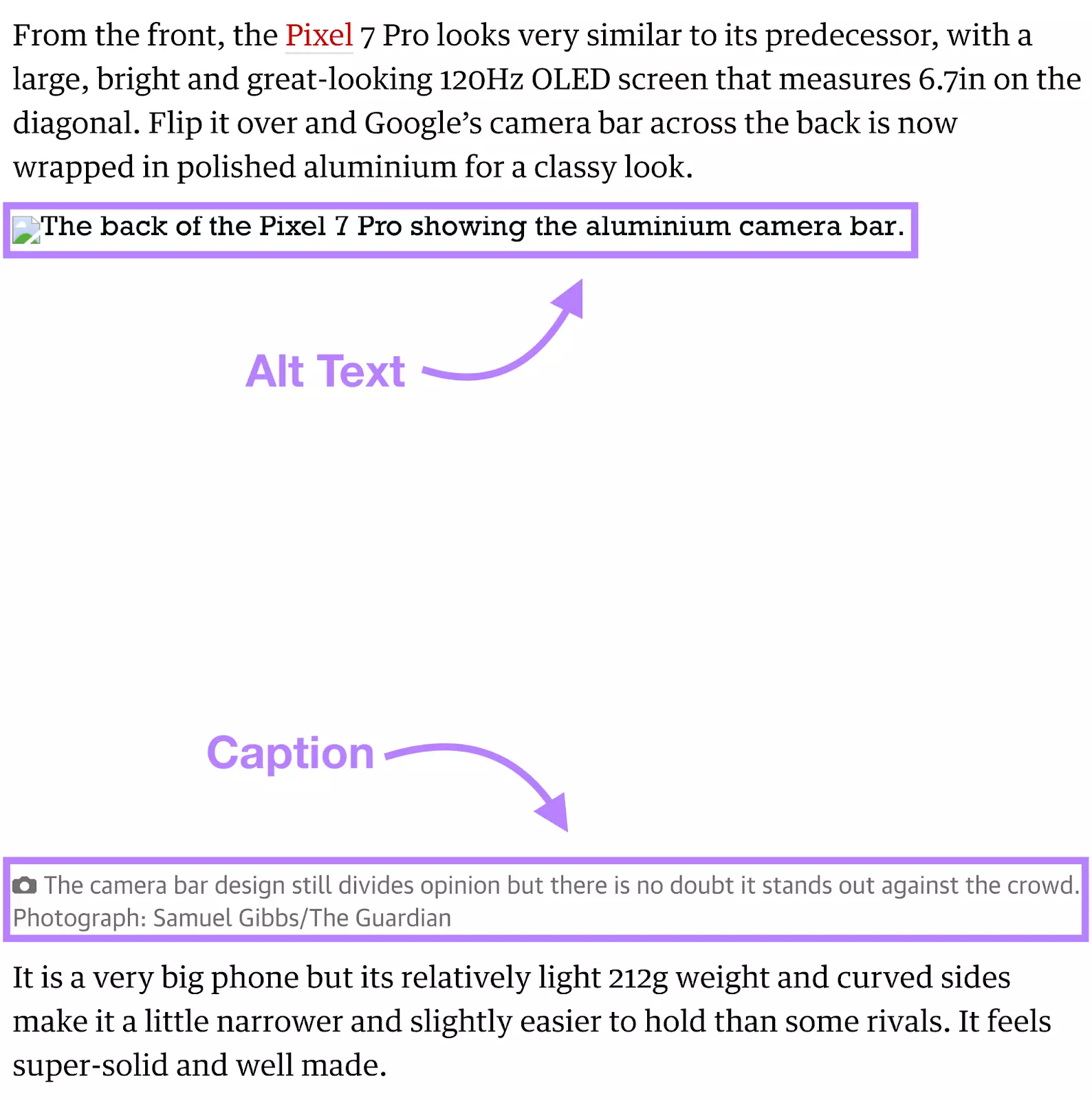
Include alt-text for all images, which serves as a description if the image fails to load and helps search engines understand the images content, potentially leading to more visibility in image-based search results.
Optimizing Engagement
Share Buttons: Make it easy for readers to share your content with social sharing buttons.
Enable Comments: Reader feedback can provide valuable insights for future content.
Smart CTAs: Offer personalized content based on the different lifecycle stages of your database. Showing the right message at the right time can boost engagement and conversions.
Promoting a Corporate Blog
Expanding your subscriber base is essential for any business blog. Subscribers are your most engaged readers and are more likely to convert into customers or leads. However, no corporate blog can thrive without promotion.
Here, well introduce ways to promote your blog and drive new traffic, as well as how to convert mere “visitors” into “subscribers.”
Corporate Blog Promotion Strategy
Following this strategy will help you grow your subscriber base and effectively promote your business blog.
Paid advertising platforms like Google Ads and Facebook Ads can be excellent tools for reaching more potential customers and promoting your blog.
Industry events provide great opportunities to network with potential customers and subscribers. Bring your business cards and prepare a plan for promoting your blog.
Industry influencers can help secure new leads and promote your blog. Reach out to influencers and offer free products or services in exchange for reviews or blog mentions.
Subscriber Growth Strategy
First, make it easy to subscribe. The subscribe button should be clearly visible on your blog and website. You can also offer a pop-up subscription form when visitors first arrive on your site.
Once youve built a subscriber list, use email marketing to promote your latest blog posts and other content. Segment your list so you can send targeted emails to different subscriber groups.
In the past, it was common to ask for email addresses to send newsletters or magazines. Today, more users are hesitant to share their email addresses just to receive post updates.
Therefore, offering subscription incentives is a good strategy. You can provide discounts, free e-books or white papers, or exclusive content only available to subscribers.
Additionally, share links to your latest blog posts on social media. You can also run contests or giveaways on social media that require blog subscription for entry.
For more on the channel mix strategy to expand your corporate blogs reach, refer to this article.
Guest posting is another great way to acquire new leads and promote your business blog. When guest posting on other blogs, include a link back to your blog in your author bio.
Start Corporate Blogging with a Strategy
Many companies are focusing on content marketing, realizing the importance of having a corporate blog.
However, its essential to have a solid strategy and set goals before jumping in. A blog is not just a platform for sharing information but a vital tool for communicating your brands values and philosophy to customers.
Therefore, corporate blog content must maintain brand consistency while offering unique and fresh information.
As experts in corporate blogging, Growth has successfully managed numerous corporate blogs.
Our expertise shines through in every phase, from content creation to content management and audience engagement.
We understand your brands value and excel in delivering content that effectively communicates this value.
For brands preparing their next year marketing strategies, we confidently say that running a corporate blog is not just an option but a necessityand it requires a strategic approach.
We are the most reliable partner in setting and executing that strategy. With us, your corporate blog will be a powerful tool for growth.
Many companies today are investing in digital marketing, but often make the mistake of neglecting basic SEO practices, such as fundamental Technical SEO, which can significantly impact their results.
This is unfortunate, but its a problem we need to address and solve together.
Optimizing Technical SEO with precision is not an easy task. To avoid mistakes, you must always keep an eye on industry trends and search engine algorithms, and continuously optimize your site internally. Its also important to pay attention to basic Technical SEO from the beginning with the help of experts.
In this article, we will look at the SEO failure case of Ryanair, which suffered great losses due to mistakes in the basic areas of Technical SEO.
If you are not familiar with the definition of Technical SEO, you can refer to this guide.
Ryanairs Neglect of Technical SEO
Ryanair
Ryanair is one of the most profitable airlines in Europe. In the 2010s, it served 128 million passengers.
However, its website had downsides such as difficult navigation and additional charges to book flights. Because user experience was not considered, customers gradually began to express discomfort.
In 2014, Ryanair revamped its website. It reduced the number of clicks required to book a flight to five, earning much praise from both customers and the media.
At the time, Ryanair’s landing pages dominated most of the search results for European flights. Unfortunately, this change did not lead to positive results.
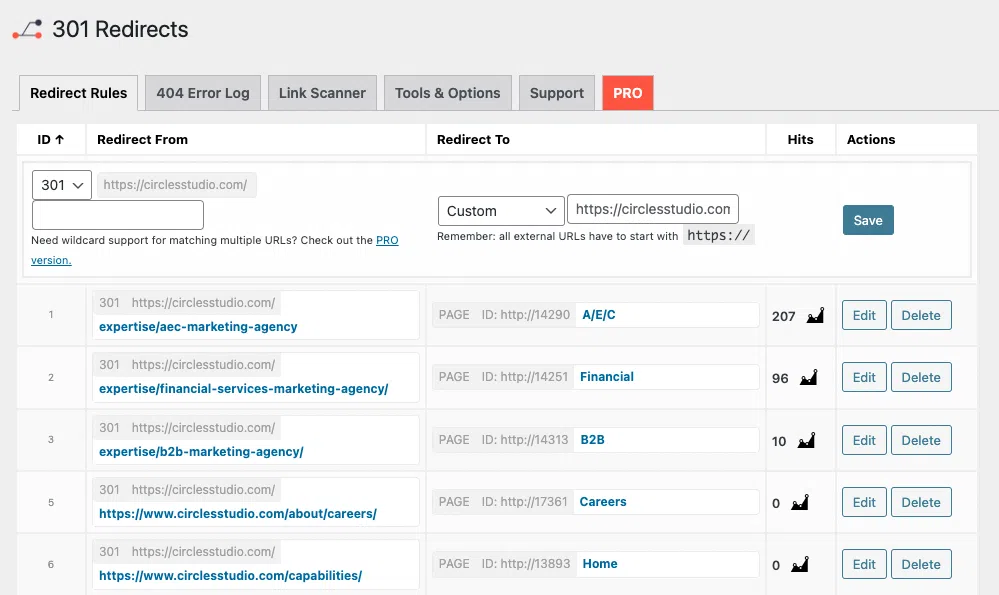
The existing pages started to return 404 errors. In other words, Ryanair had forgotten to redirect the old duplicate pages to the new and simplified pages.
As a result, Google excluded Ryanair from the first page of search results, where it had previously ranked high. Due to this, Ryanair lost about 25% of its websites organic traffic.
What is a 301 Redirection, and Why is It Important?
A 301 redirection is one of the Technical SEO practices necessary for higher visibility in search engines. Simply put, it is the permanent forwarding of a websites URL to another URL.
Why is it important to use 301 redirection? The reason is simple: search engines can recognize when the same content is used on different URLs.
For example, “www.example.com” and “example.com” may point to the same website, but search engines may perceive the two URLs as separate.
In this case, a duplicate content issue arises that can affect the websites ranking. However, using a 301 redirection allows search engines to recognize that the two URLs point to the same content and ensures that this does not affect the ranking.
Among its various aspects, Technical SEO is particularly important because it forms the foundation of search engine optimization.
A great developer who understands the importance of SEO will build or modify websites with SEO in mind. However, if pressed by tight schedules and the need to implement requested features, there may not be time to meet all the intricate Technical SEO requirements.
Additionally, because developers are not SEO experts, they may not view websites from an SEO perspective or may not realize that their development methods are unfavorable for SEO.
For this reason, Technical SEO should be a top priority in all website projects, including migrations, rebranding, and domain changes.
If you fail to consider this when operating or managing a website, you may encounter difficulties in ranking at the top of search results.