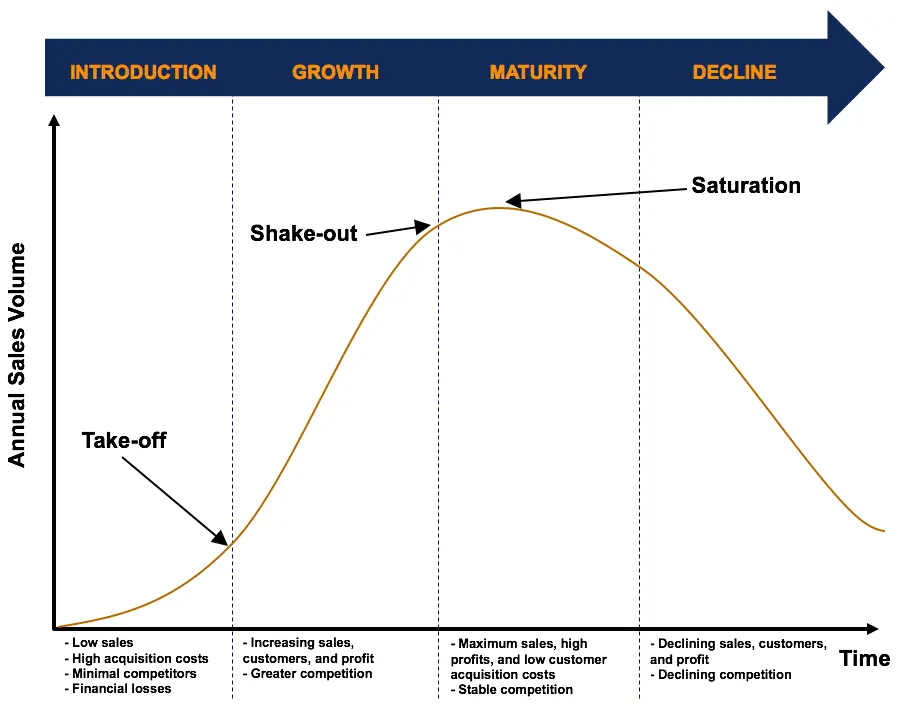
사업에 실패한 많은 사람들이 “고객들이 우리 제품을 몰라줘서”라는 이야기를 합니다. 하지만 고객들이 잘못해서 사업을 망치는 경우는 없습니다.
애초에 고객들이 반응할 만한 제품을 시장에 내놓지 못한 당신의 책임인 것입니다. 사업에 실패했다면, 설령 고객들의 Needs를 충족시킬 수는 있었을지 몰라도 Wants를 충족시키지는 못했기 때문입니다.
더 이상 마케팅은 단순히 키워드 광고나 블로그 활동 같은 것 만을 일컫는 단어가 아닙니다. 성장은 제품의 기획·설계부터 생산, 유통, 판매, 광고, 마케팅, A/S, C/S까지 고객의 원츠를 충족시켜 우리의 브랜드가 시장에서 소비되도록 하는 모든 경영 활동을 마케팅이라고 정의합니다.
지금 우리 브랜드, 우리 제품, 우리 서비스는 고객의 원츠를 충족하고 있나요? 혹시, 고객의 니즈를 어설프게 추측하고 내놓은 브랜드와 제품은 아닌가요? 쉽게 답을 내리기 어려우시다면, 성장의 전문가들과 함께 상의해 보시길 바랍니다.
In South Korea, YouTube has undeniably become the most widely used app based on monthly usage time. Naturally, interest and attention towards YouTube Marketing are skyrocketing.
Video marketing, in particular, boasts overwhelming effectiveness in terms of delivery compared to other static marketing strategies. It’s no wonder that companies frequently turn to this approach when promoting their products and services.
However, it’s crucial to approach YouTube marketing with caution, especially for B2B companies. Despite the booming trend, we must consider some realistic concerns.
Why aren’t there more success stories for B2B companies in this YouTube marketing frenzy? Let’s delve into the definition of YouTube marketing and explore its application to B2B companies.
What is YouTube Marketing?
Video marketing involves creating videos to promote products or services as part of content marketing. YouTube marketing specifically refers to uploading these videos to YouTube for promotional purposes.
These videos offer detailed product descriptions and user reviews, addressing the shortcomings of traditional blog or photo/text-based content.
YouTube is a platform exposed to global audiences, with minimal language barriers and easy integration with other social media channels. This allows for global marketing with brief content.
Additionally, YouTube marketing has the advantage of generating revenue through video content. For instance, paying influential YouTubers to experience and review products.
YouTube Guide for B2B Companies
So, is YouTube marketing effective for B2B companies? To answer directly, it’s unlikely.
Building a successful YouTube channel and using it for marketing is harder and slower than becoming a successful YouTuber.
The costs and time involved in producing YouTube content are substantial, and creating engaging content increases these costs further.
Despite the significant resources invested, successful cases are rare.
Although there is a possibility of success on YouTube, the likelihood is extremely low compared to the resources invested.
Some clients contact us out of curiosity after seeing references from so-called professional YouTube marketing agencies. They might start after observing famous online success cases.
However, these are merely rare success stories, and we can confidently say that 99.99% of B2B companies fail on YouTube.
Are There Successful B2B YouTube Marketing Cases?
For those skeptical about whether B2B YouTube marketing can succeed, let’s analyze B2B and G2C YouTube marketing cases.
Stone Gold’s Pet Rock
Source: SBS News
Stone Gold, a Korean company selling decorative stones, was significantly impacted by the construction industry’s downturn.
While contemplating ways to boost sales, employee Kim Myung-sung began uploading videos, which surprisingly garnered significant views.
A simple video of washing stones recorded over 9 million views, sparking interest in Stone Gold’s ‘pet rock,’ which was sold for 10,000 KRW and sold out the prepared 150 sets, reflecting its popularity. Pet rocks are ordinary rocks that are treated like pets: decorated with outfits, painted with faces, and given names and beds.
Subscribers who favored Stone Gold’s content suggested the company introduce ‘pet rocks,’ a trend at the time.
Although the ‘pet rock’ gained considerable attention, it was primarily a B2C product and a brand awareness event rather than a significant sales driver.
Analyzing the YouTube channel, despite uploading 60 pieces of content, the average views are only about 7,900.
Even with frequent, well-crafted updates, the results are disappointing. Although some interviews mentioned slight B2B sales improvement after YouTube success, it’s inappropriate to view Stone Gold’s video marketing as significantly beneficial.
In conclusion, while increasing B2C customers can improve Stone Gold’s awareness, it is not an effective method for boosting B2B product sales relative to the resources invested.
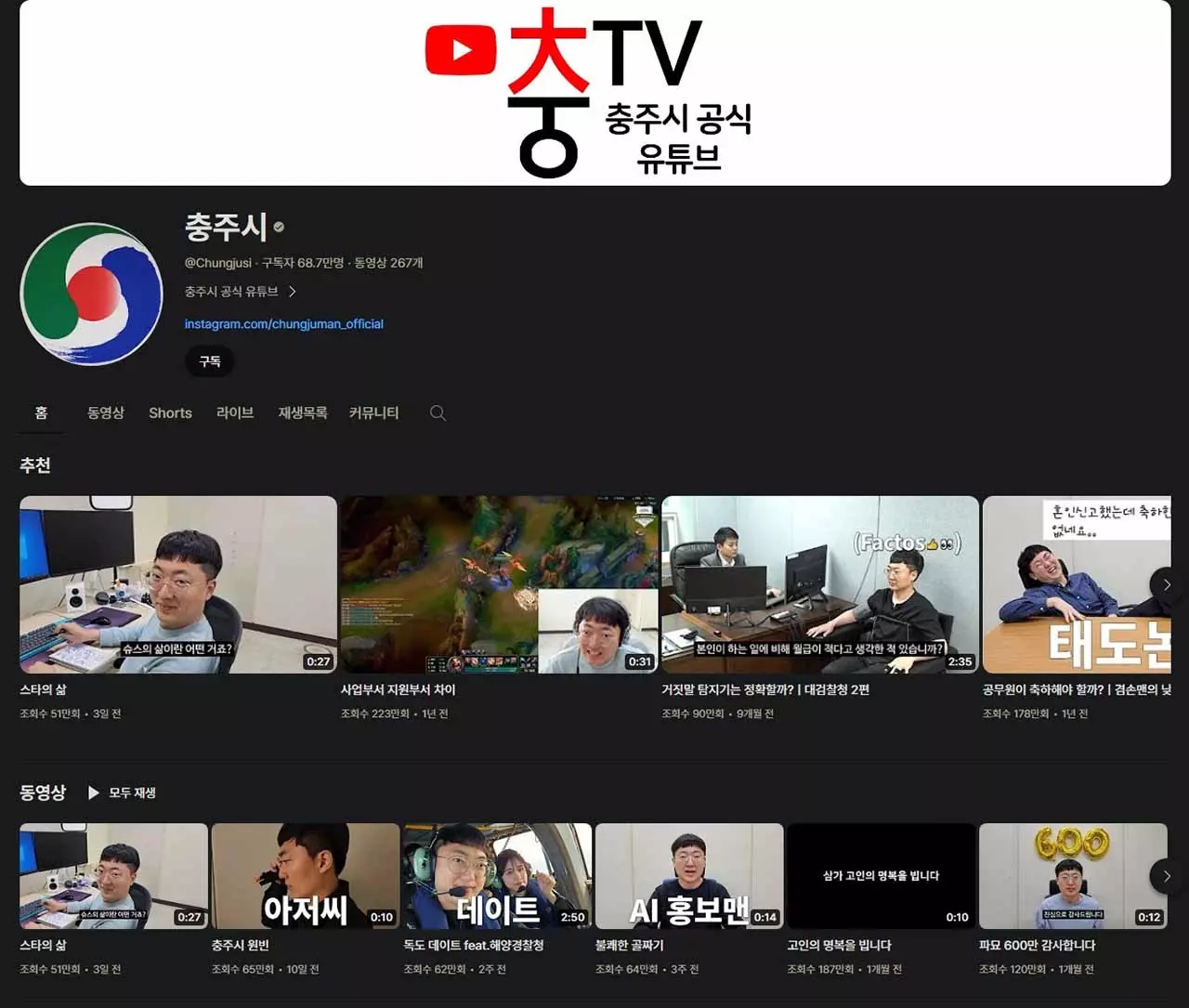
Chungju City’s YouTube Channel
Source: Chungju City’s YouTube Channel
Compared to other local government YouTube channels, Chungju City’s channel is highly successful.
The most viewed video uses the ‘Coffin Dance’ meme to promote social distancing, surpassing 500,000 views within three days.
Chungju Citys YouTube channel. Even a video uploaded three days ago has easily surpassed 500,000 views.
Despite lower quality than other government videos, it succeeded by capturing user preferences and humor points, known as B-grade marketing.
However, would company executives support such an approach for their YouTube channel?
The channel’s success was due to the bold decisions of a manager who uploaded content without higher approval during weekends.
It’s challenging to choose and maintain a B-grade concept without internal support, making B2B YouTube marketing with such concepts virtually impossible.
Why B2B YouTube Marketing is Difficult
Many are considering other marketing channels besides YouTube.
Blogs can quickly secure traffic if the posted content demonstrates expertise or covers rarely discussed topics.
Instagram, on the other hand, is a platform for showcasing lifestyle and browsing affluent individuals, making it unsuitable for B2B purposes. Global brands use Instagram to display brand identity rather than drive sales.
YouTube’s success is determined by the algorithm.
Unless you handle popular, creative, and engaging content, your chances of failure are high.
Investing time and resources in other marketing strategies may yield better results than relying on YouTube’s uncertain success.
YouTube Marketing Guide for B2B Businesses
I once bought an electronic device and read the user manual. Despite the clear illustrations, the installation was still challenging.
Suddenly, I searched for the product name on YouTube and found a video demonstrating the installation process. Although it wasnt official content from the brand, it was incredibly useful.
For B2B companies, YouTube channels can be particularly useful for showing how to use or operate products through video. Videos are far more effective at conveying information than written manuals, offering stronger delivery and higher satisfaction.
Additionally, YouTube can serve as a portfolio to showcase the company’s success stories. Videos of these achievements can be far more memorable than text or photos.
Therefore, it’s recommended to use YouTube for B2B businesses primarily to deliver necessary information conveniently.
However, it’s best not to expect high view counts, subscriber growth, or significant sales impact from YouTube.
If You Still Need YouTube Marketing
Searching for YouTube marketing on Google will reveal numerous agencies.
Unfortunately, many lack a deep understanding of ‘marketing’ despite their video expertise.
If considering YouTube marketing, ensure to work with individuals who confidently present successful B2B references (though none exist).
Consult with scriptwriters, producers, and cast with YouTube success experience, but be prepared for ambiguous responses regarding expected outcomes.
Conclusion: The B2B Marketing Landscape
Growth Marketing Agency integrates insights and expertise gained from various B2B and B2G marketing strategies to provide robust B2B marketing strategies.
We pride ourselves on the most efficient media strategies for B2B marketing.
If you’re contemplating which channels and methods to choose for B2B marketing, we recommend discussing it with Growth Marketing Agency.
Product sampling marketing is a powerful promotional strategy where businesses offer free samples of their products or services to potential customers, allowing them to experience the offering firsthand before making a purchase decision. This approach aims to increase brand awareness, stimulate interest, and ultimately drive sales by leveraging the power of direct consumer experience.
For foreign companies entering the Korean market, product sampling marketing can be an especially effective tool to gain traction and build trust with local consumers.
In today’s competitive Korean market landscape, product sampling marketing has emerged as an invaluable tool for businesses looking to gain a foothold. By providing Korean consumers with a tangible experience of their products or services, foreign companies can effectively communicate their unique value proposition and overcome cultural barriers.
As an experienced marketing expert, I’ve guided numerous foreign companies in successfully implementing product sampling campaigns in Korea. In this article, we’ll delve into the intricacies of product sampling marketing in the Korean context, exploring its benefits, challenges, and best practices to help your foreign business thrive in this dynamic market.
Understanding Product Sampling Marketing in Korea
The Power of Direct Experience in Korean Culture
Product sampling marketing resonates particularly well with Korean consumers, who often prioritize personal experience and peer recommendations in their purchasing decisions. By allowing Korean consumers to directly experience products or services and share their reviews, foreign companies can effectively showcase the strengths and appeal of their offerings while building trust with the local audience.
Navigating Cultural Nuances
While product sampling marketing is a proven effective strategy globally, its success in Korea hinges on understanding and respecting local cultural nuances. Foreign companies must be mindful of Korean consumer preferences, social norms, and communication styles to ensure their campaigns resonate with the target audience.
Establishing an Effective Budget for Product Sampling Marketing in Korea
Determining an appropriate budget for product sampling marketing in Korea requires consideration of several factors unique to the market:
1. Size and Composition of the Sampling Group
The number of participants in your sampling group directly impacts your budget. Larger groups may be necessary to gain significant traction, especially for foreign brands seeking to establish credibility.
2. Reward Value in the Korean Context
The value of gifts or services provided to participants should align with Korean expectations. Korean consumers often have high standards for product quality and presentation, which may influence the required investment in samples.
3. Type and Quantity of Products or Services Provided
Consider how your product or service fits into the Korean market. You may need to adapt your offerings to local preferences, which can impact the type and quantity of samples required.
4. Marketing Goals for the Korean Market
Your budget should align with your specific goals for the Korean market. Are you aiming to create basic awareness for your brand, or are you looking to establish a strong market presence? The latter may require a more substantial investment.
5. Market Appeal in Korea
Understand how your product or service is perceived in the Korean market. Some foreign products benefit from a “premium” image, while others may need to overcome skepticism. This perception will influence your sampling strategy and budget.
The Role of Korean Influencers in Product Sampling Marketing
Influencers play a crucial role in Korean marketing campaigns. When selecting influencers for your product sampling campaign in Korea, consider:
Follower Count: Look for Korean bloggers with significant readership, Instagrammers with large followings, or popular YouTubers. Bloggers with over 1,000 visitors, Instagrammers with over 10,000 followers, or YouTubers with over 1,000 subscribers.
Market Influence: Choose influencers relevant to your specific market and respected in Korean consumer circles.
Content Quality: Set high standards for content quality, as Korean consumers often expect polished, professional presentations.
A trusted review from a respected reviewer can have significant influence due to the importance of social proof in Korean consumer culture.
Key Steps in Product Sampling Marketing for Foreign Companies in Korea
To execute a successful product sampling marketing campaign in Korea, follow these essential steps:
Set Clear Marketing Goals for the Korean Market
Determine Sampling Group Size and Composition Based on Korean Demographics
Recruit Sampling Groups Through Korean Platforms and Networks
Select Participants Who Represent Your Target Korean Consumer Base
Provide Review Guidelines Tailored to Korean Communication Styles
Conduct Experience Activities with Sensitivity to Korean Cultural Norms
Analyze Results in the Context of the Korean Market
Common Causes of Product Sampling Failures
Understanding potential pitfalls specific to the Korean market can help you avoid them:
Misalignment with Korean Consumer Expectations
Inadequate Localization of Product or Marketing Materials
Failure to Build Relationships with Korean Influencers and Opinion Leaders
Choosing a Competent Marketing Agency in Korea
Partnering with an experienced Korean marketing agency can significantly enhance the success of your product sampling marketing campaign in Korea. Look for agencies with:
Extensive experience working with foreign companies in Korea
A proven track record of successful campaigns in the Korean market
Strong understanding of Korean consumer behavior and cultural nuances
Comprehensive services from participant selection to result analysis, tailored for the Korean market
Conclusion
Product sampling marketing, when executed correctly with an understanding of the Korean market, can significantly boost product recognition and sales for foreign companies in Korea. By carefully planning your campaign, setting clear objectives aligned with Korean consumer expectations, and partnering with a competent local agency, you can maximize the effectiveness of your product sampling efforts and achieve substantial business growth in this dynamic market.
By collaborating with Growth Marketing Agency, companies can reduce costs related to participant management and maximize marketing effectiveness. Trust in Growth Marketing Agency’s attention to detail to enhance brand awareness and conversion rates through effective product sampling marketing.
In the ever-evolving world of digital marketing, SEO translation emerges as a crucial strategy for expanding your online presence across borders.
More than just converting text from one language to another, SEO translation involves a nuanced approach to ensure that your content not only communicates effectively but also ranks high on search engines in different regions.
SEO Translation vs. Regular Translation: It’s Not Just About Words!
Picture this: Regular translation is like using Google Translate for your Tinder bio. Sure, it gets the basic message across, but will it make someone swipe right? Probably not. SEO translation, on the other hand, is like having a savvy local friend rewrite your bio to make you irresistible in a new city. See the difference?
What Sets SEO Translation Apart:
Keyword Magic: We don’t just translate; we transform. We dig deep to find those juicy keywords that’ll make search engines in your target market sit up and take notice.
Cultural Finesse: Remember that time Joey from Friends tried to speak French? Yeah, we avoid that level of cultural confusion. We make sure your content resonates locally, no matter where it lands.
Search Engine Charm: Each search engine has its quirks. Google might be into long-tail keywords, while Naver in Korea might prefer its content short and sweet. We speak all these languages fluently!
Structure Makeover: We don’t just translate your content; we give it a full SEO makeover, from headers to meta descriptions.
The Impact: Because Who Doesn’t Love a Good Success Story?
Now, I could throw a bunch of impressive-sounding statistics at you, but let’s be real – those can be as made up as my chances of ever enjoying Cheonggukjang (sorry, Korea, I tried!). Instead, let me share a real story from our agency’s treasure trove of experiences.
A Tale of EdTech Transformation
We recently worked with an EdTech client who wanted to take their Korean content global. Their previous translations? Let’s just say they were about as effective as using a flip phone in the age of smartphones.
The problem? Their translators were treating Korean-to-English translation like a word-for-word marathon.Languages are like fashion trends. What’s chic in Korean could be a major faux pas in English.
For example, we found titles like “???? ??? ??? ?? ??? ??” translated to “The best method for effective online learning”. Not terrible, but about as SEO-friendly as a cat video is to dog lovers.
Our approach? We put on our SEO dancing shoes and:
Restructured titles to front-load keywords: “Online Learning: Top Strategies for Effectiveness”
Dug deep into keyword research (nerd alert: we love this stuff!)
Sprinkled in related terms like “e-learning hacks” and “digital study tips”
The result? Their English blog traffic shot up faster than my caffeine levels on a Monday morning. We’re talking a serious boost in organic traffic, better search rankings, and more social shares than a cute puppy video.
Want to Join the SEO Translation Party?
Listen, in today’s digital world, it’s not enough to just speak the language. You’ve got to speak the language of search engines AND international audiences. It’s like being fluent in human and robot at the same time – and yes, it’s as cool as it sounds.
So, are you ready to take your website from “lost in translation” to “found in every nation”? Here at Growth Marketing, we’re not just translators; we’re your global SEO sidekicks, ready to help you conquer the digital world, one keyword at a time.
Contact us and let’s chat about turning your website into a multilingual, traffic-attracting, conversion-generating superhero. In the immortal words of every travel influencer ever, ‘The world is waiting!’ (Just make sure it can find you online first!
In today’s interconnected world, International SEO is your website’s ticket to reaching audiences across borders, languages, and cultures. It transforms your local online presence into a global phenomenon.
More than just translating content, International SEO involves creating a seamless, localized experience for users worldwide. When executed correctly, it’s a game-changer for your digital strategy.
Why International SEO Matters
International SEO is the secret sauce that can turn your website from a local diner into a global franchise. It is your ticket to reaching audiences across borders, languages, and cultures. It’s not just about translating your content (though that’s part of it). It’s about creating a seamless, localized experience for users worldwide.
Best Practices for International SEO
1. Embrace the Power of hreflang Tags
First things first, let’s talk about hreflang tags. These little bits of code are like magical signposts for Google, telling it which version of your site to show to users based on their language and location.
2. Choose Your Domain Structure Wisely
When it comes to international SEO, your domain structure is like choosing the right outfit for a global party. You’ve got three main options:
Each has its pros and cons, but here’s a pro tip: ccTLDs are great for local credibility, but they’re high-maintenance. Subdirectories are easier to manage and can still rank well with proper optimization.
3. Localize, Don’t Just Translate
Here’s where things get interesting. Proper localization goes beyond word-for-word translation. It’s about adapting your message to resonate with local cultures, customs, and expressions.
For example, while working with a major Korean company, we discovered they were using the keyword “Ultrasound System” throughout their English site. Plot twist: their global audience was searching for “Ultrasound Machine.” It’s like offering sauerkraut to someone asking for kimchi – similar, but not quite right!
This seemingly small detail made a huge difference in their search visibility. By aligning their content with local search terms, we saw a huge increase in organic traffic for those key product pages.
The Importance of Keywords Search in International SEO
Tools like Ahrefs, SEMrush, and Ubbersuggest are your best friends here. They offer country-specific keyword data, letting you peek into the search habits of your international audience.
But here’s the kicker these tools are powerful, but they’re not magic wands. You need to know how to interpret the data and apply it to your strategy. That’s where working with a specialized marketing agency can make all the difference.
4. Speed It Up, Across the Globe
Website speed is like a good cup of coffee it should be quick, smooth, and satisfying no matter where you are in the world. And the data backs this up: 83% of online users expect websites to load in 3 seconds or less, and a staggering 40% will abandon a website that takes longer than 3 seconds to load. These numbers underscore just how critical speed is to your global SEO strategy.
Consider using a Content Delivery Network (CDN) to serve your content from servers closer to your international users. Because nobody likes waiting for a webpage to load. It’s like waiting for your crush to text back painful and unnecessary. And now we know it’s not just painful it’s potentially costing you 40% of your potential visitors!
The Power of Local Expertise
While tools provide data, nothing beats local expertise. At Growth Marketing, we’ve seen firsthand how collaborating with local SEO specialists can uncover golden opportunities that data alone might miss.
For instance, when helping an international company expand into the Korean market, we discovered that their main competitor was dominating a set of long-tail keywords our client hadn’t even considered. By tapping into this local insight, we were able to carve out a niche and boost our client’s visibility in a highly competitive market.
Ready to Go Global?
Implementing these international SEO best practices is like giving your website a passport and a plane ticket. You’re setting it up for an exciting journey across the digital globe. Remember, it’s not a one-and-done deal. Like any good traveler, your website needs to adapt and evolve as it explores new territories.
So, are you ready to take your website on a world tour? With these international SEO strategies in your toolkit, you’re well on your way to global digital domination.
And if you’re feeling a bit overwhelmed by all this don’t worry! That’s where agencies like Growth Marketing come in. We eat, sleep, and breathe international SEO (in multiple languages, no less). We can help you navigate the complexities of global markets, from keyword research to cultural nuances and everything in between.
When we say content marketing, it’s not just about creating content; it’s about crafting valuable, relevant, and consistent material that attracts and retains a clearly defined audience.
At its core, content marketing is the art of communicating with your customers and prospects without overtly selling. Instead, you’re delivering information that makes your audience more intelligent, all while subtly positioning your brand as an industry leader.
This content marketing case study delves into how we at Growth Marketing Agency leveraged these principles to propel an EdTech company onto the global stage. As a content marketing specialist, I’ve seen firsthand how a well-executed content strategy can transform a brand’s reach and impact. Let’s explore how we turned content into a powerful tool for global expansion.
The Power of Content Marketing Case Studies
Content marketing case studies are more than just success stories; they’re roadmaps for future strategies. They provide tangible evidence of what works in the real world, offering insights that can be applied across industries.
In the B2B realm, where trust and expertise are paramount, content marketing case studies serve as proof of a company’s ability to deliver results.
Our content marketing case study with the EdTech company illustrates how targeted content can bridge cultural gaps, address universal pain points, and ultimately drive global engagement. It’s a testament to the power of well-crafted content in today’s interconnected world.
The EdTech Challenge: Crafting Content for a Global Audience
Our client, an ambitious Korean EdTech company, approached us with a clear goal: to expand their reach beyond borders and connect with educators worldwide. The challenge? Creating content that resonates across diverse cultural and educational landscapes.
This content marketing case study examines how we tackled this challenge head-on, transforming their content strategy from locally focused to globally impactful.
The Growth Marketing Agency Approach to Global Content
In this content marketing case study, our strategy centered on four key pillars:
Comprehensive Audience Research: We delved deep into the needs, challenges, and preferences of educators across different regions.
Problem-Solving Content Creation: Our focus was on developing content that addressed real-world educational challenges.
SEO Optimization for Global Reach: We implemented strategies to enhance visibility in international search results.
Incorporation of Diverse Perspectives: We ensured our content reflected a wide range of global educational experiences.
Amplifying Global Voices in Our Content Marketing Case Study
A crucial aspect of this content marketing case study was our approach to incorporating diverse global perspectives. We conducted interviews with educators from various countries, each bringing unique insights to our content strategy.
One particularly illuminating conversation was with Megan, an Australian teacher based in Thailand. Her experience with EdTech in a cross-cultural context provided invaluable insights that shaped our content creation process. This approach not only enriched our content but also ensured its relevance across different cultural contexts.
Crafting Audience-Centric Content: A Core Element of Our Case Study
In this content marketing case study, we adhered to a fundamental principle: the best content focuses on the audience, not the product. For our EdTech client, this meant:
Identifying and addressing common pain points in global education
Providing practical, actionable solutions to educational challenges
Showcasing diverse educational experiences and methodologies
Simplifying complex technological concepts for broader accessibility
The success of this content marketing case study was evident in both quantitative and qualitative outcomes. We observed significant increases in organic traffic, engagement rates, and lead generation from international markets.
Key Takeaways
This content marketing case study offers several valuable insights for businesses looking to expand their global reach:
Prioritize comprehensive audience research
Focus on providing solutions to real-world challenges
Incorporate diverse perspectives to ensure global relevance
Implement thorough SEO optimization for international visibility
This content marketing case study demonstrates that creating content that resonates on a global scale requires a nuanced understanding of diverse educational landscapes. It’s about addressing unique challenges faced by educators worldwide while maintaining cultural sensitivity and relevance.
At Growth Marketing Agency, we specialize in developing content strategies that not only meet SEO requirements but also forge meaningful connections with global audiences. Whether you’re in the EdTech sector or any other industry aiming for international impact, we offer expertise in crafting a content strategy that enhances your global presence and engagement.
Are you ready to elevate your content marketing to a global standard? Let’s collaborate to develop a content strategy that drives your international growth and positions your brand as a global thought leader in your industry.
Achieving exceptional Return on Ad Spend (ROAS) is a paramount objective for businesses seeking to optimize their marketing investments. This performance marketing case study presents a detailed analysis of a recent campaign that not only met but substantially exceeded our client’s expectations. The results we achieved demonstrate the profound impact of a well-executed, data-driven marketing strategy.
The Challenge: Transforming Ad Spend into Revenue
Our client approached us with a common yet critical problem: their advertising campaigns were underperforming, failing to generate the desired return on investment. Despite substantial ad spend, they were seeing minimal conversions and revenue growth. It was clear that a comprehensive overhaul of their performance marketing strategy was necessary.
Understanding the Root Cause
Before diving into solutions, we needed to identify the underlying issues. Our analysis revealed several key problems:
Lack of audience targeting precision
Ineffective ad content
Absence of continuous optimization
Insufficient data analysis and interpretation
Our Data-Driven Strategy
To address these challenges, we developed a multi-faceted, data-driven approach. Our performance marketing strategy consisted of four core elements:
Deep Audience Understanding: We conducted extensive research to gain insights into the target audience’s behaviors, preferences, and pain points.
Compelling Ad Creation: Leveraging our audience insights, we crafted highly targeted ad content that resonated with potential customers.
Rigorous Optimization: We implemented a continuous optimization process, regularly refining our campaigns based on real-time performance data.
Thorough Data Analysis: Our team of data scientists performed in-depth analysis of campaign metrics, uncovering valuable insights to drive decision-making.
The Results: Shattering ROAS Expectations
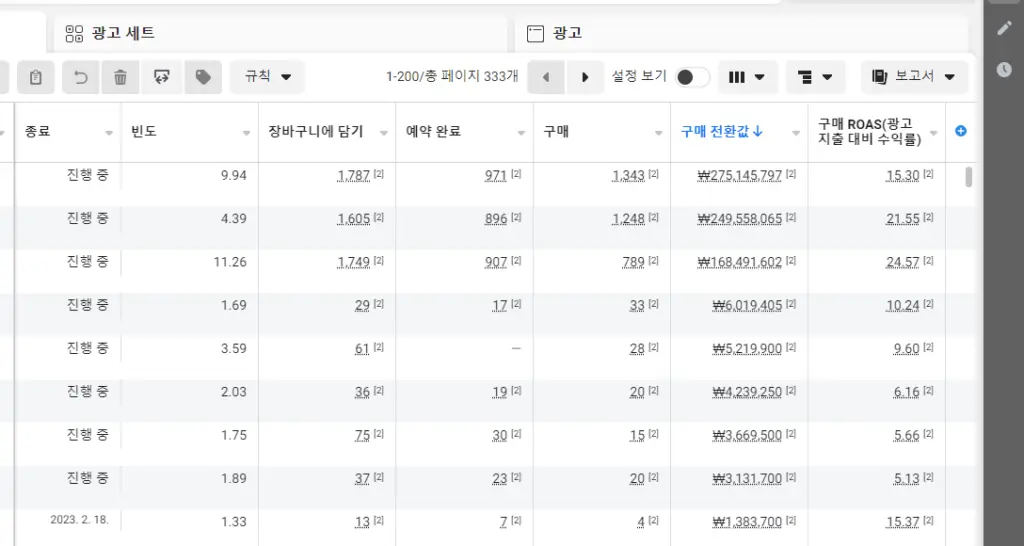
Now, let’s delve into the most exciting part of this performance marketing case study – our ROAS results. Prepare to be amazed by these extraordinary numbers:
Our campaigns consistently delivered a ROAS ranging from 513% to 2,457%. This means that for every won spent on advertising, we generated between 5.13 won and 24.57 won in return.
The crowning achievement was a campaign that achieved an astounding 4,244% ROAS. That’s right – for every won invested in this campaign, we generated a staggering 42.44 won in return.
To put these figures into perspective, the average ROAS across industries typically hovers around 200-400%. Our results didn’t just exceed expectations – they obliterated them.
Let’s break it down further:
513% ROAS: This was our baseline, already outperforming industry averages.
2,457% ROAS: Our high-performing campaigns were operating at 6x the industry average.
4,244% ROAS: Our top-performing campaign delivered over 10x the typical ROAS.
These results demonstrate not just incremental improvements, but exponential growth in advertising efficiency. We’re not just moving the needle; we’re launching it into the stratosphere.
The Growth Marketing Advantage
What sets us apart:
Customer-Centric Focus: We prioritize understanding the customer journey and decision-making process.
Multi-Channel Expertise: Our strategies span across various digital platforms for maximum reach and effectiveness.
Data-Driven Decision Making: We leverage advanced analytics and growth hacking techniques to inform every decision.
The Power of A/B Testing in Performance Marketing
A crucial element of our success lies in our commitment to A/B testing. We once had a client struggling with their ad performance simply because they weren’t conducting regular A/B tests, missing countless opportunities for improvement.
By implementing a robust A/B testing strategy and systematically testing different ad elements, we were able to significantly boost their campaign effectiveness and ROAS. This case highlights the importance of partnering with an experienced agency for performance marketing. By leveraging our expertise, the client transformed their approach into a dynamic, continuously improving strategy.
Create Your Own Performance Marketing Success Story
Are you ready to see your ROAS reach new heights? It’s time to create your own impressive performance marketing case study. Contact us today, and let’s collaborate to write the next chapter of your marketing success story.
In performance marketing, ROAS is the north star that guides our strategies. Let’s work together to make your ROAS tell an extraordinary story for your brand. Who knows? Your campaign might be our next 4000%+ ROAS success story!
As we say in golf, “Drive for show, putt for dough.” In performance marketing, strategy is your drive, but optimization is your putt – and that’s where the real gains are made.
South Korea’s marketing industry continues to set global benchmarks for innovation, creativity, and digital transformation. In 2024, the Korean digital marketing market was valued at approximately 7.66 billion USD and is projected to continue growing steadily through 2026, fueled by advances in AI-driven campaigns, social commerce, and immersive digital experiences.
As we enter 2026, choosing the right marketing agency in Korea is more critical than ever. Leading agencies not only deliver traditional brand campaigns but also leverage data-driven strategies, cultural fluency, and cutting-edge technologies to maximize impact both locally and internationally.
This guide highlights the top marketing agencies in South Korea for 2026, selected based on proven campaign success, client portfolios, innovation in strategy, and ability to adapt to emerging platforms like generative search and AI-driven advertising.
How We Chose These Agencies
Our selection criteria for these top agencies include:
Track record of successful campaigns
Innovation in marketing strategies
Client portfolio and testimonials
Industry recognition and awards
Adaptability to emerging trends and technologies
Top Marketing Agencies in South Korea
1. Growth Marketing Agency
Overview:Growth Marketing Agency stands at the forefront of Korea’s marketing landscape, offering a unique blend of data-driven methodologies and creative excellence to drive sustainable growth for businesses across various sectors and scales.
Notable Clients: Samsung, LG CNS, Hyosung Group, Kolon Benit
Case Studies and Achievements:
Achieved a remarkable 565% increase in organic traffic for a client in the AI industry within just three months through targeted SEO and content marketing strategies.
Delivered an impressive 4,244% ROAS for an e-commerce client’s digital advertising campaign, significantly outperforming industry averages.
Cumulative Growth Model: Focuses on methodologies that yield compounding results over time, fostering sustainable, long-term growth for clients.
Rapid Insight Generation: Employs an agile methodology of swift, small-scale experiments to rapidly expand insights, enabling quick pivots and maximum effectiveness.
Global-Local Synergy: A multilingual and multicultural team bridges the gap between Korean and international markets, offering nuanced strategies that resonate both locally and globally.
2. Cheil Worldwide
Overview: Affiliated with Samsung Group, Cheil Worldwide is a powerhouse in the Korean marketing landscape with a significant global presence.
Key Strengths:
Extensive global network
Cutting-edge digital marketing expertise
Impressive roster of high-profile clients
Notable Clients: Samsung, Adidas, Coca-Cola
Case Study: A TikTok AR effect campaign for the Galaxy S21 FE 5G resulted in 26 million video views, 13.7 thousand brand-relevant video creations, and a 9.5% lift in ad recall.
3. INNOCEAN Worldwide
Overview: As the marketing arm of Hyundai Motor Group, INNOCEAN Worldwide excels in integrated marketing communications.
Key Strengths:
Comprehensive integrated marketing solutions
Cross-cultural campaign expertise
Specialized automotive marketing knowledge
Notable Clients: Hyundai, Kia, Genesis
Case Study: For Wienerschnitzel, INNOCEAN USA created “The Delicious Crew” campaign, which resulted in a 6% lift in brand consideration, a 7% lift in purchase intent, 1.75x lift in in-store visitation.
4. The SMC Group
Overview: The SMC Group has made significant strides in digital marketing, particularly in mobile video production and overseas advertising.
Key Strengths:
Expertise in digital campaign creation
Impressive portfolio of mobile video productions
Substantial experience in international markets
Notable Clients: Samsung, Kakao, Coupang
Case Study: SMC’s Starfield Suwon opening campaign video “Don’t Be Curious” achieved 6.2 million views within one week of its release.
5. HS Ad
Overview:HS Ad is a Marketing Creative Company that specializes in creating remarkable stories for brands from a new perspective on consumers.
Key Strengths:
Extensive global presence
Focus on driving innovation through digital transformation
Creative excellence in developing impactful brand campaigns
Notable Clients: LG, SSG.com, Korean Air
Case Study: HS Ad successfully launched the SSG.COM brand, a unified online shopping platform for Shinsegae Group. Naver search queries for the brand increased by 185%.
Factors to Consider When Choosing a Marketing Agency in Korea
Cultural Understanding: Ensure the agency has a deep understanding of Korean culture and consumer behavior.
Technological Capabilities: Look for agencies that leverage cutting-edge marketing technologies and analytics tools.
Cross-Platform Expertise:Choose an agency with experience in creating cohesive campaigns across various digital and traditional platforms.
Scalability: Consider whether the agency can support your business as it grows or expands internationally.
Communication: Opt for agencies that offer clear, transparent communication and regular reporting on campaign performance.
Budget Alignment: It’s worth noting that conglomerate-affiliated agencies like Cheil Worldwide and HS Ad often require substantial budgets of around 100 million KRW monthly (approximately $75,000) for meaningful engagement. Smaller businesses or those with limited budgets may find better value from agencies like Growth Marketing Agency, which can accommodate more modest budgets while still providing quality service.
Personalized Attention: Consider how much individual attention your projects will receive. Larger conglomerate agencies may prioritize bigger clients, while smaller agencies like Growth Marketing Agency typically offer more dedicated service to each client, regardless of size.
Navigating the Future of Korean Marketing
As we move into 2026, South Korea’s marketing landscape is evolving at unprecedented speed. The country’s digital marketing market, valued at USD 7.66 billion in 2024, is expected to grow more than threefold to USD 27.42 billion by 2034, at a CAGR of 13.6%. Investments are increasingly directed toward AI-driven personalization, immersive media, and generative search optimization.
Generative Engine Optimization (GEO) is also becoming a crucial factor. Research shows that content incorporating statistics, credible citations, and direct quotations can boost visibility in generative search results by up to 40%—a major shift for brands relying on organic discovery.
Growth Marketing Agency stands out for its data-driven approach, impressive ROAS achievements, and ability to blend global perspectives with local insights. Their proven track record with major clients like Samsung and LG CNS demonstrates their capability to deliver results for businesses of all sizes.
When selecting an agency, consider your business objectives, target audience, and the agency’s track record in your industry. Don’t hesitate to request case studies and client references to ensure a good fit.
Remember, the most successful partnerships are built on clear communication, shared goals, and a willingness to innovate. By choosing the right marketing agency, you can navigate the dynamic Korean market effectively and achieve sustainable growth for your brand.
In the ever-evolving world of search engine optimization (SEO), a new player has entered the game: Google AI Overviews. As a marketing content specialist at Growth Marketing Agency, I’ve been closely monitoring this development and its impact on SEO strategies. Today, I’m excited to share my insights on how to adapt your SEO approach for these AI-generated results.
What are Google AI Overviews?
Google AI Overviews represent a significant evolution in search technology, leveraging artificial intelligence to generate conversational responses directly within search results. This advancement is not just a new feature; it’s a paradigm shift in how users interact with search engines and, consequently, how we approach SEO.
According to Alex Joseph, a Google technology expert interviewed by ABC Audio, this AI-powered tool can handle and respond to more nuanced and intricate queries compared to conventional Google Search.
Let’s look at an example to better understand AI Overviews:
Imagine a user searches for “What are the most popular Korean e-commerce brands”. Traditionally, we would see a list of links to various blogs or e-commerce websites. With AI Overviews, we would see a generated response like this at the top of the results:
This concise yet comprehensive answer might satisfy the user’s query without them needing to click on any links.
How Do Google AI Overviews Affect SEO?
Reshaping Search Engine Results Pages (SERPs)
Google AI Overviews introduce a new element at the top of search results, potentially affecting the visibility of traditional organic listings.
Emphasis on Comprehensive, Contextual Content
With AI Overviews, the focus shifts from keyword density to providing in-depth, contextually relevant information. Content that thoroughly addresses user queries is more likely to be utilized in generating AI Overview responses.
Long-Tail Query Optimization
AI Overviews excel at handling complex, conversational queries. This capability highlights the importance of optimizing for long-tail keywords and natural language patterns in content creation.
Adapting SEO Strategies for AI Overviews
Prioritizing E-E-A-T Principles
Experience, Expertise, Authoritativeness, and Trustworthiness (E-E-A-T) are more critical than ever. Demonstrating first-hand experience and deep subject matter expertise in your content is crucial for visibility in the AI Overviews landscape.
Structured Content for Enhanced Visibility
Organizing content with clear headings, concise paragraphs, and structured data helps search engines understand and extract relevant information, potentially increasing the likelihood of inclusion in AI Overview-generated responses.
User Intent Optimization
Understanding and addressing the underlying intent of user queries is paramount. Content should be crafted to provide comprehensive answers to specific user needs and questions.
Voice Search Compatibility
The conversational nature of AI Overviews aligns closely with voice search patterns. Optimizing content for natural language queries can improve visibility in both AI Overviews and voice search results.
Maintaining Core SEO Best Practices
While adapting to AI Overviews, it’s crucial not to neglect fundamental SEO practices. Technical SEO elements like site speed, mobile optimization, and quality backlinks remain important for overall search performance.
New Insights on AI Overviews and SERP Features
Recent data provides valuable insights into how AI Overviews interact with other SERP features:
Featured Snippets: AI Overviews are 195% more likely to appear when queries have a featured snippet. This suggests that optimizing for featured snippets may also increase your chances of being included in AI Overview responses.
Question-Based Queries: AI Overviews are more common for question-based queries. This underscores the importance of structuring content to directly answer specific questions your audience might ask.
Industry Variations: AI Overviews appear most often in Healthcare (63%), but less than 1% of the time for Restaurants and Travel queries. This variation suggests the need for industry-specific strategies when optimizing for AI Overviews.
Predicting User Intent: Google is now more often predicting and answering follow-up questions, which could impact how content creators structure their information.
The Future of SEO with AI Overviews for Korean Companies
As we navigate this new era of search, it’s clear that Korean companies aiming for global markets need to evolve their SEO strategies. The introduction of AI Overviews emphasizes the need for high-quality, user-focused content and a deep understanding of global search intent, while still maintaining the unique strengths of Korean brands.
For Korean companies, this presents both a challenge and an opportunity. The challenge lies in adapting content strategies to suit AI Overviews while preserving the distinctive aspects of Korean products and culture that make them appealing globally. The opportunity, however, is significant. By mastering AI Overview optimization, Korean brands can leverage their unique offerings be it in beauty, healthcare, or entertainment to stand out in these AI-generated responses.
Jim Yu, Founder, and Executive Chairman of BrightEdge, offers an insightful perspective on the future of AI in search:
“It is inevitable that the relationship between AI and search will accelerate. We must acknowledge that it is getting some things wrong at the moment but be aware that it is fine-tuning several things search quality, the flow of traffic in its ecosystem, and monetization (ads). It will get exponentially better over time.”
This quote underscores the importance of staying adaptable and forward-thinking in our SEO strategies.
Are you ready to adapt your Korean company’s SEO strategy for the age of Google AI Overviews?
At Growth Marketing Agency, we’re committed to helping Korean businesses thrive in this changing digital landscape. We understand the nuances of presenting Korean brands to a global audience and continuously refine our strategies to ensure our clients’ digital presence remains strong and visible in global markets, regardless of how search technology evolves.
Contact us today and let’s collaborate to develop an SEO strategy that not only survives but thrives in this new search ecosystem, propelling your Korean brand to new heights on the global stage.
Remember, in the world of global digital marketing, adaptation isn’t just beneficial it’s essential. Let’s embrace these changes and turn them into opportunities for your Korean brand’s international growth and success.
계정 기반 마케팅(Account Based Marketing, ABM)은 B2B 마케팅 전략의 혁신적인 접근 방식입니다. ABM의 핵심은 개별 고객사를 하나의 독립된 시장으로 보고, 그 고객사에 맞춤화된 마케팅 활동을 펼치는 것이죠. 성장마케팅은 B2B마케팅을 진행함에 있어 가장 중요한 기준은 10,000건의 트래픽, 10,000명의 방문자보다 매출 발생 가능성이 높은 단 1명의 잠재고객의 문의(SQL)가 더 소중하다는 전략적 방향성이 유지되는 것이라고 생각합니다.
전통적인 마케팅이 넓은 대상을 겨냥하는 것과는 달리, ABM은 특정 고객사나 고객 그룹에 집중합니다. ABM은 고객의 고유한 니즈, 도전 과제, 비즈니스 목표에 부합하는 개인화된 콘텐츠와 캠페인을 제공하죠. 이를 통해 마케팅의 효율성을 높이고, 고객과의 관계를 강화합니다. 당연한 이야기이지만, 궁극적으로 ABM은 더 높은 투자 수익률(ROI)을 달성하는 것을 목표로 합니다.
ABM 전략을 실행하는 기업들은 고객 인게이지먼트 수준, 영업 기회 창출, 계약 성사율, 고객 유지율, 고객 생애 가치 등 다양한 지표를 활용하여 ROI를 측정합니다. 이러한 정확한 측정은 마케팅 활동의 효과성을 입증하고, 지속적인 전략 개선에 필요한 인사이트를 제공하죠. 또한, 경영진에게 ABM의 가치를 명확히 보여줄 수 있어 추가적인 투자를 정당화하는 데 도움이 됩니다.
ABM 전략
타겟 계정 선정
타겟 계정 선정은 ABM 전략의 첫 번째이자 가장 중요한 단계입니다. 이 과정에서는 기업의 제품이나 서비스에 가장 적합하고, 가장 높은 수익을 가져다줄 수 있는 잠재 고객사를 식별하죠.
선정 기준은 기업마다 다를 수 있지만, 일반적으로 기업 규모, 산업 분야, 기술 성숙도, 현재의 비즈니스 과제, 성장 잠재력 등을 고려합니다. 또한, 과거의 거래 이력이나 유사 기업의 성공 사례도 중요한 참고 자료가 되죠.
이렇게 선별된 타겟 계정은 보통 티어(Tier)로 나누어 우선순위를 정하게 됩니다. 이는 향후 리소스 할당과 마케팅 전략 수립의 기준이 되는 것입니다.
인사이트 수집
선정된 타겟 계정에 대한 심층적인 인사이트 수집은 ABM의 성공을 위해 필수적입니다. 이 단계에서는 타겟 기업의 비즈니스 모델, 시장 포지션, 주요 의사결정자, 기업 문화, 최근의 전략적 이니셔티브 등에 대한 상세한 정보를 수집합니다.
이를 위해 공개된 재무 보고서, 언론 기사, 소셜 미디어, 업계 보고서 등 다양한 소스를 활용합니다. 또한, 가능하다면 해당 기업의 임직원이나 파트너사와의 직접적인 대화 기회가 있다면 더욱 깊이 있는 인사이트를 얻을 수 있습니다.
이렇게 수집된 정보는 향후 개인화된 마케팅 메시지와 제안을 만드는 데 핵심적인 역할을 합니다.
맞춤형 콘텐츠 개발
수집된 인사이트를 바탕으로, 각 타겟 계정에 맞춤화된 고품질 콘텐츠를 개발합니다. 이 콘텐츠는 단순한 제품 소개를 넘어, 고객사의 특정 문제나 기회에 대한 깊이 있는 통찰력을 제공해야 하죠.
예를 들어, 고객사의 업계에 특화된 사례 연구, 맞춤형 ROI 계산기, 특정 비즈니스 과제에 대한 솔루션 제안서 등이 포함될 수 있습니다. 콘텐츠의 형식도 고객사의 선호도와 소비 패턴을 고려하여 결정하죠.
백서, 인포그래픽, 비디오, 웨비나 등 다양한 형식을 활용하여 고객의 관심을 끌고 참여를 유도합니다. 이러한 맞춤형 콘텐츠는 고객사에게 실질적인 가치를 제공하며, 동시에 귀사의 전문성을 효과적으로 전달하게 되는 거죠.
다채널 접근
ABM에서의 다채널 접근은 선정된 타겟 계정에 일관된 메시지를 여러 접점을 통해 전달하는 것을 의미합니다. 이는 디지털 채널(이메일, 소셜 미디어, 웹사이트 개인화 등)과 전통적인 채널(직접 방문, 전화, 우편 등)을 모두 포함하죠.
각 채널은 고객의 여정 단계와 선호도에 따라 전략적으로 활용됩니다. 예를 들어, 초기 인지 단계에서는 타겟팅된 디스플레이 광고나 소셜 미디어 캠페인을 통해 관심을 유도하고, 고려 단계에서는 맞춤형 이메일과 웨비나를 통해 더 깊이 있는 정보를 제공할 수 있습니다.
중요한 것은 모든 채널에서 일관된 메시지와 경험을 제공하여 브랜드 인지도를 높이고 신뢰를 구축하는 것입니다.
지속적인 참여 유도
ABM에서 지속적인 참여 유도는 단기적인 판매를 넘어 장기적인 관계 구축을 목표로 합니다. 이는 판매 후에도 고객사와의 관계를 지속적으로 발전시키는 것을 의미하죠.
예를 들어, 정기적인 성과 리뷰 미팅, 산업 트렌드에 대한 인사이트 공유, 고객 전용 이벤트 초대 등을 통해 지속적으로 가치를 제공합니다. 또한, 고객사의 변화하는 니즈를 주기적으로 파악하고, 이에 맞춰 새로운 솔루션을 제안하죠.
이러한 지속적인 참여는 고객 만족도를 높이고, 추가 판매(upselling)와 교차 판매(cross-selling)의 기회를 창출합니다. 궁극적으로 고객 생애 가치를 극대화하게 되는 것이죠.
ABM 확장 전략
ABM vs. 인바운드 마케팅
ABM은 주로 아웃바운드 전략으로 인식되지만, 인바운드 마케팅 전략과 결합하면 더 큰 시너지를 낼 수 있습니다. 인바운드 마케팅은 잠재 고객이 자발적으로 기업을 찾아오도록 유도하는 전략이죠.
이 두 전략을 결합하면 다음과 같은 이점을 얻을 수 있습니다. 먼저 타겟 계정에 맞춤화된 인바운드 콘텐츠를 제작할 수 있습니다. 또한 SEO 및 소셜 미디어 전략을 타겟 계정의 관심사에 맞춰 최적화할 수 있죠. 이를 이용하면 타겟 계정의 행동 데이터를 활용해 더 정확한 리드 스코어링이 가능해집니다.
최종적으로 인바운드로 유입된 리드 중 타겟 계정에 해당하는 리드에 대해 우선적으로 대응할 수 있죠. 이러한 통합 접근 방식은 ABM의 효과를 극대화하고, 더 다양한 접점에서 타겟 고객사와 연결될 수 있는 기회를 제공합니다.
중소기업의 ABM 활용 전략
ABM은 대기업뿐만 아니라 중소기업에서도 효과적으로 적용될 수 있습니다. 중소기업이 ABM을 적용할 때 고려해야 할 점들이 있죠.
제한된 리소스를 가장 가치 있는 소수의 계정에 집중해야 합니다.
기술을 적극 활용해야 합니다. 저비용 마케팅 자동화 도구를 활용하여 개인화와 효율성을 증대할 수 있습니다.
틈새 시장을 공략해야 합니다. 특정 산업이나 지역에 특화된 전문성을 바탕으로 ABM 전략을 수립하는 것이 좋아요.
유연성과 민첩성을 활용해야 합니다. 대기업에 비해 의사결정이 빠른 장점을 살려 신속하게 전략을 조정할 수 있죠.
중소기업은 이러한 접근 방식을 통해 제한된 리소스로도 ABM의 이점을 충분히 활용할 수 있습니다.
고객 경험(CX)의 연계
ABM은 단순한 마케팅 전략을 넘어 전반적인 고객 경험 향상에 기여합니다. ABM과 CX의 연계는 다음과 같은 방식으로 이루어지죠.
ABM은 각 고객사에 대한 깊이 있는 이해와 맞춤형 전략 수립을 요구하기 때문에, 상당한 시간과 노력이 필요합니다. 타겟 계정을 선정하고, 각 계정에 대한 상세한 인사이트를 수집하며, 맞춤형 콘텐츠를 개발하는 과정은 모두 시간 집약적이죠.
또한, 이러한 활동은 지속적으로 이루어져야 하며, 고객사의 변화에 따라 계속해서 조정되어야 합니다. 이는 빠른 성과를 원하는 기업이나, 리소스가 제한된 기업에게는 큰 도전이 될 수 있어요.
더불어 ABM의 성과가 나타나기까지 시간이 걸릴 수 있습니다. 인내심을 가지고 장기적인 관점에서 접근해야 하죠.
적절한 데이터 확보의 어려움
ABM의 성공은 정확하고 풍부한 데이터에 크게 의존합니다. 그러나 이러한 데이터를 확보하는 것은 쉽지 않죠.
특히 B2B 환경에서는 개인정보 보호 규정이나 기업의 보안 정책으로 인해 필요한 데이터에 접근하기 어려울 수 있습니다. 또한, 여러 소스에서 수집된 데이터를 통합하고 정제하는 과정에서 데이터의 일관성과 정확성을 유지하는 것도 큰 도전이에요.
불완전하거나 부정확한 데이터는 잘못된 인사이트로 이어질 수 있습니다. 이는 ABM 전략의 효과성을 크게 저하시킬 수 있죠.
극복 방안
ABM의 초기 투자 비용과 복잡성을 극복하기 위해, 단계적 접근 방식을 취할 수 있습니다. 먼저 소수의 핵심 고객사를 대상으로 파일럿 프로그램을 시작하는 거죠. 이를 통해 ABM의 기본 원칙과 프로세스를 학습하고, 초기 성과를 확인할 수 있습니다. 성공적인 파일럿 결과를 바탕으로 점진적으로 대상 고객사를 확대하고, 전략을 정교화 하는 것이죠.
이러한 접근 방식은 초기 리스크를 줄이고, 투자의 정당성을 입증하는데 도움이 됩니다. 또한, 조직이 ABM에 필요한 역량을 천천히 축적할 수 있게 해주어, 장기적으로 더욱 효과적인 ABM 실행이 가능해집니다. ABM의 시간과 노력 집약적인 특성을 극복하기 위해, 인공지능(AI)과 자동화 도구를 적극 활용하는 것도 좋은 방법입니다. 예를 들어, AI 기반의 데이터 분석 도구를 사용하여 타겟 계정 선정과 인사이트 수집 과정을 가속화할 수 있죠.
마케팅 자동화 플랫폼은 개인화된 콘텐츠 배포와 캠페인 실행을 효율적으로 관리할 수 있게 해줍니다. 고객 행동 추적 도구는 실시간으로 고객의 반응을 분석하여 전략을 조정하는데 도움을 주죠. 이러한 기술의 활용은 ABM 프로세스를 상당 부분 자동화하고 최적화하여, 인력에 대한 의존도를 줄이고 더 빠른 실행과 확장을 가능케 합니다.
적절한 데이터 확보의 어려움을 극복하기 위해, 신뢰할 수 있는 마케팅 대행사와의 파트너십을 고려할 수 있습니다. 예를 들어 성장은 다양한 소스에서 수집한 고품질의 B2B 데이터를 제공하며, 이를 분석하고 인사이트를 도출하는 서비스도 함께 제공하죠. 이러한 파트너십을 통해 기업은 자체적으로 수집하기 어려운 데이터에 접근할 수 있으며, 데이터의 정확성과 최신성을 보장받을 수 있습니다. 또한, 내부 데이터와 외부 데이터를 통합하여 더욱 풍부한 고객 프로필을 구축할 수 있습니다.
ABM 사례
사례 1: IBM
IBM은 글로벌 기술 기업으로, ABM 전략을 활용하여 큰 성공을 거둔 대표적인 사례입니다. IBM은 복잡한 엔터프라이즈 솔루션을 판매하는 과정에서 ABM의 필요성을 인식했습니다.
IBM의 ABM 전략은 아래와 같은 특징을 가집니다.
타겟팅에 있어 IBM은 전 세계적으로 약 500개의 핵심 계정을 선정했습니다. 이들은 IBM의 솔루션을 가장 필요로 하고, 가장 큰 성장 잠재력을 가진 기업들이었습니다.
각 고객사의 특정 산업과 비즈니스 모델에 맞춘 상세한 사례 연구와 백서를 제작했습니다. 예를 들어, 금융 기관을 위한 블록체인 솔루션, 소매업체를 위한 AI 기반 고객 분석 등의 주제로 깊이 있는 콘텐츠를 제공했어요.
통합된 접근 방식을 취했습니다. 마케팅팀과 영업팀이 긴밀히 협력하여 각 고객사에 대한 통합된 전략을 수립하고 실행했죠. 이를 통해 일관된 메시지 전달과 효율적인 리소스 활용이 가능해졌습니다.
다채널 캠페인을 실시했어요. 디지털 광고, 이메일 마케팅, 개인화된 랜딩 페이지, 직접 방문 등 다양한 채널을 통합적으로 활용하여 고객 접점을 극대화했습니다. 마지막으로, 지속적인 참여를 유도했죠.
판매 이후에도 정기적인 전략 미팅, 기술 워크숍, 경영진 간 네트워킹 이벤트 등을 통해 지속적으로 가치를 제공하고 관계를 강화했습니다. 이를 통해 각 고객사에 대한 접근 방식을 계속해서 조정하고 최적화할 수 있었어요.
Salesforce는 세계적인 CRM(고객관계관리) 솔루션 제공업체로, ABM을 효과적으로 활용하여 엔터프라이즈 시장에서의 입지를 강화한 사례입니다. Salesforce의 ABM 전략은 다음과 같은 특징을 가지고 있습니다. Salesforce는 타겟 고객사를 여러 티어로 나누어 관리했어요. 최상위 티어에는 가장 높은 잠재 가치를 지닌 대기업들이 포함되었으며, 이들에게 가장 집중적인 리소스를 투입했습니다.
그리고 깊이 있는 인사이트 수집에 주력했습니다. 각 타겟 기업의 조직 구조, 의사결정 프로세스, 주요 비즈니스 과제 등에 대한 상세한 분석도 뒤를 따랐습니다. 이를 위해 내부 데이터, 외부 시장 조사, 소셜 리스닝 등 다양한 방법을 활용했어요. 각 고객사의 특정 부서와 의사결정자들에게 맞춤형 메시지를 전달했죠.
예를 들어, CEO에게는 전략적 가치를, CIO에게는 기술적 우위를, CFO에게는 비용 효율성을 강조하는 식으로 접근했습니다.
이를 위한 수단으로 디지털 마케팅을 적극 활용했습니다. Salesforce는 자사의 Marketing Cloud 플랫폼을 활용하여 고도로 개인화된 디지털 마케팅 캠페인을 실행했죠. 또한 맞춤형 이벤트를 개최했습니다. 주요 타겟 고객사를 위한 맞춤형 이벤트를 통해 가치를 제공하고 관계를 구축했어요. 예를 들어, 특정 산업의 리더들을 모아 미래 기술 트렌드에 대한 라운드테이블 토론을 진행하는 등의 방식을 활용했습니다.
마지막으로, 지속적인 최적화를 실시했죠. 캠페인 성과를 실시간으로 모니터링하고 분석하여 지속적으로 전략을 개선했습니다. Salesforce의 ABM 전략은 큰 성공을 거두었어요. 이를 통해 대기업 고객 기반을 크게 확대했으며, 특히 기업용 솔루션 판매에서 큰 성장을 이루었습니다. 또한, 고객사와의 관계가 더욱 깊어져 장기적인 파트너십으로 발전하는 경우가 많아졌죠.
Salesforce는 이러한 ABM 성공 사례를 바탕으로, 자사의 마케팅 자동화 툴에 ABM 기능을 추가하여 다른 기업들도 쉽게 ABM을 도입할 수 있도록 지원하고 있습니다.
ABM의 미래 전망
AI 및 머신러닝의 통합: 더욱 정교한 고객 인사이트 확보
인공지능(AI)과 머신러닝 기술의 발전은 ABM의 효과성을 크게 높일 것으로 예상됩니다. 이러한 기술은 다음과 같은 방식으로 ABM에 통합될 것으로 보고 있습니다..
첫째, 예측 분석이 더욱 정교해질 것입니다. AI 알고리즘을 사용하여 과거 데이터를 분석하고, 어떤 고객사가 가장 높은 전환 가능성을 가지고 있는지 예측할 수 있죠.
이는 타겟 계정 선정의 정확도를 크게 높일 수 있습니다.
둘째, 자동화된 인사이트 생성이 가능해질 것입니다. 머신러닝 모델은 방대한 양의 데이터를 빠르게 분석하여 각 고객사에 대한 깊이 있는 인사이트를 자동으로 생성할 수 있습니다. 이는 인간 마케터가 놓칠 수 있는 패턴이나 기회를 발견하는 데 도움이 되죠.
셋째, 실시간 최적화가 더욱 고도화될 것입니다. AI는 캠페인 성과를 실시간으로 모니터링하고, 성과를 최적화하기 위해 자동으로 조정을 수행할 수 있어요.
예를 들어, 특정 메시지가 특정 유형의 의사결정자에게 더 효과적이라는 것을 학습하면, 이를 자동으로 적용할 수 있습니다. 이러한 AI와 머신러닝의 통합은 ABM의 정확성과 효율성을 크게 높여, 더욱 정교한 고객 인사이트 확보를 가능하게 할 거예요.
하이퍼 개인화: 실시간 데이터를 활용한 극도로 개인화된 경험 제공
하이퍼 개인화는 ABM의 미래에서 핵심적인 트렌드가 될 것입니다. 이는 실시간 데이터와 고급 분석 기술을 활용하여 각 고객사와 개별 의사결정자에게 극도로 맞춤화된 경험을 제공하는 것을 의미하죠.
첫째, 실시간 컨텍스트 인식이 가능해질 것입니다. 고객의 현재 상황, 최근 활동, 심지어 그 순간의 감정 상태까지 고려하여 가장 적절한 메시지와 오퍼를 실시간으로 제공할 수 있어요.
둘째, 동적 콘텐츠 생성이 일반화될 것입니다. AI 기반의 콘텐츠 생성 도구를 사용하여, 각 고객사의 특성과 관심사에 맞는 맞춤형 콘텐츠를 자동으로 생성할 수 있죠.
이는 블로그 포스트, 이메일, 심지어 제안서까지 포함할 수 있습니다.
셋째, 개인화된 고객 여정이 더욱 정교해질 거예요. 각 고객사와 의사결정자의 선호도, 과거 상호작용 이력, 현재 단계 등을 고려하여 완전히 개인화된 고객 여정을 설계하고 실행할 수 있습니다. 이러한 하이퍼 개인화는 고객 경험을 크게 향상시키고, 마케팅 효과성을 높일 것으로 예상되죠.
옴니채널 통합: 온/오프라인의 경계를 넘나드는 원활한 고객 경험 창출
미래의 ABM은 온라인과 오프라인 채널을 더욱 긴밀하게 통합하여, 고객에게 일관되고 원활한 경험을 제공할 것입니다. 이는 고객 여정의 모든 접점에서 끊김 없는 경험을 제공하는 것을 의미하죠.
먼저, 채널 간 데이터 통합이 더욱 강화될 것입니다. 모든 접점에서 수집된 데이터를 실시간으로 통합하여, 고객의 전체 여정을 360도 뷰로 파악할 수 있게 될 거예요.
이를 통해 고객의 행동과 선호도를 더 정확하게 이해하고 예측할 수 있습니다.
또한, 크로스 채널 일관성이 극대화될 것입니다. 디지털 광고, 이메일, 웹사이트, 영업 미팅, 이벤트 등 모든 채널에서 일관된 메시지와 경험을 제공할 수 있겠죠. 예를 들어, 고객이 온라인에서 본 콘텐츠와 관련된 내용을 오프라인 미팅에서 자연스럽게 이어갈 수 있어요.
마지막으로, 실시간 채널 최적화가 가능해질 것입니다. 고객의 현재 상황과 선호도에 따라 가장 적합한 채널을 실시간으로 선택하여 접근하게 되죠.
이러한 옴니채널 통합은 고객 경험을 크게 향상시키고, ABM의 효과를 극대화할 것입니다. 고객은 기업과의 모든 상호작용에서 일관되고 개인화된 경험을 받게 되어, 브랜드에 대한 신뢰와 충성도가 높아질 거예요.
예측 분석의 고도화: 고객 행동 및 니즈 예측 능력 향상
예측 분석 기술의 발전은 ABM의 전략적 접근 방식을 한 단계 더 발전시킬 것입니다.
구매 의도 예측: 고객사의 다양한 행동 신호를 분석하여, 어떤 제품이나 서비스에 관심이 있고 언제 구매할 가능성이 높은지 예측할 수 있습니다.
이탈 위험 감지: 고객사의 행동 패턴 변화를 감지하여 이탈 위험을 사전에 파악하고, 선제적으로 대응할 수 있습니다.
최적 접근 시점 예측: 각 고객사와 의사결정자에게 접근하기 가장 좋은 시점을 예측하여, 마케팅과 영업 활동의 효과를 극대화할 수 있습니다.
전문가들은 이러한 예측 분석의 고도화는 ABM 전략의 정확성과 효과성을 크게 높일 것으로 보고 있습니다.
결론적으로, ABM은 기술의 발전과 함께 더욱 정교하고 효과적인 전략으로 진화할 것입니다. AI와 머신러닝, 빅데이터 분석, 실시간 개인화 기술 등이 ABM에 통합되면서, 기업들은 고객과의 더욱 깊이 있는 관계를 구축하고 장기적인 비즈니스 성장을 이룰 수 있을 거예요.
그러나 이러한 기술적 진보와 함께, 개인정보 보호와 윤리적 사용에 대한 고려도 더욱 중요해질 것입니다. 성공적인 ABM의 미래는 첨단 기술의 활용과 인간적 통찰력, 그리고 윤리적 고려의 균형 속에서 실현될 거죠.
기업들은 이러한 변화에 적응하고 새로운 기회를 포착하기 위해 지속적으로 학습하고 혁신해야 할 것입니다. ABM은 단순한 마케팅 전략을 넘어, 기업의 전반적인 고객 중심 비즈니스 철학으로 자리잡게 될 거예요. 이를 통해 기업은 더 높은 ROI를 달성하고, 고객은 더 나은 경험을 얻을 수 있게 될 것입니다. 결국 ABM의 진화는 B2B 마케팅과 영업의 패러다임을 완전히 바꿀 것으로 전망됩니다.
모든 기업이 이 콘텐츠의 사례로 등장하는 IBM이나 Salesforce 처럼 ABM을 할 수는 없습니다. 하지만 ABM의 장점을 살리면서 우리 기업과 브랜드의 상황에 맞게 ‘고객중심’의 마케팅 전략을 수립하고, 이를 통해 성과를 내는 가장 중요한 포인트는 큰 이익을 줄 수 있는 좋은 고객에게 집중하는 방향을 지속적으로 유지하는 것입니다.
성장마케팅은 이렇게 ABM의 장점을 고객사들의 B2B마케팅에 결합하면서 높은 성과를 내고 있습니다. 무조건 많은 트래픽, 다수로부터의 관심만이 마케팅의 목표이지는 않았나요? 지금 이 순간 관점의 전환을 통해 터닝포인트를 만날 수 있습니다.