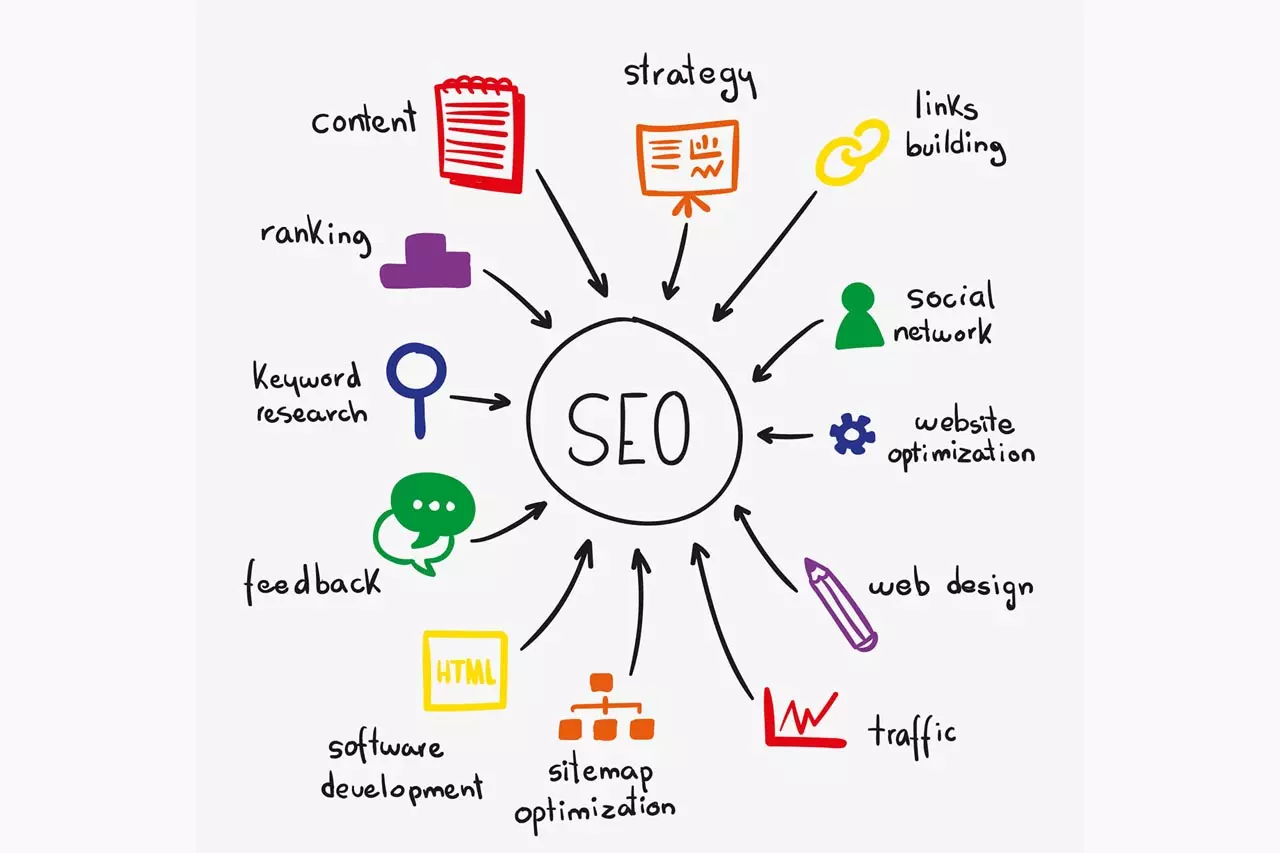
The SEO keyword analysis process forms the cornerstone of effective search engine optimization. It plays a crucial role in shaping a websites visibility, traffic, and overall online success.
Through meticulous keyword research, businesses can identify the exact words and phrases that users input into search engines.
By strategically integrating these keywords into content, the likelihood of appearing in search results increases.
Related Searches That Reveal User Intent
Understanding user intent is equally important. By targeting keywords that align with what users are seeking, a website can drive more organic traffic.
Relevant traffic not only increases the number of visitors but also enhances the likelihood of converting them into customers.
In this article, well explore a case where Warner Bros. failed in SEO, leading to a missed box office opportunity.
Warner Bros. and the Failure of SEO Keyword Research
Founded in April 1923, Warner Bros. has spent a century bringing various stories to people.
Warner Bros. is an American film studio involved in both film production and distribution. Under the Warner name, the company has influenced sectors like American TV dramas, animations, games, and music.
It’s one of the major six Hollywood studios that achieved consecutive box office hits in the 2000s, including well-known titles like Superman, The Dark Knight, The Lord of the Rings, and Harry Potter.
Warner Bros. produced a new film based on Harley Quinn, the notorious girlfriend of the Joker and one of the popular DC characters.
However, despite the strong character, the movie delivered disappointing results.
The Reason for Failure?
The movie was originally titled Birds of Prey: And the Fantabulous Emancipation of One Harley Quinn.
Despite Harley Quinn being the main character, Warner Bros. did not include her name at the beginning of the movie title.
It wasnt until later that Warner Bros. realized Harley Quinn was a crucial keyword, leading them to change the movie title to Harley Quinn: Birds of Prey. Unfortunately, by then, it was too late.
Without Harley Quinns name at the start of the title, audiences had difficulty realizing that she was the main character of the film.
The movie was expected to gross $60 million, but it only achieved $33 million.
All of This Stemmed from Ignoring the Importance of Keywords
People searching for the movie were likely interested in Harley Quinn. Although the title was eventually changed, it was criticized as being too late.
Warner Bros. was also criticized for neglecting competitor research. It was essential to understand what keywords and content moviegoers were interested in at the time.
Analyzing the Search Engine Result Pages (SERP) to understand search intent is one of the most important considerations when building SEO.
Conclusion from the SEO Keyword Analysis Failure
The lesson Warner Bros. learned from this case is that an SEO perspective is essential when choosing content titles.
Like other companies launching new services or product lines, Warner Bros. should have involved SEO experts in this process. Had they done so, Birds of Prey might have performed better at the box office.
Keyword research serves as a guide for content creation, highlighting topics important to the target audience. This not only optimizes content for search engines but, more importantly, provides significant value to potential customers.
Ultimately, SEO keyword research is not a one-time task. It requires continuous activity, allowing companies to adapt to evolving user preferences and industry environments.
Why are Marketing Analytics Tools Important for B2B Marketing?
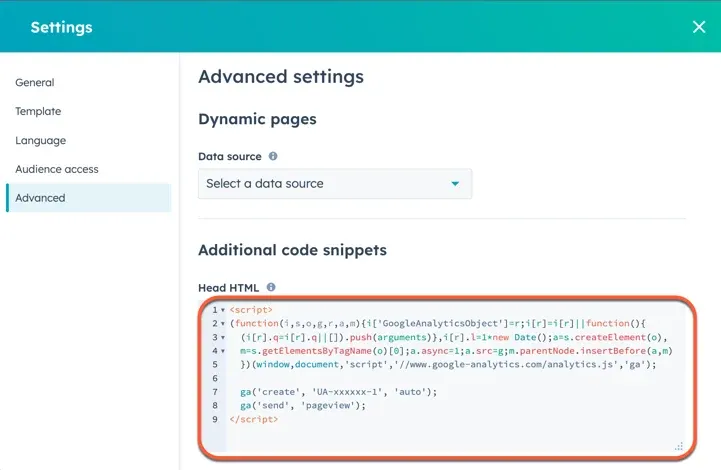
Utilizing marketing analytics tools is crucial for understanding website performance and identifying opportunities for marketing improvement. Specifically, using GA4, a leading example of marketing analytics tools, allows you to track and analyze various aspects of your website, such as traffic sources, audience demographics, user behavior, and conversion rates. This tracking and analysis provide a clear understanding of how your website is acquiring potential customers.
For instance, if your goal is lead conversion, marketing analytics tools can offer insights into how to improve your website to secure more leads. If your goal is sales conversion, these tools can help you find methods for increasing conversion value.
In fact, for B2C businesses, the importance of marketing analytics tools is often well understood among practitioners, who are typically familiar with tracking tools and data utilization. However, for B2B businesses, the target customer base is relatively smaller, and website traffic is also less substantial compared to B2C businesses. As a result, the importance of marketing analytics tools is sometimes overlooked or tracking may not be implemented at all.
Why Should You Implement Marketing Analytics Tools?
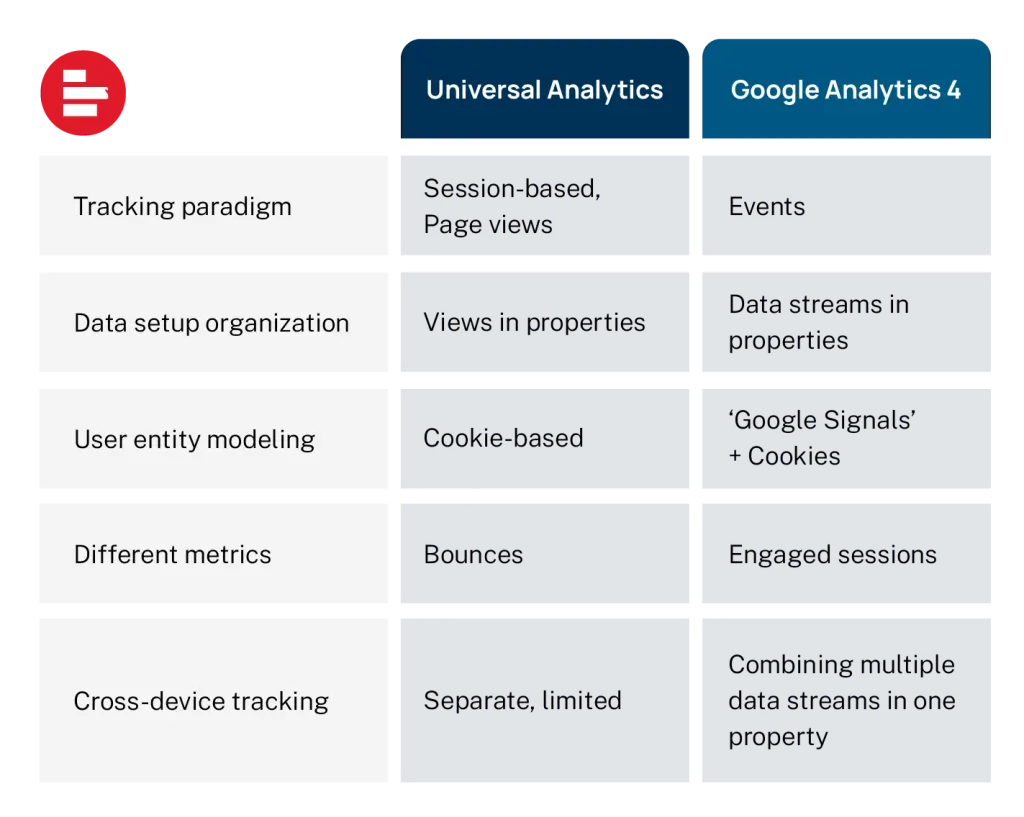
Google Analytics 4 vs. Universal Analytics: Whats the Difference?
As many of you may know, as of July 1, 2023, the service for Universal Analytics (UA) has ended, and GA4 has taken its place. Therefore, discussing the UA version of Google Analytics is now of limited relevance.
? Consequently, we will focus on GA4, which is a leading marketing analytics tool.
Cross-Platform Tracking
GA4 is capable of tracking users across websites and apps, providing a complete view of the user journey.
This is particularly important for B2B marketers, who often deal with customers interacting with the brand across multiple devices and channels.
With GA4s cross-platform tracking capabilities, marketers can fully understand the customer journey regardless of where it starts or ends.
GA4 employs machine learning to predict future customer behaviors, such as the likelihood of churn or the probability of purchase.
This enables B2B marketers to identify and target the most valuable customers, allowing for more effective marketing campaigns and personalized customer experiences.
Privacy-Focused Design
GA4 is designed with a stronger emphasis on privacy compared to its predecessor, UA.
This feature is crucial for B2B marketers who must comply with increasingly stringent data privacy regulations.
How B2B Companies Should Set Up Marketing Analytics Tools
Various marketing analytics tools have been developed to improve how B2B marketers measure and track performance.
Why is setting up these tools crucial for B2B companies?
Identifying High-Lifetime-Value Customers
Advanced machine learning and predictive capabilities provided by marketing analytics tools offer real-time statistics on user behavior and conversions. They also provide methods to easily create similar audiences based on high-value customers, allowing marketers to expand reach to similar potential customers.
These features streamline data analysis and decision-making processes, saving time and resources without the need for complex analysis models.
Marketing analytics tools allow for tracking important business events or conversions, even if they are not standard events by default. This is significant for B2B marketers with complex sales cycles and multiple conversion paths.
Understanding the Complete Customer Journey
B2B companies can now gain insights into the entire customer journey through marketing analytics tools like GA4s event-based measurement model.
For instance, GA4 provides an overview of the customer lifecycle that is not limited by individual sessions or platforms.
GA4 easily tracks data collected from various applications and devices, aiding in the accurate understanding of how customers interact with the brand.
It also enables demographic segmentation of potential customers based on factors such as company size, industry, and location, allowing for more targeted marketing campaigns and personalized content.
Data-Driven Contribution to ROI Improvement
Data-driven contribution models, provided by marketing analytics tools, allocate conversion credit based on the data of each conversion event. This method calculates the actual contribution for each click interaction.
This function analyzes the customer journey from the first touchpoint to the final conversion, helping to improve the return on investment (ROI) for brand marketing campaigns. It also provides detailed insights into how various marketing activities contribute to conversions.
Marketing analytics tools offer new features and reports to help marketers better understand website traffic and performance. For example, GA4s attribution reports can identify which marketing channels drive the most conversions, aiding in budget allocation.
GA4 integrates with various Google products, including Google Ads, Search Console, Display & Video 360, BigQuery, and Search Ads 360. This combination allows for merging web and app data to extract valuable statistics, improving data-driven marketing campaign enhancements.
Additionally, GA4 can integrate seamlessly with other marketing tools like Salesforce and HubSpot, allowing easy data sharing between different systems and providing a comprehensive understanding of marketing performance.
Marketing Analytics Tools: A Necessity in B2B Marketing
Todays digital environment demands various insights, including understanding the types of spread, new perspectives on user privacy, and the diverse touchpoints customers use. Tools that provide insights while protecting customer privacy and measuring performance have become crucial.
In other words, advanced marketing analytics tools are needed to identify new potential customers and approach them at the right moment. These tools are powerful instruments that assist B2B marketers in tracking website traffic and performance, identifying the most valuable customers, and developing more effective marketing campaigns.
By setting up marketing analytics tools, B2B marketers can gain valuable insights into their business and enhance their marketing activities.
On-page SEO involves organizing the content on your site so that search engines can better understand and rank it.
Essentially, this process helps ensure that your content is not overlooked by search engines like Naver, Google, or Bing, and is ranked higher in search results.
Ultimately, it allows you to communicate to search engines what content users are looking for.
Search engines generally favor websites that are friendly to them. In other words, they prioritize sites that are optimized for search engines. Therefore, its crucial to refine your sites content to appeal to search engines.
By carefully following the SEO guide proposed by Growth Marketing Agency, you can significantly improve the efficiency of your search advertising.
The Importance of On-Page SEO
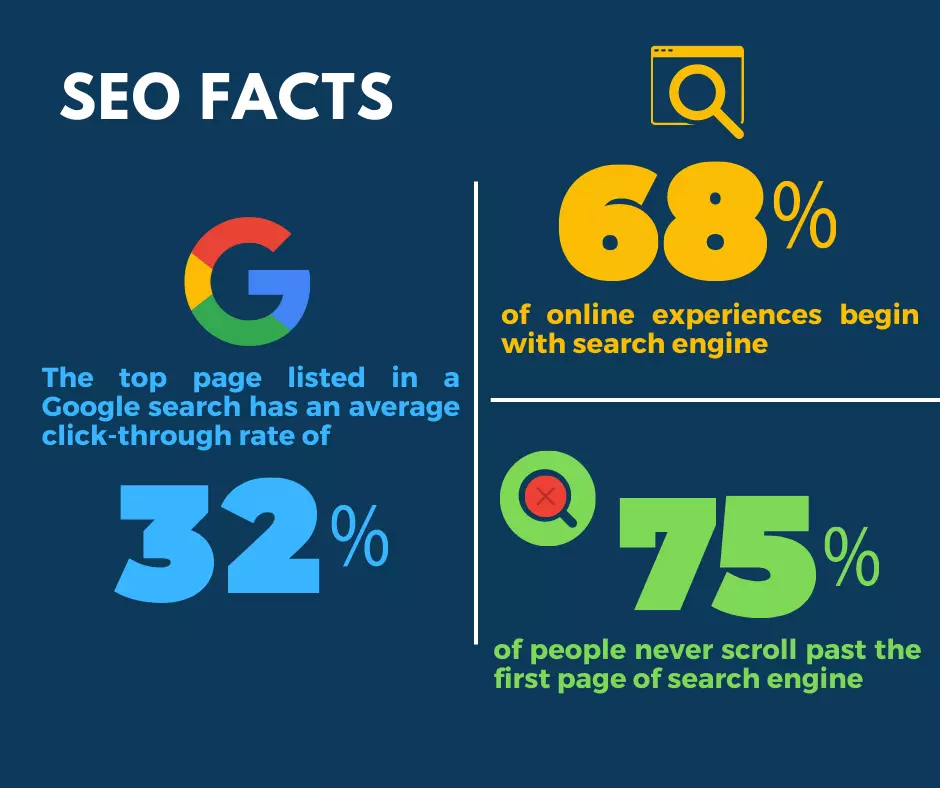
The average click-through rate (CTR) for top-ranking pages on Google is 32%, and 68% of online experiences begin with a search engine. Notably, 75% of users never scroll past the first page of search results (Source: Measuring the Success of Your SEO Campaign: Metrics and Tools to Use)
Improving the user experience should start with setting goals that benefit website users, which includes search engines as part of your audience.
Through on-page SEO, you can help search robots better understand your sites content.
The title is the first on-page SEO element users encounter, meaning it influences the first impression of your content.
The <title> element tells search robots what the page is about. Its essential to create accurate and unique title texts that reflect the pages theme and include the <title> element.
However, if a document has more than one <title> element, search robots need to analyze which title aligns with the page content.
This can lead to your page being classified as low quality. Additionally, excessively long titles can negatively affect your rankings. Be particularly careful when publishing series content to avoid having multiple pages with identical titles.
When multiple pages share the same <title>, search robots struggle to determine which page is most relevant, leading to poor content classification. Prioritize creating unique titles for each page.
? Checklist 2: Summary/Description
The meta description tag summarizes the pages content.
Its best to write the summary in several sentences and ensure each page has a unique description since search engines often use these summaries as snippets in search results.
If multiple pages have the same meta description, search robots may categorize them as duplicate content.
? Checklist 3: H1 and Alt Attributes
Similar to the title, the <H1> element is used as a subheading to represent the page’s content. If more than one <H1> is found in a document, it creates a structure that search robots may find difficult to understand.
The structure of your content can influence whether it is preferred by search engines.
Similarly, if your content images include descriptive (Alt) elements, the document becomes easier for search robots to understand. To build effective on-page SEO, include explanatory sentences that describe the topics of your page content and images.
SEO-Friendly URLs and Indexing Efficiency
While many factors need consideration during site construction, focusing on URLs can be a basic yet effective way to improve user metrics.
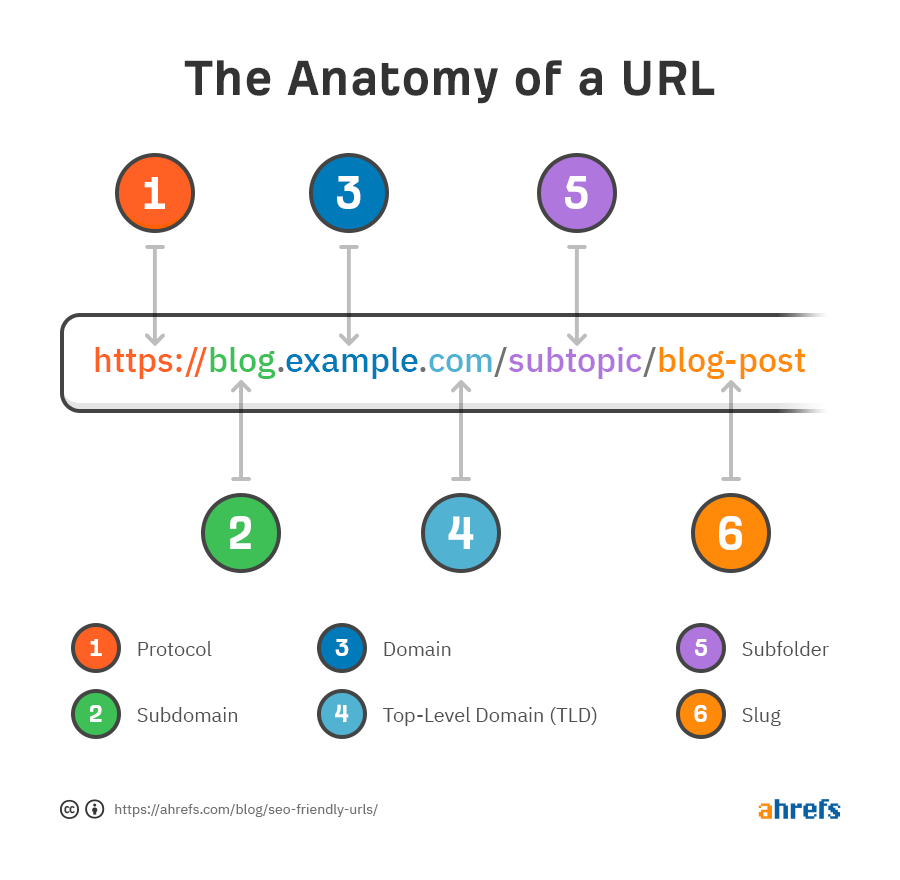
A URL is a protocol that indicates the location of a resource on the network, typically referring to a webpages address.
The most positive approach is to structure URLs in a way that reflects the classification of the content, making them easy to understand.
To create SEO-friendly URLs, use a top-level domain that is familiar to users, such as .com, .net, .co.kr, or .kr. Unfamiliar domains may be mistaken for spam or inappropriate sites, so it’s advisable to choose a popular domain. Additionally, it’s recommended to use a unique domain that matches the sites nature rather than relying on a generic domain provided by your web hosting service.
Understanding search engines is crucial when structuring your URL. Its important to develop a URL structure that is easy for both users and search engines to interpret. Minimizing URL parameters and avoiding fragment identifiers or hashbangs (#!) is essential since search engines cannot interpret these formats. Each page with different content should have its own unique URL.
Furthermore, search robots extract and process links within web pages as candidate URLs for indexing. Therefore, its important to mark up internal links in a way that search robots can easily interpret. For instance, providing standard link URL information helps search robots effectively navigate internal pages. Additionally, dynamic link changes can cause issues with search robot interpretation, so its recommended to use static markup for links.
Search robots repeatedly collect and deliver web content to search engines. However, not all collected documents are indexed; those deemed unnecessary are removed from the index. To improve indexing efficiency, its crucial to identify and prevent conditions that might lead to non-indexed documents.
? Checklist 4: Lack of HTML Content
In some cases, certain web pages use pure JavaScript for navigation without employing HTML markup. Search engines may consider these pages to have no content and exclude them from indexing.
Its advisable to use HTTP response codes instead of JavaScript.
? Checklist 5: Soft 404 (or Soft Dead)
When building and managing a site, its crucial to maintain HTTP response codes for error pages.
In case of exceptional errors on the site, appropriate guidance pages should be provided to users, and specific HTTP response codes should be assigned to each case.
Most websites use JavaScript to enhance user experience. Recently, many developers have adopted frameworks that convert web pages into single-page application (SPA) platforms.
In SPA sites, JavaScript plays a decisive role in determining the structure of web pages.
Search engines also evaluate and interpret the impact of JavaScript during the collection and content interpretation process.
Therefore, when building a site using the SPA method, its necessary to optimize JavaScript for search engines.
? Checklist 6: Checking for Disallowed Collection
Occasionally, some sites disallow the collection of resource URLs like JavaScript or CSS by search robots.
Check the content of robots.txt to ensure that search robots can collect JavaScript. Also, verify in advance whether Naver search robot IPs are blocked.
? Checklist 7: Fragment (#) URLs
Fragments are rules created to specify a particular position within a page.
Search robots remove the fragment part during URL interpretation. If your site URLs are built with SPA fragment URLs and each URL represents independent content, its necessary to convert them into permalinks.
JavaScript-based page construction does not necessarily exclude a page from search visibility. Search robots determine collection priorities for web pages based on algorithmic importance, given their limited collection resources.
However, even if a page is collected, it doesnt guarantee indexing or search visibility.
Therefore, its important to continuously update your SPA site to reduce the likelihood of being categorized as non-essential content while increasing the chances of being prioritized by search engines.
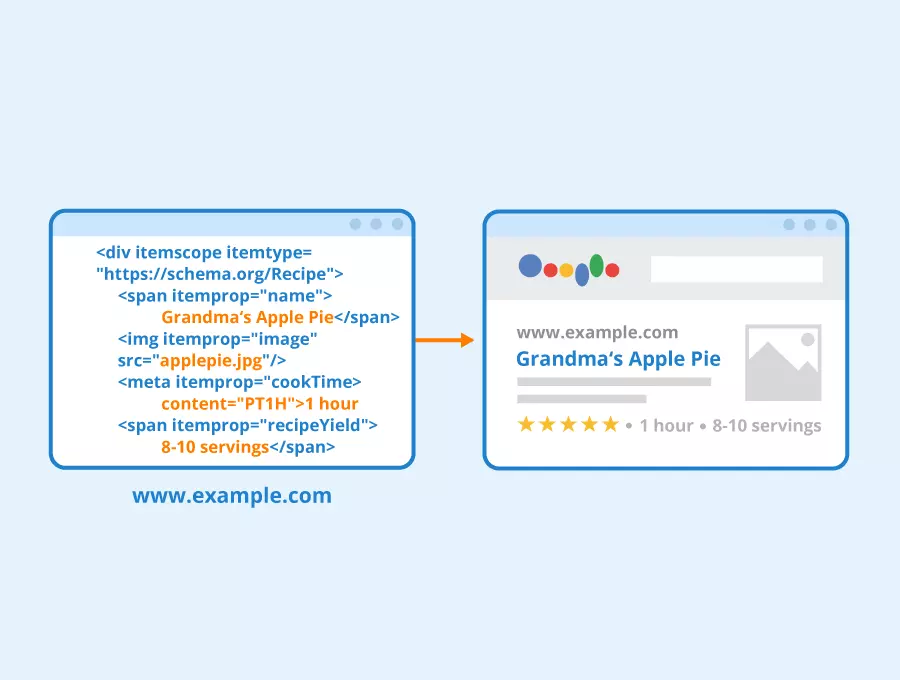
Structuring content logically and organizing it into ‘structured data’ can significantly enhance SEO.
Examples include relational databases. From a search engines perspective, content organized in a structured format is much easier to interpret.
The process of defining web content as structured data has been ongoing, thanks to the continuous efforts of the community and related organizations. More details can be found at schema.org.
Various search engines, including Naver, use structured data to deliver search results that match the characteristics of the content.
Typically, this involves structuring the information of specific content into detailed attributes that correspond to the type of content, then adding it to the web page. Navers search robots automatically collect this information, organize it according to the contents characteristics, and use it in search results.
Structured data, as defined by schema.org, was officially recognized as a web standard by the W3C in 2015, and standardization efforts have been active ever since. The structured data proposed by this organization consists of data types and attributes. Data types are combinations of attributes based on the characteristics of a web page or content. Based on this, multiple data types can be combined to add structured data to a single web page.
Attributes represent detailed information about a web page or content and are elements that make up a data type. For example, in the case of audio content, attributes might include playback time or the number of plays.
Schema.org supports three language formats for structured data: Microdata, RDFa, and JSON-LD. Naver recommends using the widely adopted Microdata or JSON-LD formats. After building structured data, its essential to validate it to ensure correct implementation. Schema.org provides structured data testing tools and detailed pages by data type for validation or to check examples written in different language formats.
Conclusion: SEO is a Fair Starting Point, but Success Depends on Effort
How many clicks does it take for users to find the right information in the sea of data? Some users may leave immediately after realizing they haven’t found what theyre looking for, while others may delve deeper into your content.
The content that search engines prefer depends not only on its quality and quantity but also on how well you understand on-page SEO.
While no one can fully understand everything about search engines, increasing the likelihood of being selected by them is a basic principle of marketing.
Why are app marketing success stories important for marketers? Currently, mobile devices account for over 50% of global website traffic. This high mobile usage supports the growing demand for mobile app marketing.
Mobile app marketing involves promoting mobile applications to reach more customers and increase downloads. This process occurs through various channels such as social media, online advertising, App Store optimization, influencer marketing, and email marketing.
Consequently, app marketing aims to enhance visibility and encourage users to download and engage with different applications.
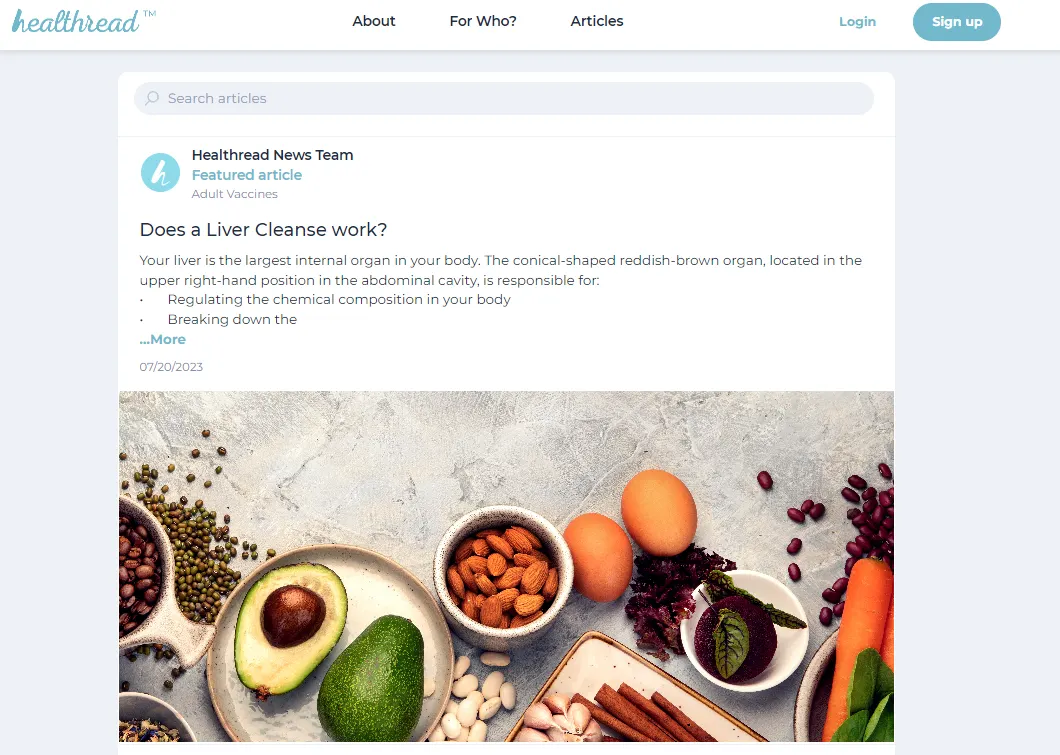
The company Healthread developed an app to connect patients with similar or identical health conditions, regardless of their location. Users can create communities, receive support and encouragement, and discuss health issues through this app. They provided them with a safe space for comfort and empathy.
Healthreads Marketing Strategy
Healthread needed to build a consumer behavior journey from awareness, app download, installation, and ultimately to sign-up. This required a successful marketing strategy. They developed a comprehensive marketing strategy that included paid social media, advertising copy, blog posts, email marketing, and creative content. Through this approach, they established a robust lead generation strategy and built brand awareness.
Developed Social Media Strategy for Targeting: Managed all digital assets for paid ads, organic social, and email marketing.
Executed Media Planning and Content Creation: Created landing pages, promoted sign-ups via email, and built campaigns to drive key content downloads and app installations.
Implemented Digital Media Strategy: Led Healthreads content media strategy and branding efforts.
Distributed Healthreads Message through Own Content: Shared value with others by disseminating their message.
Posted Content to Build Brand Awareness: Published content that resonated with the target audience to build brand recognition.
Created Healthreads Brand Voice: Developed a strong audience while establishing their brand voice.
Produced Health and Medical-Themed Ads and Campaigns: Created advertising and campaigns focused on health and medical topics.
Optimized Landing Pages for Clear CTAs and Accessibility: Designed landing pages with clear calls to action and accessibility to facilitate easy inquiries from potential customers.
Built App Engagement and Provided Content: Helped users navigate the site by building app engagement and providing content.
Additionally, they used dynamic marketing techniques to create tailored messages for different customer segments. They also built company pages on LinkedIn, Twitter, Facebook, and Instagram, creating and publishing engaging messages, videos, and images. This led target customers to follow their social media accounts, creating an organic impression.
What Are the Key Elements of an App Marketing Success Story?
Healthread built a landing page for email sign-ups to generate customer interest even before the app launch. They sent emails containing useful information, such as relevant videos and blog links, to potential customers to maintain their interest until the app was ready. This meticulous app marketing strategy proved successful.
As a result, they achieved over 15,000 downloads, a 2.3% CTR, and attracted more than 12,000 subscribers through various media and A/B testing on platforms like Buffer, Mailjet, Google Ads, Meta, Reddit, and Apple Search Ads.
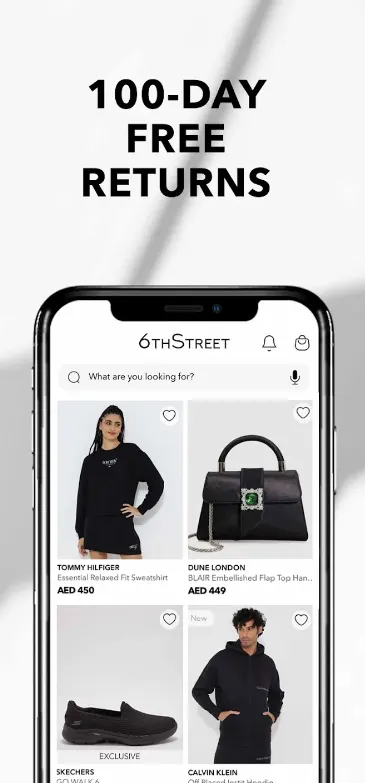
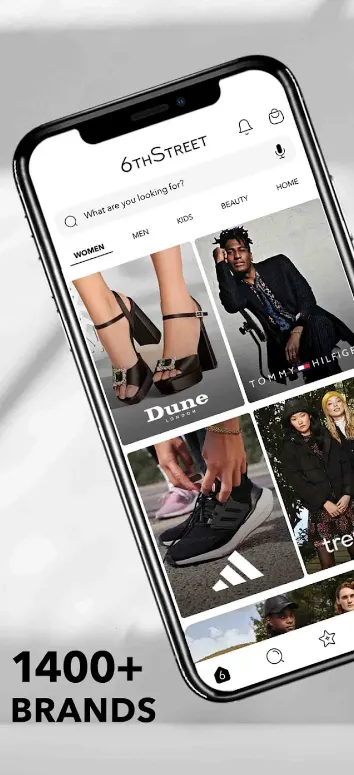
6thStreet is the largest omnichannel e-commerce site selling high-end fashion and beauty brands in the UAE, Saudi Arabia, Kuwait, Oman, Bahrain, and Qatar. To generate additional revenue, 6thStreet launched iOS and Android apps in 2018. Given the high app usage in the Middle East, 6thStreet anticipated significant app engagement.
6thStreets Crisis Detection
The launch of Apples App Tracking Transparency (ATT) framework on iOS significantly impacted advertising spending efficiency and overall acquisition strategy for 6thStreet. They discovered that their app installation campaigns through their own attribution network (SAN) resulted in lower app customer engagement than before.
Customers acquired through app installation ads tended to uninstall the app shortly after onboarding. Furthermore, retargeting iOS users became challenging due to reduced capabilities of ad networks.
6thStreets marketing team needed to address these issues swiftly before the Ramadan e-commerce season began.
Strategy Shift to Web Promotion
For the Ramadan season campaign, 6thStreets performance marketing team decided to switch from app installation ads to web-based advertising networks such as Meta, Google Ads, and TikTok. This allowed them to redirect ad traffic to their website instead of the App Store. They targeted web visitors from these ad networks and offered discounts on in-app orders.
They incorporated personalization into 6thStreets marketing strategy during the Ramadan festival promotion period, delivering the right message to the right customer.
By transitioning from app installation ads to web-based ads, 6thStreet could drive more web traffic. To further enhance customer personalization, they also implemented Branch deep links to improve app onboarding experiences.
Deep links routed users to precise in-app content, leading to increased lifetime value (LTV), loyalty, and revenue compared to users arriving directly from a general landing page. As a result, 6thStreet saw a 60% increase in app installations, a 13% rise in ROAS, and a 70% increase in DAU.
This success story demonstrates how 6thStreet was able to acquire highly engaged app users at a lower cost compared to other e-commerce brands and re-engage existing users.
World of Warships Blitz 3D War is a Korean maritime warfare simulation mobile game. Their goal was to increase exposure and brand awareness globally on the App Store and Google Play Store.
They had to optimize for French, Italian, Korean, Portuguese, Russian, Spanish, Turkish, Chinese (Traditional), Chinese (Simplified), German, Japanese, and English markets.
This presented significant difficulties in optimizing across so many diverse markets.
ASO Optimization Through Partner Collaboration
wowsblitz tackled the challenge of ASO (App Store Optimization) by combining AI-based ASO tools with in-house expertise. They used keywords that had not been ranked in the 12 localized versions of the App Store. This approach helped them find opportunities to drive more traffic to the game.
ASO optimization in a single market is challenging enough, let alone across multiple languages and countries. It required substantial resources and strategy. wowsblitz found several partners to assist in achieving their goals. They worked effectively with competent and reliable partners to conduct the ASO process.
As a result, wowsblitz successfully analyzed keywords with high mentions and conversion rates by country, refining them according to language-specific contexts.
This led to an average exposure ranking increase of 35% on the App Store, a 73% increase in Spain, and a remarkable 91% increase in Turkey.
Proven App Marketing Success Stories
In conclusion, the success stories of Healthread, 6th Street, and wowsblitz demonstrate the power of a well-rounded app marketing strategy.
By effectively utilizing social media, web promotions, and App Store optimization, these companies achieved remarkable results in visibility, engagement, and downloads.
Their innovative approaches and targeted efforts provide valuable lessons for anyone looking to enhance their app marketing efforts and drive significant growth.
Securing potential customers requires significant time and effort, but it is an indispensable process for business success. The more you find new customers, the more revenue you can generate and the more you can grow your business.
At Growth Marketing Agency, we provide guidance on how to identify and discover potential customers that are suitable for each business.
Securing Potential Customers: Different Types of Leads
Q. What is a Lead?
A lead refers to an individual who has shown interest in a company’s products or services. Leads are recorded in various ways, such as email addresses, phone numbers, or names, and are those who are seeking solutions to their problems. Leads can be obtained through specific events like contact forms, website sign-ups, or newsletter subscriptions. They represent a crucial data point for businesses as they indicate interest and potential solutions that your products can offer.
Types of Potential Customers Leads
Information Qualified Lead (IQL): Also known as a cold lead, an IQL is someone who has just started searching for products or services. They may provide contact information in exchange for useful information but generally do not know how a company can help them.
Marketing Qualified Lead (MQL): Also known as a warm lead, an MQL is someone who has taken some action to learn more about your products or services. This might be through targeted ads, affiliate marketing, or email campaigns. MQLs often provide their name, email address, and phone number in exchange for offers like eBooks, promotional proposals, newsletters, or free quotes.
Sales Qualified Lead (SQL): Also referred to as a hot lead, an SQL is a customer ready to make a purchase. They have shown interest, gathered information, compared options, and are prepared to buy. SQLs have the highest likelihood of converting from a potential customer to a buyer.
Importance of Securing Leads from Potential Customers
Finding leads through marketing is a valuable strategy for increasing business revenue. When marketers identify strong leads, they can develop more efficient and effective sales strategies tailored to the relevant information. This allows marketers to target individuals who already know about and are interested in your products or services.
Well-targeted customers are more likely to purchase than those unfamiliar with your products. Genuine interest from potential customers often leads to faster conversions.
When you started your business, you likely targeted a specific group of people. However, was sticking to that initial group the right choice?
Lead generation provides an opportunity to learn more about potential customers in detail. You might end up engaging individuals not included in your original marketing campaigns.
By gathering insights from a customer perspective and generating high-quality leads, marketers can identify market trends and explore new markets that were previously inaccessible.
Enhance Lead Quality with Persuasive Techniques
As you continue to secure leads, you’ll be able to adopt a highly targeted approach. Every piece of content created for your brand, from website and email copy to social media and blog posts, will be crafted with advanced targeting in mind.
This allows marketers to create more relevant and appealing topics and messages for each target audience.
Properly executed lead generation can maximize your brand’s capabilities to achieve marketing goals. You’ll find it easier to capture the interest of qualified leads and guide them toward conversion.
Focusing on the problems that potential customers care about will make them more open and interested in your brand. Improved lead quality can enhance conversion rates and boost revenue, potentially increasing your sales growth beyond expectations.
Building customer reviews is also an effective way to address potential customer problems. For example, potential customers need strong persuasion to convert, and few things are more persuasive than past customer reviews.
When potential customers see or hear from other consumers who have resolved similar issues with your product, it adds substantial persuasive power. However, obtaining customer reviews isn’t automatic and may involve costs to request recommendations.
As you generate more potential customers, collecting customer reviews can be utilized in marketing materials such as websites, emails, videos, social media posts, and infographics.
Potential Customers Lead Generation Marketing Strategy
Determine Target Customers
If potential customers do not convert into suitable clients, generating leads is pointless. Therefore, start by conducting research to accurately identify your target audience.
Understand your ideal customers’ backgrounds, goals, online habits, challenges, and their buying processes.
Once you have detailed information about your target potential customers, tailor your lead generation marketing campaigns to their preferences, including messaging and traffic channels.c
Set Campaign Goals
To achieve success in marketing campaigns, set specific goals. Generating as many leads as possible might not always be the goal. Benchmark past performance to set specific targets such as the number of visits and conversion rates.
If you havent started tracking yet, now is the time. Understanding the impact of potential customers on your brand will help you determine how many customers are needed to meet sales goals.
Then, calculate the average number of leads that convert into buyers and adjust conversion rates and goals accordingly.
Attract Ideal Customers
Today’s potential customers are more cautious and require more compelling offers. It is no longer easy to attract ideal potential customers as before.
? Marketers need to make unique and highly attractive offers in their campaigns to achieve results. This requires considerable effort.
Build Landing Pages
Once you know what to offer potential customers, you need to persuade them to make a purchase. Landing pages are an excellent way to directly guide customers to a call to action (CTA). Therefore, businesses should provide persuasive landing pages.
A landing page is the first page users see when they click on a site. It includes marketing to promote the company’s products and services. In digital marketing, landing pages primarily focus on conversion rates.
They should drive more traffic and convert it into sales, helping users develop an interest in your products or services and achieve business goals.
Test Your Campaign
Before driving traffic, conduct thorough campaign testing. Act as if you are a potential customer accessing the landing page through various links, such as email or social media posts. Ensure these links work correctly and verify that the landing page displays as intended across all browsers.
Interact with the page sufficiently to ensure all processes, from the frontend to the backend, function smoothly.
Analyze and Optimize Lead Generation Marketing
Even the best marketers can’t do everything perfectly. Using analysis software is a smart approach to quickly optimize campaigns based on data.
Securing Potential Customers by Cultivating Diverse Lead Sources
Achieving a successful lead generation campaign requires a multifaceted approach. Developing effective, customized strategies for each channel and nurturing lead sources is essential. Many small businesses face increased challenges due to digital saturation.
Maintaining a steady influx of new leads in a digitally oversaturated market can be challenging. Therefore, many companies need to overcome these obstacles and elevate their business to a higher level.
How a Hotel Enhanced Guest Experience with Kakao Channel
Real-World Example: Hotelier Jun Gil-bong, Daejeon
Jun Gil-bong, a hotel manager in Daejeon, faced a tough challenge: making his hotel stand out in a city often labeled as dull. His hotel, which had primarily served government officials for 25 years, needed to attract general customers. Kakao Channel came to the rescue:
Targeted Marketing: By analyzing customer data through KakaoTalk Channel, Jun found that women aged 35-39 were his main customers. This insight helped him tailor marketing campaigns, promoting family-friendly packages and seasonal deals.
Customer Engagement: Jun sent bi-weekly messages to his followers, sharing exclusive offers and updates like holiday packages and special events.
Collecting Reviews: Kakao Channel made it easy to gather customer reviews, boosting the hotels online reputation. Positive feedback from guests helped attract new customers from beyond the local area.
The result? The hotel saw a significant increase in occupancy rates and gained a reputation as a top choice for both locals and visitors.
How a Packaging Company Revolutionized Client Interaction with KakaoTalk Channel
Real-World Example: CEO Jang Ji-eun, Goyang
Jang Ji-eun, running a packaging company in Goyang, struggled with the traditional, inefficient face-to-face consultation process. She needed a more efficient method and found it with KakaoTalk Channel:
Online Consultations: The platform enabled Jang to offer detailed online consultations, expanding her reach nationwide and even internationally. The channel handled up to 50 inquiries daily.
Automated Responses and Custom Menus: Jang set up custom menus to address frequently asked questions, providing immediate answers and reducing the need for constant direct interaction.
Improved Customer Service: The efficiency of Kakao Channel improved customer satisfaction. Clients appreciated quick responses and the ability to discuss packaging options without physical meetings.
These innovations led to a 500% increase in sales, establishing Jang’s company as a leader in the packaging industry.
How a Pharmacy Built Trust and Increased Sales with Kakao Channel
Pharmacist Yoo Dae-hae, operating a late-night pharmacy in Songdo, needed to stand out in a crowded market. KakaoTalk Channel was the solution:
Personalized Communication: Yoo used Kakao Channel to keep detailed notes on customers regular purchases and consultation histories. He shared tailored health information and product recommendations.
Group Management: By categorizing customers into groups (e.g., parents, students), Yoo sent targeted messages about relevant products and promotions.
Efficient Alerts: When hard-to-find products arrived, Yoo quickly notified loyal customers via Kakao Channel. This prompt communication established his pharmacy as a reliable source for specialty items.
The result? Monthly revenue increased significantly, averaging over 30 million KRW, and the pharmacys customer base grew substantially.
Conclusion
Kakao Channel has demonstrated its potential to boost sales and enhance customer engagement across various industries. By integrating this platform, businesses can leverage data-driven insights, improve communication, and streamline operations.
In Korea, both Naver and Kakao require businesses to meet specific qualifications and obtain approval to become official agencies.
Growth Marketing Agency is proud to be an official agency, meaning we have met these stringent requirements and received authorization to manage and optimize your campaigns on these platforms. This status ensures that we have the expertise and tools necessary to help you effectively promote your business on KakaoTalk Channel.
Naver is South Korea’s largest portal site, where many people search for and consume information. As such, Naver ads plays a vital role in promoting businesses and attracting customers.
When starting Naver ads, many people make similar mistakes. If you know about these mistakes in advance and avoid them, you can greatly improve your advertising effectiveness. Let’s look at what kinds of mistakes there are, one by one.
1. Advertising Only with Your Company Name or Brand Name
“Advertising with our company name should be enough, right?”
While this can help increase brand awareness, it has limitations in attracting new customers. This is because people who don’t know your brand won’t search for that keyword.
Example:
Incorrect: “Happy Bakery” (using only the business name)
Improved: “Nearby bakery”, “Fresh daily bread”, “Organic bakery”, etc.
2. Choosing Keywords with Low Relevance
“Any popular keyword should be good?”
That’s not the case. Advertising with keywords unrelated to your business will result in low click-through rates, and even if there are clicks, the conversion rate will be low.
Example:
Incorrect: Using “restaurants” keyword for a clothing store
Improved: “Daily look”, “Office wear”, “Women’s clothing in their 20s”, etc.
3. Using Overly Broad or Narrow Keywords
Keywords that are too broad like “fashion” are highly competitive and costly, while overly specific keywords like “2024 spring new pink cashmere sweater” may have low search volume and be less effective.
Example:
Incorrect: “Clothes” (too broad) or “2024 spring new pink cashmere sweater” (too specific)
Improved: “Spring new sweater”, “Cashmere sweater recommendations”, etc.
? Keyword Selection Tips:
Think about search terms that people looking for your product or service might actually use.
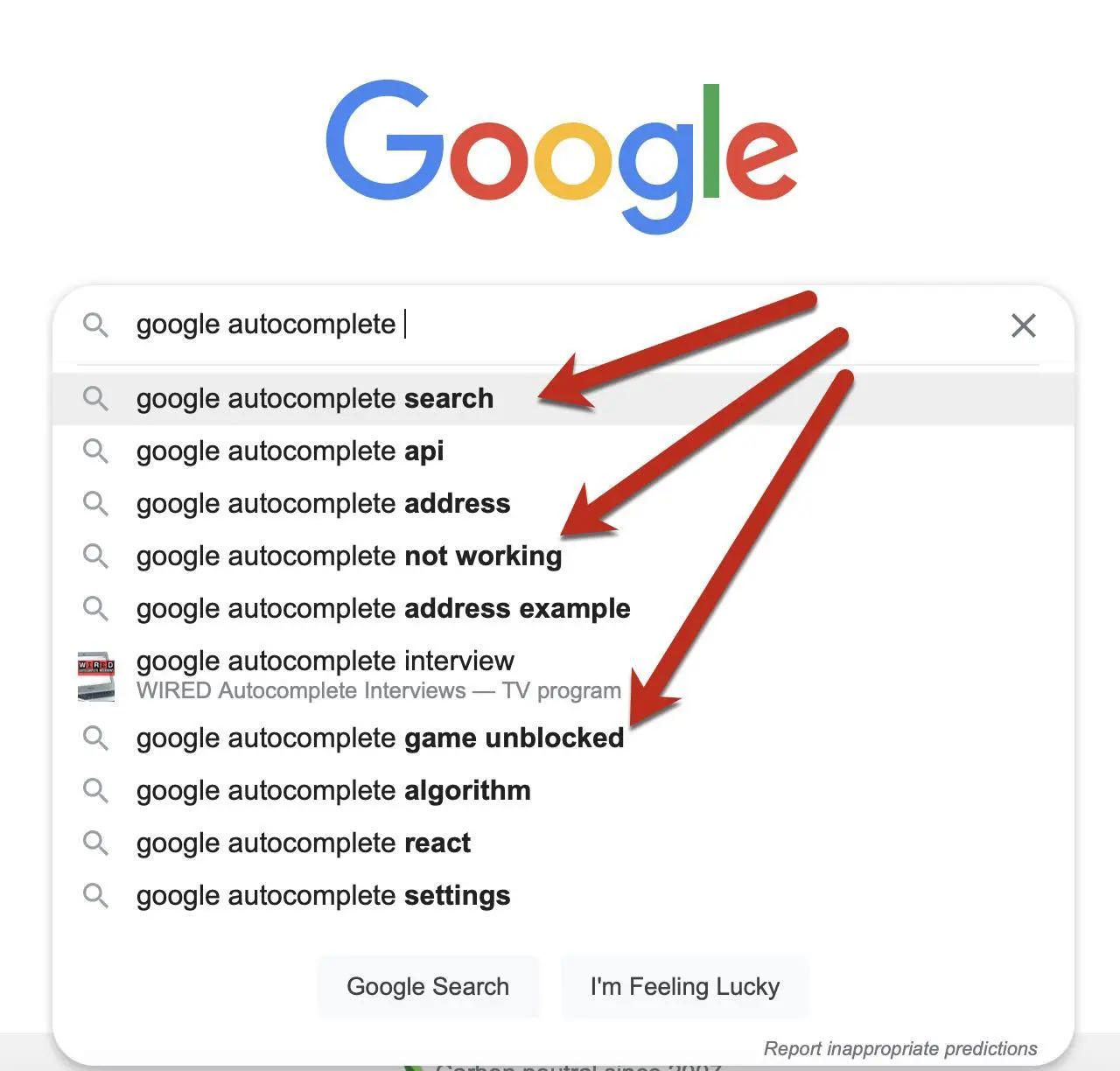
Utilize Naver’s search autocomplete feature to find related keywords.
Appropriately combine long-term and short-term keywords.
Naver Ads Budget Management Mistakes
Budget management is crucial for maximizing advertising effectiveness and reducing unnecessary spending. However, many beginners make mistakes in this area.
1. Starting Without a Proper Budget Plan
“I’ll just start and adjust later?”
This approach can quickly deplete your budget or, conversely, result in insufficient budget for effectiveness.
Example:
Incorrect: Starting without setting a monthly budget
Improved: Allocating 10% of monthly revenue for advertising and dividing it into daily budgets
2. Falling for Monthly Fixed-Rate Inducements
“Monthly fixed-rate seems convenient and good, doesn’t it?”
While it may be convenient, you might end up paying fixed costs regardless of actual advertising effectiveness. This is particularly risky for beginners who may find it difficult to accurately assess their advertising performance.
Example:
Incorrect: Signing a 1 million KRW monthly fixed-rate contract without knowing advertising performance
Improved: Starting with CPC (Cost Per Click) method and gradually increasing budget based on performance
? Budget Management Tips:
Start with a small budget and gradually increase it.
Set daily budget limits to prevent excessive spending.
Regularly check advertising performance and calculate ROI (Return on Investment).
Lack of Landing Page Optimization
No matter how good your keywords are for advertising, if the page visitors land on (landing page) after clicking is not optimized, the advertising effect will decrease. Many beginners overlook this aspect.
1. Using Landing Pages That Don’t Match the Search Terms
“Sending them to our homepage main page should be fine, right?”
That’s not the case. You should link to pages related to what the user searched for.
Example:
Incorrect: Linking “winter padding” keyword ad to the company’s homepage main page
Improved: Directly linking “winter padding” keyword ad to the winter padding product page
2. Providing Complex and Inconvenient User Experience
“The more information, the better?”
This can actually have the opposite effect. Users should be able to find the information they want quickly and easily.
Example:
Incorrect: Too many pop-ups, complex menu structure, slow loading speed
Improved: Clean design, clear CTA (Call-to-Action) buttons, fast loading speed
? Landing Page Optimization Tips:
Clearly display content related to the search keyword at the top of the landing page.
Apply responsive design for mobile users.
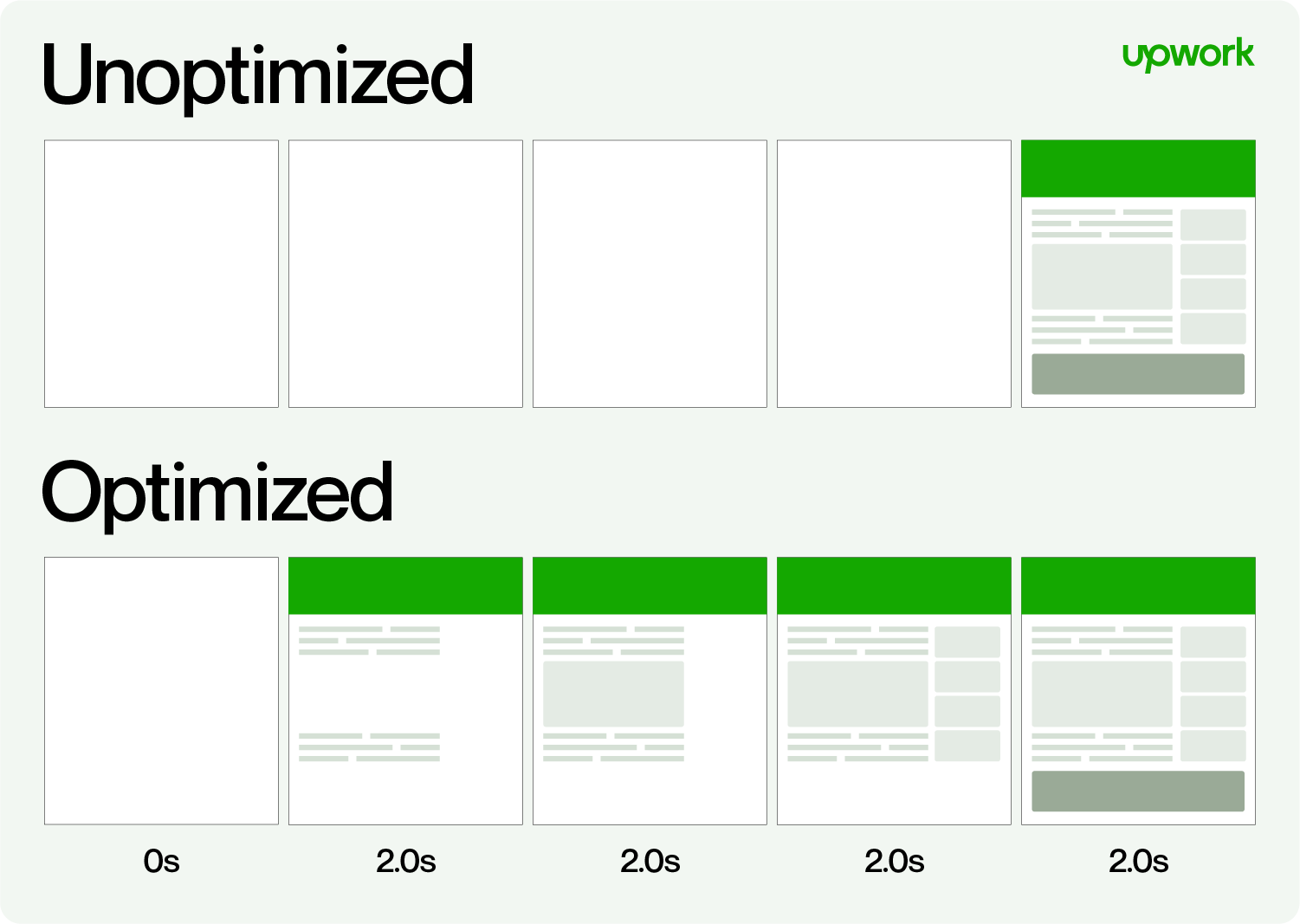
Optimize page loading speed.
Provide clear CTAs (Buy Now, Inquire, etc.).
Continuously improve landing pages through A/B testing.
Insufficient Targeting Settings in Naver Ads
Accurate targeting is a key factor in increasing advertising efficiency. However, many beginners overlook or incorrectly set this part.
1. Ignoring Targeting Options Like Region, Gender, Age, etc.
“Isn’t it better to advertise to everyone?”
That’s not the case. This can waste budget on unnecessary exposures and clicks.
Example:
Incorrect: Advertising to all age groups nationwide
Improved: Setting target as women in their 20s-30s in Seoul (for a women’s clothing shopping mall)
2. Advertising to Unnecessary Regions
“Our store is in Seoul, but should we advertise nationwide?”
For offline stores, it’s more effective to focus on the local area and nearby regions.
Example:
Incorrect: Advertising an offline store in Gangnam-gu, Seoul, nationwide
Improved: Limiting advertising to Gangnam-gu and adjacent districts
? Targeting Setting Tips:
Accurately identify your main customer base.
Utilize various targeting options in Naver advertising (region, gender, age, interests, etc.).
Use time-of-day targeting to increase efficiency (e.g., restaurant ads during lunch hours).
Use retargeting to advertise again to users who have previously visited your site.
Effective Naver Ads Strategies
An effective keyword strategy is key to success in Naver advertising. How can we select and manage good keywords?
Setting Up Highly Relevant Keyword Groups
Grouping related keywords is more effective than randomly listing keywords. This makes ad management easier and can increase quality scores.
Example:
Group 1: Women’s sneakers, Women’s running shoes, Women’s walking shoes
Group 2: Men’s dress shoes, Men’s formal shoes, Men’s loafers
Using Synonyms and Related Search Terms
People search for the same meaning using various expressions. Include these diverse expressions to increase your ad’s exposure opportunities.
Continuously improve landing pages through A/B testing.
Precise Targeting Settings
Accurate targeting increases ad efficiency. How can we set precise targeting?
Setting Targeting by Region, Gender, Age, etc.
Naver ad platform allows for detailed targeting. Use this to accurately set your main customer base.
Example:
Demographic targeting: Women in their 20s-30s interested in fashion
Regional targeting: Users in Seoul and adjacent areas
Using Time-of-Day Targeting
People’s online activities vary by time of day. Targeting ads at specific times can increase their effectiveness.
Example:
Restaurant ads: Displayed around lunch and dinner times
? Targeting Setting Tips:
Accurately identify your main customer base.
Utilize various targeting options in Naver advertising (region, gender, age, interests, etc.).
Use time-of-day targeting to increase efficiency (e.g., restaurant ads during lunch hours).
Use retargeting to advertise again to users who have previously visited your site.
Conclusion
We covered crucial considerations and frequent errors that beginners to Naver advertising should be aware of. By avoiding common mistakes in keyword selection, budget management, landing page optimization, and targeting settings, you can maximize your advertising effectiveness and save unnecessary costs.
Finally, remember that successful advertising requires continuous analysis and improvement. By regularly analyzing performance data and reflecting results in future strategies, you can achieve more effective advertising results.
Growth Marketing Agency is an official partner of Naver, equipped with the knowledge and expertise to help you navigate the complexities of Naver advertising.
Unlike Google and Meta, where simply registering is enough to start working with the platforms, Naver and Kakao require agencies to be qualified and licensed to become official partners.
This distinction is significant in Korea, highlighting the importance of working with an officially recognized agency.
Our team of experienced professionals is dedicated to maximizing your ad performance, ensuring that your campaigns reach the right audience and achieve optimal results. If you have any questions or difficulties, don’t hesitate to seek our expert advice.
Naver SEO strategies aren’t just about improving the user experienceit represents a significant change for digital marketing strategies. Understanding these dynamics can help marketers adapt and thrive in this evolving landscape.
In this article, we will delve deep into Naver SEO strategies, especially the personalized search, and discuss how they impact our marketing strategies and how we should respond.
Introduction to Naver’s Personalized Search
Why did Naver introduce personalized search? The main reason is to enhance user satisfaction. Naver has constantly strived to help users find the information they want faster and more accurately. However, one challenge remained: every user’s search intent is different.
For example, when searching for K-pop star “IU,” some might look for the latest album information, while others might seek details about her upcoming drama. To meet these diverse needs, Naver introduced personalized search.
Naver’s Efforts to Improve User Satisfaction
Naver SEO strategies include content diversification, user pattern analysis, and real-time optimization.
Content Diversification: Provides various types of content such as movies, webtoons, and news for the same search term.
User Pattern Analysis: Analyzes individual search and click histories to understand preferred content types.
Real-time Optimization: Adjusts search results in real-time based on user behavior.
These efforts ultimately aim to help users find the information they want more easily and quickly. For marketers like us, this is significant because it provides an opportunity for our content to reach the right target more accurately!
Naver SEO Strategies: Personalized Search Implementation
Now, let’s take a closer look at how Naver implements personalized search.
Personalization of Content Information
Naver’s first strategy is the personalization of content information, which provides various types of content according to user preferences.
For example, when searching for “True Beauty (????)”:
Users who frequently watch K-dramas are presented with detailed information about the TV show, including the latest episodes, cast details, and viewer ratings.
Users who enjoy webtoons are shown information about the “True Beauty” webtoon series, such as chapter summaries, artwork, and recommendations for other similar webtoons.
To achieve this, Naver conducts user pattern analysis using statistical methods, specifically employing the Hellinger Distance statistical technique to understand users’ content consumption patterns and provide appropriate search results.
?Marketing Insight: This suggests that we marketers need to create various types of content. Producing content in diverse formats, such as blog posts, infographics, and videos on a single topic, increases the likelihood of exposure to more users.
Personalization of Collection Rankings
Naver’s second strategy is the personalization of collection rankings, which involves displaying preferred document types (e.g., images, videos, news) at the top of search results.
For instance:
Users who often click on news are shown news collections at the top.
Users who frequently view images are shown image collections at the top.
Naver also uses statistical methods to analyze user patterns, comparing them with other users to determine which type of collection a specific user prefers and reflecting this in the search results.
?Marketing Insight: This highlights the importance of understanding the preferred content format of our target audience. For example, if targeting a younger demographic, focusing on video content, while targeting professionals may require more detailed text-based content.
Future Development Directions
Naver is continuously developing its personalized search. Notably, it is working on a new content and channel recommendation system that reflects users’ tastes and interests. This signifies a shift towards actively recommending new information that users might be interested in, beyond merely personalizing search results.
?Marketing Insight: This emphasizes the importance of content marketing. Beyond creating keyword-optimized content, we must accurately understand our target audience’s interests and needs and consistently produce high-quality content that meets those needs.
Impact on Marketing Strategies
Let’s now explore in detail how these changes in Naver SEO strategies affect our marketing strategies.
Content Optimization
Naver’s personalized search demands significant changes to our content strategy.
Necessity of Creating Various Forms of Content
We now need to create diverse forms of content on a single topic. For example, if marketing under the theme “healthy diet”:
Blog Post: “10 Tips for Effective Dieting”
Infographic: “Meal Plans to Boost Diet Success Rates”
Video: “5-Minute Diet Exercise Routine”
News Article: “Scientific Basis of Dieting Revealed by Latest Research”
By producing content in various formats, we can reach different user groups who prefer text, visual information, or videos.
Selecting Content Types Suitable for Target Audience
Naver’s personalized search also requires significant changes to the existing Naver SEO strategies.
Diversification of Keyword Strategy
It is no longer enough to focus solely on popular keywords. Instead, the following approaches are necessary:
Utilizing Long-tail Keywords: Use more specific and segmented keywords. For example, instead of the general keyword “diet,” use more specific keywords like “low-carb diet for 30-year-old professionals.”
Semantic Keyword Grouping: Group related keywords semantically to compose content. For example, group “diet,” “weight loss,” “calorie restriction,” and “healthy diet” together to create comprehensive content.
Optimization Based on User Intent
Focus on user search intent rather than the keywords themselves. For example:
Informational Search: Provide detailed guides answering questions like “What are the principles of dieting?”
Transactional Search: For keywords like “buy diet food,” provide product comparison information or purchase guides.
Navigational Search: Directly link to official websites or product pages for brand names or specific product searches.
Increased Importance of Technical SEO
Naver will use more complex algorithms to provide personalized search results. Therefore, the following technical SEO elements become more important:
Structured Data Markup: Use Schema.org, etc., to clearly convey the meaning and structure of the content.
Mobile Optimization: Ensure mobile-friendly design and fast loading speed.
Site Structure Optimization: Build a clear and logical URL structure and internal linking system.
Importance of Analyzing User Behavior
Naver’s personalized search operates based on user behavior data. Therefore, we need to analyze and understand user behavior more precisely.
Analysis of Customer Search Patterns and Preferences
We need to collect and analyze the following data:
Key Inflow Keywords
On-site Search Terms
Page Dwell Time
Click Path
Engagement by Content Type (e.g., text vs. video)
Developing Data-Driven Marketing Strategies
Based on the collected data, we can develop the following strategies:
Creating Customized Content for Customer Segments
Identifying and Focusing on the Most Effective Content Types
Optimizing User Journey
Establishing Retargeting Strategies
Conclusion
In conclusion, Naver’s personalized search is a significant change that requires us to rethink and adapt our marketing strategies. By understanding and responding effectively to these changes, we can ensure that our content reaches the right target audience and achieves the desired results.
At Growth Marketing Agency, we have extensive experience in navigating Navers content ecosystem. Our team is well-versed in crafting strategies that can help your business effectively reach and engage its target audience. By leveraging our expertise, you can turn these changes into opportunities and stay ahead of the competition. Embracing Naver SEO strategies can help your business stay competitive in this dynamic digital landscape.
We all know that product reviews are crucial, but do we really understand their impact on sales? What difference do they make?
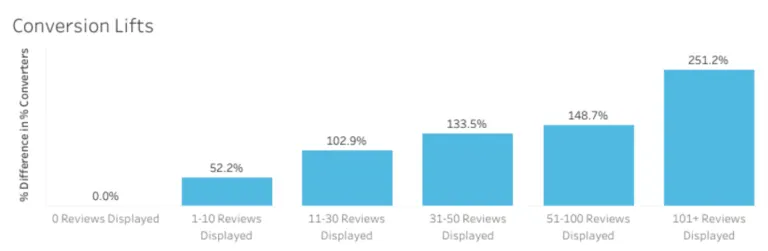
Almost every consumer99.9%reads reviews, and 98% see them as a critical part of their buying journey. Pages with 1-10 reviews have a 52.2% higher conversion rate than those without any. No matter the product, more reviews usually lead to higher conversions and sales.
This article delves into how reviews influence purchase rates and what makes a review effective.
The Prevalence of Review Reading
A 2018 survey found that 97% of consumers read reviews, and 89% considered them a vital step in the purchasing process.
Today, the importance of the Consumer Decision Journey (CDJ) is more significant than ever. Ignoring reviews is a huge mistake.
Since 2018, these numbers have increased.
As of 2023, 99.9% of consumers read reviews, and 98% find them essential. In a world overflowing with information, consumers rely on honest feedback to make decisions.
The survey also revealed that 86% of online shoppers wouldnt buy a product without reading reviews first.
The Importance of Reviews in Korean E-Commerce
Korean e-commerce platforms like Coupang, Naver Shopping, and Gmarket have demonstrated the significant role of reviews in consumer purchasing decisions.
Coupang: Known for its “Rocket Delivery” service, Coupang is one of Koreas leading e-commerce platforms. Product reviews on Coupang are highly influential. The platforms review system is integrated with its logistics and customer service, making reviews a critical factor in consumer trust and satisfaction. Products with higher review ratings and more reviews generally experience faster sales and higher visibility.
Naver Shopping: As Koreas top search engine, Naver also hosts a popular shopping platform. Naver Shopping’s review system is tightly interwoven with search algorithms. Products with positive reviews and a large number of ratings tend to rank higher in search results, leading to increased traffic and conversions. This integration highlights how reviews not only impact consumer trust but also influence product discoverability.
Gmarket: Another major player, Gmarket, relies heavily on user reviews to drive sales. Gmarkets review system includes detailed feedback and ratings, which are prominently displayed on product pages. This visibility makes reviews a key component in a consumers decision-making process. High ratings and a substantial number of reviews can significantly boost a product’s appeal and credibility.
These platforms show that reviews are not just a supplementary aspect of the buying process but a central component that drives sales and builds brand reputation in Korea.
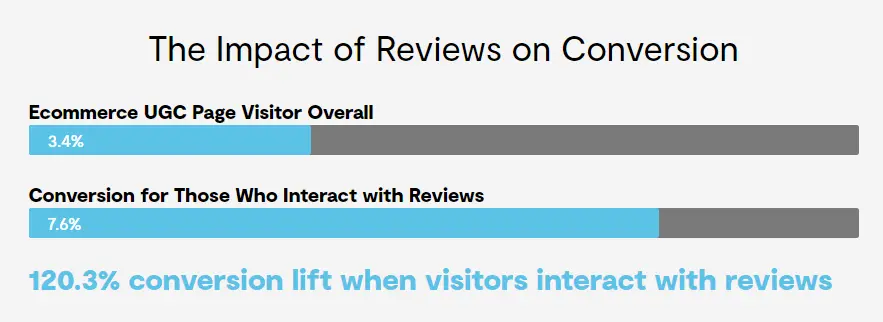
According to the 2021 UGC Conversion Impact Analysis, interacting with ratings and reviews on a product page can boost conversion rates by 120.3%.
Are More Product Reviews Better?
The importance of reviews is evident from their effect on conversion rates. But is it always better to have more?
To see if more reviews lead to higher conversions, we need to look at the conversion rates of pages with the most reviews.
By tracking all conversions over 24 hours on a specific site, we can see how review exposure influences conversion.
Data tracked over a year (May 12, 2020 May 14, 2021) showed the impressive impact of review volume on conversions:
Product pages with at least one review saw a 52.2% increase in conversion rate.
Pages with 11-30 reviews experienced over a 200% increase.
Pages with over 101 reviews saw a more than 250% increase.
Although this data primarily pertains to Amazon and other English-language websites, the trend is similar for Korean users. The clear takeaway is that more product reviews are better.
Its all about sample size. The more reviews, the more likely the comments will reflect the products true quality.
Whether it’s the cost of paid media or the labor costs of owned media, the expected effectiveness compared to these costs is always evaluated.
The takeaway is that securing reviews offers significant ROI and ROAS. Prioritize gathering a large volume of positive and realistic reviews over other advertising or marketing channels. These reviews should portray your brand and products positively and realistically. In Korea, this is especially crucial given the high value consumers place on reviews.
When developing marketing strategies, ensure that obtaining comprehensive and positive reviews for your product pages is a top priority. This approach is vital for success in the competitive Korean market.
빠르게 변화하는 시장에서 B2B 스타트업은 다양한 시행착오를 경험하게 됩니다. 치열한 경쟁 속에서 일부는 눈부신 성공을 거두지만, 다른 일부는 시장의 파도에 휩쓸려 사라지게 되죠.
이러한 차이는 어디에서 만들어지는 걸까요? 이 글에서는 BuzzGuRu와 Argyle Social, 두 기업의 사례를 통해 B2B 스타트업의 마케팅 전략의 중요성에 대해 살펴보고자 합니다.
B2B 스타트업 마케팅 실패 사례 – Argyle Social
Argyle Social
Argyle Social은 소셜 마케팅 플랫폼을 제공하는 기업이었습니다. 이 기업은 마케터가 고객의 소셜 미디어 플랫폼 참여 및 리드 생성을 구체적으로 개선할 수 있도록 돕는 대화형 플랫폼을 제공했습니다.
이 플랫폼은 직관적인 대시보드와 효과적인 일정 관리 기능, 게다가 합리적인 가격으로 마케터들이 가장 선호하는 프로그램으로 불리기도 했죠.
훗날 Argyle Social의 실패는 복합적인 요인들이 얽혀 있는데, 이를 크게 세 가지 측면에서 살펴볼 수 있습니다.
시장과 고객에 대한 이해 부족
Argyle Social은 소셜 미디어 마케팅 도구 시장의 빠른 변화를 제대로 파악하지 못했고, 고객들의 변화하는 요구사항과 트렌드를 따라가지 못했습니다.
이로 인해 자사 제품의 고유한 가치 제안을 명확히 하지 못했고, 경쟁이 치열해지는 시장에서 다른 유사한 도구들과의 차별점을 효과적으로 커뮤니케이션하지 못했습니다.
또한, 타겟 고객 설정에 있어서도 혼란을 겪었는데요. 초기에는 중소기업을 대상으로 했다가 후에 대기업으로 전환하려는 과정에서 명확한 타겟 설정에 실패했고, 각 세그먼트의 특정 니즈에 맞는 맞춤형 마케팅 메시지를 개발하지 못했습니다.
효과적인 마케팅 전략 수립과 실행 실패
Argyle Social은 자사가 판매하는 도구의 전문성을 보여줄 수 있는 양질의 콘텐츠를 제작하지 못해 thought leadership을 확립하지 못했고, 이는 업계에서의 신뢰도 구축 실패로 이어졌습니다.
효율적인 마케팅 채널을 찾지 못해 고객 획득 비용(CAC)이 지속적으로 증가했고, CAC 대비 고객 생애 가치(LTV)의 균형을 맞추지 못했습니다.
또한, 보완적인 서비스나 도구와의 전략적 파트너십을 구축하지 못해 마케팅 채널의 다양화와 시장 점유율 확대 기회를 놓쳤습니다.
B2B 스타트업 사례 분석 및 전략
자체 마케팅을 시도하지 않음
Argyle Social을 운영한 4년 동안 약 500개 기업이 그들의 플랫폼을 사용했습니다. 중간 시장 가격으로 적절한 수익을 올리긴 했으나, 창업자인 Adam Covati는 거대 기업과 경쟁하는 것은 힘든 싸움이었다고 말했습니다.
“Argyle Social은 고객들이 직접 마케팅 매개체가 됐기 때문에 자체 마케팅에 투자를 하지 않았습니다. 좋은 기술, 자원만으로는 부족하다는 사실을 몰랐던 것이죠. 돌이켜보면 그때부터 계속해서 자체 마케팅에 과감한 투자를 했어야 했는데, 우리는 그렇게 하지 않았습니다.”
자금 운영이 어렵다는 이유로 자체 마케팅을 시도하지 않았기 때문에, Argyle Social은 초반에 많은 고객들을 끌어당겼음에도 불구하고, 경쟁사들에게 손쉽게 고객들을 빼앗기고 말았습니다.
B2B 스타트업 마케팅 성공 사례 – BuzzGuru
시장동향 변화에 따라 인플루언서 마케팅은 매해 큰 영향력이 커지고 있습니다. 2016년 이후로 인플루언서 마케팅에 대한 관심을 6배 정도 증가했고, 이에 투자되는 예산 또한 2배 가량 증가해왔습니다.
이때 기업들은 인플루언서 마케팅 플랫폼을 찾지 못해 모든 작업을 수작업으로 진행했습니다. 또한 적합한 인플루언서를 찾아내기도 힘들었었죠.
BuzzGuru
BuzzGuRu는 YouTube, Instagram, TikTok, Twitch 등 인플루언서 마케팅 캠페인을 진행하는 올인원 인플루언서 마케팅 플랫폼입니다. BuzzGuRu는 마케터가 인플루언서 마케팅 데이터를 더 쉽게 측정할 수 있도록 돕는 인플루언서 검색 플랫폼을 구축해 업계에 큰 반향을 불러왔죠.
물론 BuzzGuru도 위기가 없었던 것은 아닙니다. 초반 사업 설계 과정에서 시장 조사가 미흡했기 때문에, 결국 장기적으로는 시장에서 큰 매력을 보여주지 못한다는 한계에 부딪히게 되었는데요.
이러한 문제를 극복할 수 있었던 BuzzGuru의 마케팅 전략에 대해 살펴보겠습니다.
전략 보고서 활용
BuzzGuRu는 66페이지 분량의 전략 보고서를 발행했습니다. 이 보고서는 높은 수준의 통계 자료부터 인플루언서 및 브랜드에 이르기까지 인플루언서 마케팅의 다양한 정보를 심층적으로 보여줍니다.
주로 소비자 인플루언서 마케팅에 초점을 맞추고 있지만, B2B 마케터들은 보고서에서 그들의 아이디어와 통찰력을 충분히 확인할 수 있었습니다. 이는 잠재 고객들을 끌어모으기에 충분한 자료였죠.
적극적인 콘텐츠 마케팅
B2B 콘텐츠 마케팅이 다른 유형의 콘텐츠 마케팅과 다른 점은 콘텐츠 마케팅이 기업을 위해 사용된다는 것입니다. 이는 평범한 소비자를 대상으로 한 콘텐츠가 아니기 때문에 청중이 원하는 콘텐츠를 제공하기 전에 타겟팅할 고객을 최대한 많이 파악해야 합니다.
이에 BuzzGuru는 Owned Media 콘텐츠를 발행해 마케팅에 적극 활용했습니다. 이전에 회사 운영의 패인이었던 부족한 시장조사를 보완하고 잠재 고객에 대한 연구를 진행하고, 이를 육성시킬 수 있는 방법으로 콘텐츠 마케팅을 선택한 것입니다.
데이터 기반 의사결정
BuzzGuRu는 데이터 기반의 의사결정과 지속적인 제품 개선을 통해 시장 적합성을 유지했습니다. 그들은 자사의 마케팅 성과를 정확히 측정하고 분석하는 시스템을 구축하여, 이를 바탕으로 전략을 지속적으로 조정하고 리소스를 효율적으로 할당했습니다.
또한, 시장의 변화와 고객의 피드백을 반영하여 제품을 끊임없이 개선하고 적응시켰습니다. 이를 통해 마케팅 메시지와 실제 제품 간의 일관성을 유지하며, 고객 만족도를 높이고 시장에서의 경쟁력을 강화할 수 있었습니다.
중소규모 B2B 스타트업, 어떤 전략을 수립해야 하나?
중소규모 B2B 기업들은 주로 특정 업계에서 핵심 키워드를 중심으로 한 뚜렷한 소구점을 확립하여 선도 기업이 되는 것을 목표로 합니다.
이는 경쟁이 치열한 시장에서 유효한 전략이지만, 장기적으로는 충분하지 않을 수 있습니다. 혁신적인 소구점은 곧 경쟁사들에 의해 모방되기 때문입니다.
따라서 B2B 스타트업은 독특한 소구점을 개발하는 것뿐만 아니라, 이를 지속적으로 강화하고 방어하는 전략도 필요합니다.