[카테고리:] Insight

  • Google AI Overviews: SEO Tactics for AI Search Results

    Google AI Overviews: SEO Tactics for AI Search Results

    In the ever-evolving world of search engine optimization (SEO), a new player has entered the game: Google AI Overviews. As a marketing content specialist at Growth Marketing Agency, I’ve been closely monitoring this development and its impact on SEO strategies. Today, I’m excited to share my insights on how to adapt your SEO approach for these AI-generated results.

    What are Google AI Overviews?

    Google AI Overviews represent a significant evolution in search technology, leveraging artificial intelligence to generate conversational responses directly within search results. This advancement is not just a new feature; it’s a paradigm shift in how users interact with search engines and, consequently, how we approach SEO.

    According to Alex Joseph, a Google technology expert interviewed by ABC Audio, this AI-powered tool can handle and respond to more nuanced and intricate queries compared to conventional Google Search. 

    Let’s look at an example to better understand AI Overviews:

    Imagine a user searches for “What are the most popular Korean e-commerce brands”. Traditionally, we would see a list of links to various blogs or e-commerce websites. With AI Overviews, we would see a generated response like this at the top of the results:

    Google AI Overviews Screenshot Example

    This concise yet comprehensive answer might satisfy the user’s query without them needing to click on any links.

    How Do Google AI Overviews Affect SEO?

    Reshaping Search Engine Results Pages (SERPs)

    Google AI Overviews introduce a new element at the top of search results, potentially affecting the visibility of traditional organic listings. 

    Emphasis on Comprehensive, Contextual Content

    With AI Overviews, the focus shifts from keyword density to providing in-depth, contextually relevant information. Content that thoroughly addresses user queries is more likely to be utilized in generating AI Overview responses.

    Long-Tail Query Optimization 

    AI Overviews excel at handling complex, conversational queries. This capability highlights the importance of optimizing for long-tail keywords and natural language patterns in content creation.

    Adapting SEO Strategies for AI Overviews 

    Prioritizing E-E-A-T Principles

    Experience, Expertise, Authoritativeness, and Trustworthiness (E-E-A-T) are more critical than ever. Demonstrating first-hand experience and deep subject matter expertise in your content is crucial for visibility in the AI Overviews landscape.

    Google EEAT Strategy

    Structured Content for Enhanced Visibility

    Organizing content with clear headings, concise paragraphs, and structured data helps search engines understand and extract relevant information, potentially increasing the likelihood of inclusion in AI Overview-generated responses.

    User Intent Optimization

    Understanding and addressing the underlying intent of user queries is paramount. Content should be crafted to provide comprehensive answers to specific user needs and questions.

    Voice Search Compatibility

    The conversational nature of AI Overviews aligns closely with voice search patterns. Optimizing content for natural language queries can improve visibility in both AI Overviews and voice search results.

    Maintaining Core SEO Best Practices

    While adapting to AI Overviews, it’s crucial not to neglect fundamental SEO practices. Technical SEO elements like site speed, mobile optimization, and quality backlinks remain important for overall search performance.

    New Insights on AI Overviews and SERP Features

    Recent data provides valuable insights into how AI Overviews interact with other SERP features:

    1. Featured Snippets: AI Overviews are 195% more likely to appear when queries have a featured snippet. This suggests that optimizing for featured snippets may also increase your chances of being included in AI Overview responses.
    2. Question-Based Queries: AI Overviews are more common for question-based queries. This underscores the importance of structuring content to directly answer specific questions your audience might ask.
    3. Industry Variations: AI Overviews appear most often in Healthcare (63%), but less than 1% of the time for Restaurants and Travel queries. This variation suggests the need for industry-specific strategies when optimizing for AI Overviews.
    4. Predicting User Intent: Google is now more often predicting and answering follow-up questions, which could impact how content creators structure their information.

    The Future of SEO with AI Overviews for Korean Companies

    As we navigate this new era of search, it’s clear that Korean companies aiming for global markets need to evolve their SEO strategies. The introduction of AI Overviews emphasizes the need for high-quality, user-focused content and a deep understanding of global search intent, while still maintaining the unique strengths of Korean brands.

    For Korean companies, this presents both a challenge and an opportunity. The challenge lies in adapting content strategies to suit AI Overviews while preserving the distinctive aspects of Korean products and culture that make them appealing globally. The opportunity, however, is significant. By mastering AI Overview optimization, Korean brands can leverage their unique offerings be it in beauty, healthcare, or entertainment to stand out in these AI-generated responses.

    Jim Yu, Founder, and Executive Chairman of BrightEdge, offers an insightful perspective on the future of AI in search:

    “It is inevitable that the relationship between AI and search will accelerate. We must acknowledge that it is getting some things wrong at the moment but be aware that it is fine-tuning several things search quality, the flow of traffic in its ecosystem, and monetization (ads). It will get exponentially better over time.”

    This quote underscores the importance of staying adaptable and forward-thinking in our SEO strategies.

    Are you ready to adapt your Korean company’s SEO strategy for the age of Google AI Overviews? 

    At Growth Marketing Agency, we’re committed to helping Korean businesses thrive in this changing digital landscape. We understand the nuances of presenting Korean brands to a global audience and continuously refine our strategies to ensure our clients’ digital presence remains strong and visible in global markets, regardless of how search technology evolves.

    Contact us today and let’s collaborate to develop an SEO strategy that not only survives but thrives in this new search ecosystem, propelling your Korean brand to new heights on the global stage.

    Remember, in the world of global digital marketing, adaptation isn’t just beneficial it’s essential. Let’s embrace these changes and turn them into opportunities for your Korean brand’s international growth and success.

  • Content Marketing Strategy That Actually Works

    Content Marketing Strategy That Actually Works

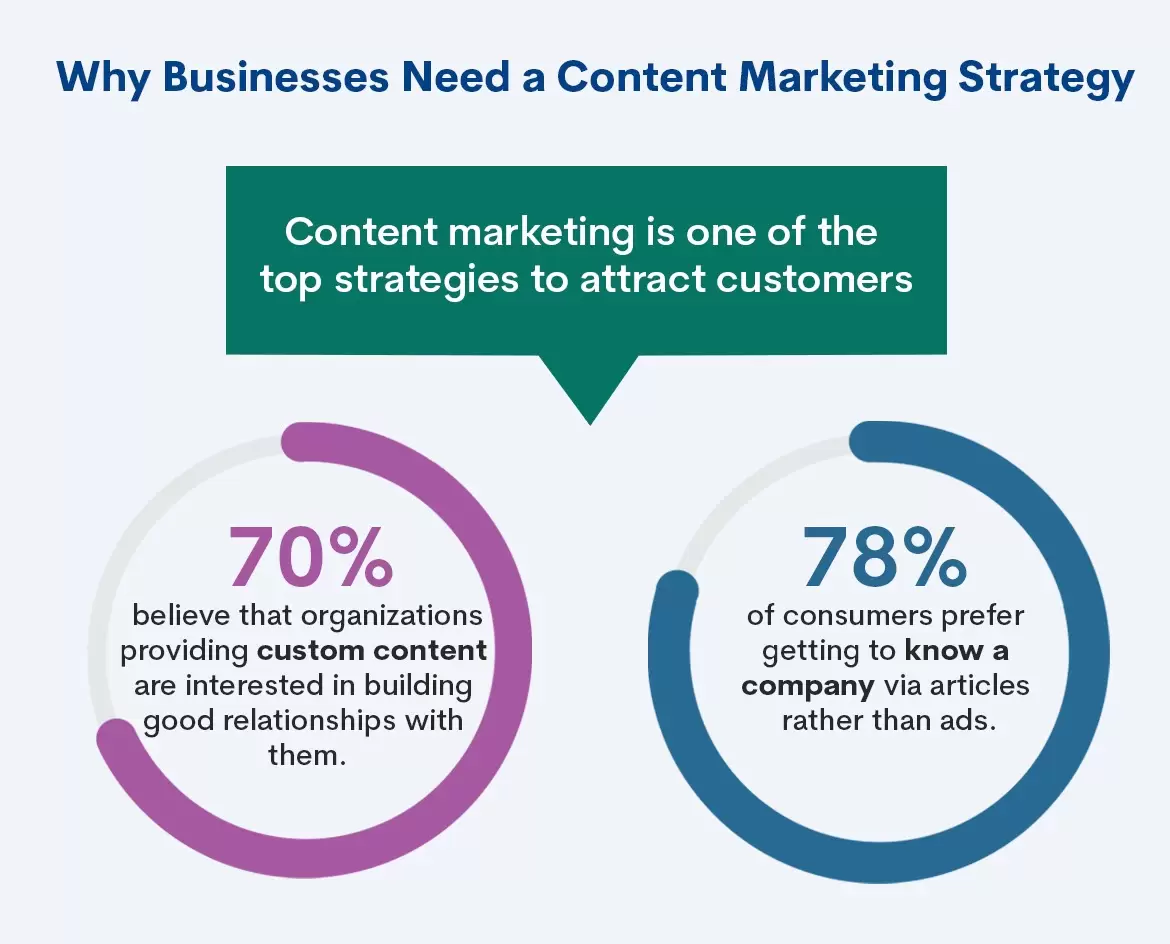
    Ready to take your content game from meh to AMAZING? Let’s dive into the world of content marketing strategy that actually succeeds. Spoiler alert: it’s all about putting your customers front and center!

    The Importance of Content Marketing in Today's Business World
    The Importance of Content Marketing in Today’s Business World

    Why Your Content Marketing Strategy Needs a Customer-Centric Makeover

    You know that feeling when you’re stuck at a party with someone who only talks about themselves? YAWN. Well, that’s exactly how your audience feels when your content is all “me, me, me.” It’s time to break free from the trap of creating content just to please the boss. Let’s face it, if your strategy isn’t resonating with your target audience, it’s about as effective as a screen door on a submarine.

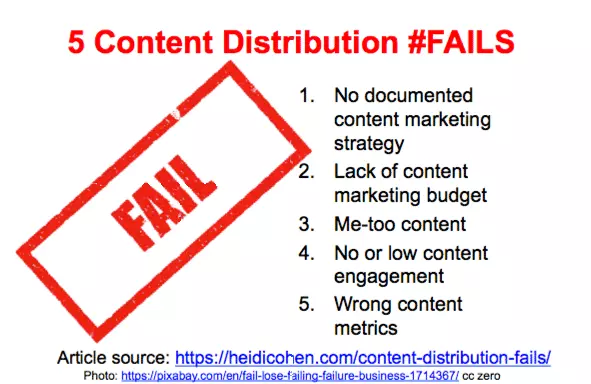
    Why content marketing might fail
    5 Content Distribution #Fails That Will Make You A Loser – Heidi Cohen

    The Secret Sauce: Understanding Your Audience

    Before you start churning out content, take a step back and ask yourself: Who am I really talking to?

    1. Develop buyer personas
    2. Map out the customer journey
    3. Identify pain points and desires

    Crafting Content That Speaks to Your Audience’s Soul

    Once you’ve got a handle on who your audience is, it’s time to create content that makes them feel like you’re reading their minds. Here’s how:

    • Address their specific pain points
    • Provide valuable solutions
    • Tell stories that resonate emotionally
    • Use real-life examples and case studies

    Remember, your content should be like a comfy sweater on a chilly day – warm, inviting, and exactly what they need.

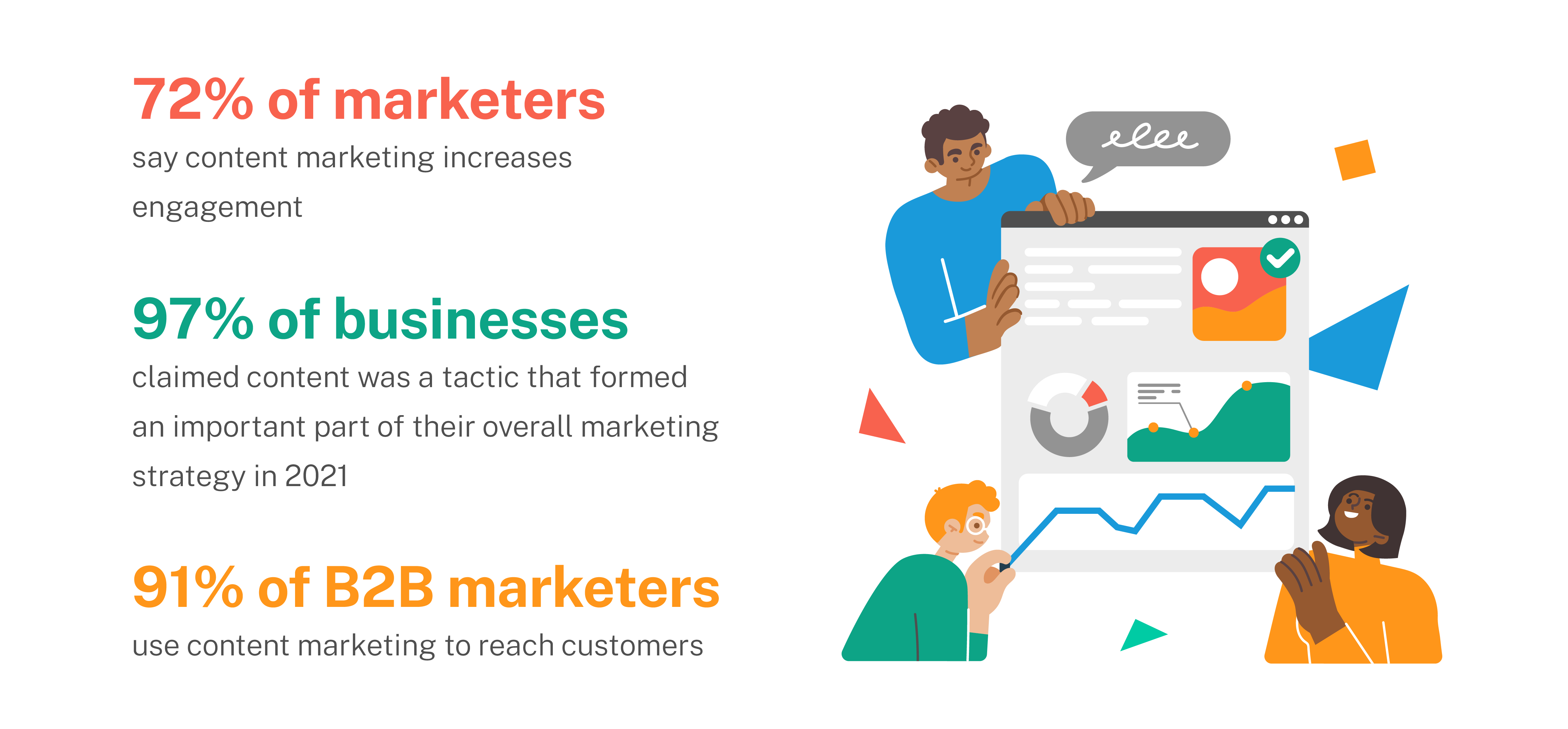
    B2B Content Marketing Statistics: Why It's Worth It
    B2B Content Marketing Statistics: Why It’s Worth It

    Diversify Your Content Portfolio

    Just like a well-balanced investment portfolio, your content strategy should include a variety of formats. Don’t rely on just one type of content. Mix it up!

    1. Blog posts (like this one!)
    2. Videos
    3. Podcasts
    4. Infographics
    5. Whitepapers and ebooks

    The Content Marketing Strategy Buffet

    Think of your content strategy like an all-you-can-eat buffet. Some people will go straight for the videos, while others will load up on blog posts. By offering a variety, you’re catering to different preferences and learning styles.

    SEO: The Not-So-Secret Weapon

    Want your content to be found easier than your keys when you’re already late for work? Then you need to cozy up to SEO. Here’s a quick rundown:

    1. Do your keyword research
    2. Optimize your content for search engines
    3. Build high-quality backlinks
    4. Create a user-friendly website structure

    The E-E-A-T Diet for Content

    No, I’m not talking about a new fad diet (although “Eat Everything Always Triumphantly” sounds pretty good). E-E-A-T stands for Experience, Expertise, Authoritativeness, and Trustworthiness. Google LOVES content that showcases these qualities, so make sure you’re serving up a healthy portion of E-E-A-T with every piece of content.

    Measure, Optimize, Repeat

    Listen up, because this is important: Your content marketing strategy should be dynamic and adaptable. It needs to evolve based on performance data and changing market conditions.

    Use tools like Google Analytics to track your content’s performance. Which pieces are getting the most engagement? Which ones are underperforming? Use this data to refine your strategy and create more of what your audience loves.

    The Bottom Line: It’s All About Your Customers

    At the end of the day, a successful content marketing strategy boils down to one thing: putting your customers first. It’s about creating content that educates, entertains, and solves problems. It’s about building relationships and trust.

    Let me share a personal example. When I first started in content marketing, I was all about showcasing our agency’s awards and accolades. But you know what? Our engagement rates were lower than my chances of winning a marathon (spoiler alert: I’m not a runner). It wasn’t until I shifted focus to addressing our clients’ pain points and providing actionable solutions that we saw a real uptick in engagement and conversions.

    So, are you ready to create a content marketing strategy that doesn’t just succeed, but CRUSHES it? Remember, in the world of content, the customer is not just king – they’re the whole royal family!

    At Growth Marketing Agency, we’re passionate about helping businesses like yours create content marketing strategies that truly resonate with your audience. We understand the nuances of different industries and can help you craft a strategy that speaks directly to your target customers.

    Ready to take your content marketing to the next level? Let’s chat! Our team at Growth Marketing Agency is here to help you create a customer-centric strategy that drives real results.

  • Medical Device Marketing: 5 Key Lessons for Global Success

    Medical Device Marketing: 5 Key Lessons for Global Success

    Medical Device Marketing: Navigating the Global Healthcare Maze

    Medical device marketing is the strategic promotion of innovative healthcare technologies in a complex global landscape. It is where innovation meets regulation, and cultural sensitivity is key to success. Let’s explore five essential lessons I’ve learned while navigating this complex landscape.

    Lesson 1: Understand Your Market

    Before you can conquer the world with your groundbreaking device, you need to know your battlefield. Are you a Korean company looking to expand overseas? Or an international player eyeing the Korean market? Either way, here’s what you need to know:

    1. Cultural Nuances Matter: What works in Seoul might not fly in San Francisco.
    2. Regulatory Landscape: Navigate the maze of regulations like a pro.
    3. Competitive Dynamics: Each market has its own unique ecosystem of competitors, influencers, and decision-makers.

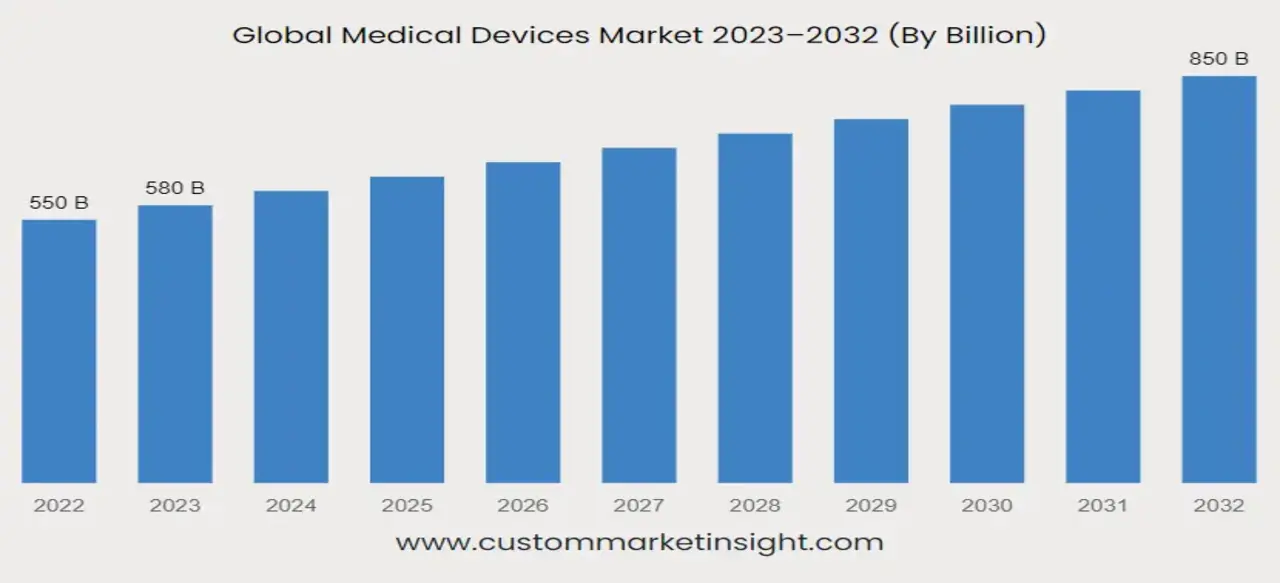
    And let’s not forget the sheer size of the opportunity we’re talking about here. The Global Medical Devices Market was estimated at USD 550 billion in 2022 and is anticipated to reach around USD 850 billion by 2032, growing at a CAGR of roughly 5% between 2023 and 2032.

    Global Medical Devices Market Statistics
    Global Medical Devices Market Statistics

    The Japan-Korea Contrast in Medical Device Marketing

    Japan and South Korea might be geographical neighbors, but in medical device marketing, they’re worlds apart. Let me share a personal experience that really drove this home for me.

    While working with a Japanese customer, I discovered that laser hair removal devices are beauty treatment royalty in Japan, especially among men. It was mind-blowing to see how popular these devices were in the male grooming market.

    Now, hop over to Korea, and you’ll find skin-brightening devices ruling the roost. This contrast taught me a valuable lesson: your marketing strategy needs to be as nuanced as a diplomat’s speech and as precise as a surgeon’s scalpel.

    Lesson 2: Content is King and Localization is Queen

    Create content that educates and engages. Think:

    • Detailed product brochures
    • Case studies
    • Webinars and virtual training sessions
    • Bonus tip: Localize your content. Trust me, your Korean audience will appreciate it!

    Lesson 3: Leverage Digital Channels

    Because it’s not the 90s anymore, right? Here’s how to make the most of digital marketing:

    • Optimize your website for local search
    • Use social media wisely 
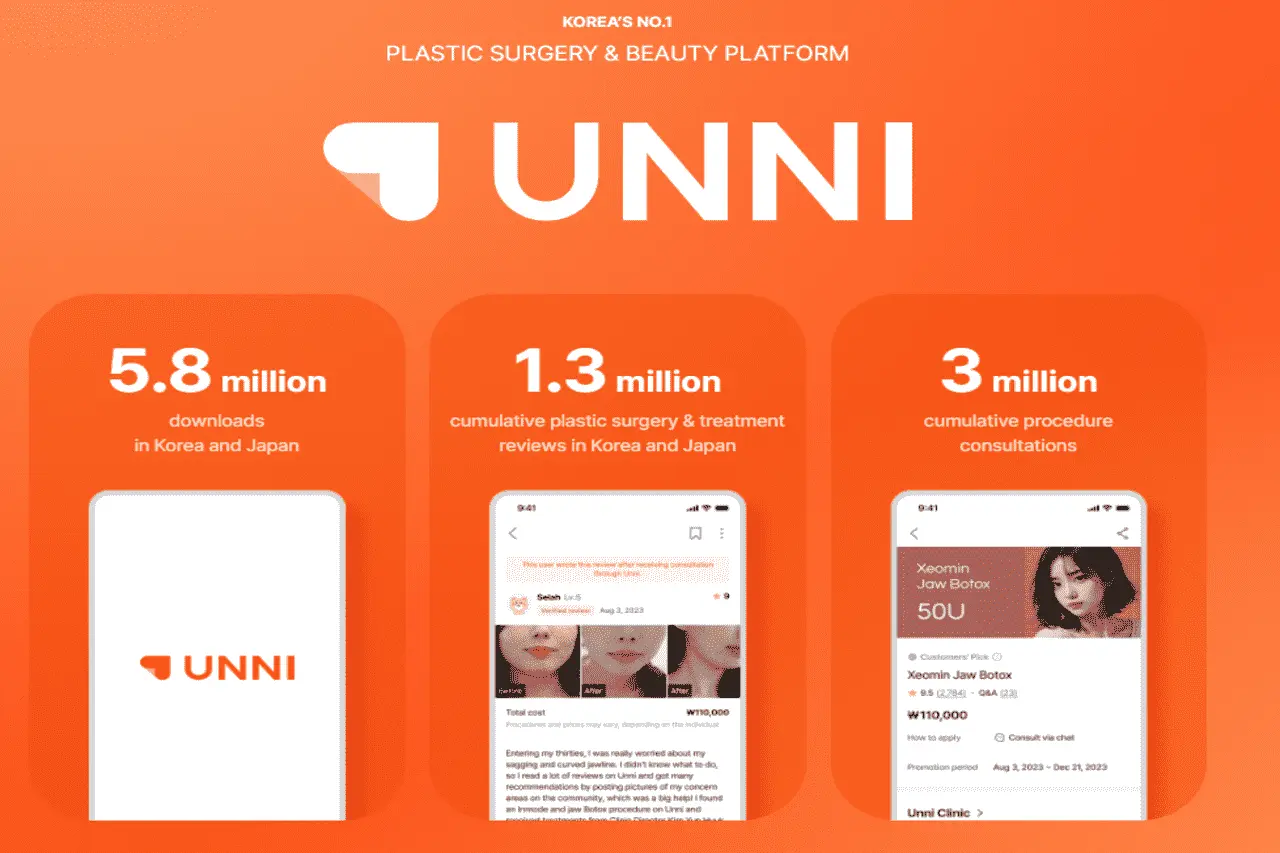
    • Explore local apps (Gangnam Unni, for example, is a well-known app in Korea and Japan for beauty and medical treatment)
    • Bonus tip: Different countries prefer different platforms. While LinkedIn might be your go-to in the US, you might need to pivot to WeChat in China or Line in Japan.
    Unni: Korean Plastic Surgery & Beauty Platform
    Gangnam Unni: Korean Plastic Surgery & Beauty Platform

    Lesson 4: Master Regulatory Compliance and Advertising Guidelines

    Let’s be real marketing medical devices isn’t all smooth sailing. One of the biggest challenges is dealing with regulations and advertising restrictions.

    Navigating FDA, KFDA, or CE marking is like solving a Rubik’s cube blindfolded. Stay up-to-date with local regulations and work closely with regulatory teams.

    When it comes to advertising, the restrictions can be equally challenging. Here’s a real-world example: While working with a Korean company, we had an ad denied on Naver (Korea’s leading search engine) for including the word “painless” without providing scientifically proven evidence. It was a wake-up call about the stringency of Korean advertising regulations in the medical field.

    Lesson 5: Develop Cultural Intelligence

    Having worked with Korean medical device companies and international brands, I can’t stress this enough: cultural intelligence is crucial in medical device marketing.

    For Korean companies going global:

    • Emphasize innovation and quality
    • Adapt your communication style
    • Highlight your unique selling points

    For international companies entering Korea:

    • Respect hierarchy
    • Understand the importance of business dinners (I’ve closed more deals over bibimbap than in meeting rooms!)
    • Localize your marketing materials meticulously

    Remember, what works in one culture might fall flat in another. Always take the time to understand and adapt to local customs and preferences.

    Medical Device Marketing: Understand the importance of business dinners

    Ready to Take Your Medical Device Marketing to the Next Level?

    Navigating the global medical device market can be challenging, but you don’t have to do it alone. At Growth Marketing Agency, we specialize in crafting tailored marketing strategies for medical device companies looking to expand their global footprint.

    Whether you’re a Korean company aiming to go global or an international brand eyeing the Korean market, we have the expertise to guide you through cultural nuances, regulatory mazes, and market-specific challenges.

  • South Korea’s Search Market Shift: Adapting Your SEO

    South Korea’s Search Market Shift: Adapting Your SEO

    If you’re a global firm looking to break into South Korea’s search market, understanding the evolving search engine landscape is crucial for your success. While Naver has traditionally dominated the market, recent shifts are creating new opportunities for businesses that can adapt their digital strategies.

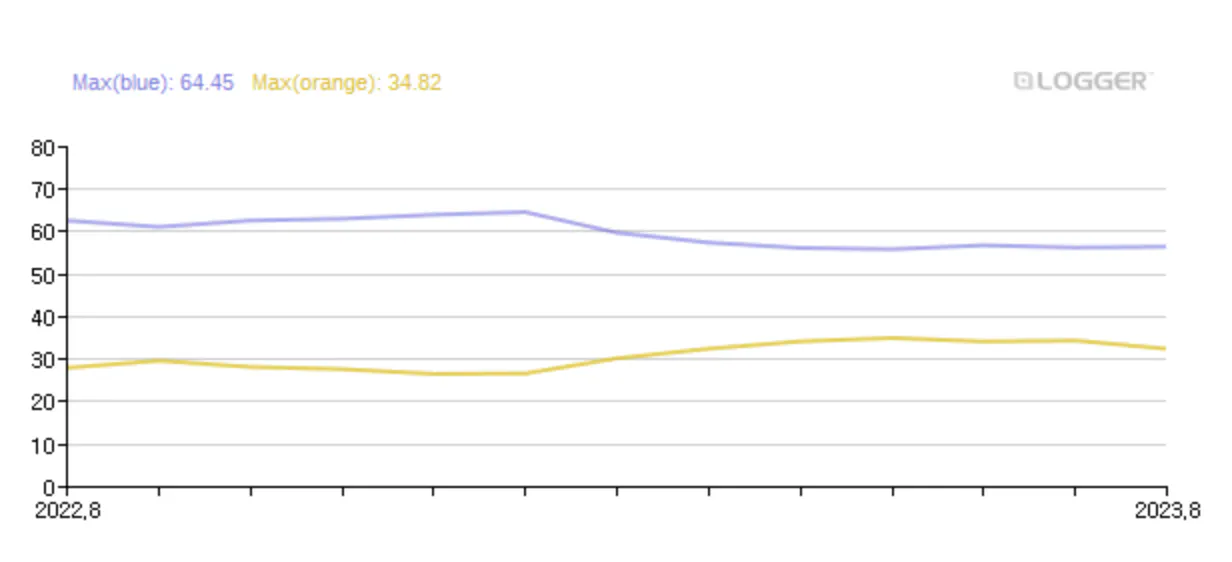
    As of 2023, Naver’s search market share is estimated to be around 51-55%. Although it still holds a majority, its share has declined compared to the past. Conversely, Google’s share has steadily risen to about 35-41%.

    South Koreas Search Engine Market Share (2024)
    South Koreas Search Engine Market Share

    In 2023, Naver’s search market share is estimated to be around 51-55%, maintaining a majority but showing a slight decline. On the other hand, Google’s share has steadily increased, now holding approximately 35-41%. 

    • By the end of 2022, Google’s market share in South Korea was 26.8%, which surged to 35.3% by the end of March 2023, closing the gap with market leader Naver.
    • Recent data shows Google’s share at 41.88%, second only to Naver’s 52.94%
    • In just three months, the gap between Naver and Google in the Korean search market has narrowed from 38 percentage points to 19.9 percentage points.
    • Google’s higher search traffic share on mobile devices compared to Naver indicates a significant shift towards mobile searches. 
    • When considering both desktop and mobile platforms, the overall organic search traffic for Naver and Google in South Korea is nearly equal. 

    This is particularly important as Google’s dominance in mobile search reflects the widespread use of smartphones in daily life.

    Diversification of South Korea’s Search Platforms

    The changes in the search market dont stop there. Daums market share is estimated to be between 1-6% and continues to decline.

    Meanwhile, other search engines like Bing and Yahoo hold less than 1-3% of the market. More interestingly, searches through social media platforms like YouTube and Instagram are increasing, indicating an expansion in the concept of search.

    For international brands, this diversification means you need to think beyond traditional search engines. Your Korean digital strategy should now encompass not just Naver and Google but also consider the growing importance of social media platforms like YouTube and Instagram in the Korean search ecosystem.

    The Future of South Koreas Search Market with AI

    The advent of AI-based search services like ChatGPT is bringing another wave of changes to the search market. These AI services enable conversational searches based on natural language, surpassing the traditional keyword-focused search.

    The Importance of SEO Strategies in the Changing South Korean Search Market

    In this evolving search landscape, the importance of SEO (Search Engine Optimization) strategies is greater than ever. A strategy focused solely on Naver is no longer sufficient. 

    Naver and Google SEO simultaneous ranking
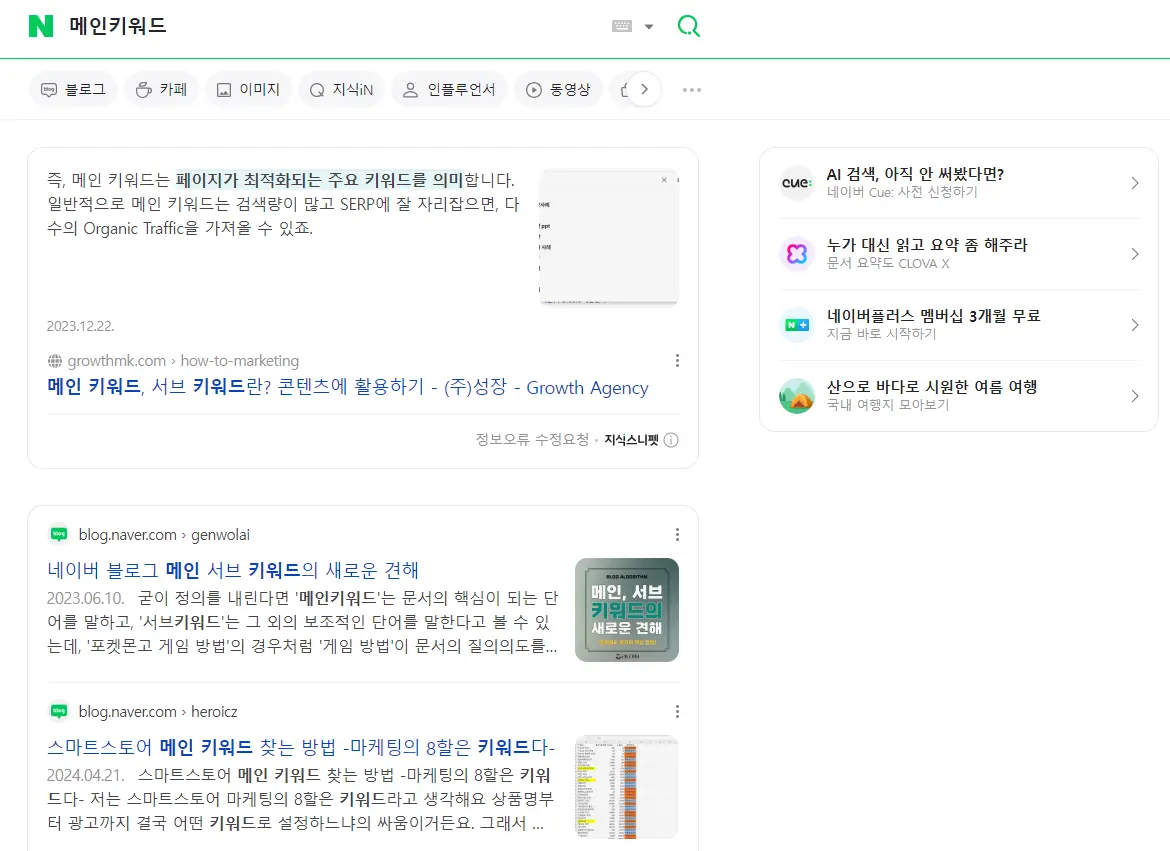
    Although it is Growth Marketing’s website content, it ranks highly on Naver and serves as multi-platform content.

     It’s time for a comprehensive SEO strategy that considers Google, social media platforms, and upcoming AI search services.

    For foreign businesses, this evolving landscape emphasizes the need for a nuanced, market-specific SEO strategy. Your approach needs to balance optimization for both Naver and Google, while also considering the unique aspects of the Korean digital ecosystem.

    Tips for Effective SEO Strategies

    Multi-Platform and Mobile Optimization

    As a foreign company, ensure your Korean website is optimized for both Naver and Google. Understand the algorithm differences between the two search engines and develop strategies tailored to each.

    Remember, mobile-friendly website design and content are now essential, not optional.

    High-Quality Content Creation

    With the rise of AI, the quality of content has become even more critical. When creating content for the Korean market, consider cultural nuances and local preferences. High-quality, locally relevant content can significantly boost your search rankings and user engagement.

    Leveraging Social Media

    As search expands into social media, develop content strategies tailored to each platform’s unique characteristics. Adapt your social media strategy to popular Korean platforms like KakaoTalk and Naver Band, in addition to global platforms like Instagram and YouTube.

    SEO

    Technical aspects like website loading speed, security, and structure significantly impact SEO. Continuously improve and manage these elements. 

    For local businesses, local SEO strategies are crucial. Claim and optimize your Google My Business and Naver Place listings to improve your visibility in local search results.

    Data Analysis

    Use analytics tools that can provide insights into Korean user behavior. This data can help you refine your strategy for the Korean market.

    Conclusion: Turning Change into Opportunity

    South Koreas search market is rapidly changing. While these changes pose challenges, they also present new opportunities. By developing a comprehensive, Korea-specific SEO strategy that accounts for both Naver and Google, as well as emerging trends in social and AI-driven search, you can gain a competitive edge in this dynamic market.

    An effective SEO strategy tailored to the Korean market can not only improve your search rankings but also enhance your brand’s visibility and credibility among Korean consumers.

    Stay informed about the unique aspects of the Korean digital landscape and adapt your SEO strategies accordingly. This approach will be key to your success in the Korean market.

    Are you ready to optimize your digital presence for the Korean market? If you need guidance on developing a Korea-specific SEO strategy, don’t hesitate to reach out. Let’s work together to unlock your brand’s potential in South Korea.

  • Choosing the Right CMS for SEO Success in South Korea

    Choosing the Right CMS for SEO Success in South Korea

    As an SEO professional, you may often wonder which Content Management System (CMS) is most beneficial for your website’s SEO. For foreign companies aiming to establish a strong online presence in the South Korean market, choosing the right Content Management System (CMS) is crucial. 

    This guide will help you understand the importance of choosing the right CMS for SEO success in South Korea and identify which systems are particularly advantageous in this unique digital landscape.

    CMS: The Core of Website Success

    A CMS is the foundation of your website’s success in the Korean market. It’s a crucial tool that assists in creating, managing, and modifying content.

    Beyond managing content, it supports SEO optimization, enhances user experience, and improves website performance all critical factors for standing out in Korea’s competitive online space.

    Advantages of an SEO-Friendly CMS

    In the Korean market, an SEO-friendly CMS offers several benefits:

    • Facilitates easier crawling and indexing by both Korean and global search engines
    • Enhances visibility in search results through metadata optimization for Korean keywords
    • Provides mobile-friendly responsive design, crucial in Korea’s mobile-first market
    • Improves page loading speed, essential for Korean users’ high expectations
    • Allows easy setup of SEO-optimized URL structures

    Now, lets examine some of the leading CMS options that excel in SEO.

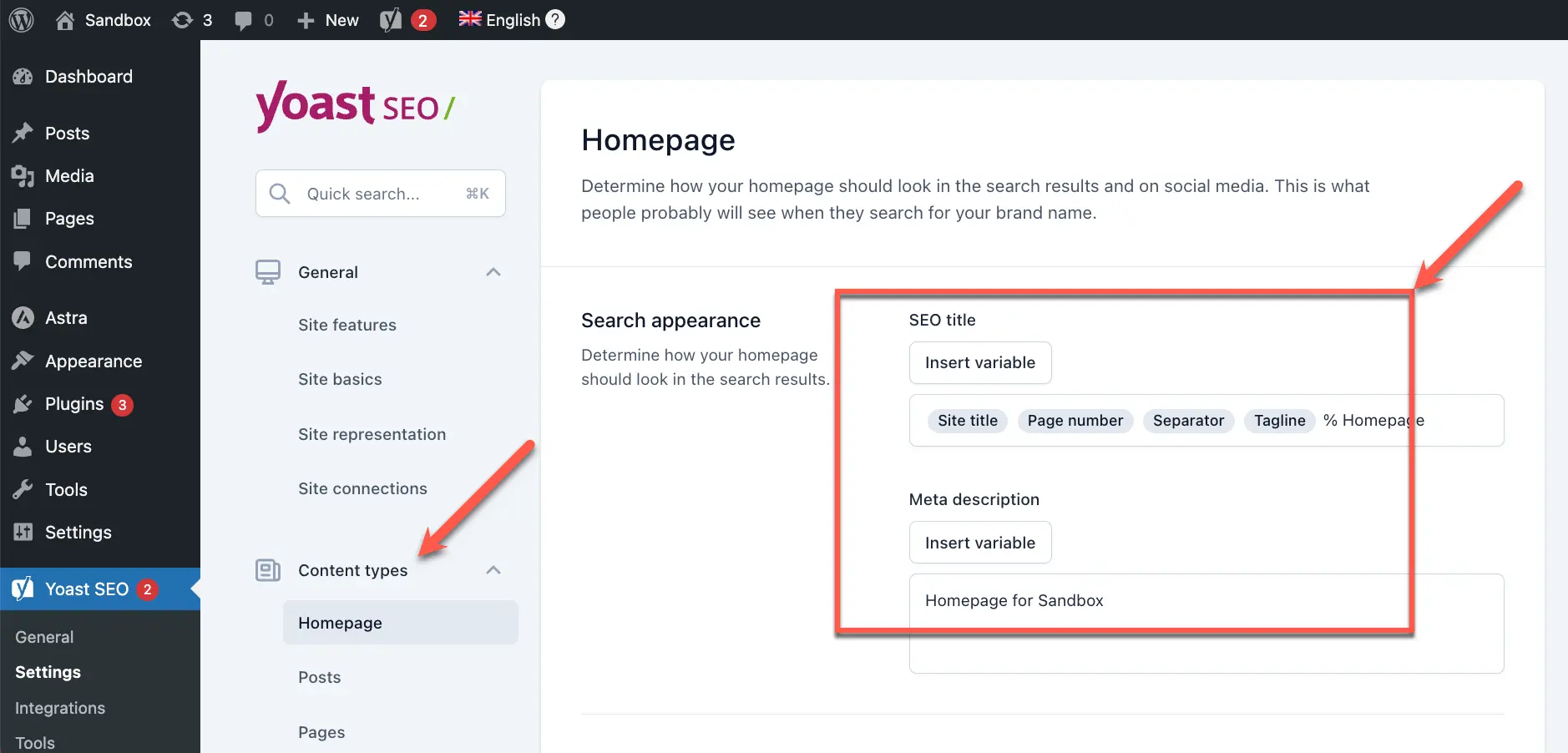
    WordPress and Yoast SEO
    WordPress and Yoast SEO

    WordPress is widely used in Korea and offers excellent localization options. Its user-friendly interface and abundance of SEO-optimized plugins make it perfect for businesses entering the Korean market, especially those focused on content marketing.

    • Pros:
      • Intuitive and easy to use
      • Easy integration with Korean payment gateways
      • Extensive range of SEO plugins
      • High scalability with themes and plugins
      • Large community support
    • Cons:
      • Can be slow if not optimized properly
      • Requires attention to security
      • Advanced features often rely on plugins

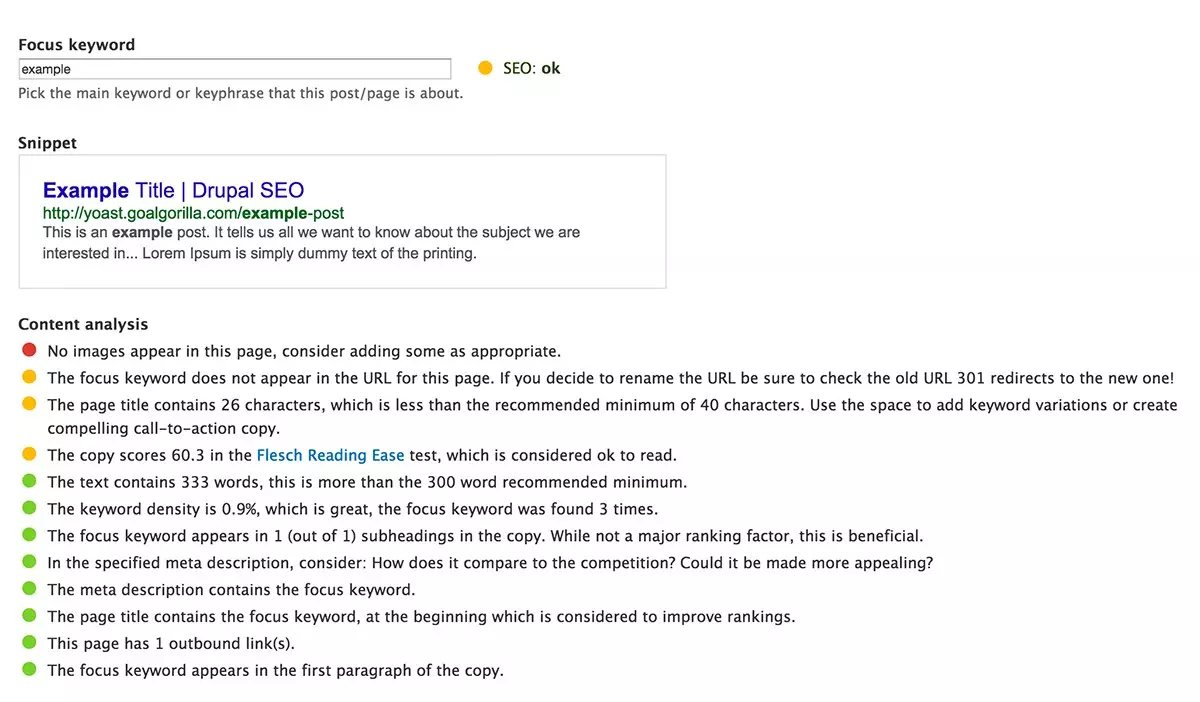
    Drupal: A Powerful Choice for Complex Websites

    Drupal's SEO Capabilities
    Drupal’s SEO Capabilities

    Drupal excels at building complex, large-scale websites in Korea. It’s ideal for organizations requiring high security and complex data structures, such as government agencies, universities, and international corporations establishing a significant presence in the Korean market.

    Its high customizability makes it useful for projects with specific requirements or those managing large volumes of content.

    • Pros:
      • Excellent security, crucial in Korea’s privacy-conscious environment
      • Built-in SEO features
      • High scalability and flexibility for managing multilingual content (Korean and English)
    • Cons:
      • Steep learning curve
      • May require expert assistance
      • Fewer plugin options compared to WordPress

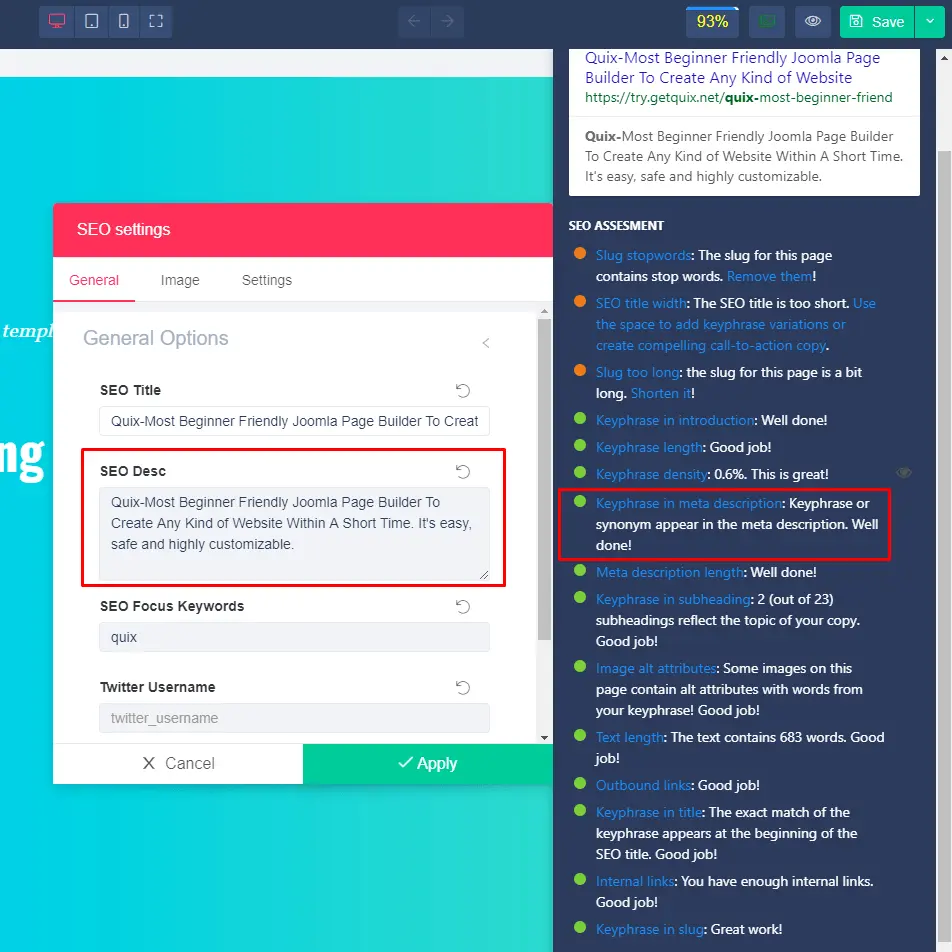
    Joomla: A Mid-Level Complexity CMS

    Joomlas Technical SEO Settings
    Joomlas Technical SEO Settings

    Joomla offers a middle ground between WordPress and Drupal in terms of complexity. Its suitable for small to medium-sized business websites, online magazines, and government sites. It’s particularly suitable for companies requiring robust multilingual support for Korean and English content.

    • Pros:
      • Good balance of user-friendliness and performance
      • Built-in SEO features
      • Excellent multilingual support, crucial for businesses maintaining both Korean and English sites
    • Cons:
      • Smaller community compared to WordPress
      • Limited range of extensions.
      • Slightly complex for beginners

    Webflow: Harmony of Design and SEO

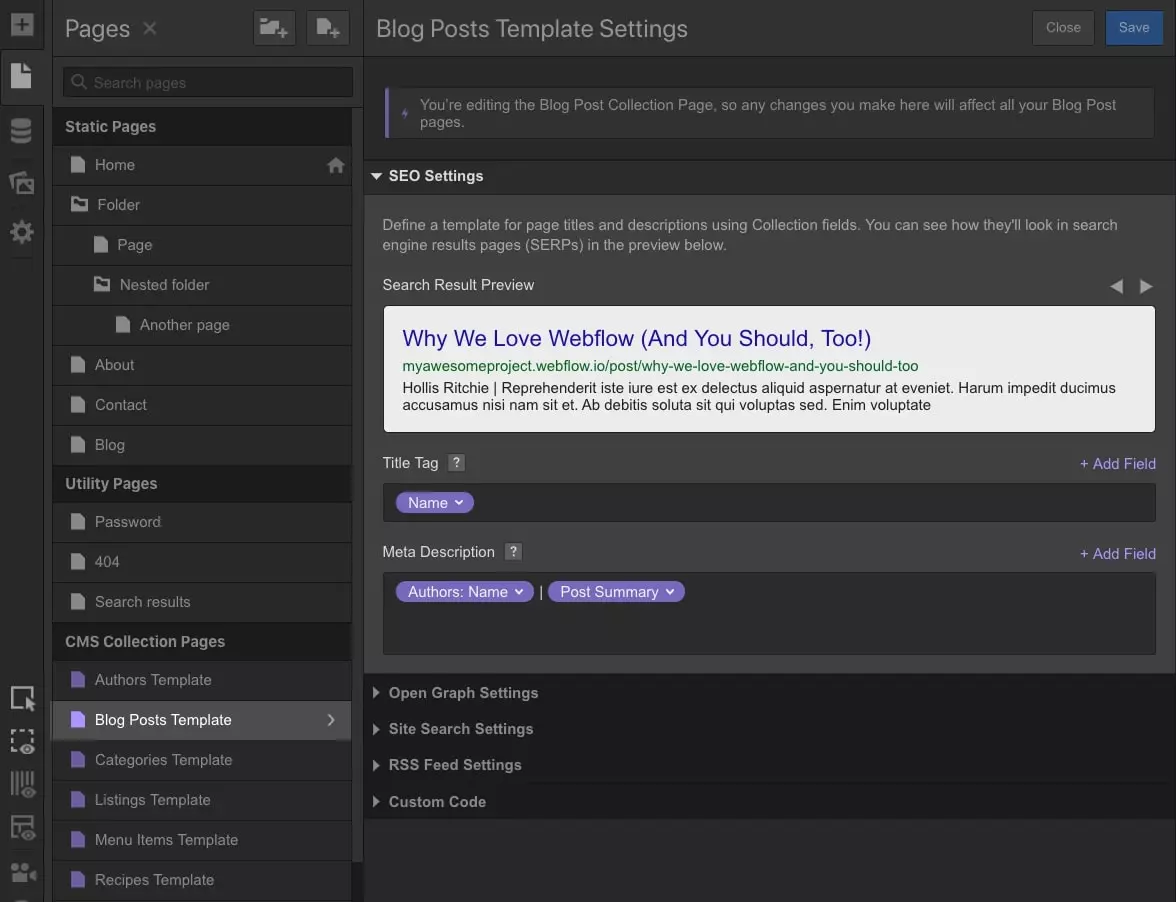
    Choosing the Right CMS for SEO - Webflows Visual and SEO-Friendly Features
    Webflows Visual and SEO-Friendly Features

    Webflow is a design-centric CMS perfect for designers and creative businesses looking to build visually appealing websites. Its useful for projects where visual impact is paramount, like portfolio sites, branding agencies, and startup landing pages. It’s particularly useful for creating visually appealing, fast-loading websites that cater to Korea’s design-savvy consumers.

    It allows building professional-looking websites without coding knowledge, making it suitable for marketing teams and small business owners.

    • Pros:
      • Advanced web design without coding
      • Fast and optimized page loading
      • Intuitive and easy-to-use SEO settings
      • Automatic responsive design generation
    • Cons:
      • Initial learning curve
      • Some advanced features can be costly
      • Less diverse plugins compared to WordPress

    How to Choose the Right CMS for SEO?

    While there’s no perfect CMS, there’s certainly one that’s best suited for your needs. If you’re new to SEO, WordPress could be an excellent choice. Its popularity means a wide variety of plugins and themes, making technical SEO more manageable. 

    On the other hand, if your company has in-house developers or designers, Webflow might be a better fit. It offers a design-centric approach with fast site speeds and lower maintenance resources. Its excellent speed and high design flexibility allow for creating high-quality websites with manageable technical SEO.

    Ultimately, the most important factor is to choose a CMS that aligns with your business goals and technical capabilities. It should also cater to the unique aspects of the Korean digital landscape. This includes considerations like mobile optimization, fast loading speeds, and support for Korean language and local services. Selecting and effectively utilizing an SEO-friendly CMS can lead to improved search engine rankings, increased traffic, and business growth.

    If you’re finding it challenging to create a website tailored for the Korean market using an SEO-friendly CMS, consider enlisting the help of SEO specialists familiar with the Korean digital ecosystem.

    At Growth Marketing Agency, we specialize in helping foreign businesses optimize their online presence for success in Korea.

  • SEO Experts in South Korea: Why They’re Hard to Find

    SEO Experts in South Korea: Why They’re Hard to Find

    For a long period, SEO (Search Engine Optimization) was an unfamiliar concept in South Korea. Many companies failed to recognize its value, resulting in a scarcity of SEO experts in South Korea.

    However, with the rapid evolution of the digital marketing landscape, the importance of SEO is increasingly being highlighted. Despite this, there is still a notable shortage of SEO experts in South Korea. What are the reasons behind it?

    Reasons Why There are Only a Few SEO Experts in South Korea

    The Dominance of Naver in the South Korean Search Market

    For a long time, the South Korean search market was dominated by Naver, a local search engine. Naver prioritized its services like blogs and cafes in search results, leading many businesses to focus solely on Naver optimization. As a result, the importance of global SEO strategies focused on Google was relatively overlooked.

    While it is true that many companies have focused on Naver optimization, the environment has been changing rapidly in recent years, with Google’s importance growing significantly.

    Korea Search Engine Rankings
    As of Q3 2023, Naver held a market share of 56.14%, Google 33.79%, Daum 4.47%, and Microsoft Bing 2.63% in South Korea (Source: Korea Search Engine Rankings and Market Shares (2024) – inblog)

    According to Google Korea, as of 2023, Google’s search share in South Korea reached approximately 40%, with mobile searches surpassing this figure significantly. 

    Moreover, Google usage is rising among Millennials and Gen Z, and this trend is expected to accelerate.

    Considering Google’s dominance in most countries, with search shares exceeding 95%, Google SEO is essential for companies aiming to enter the South Korean market or partner with South Korean businesses.

    Google Naver SEO Optimization
    Growth Marketing Agency’s website optimized for Google SEO is also ranking as number one on Naver.

    Thus, understanding both Naver and Google SEO is crucial for foreign companies looking to expand into South Korea.

    Solely relying on Google-focused strategies may not be sufficient; understanding and investing in Naver SEO is also imperative for success in the South Korean market.

    Lack of Awareness About SEO

    Many South Korean companies still do not fully grasp the importance of SEO, likely due to their focus on the domestic market. However, in the current era of accelerating globalization, this perception must change swiftly.

    SEO is not merely a technique for ranking higher in search results. It is a strategic marketing method that accurately identifies customer needs and provides valuable content accordingly. A proper SEO strategy enhances brand credibility and helps build long-term customer relationships.

    Obsession with Short-term Results

    In South Korea’s digital marketing environment, there is a tendency to focus more on search ads or social media marketing, which shows immediate results. This aligns with a corporate culture that desires quick outcomes.

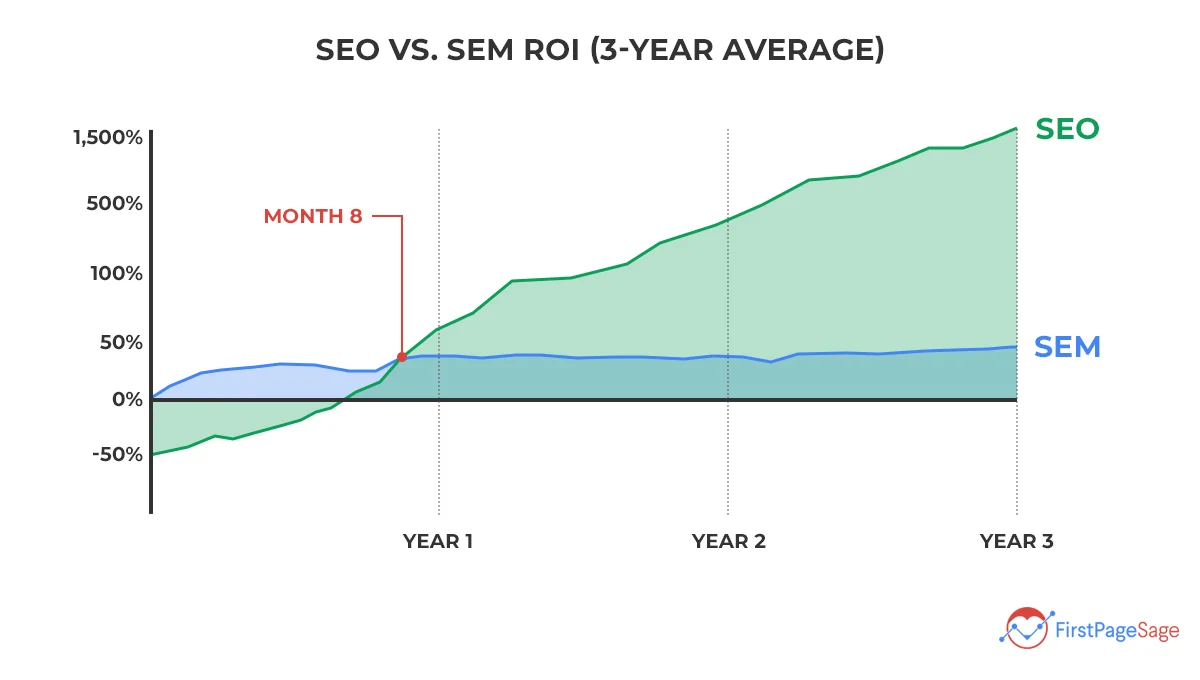
    SEO vs. SEM
    Comparing the cost-effectiveness of SEO and SEM (Search Engine Marketing) (Source: SEO vs. SEM: Which Is Better in 2024?)

    However, SEO is a long-term strategy. Its effects grow over time rather than providing instant results. 

    Initially, it might seem slow, but with continuous management, it can secure stable traffic without advertising costs, making it a much more cost-effective marketing method in the long run.

    Technical Complexity of SEO

    SEO is a complex field that requires knowledge in various areas such as web development, content marketing, and data analysis. Training experts with such comprehensive skills takes time and effort.

    Nonetheless, this complexity is also SEO’s strength. SEO experts do not merely perform technical optimizations; they enhance user experience, create high-quality content, and make data-driven decisions.

    This significantly improves a companys overall digital marketing strategy.

    Lack of Educational Opportunities

    Compared to other marketing skills, specialized educational programs for SEO are relatively scarce in South Korea. 

    As a result, opportunities to systematically acquire SEO knowledge are limited. Most SEO experts build their knowledge through self-study or practical experience.

    This is an area where companies need to focus. Investing in SEO education and nurturing related talent can yield significant long-term benefits. 

    Additionally, universities and educational institutions should develop and offer SEO-related curricula.

    Relative Lack of Global Market Experience

    Many South Korean companies focus on the domestic market, feeling less need to optimize for a global search engine like Google. 

    However, as globalization accelerates, this situation is rapidly changing.

    Foreign companies considering global market entry must formulate an SEO strategy that takes into account both Google and Naver.

    Conclusion: SEO, the Future of Digital Marketing in South Korea

    With the growing importance of global market entry and Google’s increasing influence, awareness of SEO’s importance is rising. Consequently, the demand for SEO experts is also increasing.

    SEO is not just a technology. It is a comprehensive marketing strategy that understands user intent, provides valuable information, and improves website usability. A skilled SEO expert enhances a brands online visibility, builds trust, and ultimately drives business growth.

    If foreign companies recognize the importance of SEO in the South Korean market and start investing in it, they can achieve significant breakthroughs in their digital marketing efforts. SEO is an essential marketing strategy that must be implemented immediately for success in this unique and growing market.

  • Why Global Firms Struggle with Marketing in Korea

    Why Global Firms Struggle with Marketing in Korea

    At Growth Marketing Agency, we work with both Korean and international companies, and we’ve observed a common trend: even renowned global corporations often struggle with marketing in Korea. If you’re considering entering the Korean market or looking to improve your current performance, understanding these challenges is crucial for your success.

    Key Challenges in Marketing in Korea

    1. Lack of Understanding of the Korean Market’s Unique Characteristics

    One of the biggest issues for global companies is their failure to understand the unique aspects of the South Korean market. Many global companies view South Korea merely as part of the broader Asian market, overlooking its distinct digital ecosystem.

    The Landscape of the South Korean Market in the 2020s
    The Landscape of the South Korean Market in the 2020s

    For instance, Naver (a local search engine) and KakaoTalk (a messaging app) are dominant platforms in Korea, yet many global marketing teams focus solely on global platforms like Google and Facebook. Without recognizing the importance of these local platforms, simply allocating a “translation budget” won’t suffice for success in South Korea.

    2. Absence of Localized Marketing Strategies

    Another major issue is the lack of localized strategies. Many global companies attempt to apply their headquarters’ marketing strategies directly to the Korean market, which is ineffective.
    For example, while many global firms emphasize LinkedIn, most Koreans don’t use it.

    Remember App for B2B Marketing in Korea
    Remember App: Business Card Management

    To achieve similar results, utilizing local platforms like Remember, a business card management service, would be more for B2B marketing in Korea. Remember is a crucial marketing channel in South Korea but unfamiliar to many global companies.

    3. Lack of Competence and Authority Among Local Marketers

    The third problem is the lack of competence and authority among local marketers. In many cases, marketers at Korean branches are merely seen as communication liaisons with good English skills rather than marketing professionals. They often lack substantial marketing expertise and struggle to bridge the gap between headquarters and the local market.

    A common scenario is junior marketers working alone without senior guidance. Moreover, they’re often not given the authority to develop and implement independent marketing strategies, hindering their ability to respond quickly to local market changes.

    4. Communication Issues Between Headquarters and Local Branches

    The fourth problem is communication issues between headquarters and local branches. Decision-makers at headquarters often make choices without understanding the Korean market’s nuances, while local branch opinions are frequently overlooked.

    Key Challenges in Marketing in Korea - Communication Issues Between Headquarters and Local Branches

    It’s common for new proposals to go without feedback for 3-4 days due to time differences or staff vacations, and even minor decisions can take 2-3 weeks. The resulting decisions often disregard input from the South Korean branch.

    This disconnect leads to frustration and demotivation among local marketers, often resulting in high turnover and loss of talent.

    5. Lack of Continuity Due to High Turnover

    The fifth problem is a lack of continuity due to high turnover. In our experience with one client, the point of contact changed seven times over five years. While some changes were due to maternity leave or sabbaticals, the frequency of turnovers among marketing staff at global companies’ South Korean branches is concerning.

    These frequent changes disrupt marketing strategy continuity and result in a loss of accumulated knowledge and experience. Each time a new representative comes on board, you have to start from scratch, making it hard to maintain effective marketing efforts.

    6. Insufficient Budget Allocation

    The sixth problem is insufficient budget allocation. Compared to larger markets like China, South Korea is often perceived as a smaller market and doesn’t receive adequate budget allocation.

    For instance, the Chinese market receives substantial budget allocations due to its size and high revenue potential, whereas expectations for the Korean market are comparatively lower. This limited budget makes it difficult for local marketers to be proactive, even if they are motivated.

    Overcoming Challenges in Marketing in Korea – Localization and Empowerment

    So, how can these challenges be addressed?

    First, invest time and resources in understanding the unique characteristics of the Korean digital landscape. Develop localized marketing strategies that leverage popular local platforms such as Naver, KakaoTalk, and Remember.

    Second, empower your local marketing team with decision-making authority. Trust their insights and allow them to lead strategy development and execution, as they understand the nuances of the Korean market best.

    Global companies' strategies for successful marketing in Korea

    Third, build a strong local team by hiring marketing professionals with genuine expertise in the Korean market, or partnering with experienced local agencies like Growth Marketing Agency. Look beyond English language skills and prioritize candidates with deep knowledge of Korean consumer behavior and marketing trends.

    Fifth, establish efficient communication channels between your headquarters and the Korean branch. This step is crucial to reduce time delays and ensure that local insights are properly considered in your decision-making processes. Regular meetings and reports can help convey the local market’s situation to headquarters accurately.

    Sixth, build a compelling case for the Korean market within your organization. To secure sufficient budget allocation, present concrete data on market size, growth potential, and consumer behavior.

    At Growth Marketing Agency, we can help you gather this data and craft a persuasive narrative to convince your leadership of the immense potential the Korean market holds for your brand.

    Conclusion: Balancing Global Standards with Localization for Successful Marketing in Korea

    Success in marketing in Korea requires a delicate balance between maintaining your global brand standards and adapting to local market specifics. This means preserving your core brand identity and key messages while tailoring your approach to resonate with Korean consumers.

    To achieve this balance, foster close cooperation between your headquarters and the Korean branch. Encourage mutual understanding and respect, ensuring both teams work cohesively towards common goals.

    Additionally, collaborating with experts from Growth Marketing Agency can be highly beneficial. Our experts can effectively persuade global headquarters and advocate for the South Korean market’s unique conditions. In particular, our team members who are native English speakers and fluent in Korean can facilitate smooth communication, significantly aiding in convincing global headquarters.

    Ultimately, success in South Korea starts with a profound respect for and understanding of the local market, coupled with appropriate resource allocation. By recognizing the unique characteristics of the Korean market, developing tailored strategies, and providing your local team with sufficient budget and authority, your company can achieve remarkable success in this dynamic and lucrative market. 

    At Growth Marketing Agency, we’re here to guide you through this process and help you unlock the full potential of the Korean market.

  • SEO에 유리한 CMS 추천: SEO를 위한 최적의 콘텐츠 관리 시스템 선택 가이드

    SEO에 유리한 CMS 추천: SEO를 위한 최적의 콘텐츠 관리 시스템 선택 가이드

    SEO 담당자라면, 웹사이트가 어떤 CMS(콘텐츠 관리 시스템)를 사용하는 것이 SEO에 유리할 지 고민이 많을 것입니다.

    콘텐츠 관리 시스템(CMS)이 웹사이트의 성공에 얼마나 중요한지, 그리고 어떤 CMS가 SEO에 특히 유리한지 함께 알아보겠습니다.

    CMS, 웹사이트 성공의 핵심 요소

    CMS는 웹사이트의 두뇌라고 할 수 있습니다. 콘텐츠를 만들고, 관리하고, 수정하는 모든 과정을 도와주는 중요한 도구죠.

    단순히 콘텐츠 관리만 하는 것이 아닙니다. SEO 최적화, 사용자 경험 개선, 웹사이트 성능 향상 등 우리가 원하는 거의 모든 것을 지원해요.

    SEO에 유리한 CMS의 장점

    • 검색엔진이 사이트를 더 쉽게 크롤링하고 인덱싱할 수 있습니다.
    • 메타데이터 최적화로 검색 결과에서의 가시성이 향상됩니다.
    • 모바일 친화적인 반응형 디자인을 제공해요.
    • 페이지 로딩 속도가 개선되어 사용자 경험이 좋아집니다.
    • SEO에 최적화된 URL 구조를 쉽게 설정할 수 있어요.

    이제 SEO에 강한 주요 CMS들을 살펴보겠습니다.

    WordPress: 가장 인기 있는 CMS

    Wordpress와 Yoast SEO
    WordPress와 Yoast SEO

    WordPress는 가장 대중적인 CMS로, 다양한 규모와 유형의 웹사이트에 적합합니다. 특히 블로그, 포트폴리오, 소규모 비즈니스 사이트부터 대형 기업 웹사이트까지 폭넓게 활용될 수 있습니다.

    사용이 간편하고 SEO에 최적화된 플러그인이 풍부해, 디지털 마케팅에 초점을 맞춘 기업이나 콘텐츠 크리에이터에게 이상적인 선택입니다.

    • 장점:
      • 사용이 직관적이고 쉽습니다.
      • SEO 플러그인이 다양하게 제공됩니다.
      • 테마와 플러그인으로 높은 확장성을 자랑해요.
      • 대규모 커뮤니티의 지원을 받을 수 있습니다.
    • 단점:
      • 최적화가 부족하면 속도가 느려질 수 있어요.
      • 보안에 신경 써야 합니다.
      • 고급 기능은 플러그인에 의존해야 해요.

    Drupal: 복잡한 웹사이트를 위한 강력한 선택

    SEO 최적화 CMS 추천
    SEO 신호등을 제공하는 Drupal

    Drupal은 복잡하고 대규모의 웹사이트를 구축하는 데 탁월한 CMS입니다. 정부 기관, 대학, 대기업과 같이 높은 보안성과 복잡한 데이터 구조를 요구하는 조직에 적합합니다.

    고도의 커스터마이징이 가능하여 특수한 요구사항을 가진 프로젝트나 대량의 콘텐츠를 관리해야 하는 경우에 유용합니다.

    • 장점:
      • 보안성이 매우 뛰어납니다.
      • SEO 기능이 기본으로 탑재되어 있어요.
      • 높은 확장성과 유연성을 제공합니다.
    • 단점:
      • 학습 곡선이 가파른 편이에요.
      • 전문가의 도움이 필요할 수 있습니다.
      • WordPress에 비해 플러그인 선택의 폭이 좁아요.

    Joomla: 중간 수준의 복잡성을 가진 CMS

    Technical SEO에 최적화된 세팅을 제공하는 Joomla
    Technical SEO에 최적화된 세팅을 제공하는 Joomla

    Joomla는 WordPress보다는 복잡하지만 Drupal보다는 사용이 쉬운 중간 수준의 CMS입니다.

    중소규모 비즈니스 웹사이트, 온라인 매거진, 정부 웹사이트 등에 적합합니다. 특히 다국어 지원이 뛰어나 국제적인 사이트를 운영하고자 하는 기업이나 조직에 좋은 선택이 될 수 있습니다.

    • 장점:
      • 사용 편의성과 성능의 균형이 좋습니다.
      • 내장된 SEO 기능을 제공해요.
      • 다국어 지원이 우수합니다.
    • 단점:
      • WordPress보다 커뮤니티 규모가 작아요.
      • 확장 기능의 다양성이 상대적으로 부족합니다.
      • 초보자에게는 약간 복잡할 수 있어요.

    Webflow: 디자인과 SEO의 조화

    SEO에 유리한 CMS 추천
    시각적으로 매력적인 디자인과 SEO 친화적 기능을 모두 갖춘 Webflow

    Webflow는 디자인에 중점을 둔 CMS로, 시각적으로 매력적인 웹사이트를 만들고자 하는 디자이너나 창의적인 기업에게 이상적입니다.

    포트폴리오 사이트, 브랜딩 에이전시, 스타트업의 랜딩 페이지 등 시각적 임팩트가 중요한 프로젝트에 특히 유용합니다.

    코딩 지식 없이도 전문적인 디자인의 웹사이트를 구축할 수 있어, 마케팅 팀이나 소규모 비즈니스 오너들에게도 적합합니다.

    • 장점:
      • 코딩 없이 고급 웹 디자인이 가능합니다.
      • 페이지 로딩 속도가 빠르고 최적화되어 있어요.
      • SEO 설정이 직관적이고 쉽습니다.
      • 반응형 디자인을 자동으로 생성해요.
    • 단점:
      • 초기 학습에 시간이 필요할 수 있습니다.
      • 일부 고급 기능은 비용이 높아요.
      • WordPress만큼 플러그인 생태계가 다양하지 않습니다.

    CMS 선택, 어떻게 해야 할까요?

    완벽한 CMS는 없지만, 여러분의 상황에 가장 적합한 CMS는 분명히 존재합니다. SEO가 처음이라면 WordPress가 좋은 선택이 될 수 있어요.

    워드프레스를 사용하는 웹사이트가 많은 만큼 플러그인과 테마가 다양하고, Technical SEO가 수월한 것이 장점입니다.

    반면, 기업 내부에 개발자나 디자이너가 있다면, 디자인 중심의 접근과 함께 빠른 사이트 속도, 유지보수 리소스가 적은 Webflow를 추천합니다.

    우수한 속도와 높은 디자인 자유도를 통해 퀄리티 있는 웹사이트를 만들 수 있고, Technical SEO도 수월합니다.

    결론적으로, 여러분의 비즈니스 목표와 기술적 역량에 맞는 CMS를 선택하는 것이 가장 중요합니다.

    SEO에 강한 CMS를 선택하고 잘 활용하면, 검색 엔진 순위 상승, 트래픽 증가, 그리고 비즈니스 성장으로 이어질 수 있죠. 

    만약 SEO에 유리한 CMS를 선택해 웹사이트를 제작하는데 어려움이 있다면, SEO에 특화된 웹사이트 제작을 저희 성장마케팅에 의뢰하시는 것도 좋은 방법입니다.

  • SEO 전문가, 한국에서 찾기 힘든 이유

    SEO 전문가, 한국에서 찾기 힘든 이유

    상당히 오래 기간 동안, 한국에서 SEO(검색엔진 최적화)는 생소한 개념이었습니다. 많은 기업들이 SEO의 가치를 제대로 인식하지 못했고, 그 결과 SEO 전문가도 매우 드물었습니다.

    하지만 지금, 디지털 마케팅 시장의 빠른 변화와 함께 SEO의 중요성이 점점 더 부각되고 있습니다. 그럼에도 불구하고, 한국에서는 여전히 SEO 전문가가 부족한 실정입니다. 왜 이런 현상이 발생하는 것일까요?

    한국에 SEO 전문가가 드문 이유

    네이버의 점유율이 압도적이었던 한국 검색 시장

    한국의 검색 시장은 오랫동안 네이버가 주도해왔습니다. 네이버는 자사 서비스인 블로그, 카페 등을 우선적으로 노출시켜 왔기 때문에, 많은 기업들이 네이버 최적화에만 집중해 왔습니다.

    이로 인해 구글을 중심으로 한 글로벌 SEO 전략의 중요성이 상대적으로 간과되었습니다.

    많은 기업들이 네이버 최적화에 집중해 온 것이 사실입니다. 하지만 최근 몇 년간 이러한 환경이 급격히 변화하고 있으며, 구글의 중요성이 크게 증가하고 있습니다.

    2023년 3분기 기준 네이버 56.14%, 구글 33.79%, 다음 4.47%, 마이크로소프트 빙 2.63%의 점유율을 보여주고 있습니다.
    2023년 3분기 기준 네이버 56.14%, 구글 33.79%, 다음 4.47%, 마이크로소프트 빙 2.63%의 점유율을 보여주고 있습니다. (출처: 한국 검색엔진 순위 및 점유율 (2024) – inblog 블로그)

    구글 코리아에 따르면, 2023년 기준으로 한국 내 구글 검색 점유율이 약 40%에 달하며, 특히 모바일 검색에서는 40%를 아득히 넘어섰습니다.

    더욱이 MZ세대를 중심으로 구글 사용률이 높아지고 있어, 이러한 추세는 앞으로 더욱 가속화될 것으로 예상됩니다.

    특히 글로벌 비즈니스에서는 대부분의 국가에서 검색점유율 95%를 넘는 구글의 위상을 고려할 때, 해외 진출을 목표로 하는 기업에게 구글 SEO는 필수적입니다.

    구글 네이버 SEO 최적화
    구글 SEO에 최적화한 성장마케팅의 웹사이트가 네이버에서도 1위로 노출되고 있습니다.

    따라서 네이버와 구글 SEO를 균형있게 고려하는 것이 중요합니다. 이제는 더 이상 네이버에 최적화된 전략만으로는 충분하지 않으며, 구글 SEO에 대한 이해와 투자가 필수적입니다.

    또한, 구글의 알고리즘은 전세계적으로 표준이 되고 있어, 구글 SEO 전략을 익히는 것은 글로벌 시장에서의 경쟁력 확보에도 큰 도움이 됩니다.

    네이버 역시 점차 구글과 유사한 알고리즘을 도입하고 있어, 구글 SEO 전략을 익히는 것은 장기적으로 네이버 검색 최적화에도 도움이 됩니다.

    결론적으로, 현재 한국의 디지털 마케팅 환경에서는 구글을 우선으로 하는 SEO 전략을 수립하는 것이 필수적입니다.

    이는 국내 시장에서의 경쟁력 확보뿐만 아니라, 향후 글로벌 시장 진출을 위한 준비에도 큰 도움이 될 것입니다.

    SEO에 대한 인식 부족

    많은 한국 기업들이 여전히 SEO의 중요성을 제대로 인식하지 못하고 있습니다. 이는 주로 국내 시장에만 집중하는 경향 때문일 수 있습니다.

    하지만 글로벌화가 가속화되는 현 시점에서, 이러한 인식은 빠르게 변화해야 합니다.

    SEO는 단순히 검색 결과 상위 노출을 위한 기술이 아닙니다. 이는 고객의 니즈를 정확히 파악하고, 그에 맞는 가치 있는 콘텐츠를 제공하는 전략적 마케팅 방법입니다.

    올바른 SEO 전략은 브랜드의 신뢰도를 높이고, 장기적인 고객 관계를 구축하는 데 큰 도움이 됩니다.

    단기적 성과에 대한 집착

    한국의 디지털 마케팅 환경에서는 즉각적인 결과를 보여주는 검색 광고나 소셜 미디어 마케팅에 더 집중하는 경향이 있습니다. 이는 빠른 성과를 원하는 기업 문화와 맞물려 있습니다.

    단기적 성과에 대한 집착
    SEO와 SEM(검색 엔진 마케팅)의 비용 효율성 비교 (출처: SEO vs. SEM: Which Is Better in 2024?)

    그러나 SEO는 장기적인 전략입니다. 당장의 결과보다는 시간이 지날수록 그 효과가 커지는 특성이 있습니다.

    초기에는 더딘 것처럼 보일 수 있지만, 지속적으로 관리하면 광고 비용 없이도 안정적인 트래픽을 확보할 수 있습니다. 이는 장기적으로 볼 때 훨씬 더 비용 효율적인 마케팅 방법입니다.

    SEO의 기술적 복잡성

    SEO는 웹 개발, 콘텐츠 마케팅, 데이터 분석 등 다양한 분야의 지식이 필요한 복잡한 분야입니다. 이러한 종합적인 기술을 갖춘 전문가를 양성하는 데에는 시간과 노력이 필요합니다.

    하지만 이런 복잡성이 바로 SEO의 강점이기도 합니다. SEO 전문가 스킬은 단순히 기술적인 최적화만 하는 것이 아니라, 사용자 경험 개선, 품질 높은 콘텐츠 제작, 데이터 기반의 의사결정 등 다양한 역할을 수행합니다.

    이는 기업의 전반적인 디지털 마케팅 전략을 향상시키는 데 큰 도움이 됩니다.

    교육 기회의 부족

    한국에서는 다른 마케팅 스킬에 비해, SEO에 특화된 전문적인 교육 프로그램이 상대적으로 적습니다.

    이로 인해 체계적인 SEO 지식을 습득할 기회가 제한적입니다. 대부분의 SEO 전문가들이 독학이나 실무 경험을 통해 지식을 쌓고 있는 실정입니다.

    이는 기업들이 주목해야 할 부분입니다. SEO 교육에 투자하고, 관련 인재를 육성하는 것은 장기적으로 큰 이익을 가져다 줄 수 있습니다.

    또한, 대학이나 교육 기관에서도 SEO 관련 커리큘럼을 개발하고 제공할 필요가 있습니다.

    글로벌 시장 진출의 상대적 부족

    많은 한국 기업들이 국내 시장에 집중하고 있어, 글로벌 검색 엔진인 구글에 최적화할 필요성을 덜 느꼈을 수 있습니다.

    하지만 세계화가 가속화되면서 이러한 상황은 빠르게 변하고 있습니다. 글로벌 시장 진출을 고려하는 기업이라면 반드시 SEO 전략을 세워야 합니다.

    구글은 전 세계에서 가장 많이 사용되는 검색 엔진이며, 구글 검색 결과에서의 상위 노출은 글로벌 브랜드 인지도 향상에 큰 도움이 됩니다.

    결론: SEO, 한국 디지털 마케팅의 미래

    최근 들어 글로벌 시장 진출의 중요성이 커지고, 구글의 영향력이 증가함에 따라 SEO의 중요성에 대한 인식이 높아지고 있습니다. 이에 따라 SEO 전문가에 대한 수요도 점차 증가하고 있는 추세입니다.

    SEO는 단순한 기술이 아닙니다. 이는 사용자의 의도를 이해하고, 그들에게 가치 있는 정보를 제공하며, 웹사이트의 사용성을 개선하는 종합적인 마케팅 전략입니다.

    올바른 SEO 전문가는 브랜드의 온라인 가시성을 높이고, 신뢰도를 구축하며, 궁극적으로는 비즈니스 성장을 이끌어냅니다.

    한국 기업들이 SEO의 중요성을 인식하고, 이에 투자하기 시작한다면, 디지털 마케팅 분야에서 큰 도약을 이룰 수 있을 것입니다. SEO는 결코 늦출 수 없는, 지금 당장 시작해야 할 필수적인 마케팅 전략입니다.

  • 글로벌 기업이 한국에서 마케팅 실패하는 이유

    글로벌 기업이 한국에서 마케팅 실패하는 이유

    성장마케팅은 국내 기업뿐 아니라, 다수의 글로벌 기업과 함께 하고 있는데요. 이름만 들으면 누구나 알법한 굴지의 글로벌 기업도 한국에서 마케팅 전략을 제대로 해내지 못하는 경우가 많습니다.

    한국에서 마케팅 실패 원인

    1. 한국 시장의 특수성 이해 부족

    글로벌기업 마케팅의 가장 큰 문제점은 한국 시장의 특수성을 제대로 이해하지 못한다는 점입니다.

    많은 글로벌 기업들이 한국을 단순히 아시아 시장의 일부로 보고, 한국만의 독특한 디지털 생태계를 간과하고 있습니다.

    2020년대 한국 시장에서의 기업 입지
    2020년대 한국 시장의 기업 입지

    예를 들어, 네이버와 카카오톡은 한국에서 압도적인 영향력을 가진 플랫폼입니다. 하지만 글로벌 본사의 마케팅 담당자들은 이들의 중요성을 잘 알지 못하고, 구글이나 페이스북과 같은 글로벌 플랫폼에만 집중하는 경향이 있습니다.

    한국 시장에 대한 이해 없이, 한국어를 사용하는 국가이니, ‘번역 예산’만 책정하면 된다는 사고방식으로 한국 시장에서 성공하기는 어려울 수밖에 없습니다.

    2. 현지화된 마케팅 전략의 부재

    글로벌기업 마케팅의 또 다른 문제점은 현지화된 전략의 부재입니다. 많은 글로벌 기업들이 본사에서 만든 마케팅 전략을 그대로 한국 시장에 적용하려고 합니다. 하지만 이는 효과적이지 않습니다.

    글로벌 기업들의 경우 링크드인 마케팅을 강조하는 경우가 많은데, 대부분의 한국인들은 링크드인 계정을 갖고 있지 않습니다.

    명함 관리 리멤버 앱
    명함 관리 리멤버 앱

    만약 링크드인과 유사한 효과를 얻으려면, 명함 관리 서비스인 리멤버와 같은 플랫폼을 활용하는 것이 좋죠. 리멤버는 글로벌 기업들에게는 생소할 수 있지만, 한국 시장에서는 매우 중요한 마케팅 채널입니다.

    3. 한국 지사 마케터들의 역량과 권한 부족

    글로벌기업 마케팅의 세 번째 문제점은 한국 지사 마케터들의 역량과 권한 부족입니다. 많은 경우, 한국 지사의 마케터들은 단순히 영어를 잘하는 커뮤니케이션 담당자에 불과한 경우가 많습니다.

    이들은 실질적인 마케팅 스킬을 갖추지 못한 채, 본사와 현지 시장 사이에서 어려움을 겪고 있습니다.

    시니어 마케터 없이, 홀로 마케팅을 해야 하는 주니어 마케터들이 많다는 것이 글로벌 기업의 한국 마케팅 담당자들의 특징 중 하나입니다.

    더욱이, 이들에게는 독자적인 마케팅 전략을 수립하고 실행할 수 있는 권한이 주어지지 않는 경우가 많습니다. 이로 인해 현지 시장의 변화에 신속하게 대응하지 못하는 문제가 발생합니다.

    4. 본사와 한국 지사 간의 소통 문제

    글로벌기업 마케팅의 네 번째 문제점은 본사와 현지 지사 간의 소통 문제입니다. 본사의 결정권자들은 종종 한국 시장의 특수성을 이해하지 못한 채 결정을 내립니다. 반면, 현지 지사의 의견은 제대로 반영되지 않는 경우가 많습니다.

    한국에서 마케팅 실패 원인 - 본사와 한국 지사 간의 소통 문제

    새로운 제안이나 의견을 전달하면 ‘시차’와 ‘담당자 휴가’ 등을 이유로 3~4일 동안 피드백을 받지 못하는 경우는 예사이고, 사소한 의사결정에도 2~3주가 걸리는 일이 흔합니다.

    그런 의사결정의 결과 또한 한국 지사의 의견은 무시되기 일쑤입니다.

    이로 인해 한국 지사의 마케터들은 의욕을 잃고 좌절감을 느끼게 됩니다. 심지어 이직을 선택하는 경우도 많아, 인재 유출 문제로 이어지기도 합니다.

    5. 잦은 이직으로 인한 연속성 부족

    글로벌기업 마케팅의 다섯 번째 문제점은 잦은 이직으로 인한 연속성 부족입니다.

    제 경험을 빌리자면, 5년간 계약이 유지되었던 한 고객사의 경우, 담당자가 무려 7번이나 교체되었습니다. 출산휴가나 휴직은 그럴 수 있더라도, 글로벌 기업들의 한국 지사 마케팅 담당자들이 자주 이직을 선택하는 것은 시사하는 바가 큽니다.

    이러한 잦은 이직은 마케팅 전략의 연속성을 해치고, 축적된 노하우와 경험이 사라지는 결과를 낳습니다.

    새로운 담당자가 올 때마다 처음부터 다시 시작해야 하는 상황이 반복되면서, 효과적인 마케팅 활동이 어려워집니다.

    6. 적절한 예산 부족

    글로벌기업 마케팅의 여섯 번째 문제점은 적절한 예산의 부족입니다. 중국과 같은 대규모 시장에 비해 한국 시장은 상대적으로 작다고 인식되어, 충분한 예산을 배정받지 못하는 경우가 많습니다.

    예를 들어, 중국 시장의 경우 워낙 시장이 크고 매출도 높기 때문에 충분한 예산을 배정받지만, 한국 시장에 대한 기대는 상대적으로 적습니다.

    이로 인해 한국 지사의 마케팅 담당자들은 의욕을 갖고 일하기 어려우며, 의욕이 있더라도 할 수 있는 것이 제한적입니다.

    한국에서 마케팅 극복 방법 – 현지화와 권한 부여

    그렇다면 이러한 문제들을 어떻게 해결할 수 있을까요? 

    첫째, 글로벌 기업들은 한국 시장의 특수성을 인정하고, 현지화된 마케팅 전략을 수립해야 합니다. 네이버, 카카오톡, 리멤버와 같은 로컬 플랫폼의 중요성을 인식하고, 이를 적극적으로 활용해야 합니다.

    둘째, 한국 지사의 마케터들에게 더 많은 권한과 자율성을 부여해야 합니다. 현지 시장을 가장 잘 아는 이들이 주도적으로 마케팅 전략을 수립하고 실행할 수 있도록 해야 합니다.

    한국에서 마케팅 성공을 위한 글로벌 기업의 전략

    셋째, 마케팅 전문성을 갖춘 인재를 채용하고 육성하거나, 최소한 한국 시장 내에서 경험이 많은 에이전시의 도움을 받아야 합니다. 단순히 영어를 잘하는 직원이 아닌, 실질적인 마케팅 스킬을 갖춘 인재를 영입해야 합니다.

    넷째, 의욕저하로 인한 인재 유출을 방지하기 위해 한국 지사 담당자에게 적절한 권한과 의사결정권이 부여되어야 합니다. 이를 통해 마케팅 전략의 연속성을 유지하고, 축적된 노하우를 효과적으로 활용할 수 있습니다.

    다섯째, 본사와 한국 지사 간의 원활한 소통 채널을 구축해야 합니다. 커뮤니케이션에 소요되는 시간을 단축시키고 정기적인 회의와 보고를 통해 한국 시장의 상황을 본사에 정확히 전달하고, 현지의 의견이 의사결정 과정에 반영될 수 있도록 해야 합니다.

    여섯째, 한국 시장의 중요성과 잠재력을 본사에 적극적으로 어필하여 적절한 예산을 확보해야 합니다. 이를 위해 구체적인 데이터와 성공 사례를 제시하는 것이 중요합니다.

    결론: 글로벌 기업의 한국에서 마케팅 성공 비결은 현지화와 글로벌 표준의 균형

    글로벌기업의 한국에서 마케팅 성공을 위해서는 글로벌 표준과 현지화 전략 사이의 균형이 필요합니다.

    본사의 브랜드 아이덴티티와 핵심 메시지는 유지하면서도, 한국 시장의 특수성을 고려한 현지화 전략을 수립해야 합니다.

    이를 위해서는 본사와 한국 지사 간의 긴밀한 협력이 필수적입니다. 서로의 입장을 이해하고 존중하며, 공동의 목표를 향해 나아가는 자세가 필요합니다.

    또한, 성장마케팅 전문가와의 협업도 큰 도움이 될 수 있습니다. 성장마케팅 전문가들은 글로벌 본사를 설득하고 한국 시장 상황에 대해 어필하는 데 적극적인 도움을 줄 수 있습니다.

    특히 영어를 모국어로 하면서도, 한국어를 유창하게 하는 성장마케팅 담당자들의 원활한 커뮤니케이션은 글로벌 본사를 설득하는 데 큰 힘이 될 것입니다.

    글로벌기업의 한국에서 마케팅 성공은 결국 현지 시장에 대한 깊은 이해와 존중, 그리고 적절한 자원 투자에서 시작됩니다.

    한국 시장의 특수성을 인정하고, 이에 맞는 전략을 수립하며, 충분한 예산과 권한을 부여한다면, 글로벌 기업들도 한국에서 큰 성공을 거둘 수 있을 것입니다.