[카테고리:] Insight

  • Naver Ads: How to Avoid Common Mistakes

    Naver Ads: How to Avoid Common Mistakes

    Naver is South Korea’s largest portal site, where many people search for and consume information. As such, Naver ads plays a vital role in promoting businesses and attracting customers.

    When starting Naver ads, many people make similar mistakes. If you know about these mistakes in advance and avoid them, you can greatly improve your advertising effectiveness. Let’s look at what kinds of mistakes there are, one by one.

    Keyword Selection Mistakes in Naver Ads

    Naver Ads: Search ads
    Naver Search Ads

    1. Advertising Only with Your Company Name or Brand Name

    “Advertising with our company name should be enough, right?” 

    While this can help increase brand awareness, it has limitations in attracting new customers. This is because people who don’t know your brand won’t search for that keyword.

    Example:

    • Incorrect: “Happy Bakery” (using only the business name)
    • Improved: “Nearby bakery”, “Fresh daily bread”, “Organic bakery”, etc.

    2. Choosing Keywords with Low Relevance

    “Any popular keyword should be good?” 

    That’s not the case. Advertising with keywords unrelated to your business will result in low click-through rates, and even if there are clicks, the conversion rate will be low.

    Example:

    • Incorrect: Using “restaurants” keyword for a clothing store
    • Improved: “Daily look”, “Office wear”, “Women’s clothing in their 20s”, etc.

    3. Using Overly Broad or Narrow Keywords

    Keywords that are too broad like “fashion” are highly competitive and costly, while overly specific keywords like “2024 spring new pink cashmere sweater” may have low search volume and be less effective.

    Example:

    • Incorrect: “Clothes” (too broad) or “2024 spring new pink cashmere sweater” (too specific)
    • Improved: “Spring new sweater”, “Cashmere sweater recommendations”, etc.

    ? Keyword Selection Tips:

    • Think about search terms that people looking for your product or service might actually use.
    • Utilize Naver’s search autocomplete feature to find related keywords.
    • Use Naver’s keyword tools to check search volume and competition.
    • Appropriately combine long-term and short-term keywords.

    Naver Ads Budget Management Mistakes

    Budget management is crucial for maximizing advertising effectiveness and reducing unnecessary spending. However, many beginners make mistakes in this area.

    1. Starting Without a Proper Budget Plan

    “I’ll just start and adjust later?” 

    This approach can quickly deplete your budget or, conversely, result in insufficient budget for effectiveness.

    Example:

    • Incorrect: Starting without setting a monthly budget
    • Improved: Allocating 10% of monthly revenue for advertising and dividing it into daily budgets

    2. Falling for Monthly Fixed-Rate Inducements

    “Monthly fixed-rate seems convenient and good, doesn’t it?” 

    While it may be convenient, you might end up paying fixed costs regardless of actual advertising effectiveness. This is particularly risky for beginners who may find it difficult to accurately assess their advertising performance.

    Example:

    • Incorrect: Signing a 1 million KRW monthly fixed-rate contract without knowing advertising performance
    • Improved: Starting with CPC (Cost Per Click) method and gradually increasing budget based on performance

    ? Budget Management Tips:

    • Start with a small budget and gradually increase it.
    • Set daily budget limits to prevent excessive spending.
    • Regularly check advertising performance and calculate ROI (Return on Investment).

    Lack of Landing Page Optimization

    No matter how good your keywords are for advertising, if the page visitors land on (landing page) after clicking is not optimized, the advertising effect will decrease. Many beginners overlook this aspect.

    1. Using Landing Pages That Don’t Match the Search Terms

    “Sending them to our homepage main page should be fine, right?” 

    That’s not the case. You should link to pages related to what the user searched for.

    Example:

    • Incorrect: Linking “winter padding” keyword ad to the company’s homepage main page
    • Improved: Directly linking “winter padding” keyword ad to the winter padding product page

    2. Providing Complex and Inconvenient User Experience

    “The more information, the better?” 

    This can actually have the opposite effect. Users should be able to find the information they want quickly and easily.

    Example:

    • Incorrect: Too many pop-ups, complex menu structure, slow loading speed
    • Improved: Clean design, clear CTA (Call-to-Action) buttons, fast loading speed

    ? Landing Page Optimization Tips:

    • Clearly display content related to the search keyword at the top of the landing page.
    • Apply responsive design for mobile users.
    • Optimize page loading speed.
    • Provide clear CTAs (Buy Now, Inquire, etc.).
    • Continuously improve landing pages through A/B testing.

    Insufficient Targeting Settings in Naver Ads

    Accurate targeting is a key factor in increasing advertising efficiency. However, many beginners overlook or incorrectly set this part.

    1. Ignoring Targeting Options Like Region, Gender, Age, etc.

    “Isn’t it better to advertise to everyone?” 

    That’s not the case. This can waste budget on unnecessary exposures and clicks.

    Example:

    • Incorrect: Advertising to all age groups nationwide
    • Improved: Setting target as women in their 20s-30s in Seoul (for a women’s clothing shopping mall)

    2. Advertising to Unnecessary Regions

    “Our store is in Seoul, but should we advertise nationwide?” 

    For offline stores, it’s more effective to focus on the local area and nearby regions.

    Example:

    • Incorrect: Advertising an offline store in Gangnam-gu, Seoul, nationwide
    • Improved: Limiting advertising to Gangnam-gu and adjacent districts

    ? Targeting Setting Tips:

    • Accurately identify your main customer base.
    • Utilize various targeting options in Naver advertising (region, gender, age, interests, etc.).
    • Use time-of-day targeting to increase efficiency (e.g., restaurant ads during lunch hours).
    • Use retargeting to advertise again to users who have previously visited your site.

    Effective Naver Ads Strategies

    An effective keyword strategy is key to success in Naver advertising. How can we select and manage good keywords?

    Setting Up Highly Relevant Keyword Groups

    Grouping related keywords is more effective than randomly listing keywords. This makes ad management easier and can increase quality scores.

    Example:

    • Group 1: Women’s sneakers, Women’s running shoes, Women’s walking shoes
    • Group 2: Men’s dress shoes, Men’s formal shoes, Men’s loafers

    Using Synonyms and Related Search Terms

    People search for the same meaning using various expressions. Include these diverse expressions to increase your ad’s exposure opportunities.

    Example:

    • Main keyword: Diet meal plan
    • Synonyms/Related terms: Weight loss food, Low-calorie meal plan, Diet food recommendations

    ? Keyword Strategy Tips:

    • Use Naver’s search autocomplete feature to find related keywords.
    • Use Naver’s keyword tools to check search volume and competition.
    • Reference competitors’ ad keywords, but don’t blindly copy them.
    • Regularly analyze keyword performance and boldly remove ineffective keywords.

    Budget Management

    Effective budget management is crucial for increasing ad ROI. How can we manage the budget efficiently?

    Establishing an Appropriate Budget Plan

    Rather than blindly investing budget, you should establish a systematic plan. It’s good to start with a small budget and gradually increase it.

    Example:

    • Stage 1 (Weeks 1-2): Start with a daily budget of 10,000 KRW
    • Stage 2 (Weeks 3-4): Increase daily budget to 20,000-30,000 KRW based on performance
    • Stage 3 (Week 5 onwards): Set optimal budget considering ROI

    Adjusting Bid Prices by Keyword

    Applying the same bid price to all keywords is inefficient. Adjust bid prices according to each keyword’s performance and importance.

    Example:

    • High-performing keyword “Diet lunch box”: Increase bid price
    • Low-performing keyword “Healthy food”: Decrease bid price or pause temporarily

    ? Budget Management Tips:

    • Set daily budget limits to prevent excessive spending.
    • Analyze ad performance and readjust budget on a weekly or monthly basis.
    • Operate budget flexibly according to peak/off-peak seasons.
    • Allocate more budget to keywords with high conversion value.

    Landing Page Optimization for Naver Ads

    No matter how good your ad is, if the landing page isn’t optimized, its effectiveness will decrease. How can we optimize landing pages?

    Providing Landing Pages That Match Search Terms

    Users expect the information they searched for on the landing page. Accurately reflecting this expectation increases the conversion rate.

    Example:

    • Search term “Affordable men’s suits”: Link to the men’s suits page with sale information

    Simplifying Design and Navigation

    A complicated page design can discourage users. Make it simple and easy for users to find the information they want.

    Example:

    • Incorrect: Complicated menus and various pop-ups
    • Improved: Simple menu structure, clear CTAs, fast page loading speed

    ? Landing Page Optimization Tips:

    • Ensure content related to the search keyword is visible at the top of the landing page.
    • Apply responsive design for mobile users.
    • Optimize page loading speed.
    • Provide clear CTAs (Buy Now, Inquire, etc.).
    • Continuously improve landing pages through A/B testing.

    Precise Targeting Settings

    Accurate targeting increases ad efficiency. How can we set precise targeting?

    Setting Targeting by Region, Gender, Age, etc.

    Naver ad platform allows for detailed targeting. Use this to accurately set your main customer base.

    Example:

    • Demographic targeting: Women in their 20s-30s interested in fashion
    • Regional targeting: Users in Seoul and adjacent areas

    Using Time-of-Day Targeting

    People’s online activities vary by time of day. Targeting ads at specific times can increase their effectiveness.

    Example:

    • Restaurant ads: Displayed around lunch and dinner times

    ? Targeting Setting Tips:

    • Accurately identify your main customer base.
    • Utilize various targeting options in Naver advertising (region, gender, age, interests, etc.).
    • Use time-of-day targeting to increase efficiency (e.g., restaurant ads during lunch hours).
    • Use retargeting to advertise again to users who have previously visited your site.

    Conclusion

    We covered crucial considerations and frequent errors that beginners to Naver advertising should be aware of. By avoiding common mistakes in keyword selection, budget management, landing page optimization, and targeting settings, you can maximize your advertising effectiveness and save unnecessary costs.

    Naver Ads Partner

    Finally, remember that successful advertising requires continuous analysis and improvement. By regularly analyzing performance data and reflecting results in future strategies, you can achieve more effective advertising results.

    Growth Marketing Agency is an official partner of Naver, equipped with the knowledge and expertise to help you navigate the complexities of Naver advertising.

    Unlike Google and Meta, where simply registering is enough to start working with the platforms, Naver and Kakao require agencies to be qualified and licensed to become official partners.

    This distinction is significant in Korea, highlighting the importance of working with an officially recognized agency. 

    Our team of experienced professionals is dedicated to maximizing your ad performance, ensuring that your campaigns reach the right audience and achieve optimal results. If you have any questions or difficulties, don’t hesitate to seek our expert advice.

  • Naver SEO Strategies: Naver’s Personalized Search

    Naver SEO Strategies: Naver’s Personalized Search

    Have you ever felt that the search results on Naver vary slightly each time you search? If so, you’ve already experienced Naver’s personalized search!

    According to a 2020 article by Naver, personalized search has been an integral part of their strategy for some time now.

    Naver SEO strategies aren’t just about improving the user experienceit represents a significant change for digital marketing strategies. Understanding these dynamics can help marketers adapt and thrive in this evolving landscape.

    In this article, we will delve deep into Naver SEO strategies, especially the personalized search, and discuss how they impact our marketing strategies and how we should respond.

    Introduction to Naver’s Personalized Search

    Why did Naver introduce personalized search? The main reason is to enhance user satisfaction. Naver has constantly strived to help users find the information they want faster and more accurately. However, one challenge remained: every user’s search intent is different. 

    For example, when searching for K-pop star “IU,” some might look for the latest album information, while others might seek details about her upcoming drama. To meet these diverse needs, Naver introduced personalized search.

    Naver’s Efforts to Improve User Satisfaction

    Naver SEO strategies include content diversification, user pattern analysis, and real-time optimization.

    • Content Diversification: Provides various types of content such as movies, webtoons, and news for the same search term.
    • User Pattern Analysis: Analyzes individual search and click histories to understand preferred content types.
    • Real-time Optimization: Adjusts search results in real-time based on user behavior.

    These efforts ultimately aim to help users find the information they want more easily and quickly. For marketers like us, this is significant because it provides an opportunity for our content to reach the right target more accurately!

    Naver SEO Strategies: Personalized Search Implementation

    Now, let’s take a closer look at how Naver implements personalized search.

    Personalization of Content Information

    Naver’s first strategy is the personalization of content information, which provides various types of content according to user preferences.

    For example, when searching for “True Beauty (????)”:

    • Users who frequently watch K-dramas are presented with detailed information about the TV show, including the latest episodes, cast details, and viewer ratings.
    • Users who enjoy webtoons are shown information about the “True Beauty” webtoon series, such as chapter summaries, artwork, and recommendations for other similar webtoons.
    Naver SEO Strategies: Personalized Search
    Comparison of Standard vs. Personalized Search Results Using the Example of “True Beauty”

    To achieve this, Naver conducts user pattern analysis using statistical methods, specifically employing the Hellinger Distance statistical technique to understand users’ content consumption patterns and provide appropriate search results.

    ?Marketing Insight: This suggests that we marketers need to create various types of content. Producing content in diverse formats, such as blog posts, infographics, and videos on a single topic, increases the likelihood of exposure to more users.

    Personalization of Collection Rankings

    Naver’s second strategy is the personalization of collection rankings, which involves displaying preferred document types (e.g., images, videos, news) at the top of search results.

    For instance:

    • Users who often click on news are shown news collections at the top.
    • Users who frequently view images are shown image collections at the top.

    Naver also uses statistical methods to analyze user patterns, comparing them with other users to determine which type of collection a specific user prefers and reflecting this in the search results.

    Naver Collections

    ?Marketing Insight: This highlights the importance of understanding the preferred content format of our target audience. For example, if targeting a younger demographic, focusing on video content, while targeting professionals may require more detailed text-based content.

    Future Development Directions

    Naver is continuously developing its personalized search. Notably, it is working on a new content and channel recommendation system that reflects users’ tastes and interests. This signifies a shift towards actively recommending new information that users might be interested in, beyond merely personalizing search results.

    ?Marketing Insight: This emphasizes the importance of content marketing. Beyond creating keyword-optimized content, we must accurately understand our target audience’s interests and needs and consistently produce high-quality content that meets those needs.

    Impact on Marketing Strategies

    Let’s now explore in detail how these changes in Naver SEO strategies affect our marketing strategies.

    Content Optimization

    Naver’s personalized search demands significant changes to our content strategy.

    Necessity of Creating Various Forms of Content

    We now need to create diverse forms of content on a single topic. For example, if marketing under the theme “healthy diet”:

    • Blog Post: “10 Tips for Effective Dieting”
    • Infographic: “Meal Plans to Boost Diet Success Rates”
    • Video: “5-Minute Diet Exercise Routine”
    • News Article: “Scientific Basis of Dieting Revealed by Latest Research”

    By producing content in various formats, we can reach different user groups who prefer text, visual information, or videos.

    Selecting Content Types Suitable for Target Audience

    At the same time, we must focus on the content types preferred by our main target audience. For example:

    • For targeting 10-20 year-olds: short, fun videos, infographics, etc.
    • For targeting 30-40 year-old professionals: in-depth blog posts, expert interviews, etc.
    • For targeting those over 50: easy-to-read news-style content, large font infographics, etc.

    We should develop a content strategy that considers the characteristics and preferences of our target audience.

    Explore Growth Marketing Agencys Content Marketing Case Study

    Changes in Naver SEO Strategies

    Naver’s personalized search also requires significant changes to the existing Naver SEO strategies.

    Diversification of Keyword Strategy

    It is no longer enough to focus solely on popular keywords. Instead, the following approaches are necessary:

    • Utilizing Long-tail Keywords: Use more specific and segmented keywords. For example, instead of the general keyword “diet,” use more specific keywords like “low-carb diet for 30-year-old professionals.”
    • Semantic Keyword Grouping: Group related keywords semantically to compose content. For example, group “diet,” “weight loss,” “calorie restriction,” and “healthy diet” together to create comprehensive content.

    Optimization Based on User Intent

    Focus on user search intent rather than the keywords themselves. For example:

    • Informational Search: Provide detailed guides answering questions like “What are the principles of dieting?”
    • Transactional Search: For keywords like “buy diet food,” provide product comparison information or purchase guides.
    • Navigational Search: Directly link to official websites or product pages for brand names or specific product searches.

    Increased Importance of Technical SEO

    Naver will use more complex algorithms to provide personalized search results. Therefore, the following technical SEO elements become more important:

    • Structured Data Markup: Use Schema.org, etc., to clearly convey the meaning and structure of the content.
    • Mobile Optimization: Ensure mobile-friendly design and fast loading speed.
    • Site Structure Optimization: Build a clear and logical URL structure and internal linking system.

    Importance of Analyzing User Behavior

    Naver’s personalized search operates based on user behavior data. Therefore, we need to analyze and understand user behavior more precisely.

    Analysis of Customer Search Patterns and Preferences

    We need to collect and analyze the following data:

    • Key Inflow Keywords
    • On-site Search Terms
    • Page Dwell Time
    • Click Path
    • Engagement by Content Type (e.g., text vs. video)

    Developing Data-Driven Marketing Strategies

    Based on the collected data, we can develop the following strategies:

    • Creating Customized Content for Customer Segments
    • Identifying and Focusing on the Most Effective Content Types
    • Optimizing User Journey
    • Establishing Retargeting Strategies

    Conclusion

    In conclusion, Naver’s personalized search is a significant change that requires us to rethink and adapt our marketing strategies. By understanding and responding effectively to these changes, we can ensure that our content reaches the right target audience and achieves the desired results.

    At Growth Marketing Agency, we have extensive experience in navigating Navers content ecosystem. Our team is well-versed in crafting strategies that can help your business effectively reach and engage its target audience. By leveraging our expertise, you can turn these changes into opportunities and stay ahead of the competition. Embracing Naver SEO strategies can help your business stay competitive in this dynamic digital landscape.

  • The Impact of Product Reviews on Conversion Rates

    The Impact of Product Reviews on Conversion Rates

    We all know that product reviews are crucial, but do we really understand their impact on sales? What difference do they make?

    Almost every consumer99.9%reads reviews, and 98% see them as a critical part of their buying journey. Pages with 1-10 reviews have a 52.2% higher conversion rate than those without any. No matter the product, more reviews usually lead to higher conversions and sales.

    This article delves into how reviews influence purchase rates and what makes a review effective.

    The Prevalence of Review Reading

    A 2018 survey found that 97% of consumers read reviews, and 89% considered them a vital step in the purchasing process.

    Today, the importance of the Consumer Decision Journey (CDJ) is more significant than ever. Ignoring reviews is a huge mistake.

    Importance of reviews

    Since 2018, these numbers have increased.

    As of 2023, 99.9% of consumers read reviews, and 98% find them essential. In a world overflowing with information, consumers rely on honest feedback to make decisions.

    The survey also revealed that 86% of online shoppers wouldnt buy a product without reading reviews first.

    The Importance of Reviews in Korean E-Commerce

    Korean e-commerce platforms like Coupang, Naver Shopping, and Gmarket have demonstrated the significant role of reviews in consumer purchasing decisions.

    • Coupang: Known for its “Rocket Delivery” service, Coupang is one of Koreas leading e-commerce platforms. Product reviews on Coupang are highly influential. The platforms review system is integrated with its logistics and customer service, making reviews a critical factor in consumer trust and satisfaction. Products with higher review ratings and more reviews generally experience faster sales and higher visibility.
    • Naver Shopping: As Koreas top search engine, Naver also hosts a popular shopping platform. Naver Shopping’s review system is tightly interwoven with search algorithms. Products with positive reviews and a large number of ratings tend to rank higher in search results, leading to increased traffic and conversions. This integration highlights how reviews not only impact consumer trust but also influence product discoverability.
    • Gmarket: Another major player, Gmarket, relies heavily on user reviews to drive sales. Gmarkets review system includes detailed feedback and ratings, which are prominently displayed on product pages. This visibility makes reviews a key component in a consumers decision-making process. High ratings and a substantial number of reviews can significantly boost a product’s appeal and credibility.

    These platforms show that reviews are not just a supplementary aspect of the buying process but a central component that drives sales and builds brand reputation in Korea.

    Impact of Reviews on Purchases and Conversions

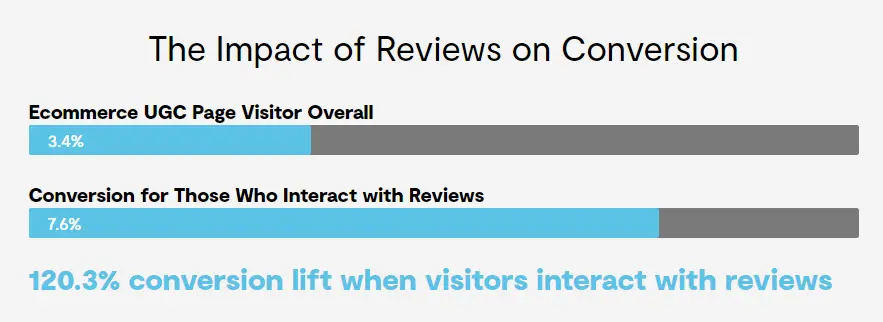
    Impact of reviews on conversion
    Survery Source: Ever-Growing Power of reviews

    According to the 2021 UGC Conversion Impact Analysis, interacting with ratings and reviews on a product page can boost conversion rates by 120.3%.

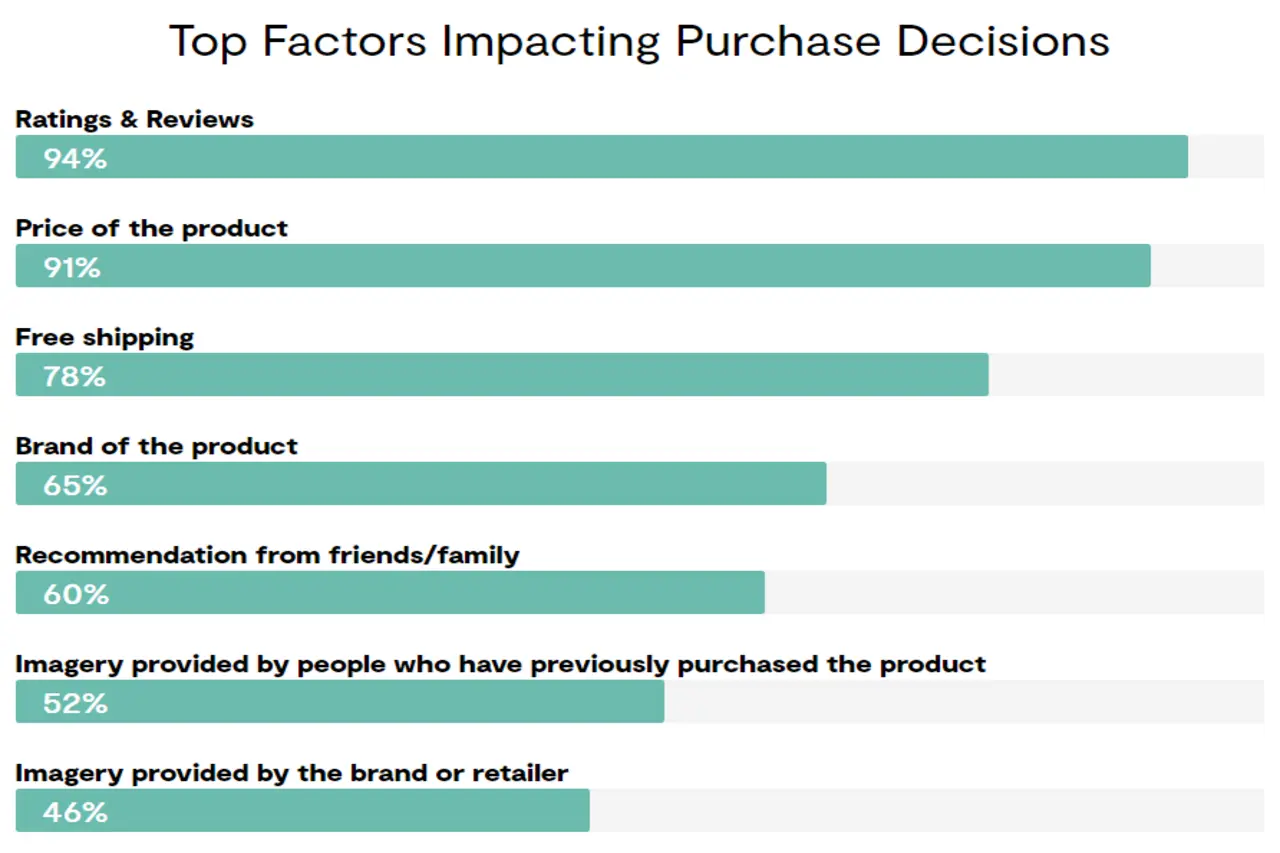
    Factors impacting purchase decisions

    Are More Product Reviews Better?

    The importance of reviews is evident from their effect on conversion rates. But is it always better to have more?

    To see if more reviews lead to higher conversions, we need to look at the conversion rates of pages with the most reviews.

    By tracking all conversions over 24 hours on a specific site, we can see how review exposure influences conversion.

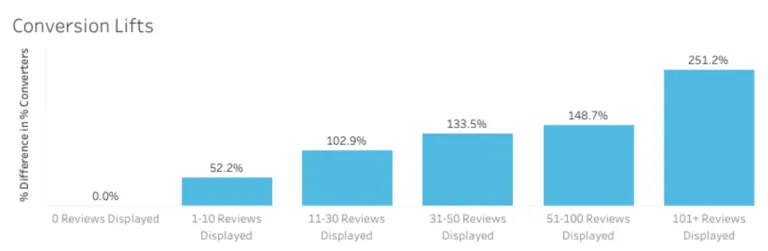
    Data tracked over a year (May 12, 2020 May 14, 2021) showed the impressive impact of review volume on conversions:

    Data tracked over a year showed the impressive impact of review volume on conversions
    • Product pages with at least one review saw a 52.2% increase in conversion rate.
    • Pages with 11-30 reviews experienced over a 200% increase.
    • Pages with over 101 reviews saw a more than 250% increase.

    Although this data primarily pertains to Amazon and other English-language websites, the trend is similar for Korean users. The clear takeaway is that more product reviews are better.

    Its all about sample size. The more reviews, the more likely the comments will reflect the products true quality.

    Professor Park Sung-sik of the University of South Carolina in the Wall Street Journal article How Initial Consumer Reviews Can Affect Future Ones.

    In Korea, this principle holds true as well. More reviews offer a more accurate representation of a products quality, leading consumers to trust the product and the brand.

    Never Doubt the Importance of Product Reviews

    The Importance of Product Reviews

    In conclusion, reviews are incredibly important. All marketing channels must consider ROI and ROAS.

    Whether it’s the cost of paid media or the labor costs of owned media, the expected effectiveness compared to these costs is always evaluated.

    The takeaway is that securing reviews offers significant ROI and ROAS. Prioritize gathering a large volume of positive and realistic reviews over other advertising or marketing channels. These reviews should portray your brand and products positively and realistically. In Korea, this is especially crucial given the high value consumers place on reviews.

    When developing marketing strategies, ensure that obtaining comprehensive and positive reviews for your product pages is a top priority. This approach is vital for success in the competitive Korean market.

  • B2B Marketing KPIs: What Metrics to Focus On?

    B2B Marketing KPIs: What Metrics to Focus On?

    In all marketing efforts, KPIs (Key Performance Indicators) are crucial for building and maintaining business competitiveness. Especially in B2B marketing, it’s common to lack a concrete plan for setting and achieving KPIs. As a marketer, establishing and tracking the right B2B marketing KPIs is essential since they guide the company toward growth.

    Strategy Development Through Performance Measurement

    B2B ??? KPI ?? ??

    B2B marketing KPIs like revenue, customer acquisition rates, and brand awareness help understand how efforts and strategies contribute to a company’s growth. Through these metrics, marketers can set clearer goals and develop effective strategies. For instance, if the goal is to increase sales of a particular product, focusing on KPIs such as lead generation rates and sales growth can be pivotal.

    B2B marketing KPIs play a critical role in securing a competitive edge in the market. By comparing your performance with competitors, you can understand your standing and strive for better outcomes, thereby strengthening your market position.

    Key Strategies for Continuous Growth

    B2B vs. B2C ?? ???? ??
    SALESMANAGO

    The B2B market is constantly evolving, with purchase cycles becoming increasingly longer.

    Research shows that about 74.6% of B2B sales to new customers take over four months to close. This indicates a lengthy time from initial lead intake to revenue conversion.

    As the time required for lead nurturing extends, the importance of setting and tracking marketing KPIs in the B2B market becomes more pronounced. With new technologies and market trends continuously changing, analyzing these shifts through KPIs allows for agile responses.

    Consistent KPI analysis, rather than short-term, helps companies appropriately grasp and adjust to the flow of change.

    Which B2B Marketing KPIs Should You Track?

    Setting the right KPIs in B2B marketing can be challenging even for skilled marketers. However, it’s a fundamental step that cannot be avoided if you want to measure performance and optimize strategies.

    To set the right KPIs, you should first consider the following goals and strategies:

    Revenue and Customer Acquisition

    • Monthly Revenue Growth Rate: Beyond the size of revenue, measuring the rate of change in monthly revenue helps grasp the growth trend of the company. Since B2B is based on long-term relationships, continuously analyzing these trends is crucial.
    • Customer Acquisition Cost (CAC): CAC is the cost required to acquire a new customer. By understanding the cost spent on acquiring new customers, you can evaluate if the marketing budget is being used effectively. Reducing CAC is a vital element in improving cost-effectiveness.

    Click-Through Rate (CTR)

    CTR? ?? ??
    Click-Through Rate (CTR): Understanding Click-Through Rate for PPC

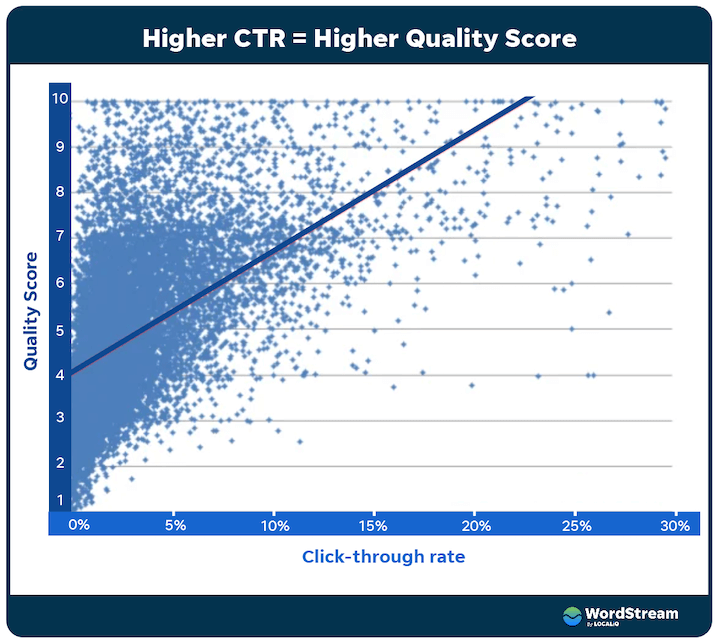
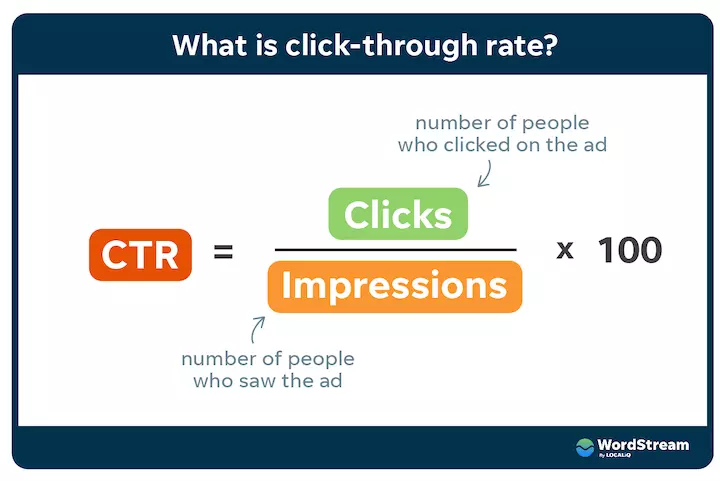
    CTR, or Click-Through Rate, is a significant metric that indicates the effectiveness of marketing campaigns or content. It represents the ratio of clicks to impressions and provides insight into how users respond to and take action on ads.

    CTR ?? ??

    To improve CTR, consider the following methods:

    • Select keywords highly relevant to the target audience.
    • Write clear and concise ad copy.
    • Use images or videos to enhance visual appeal.
    • Reset targeting for ad exposure.

    Lead Generation and Conversion Rate Optimization

    • Marketing Qualified Lead (MQL)
      • MQLs are customers interested in your product or service and can be considered potential customers for sales conversion. Actively managing MQLs helps effectively attract customers leading to sales conversion.
      • MQLs can be identified through actions such as searching for products on the website, subscribing to newsletters, or leaving emails. It’s essential to note that while MQLs have passed through the marketing funnel, they may not always convert to customers, requiring additional effort.
    • Conversion Rate Optimization (CRO)
    ??? KPI ???? - CRO? ?????
    Conversion Rate Optimization (CRO): Ultimate Guide

    CRO refers to the process of increasing conversion rates to achieve desired results from marketing activities. Higher conversion rates improve efficiency. The steps for optimizing conversion rates for B2B marketing KPIs include:

    • Setting goals
    • Collecting data
    • Analyzing and improving
    • Testing and applying
    • Implementing and monitoring
    • Segmenting target customers
    • Content activities
    • Nurturing by channel
    • Improving the conversion process

    Measuring Various B2B Marketing KPI Performances

    Competent B2B marketers utilize various KPIs to measure and improve strategy performance. These KPIs are essential for reviewing different aspects of marketing and establishing effective strategies and optimizations.

    Traffic and Entry Paths

    • Organic Traffic: Organic traffic from search engines reflects the performance of the website’s SEO. By measuring keyword rankings and the amount of traffic, you can assess the effectiveness of your SEO strategy.
    • Cost Per Click (CPC): To determine CAC, divide the total marketing cost by the number of new clients generated over a set period. CPC measures the cost per click for ads, playing a crucial role in assessing the profitability of ad campaigns by evaluating budget efficiency.
    B2B ??? KPI - CAC??
    To determine your CAC, you need to divide your total marketing cost by the number of new customers generated over a predetermined period of time.

    Measuring Content Effectiveness

    • Downloads and Shares: Track the number of times in-depth content is downloaded or shared to gauge interest and empathy with the brand’s content.
    • Website Visit Duration: The time visitors spend on the website serves as a benchmark for content quality and user experience. Long visit durations indicate successful content, providing positive data for lead generation.

    Email Marketing and Automation

    • Email Open Rates and Click Rates: Checking open rates and click rates is essential for measuring the effectiveness of email campaigns. Improve open rates with compelling subject lines, and drive clicks with personalized and relevant content.
    • Automation Flow Effectiveness: Analyze how email automation flows guide the customer journey. Automation is a highly effective strategy for building efficient marketing strategies.

    Engagement and Conversion

    • Attendee Registration and Participation Rates: The success of online events or webinars is reflected in attendee registration and participation rates. Planning and measuring engaging and informative events can enhance brand value.
    • Post-Event Conversion Rates: Check the conversion rate of participants after events to connect the event’s effectiveness to actual business results.

    Improving Profitability

    • ROI and ROAS

    ROI (Return on Investment) and ROAS (Return on Advertising Spend) are crucial metrics for measuring performance.

    ROI represents return on investment, and ROAS represents the sales ratio to advertising costs.

    High ROAS indicates high sales relative to advertising costs, leading many companies to strive to improve ROAS.

    However, a high ROAS doesn?t automatically mean good performance. Before increasing the advertising budget, it?s necessary to identify the advertising budget limit, the point beyond which increasing the budget does not improve results.

    To avoid the trap of high ROAS, distinguish between ROI and ROAS in your analysis and evaluation. This is not easy, as many companies fail to grasp ROI due to the illusion created by high ROAS.

    Appropriately utilizing various KPIs allows for effective monitoring and optimization of different strategy aspects.

    Choosing the right KPIs that align with specific business goals and strategies can infinitely contribute to organizational growth. Continuous effort in proper analysis and data-driven decision-making increases the likelihood of maintaining a competitive edge and achieving successful outcomes in a changing market.

    Efficient Strategies for Setting B2B Marketing KPIs

    Even with proper B2B marketing KPI settings, lacking systematic analysis and know-how can lead to significant resource wastage. Especially when continuous effort and attempts are required, making missteps can result in greater losses.

    In enhancing B2B marketing KPIs, collaborating with a capable marketing agency is more important than expected. Professional agencies offer expertise and various resources to drive successful strategies. They are often more adept at understanding industry trends, developing effective content strategies, and utilizing the latest digital marketing technologies.

    Moreover, their external perspective can pinpoint and address sensitive areas that are difficult to identify internally. By considering key indicators based on our business characteristics and market environment, setting major KPIs, and monitoring these KPIs long-term with objective analysis, continuous growth and performance improvement will not be difficult to achieve.

    By working with an experienced marketing agency like Growth Marketing Agency, you can leverage our professional knowledge and skills, ensuring successful strategies and achieving your business goals.

  • BMW’s SEO Failure Due to Black Hat SEO

    BMW’s SEO Failure Due to Black Hat SEO

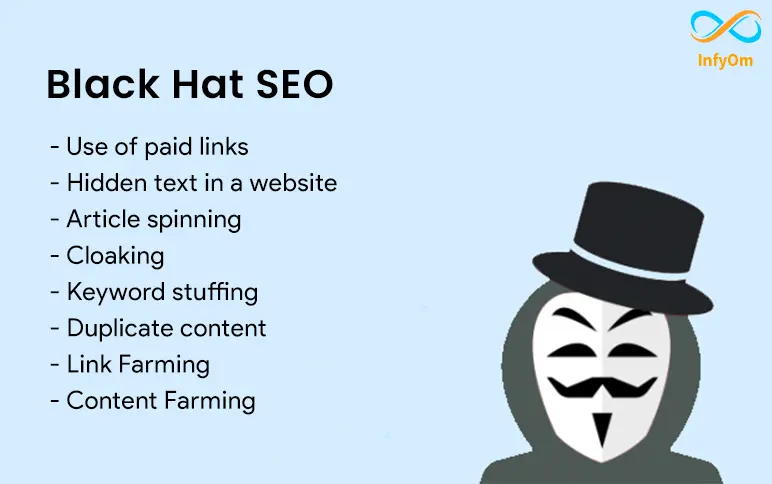
    Black Hat SEO refers to unethical and manipulative practices that use abnormal methods to influence search engine algorithms for better search visibility.

    While Black Hat SEO might offer short-term gains, it leads to severe long-term consequences for a website’s SEO.

    Black Hat SEO Guide
    Black Hat SEO Guide – Easy to Understand [2021]

    This article will examine Black Hat SEO techniques and how they damaged BMW’s online presence.

    BMWs Black Hat SEO Controversy

    What Happened?

    In 2006, BMW used doorway pages to increase search volume and rankings for target keywords.

    The keyword used for creating these doorway pages was ‘used cars.’ When users clicked on these pages, they were redirected straight to BMW’s own site.

    Screenshot of the BMW page
    Screenshot of the page seen when www.bmw.de/bmw-neuwagen.html was crawled

    BMW chose this strategy because their site primarily used Javascript that Google couldn’t understand at the time.

    Google had issues recognizing Javascript back then.

    Screenshot of the BMW page from a different browser
    Viewing the same page in a different browser

    Of course, Google can now read Javascript. Search algorithms have become much more complex and advanced, making such strategies obsolete.

    What is a Doorway Page?

    Have you ever clicked on a search result only to be redirected to a page different from what you saw in the search engine?

    Known also as gateway pages, entry pages, or bridge pages, doorway pages are web pages created primarily to manipulate search engine rankings.

    These pages are usually designed to rank highly in search engine results for specific keywords and phrases, but when users click on them, they are redirected to other pages.

    Google has been working to eliminate doorway pages since 2015
    Google has been working to eliminate doorway pages since 2015. (Source: What is a Doorway Page and How it Affects SEO Of Your Website?)

    Doorway pages aim to deceive search engines by showing content different from what is displayed to users, thereby increasing a website’s visibility for certain terms.

    Doorway pages may include cloaking, where the content shown to search engine crawlers differs from what users see. This is another attempt to mislead search engines about the true nature of the page.

    The Risks of Black Hat SEO and Why Compliance is Crucial

    Due to this incident, Google downgraded BMW’s PageRank to 0, effectively excluding BMW’s rankings from Google search results.

    BMW admitted to creating doorway pages but officially denied deceiving users. However, the severe negative impact on their SEO was undeniable.

    In conclusion, while the quick gains from Black Hat tactics might seem appealing, they can result in very serious long-term failures.

    Long-term SEO success is rooted in ethical practices, high-quality content, and a commitment to providing a positive user experience.

    Therefore, websites that prioritize sustainability and authenticity are more likely to succeed in the evolving digital marketing landscape.

  • Understanding Customer Needs vs. Wants: Why It Matters

    Understanding Customer Needs vs. Wants: Why It Matters

    Before identifying customer needs and wants, many marketers find themselves overwhelmed by a plethora of data during market research. However, most of this data does not come directly from customers.

    Of course, website analytics provided by various platforms can assist with excellent marketing analysis and offer insights. Nevertheless, they do not provide personalized data such as direct surveys of customers.

    Many companies overlook the necessity of customer marketing research. In many cases, they are too focused on achieving their own plans and goals without considering the customers.

    Customer needs and wants are different.
    Henry Ford (18631947)

    If I had asked people what they wanted, they would have said faster horses. – Henry Ford

    However, this is not a shortcut to business success. Even if it seems like a roundabout way, marketers need to accumulate personalized customer data again.

    In today’s rapidly changing consumer market, what marketers need to do is identify customers’ wants.

    What Are Customer Wants?

    In the 20th century, the crucial keyword in business was needs, but in the 21st century, the emerging key term is wants. To explain the difference between the two terms, needs can be considered as functional needs, while wants can be understood as psychological desires.

    Needs are the psychological efforts to fulfill what humans require to survive. On the other hand, wants can be simply thought of as the psychological effort to satisfy desires that are not necessarily essential for survival but are driven by social desires.

    Why Identify Customer Wants?

    Here lies an important point: functional needs, like needs, have limitations in demand and pricing. However, psychological desires, like wants, do not have such limitations in demand or pricing.

    For example, most people already have a functioning mobile phone.

    Why Identify Customer Wants?

    Although smartphones are already sold to most customers, manufacturers release new models every year.

    People then replace their perfectly functional phones with new ones, even if it means paying a high price.

    Steve Jobs once said:

    Innovation is saying no to a thousand things

    Jobs believed that innovation involves introducing to the world what people dont realize they want.

    Customer needs are confined within their knowledge and consciousness limits. However, marketers must dive into customers’ unconscious to ‘catch’ what they truly want.

    The Hidden Trap in Customer Responses

    The economic term indicating that demand has reached saturation no longer applies in the market. The era of predicting customer demand based on population and needs is long gone. Wants are elements that can create demand in this market indefinitely. However, identifying customer wants is not an easy task.

    If every customer answered surveys honestly, saying, “This is what I want!” or “I definitely needed this!”, companies could simply create or plan to sell products based on those surveys. But now, companies must scrutinize customers’ ‘responses’ carefully as they often contain blatant lies.

    The Secret in Customer Needs: Customers Lie

    The Secret in Customer Needs: Customers Lie

    Why do people use social media? It’s time for marketers to rethink this fundamental question. They need to understand not just the apparent reasons but also the hidden psychology behind users.

    Customers lie more blatantly than one might think. Its not just sellers who mix in sweet lies to entice customers; customers also say things contrary to their true feelings for various reasons.

    For instance, a customer might say, “Yes, this is exactly what I want!” Such instances happen more often than you might imagine.

    Importantly, while some customers lie deliberately, most do not.

    Sometimes, customers themselves are unaware of what they want. This is why the role of a marketer becomes even more crucialto discover what customers truly want, even if the customers themselves dont know it.

    Why Do Marketers Confuse Customer Needs and Wants?

    Why Do Marketers Confuse Customer Needs and Wants?

    Even experienced marketers confuse customer needs and wants. Fundamentally, marketers need to focus on the customers’ ‘intentions’ rather than their ‘words’.

    Suppose someone frequently searches for ‘daily look’, ‘OOTD’, or ‘clothing brands’. The marketer might consider this person a potential customer for fashion items and guide them with a message like, “Follow this link to get a shopping mall discount coupon”.

    However, the customer might end up using the link to get an electronics coupon and buy AirPods instead. This example shows that such mistakes occur frequently in the market.

    This error happens because the marketer confused the customer’s wants in a one-dimensional manner.

    The customer was actually looking for a birthday gift for their partner, not new clothes. Therefore, marketers must focus on customers’ ‘intentions’ rather than their ‘words’.

    They must not take the customers’ first response at face value but should dig deeper.

    Why Do Customers Lie?

    When companies conduct customer surveys, they often find that slightly changing the wording of questions results in different answers from customers, which can be confusing.

    In general surveys, even if the questions imply the same meaning, the tone, words, or order of questions lead to different answers from customers each time.

    This happens because customers themselves have to fabricate their responses to explain why they want or like a product.

    To accurately explain why they need or like a product, customers must have a strong and precise understanding of their feelings and emotions towards it.

    Only with a clear understanding can they translate it into definite language.

    However, customers often dont have a clear emotional or psychological grasp of why they want something. They consume and move on without fully understanding their desires.

    Why Do Customers Lie?

    Human thoughts and behaviors undergo complex and comprehensive processes.

    While the act of purchasing is simple and quick, the process leading up to it is intricate and psychological.

    Thus, companies and marketers must precisely understand how customers perceive and why they want a product, even if the customers themselves dont fully know.

    How Do Customers Lie About Their Needs?

    Customer needs and wants are obscured by lies, making them difficult to identify. Companies, therefore, must interact with lying customers daily.

    For example, what would customers say when returning a broken device or when habitual drinkers visit a hospital?

    Lets illustrate

    Even when needing to fix a broken phone screen or a device damaged by water due to their carelessness, customers think a lot:

    “I signed up for a service offering a one-year free repair, but what terms and conditions did I agree to for this service?”

    “If I honestly say I dropped the phone several times or that the device was damaged by water due to my negligence, wont I be penalized?”

    Because of these reasons, customers lie about the cause of the damage to the repair or refund center.

    Customers Lie Despite the Risk of Disadvantages

    Even in situations where disadvantages are not a concern, people lie.

    Imagine a habitual drinker visiting a hospital because of deteriorating liver health.

    The doctor, seeing the patient’s records, knows that the patient previously visited due to poor liver condition caused by frequent drinking. The doctor will ask:

    Customers Lie Despite the Risk of Disadvantages

    “How often do you drink a week?”

    The patient will confidently reply: “Almost never. At most, 2-3 times a week.”

    Why would a patient lie to the doctor, despite knowing that not telling the truth makes accurate diagnosis difficult and disadvantages them?

    This scenario is more common than expected. Many doctors struggle with patients lying, making it hard to provide accurate diagnoses.

    Patients concoct lies instead of being truthful, causing significant issues for doctors.

    Lies in Interactions

    Its well known that getting one-on-one solutions from renowned dog trainer Kang Hyung-wook requires a high fee.

    Hence, getting the opportunity to show their pet and receive solutions directly from him is rare for pet owners (customers).

    But when Kang Hyung-wook asks questions for precise problem diagnosis, pet owners often lie instead of telling the truth.

    Customers Lie in Social Interactions

    In this situation for example, when Kang Hyung-wook asks how often he walks his dog, the pet owner answers, “About three times a week.” Kang Hyung-wook, catching the lie, says, “So, actually about once or twice a week.” The pet owner then cannot refute.

    Accustomed to customers lying, he quickly identifies the lie and deduces the actual answer.

    Even in paid one-on-one solutions, not just free programs, pet owners and consultants lie frequently. Despite needing to provide accurate answers to get value for their money, they lie.

    In face-to-face interactions, customers lie to preserve social dignity, avoid disadvantages, or because of anticipated reactions.

    They may feel uncomfortable or emotionally insecure about telling the truth to a doctor or consultant.

    Whatever the reason, we must note that customers easily withhold the truth.

    Strategies for Discovering Customer Needs and Wants

    So, should companies dismiss customers as mere liars?

    If their thinking stops there, the business cannot succeed. If companies do not trust customers at all, they will lose direction.

    Strategies for Discovering Customer Needs and Wants
    Ronald Reagan (19112004)

    “Trust, but verify.” – President Ronald Reagan, based on a Russian proverb

    Marketers cannot take everything customers say at face value. However, they can accumulate and analyze customer data to uncover hidden truths.

    First, listen to the customers and extend in-depth questions to understand more. Uncovering the true wants of customers will be more complex than you think. Companies might need to take several routes to obtain clear answers.

    To conduct proper business, marketers must find answers amid numerous lies. This is precisely what marketers are capable of achieving.

  • How to Develop a Channel Mix Strategy for the Korean Market

    How to Develop a Channel Mix Strategy for the Korean Market

    Understanding the Channel Mix Strategy

    Channel mix strategy in social media marketing provides the advantage of seamlessly integrating into the daily lives of potential customers. With the proliferation of diverse marketing channels and platforms, many companies now manage multiple social media channels. For businesses aiming to enhance their marketing efforts in Korea, it is crucial to select channels that align with their specific goals; otherwise, even the most successful channels for other companies may prove ineffective. 

    This article will delve into the characteristics and strategies of various marketing channels and share Growth Marketing Agency’s expertise in leveraging them effectively for the Korean market.

    Overview of Marketing Channel Characteristics

    Naver |  Dominating Influence in the Korean Market

    Naver continues to hold unparalleled influence in the Korean market, making it a crucial channel for businesses aiming to engage with Korean consumers. This platforms dominant position in search results means that achieving high visibility here can significantly enhance brand recognition and credibility. For companies targeting Korean audiences, mastering Naver’s search optimization and advertising features is essential for driving effective marketing campaigns.

    Marketing Channel Mix Strategies: Naver
    Naver Search Results for the keyword “Nike”

    This means the search results for our brand on Naver represent our brand’s image. Whether these results are advertisements or organic listings, it doesn’t matter. High rankings in advertisements or frequent exposure create the impression of a larger, more influential brand.

    The key to Naver marketing strategy is ‘top exposure’. Its crucial for our brand-related content or ads to appear prominently when users search for relevant keywords. Most users complete their search activities with results from the first page, making it important for us to rank on the first page for significant keywords in our industry. Besides paid media, attention should also be given to blogs, posts, cafes, and web documents, which are often categorized under viral marketing.

    Facebook | Expanding Reach and Encouraging Sharing

    Despite reports of user decline, Facebook still boasts the broadest range of active users. Many people question, “Who uses Facebook nowadays?” but data shows a substantial number of users who primarily ‘lurk’ without actively liking or posting. Facebook’s vast user base provides opportunities to reach a wide target audience, with various options for precise ad targeting, such as demographics, interests, custom audiences, and lookalike audiences.

    However, as Facebooks popularity and competitiveness increase, so do advertising costs. In some industries, intense competition requires meticulous management. At Growth Marketing Agency, we leverage Facebook to spread content tailored to user interests rather than relying on it as the core of our strategy.

    Instagram | Visual Storytelling and Strategic Hashtag Use

    In the food industry, the focus is on making the experience ‘Instagrammable’ from the planning stages of a new franchise. Among the channels, many companies prioritize Instagram due to the importance of visually appealing images and trendy content. Instagram users actively interact with posts through likes, comments, and shares, fostering brand-user interactions. Hashtags help categorize posts and increase search visibility, offering opportunities to reach the target group.

    ?????? : ??? ?? ?? ?? ?? ?????
    Importance of Instagram in Digital Marketing Strategy

    However, links are limited to profiles and stories, requiring careful planning for external traffic and conversions. Instagram’s algorithm changes have also altered the order in which posts appear, aiming to prevent repetitive promotional posts from dominating the feed.

    LinkedIn | Business Networking Hub

    LinkedIn is primarily used for professional and business-related connections. Users build profiles and share career information, expanding networking opportunities within their industries. LinkedIn allows sharing various content forms like posts, articles, and updates, enabling users to share knowledge and timely business information. Its detailed user data, such as job roles and interests, facilitates precise targeting, benefiting marketers selling business-related products or services.

    ?????? : ??? ?? ?? ?? ?? ????
    9 Powerful LinkedIn Marketing Tips (That Actually Work)

    Although LinkedIns user base is smaller compared to general social media platforms, it provides a professional networking environment ideal for B2B marketing activities. However, the high cost of advertising and lower interaction rates compared to other channels can be challenging.

    YouTube | The Core of Video Content

    YouTube, a community centered around video content, supports longer videos and detailed information, enhancing exposure opportunities through SEO. As a Google subsidiary, YouTube videos appear in search results, and its subscriber-based community fosters relationships with fans. YouTube offers diverse content formats, such as vlogs, tutorials, and reviews, allowing tailored content for target audiences.

    ?????? ???
    Statistics on the most used apps by Koreans (Source: WiseApp)

    Brands can collaborate creatively with influencers who have established subscriber bases. However, predicting reach and performance can be challenging.

    ? Summary of Marketing Channels

    • Search Engines: Google, Naver, Daum
    • Social Media: Twitter, Facebook, Instagram, TikTok
    • Video Platforms: YouTube
    • Blogs: Naver, Brunch
    • Email: Newsletters, cold emails
    • Communities: Naver, Daum, Kakao

    Why Operate More Than Two Marketing Channels?

    Search engines like Naver and Google have lower reach compared to social media platforms like Facebook and Instagram. However, search activities indicate direct user intent, making these visitors more likely to convert into actual customers. Social media platforms, while having higher reach, often have lower conversion rates as they are primarily interest-based platforms.

    Therefore, operating more than two marketing channels is effective. Consumers do not use just one type of media, and each marketing channel has complementary characteristics.

    Should Tone and Manner Vary Across Platforms?

    Determining whether to adapt tone and manner across different marketing channels is crucial for a successful channel mix strategy. 

    Each platform has its unique user characteristics and content preferences. Businesses must balance maintaining a consistent brand identity with tailoring their messaging to suit the distinct nuances of each channel. For instance, professional content for blogs or web pages targeting search engines, and interest-based content for Instagram and Facebook. However, this approach can consume excessive time and resources and have several negative effects:

    • Loss of Brand Consistency: Different tones and manners across channels can confuse customers and diminish brand awareness and trust.
    • Fragmented Customer Experience: Inconsistent experiences across channels can reduce customer satisfaction and loyalty.
    • Message Delivery Failure: Disparate messages can lead to missed communication of important information or promotions.

    Creating and managing content with varying tones for each channel can increase workload and error potential. Therefore, maintaining a consistent tone and manner across multiple content marketing channels can build more effective brand communication.

    Successful Channel Mix Strategy Examples

    Red Bull – Mastering the Art of Engaging Content Marketing

    ??? ??? ?????? ?? ??
    Analyzing The Best Red Bulls Marketing Campaign

    Red Bull is well-known for not focusing on their product in content but creating sensational news, such as sponsoring a parachute project from space. They upload extreme sports events and support athletes on their YouTube channel, attracting customers through exciting content rather than direct product placement.

    Busan Police Facebook – Breaking Stereotypes with Innovative Channel Mix Strategies

    ??? ??? ?????? ?? ?? ???
    Busan Female Police Officers Cute Song, Officer Kim Min-joo

    In 2013, the Busan Police created a ‘cute’ video that broke stereotypes of the police, garnering over 100,000 likes and 6,000 shares. This friendly and humorous content increased social media reports and opened new public investigation channels.

    Glossier – Redefining Content Marketing Through Authentic Engagement

    ??? ??? ?????? ?? ?? ??
    Into The Gloss

    Glossiers founder used her fashion industry experience to start a blog, ‘Into The Gloss’, sharing interviews with notable fashion figures. This blog focused on real consumer questions about beauty products, building continuous communication with readers and achieving significant engagement.

    Developing a Channel Mix Strategy Based on Marketing Channel Characteristics

    Each marketing channel has a unique user base. For instance, Instagram is popular among younger generations, while LinkedIn is used by business professionals. Understanding each channels characteristics allows for tailored content that engages the most active target audience. Selecting appropriate content formats for each channel further increases interest and participation.

    Despite the variety of marketing channels, resources are limited. Knowing what types of messages and formats work best on each platform optimizes time and effort. While respecting each channel’s characteristics, creating vastly different tone and manner content can confuse users and dilute brand identity. Therefore, developing effective strategies for each marketing channel and using them efficiently is crucial for delivering a consistent brand message and maintaining competitiveness in the market.

    Growth Marketing Agency meticulously plans content marketing strategies based on a deep understanding of numerous marketing channels and continuously researches the most efficient ways to convey unique messages for clients.

  • How to Choose the Best SEO Agency in Korea

    How to Choose the Best SEO Agency in Korea

    In today’s digital landscape, partnering with the right SEO agency is crucial for successful online marketing in Korea. 

    This article will explore the importance of choosing a good SEO agency in Korea and provide criteria for selection, guiding you to find a reliable partner for successful marketing.

    ?? SEO ??? ??? ???? SEO ???? ???, ???? ??? ??? ???? ??.

    Why Choosing the Right SEO Agency Matters

    For companies unfamiliar with SEO, distinguishing between good and bad agencies can be challenging. Even those well-versed in SEO might not always find the best fit. Let’s explore the key factors to consider when selecting an SEO agency in Korea.

    SEO Agency Selection Checklist: 7 Essential Criteria

    1. Request and Evaluate Case Studies

    Case studies are crucial when considering an SEO agency in Korea. They provide valuable insights into the agency’s capabilities and past successes. When evaluating a case study:

    • Ask for examples of optimized websites and their keyword rankings
    • Review the most recent case studies to ensure the agency is up-to-date with current SEO trends
    • Verify the latest metrics and information provided

    2. Look Beyond SEO Skills

    While SEO expertise is important, it’s essential to evaluate the agency’s overall marketing capabilities. Consider the following:

    • Seek agencies with experience in your specific business domain
    • Ensure alignment with your conversion goals (e.g., e-commerce, B2B)
    • Evaluate their ability to drive actual sales and conversions, not just rankings

    3. Prepare Thoroughly for Agency Meetings

    Preliminary meetings are crucial for establishing a collaborative relationship and understanding the agency’s approach. When preparing for meetings:

    • Insist on meeting the actual personnel who will work on your project
    • For global projects, verify the competence of dedicated teams
    • Be cautious of agencies refusing video meetings if face-to-face isn’t possible
    SEO agency mistake in translating Korean
    An overseas SEO agency has launched a website to market their services to Korean companies. However, they’ve made a translation error where “SEO” has been translated as ?, which phonetically reads as “so” in Korean. This mistake indicates that the agency might have used automated translation tools without proper localization, raising concerns about their attention to detail and understanding of the Korean market. Its important for companies to ensure that such agencies have a strong grasp of both the language and the local SEO practices to avoid similar errors.

    4. Ask Relevant Questions

    During your meetings, ask targeted questions to gauge the agency’s expertise and fit:

    • What services do you provide?
    • How long have you been in business?
    • What successes have you achieved with other clients?
    • How do you conduct keyword research and select keywords for campaigns?
    • What is your approach to mobile SEO?
    • How do you measure and report campaign success?

    5. Avoid Agencies Guaranteeing Results

    Be wary of agencies that promise guaranteed results. Remember:

    • SEO success is difficult to guarantee due to various external factors
    • Focus on agencies offering superior service and skills rather than guarantees
    • Understand that guaranteed conditions often favor the agency, not the client

    6. Consider Budget Carefully

    While cost is an important factor, it shouldn’t be the sole determining factor. When considering budget:

    SEO ???? / SEO ??? / SEO ?? ??? ?? ?
    What Is an SEO Company? What Do SEO Agencies Do?

    7. Evaluate Holistically

    Make your final decision based on a comprehensive evaluation:

    • Balance performance, expertise, and cost
    • Ensure the agency can contribute to your overall marketing growth
    • Consider how well the agency aligns with your company’s goals and culture

    Conclusion: Finding Your Ideal SEO Partner in Korea

    Selecting the right SEO agency in Korea requires careful consideration and a step-by-step approach. By following these criteria and conducting thorough research, you can find a trustworthy partner that will contribute significantly to your digital marketing success.

    Remember, the goal is not just to improve rankings but to drive meaningful business results. Take your time, ask the right questions, and choose an agency that aligns with your specific needs and objectives.

  • How to Choose the Right Product Sampling Marketing Channel

    How to Choose the Right Product Sampling Marketing Channel

    Product sampling marketing involves providing a product or service for free to a select group of potential customers and asking them to write a review after using it.

    In Korea, ??? ??? or product sampling marketing channel refers to the platforms or media where this type of marketing is conducted. These reviews can be posted on individual social media channels like blogs, Instagram, and YouTube, or on the product’s sales page.

    Online reviews are the most helpful source of influence towards making a purchase decision
    More than 7 out of 10 (72%) buyers find online reviews most helpful when making a purchase decision. Additionally, respondents indicated that company websites and marketing materials are the most useful, and over half found advertisements and blogger recommendations helpful during their purchasing process (source: Online Reviews Most helpful when making a purchase decision – Product Review Monitoring)

    Product sampling marketing gives consumers the opportunity to indirectly experience a product or service before purchasing it, which can stimulate their desire to buy and increase conversion rates. In fact, a survey found that 72% of consumers said reviews helped them make a purchase decision.

    It’s no exaggeration to say that all potential customers undergo a verification process before making a purchase decision. The act of searching has become a part of daily life. Even for purchasing a toothbrush, encountering more than ten different pieces of content is the norm.

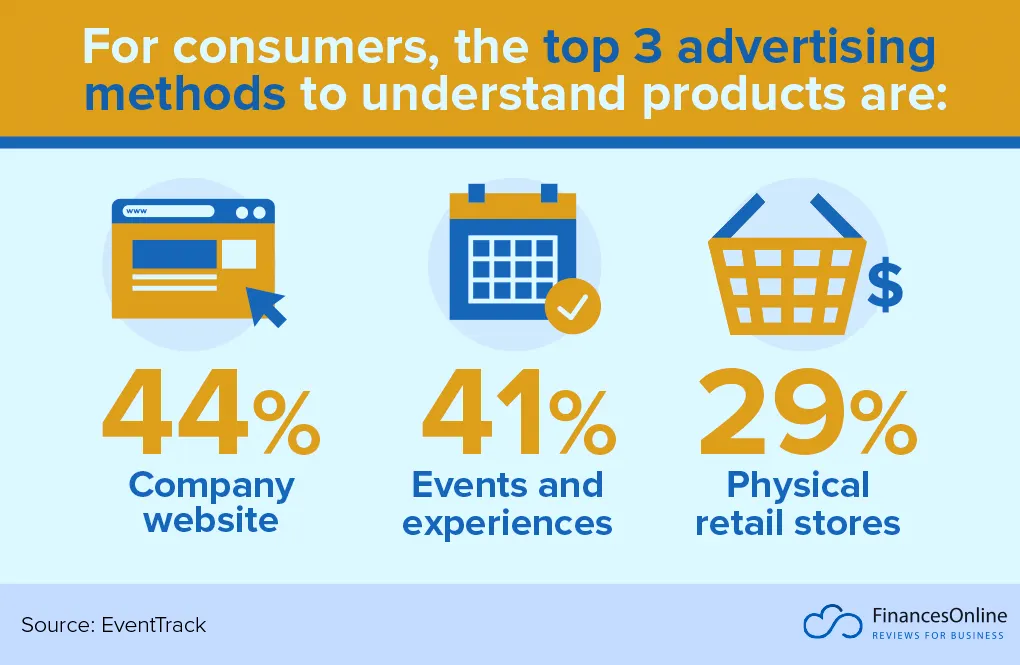
    The top three advertising methods that help consumers understand product benefits
    The top three advertising methods that help consumers understand product benefits are company websites (44%), events and experiences (41%), and offline stores (29%). Notably, 91% of consumers have a more positive impression of a brand after participating in events and experiences (source: 89 Experiential Marketing Statistics You Must Learn: 2023 Consumer Preferences & Industry Data – Financesonline.com)

    Product sampling marketing also helps widely disseminate information about products or services to consumers. Participants in product sampling are more likely to write positive reviews than negative ones.

    Many companies engage in product sampling marketing to spread positive experiences with their brand and products. However, poor management can lead to negative outcomes.

    This article will discuss how to choose the right product sampling marketing platform. If you need insights on establishing and executing a product sampling marketing strategy, check out this guide.

    Types of Product Sampling Marketing Channels

    In Korea, Product sampling marketing platforms include Naver, Instagram, and YouTube. Each platform has its own strengths and weaknesses, so it’s important for companies to choose one that matches the characteristics of their product or service.

    Naver Blog Product Sampling

    Advantages

    • Large user base
    • Targeted marketing through search functions
    • Variety of product sampling programs
    • Product sampling management systems

    Disadvantages

    • High competition makes search exposure challenging

    Naver, being the largest portal site in Korea, has users of various ages. Therefore, using Naver for product sampling marketing is effective for products or services with a broad target audience. Koreans tend to perceive Naver search results as authoritative and reliable.

    Naver’s search functions allow effective targeting of potential customers, and it provides various product sampling programs and management systems for efficient marketing operations. However, because there are so many blog posts, it can be difficult for product sampling posts to stand out in search results.

    Companies must carefully select their product sampling participants and strategically plan to ensure their posts appear in searches.

    Instagram Product Sampling

    Product Sampling Marketing Channel: Instagram

    Advantages

    • High usage among young women
    • Ideal for image and video content
    • Can be integrated with influencer marketing

    Disadvantages

    • Difficult to target customers

    Instagram is popular among younger users and is ideal for image and video content. Therefore, its effective for marketing products or services targeting young people through Instagram product sampling. Instagram can also be linked with influencer marketing for greater impact since users often see Instagram’s brand evaluations as trends.

    However, Instagram users dont frequently use the platform based on searches, making targeting challenging. Companies should consider strategies involving relevant hashtags or influencer-driven product sampling to reach their target audience.

    YouTube Product Sampling

    Product Sampling Marketing Channel: Youtube

    Advantages

    • Ideal for securing video content
    • Marketing based on subscribers

    Disadvantages

    • Difficult targeting
    • High cost

    YouTube is a video content platform that is effective for stimulating purchase desires and increasing conversion rates through video reviews that highlight product or service features. Marketing based on subscribers helps secure a loyal customer base.

    However, channels with many subscribers can be costly. Companies must plan their marketing strategies and budget carefully, considering their target audience.

    Choosing the Right Product Sampling Marketing Channel

    To achieve effective results with product sampling marketing, consider the following:

    1. Clearly define your marketing goals and choose the appropriate channel.
    2. Recruit product sampling participants that align with your marketing objectives.
    3. Systematically manage the participants to ensure they use the product or service and write reviews.
    4. Utilize data analysis to measure and improve the effectiveness of product sampling marketing.

    This article has explored the channels to consider before starting product sampling marketing. It is a powerful strategy to receive real-life user reviews, but choosing the wrong channel can lead to significant time and financial losses.

    By analyzing your target audience and choosing the right channel, you can attract more potential customers. It is crucial to actively understand the market and apply this knowledge to your marketing efforts.

    Product Sampling Marketing Channel – FAQ

    Product Sampling Marketing Channel: FAQ

    Who should be targeted for product sampling? For social media-based platforms, target social media users. For specific product or service targets, choose specialized product sampling platforms.

    What are the cost models for product sampling marketing platforms? There are both free and paid models. Select a platform that fits your marketing budget.

    How to compare product sampling marketing platforms? Larger platforms with more traffic make recruiting participants easier and increase review exposure. Higher quality participants provide more reliable reviews. Utilize the data analysis features provided by platforms to measure and improve marketing effectiveness.

    How to maximize the effectiveness of product sampling marketing platforms? Clearly set your marketing goals, choose the right platform, and develop a marketing strategy. Utilize the participant recruitment features of the platform to gather participants that match your marketing goals.


    Growth Marketing Agency manages product sampling participants to ensure they use the product or service and write reviews. Additionally, we analyze data to measure the effectiveness of product sampling marketing and actively use the insights gained.


  • Importance of Content Marketing and Its Strategies

    Importance of Content Marketing and Its Strategies

    The significance of content marketing is increasingly being highlighted across all types of businesses. Whether it’s a small startup or a large corporation, investing in high-quality content is crucial for fostering sustainable business growth.

    In this article, we will explore the various benefits of content marketing and why it is essential for businesses aiming to succeed in today?s online environment.

    From improving search engine rankings and driving organic traffic to nurturing leads and guiding them through the sales funnel, we will discuss why content marketing is more important than ever.

    Understanding the Importance of Content Marketing: Business Advantage

    Building Trust and Providing Value to Your Audience

    Creating and sharing valuable, informative content that aligns with your audience?s interests can provide real value by addressing their needs and problems. This helps in establishing trust and credibility by demonstrating your expertise and willingness to assist your customers.

    Consistently delivering high-quality content positions you as a reliable source of information and an industry leader. This can attract and retain customers who are likely to seek your guidance and support.

    Understanding the Importance of Content Marketing: Business Advantage
    At Growth Marketing Agency, we share the content we publish on social media to drive its distribution. Example from our Korean social medial account.

    Additionally, sharing content across social media and other platforms helps in reaching a larger audience, enhancing content visibility, and boosting brand reputation. When others recognize that you provide valuable content and resources, they are more likely to view you as a trustworthy and credible source of information.

    Positioning Your Business as an Industry Leader and Demonstrating Expertise

    By creating and sharing high-quality content that addresses your target audience?s needs, you can prove your expertise. This helps position your business as a leader in the industry. This can help attract new customers who are more likely to seek your guidance and support.

    Effective content marketing also helps in retaining customers by continuously providing value. By regularly offering valuable content, you can keep customers engaged and interested in your business over time.

    Understanding the Importance of Content Marketing 02. Differentiating in the Online Market Competition

    Cultivating Loyal Customers

    Understanding the Importance of Content Marketing 02. Differentiating in the Online Market Competition
    One of the key benefits of content marketing is its ability to make your business stand out and differentiate it from competitors. I

    On today?s complex and highly competitive online environment, it may take time to capture the attention of potential customers. Content marketing not only enhances visibility but also improves brand reputation and sets your business apart from competitors.

    Engaging content marketing helps in building a loyal and highly engaged customer base that generates ongoing revenue over time. By continuously providing high-quality content that addresses your target audience?s needs and problems, you establish yourself as a trustworthy source. This enhances your reputation as a reliable information provider. This fosters strong customer relationships.

    Moreover, a solid customer base can drive organic word-of-mouth referrals. Long-term, content marketing can build a loyal, engaged customer base and promote sustainable growth for your business.

    Search Engine Optimization (SEO)

    One of the primary advantages of content marketing is its ability to improve search engine rankings. It also drives more organic traffic to your website. Creating and publishing high-quality, relevant content on your website can improve your search engine rankings. This helps achieve higher positions on search engine results pages (SERPs) for keywords related to your business.

    To enhance search engine rankings, it is essential to optimize content for search engines (SEO). This includes using relevant keywords, optimizing title tags and meta descriptions, and ensuring your website is mobile-friendly and loads quickly.

    Investing in content marketing and SEO increases the likelihood of achieving higher search engine rankings and greater visibility. This can lead to more organic traffic to your website and ultimately result in more leads and sales.

    Understanding the Importance of Content Marketing 03. Generating High-Quality Leads

    Engaging with Consumer Purchase Journeys

    Content marketing effectively nurtures leads and guides them through the sales funnel by providing valuable and informative content that addresses their needs and issues. This builds trust with potential customers and showcases your expertise in assisting them.

    By creating content tailored to different stages of the consumer purchase journey, you provide potential customers with the information and resources they need to make purchasing decisions.

    For example, you could create educational blog content or eBooks for leads in the awareness stage and case studies or product demos for leads in the consideration stage.

    Engaging content marketing helps in nurturing leads and guiding them through the sales funnel by providing the necessary information and resources to make informed decisions. This ultimately leads to more conversions and sales for your business.

    Leveraging Social Media for Content Marketing

    Social media platforms like Facebook, Instagram, and X have made it easier for businesses to share content, engage with their audience, and facilitate content sharing across networks.

    Creating interesting, informative, and engaging content increases the likelihood of it being shared on social media and other platforms, helping you reach a broader audience and enhancing visibility and reputation.

    In today?s competitive online environment, producing content that stands out and resonates with your audience is essential. Investing in high-quality, engaging content helps differentiate your business and make a lasting impression on your target customers.

    Conclusion: Enhancing Success in Digital Marketing Through Understanding Content Marketing

    In conclusion, content marketing is more crucial than ever for businesses looking to succeed in today?s digital age. By creating and sharing high-quality, relevant content, you can build trust with potential customers, attract and retain clients, and foster sustainable business growth.

    Investing in content marketing helps build a loyal and engaged customer base and differentiates your business from competitors, leading to long-term success. Therefore, if you plan to integrate content marketing into your strategy, now is the perfect time to start.