[작성자:] 임재복

  • App Marketing Success Stories: Korean & International Examples

    App Marketing Success Stories: Korean & International Examples

    Why are app marketing success stories important for marketers? Currently, mobile devices account for over 50% of global website traffic. This high mobile usage supports the growing demand for mobile app marketing.

    Mobile app marketing involves promoting mobile applications to reach more customers and increase downloads. This process occurs through various channels such as social media, online advertising, App Store optimization, influencer marketing, and email marketing.

    Consequently, app marketing aims to enhance visibility and encourage users to download and engage with different applications.

    Media Strategy-Based App Marketing Success Story

    Healthread

    Healthread Logo
    healthread
    Media Strategy-Based App Marketing Success Story

    The company Healthread developed an app to connect patients with similar or identical health conditions, regardless of their location. Users can create communities, receive support and encouragement, and discuss health issues through this app. They provided them with a safe space for comfort and empathy.

    Healthreads Marketing Strategy

    Healthread needed to build a consumer behavior journey from awareness, app download, installation, and ultimately to sign-up. This required a successful marketing strategy. They developed a comprehensive marketing strategy that included paid social media, advertising copy, blog posts, email marketing, and creative content. Through this approach, they established a robust lead generation strategy and built brand awareness.

    • Developed Social Media Strategy for Targeting: Managed all digital assets for paid ads, organic social, and email marketing.
    • Executed Media Planning and Content Creation: Created landing pages, promoted sign-ups via email, and built campaigns to drive key content downloads and app installations.
    • Implemented Digital Media Strategy: Led Healthreads content media strategy and branding efforts.

    Essential Elements of Successful App Marketing
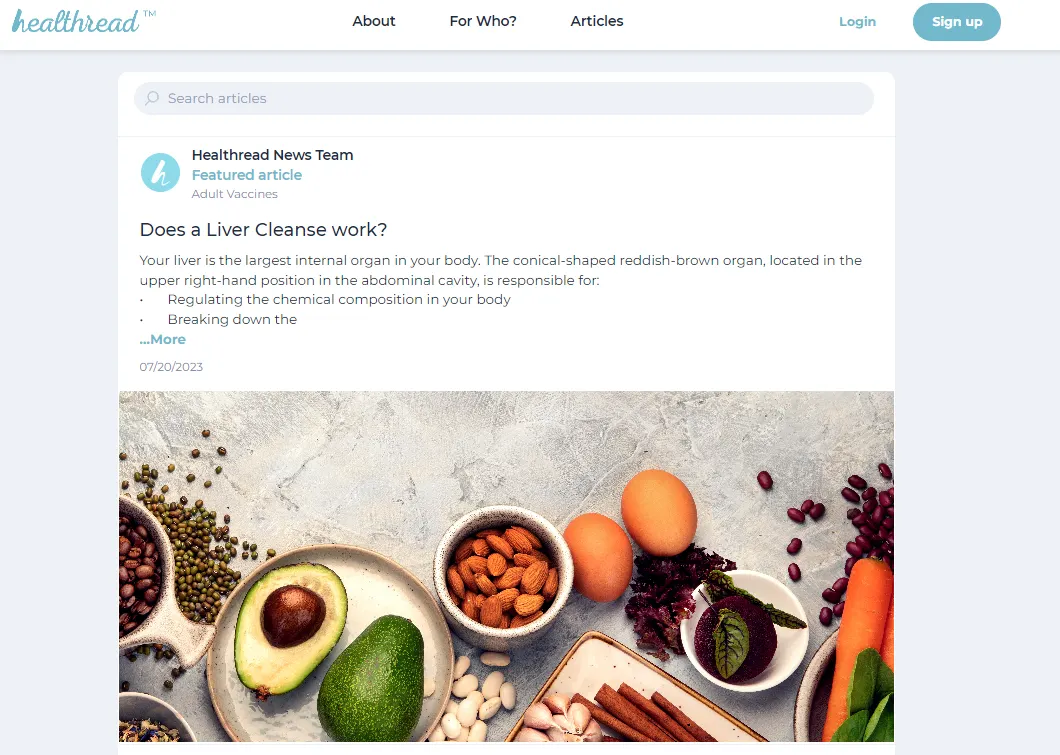
    Essential Elements of Successful App Marketing
    Healthread Articles

    Distributed Healthreads Message through Own Content: Shared value with others by disseminating their message.

    Posted Content to Build Brand Awareness: Published content that resonated with the target audience to build brand recognition.

    Created Healthreads Brand Voice: Developed a strong audience while establishing their brand voice.

    Produced Health and Medical-Themed Ads and Campaigns: Created advertising and campaigns focused on health and medical topics.

    Optimized Landing Pages for Clear CTAs and Accessibility: Designed landing pages with clear calls to action and accessibility to facilitate easy inquiries from potential customers.

    Built App Engagement and Provided Content: Helped users navigate the site by building app engagement and providing content.

    Additionally, they used dynamic marketing techniques to create tailored messages for different customer segments. They also built company pages on LinkedIn, Twitter, Facebook, and Instagram, creating and publishing engaging messages, videos, and images. This led target customers to follow their social media accounts, creating an organic impression.
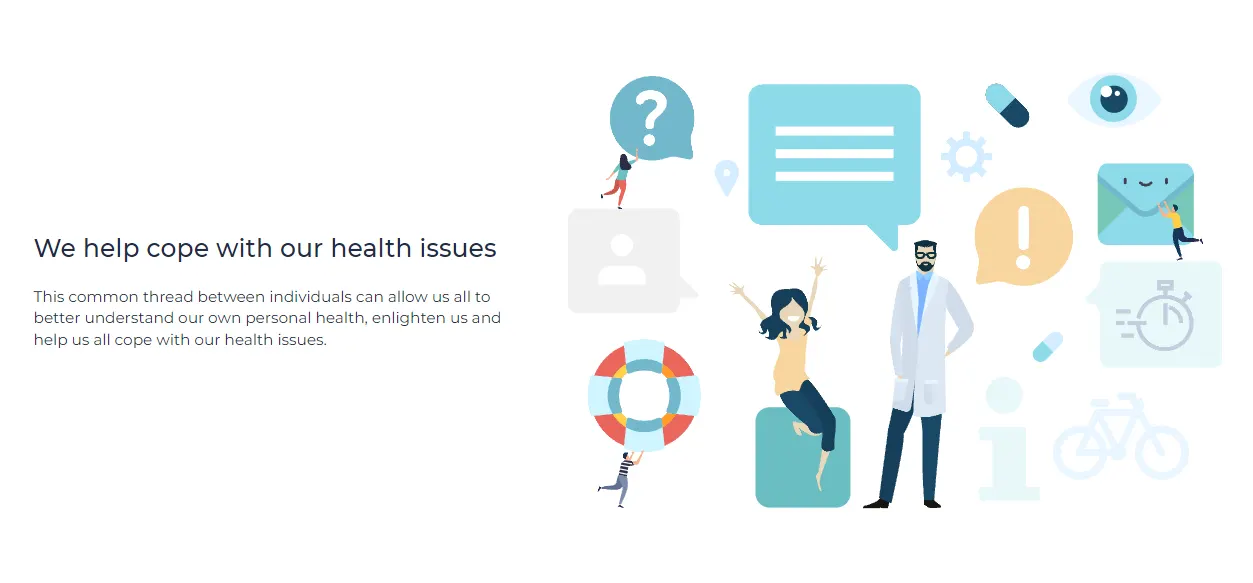
    Built App Engagement and Provided Content

    What Are the Key Elements of an App Marketing Success Story?

    Healthread built a landing page for email sign-ups to generate customer interest even before the app launch. They sent emails containing useful information, such as relevant videos and blog links, to potential customers to maintain their interest until the app was ready. This meticulous app marketing strategy proved successful.

    As a result, they achieved over 15,000 downloads, a 2.3% CTR, and attracted more than 12,000 subscribers through various media and A/B testing on platforms like Buffer, Mailjet, Google Ads, Meta, Reddit, and Apple Search Ads.

    Landing Page-Based App Marketing Success Story

    6th Street

    6th Street Logo
    6thStreet

    6thStreet is the largest omnichannel e-commerce site selling high-end fashion and beauty brands in the UAE, Saudi Arabia, Kuwait, Oman, Bahrain, and Qatar. To generate additional revenue, 6thStreet launched iOS and Android apps in 2018. Given the high app usage in the Middle East, 6thStreet anticipated significant app engagement.

    6thStreets Crisis Detection
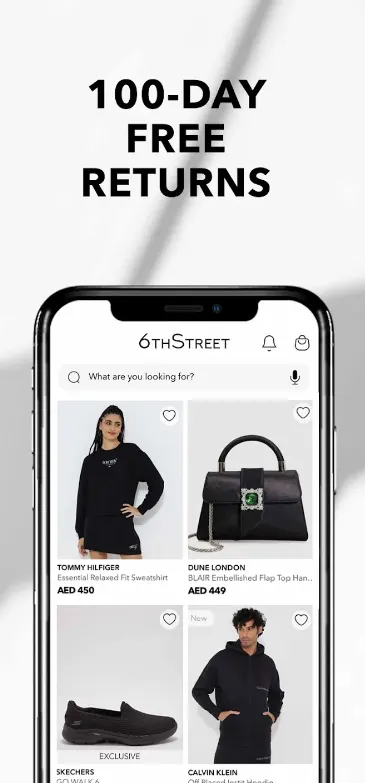
    Landing Page-Based App Marketing Success Story

    The launch of Apples App Tracking Transparency (ATT) framework on iOS significantly impacted advertising spending efficiency and overall acquisition strategy for 6thStreet. They discovered that their app installation campaigns through their own attribution network (SAN) resulted in lower app customer engagement than before.

    Customers acquired through app installation ads tended to uninstall the app shortly after onboarding. Furthermore, retargeting iOS users became challenging due to reduced capabilities of ad networks.

    6thStreets marketing team needed to address these issues swiftly before the Ramadan e-commerce season began.

    Strategy Shift to Web Promotion

    For the Ramadan season campaign, 6thStreets performance marketing team decided to switch from app installation ads to web-based advertising networks such as Meta, Google Ads, and TikTok. This allowed them to redirect ad traffic to their website instead of the App Store. They targeted web visitors from these ad networks and offered discounts on in-app orders.

    They incorporated personalization into 6thStreets marketing strategy during the Ramadan festival promotion period, delivering the right message to the right customer.
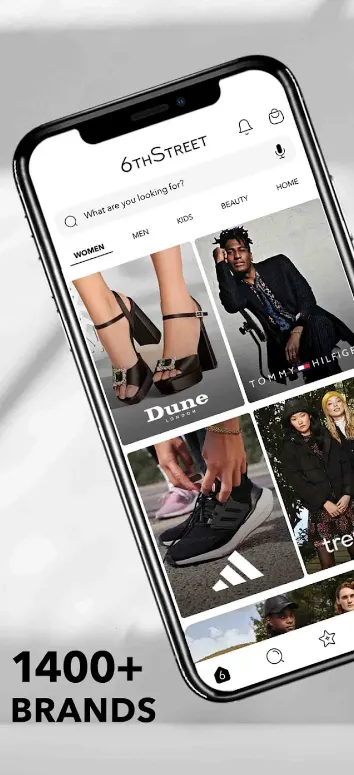
    Strategy Shift to Web Promotion

    By transitioning from app installation ads to web-based ads, 6thStreet could drive more web traffic. To further enhance customer personalization, they also implemented Branch deep links to improve app onboarding experiences.

    Deep links routed users to precise in-app content, leading to increased lifetime value (LTV), loyalty, and revenue compared to users arriving directly from a general landing page. As a result, 6thStreet saw a 60% increase in app installations, a 13% rise in ROAS, and a 70% increase in DAU.

    This success story demonstrates how 6thStreet was able to acquire highly engaged app users at a lower cost compared to other e-commerce brands and re-engage existing users.

    Clear ASO App Marketing Success Story

    wowsblitz

    WowsBlitz Logo
    WowsBlitz

    World of Warships Blitz 3D War is a Korean maritime warfare simulation mobile game. Their goal was to increase exposure and brand awareness globally on the App Store and Google Play Store.

    Challenges for wowsblitz

    The challenge was managing App Store optimization campaigns across multiple countries and languages.

    They had to optimize for French, Italian, Korean, Portuguese, Russian, Spanish, Turkish, Chinese (Traditional), Chinese (Simplified), German, Japanese, and English markets.

    This presented significant difficulties in optimizing across so many diverse markets.

    ASO Optimization Through Partner Collaboration

    wowsblitz tackled the challenge of ASO (App Store Optimization) by combining AI-based ASO tools with in-house expertise. They used keywords that had not been ranked in the 12 localized versions of the App Store. This approach helped them find opportunities to drive more traffic to the game.

    Clear ASO App Marketing Success Story
    World of Warships Blitz 3D War App Store download

    ASO optimization in a single market is challenging enough, let alone across multiple languages and countries. It required substantial resources and strategy. wowsblitz found several partners to assist in achieving their goals. They worked effectively with competent and reliable partners to conduct the ASO process.

    As a result, wowsblitz successfully analyzed keywords with high mentions and conversion rates by country, refining them according to language-specific contexts.

    This led to an average exposure ranking increase of 35% on the App Store, a 73% increase in Spain, and a remarkable 91% increase in Turkey.

    Proven App Marketing Success Stories

    In conclusion, the success stories of Healthread, 6th Street, and wowsblitz demonstrate the power of a well-rounded app marketing strategy.

    By effectively utilizing social media, web promotions, and App Store optimization, these companies achieved remarkable results in visibility, engagement, and downloads.

    Their innovative approaches and targeted efforts provide valuable lessons for anyone looking to enhance their app marketing efforts and drive significant growth.


  • Securing Potential Customers for Business Success

    Securing Potential Customers for Business Success

    Securing potential customers requires significant time and effort, but it is an indispensable process for business success. The more you find new customers, the more revenue you can generate and the more you can grow your business.

    At Growth Marketing Agency, we provide guidance on how to identify and discover potential customers that are suitable for each business.

    Securing Potential Customers: Different Types of Leads

    Securing Potential Customers: Different Types of Leads
    Q. What is a Lead?

    A lead refers to an individual who has shown interest in a company’s products or services. Leads are recorded in various ways, such as email addresses, phone numbers, or names, and are those who are seeking solutions to their problems. Leads can be obtained through specific events like contact forms, website sign-ups, or newsletter subscriptions. They represent a crucial data point for businesses as they indicate interest and potential solutions that your products can offer.

    Types of Potential Customers Leads

    Types of Potential Customers Leads

    Information Qualified Lead (IQL): Also known as a cold lead, an IQL is someone who has just started searching for products or services. They may provide contact information in exchange for useful information but generally do not know how a company can help them.

    Marketing Qualified Lead (MQL): Also known as a warm lead, an MQL is someone who has taken some action to learn more about your products or services. This might be through targeted ads, affiliate marketing, or email campaigns. MQLs often provide their name, email address, and phone number in exchange for offers like eBooks, promotional proposals, newsletters, or free quotes.

    Sales Qualified Lead (SQL): Also referred to as a hot lead, an SQL is a customer ready to make a purchase. They have shown interest, gathered information, compared options, and are prepared to buy. SQLs have the highest likelihood of converting from a potential customer to a buyer.

    Importance of Securing Leads from Potential Customers

    Finding leads through marketing is a valuable strategy for increasing business revenue. When marketers identify strong leads, they can develop more efficient and effective sales strategies tailored to the relevant information. This allows marketers to target individuals who already know about and are interested in your products or services.

    Importance of Securing Lead

    Well-targeted customers are more likely to purchase than those unfamiliar with your products. Genuine interest from potential customers often leads to faster conversions.

    ? If you want to attract people to your brand, check out Growth Marketing Agency’s marketing strategies.

    Reevaluate Your Targeting

    Reevaluate Your Targeting

    When you started your business, you likely targeted a specific group of people. However, was sticking to that initial group the right choice?

    Lead generation provides an opportunity to learn more about potential customers in detail. You might end up engaging individuals not included in your original marketing campaigns.

    By gathering insights from a customer perspective and generating high-quality leads, marketers can identify market trends and explore new markets that were previously inaccessible.

    Enhance Lead Quality with Persuasive Techniques

    As you continue to secure leads, you’ll be able to adopt a highly targeted approach. Every piece of content created for your brand, from website and email copy to social media and blog posts, will be crafted with advanced targeting in mind.

    This allows marketers to create more relevant and appealing topics and messages for each target audience.

    Properly executed lead generation can maximize your brand’s capabilities to achieve marketing goals. You’ll find it easier to capture the interest of qualified leads and guide them toward conversion.

    Enhance Lead Quality with Persuasive Techniques

    Focusing on the problems that potential customers care about will make them more open and interested in your brand. Improved lead quality can enhance conversion rates and boost revenue, potentially increasing your sales growth beyond expectations.

    Building customer reviews is also an effective way to address potential customer problems. For example, potential customers need strong persuasion to convert, and few things are more persuasive than past customer reviews.

    When potential customers see or hear from other consumers who have resolved similar issues with your product, it adds substantial persuasive power. However, obtaining customer reviews isn’t automatic and may involve costs to request recommendations.

    As you generate more potential customers, collecting customer reviews can be utilized in marketing materials such as websites, emails, videos, social media posts, and infographics.

    ? Learn about the impact of product reviews on conversion rates.

    Potential Customers Lead Generation Marketing Strategy

    Determine Target Customers

    Potential Customers Lead Generation Marketing Strategy

    If potential customers do not convert into suitable clients, generating leads is pointless. Therefore, start by conducting research to accurately identify your target audience.

    Understand your ideal customers’ backgrounds, goals, online habits, challenges, and their buying processes.

    Once you have detailed information about your target potential customers, tailor your lead generation marketing campaigns to their preferences, including messaging and traffic channels.c

    Set Campaign Goals

    To achieve success in marketing campaigns, set specific goals. Generating as many leads as possible might not always be the goal. Benchmark past performance to set specific targets such as the number of visits and conversion rates.

    If you havent started tracking yet, now is the time. Understanding the impact of potential customers on your brand will help you determine how many customers are needed to meet sales goals.

    Then, calculate the average number of leads that convert into buyers and adjust conversion rates and goals accordingly.

    Attract Ideal Customers

    Attract Ideal Customers

    Today’s potential customers are more cautious and require more compelling offers. It is no longer easy to attract ideal potential customers as before.

    ? Marketers need to make unique and highly attractive offers in their campaigns to achieve results. This requires considerable effort.

    Build Landing Pages

    Build Landing Pages

    Once you know what to offer potential customers, you need to persuade them to make a purchase. Landing pages are an excellent way to directly guide customers to a call to action (CTA). Therefore, businesses should provide persuasive landing pages.

    A landing page is the first page users see when they click on a site. It includes marketing to promote the company’s products and services. In digital marketing, landing pages primarily focus on conversion rates.

    They should drive more traffic and convert it into sales, helping users develop an interest in your products or services and achieve business goals.

    Test Your Campaign

    Before driving traffic, conduct thorough campaign testing. Act as if you are a potential customer accessing the landing page through various links, such as email or social media posts. Ensure these links work correctly and verify that the landing page displays as intended across all browsers.

    Interact with the page sufficiently to ensure all processes, from the frontend to the backend, function smoothly.

    Analyze and Optimize Lead Generation Marketing

    Even the best marketers can’t do everything perfectly. Using analysis software is a smart approach to quickly optimize campaigns based on data.

    ? How does Growth Marketing Agency utilize analysis tools?

    Securing Potential Customers by Cultivating Diverse Lead Sources

    Securing Potential Customers by Cultivating Diverse Lead Sources

    Achieving a successful lead generation campaign requires a multifaceted approach. Developing effective, customized strategies for each channel and nurturing lead sources is essential. Many small businesses face increased challenges due to digital saturation.

    Maintaining a steady influx of new leads in a digitally oversaturated market can be challenging. Therefore, many companies need to overcome these obstacles and elevate their business to a higher level.

  • Naver Ads: How to Avoid Common Mistakes

    Naver Ads: How to Avoid Common Mistakes

    Naver is South Korea’s largest portal site, where many people search for and consume information. As such, Naver ads plays a vital role in promoting businesses and attracting customers.

    When starting Naver ads, many people make similar mistakes. If you know about these mistakes in advance and avoid them, you can greatly improve your advertising effectiveness. Let’s look at what kinds of mistakes there are, one by one.

    Keyword Selection Mistakes in Naver Ads

    Naver Ads: Search ads
    Naver Search Ads

    1. Advertising Only with Your Company Name or Brand Name

    “Advertising with our company name should be enough, right?” 

    While this can help increase brand awareness, it has limitations in attracting new customers. This is because people who don’t know your brand won’t search for that keyword.

    Example:

    • Incorrect: “Happy Bakery” (using only the business name)
    • Improved: “Nearby bakery”, “Fresh daily bread”, “Organic bakery”, etc.

    2. Choosing Keywords with Low Relevance

    “Any popular keyword should be good?” 

    That’s not the case. Advertising with keywords unrelated to your business will result in low click-through rates, and even if there are clicks, the conversion rate will be low.

    Example:

    • Incorrect: Using “restaurants” keyword for a clothing store
    • Improved: “Daily look”, “Office wear”, “Women’s clothing in their 20s”, etc.

    3. Using Overly Broad or Narrow Keywords

    Keywords that are too broad like “fashion” are highly competitive and costly, while overly specific keywords like “2024 spring new pink cashmere sweater” may have low search volume and be less effective.

    Example:

    • Incorrect: “Clothes” (too broad) or “2024 spring new pink cashmere sweater” (too specific)
    • Improved: “Spring new sweater”, “Cashmere sweater recommendations”, etc.

    ? Keyword Selection Tips:

    • Think about search terms that people looking for your product or service might actually use.
    • Utilize Naver’s search autocomplete feature to find related keywords.
    • Use Naver’s keyword tools to check search volume and competition.
    • Appropriately combine long-term and short-term keywords.

    Naver Ads Budget Management Mistakes

    Budget management is crucial for maximizing advertising effectiveness and reducing unnecessary spending. However, many beginners make mistakes in this area.

    1. Starting Without a Proper Budget Plan

    “I’ll just start and adjust later?” 

    This approach can quickly deplete your budget or, conversely, result in insufficient budget for effectiveness.

    Example:

    • Incorrect: Starting without setting a monthly budget
    • Improved: Allocating 10% of monthly revenue for advertising and dividing it into daily budgets

    2. Falling for Monthly Fixed-Rate Inducements

    “Monthly fixed-rate seems convenient and good, doesn’t it?” 

    While it may be convenient, you might end up paying fixed costs regardless of actual advertising effectiveness. This is particularly risky for beginners who may find it difficult to accurately assess their advertising performance.

    Example:

    • Incorrect: Signing a 1 million KRW monthly fixed-rate contract without knowing advertising performance
    • Improved: Starting with CPC (Cost Per Click) method and gradually increasing budget based on performance

    ? Budget Management Tips:

    • Start with a small budget and gradually increase it.
    • Set daily budget limits to prevent excessive spending.
    • Regularly check advertising performance and calculate ROI (Return on Investment).

    Lack of Landing Page Optimization

    No matter how good your keywords are for advertising, if the page visitors land on (landing page) after clicking is not optimized, the advertising effect will decrease. Many beginners overlook this aspect.

    1. Using Landing Pages That Don’t Match the Search Terms

    “Sending them to our homepage main page should be fine, right?” 

    That’s not the case. You should link to pages related to what the user searched for.

    Example:

    • Incorrect: Linking “winter padding” keyword ad to the company’s homepage main page
    • Improved: Directly linking “winter padding” keyword ad to the winter padding product page

    2. Providing Complex and Inconvenient User Experience

    “The more information, the better?” 

    This can actually have the opposite effect. Users should be able to find the information they want quickly and easily.

    Example:

    • Incorrect: Too many pop-ups, complex menu structure, slow loading speed
    • Improved: Clean design, clear CTA (Call-to-Action) buttons, fast loading speed

    ? Landing Page Optimization Tips:

    • Clearly display content related to the search keyword at the top of the landing page.
    • Apply responsive design for mobile users.
    • Optimize page loading speed.
    • Provide clear CTAs (Buy Now, Inquire, etc.).
    • Continuously improve landing pages through A/B testing.

    Insufficient Targeting Settings in Naver Ads

    Accurate targeting is a key factor in increasing advertising efficiency. However, many beginners overlook or incorrectly set this part.

    1. Ignoring Targeting Options Like Region, Gender, Age, etc.

    “Isn’t it better to advertise to everyone?” 

    That’s not the case. This can waste budget on unnecessary exposures and clicks.

    Example:

    • Incorrect: Advertising to all age groups nationwide
    • Improved: Setting target as women in their 20s-30s in Seoul (for a women’s clothing shopping mall)

    2. Advertising to Unnecessary Regions

    “Our store is in Seoul, but should we advertise nationwide?” 

    For offline stores, it’s more effective to focus on the local area and nearby regions.

    Example:

    • Incorrect: Advertising an offline store in Gangnam-gu, Seoul, nationwide
    • Improved: Limiting advertising to Gangnam-gu and adjacent districts

    ? Targeting Setting Tips:

    • Accurately identify your main customer base.
    • Utilize various targeting options in Naver advertising (region, gender, age, interests, etc.).
    • Use time-of-day targeting to increase efficiency (e.g., restaurant ads during lunch hours).
    • Use retargeting to advertise again to users who have previously visited your site.

    Effective Naver Ads Strategies

    An effective keyword strategy is key to success in Naver advertising. How can we select and manage good keywords?

    Setting Up Highly Relevant Keyword Groups

    Grouping related keywords is more effective than randomly listing keywords. This makes ad management easier and can increase quality scores.

    Example:

    • Group 1: Women’s sneakers, Women’s running shoes, Women’s walking shoes
    • Group 2: Men’s dress shoes, Men’s formal shoes, Men’s loafers

    Using Synonyms and Related Search Terms

    People search for the same meaning using various expressions. Include these diverse expressions to increase your ad’s exposure opportunities.

    Example:

    • Main keyword: Diet meal plan
    • Synonyms/Related terms: Weight loss food, Low-calorie meal plan, Diet food recommendations

    ? Keyword Strategy Tips:

    • Use Naver’s search autocomplete feature to find related keywords.
    • Use Naver’s keyword tools to check search volume and competition.
    • Reference competitors’ ad keywords, but don’t blindly copy them.
    • Regularly analyze keyword performance and boldly remove ineffective keywords.

    Budget Management

    Effective budget management is crucial for increasing ad ROI. How can we manage the budget efficiently?

    Establishing an Appropriate Budget Plan

    Rather than blindly investing budget, you should establish a systematic plan. It’s good to start with a small budget and gradually increase it.

    Example:

    • Stage 1 (Weeks 1-2): Start with a daily budget of 10,000 KRW
    • Stage 2 (Weeks 3-4): Increase daily budget to 20,000-30,000 KRW based on performance
    • Stage 3 (Week 5 onwards): Set optimal budget considering ROI

    Adjusting Bid Prices by Keyword

    Applying the same bid price to all keywords is inefficient. Adjust bid prices according to each keyword’s performance and importance.

    Example:

    • High-performing keyword “Diet lunch box”: Increase bid price
    • Low-performing keyword “Healthy food”: Decrease bid price or pause temporarily

    ? Budget Management Tips:

    • Set daily budget limits to prevent excessive spending.
    • Analyze ad performance and readjust budget on a weekly or monthly basis.
    • Operate budget flexibly according to peak/off-peak seasons.
    • Allocate more budget to keywords with high conversion value.

    Landing Page Optimization for Naver Ads

    No matter how good your ad is, if the landing page isn’t optimized, its effectiveness will decrease. How can we optimize landing pages?

    Providing Landing Pages That Match Search Terms

    Users expect the information they searched for on the landing page. Accurately reflecting this expectation increases the conversion rate.

    Example:

    • Search term “Affordable men’s suits”: Link to the men’s suits page with sale information

    Simplifying Design and Navigation

    A complicated page design can discourage users. Make it simple and easy for users to find the information they want.

    Example:

    • Incorrect: Complicated menus and various pop-ups
    • Improved: Simple menu structure, clear CTAs, fast page loading speed

    ? Landing Page Optimization Tips:

    • Ensure content related to the search keyword is visible at the top of the landing page.
    • Apply responsive design for mobile users.
    • Optimize page loading speed.
    • Provide clear CTAs (Buy Now, Inquire, etc.).
    • Continuously improve landing pages through A/B testing.

    Precise Targeting Settings

    Accurate targeting increases ad efficiency. How can we set precise targeting?

    Setting Targeting by Region, Gender, Age, etc.

    Naver ad platform allows for detailed targeting. Use this to accurately set your main customer base.

    Example:

    • Demographic targeting: Women in their 20s-30s interested in fashion
    • Regional targeting: Users in Seoul and adjacent areas

    Using Time-of-Day Targeting

    People’s online activities vary by time of day. Targeting ads at specific times can increase their effectiveness.

    Example:

    • Restaurant ads: Displayed around lunch and dinner times

    ? Targeting Setting Tips:

    • Accurately identify your main customer base.
    • Utilize various targeting options in Naver advertising (region, gender, age, interests, etc.).
    • Use time-of-day targeting to increase efficiency (e.g., restaurant ads during lunch hours).
    • Use retargeting to advertise again to users who have previously visited your site.

    Conclusion

    We covered crucial considerations and frequent errors that beginners to Naver advertising should be aware of. By avoiding common mistakes in keyword selection, budget management, landing page optimization, and targeting settings, you can maximize your advertising effectiveness and save unnecessary costs.

    Naver Ads Partner

    Finally, remember that successful advertising requires continuous analysis and improvement. By regularly analyzing performance data and reflecting results in future strategies, you can achieve more effective advertising results.

    Growth Marketing Agency is an official partner of Naver, equipped with the knowledge and expertise to help you navigate the complexities of Naver advertising.

    Unlike Google and Meta, where simply registering is enough to start working with the platforms, Naver and Kakao require agencies to be qualified and licensed to become official partners.

    This distinction is significant in Korea, highlighting the importance of working with an officially recognized agency. 

    Our team of experienced professionals is dedicated to maximizing your ad performance, ensuring that your campaigns reach the right audience and achieve optimal results. If you have any questions or difficulties, don’t hesitate to seek our expert advice.

  • B2B 스타트업 마케팅 사례 분석 및 전략

    B2B 스타트업 마케팅 사례 분석 및 전략

    빠르게 변화하는 시장에서 B2B 스타트업은 다양한 시행착오를 경험하게 됩니다. 치열한 경쟁 속에서 일부는 눈부신 성공을 거두지만, 다른 일부는 시장의 파도에 휩쓸려 사라지게 되죠.

    이러한 차이는 어디에서 만들어지는 걸까요? 이 글에서는 BuzzGuRu와 Argyle Social, 두 기업의 사례를 통해 B2B 스타트업의 마케팅 전략의 중요성에 대해 살펴보고자 합니다.

    B2B 스타트업 마케팅 실패 사례 – Argyle Social

    B2B 스타트업 마케팅 실패 사례
    Argyle Social

    Argyle Social은 소셜 마케팅 플랫폼을 제공하는 기업이었습니다. 이 기업은 마케터가 고객의 소셜 미디어 플랫폼 참여 및 리드 생성을 구체적으로 개선할 수 있도록 돕는 대화형 플랫폼을 제공했습니다.

    이 플랫폼은 직관적인 대시보드와 효과적인 일정 관리 기능, 게다가 합리적인 가격으로 마케터들이 가장 선호하는 프로그램으로 불리기도 했죠.

    훗날 Argyle Social의 실패는 복합적인 요인들이 얽혀 있는데, 이를 크게 세 가지 측면에서 살펴볼 수 있습니다.

    시장과 고객에 대한 이해 부족

    Argyle Social은 소셜 미디어 마케팅 도구 시장의 빠른 변화를 제대로 파악하지 못했고, 고객들의 변화하는 요구사항과 트렌드를 따라가지 못했습니다.

    이로 인해 자사 제품의 고유한 가치 제안을 명확히 하지 못했고, 경쟁이 치열해지는 시장에서 다른 유사한 도구들과의 차별점을 효과적으로 커뮤니케이션하지 못했습니다.

    또한, 타겟 고객 설정에 있어서도 혼란을 겪었는데요. 초기에는 중소기업을 대상으로 했다가 후에 대기업으로 전환하려는 과정에서 명확한 타겟 설정에 실패했고, 각 세그먼트의 특정 니즈에 맞는 맞춤형 마케팅 메시지를 개발하지 못했습니다.

    효과적인 마케팅 전략 수립과 실행 실패

    Argyle Social은 자사가 판매하는 도구의 전문성을 보여줄 수 있는 양질의 콘텐츠를 제작하지 못해 thought leadership을 확립하지 못했고, 이는 업계에서의 신뢰도 구축 실패로 이어졌습니다.

    효율적인 마케팅 채널을 찾지 못해 고객 획득 비용(CAC)이 지속적으로 증가했고, CAC 대비 고객 생애 가치(LTV)의 균형을 맞추지 못했습니다.

    또한, 보완적인 서비스나 도구와의 전략적 파트너십을 구축하지 못해 마케팅 채널의 다양화와 시장 점유율 확대 기회를 놓쳤습니다.

    B2B 스타트업 사례 분석 및 전략
    B2B 스타트업 사례 분석 및 전략

    자체 마케팅을 시도하지 않음

    Argyle Social을 운영한 4년 동안 약 500개 기업이 그들의 플랫폼을 사용했습니다. 중간 시장 가격으로 적절한 수익을 올리긴 했으나, 창업자인 Adam Covati는 거대 기업과 경쟁하는 것은 힘든 싸움이었다고 말했습니다.

    “Argyle Social은 고객들이 직접 마케팅 매개체가 됐기 때문에 자체 마케팅에 투자를 하지 않았습니다. 좋은 기술, 자원만으로는 부족하다는 사실을 몰랐던 것이죠. 돌이켜보면 그때부터 계속해서 자체 마케팅에 과감한 투자를 했어야 했는데, 우리는 그렇게 하지 않았습니다.”

    자금 운영이 어렵다는 이유로 자체 마케팅을 시도하지 않았기 때문에, Argyle Social은 초반에 많은 고객들을 끌어당겼음에도 불구하고, 경쟁사들에게 손쉽게 고객들을 빼앗기고 말았습니다.

    B2B 스타트업 마케팅 성공 사례 – BuzzGuru

    시장동향 변화에 따라 인플루언서 마케팅은 매해 큰 영향력이 커지고 있습니다. 2016년 이후로 인플루언서 마케팅에 대한 관심을 6배 정도 증가했고, 이에 투자되는 예산 또한 2배 가량 증가해왔습니다.

    이때 기업들은 인플루언서 마케팅 플랫폼을 찾지 못해 모든 작업을 수작업으로 진행했습니다. 또한 적합한 인플루언서를 찾아내기도 힘들었었죠.

    B2B 스타트업 마케팅 성공 사례
    BuzzGuru

    BuzzGuRu는 YouTube, Instagram, TikTok, Twitch 등 인플루언서 마케팅 캠페인을 진행하는 올인원 인플루언서 마케팅 플랫폼입니다. BuzzGuRu는 마케터가 인플루언서 마케팅 데이터를 더 쉽게 측정할 수 있도록 돕는 인플루언서 검색 플랫폼을 구축해 업계에 큰 반향을 불러왔죠.

    물론 BuzzGuru도 위기가 없었던 것은 아닙니다. 초반 사업 설계 과정에서 시장 조사가 미흡했기 때문에, 결국 장기적으로는 시장에서 큰 매력을 보여주지 못한다는 한계에 부딪히게 되었는데요.

    이러한 문제를 극복할 수 있었던 BuzzGuru의 마케팅 전략에 대해 살펴보겠습니다.

    전략 보고서 활용

    BuzzGuRu는 66페이지 분량의 전략 보고서를 발행했습니다. 이 보고서는 높은 수준의 통계 자료부터 인플루언서 및 브랜드에 이르기까지 인플루언서 마케팅의 다양한 정보를 심층적으로 보여줍니다.

    주로 소비자 인플루언서 마케팅에 초점을 맞추고 있지만, B2B 마케터들은 보고서에서 그들의 아이디어와 통찰력을 충분히 확인할 수 있었습니다. 이는 잠재 고객들을 끌어모으기에 충분한 자료였죠.

    적극적인 콘텐츠 마케팅

    B2B 콘텐츠 마케팅이 다른 유형의 콘텐츠 마케팅과 다른 점은 콘텐츠 마케팅이 기업을 위해 사용된다는 것입니다. 이는 평범한 소비자를 대상으로 한 콘텐츠가 아니기 때문에 청중이 원하는 콘텐츠를 제공하기 전에 타겟팅할 고객을 최대한 많이 파악해야 합니다.

    이에 BuzzGuru는 Owned Media 콘텐츠를 발행해 마케팅에 적극 활용했습니다. 이전에 회사 운영의 패인이었던 부족한 시장조사를 보완하고 잠재 고객에 대한 연구를 진행하고, 이를 육성시킬 수 있는 방법으로 콘텐츠 마케팅을 선택한 것입니다.

    데이터 기반 의사결정

    BuzzGuRu는 데이터 기반의 의사결정과 지속적인 제품 개선을 통해 시장 적합성을 유지했습니다. 그들은 자사의 마케팅 성과를 정확히 측정하고 분석하는 시스템을 구축하여, 이를 바탕으로 전략을 지속적으로 조정하고 리소스를 효율적으로 할당했습니다.

    또한, 시장의 변화와 고객의 피드백을 반영하여 제품을 끊임없이 개선하고 적응시켰습니다. 이를 통해 마케팅 메시지와 실제 제품 간의 일관성을 유지하며, 고객 만족도를 높이고 시장에서의 경쟁력을 강화할 수 있었습니다.

    중소규모 B2B 스타트업, 어떤 전략을 수립해야 하나?

    중소규모 B2B 기업들은 주로 특정 업계에서 핵심 키워드를 중심으로 한 뚜렷한 소구점을 확립하여 선도 기업이 되는 것을 목표로 합니다.

    이는 경쟁이 치열한 시장에서 유효한 전략이지만, 장기적으로는 충분하지 않을 수 있습니다. 혁신적인 소구점은 곧 경쟁사들에 의해 모방되기 때문입니다.

    따라서 B2B 스타트업은 독특한 소구점을 개발하는 것뿐만 아니라, 이를 지속적으로 강화하고 방어하는 전략도 필요합니다.

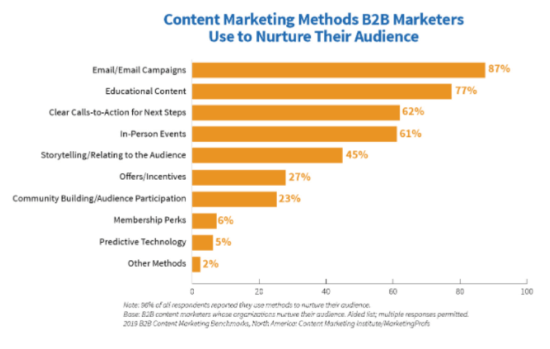
    B2B 마케팅 담당자가 잠재고객을 육성하기 위해 사용하는 콘텐츠 마케팅 방법
    B2B 마케팅 담당자가 잠재고객을 육성하기 위해 사용하는 콘텐츠 마케팅 방법 (출처: How to create a B2B content marketing funnel | Smart Insights)

    이러한 맥락에서 콘텐츠 마케팅과 같은 자체 마케팅 전략이 중요합니다. 이 방식은 초기 자본이 제한적인 상황에서도 실행 가능하며, 효과적으로 수행될 경우 높은 수익을 창출할 수 있습니다.

    그러나 각 산업과 목표 고객의 특성을 고려하지 않은 일률적인 전략은 자원 낭비를 초래할 수 있습니다. 따라서 B2B 스타트업은 자사의 독특한 가치 제안을 중심으로 한 차별화된 소구점과 이를 효과적으로 전달할 맞춤형 콘텐츠 마케팅 전략을 수립해야 합니다.

    필요시 전문가의 도움을 받아 산업 특성과 고객 니즈에 부합하는 정교한 전략을 개발함으로써, 경쟁이 치열한 B2B 시장에서 지속 가능한 성장을 달성할 수 있을 것입니다.

  • B2B Marketing KPIs: What Metrics to Focus On?

    B2B Marketing KPIs: What Metrics to Focus On?

    In all marketing efforts, KPIs (Key Performance Indicators) are crucial for building and maintaining business competitiveness. Especially in B2B marketing, it’s common to lack a concrete plan for setting and achieving KPIs. As a marketer, establishing and tracking the right B2B marketing KPIs is essential since they guide the company toward growth.

    Strategy Development Through Performance Measurement

    B2B ??? KPI ?? ??

    B2B marketing KPIs like revenue, customer acquisition rates, and brand awareness help understand how efforts and strategies contribute to a company’s growth. Through these metrics, marketers can set clearer goals and develop effective strategies. For instance, if the goal is to increase sales of a particular product, focusing on KPIs such as lead generation rates and sales growth can be pivotal.

    B2B marketing KPIs play a critical role in securing a competitive edge in the market. By comparing your performance with competitors, you can understand your standing and strive for better outcomes, thereby strengthening your market position.

    Key Strategies for Continuous Growth

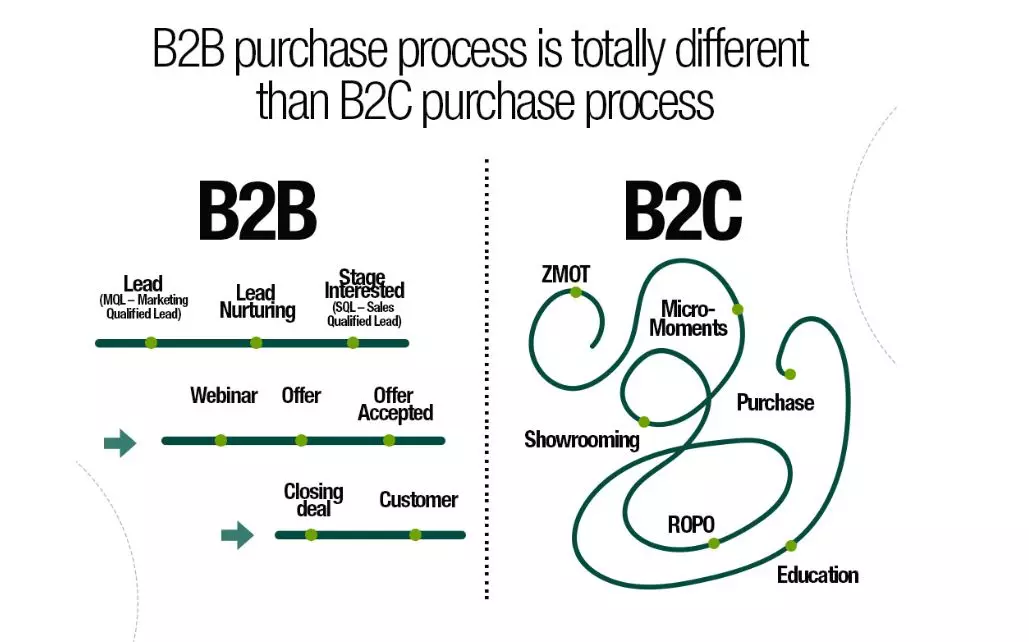
    B2B vs. B2C ?? ???? ??
    SALESMANAGO

    The B2B market is constantly evolving, with purchase cycles becoming increasingly longer.

    Research shows that about 74.6% of B2B sales to new customers take over four months to close. This indicates a lengthy time from initial lead intake to revenue conversion.

    As the time required for lead nurturing extends, the importance of setting and tracking marketing KPIs in the B2B market becomes more pronounced. With new technologies and market trends continuously changing, analyzing these shifts through KPIs allows for agile responses.

    Consistent KPI analysis, rather than short-term, helps companies appropriately grasp and adjust to the flow of change.

    Which B2B Marketing KPIs Should You Track?

    Setting the right KPIs in B2B marketing can be challenging even for skilled marketers. However, it’s a fundamental step that cannot be avoided if you want to measure performance and optimize strategies.

    To set the right KPIs, you should first consider the following goals and strategies:

    Revenue and Customer Acquisition

    • Monthly Revenue Growth Rate: Beyond the size of revenue, measuring the rate of change in monthly revenue helps grasp the growth trend of the company. Since B2B is based on long-term relationships, continuously analyzing these trends is crucial.
    • Customer Acquisition Cost (CAC): CAC is the cost required to acquire a new customer. By understanding the cost spent on acquiring new customers, you can evaluate if the marketing budget is being used effectively. Reducing CAC is a vital element in improving cost-effectiveness.

    Click-Through Rate (CTR)

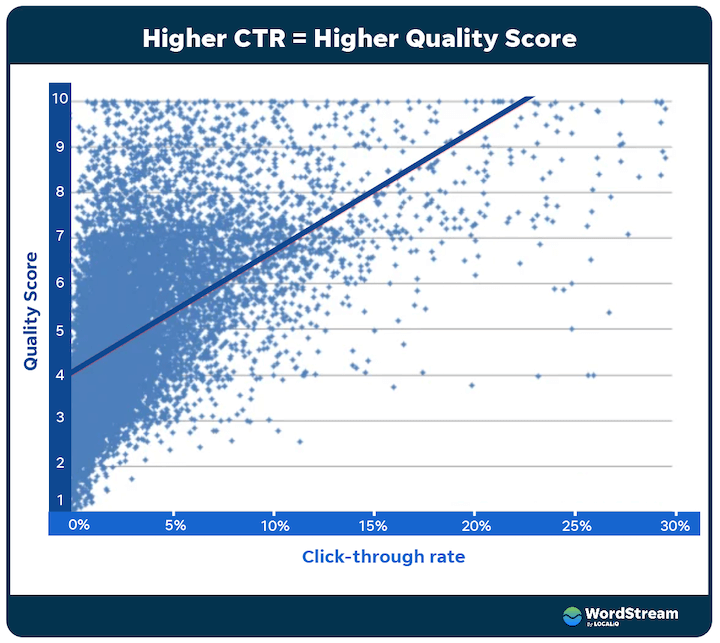
    CTR? ?? ??
    Click-Through Rate (CTR): Understanding Click-Through Rate for PPC

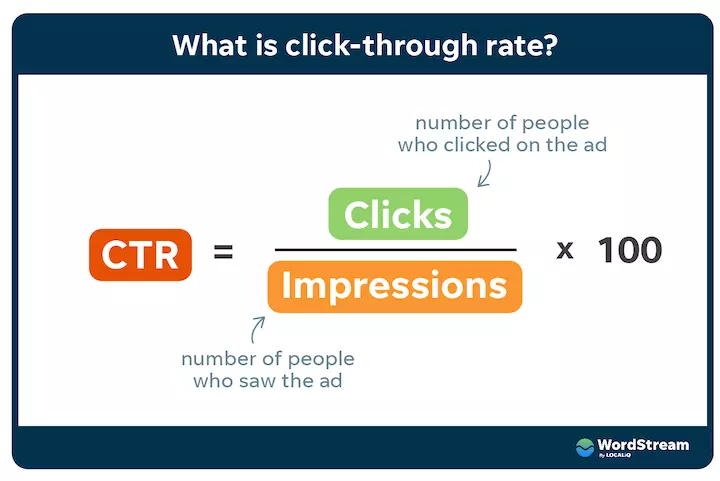
    CTR, or Click-Through Rate, is a significant metric that indicates the effectiveness of marketing campaigns or content. It represents the ratio of clicks to impressions and provides insight into how users respond to and take action on ads.

    CTR ?? ??

    To improve CTR, consider the following methods:

    • Select keywords highly relevant to the target audience.
    • Write clear and concise ad copy.
    • Use images or videos to enhance visual appeal.
    • Reset targeting for ad exposure.

    Lead Generation and Conversion Rate Optimization

    • Marketing Qualified Lead (MQL)
      • MQLs are customers interested in your product or service and can be considered potential customers for sales conversion. Actively managing MQLs helps effectively attract customers leading to sales conversion.
      • MQLs can be identified through actions such as searching for products on the website, subscribing to newsletters, or leaving emails. It’s essential to note that while MQLs have passed through the marketing funnel, they may not always convert to customers, requiring additional effort.
    • Conversion Rate Optimization (CRO)
    ??? KPI ???? - CRO? ?????
    Conversion Rate Optimization (CRO): Ultimate Guide

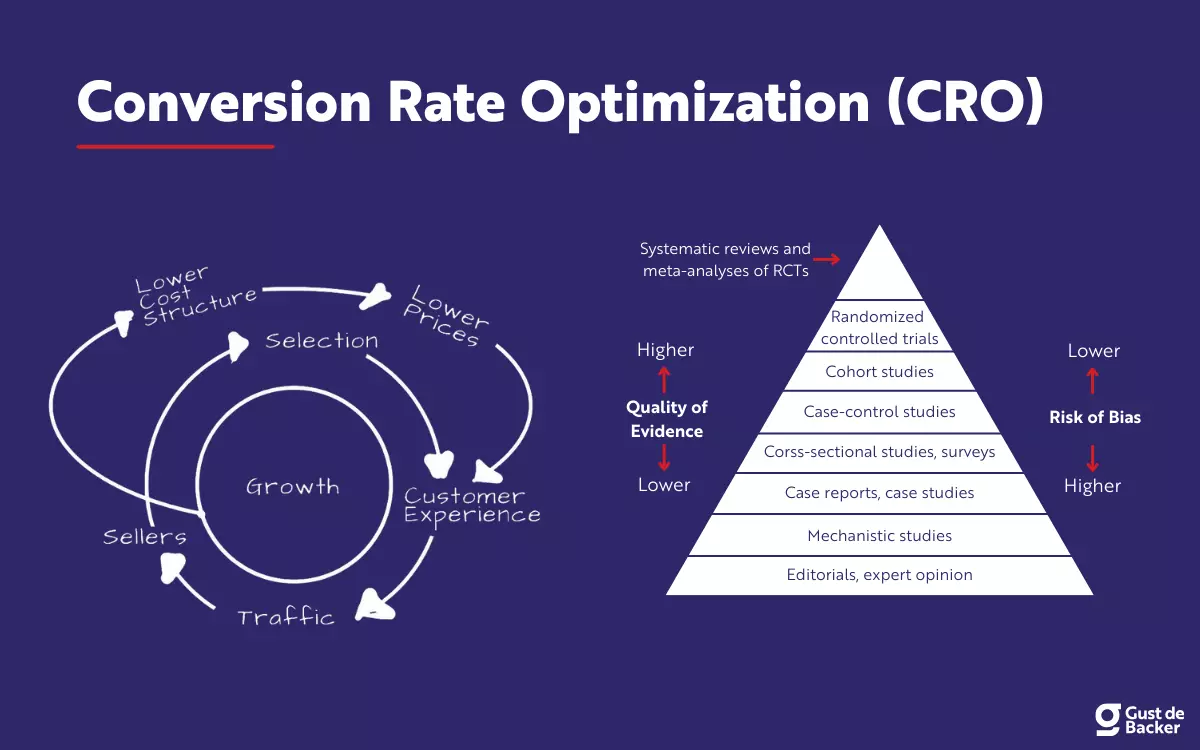
    CRO refers to the process of increasing conversion rates to achieve desired results from marketing activities. Higher conversion rates improve efficiency. The steps for optimizing conversion rates for B2B marketing KPIs include:

    • Setting goals
    • Collecting data
    • Analyzing and improving
    • Testing and applying
    • Implementing and monitoring
    • Segmenting target customers
    • Content activities
    • Nurturing by channel
    • Improving the conversion process

    Measuring Various B2B Marketing KPI Performances

    Competent B2B marketers utilize various KPIs to measure and improve strategy performance. These KPIs are essential for reviewing different aspects of marketing and establishing effective strategies and optimizations.

    Traffic and Entry Paths

    • Organic Traffic: Organic traffic from search engines reflects the performance of the website’s SEO. By measuring keyword rankings and the amount of traffic, you can assess the effectiveness of your SEO strategy.
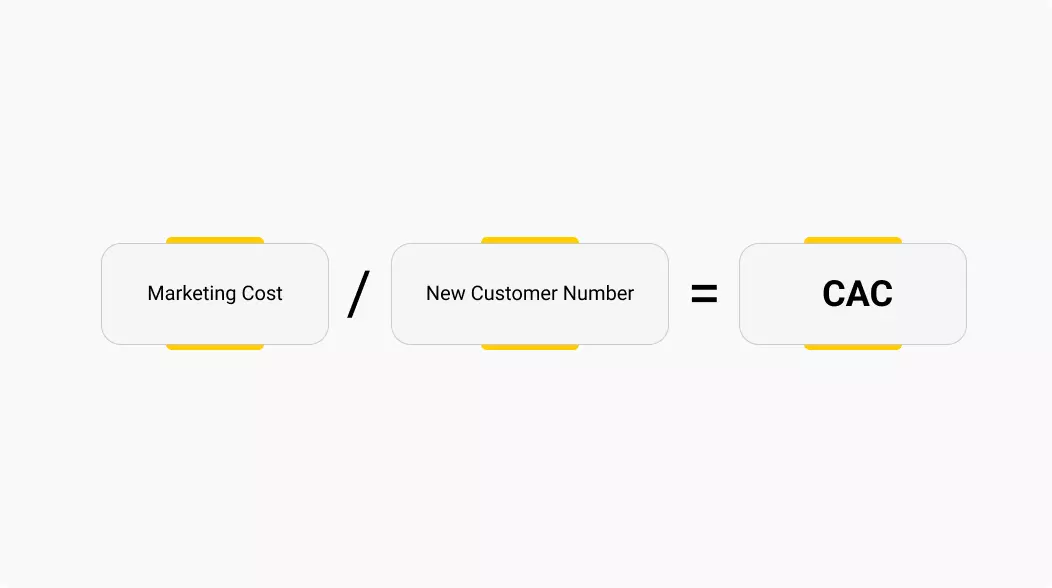
    • Cost Per Click (CPC): To determine CAC, divide the total marketing cost by the number of new clients generated over a set period. CPC measures the cost per click for ads, playing a crucial role in assessing the profitability of ad campaigns by evaluating budget efficiency.
    B2B ??? KPI - CAC??
    To determine your CAC, you need to divide your total marketing cost by the number of new customers generated over a predetermined period of time.

    Measuring Content Effectiveness

    • Downloads and Shares: Track the number of times in-depth content is downloaded or shared to gauge interest and empathy with the brand’s content.
    • Website Visit Duration: The time visitors spend on the website serves as a benchmark for content quality and user experience. Long visit durations indicate successful content, providing positive data for lead generation.

    Email Marketing and Automation

    • Email Open Rates and Click Rates: Checking open rates and click rates is essential for measuring the effectiveness of email campaigns. Improve open rates with compelling subject lines, and drive clicks with personalized and relevant content.
    • Automation Flow Effectiveness: Analyze how email automation flows guide the customer journey. Automation is a highly effective strategy for building efficient marketing strategies.

    Engagement and Conversion

    • Attendee Registration and Participation Rates: The success of online events or webinars is reflected in attendee registration and participation rates. Planning and measuring engaging and informative events can enhance brand value.
    • Post-Event Conversion Rates: Check the conversion rate of participants after events to connect the event’s effectiveness to actual business results.

    Improving Profitability

    • ROI and ROAS

    ROI (Return on Investment) and ROAS (Return on Advertising Spend) are crucial metrics for measuring performance.

    ROI represents return on investment, and ROAS represents the sales ratio to advertising costs.

    High ROAS indicates high sales relative to advertising costs, leading many companies to strive to improve ROAS.

    However, a high ROAS doesn?t automatically mean good performance. Before increasing the advertising budget, it?s necessary to identify the advertising budget limit, the point beyond which increasing the budget does not improve results.

    To avoid the trap of high ROAS, distinguish between ROI and ROAS in your analysis and evaluation. This is not easy, as many companies fail to grasp ROI due to the illusion created by high ROAS.

    Appropriately utilizing various KPIs allows for effective monitoring and optimization of different strategy aspects.

    Choosing the right KPIs that align with specific business goals and strategies can infinitely contribute to organizational growth. Continuous effort in proper analysis and data-driven decision-making increases the likelihood of maintaining a competitive edge and achieving successful outcomes in a changing market.

    Efficient Strategies for Setting B2B Marketing KPIs

    Even with proper B2B marketing KPI settings, lacking systematic analysis and know-how can lead to significant resource wastage. Especially when continuous effort and attempts are required, making missteps can result in greater losses.

    In enhancing B2B marketing KPIs, collaborating with a capable marketing agency is more important than expected. Professional agencies offer expertise and various resources to drive successful strategies. They are often more adept at understanding industry trends, developing effective content strategies, and utilizing the latest digital marketing technologies.

    Moreover, their external perspective can pinpoint and address sensitive areas that are difficult to identify internally. By considering key indicators based on our business characteristics and market environment, setting major KPIs, and monitoring these KPIs long-term with objective analysis, continuous growth and performance improvement will not be difficult to achieve.

    By working with an experienced marketing agency like Growth Marketing Agency, you can leverage our professional knowledge and skills, ensuring successful strategies and achieving your business goals.

  • Understanding Customer Needs vs. Wants: Why It Matters

    Understanding Customer Needs vs. Wants: Why It Matters

    Before identifying customer needs and wants, many marketers find themselves overwhelmed by a plethora of data during market research. However, most of this data does not come directly from customers.

    Of course, website analytics provided by various platforms can assist with excellent marketing analysis and offer insights. Nevertheless, they do not provide personalized data such as direct surveys of customers.

    Many companies overlook the necessity of customer marketing research. In many cases, they are too focused on achieving their own plans and goals without considering the customers.

    Customer needs and wants are different.
    Henry Ford (18631947)

    If I had asked people what they wanted, they would have said faster horses. – Henry Ford

    However, this is not a shortcut to business success. Even if it seems like a roundabout way, marketers need to accumulate personalized customer data again.

    In today’s rapidly changing consumer market, what marketers need to do is identify customers’ wants.

    What Are Customer Wants?

    In the 20th century, the crucial keyword in business was needs, but in the 21st century, the emerging key term is wants. To explain the difference between the two terms, needs can be considered as functional needs, while wants can be understood as psychological desires.

    Needs are the psychological efforts to fulfill what humans require to survive. On the other hand, wants can be simply thought of as the psychological effort to satisfy desires that are not necessarily essential for survival but are driven by social desires.

    Why Identify Customer Wants?

    Here lies an important point: functional needs, like needs, have limitations in demand and pricing. However, psychological desires, like wants, do not have such limitations in demand or pricing.

    For example, most people already have a functioning mobile phone.

    Why Identify Customer Wants?

    Although smartphones are already sold to most customers, manufacturers release new models every year.

    People then replace their perfectly functional phones with new ones, even if it means paying a high price.

    Steve Jobs once said:

    Innovation is saying no to a thousand things

    Jobs believed that innovation involves introducing to the world what people dont realize they want.

    Customer needs are confined within their knowledge and consciousness limits. However, marketers must dive into customers’ unconscious to ‘catch’ what they truly want.

    The Hidden Trap in Customer Responses

    The economic term indicating that demand has reached saturation no longer applies in the market. The era of predicting customer demand based on population and needs is long gone. Wants are elements that can create demand in this market indefinitely. However, identifying customer wants is not an easy task.

    If every customer answered surveys honestly, saying, “This is what I want!” or “I definitely needed this!”, companies could simply create or plan to sell products based on those surveys. But now, companies must scrutinize customers’ ‘responses’ carefully as they often contain blatant lies.

    The Secret in Customer Needs: Customers Lie

    The Secret in Customer Needs: Customers Lie

    Why do people use social media? It’s time for marketers to rethink this fundamental question. They need to understand not just the apparent reasons but also the hidden psychology behind users.

    Customers lie more blatantly than one might think. Its not just sellers who mix in sweet lies to entice customers; customers also say things contrary to their true feelings for various reasons.

    For instance, a customer might say, “Yes, this is exactly what I want!” Such instances happen more often than you might imagine.

    Importantly, while some customers lie deliberately, most do not.

    Sometimes, customers themselves are unaware of what they want. This is why the role of a marketer becomes even more crucialto discover what customers truly want, even if the customers themselves dont know it.

    Why Do Marketers Confuse Customer Needs and Wants?

    Why Do Marketers Confuse Customer Needs and Wants?

    Even experienced marketers confuse customer needs and wants. Fundamentally, marketers need to focus on the customers’ ‘intentions’ rather than their ‘words’.

    Suppose someone frequently searches for ‘daily look’, ‘OOTD’, or ‘clothing brands’. The marketer might consider this person a potential customer for fashion items and guide them with a message like, “Follow this link to get a shopping mall discount coupon”.

    However, the customer might end up using the link to get an electronics coupon and buy AirPods instead. This example shows that such mistakes occur frequently in the market.

    This error happens because the marketer confused the customer’s wants in a one-dimensional manner.

    The customer was actually looking for a birthday gift for their partner, not new clothes. Therefore, marketers must focus on customers’ ‘intentions’ rather than their ‘words’.

    They must not take the customers’ first response at face value but should dig deeper.

    Why Do Customers Lie?

    When companies conduct customer surveys, they often find that slightly changing the wording of questions results in different answers from customers, which can be confusing.

    In general surveys, even if the questions imply the same meaning, the tone, words, or order of questions lead to different answers from customers each time.

    This happens because customers themselves have to fabricate their responses to explain why they want or like a product.

    To accurately explain why they need or like a product, customers must have a strong and precise understanding of their feelings and emotions towards it.

    Only with a clear understanding can they translate it into definite language.

    However, customers often dont have a clear emotional or psychological grasp of why they want something. They consume and move on without fully understanding their desires.

    Why Do Customers Lie?

    Human thoughts and behaviors undergo complex and comprehensive processes.

    While the act of purchasing is simple and quick, the process leading up to it is intricate and psychological.

    Thus, companies and marketers must precisely understand how customers perceive and why they want a product, even if the customers themselves dont fully know.

    How Do Customers Lie About Their Needs?

    Customer needs and wants are obscured by lies, making them difficult to identify. Companies, therefore, must interact with lying customers daily.

    For example, what would customers say when returning a broken device or when habitual drinkers visit a hospital?

    Lets illustrate

    Even when needing to fix a broken phone screen or a device damaged by water due to their carelessness, customers think a lot:

    “I signed up for a service offering a one-year free repair, but what terms and conditions did I agree to for this service?”

    “If I honestly say I dropped the phone several times or that the device was damaged by water due to my negligence, wont I be penalized?”

    Because of these reasons, customers lie about the cause of the damage to the repair or refund center.

    Customers Lie Despite the Risk of Disadvantages

    Even in situations where disadvantages are not a concern, people lie.

    Imagine a habitual drinker visiting a hospital because of deteriorating liver health.

    The doctor, seeing the patient’s records, knows that the patient previously visited due to poor liver condition caused by frequent drinking. The doctor will ask:

    Customers Lie Despite the Risk of Disadvantages

    “How often do you drink a week?”

    The patient will confidently reply: “Almost never. At most, 2-3 times a week.”

    Why would a patient lie to the doctor, despite knowing that not telling the truth makes accurate diagnosis difficult and disadvantages them?

    This scenario is more common than expected. Many doctors struggle with patients lying, making it hard to provide accurate diagnoses.

    Patients concoct lies instead of being truthful, causing significant issues for doctors.

    Lies in Interactions

    Its well known that getting one-on-one solutions from renowned dog trainer Kang Hyung-wook requires a high fee.

    Hence, getting the opportunity to show their pet and receive solutions directly from him is rare for pet owners (customers).

    But when Kang Hyung-wook asks questions for precise problem diagnosis, pet owners often lie instead of telling the truth.

    Customers Lie in Social Interactions

    In this situation for example, when Kang Hyung-wook asks how often he walks his dog, the pet owner answers, “About three times a week.” Kang Hyung-wook, catching the lie, says, “So, actually about once or twice a week.” The pet owner then cannot refute.

    Accustomed to customers lying, he quickly identifies the lie and deduces the actual answer.

    Even in paid one-on-one solutions, not just free programs, pet owners and consultants lie frequently. Despite needing to provide accurate answers to get value for their money, they lie.

    In face-to-face interactions, customers lie to preserve social dignity, avoid disadvantages, or because of anticipated reactions.

    They may feel uncomfortable or emotionally insecure about telling the truth to a doctor or consultant.

    Whatever the reason, we must note that customers easily withhold the truth.

    Strategies for Discovering Customer Needs and Wants

    So, should companies dismiss customers as mere liars?

    If their thinking stops there, the business cannot succeed. If companies do not trust customers at all, they will lose direction.

    Strategies for Discovering Customer Needs and Wants
    Ronald Reagan (19112004)

    “Trust, but verify.” – President Ronald Reagan, based on a Russian proverb

    Marketers cannot take everything customers say at face value. However, they can accumulate and analyze customer data to uncover hidden truths.

    First, listen to the customers and extend in-depth questions to understand more. Uncovering the true wants of customers will be more complex than you think. Companies might need to take several routes to obtain clear answers.

    To conduct proper business, marketers must find answers amid numerous lies. This is precisely what marketers are capable of achieving.

  • 11 Tips to Convert Visitors into Customers and Boost Conversion Rates

    11 Tips to Convert Visitors into Customers and Boost Conversion Rates

    Many marketers are deeply interested in improving conversion rates to increase sales by converting visitors into customers. However, achieving this is not an easy task.

    In today’s fast-paced world, the importance of a website for business survival is well recognized. Modern consumers want the information they need when they need it and have endless options on where to find it.

    An optimized and appropriately adjusted website aligned with business goals can become a frequently visited, profitable, and essential element. So, how can you convert new visitors into paying customers to enhance awareness and trust?

    Improving conversion rates requires various strategies and tips. This article will explore 11 tips to convert visitors into customers and boost conversion rates.

    11 Strategies to Improve Conversion Rates

    Benefits of optimizing conversion rates
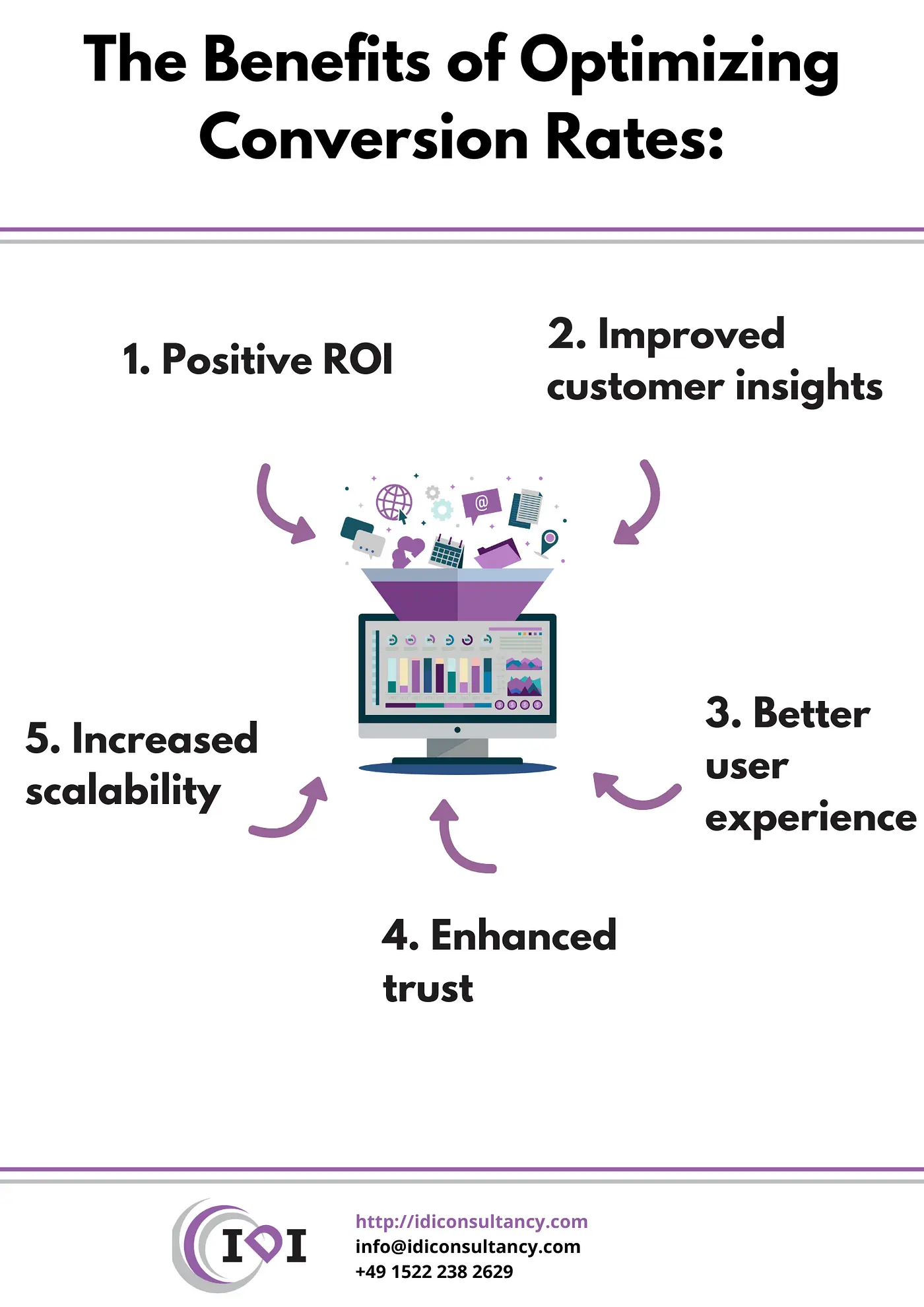
    Benefits of Conversion Rate Optimization – Positive ROI, improved customer insights, enhanced scalability, better user experience, and increased trust (Source: The Definitive Guide to Conversion Rate Optimization | by Adriana Stein | Medium)

    Optimization means modifying and adjusting the site to make it more visible, noticeable, and user-friendly for site visitors. Keywords like optimization and conversion rates are marketing terms that are difficult to implement without a plan and clear goals.

    Specifically, conversion rate optimization refers to ways to modify the site to encourage visitors to complete desired actions, such as purchases, filling out opt-in forms, or engaging with the site through comments or social shares.

    In conclusion, a site may have hundreds of visitors each month, but if these visitors do not complete actions aligned with the site’s purpose, the numbers are meaningless.

    While there is no exact formula for improving conversion rates, there are good methods to start with.

    Clearly Define Conversion Goals and Targeting

    Setting Website Goals

    Clearly define conversion goals
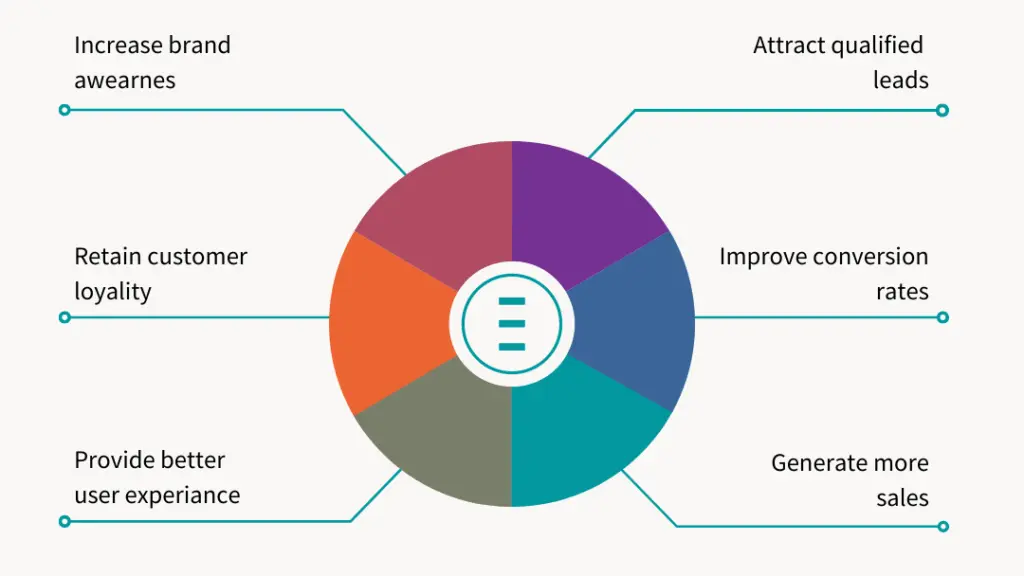
    What goals might your website have? ?Increase brand awareness ?Attract qualified leads ? Retain customer loyalty ?Provide a better user experience ?Improve conversion rates ?Generate more sales (Source: How to set website goals to accomplish the best results | Evidid Marketing Solutions)

    Your website might serve as a lead generator for sales or as a virtual store. In either case, much needs to be addressed for the website to meet business goals and the needs of visiting potential customers.

    The best approach is to provide visitors with a unique value proposition. A unique value proposition clearly explains the value you aim to offer and why visitors should get that value from you rather than anyone else.

    Once the value proposition is developed, ensure that design, messaging, media, content, services, and overall experience reflect this value proposition, so customers know exactly why they visit the site.

    Creating and Targeting the Ideal Visitor Profile (Target Persona)

    You cannot satisfy everyone with your website, nor should you try to. The main goal of creating a website is to convert visitors into customers. To do this, it is crucial to understand the pain points and preferences of visitors and customize the website accordingly.

    First, utilize both quantitative and qualitative data. Track visitor behavior through Google Analytics and sales trend data, and gather feedback from customers and site users to understand their needs and requirements.

    Next, use this information to improve the website. Enhance content and optimize user paths so that visitors can easily find the information or products they want. Clearly display CTA buttons and optimize the website’s loading speed to reduce customer churn.

    The mobile experience of customers is also important. Adopt a mobile-friendly design to provide a seamless experience for mobile users.

    Additionally, build trust by providing social proof to customers. Sharing satisfied customers’ reviews or case studies can give customers additional confidence.

    Conduct A/B testing to try various design elements or content and observe customer reactions. This helps determine which changes are most effective for customer conversion.

    Finally, continuously improve the website through learning and adaptation. Customer pain points and behaviors can change, so update the website to reflect the latest information. This will help convert visitors into customers and boost conversion rates.

    Simplify Traffic Funnel Navigation and Optimize Conversion Rates

    Simplifying the Funnel for Traffic Acquisition

    Simplify Traffic Funnel Navigation and Optimize Conversion Rates
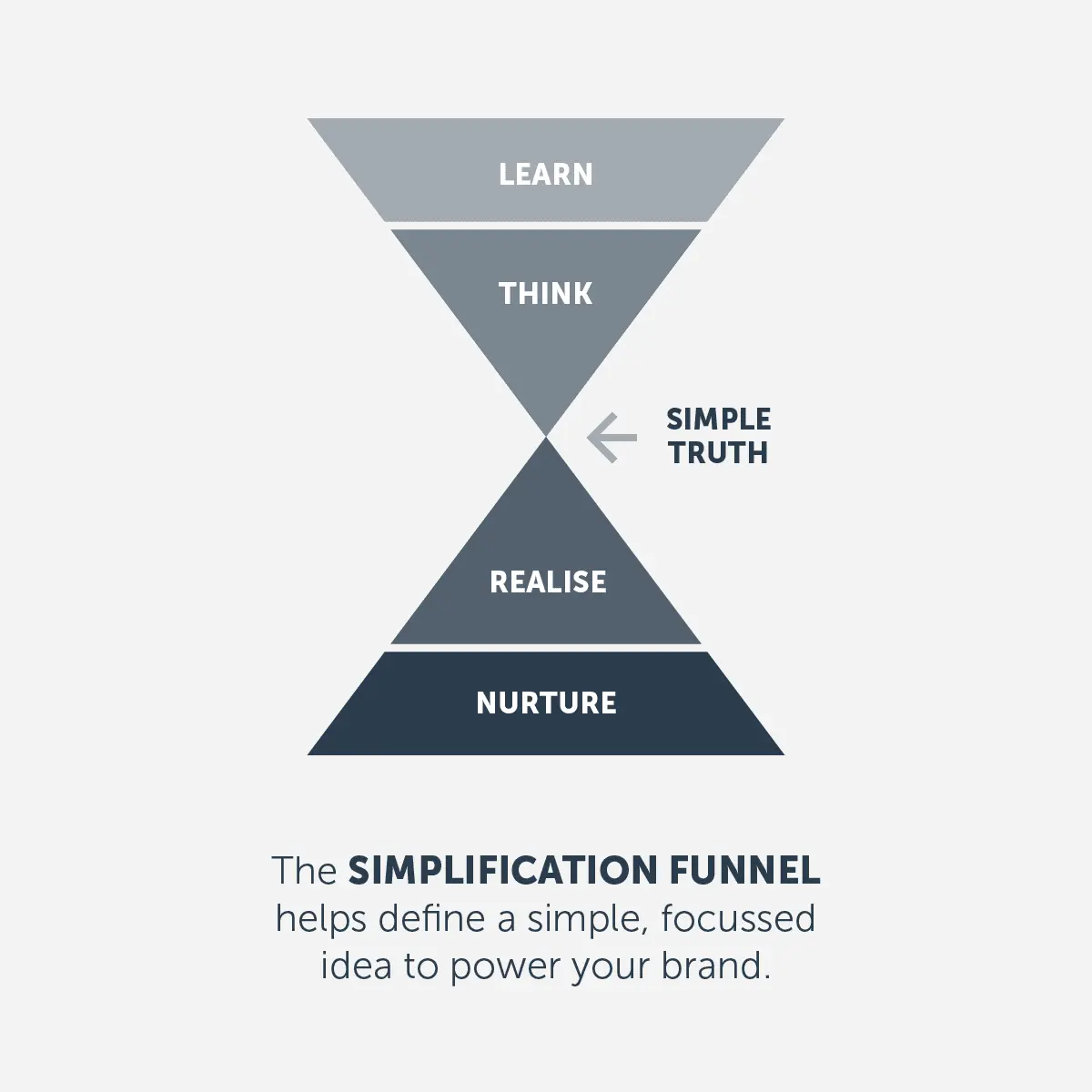
    A simplified funnel helps define simple and focused ideas that strengthen the brand. (Source: Increase your brand visibility with simplification – Firebrand)

    Even if you have the most fantastic website in the world, if general customers cannot find what they need, they are likely to leave.

    For example, if the website is a virtual store, consider the number of clicks it takes to make a purchase. The longer and more complicated the customers purchasing process, the more likely they will leave without completing the purchase or opting in for additional information. Ensure that site navigation is clear and click connections work properly.

    Do not forget about mobile users. As more internet users access the web through mobile devices, failing to develop a site for these users can result in losing potential customers.

    Data-Driven Conversion Rate Optimization

    Relying on intuition or guesswork to invest in website optimization is never a wise approach. Powerful data sources like Google Analytics and visitor tracking software can provide traffic insights with a single click.

    However, do not treat this information like an autopsy. Instead, use it to uncover the stories behind the visitor experiences on your site.

    Where do people most often drop off? What do usability trends say about the site? Based on average site visit times and heat maps, what hypotheses can you form?

    Test these hypotheses through A/B testing to see if they can convert those visitors, then implement broad changes based on what works best for your customers.

    The Relationship Between Conversion Rates and SEO

    Standing out online does not happen by chance.

    Building a website with an SEO-friendly framework and keeping up with search trends and algorithms requires strategy and time.

    Ensure that pages have accurate titles, proper meta tags, and relevant keywords. Also, do not think of these tasks as one-time efforts. SEO requires continuous efforts to maintain competitiveness and relevance.

    Aim for Conversion Rate Improvement with Various Marketing Strategies

    Diversified Marketing Strategy

    Do not fall into the trap of running your website solely on paid advertising. As the bidding costs for key keywords increase, it poses risks to sustainability and profitability. To avoid these pitfalls, it is necessary to combine various digital marketing strategies.

    Firstly, PPC can help achieve quick results, but it should be linked with natural search optimization (SEO). Optimize your website for free exposure in search engines through SEO. Create high-quality content and optimize for relevant keywords to secure organic traffic.

    Secondly, social media activities play a vital role in customer interaction and brand awareness. Choose the right social media platforms, maintain connections with customers, and consistently share content. Promote interactions and build your brand through social media.

    Thirdly, email marketing is effective for maintaining direct contact with customers and building customer loyalty. Build a subscriber list and regularly provide useful information or special benefits to retain and expand customers.

    Finally, consider individualized strategies since not all customers have the same experience. Identify customer groups through data analysis and develop content and marketing strategies tailored to those groups. Personalized approaches can provide more value to customers and improve conversion rates.

    In summary, integrating and appropriately adjusting various digital marketing strategies should focus on converting visitors into customers and improving conversion rates. This comprehensive approach will enhance website performance and achieve sustainable growth.\

    Building Relationships with Customers Using Social Media

    The popularity of social media sites like Facebook and Instagram has increased over the past few years. Being active on social media can positively expand the web presence of your site.

    Sharing content and company announcements through social media allows customers to share information within their social circles through electronic word-of-mouth.

    Additionally, social media enables customers to interact with the business on a social level through comments, reviews, and posts, allowing the business to respond to and empathize with customer needs.

    Building Clear Trust

    Examples of websites with optimized conversion rates and built-in trust
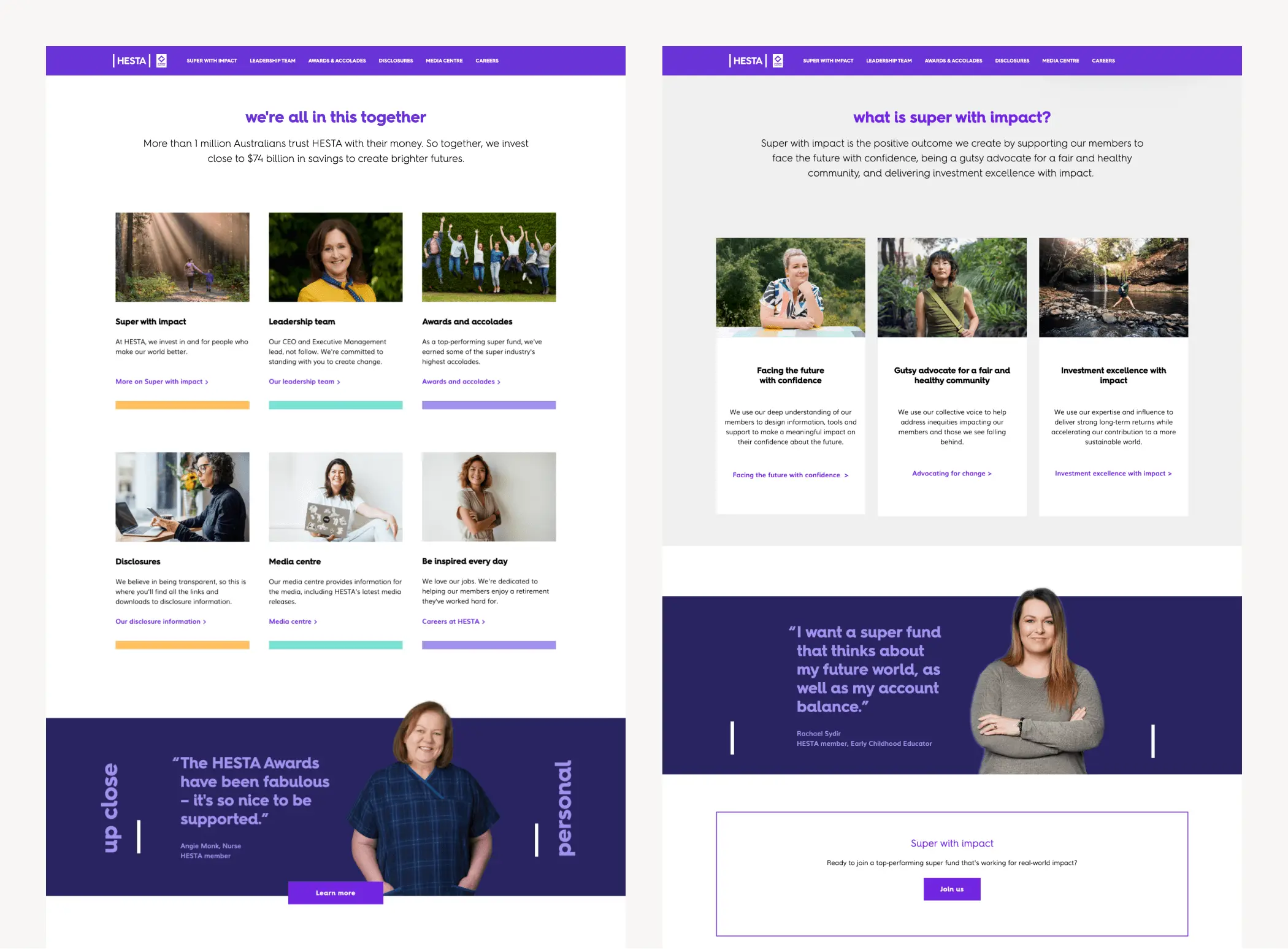
    Example of a trustworthy website. Create content that includes actual customer reviews to earn visitors’ trust. (Source: HESTA)

    Since face-to-face interactions are missing in online transactions, you need to find other ways to build trust between you and your visitors. Always include an ‘About’ page so that site visitors can learn more about you and what you do.

    Displaying professional memberships/partnerships and site security measures is a great way to build trust for the company and any transactions on the site.

    Posting past customer testimonials shows experience and a positive reputation. If selling products on the site, utilize customer reviews to reflect third-party opinions about the products and services offered.

    Valuable CTAs

    We’ve all seen endless junk mail and eventually canceled subscriptions from filling out forms and submitting them on sites. People are increasingly reluctant to provide their personal information, so you need to offer something in return for visitors to provide anything.

    For example, you could offer a special one-time coupon or access to information and education. Providing perceived value can make visitors feel more engaged in the transaction and more likely to become long-term customers.

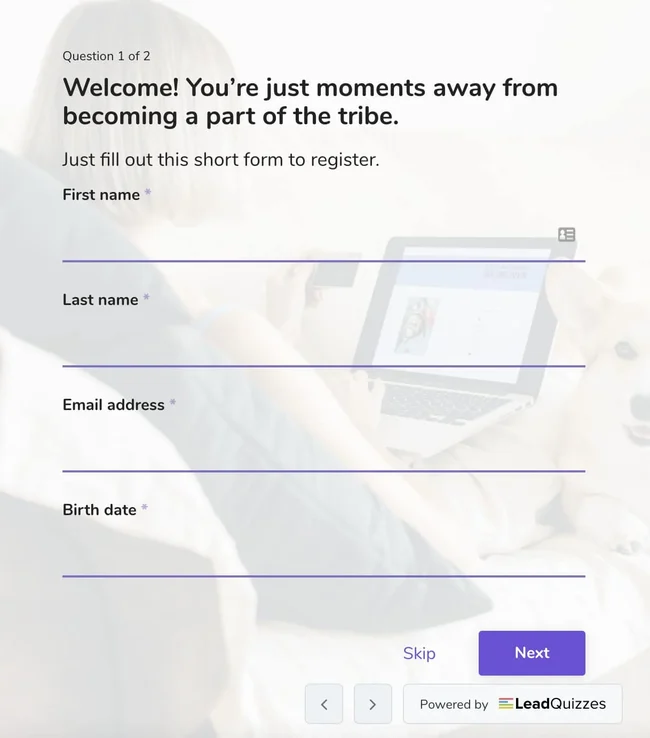
    Example of a simple lead generation form
    Example of a simple lead generation form (Source: 4 Free Lead Generation Form Templates [+ Tools])

    Also, start with forms that only require the name and email address. As marketers, you need a lot of information about leads, but asking for too much information can greatly annoy visitors.

    Align Paid Ads and Website Messaging

    Consistency Between Ads and Website Messaging

    When visitors click on an ad and enter the website, they are likely to leave if they do not find the information or experience they want. To prevent this, the message of the ad should match the content of the website.

    Ads should not just be filled with popular keywords but should consist of keywords and messages related to the website’s products or services. All elements of the website, including colors, images, ad copy, forms, etc., should convey the same message and brand identity.

    If the message of the ad and the website is mixed, visitors can become confused and lose direction. This increases the likelihood of customers leaving the site or not performing the desired actions.

    Therefore, to improve website conversion rates, adjust PPC and paid ad messages to align with the unique value proposition and website experience. This will help provide a consistent message and seamless experience, leading to customer conversion.

    Relevant and Consistent Content

    Meta tags and titles are important for SEO, but they are not the only elements that affect your site. Another critical factor in improving website conversion rates is providing valuable and consistent content.

    Visitors should know what to expect when they visit the site. This includes consistent branding, valuable information, and a clear call to action.

    Offer free information that educates, informs, or entertains visitors while positioning the company as an industry expert. When visitors feel that the content of the site helps them solve their pain points, they are more likely to become customers.

    A clear call to action should be placed throughout the content to guide visitors to the next step, such as contacting for a quote, making a purchase, or signing up for a newsletter.

    Providing Easy Checkout and Options

    The checkout process should be simple and intuitive, and visitors should not experience any difficulties. Complex or cumbersome checkout processes can easily cause visitors to leave without completing their purchases. Reduce the number of steps and ensure the flow is smooth and easy to understand.

    If possible, offer various payment methods. Provide as many payment options as possible to accommodate diverse customer needs and improve the likelihood of conversion.

    Also, mention any shipping costs or additional fees clearly. Customers should not be surprised at the last moment during the checkout process. Provide clear information in advance to prevent losing customers due to unexpected costs.

    In summary, a simple checkout process and various payment options can reduce visitor friction and increase conversion rates. Addressing these issues helps make visitors’ experiences more convenient and encourages them to complete purchases.

    Benefits of Engaging Call-to-Action Buttons

    Call-to-action (CTA) buttons play a crucial role in converting visitors into customers. Effective CTA buttons guide visitors to desired actions, such as purchasing, signing up for a newsletter, or downloading content. Here are some tips for effective CTA buttons:

    Personalization: Tailor CTA buttons to specific visitor segments to increase relevance and effectiveness.

    Clear and Concise Text: Use clear and concise text that communicates the desired action, such as “Buy Now,” “Sign Up,” or “Download.”

    Compelling Design: Make the CTA button visually appealing and easily noticeable. Use contrasting colors, larger font sizes, and ample white space to make the button stand out.

    Sense of Urgency: Create a sense of urgency by using phrases like “Limited Time Offer,” “Act Now,” or “Don’t Miss Out.”

    Placement: Place CTA buttons strategically where visitors naturally look, such as above the fold or at the end of a blog post.

    Consistency: Ensure that CTA buttons are consistent with the website’s overall design and messaging.

    Conclusion

    Converting visitors into customers and boosting conversion rates requires a multifaceted approach. By implementing the tips mentioned above, you can enhance your website’s performance, improve user experience, and ultimately achieve your business goals. Remember, continuous improvement and adaptation are key to staying competitive and meeting the evolving needs of your customers.

  • What is Growth Hacking

    What is Growth Hacking

    Before we dive into Growth Hacking, let’s define marketing. The term “marketing” combines “market” and “-ing,” encompassing all activities that make a market function. It’s not just about advertising and promotions for product sales. 

    Most business activities fall under the marketing umbrella. This includes everything from conceptualizing the product, producing prototypes, mass production, distribution, sales, promotions, to customer service (CS).

    Growth Hacking in Marketing

    In a broad sense, marketing isn’t much different from overall business activities. 

    From this perspective, we can see Growth Hacking as one of many marketing methodologies.

    Growth Hacking: A Marketing Methodology for Finding Minor Gaps

    What is Growth Hacking?

    Growth Hacking means using all possible means (Hacking) to achieve growth.
    Like finding minor vulnerabilities in a target to hack, it is a marketing methodology that identifies and aggressively targets customers and distribution points for growth. 
    Initially, it involves hypothesizing strategies to increase brand, company, or product sales and quickly launching a Minimum Viable Product (MVP) model to get market feedback. 

    Based on the reactions from consumers and the market, the product or service is continuously improved until it becomes the perfect product desired by the market (customers).

    dropbox logo image

    The term ‘Growth Hacking’ was first used by Sean Ellis, author of “Hacking Growth: How Today’s Fastest-Growing Companies Drive Breakout Success,” who was the first marketing manager at Dropbox. 

    During Dropboxs early stages, he spread the demo version on social media to gather initial users. Through data analysis, he found that most new users were referred by friends, leading to the ‘Friend Referral’ campaign. 

    This provided both the referrer and the new user with an additional 500MB of free storage, creating a viral effect among users and achieving significant marketing success.

    As the term suggests, Growth Hacking maximizes efficiency and rapidly grows products and services through all means necessary for growth. 
    These means include data-driven analysis and market feedback to improve and expand products and services. This approach is particularly effective for startup companies with limited capital and resources.

    Goals of Growth Hacking

    Maximizing Low-Cost, High-Efficiency Viral Marketing

    Traditional marketing strategies focus on promotional activities to make an already complete product known to more consumers. 

    In contrast, Growth Hacking incorporates marketing elements throughout the entire process of producing products and services.

    The first version of the product is released to the market to gather consumer feedback, which is then used to improve the product. This improved product is released again, and consumer behavior patterns are analyzed. 

    Repeating this process allows consumers to have increasingly satisfying purchasing experiences, which naturally leads to word-of-mouth advertising.

    Growth Hacking in Marketing

    In other words, it analyzes buyer behavior patterns and optimizes user experience based on that analysis. 

    Growth Hacking involves creating products that satisfy consumer wants from production to management. 

    During the process of evolving into a product that perfectly matches consumer tastes, advertising effects naturally occur.

    This is especially true for service improvements, which accumulate positive brand experiences, leading to high viral effects. 

    Hence, ‘low-cost, high-efficiency growth’ is the essence of Growth Hacking. Additionally, the continuous improvement of products and services leads to the overall growth of the company.

    Growth Hacking and Growth Marketing: Methods for Securing Potential Customers

    Growth Marketing

    Industry professionals often use ‘Growth Marketing’ and ‘Growth Hacking’ interchangeably. Growth Marketing derives from the concept of Growth Hacking, applying it to actual marketing.

    From the product conceptualization stage, it actively utilizes big data analysis to create products. Then, users are attracted through various platforms such as email, blogs, and social media, using metrics like:

    • CPM (Cost Per Mile: cost per thousand impressions)
    • CPC (Cost Per Click: cost per click)
    • CPL (Cost Per Lead: cost per lead, e.g., sign-ups, event participation, survey responses, comments)
    • CPA (Cost Per Action: cost per action, e.g., purchases, adding to cart)
    • Visitor numbers

    These objective metrics help to continually research the companys products and understand the target audiences wants. 

    Insights allow to formulate new marketing strategies and continually improve the product until it meets consumer expectations, similar to Growth Hacking. Growth Marketing is a technique for securing potential customers through three stages: tracking, verification, and expansion.

    Growth Hacking: Growth of Key Performance Indicators

    Growth Hacker

    B2B Marketing KPIs

    There are professionals who specialize in analyzing these objective metrics and devising strategies to secure potential customers. 

    If Growth Hacking grows products and services, ‘Growth Hackers’ grow the metrics. 

    They meticulously investigate the markets potential elements based on KPIs (Key Performance Indicators) and remove the boundaries between service and marketing. 

    They work to ensure that consumers build brand experiences within the ‘service itself’ and naturally become ‘communication (marketing)’ agents to other customers.

    Content Marketing Strategy Thumbnail

    Growth Hackers aim to create automated marketing structures within this marketing framework, where consumers themselves propagate to millions of people and sustain this propagation.

    They design the foundation for continuous company and product appeal by letting consumers build and transform the ambiguous value of ‘branding.’

    Applying Growth Hacking to Your Business

    As discussed, Growth Hacking is a marketing methodology that identifies customer problems based on data, tests hypotheses to achieve goals, and continuously improves the product. 

    It doesnt necessarily require hiring a Growth Hacker or checking specific metrics. All decisions for continuous and steady growth start with data-based hypothesis formulation. 

    These hypotheses are verified through small experiments, leading to product improvements and sustained growth. This is the essence of Growth Hacking.
    We believe that explosive growth along the so-called J-curve can be detrimental in the long run. A restaurant bustling with customers from day one may reveal issues such as food quality, service speed, and cleanliness. These problems can drive customers away once the initial excitement fades. 

    Therefore, we believe that planned and prepared growth to enhance customer satisfaction is more important. Growth Marketing Agency takes a marketing approach that makes time our ally.

  • 고객 니즈(Needs)와 원츠(Wants)의 차이

    고객 니즈(Needs)와 원츠(Wants)의 차이

    고객이 필요로 하는 제품이 시장에서 성공할 수 있다는 것은 당연한 사실입니다. 하지만, 고객들이 필요로 하는 제품이라도 무조건 성공할 수 있는 것은 아닙니다. 이를 파악하는 능력이 고객 니즈, 원츠 분석입니다.

    인간에게는 생존을 위해 본능적으로 필요한 것이 있습니다. 없으면 안 되는 것을 ‘필요(Needs)’라고 할 수 있죠. 음식을 먹고, 옷을 입고, 주거 공간을 찾는 ‘의식주’의 욕구가 대표적인데요.

    그렇다면 원츠(Wants)는 무엇일까요? 가성비 브랜드에서 의류를 구매하는 것이 고객 니즈라면, 자랑하고 싶은 명품 브랜드의 옷이 고객의 원츠라고 할 수 있습니다.

    이 글에서는 마케터와 의사결정권자가 반드시 알아야 하는, 고객 니즈 및 원츠를 구분하는 능력에 대해 설명하겠습니다.

    고객 니즈, 원츠를 구별해야 하는 이유

    고객 니즈, 원츠를 구별해야 하는 이유

    고객의 니즈를 충족시켜야 한다는 것이 마케팅의 가장 기본적인 시작점입니다. 대중이 보편적으로 필요로 하는 것을 캐치하고 그것을 시장에 내놓으면 구매로 연결될 수 있죠.

    이에 따라 기존의 브랜드들은 이러한 니즈를 가진 잠재적 소비자층에 접근하고 설득하는 방법에 대해 연구해 왔습니다.

    하지만 단순히 니즈를 충족시킨다고 해서 우수한 성과로 이어지지는 않습니다.

    즉, 시장의 선택을 받기 위해서는 고객의 니즈를 충족시키는 단계에 머무르는 것으로 만족해서는 안 됩니다. 고도화된 마케팅을 통해 고객의 니즈와 원츠를 구분하고 찾아내야 합니다.

    그런데, 많은 기업들이 고객 마케팅 조사의 필요성을 간과하고 있습니다. 고객을 고려하지 않고 자신들이 세운 계획과 목표를 달성하기에 급급한 케이스도 많습니다.

    그러나 이는 비즈니스를 성공으로 이끄는 지름길이 아닙니다. 조금 돌아가는 것 같더라도 마케터들은 다시 개인화된 고객의 데이터를 축적할 필요가 있습니다.

    지금과 같이 변화가 빠른 소비 시장에서 마케터가 해야 할 일은 바로 고객의 원츠를 파악하는 것입니다.

    고객 원츠란 무엇이며, 왜 중요한가요?

    원츠(Wants)의 정의

    Wants는 심리적 욕망(mental wants)의 줄임말이라고 할 수 있습니다. 즉, 생존에 있어서 반드시 필요하지 않지만 인간의 사회적 욕망으로 인해 욕구를 충족하는 심리라고 간단하게 생각해주시면 됩니다.

    고객 원츠 파악의 중요성

    니즈와 같은 기능적 필요는 수요와 가격 책정에 한계가 발생하는데, Wants와 같은 심리적 욕망에서는 수요나 가격의 한계가 사라진다는 것입니다.

    가장 간단한 예시를 들자면, 대부분의 사람들은 고장나지 않은 멀쩡한 핸드폰을 가지고 있습니다. 이미 스마트폰은 대부분의 고객에게 판매된 상태입니다.

    그러나 스마트폰 제조사들은 매년새로운 시리즈의 핸드폰을 시장에 내놓습니다. 그리고 사람들은 멀쩡한 핸드폰을 놔두고 새로운 신형 스마트폰을 기어코 손에 넣고 맙니다. 값비싼 돈을 지불해서라도 말이죠. 

    혁신에서 찾는 고객 니즈

    스티브 잡스는 생전에 이런 말을 한 적이 있었죠. “혁신은 현존하는 수천 가지 것들에 ‘아니’라고 말하는 것이다(Innovation is saying no to a thousand things).”

    사람들이 스스로 무엇을 원하는지 캐치하지 못하고 있는 걸 세상에 내놓는 것이 혁신이라고 잡스는 생각했습니다.

    실제로 아이폰 광고를 보면 휴대폰의 기능이나 스펙을 열거하며 광고하지 않습니다. ‘아이폰 라이프’를 즐기는 사람들의 모습을 촬영하는 장면이 나오죠. 화면 속 인물들의 라이프 스타일을 아이폰의 감성과 일치시켜 아이폰만의 브랜드 가치를 홍보합니다.

    바로 이것이 Wants 기반의 Needs, Needs를 가장한 Wants를 보여주는 예입니다. 매년 새로운 아이폰 감성에 목말라하도록 소비자의 욕망을 자극해 지속적으로 브랜드의 매출을 유지해 나갑니다.

    고객들의 니즈는 자신의 지식, 혹은 의식의 한계 안에 갇혀 있습니다. 그러나 고객들의 무의식까지 들어가 그들이 진정으로 무엇을 원하는지 마케터는 ‘캐치’해내야만 합니다.

    고객 니즈 고도화를 통한 차별화된 마케팅

    고객의 말을 믿지 마세요

    그런데, 이 원츠를 찾는 과정이 쉽지만은 않습니다. 그 이유는 고객들이 생각보다 정말 태연하게 거짓말을 하기 때문인데요.

    어떤 서비스를 판매하는 세일즈맨과 고객이 있다고 생각해 봅시다. 고객을 현혹하려는 사람은 세일즈맨이라고 생각하시겠지만, 실제로 고객들 또한 여러가지 이유로 속마음과 다른 말을 합니다.

    고객 니즈 고도화를 통한 차별화된 마케팅

    중요한 건, 일부러 거짓말을 하는 경우도 있지만 대부분의 고객들은 일부러 거짓말을 하는 게 아니라는 것인데요. 때로는 고객들조차 스스로 본인이 무엇을 원하고 있는지 모르는 경우도 있습니다.

    그렇기에 마케터의 역할은 더욱 중요해집니다. 우리는 고객들 스스로도 모를 수 있는 진정한 Wants가 무엇인지를 알아내야만 하는 역할이 주어진 것입니다.

    마케터가 원츠를 찾기 어려운 이유

    기본적으로 마케터는 고객의 ‘말’이 아니라 ‘의도’에 집중해야 합니다. 어떤 사람이 한동안 ‘데일리룩’ 혹은 ‘OOTD’, ‘의류 브랜드’를 검색했다고 가정해 봅시다.

    마케터는 그 사람을 패션 아이템의 잠재 고객으로 생각해 ‘지금 이 링크를 따라오면 쇼핑몰 할인 쿠폰을 발급해 드립니다’라고 유도 합니다. 

    그러나 정작 그 고객은 링크를 타고 들어가 의류 쿠폰이 아닌 전자기기 쿠폰을 받아 에어팟을 구매하는 경우가 있습니다. 

    이는 고객의 Wants를 1차원적으로 받아들이고 혼동했기에 일어난 실수라고 볼 수 있습니다. 사실 이 고객은 옷을 사고 싶었던 게 아니라 애인의 생일선물을 찾고 있었던 것이기 때문입니다.

    마케터가 원츠를 찾기 어려운 이유

    그렇기에 마케터는 고객의 ‘말’이 아닌 ‘의도’에 집중해야 하는 것입니다. 지금 당장 고객에게 필요한 것을 수집하고 캐치하고 물었을때, 고객이 1차적으로 한 답변을 곧이 곧대로 받아들여선 안되는 것입니다.

    고객의 구매 행위는 매우 간단하고 빠르게 이루어지지만, 구매 행위에 앞서 진행되는 일련의 프로세스는 상당히 복잡한 과정을 거쳐서 이뤄집니다. 이는 상당히 복잡한 심리적 과정을 동행합니다.

    그렇기에 고객 자신도 모르는, 그들이 제품을 어떤 식으로 인식하고 왜 원했는지를 기업과 마케터가 정확히 파악해야 합니다.

    고객 니즈를 가장한 원츠를 만들다 – 새로운 욕구 창조하기

    Product Life Cycle
    (출처: Product Life Cycle – Definition, Stages, Usage)

    모든 공급에는 한계점이 존재합니다. 수요는 인구에 비례하는데 한 시점의 인구 수는 정해져 있으므로 공급 또한 수요의 한계점에 맞춰 정체될 수밖에 없습니다.

    이 정체 구간을 ‘Product Life Time’이라 지칭하며, 수요 없는 공급이 이뤄지는 시점으로 ‘팔리지 않는다’라는 고민이 시작되는 구간이기도 합니다.

    이 문제를 극복하는 것 또한 마케팅의 힘입니다. 일정 이상 소비자의 니즈가 채워졌다면, 새로운 니즈를 찾아내거나 창조해야 합니다.

    기본 욕구들이 이미 충족된 세상에서 새로운 욕구를 발굴한다는 것이 조금 이상하게 느껴지시나요? 물론 새로운 니즈라는 것은, 생존 욕구를 자극할 새로운 상품을 창조하라는 뜻이 아닙니다.

    고객의 잠재적인 원츠를 발굴하고, 이를 니즈로 만들어야 한다는 것이죠.

    차별화된 마케팅은 원츠를 선도한다

    카카오뱅크의 등장은 경직되어 있었던 은행업계에 센세이션한 파장을 불러왔습니다. 실물 통장이나 영업점 없이도 상당한 이용자를 확보했죠.

    그런데 카카오뱅크가 대한민국 최초의 인터넷 은행은 아닙니다. 이미 케이뱅크가 시장 점유를 시도하고 있었고, 이에 따라 기존 은행들도 모바일 뱅킹의 UI/UX 개선으로 혁신을 도모하고 있었습니다.

    그럼에도 불구하고 카카오뱅크가 압도적인 인기를 얻었던 이유는 무엇일까요? 관계자들은 기술적인 편리함일 것이라고 예측했지만, 소비자들은 ‘캐릭터가 귀여워서’를 1순위 이유로 골랐습니다.

    이처럼 같은 시장에서도 소비자의 원츠를 가려내고, 브랜드의 개성으로 만드는 것이 브랜드의 차별화라고 할 수 있습니다.

    고객의 원츠를 찾아가는 마케팅 전략

    그렇다면 기업은 고객를 그저 거짓말쟁이로 치부해야 할까요? 하지만 고객의 말을 완전히 신뢰하지 않게되면 비즈니스는 나아가야 할 방향을 잃게 될 것입니다.

    “신뢰하되, 검증하라.” 로널드 레이건(Ronald Wilson Reagan,1911. 2. 6~2004. 6. 5) 대통령이 러시아 속담을 바탕으로 한 말입니다. 

    마케터는 고객이 하는 모든 말을 곧이 곧대로 믿을 순 없지만 그들의 데이터를 축적하고 분석해 데이터에 숨은 진실을 찾을 수 있습니다. 우선은 고객의 이야기를 듣고, 더 자세한 내용을 알기 위해 심화적인 질문을 연장해 나가야 합니다.

    고객의 진실된 원츠를 발굴해내는 일은 여러분의 생각보다 복잡할 것입니다. 명료한 답을 얻기 위해 기업들은 여러 길을 돌아가야 할수도 있습니다.

    그러나 올바른 비즈니스를 위해 마케터들은 무수한 거짓말 속에서 답을 찾아내야 합니다. 그것을 해낼 수 있는 게 바로 마케터이니까요.

    매슬로우 욕구에 따른 고객 니즈
    인간의 욕구는 생리적 욕구에서 시작해 안전, 사랑/소속감, 자존감으로 진화한다. 욕구의 가장 최종장에는 도덕성, 창의성, 문제 해결 등의 자기실현 욕구가 있다. (출처: Differences between customer’s needs, wants and demands | getmerit)

    사업에 실패한 많은 사람들이 “고객들이 우리 제품을 몰라줘서”라는 이야기를 합니다. 하지만 고객들이 잘못해서 사업을 망치는 경우는 없습니다.

    애초에 고객들이 반응할 만한 제품을 시장에 내놓지 못한 당신의 책임인 것입니다. 사업에 실패했다면, 설령 고객들의 Needs를 충족시킬 수는 있었을지 몰라도 Wants를 충족시키지는 못했기 때문입니다.

    더 이상 마케팅은 단순히 키워드 광고나 블로그 활동 같은 것 만을 일컫는 단어가 아닙니다. 성장은 제품의 기획·설계부터 생산, 유통, 판매, 광고, 마케팅, A/S, C/S까지 고객의 원츠를 충족시켜 우리의 브랜드가 시장에서 소비되도록 하는 모든 경영 활동을 마케팅이라고 정의합니다.

    지금 우리 브랜드, 우리 제품, 우리 서비스는 고객의 원츠를 충족하고 있나요? 혹시, 고객의 니즈를 어설프게 추측하고 내놓은 브랜드와 제품은 아닌가요? 쉽게 답을 내리기 어려우시다면, 성장의 전문가들과 함께 상의해 보시길 바랍니다.

  • YouTube Marketing for B2B Companies in Korea: Reality Check

    YouTube Marketing for B2B Companies in Korea: Reality Check

    In South Korea, YouTube has undeniably become the most widely used app based on monthly usage time. Naturally, interest and attention towards YouTube Marketing are skyrocketing.

    Video marketing, in particular, boasts overwhelming effectiveness in terms of delivery compared to other static marketing strategies. It’s no wonder that companies frequently turn to this approach when promoting their products and services.

    However, it’s crucial to approach YouTube marketing with caution, especially for B2B companies. Despite the booming trend, we must consider some realistic concerns.

    Why aren’t there more success stories for B2B companies in this YouTube marketing frenzy? Let’s delve into the definition of YouTube marketing and explore its application to B2B companies.

    What is YouTube Marketing?

    Video marketing involves creating videos to promote products or services as part of content marketing. YouTube marketing specifically refers to uploading these videos to YouTube for promotional purposes.

    These videos offer detailed product descriptions and user reviews, addressing the shortcomings of traditional blog or photo/text-based content.

    Importance of Youtube Marketing in Korea

    YouTube is a platform exposed to global audiences, with minimal language barriers and easy integration with other social media channels. This allows for global marketing with brief content.

    Additionally, YouTube marketing has the advantage of generating revenue through video content. For instance, paying influential YouTubers to experience and review products.

    YouTube Guide for B2B Companies

    So, is YouTube marketing effective for B2B companies? To answer directly, it’s unlikely.

    Building a successful YouTube channel and using it for marketing is harder and slower than becoming a successful YouTuber.

    The costs and time involved in producing YouTube content are substantial, and creating engaging content increases these costs further.

    Despite the significant resources invested, successful cases are rare.

    Average spending on marketing videos
    Average spending on marketing videos: 29% are under $100. (Source: Benefits of YouTube for B2B Marketing)

    Although there is a possibility of success on YouTube, the likelihood is extremely low compared to the resources invested.

    Some clients contact us out of curiosity after seeing references from so-called professional YouTube marketing agencies. They might start after observing famous online success cases.

    However, these are merely rare success stories, and we can confidently say that 99.99% of B2B companies fail on YouTube.

    Are There Successful B2B YouTube Marketing Cases?

    For those skeptical about whether B2B YouTube marketing can succeed, let’s analyze B2B and G2C YouTube marketing cases.

    Stone Gold’s Pet Rock

    Source: SBS News

    Stone Gold, a Korean company selling decorative stones, was significantly impacted by the construction industry’s downturn.

    While contemplating ways to boost sales, employee Kim Myung-sung began uploading videos, which surprisingly garnered significant views.

    A simple video of washing stones recorded over 9 million views, sparking interest in Stone Gold’s ‘pet rock,’ which was sold for 10,000 KRW and sold out the prepared 150 sets, reflecting its popularity. Pet rocks are ordinary rocks that are treated like pets: decorated with outfits, painted with faces, and given names and beds.

    Korean Instagram of Stone Gold

    Subscribers who favored Stone Gold’s content suggested the company introduce ‘pet rocks,’ a trend at the time.

    Although the ‘pet rock’ gained considerable attention, it was primarily a B2C product and a brand awareness event rather than a significant sales driver.

    Youtube Channel in Korea

    Analyzing the YouTube channel, despite uploading 60 pieces of content, the average views are only about 7,900.

    Even with frequent, well-crafted updates, the results are disappointing. Although some interviews mentioned slight B2B sales improvement after YouTube success, it’s inappropriate to view Stone Gold’s video marketing as significantly beneficial.

    In conclusion, while increasing B2C customers can improve Stone Gold’s awareness, it is not an effective method for boosting B2B product sales relative to the resources invested.

    Chungju City’s YouTube Channel

    Source: Chungju City’s YouTube Channel

    Compared to other local government YouTube channels, Chungju City’s channel is highly successful.

    The most viewed video uses the ‘Coffin Dance’ meme to promote social distancing, surpassing 500,000 views within three days.

    G2C Youtube Channel in Korea
    Chungju Citys YouTube channel. Even a video uploaded three days ago has easily surpassed 500,000 views.

    Despite lower quality than other government videos, it succeeded by capturing user preferences and humor points, known as B-grade marketing.

    However, would company executives support such an approach for their YouTube channel?

    The channel’s success was due to the bold decisions of a manager who uploaded content without higher approval during weekends.

    It’s challenging to choose and maintain a B-grade concept without internal support, making B2B YouTube marketing with such concepts virtually impossible.

    Why B2B YouTube Marketing is Difficult

    Many are considering other marketing channels besides YouTube.

    Blogs can quickly secure traffic if the posted content demonstrates expertise or covers rarely discussed topics.

    Instagram, on the other hand, is a platform for showcasing lifestyle and browsing affluent individuals, making it unsuitable for B2B purposes. Global brands use Instagram to display brand identity rather than drive sales.

    Why B2B YouTube Marketing is Difficult

    YouTube’s success is determined by the algorithm.

    Unless you handle popular, creative, and engaging content, your chances of failure are high.

    Investing time and resources in other marketing strategies may yield better results than relying on YouTube’s uncertain success.

    YouTube Marketing Guide for B2B Businesses

    I once bought an electronic device and read the user manual. Despite the clear illustrations, the installation was still challenging.

    Suddenly, I searched for the product name on YouTube and found a video demonstrating the installation process. Although it wasnt official content from the brand, it was incredibly useful.

    Content types that attract the most subscribers to B2B business YouTube channels.
    Survey on the content types that attract the most subscribers to B2B business YouTube channels. Product tutorials or demos are the most popular. (Source: Dear Databox: How Can I Grow My B2B YouTube Channel?)

    For B2B companies, YouTube channels can be particularly useful for showing how to use or operate products through video. Videos are far more effective at conveying information than written manuals, offering stronger delivery and higher satisfaction.

    Additionally, YouTube can serve as a portfolio to showcase the company’s success stories. Videos of these achievements can be far more memorable than text or photos.

    Therefore, it’s recommended to use YouTube for B2B businesses primarily to deliver necessary information conveniently.

    However, it’s best not to expect high view counts, subscriber growth, or significant sales impact from YouTube.

    If You Still Need YouTube Marketing

    Searching for YouTube marketing on Google will reveal numerous agencies.

    Unfortunately, many lack a deep understanding of ‘marketing’ despite their video expertise.

    If considering YouTube marketing, ensure to work with individuals who confidently present successful B2B references (though none exist).

    Consult with scriptwriters, producers, and cast with YouTube success experience, but be prepared for ambiguous responses regarding expected outcomes.

    Conclusion: The B2B Marketing Landscape

    Growth Marketing Agency integrates insights and expertise gained from various B2B and B2G marketing strategies to provide robust B2B marketing strategies.

    We pride ourselves on the most efficient media strategies for B2B marketing.

    If you’re contemplating which channels and methods to choose for B2B marketing, we recommend discussing it with Growth Marketing Agency.