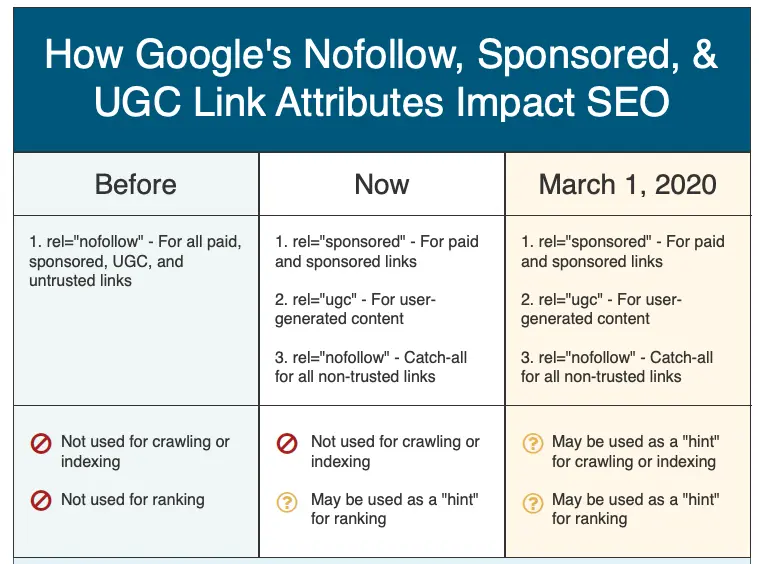
A follow link refers to the standard type of hyperlink on the web. Since March 2022, Google has included the “No follow” attribute in its page ranking criteria.
Therefore, to achieve higher visibility in search results, it is important to understand the benefits and usage of no follow links.
To understand these links, one must first know how search engines work and the definition of follow links.
In this article, we will summarize the essential conditions for creating an SEO-friendly website and explain the difference between do follow and no follow links.
What are Follow Links, or Do Follow Links?
When search engines detect inbound links to a page, they view it as a sign of trustworthiness and assign a good SEO score.
The more links a website has, the more it is considered SEO-friendly.
Google created a metric called PageRank to calculate link points. Pages that receive many links on a specific topic gain priority in search results.
Experts refer to this as ‘link juice.’
Link juice builds connections between sites through hyperlinks. When a site receives a link from a reputable source, its link juice becomes stronger.
Therefore, a follow link is one that connects from another website to yours.
Search engines use follow links to gauge your website?s credibility. These links are converted into link juice and significantly impact your site?s ranking in search results.
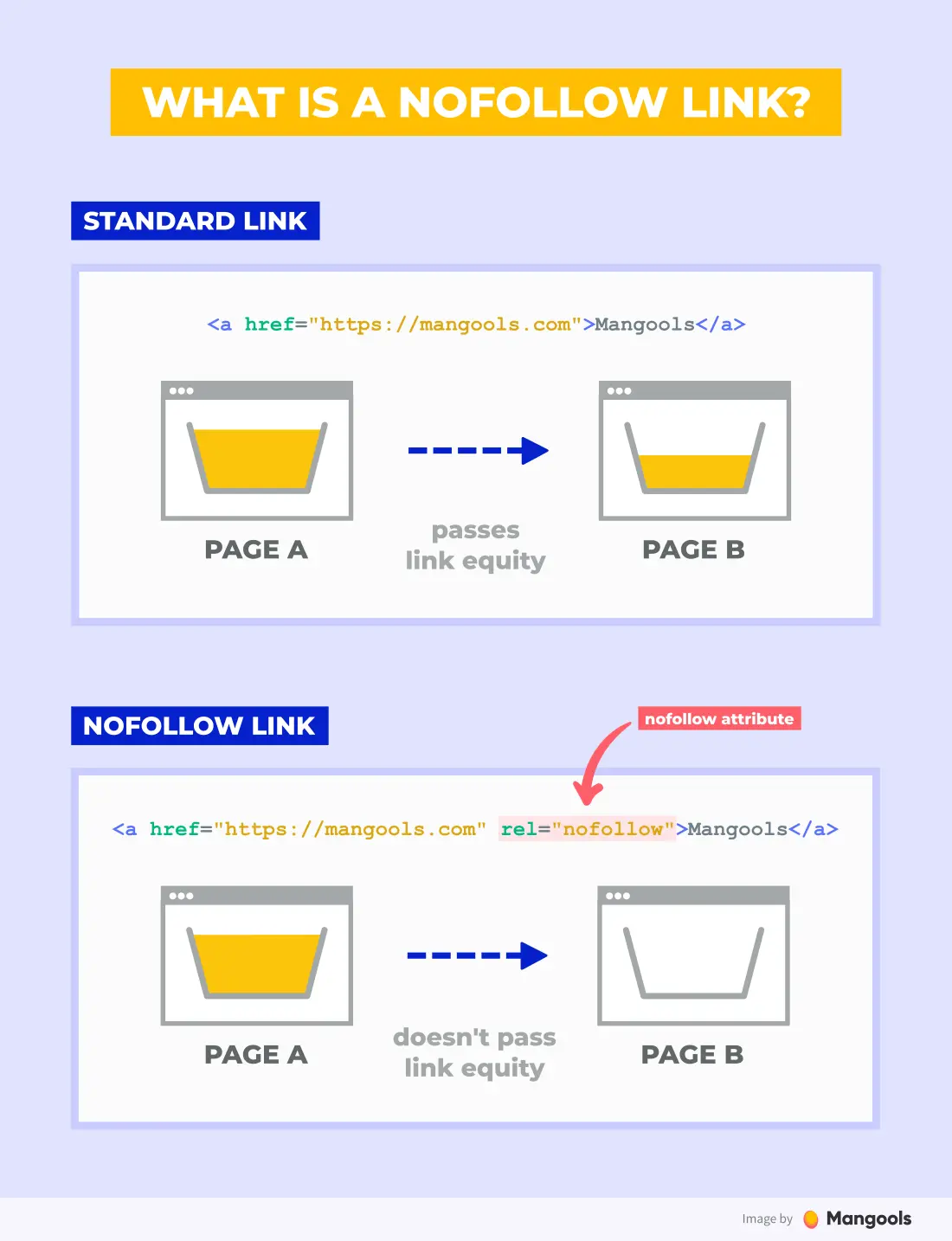
The difference between do follow and no follow links is whether they affect the search ranking of the linked page. Do follow links contribute to link juice, impacting SEO. However, no follow links do not.
Definition and Background of No Follow Links
No follow links are those that do not contribute to link juice points and therefore do not affect Google?s search ranking. You can identify these links through HTML tags:
This tag tells search engines not to count the link. While follow links have a positive effect on SEO, no follow links serve a different purpose.
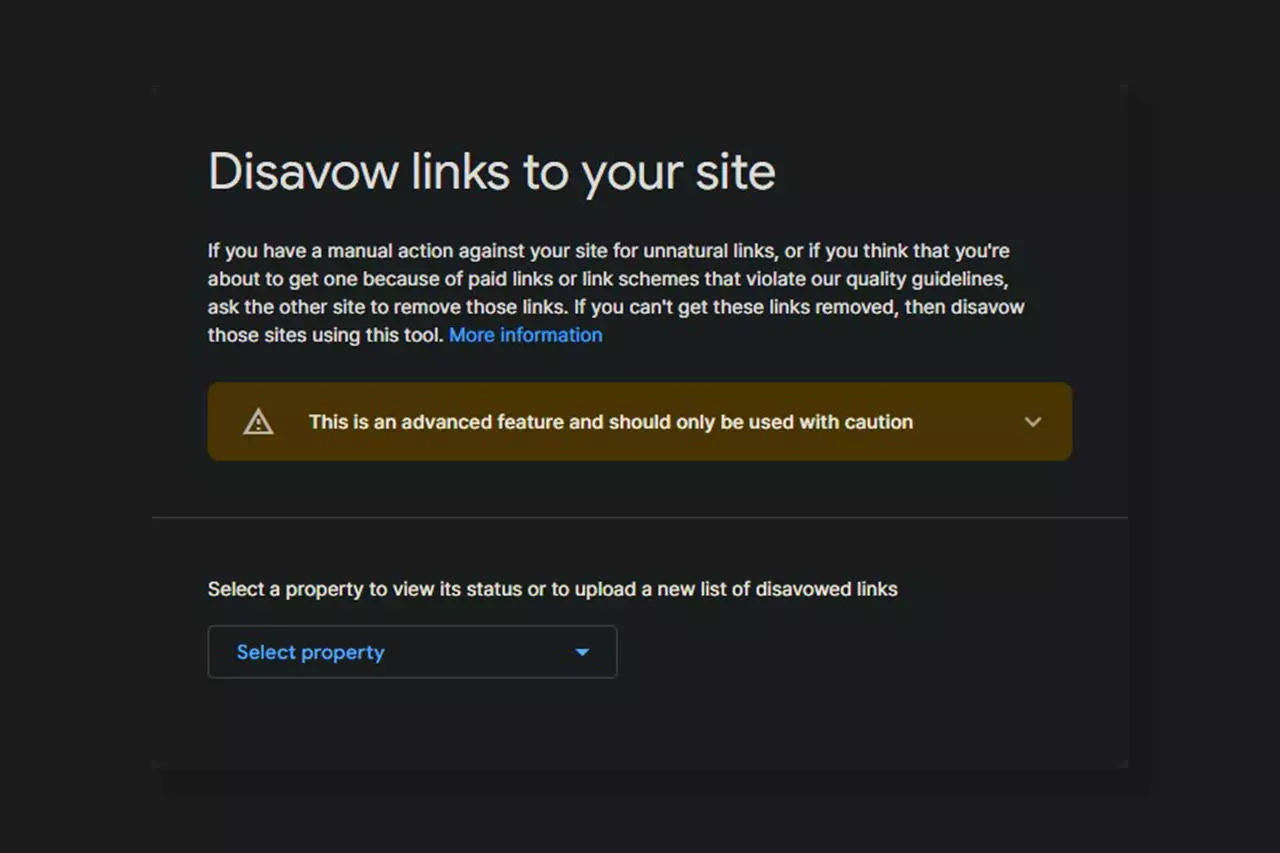
Incorrect links can decrease your website?s quality. Thus, it?s important to use no follow attributes for such links or implement a disavow process. If you need to disavow links on your website, use the disavow tool in Google Search Console.
You might have noticed suspicious links in places where anyone can comment publicly.
In the past, when link juice directly affected page ranking, acquiring links through artificial means was a common trick.
With the rise of spammy comments, comment sections on websites no longer served as effective communication platforms. Consequently, Google introduced the no follow link concept in 2005.
Where are No Follow Links Used?
No follow links play a crucial role in blocking SEO-related spammy comments.
Due to their influence, backlinks created from irrelevant comments have disappeared, allowing search engines to provide fairer results.
Should all comment spaces use no follow attributes to block spam? Generally, no follow is applied to the following areas:
Paid Links: Hyperlinks purchased with money for a website.
Not assigning a no follow attribute to paid links violates search engine policies.
If your website has paid links, Google may not recognize them and could penalize the seller.
Comment Sections: Applying no follow tags to comment spaces clearly communicates to search engines and users that the linked websites are not endorsed.
This prevents certain sites from leveraging your website?s authority for backlinks.
Forums: Links within forum discussions might be spammy or irrelevant.
It?s essential to block such links in advance to avoid affecting search engine algorithms.
High-quality websites linking to each other?s content can be valuable partners. However, if a site with a poor reputation or suspicious content links to your website, it can negatively impact your ranking.
The Role of Follow Links in SEO
No follow links also have their importance.
While they don?t influence link juice, they still offer value. Even with a no follow link, if someone visits your site, it generates referral traffic.
Regardless of follow attributes, if your website?s link appears in places that interest users, it can drive substantial traffic. This traffic can enhance brand awareness and lead to conversions.
Search engines now consider numerous factors beyond link juice and page rank to determine SEO scores.
Even if a link is no follow, if it gains popularity on social media platforms like Twitter or Facebook, it can still be valuable.
Backlinks are crucial for SEO optimization because they help search engines evaluate a website?s authority and value.
When other websites link to your content, search engines view it as a recommendation or endorsement.
Content that is frequently mentioned and linked by quality sites is more likely to rank higher in search results. Backlinks thus help increase your website?s ranking and improve its visibility.
SEO Has No Shortcuts
Effective digital marketing requires SEO optimization. Alongside creating quality content, strategic link building enhances website visibility and attracts more traffic.
However, SEO goes beyond improving search rankings. It helps you understand website visitors better and provide the information they seek.
This strengthens customer communication and boosts brand value. Over time, SEO investment becomes a powerful driver of website growth.
Starting with SEO might be challenging, as it differs significantly from paid media, which provides immediate ranking changes with financial investment.
If you?re struggling with SEO, consider consulting with Growth Marketing Agency. With expert assistance, you can develop a strategic SEO plan and achieve your desired results through ongoing effort.
Online advertising is essential for reaching your audience and growing your business. Naver, South Korea’s top search engine, offers powerful advertising options that are key to successful marketing strategies in Korea. Understanding Naver advertising is crucial because they provide unique opportunities to connect with millions of users.
Naver advertising come in two main types: Search Ads and Display Ads. Each type has its own strengths and serves different marketing goals. This guide will break down what you need to know about both Naver Search Ads and Display Ads, so you can make the best choices and get the most out of your advertising.
Understanding the Basics of Search Ads and Display Ads
First, lets clearly define these two types of Naver advertising.
Search Ads (SA: Search Ad): Search ads are text-based advertisements that appear when users search for specific keywords. These ads are displayed at the top or right side of the Naver search results page, marked with “?? (AD).”
Example: If you search for “cosmetics,” ads for “natural skin care” and “organic cosmetics” will appear at the top of the search results. These are search ads!
Display Ads (DA: Display Ad): Display ads are banner ads in the form of images or videos that appear across various Naver services, including the main page, blogs, cafes, and news pages.
Example: As you browse the Naver main page, you might notice striking image ads on the right. Similarly, banner ads appearing amidst blog posts are display ads.
Now that you understand the basic concepts, lets delve into the main differences between these two types of ads.
Key Differences Between Search Ads and Display Ads in Naver Advertising
Exposure Method
Search Ads:
Appear based on the user’s search intent.
Only shown when specific keywords are searched.
Can respond to the user’s immediate needs.
Display Ads:
Shown based on targeting conditions set by the advertiser.
Based on user interests, behavior patterns, demographic characteristics, etc.
Can be displayed even if the user is not actively searching.
Advertising Goals
Search Ads:
Focus on immediate conversions and sales.
Target users with high purchase intent, leading to a quick ROI.
Display Ads:
Focus on increasing brand awareness and acquiring potential customers.
Effective for long-term brand image building.
Ad Formats
Search Ads:
Primarily text-based.
Consist of titles, descriptions, and URLs.
Clear and concise message delivery is crucial.
Display Ads:
Utilize various creatives, including images and videos.
More visually appealing and can approach users emotionally.
Can effectively convey the brand’s identity.
In-Depth Analysis of Advantages and Disadvantages
Naver Adveritising: Search Ads Advantages
Targeting Users with High Purchase Intent: Users searching for specific keywords already have an interest or intention to purchase, leading to higher conversion rates.
Example: Showing a laptop ad to users searching for “laptop recommendations” is likely to result in a purchase as the user is already interested.
Easy Measurement of Immediate Effects and ROI: Metrics like clicks and conversion rates can be tracked in real-time, allowing for quick strategy adjustments.
Tip: Utilize various report functions in the Naver Ad Manager Center to analyze performance by time and day for more effective ad management.
Detailed Keyword Targeting: Ads can be precisely targeted to specific keywords, including competitor and related keywords.
Example: Running ads with the keyword “running shoes” will precisely target consumers interested in that product.
Naver Adveritising: Search Ads Disadvantages
High Costs for Competitive Keywords: Popular keywords can be highly competitive, increasing the cost-per-click (CPC). Budget management is crucial.
Strategy: Use long-tail keywords like “best budget laptops for college students” to reduce competition and improve targeting accuracy.
Limited Visual Impact Due to Text-Based Format: Unable to use images or videos, reducing visual appeal and branding effectiveness.
Tip: Convey key messages clearly and concisely within the text constraints. Use A/B testing to find the most effective wording.
Dependence on Search Demand for Exposure: Ads are not displayed if users do not search for the relevant keywords, limiting exposure for new products or services with low search demand.
Strategy: Combine search ads with display ads to increase awareness and consider content marketing to boost search demand for related terms.
Naver Adveritising: Display Ads Advantages
Strong Branding Effect with Visual Elements: Effectively convey brand identity through images and videos, allowing for an emotional approach.
Example: A cosmetic brand using high-quality images of beautiful models can simultaneously highlight product effectiveness and brand luxury.
Various Targeting Options: Targeting based on interests, behavior patterns, demographic characteristics, etc., is effective in discovering and approaching potential customers.
Tip: Actively use Naver’s big data for interest targeting based on users’ search history and content consumption patterns.
Effective in Acquiring Potential Customers: Ads can be displayed without users actively searching, helping to raise brand awareness and acquire long-term customers.
Strategy: Use retargeting to continuously display ads to users who have visited your website, increasing purchase conversion rates.
Naver Adveritising: Display Ads Disadvantages
Relatively Lower Immediate Conversion Rates: Fewer users with immediate purchase intent compared to search ads, making it difficult to measure short-term ROI.
Strategy: Set up conversion tracking from a long-term perspective, tracking the customer journey from the first exposure to the final purchase.
Banner Blindness Reducing Effectiveness: Users tend to ignore banner ads, leading to lower click-through rates (CTR).
Tip: Use creative and eye-catching designs to attract user interest. Consider native ad formats that blend naturally with content.
Higher Initial Production Costs: Creating high-quality images or videos may incur additional costs, requiring various ad sizes and formats.
Strategy: Use templates or responsive ad designs that can be easily adapted to various sizes to reduce initial investment costs.
Choosing the Right Naver Advertising Type
Selecting the appropriate ad type based on your business situation and marketing goals is crucial. Heres a guide for choosing the right type in different scenarios.
When to Choose Search Ads
Immediate Sales Increase Needed: If you need to boost sales in a short period, search ads are suitable as they target users with clear purchase intent.
Example: For seasonal products like summer vacation items, running search ads with related keywords during the peak season can quickly increase sales.
Clear Demand for Specific Products/Services: If users are already searching for your products or services, search ads are effective. Utilize high-volume keywords to reach your target audience directly.
Strategy: Use keyword planner tools to identify high-demand keywords and create ad groups around them for effective operation.
Emphasizing Differentiation from Competitors: If your product has clear advantages over competitors, use search ads to highlight these benefits when users compare searches.
Tip: Clearly state the unique selling points in your ad copy, like “Lowest Price Guaranteed,” “Same-Day Delivery,” or “1+1 Event” to increase click rates.
When to Choose Display Ads
Building Awareness for New Brands/Products: Display ads are effective when launching a new brand or product, as they leave a strong first impression using visual elements.
Strategy: Focus on Naver services frequently visited by your target audience (e.g., webtoons, blogs) and use video ads to create an emotional connection.
Long-Term Brand Image Building: If your goal is to consistently convey your brand’s value and identity, display ads are suitable. Repeated exposure imprints the brand in the users subconscious.
Example: A premium kitchenware brand can continuously display ads around cooking-related content, establishing the brand as synonymous with premium kitchenware.
Promoting Visually Appealing Products/Services: For fields where visual appeal is crucial, like fashion, beauty, or interior design, display ads effectively highlight the product’s charm using high-quality images or videos.
In-stream video ads are video ads that appear before (pre-roll) and during (mid-roll) VOD content on NAVER TV and NAVER Sports.
Tip: Use interactive elements like 360-degree rotation images or try-on videos to attract user interest and engagement.
Tips for Effective Naver Advertising Strategies
Combine Strengths of Both Ad Types in Integrated Campaigns:
Run both search and display ads to achieve synergy. Use display ads to build brand awareness and search ads to drive conversions.
Execution Plan:
Announce new product launches with display ads to attract interest.
Use related keywords for search ads to provide detailed information and drive purchases.
Retarget potential customers with display ads to convert those hesitant to purchase.
Select Ad Types Based on Marketing Funnel Stages:
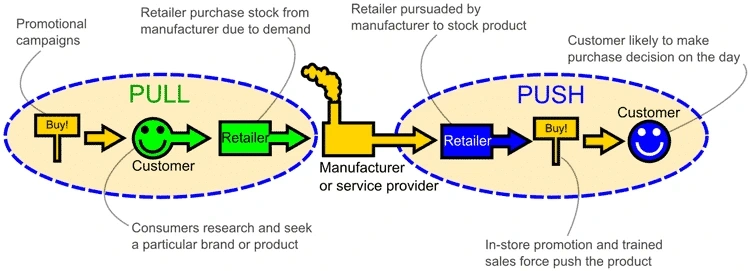
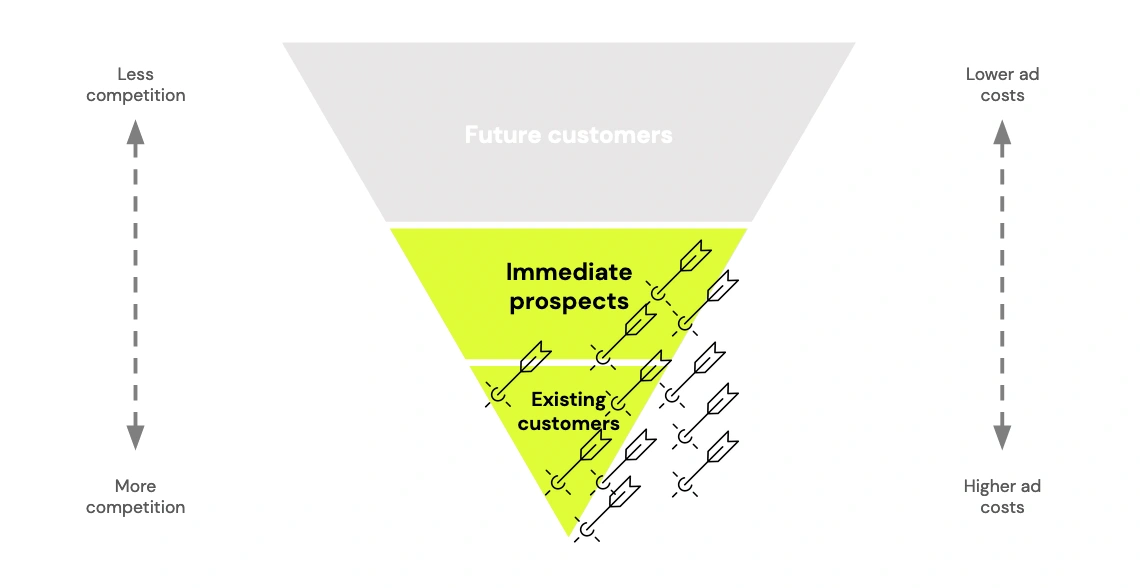
Choose the appropriate ad type according to the customers purchase journey: use display ads in the awareness stage and search ads in the consideration and purchase stages.
Funnel Strategy:
Awareness Stage: Display ads on popular Naver services.
Consideration Stage: Operate search ads when users look for product information.
Purchase Stage: Focus search ads on specific model names, price comparisons.
Re-purchase Stage: Use retargeting display ads to reinforce loyalty.
Regular Performance Analysis and Optimization:
Regularly analyze ad performance and identify areas for improvement. Use A/B testing to discover the most effective ad copy, images, and targeting methods.
Analysis Points:
CTR: Indicates ad attractiveness. Low CTR suggests the need to improve ad copy or images.
Conversion Rate: Measures actual purchases or sign-ups from clicks. Low rates may indicate the need to improve the landing page.
ROAS: Measures ad cost efficiency. Use Naver Ad Manager Center’s performance report to monitor and adjust accordingly.
By comprehensively understanding the characteristics of naver advertisings search and display ads, and strategically using them according to your business goals and situations, you can achieve effective advertising results.
Our skilled team is committed to enhancing your ad performance, making sure your campaigns connect with the ideal audience and deliver exceptional outcomes.
Should you have any queries or face challenges, feel free to consult our specialists for expert guidance and support.
In addition to KPIs that evaluate overall performance, marketers must decide how to track and assess the specific tasks needed to achieve their objectives.
Key Considerations for B2B Lead Generation
Tracking B2B lead generation is crucial, but clarity is equally important. Ensuring accuracy in lead generation is like holding the key to successful marketing.
When data is ambiguous, it becomes challenging for marketers to make informed decisions. Without clear data, marketers hesitate to move forward to the next steps, leading to delays in execution. Naturally, this delay affects revenue generation. Therefore, clarity in marketing metrics is vital.
Managing the Quality of B2B Lead Generation
It’s not just about having a large volume of data. B2B marketers must eliminate any confusing or unnecessary information.
Over half of marketers report difficulties in lead generation. The B2B and tech sectors, in particular, have some of the lowest conversion rates.
To improve lead quality and conversion statistics, marketers need a high-quality lead generation funnel.
Lead Qualification Verification
Lead qualification is a critical element in generating leads. Many marketers struggle with tracking lead qualification.
While lead qualification verification is not a new trend, it is an essential task within a lead generation strategy.
To fill the sales funnel with qualified leads, marketers must first learn effective lead generation techniques.
Even when leads are qualified, most sales teams only follow up via email or phone, typically during business hours, which can be limiting.
The speed of response to leads directly impacts conversion rates, making it a critical issue.
Many B2B marketers are either refining or abandoning their strategies.
Tracking metrics over time to develop more effective strategies is why data-driven decision-making is so crucial.
Marketers should consider including at least one or two validation metrics in their B2B lead generation strategy.
They aim to optimize how quickly leads become qualified, which allows tracking the time from lead generation to lead assignment.
Alternatively, marketers can test different methods of lead verification to evaluate the costs, resources, and potential revenue associated with various strategies.
Lead Nurturing Metrics
Lead nurturing metrics play a vital role in lead conversion. Like lead verification, it presents an opportunity to move forward. However, most marketers fail to fully understand lead nurturing.
To grasp it correctly, setting performance metrics related to content performance, one of the most challenging yet essential elements, is effective.
Tracking Media Channels
To track lead generation effectively, marketers must identify which media channels are most effective. Utilizing all social media platforms requires significant time and resources.
Therefore, focusing on a few channels that best fit your marketing strategy is more effective and economical. Marketers with limited resources or budget especially prefer concentrating on a few channels.
As mentioned earlier, marketers looking to improve lead quality and conversion statistics need a high-quality lead generation funnel. Heres a checklist for building such a funnel:
Awareness
At the top of the funnel, leads in the awareness stage seek information to solve business challenges. They search on Google, browse social media, and gather various data.
In this process, they might even discuss with colleagues.
Businesses that want to collect effective leads must make their presence known across multiple channels. The more visible they are, the more likely top-funnel leads will reach them.
Content Marketing
Content marketing generally takes time. However, it can generate three times more leads and reduce costs by 62% compared to traditional marketing.
If you brainstorm content ideas by researching keywords for content creation, you can gain ample inspiration. Its also crucial to tailor content to the channels youre using.
If most visitors come through Search Engine Results Pages (SERPs), you can utilize SEO-optimized blogs or free e-books.
Choosing effective methods allows marketers and salespeople to reach potential customers more easily.
Social Media
Social media marketing isnt just about keeping up with Generation Z. Understanding their preferred channels and engaging with the public through value-added content is crucial.
They can expand their reach through hashtags, events, and other strategies.
Moreover, messaging consistency is essential. Activities during the awareness stage, regardless of the social media platform, are part of branding. Therefore, creating consistent messaging to achieve harmony is crucial.
Cold Email
Creating and segmenting personas that fit your business is essential. Messaging strategies for each persona should resonate with them, addressing problems, icebreakers, and the language they use.
Even if you use pre-made email templates, personalizing emails can take time. Therefore, automating cold email campaigns is essential.
Personalize emails to the highest degree possible.
Build intuitive drip sequences.
Schedule send times.
Track opens and clicks.
Detailed Aspects of the B2B Lead Generation Funnel
Interest
In the interest stage, you should use the right strategies to transition smoothly from awareness to interest while minimizing drop-offs.
While brand awareness content serves purely educational purposes, content at the interest stage should strike a balance between education and promotion.
Leads are not yet ready to pay. The value you offer must be more attractive than other options and directly align with why they should choose you. Therefore, providing valuable resources to leads is essential.
If leads dont understand the features and value of your product, they wont buy it, no matter how many features it has. Use benefit-centric language and emphasize how your product can transform and benefit the leads life.
Estimate which stage of the buying journey the lead is in based on the content they access. Then, personalize the content to fit the linear funnel.
If a lead visits your website or checks your cold email but doesnt respond, retarget them. Reminding them of your offer can significantly improve overall conversion rates. A good approach is to redirect the lead to a high-performing magnet page or display personalized comparisons between your product and competitors.
Decision and Conversion
When potential customers enter the stage where they decide to purchase your product or service, you should accelerate the process with the following steps:
CTA
Messaging should include a clear CTA appropriate for the content and funnel stage.
In the decision stage, a strong and urgent CTA like Download Free Trial is effective. Unusual CTAs can also help drive conversions.
Removing Conversion Barriers
A practical way to remove conversion barriers is by directly asking existing customers.
Ask them how they discovered your product, how much time they spent before focusing or researching, what information would have been helpful to know earlier, and which features were beneficial and which were not.
Such direct communication significantly impacts developing new strategies.
Simplifying the Conversion Process
The process of signing up for a free demo, subscribing to a newsletter, or purchasing a product should be straightforward and easy. The fewer and simpler the steps, the higher the conversion rate.
Its best to eliminate complex and time-consuming tasks like filling out numerous fields in a sign-up form.
Utilizing Data
Analyzing accurate and reliable data is crucial. Verified conversion data can help streamline your lead generation funnel. Additionally, you should refine your buyer personas based on feedback and surveys.
Businesses must collect reliable conversion data through continuous monitoring.
Maintaining Long-Term Conversions
The lead funnel doesnt end after conversion.
Even after leads become paying customers, efforts should be made to maintain long-term conversions. Paying customers could turn into enthusiastic promoters. Therefore, businesses must provide them with the best experiences and resources.
Why You Need to Improve Lead Generation
Marketing technologies evolve every year, accelerating change. Buyer behavior constantly shifts, and what was effective last year may no longer work this year.
B2B lead generation must also become more sophisticated to adapt to these changes.
If youre still using lead generation metrics from last year or the year before, its time to track and update new metrics.
Companies must always be ready to adapt and respond flexibly to changing marketing technologies and trends. Accurately understanding and consistently tracking and setting metrics is a challenging task.
To maximize lead generation, its also essential to use the correct SEO metrics to attract relevant traffic and convert it into leads.
For insights on content marketing and SEO, consider these resources:
The 369 vacation system at Growth Marketing Agency is a policy where employees are required to take a three-day vacation once every quarter.
You may have heard of the term “3, 6, 9.” It refers to the feeling employees often have at the 3-month, 6-month, and 9-month marks of wanting to quit their jobs.
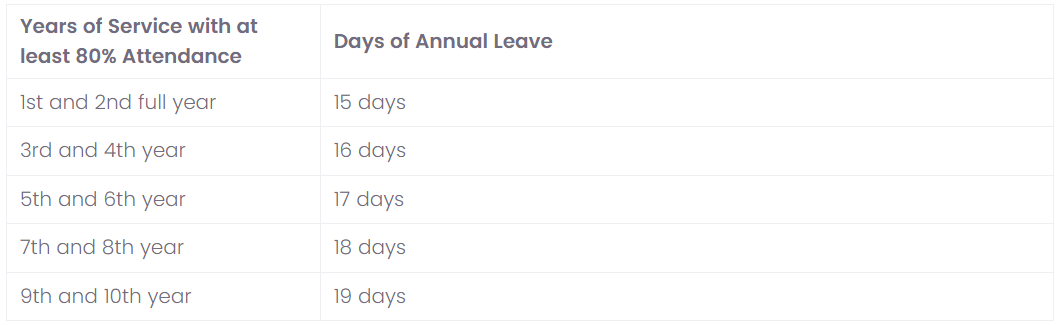
In addition to providing the 369 vacation, Growth Marketing Agency also adheres to the Labor Standards Act, granting annual leave based on the employee’s years of service. As long as it doesnt interfere with work, employees can take their annual leave whenever they want.
However, according to the Labor Standards Act, employees who have been with the company for less than a year are not entitled to annual leave by default, and they can only use one day of leave for every full month worked.
At Growth Marketing Agency, this law is only applied to employees in their first year of service, meaning that employees hired this year can start using their annual leave from the following year.
Of course, during the first year, employees are still granted one day of annual leave for each full month worked. For example, an employee who joined in May can use 7 days of annual leave by the end of the year, while an employee who joined in September can use 3 days.
In addition to annual leave, Growth Marketing Agency offers a Re-fresh 369 vacation.
As mentioned earlier, the “3, 6, 9” refers to the urge to quit at the 3-month, 6-month, and 9-month marks. The Re-fresh vacation system at Growth Marketing Agency is designed to combat this by requiring employees to take a three-day vacation once every quarterMarch, June, September, and Decemberwhether they want to or not. This mandatory break is scheduled just when employees might be feeling most worn out from continuous work, so theres no need to feel guilty about taking time off.
How Does the 369 Vacation System Work in Practice?
The Re-fresh vacation allows employees to take three days off every quarter. Combined with annual leave, national holidays, and other public holidays, the actual working days in a year are significantly reduced. To balance this, one day of annual leave is deducted for every three days of Re-fresh vacation taken. Is this difficult to calculate? Lets make it simple. A second-year employee can take 12 days off in total using the Re-fresh vacation (3 days per quarter). Out of their 15 days of annual leave, 4 days are deducted to cover the Re-fresh vacation, leaving them with 11 days of annual leave. Therefore, they end up with a total of 12 + (15-4) = 23 days off.
Re-fresh vacations are scheduled in advance every November 30th for the following year. Employees coordinate with each other to ensure that their chosen vacation periods do not disrupt the workflow. Not sure if a particular day next year will be a holiday? At Growth Marketing Agency, if its marked as a red day on the Naver calendar, its a day off. No need to worry about legal holidays, substitute holidays, or temporary holidaysif its red on the calendar, its a holiday.
What If You Plan to Travel Abroad During Your 369 Vacation?
You can plan your Re-fresh vacation at the end of November and combine it with weekends and annual leave for a longer break. For instance, you could take off from Saturday (weekend) to Sunday (weekend), followed by Monday, Tuesday, and Wednesday (Re-fresh vacation), and Thursday and Friday (annual leave), giving you 8 nights and 9 days for an overseas trip.
As long as it doesnt interfere with your work, you can combine your Re-fresh vacation with weekends, public holidays, and annual leave to enjoy a 19-day vacation.
Because employees can freely choose their vacation periods, there is no separate summer vacation period. If you find that summer vacations in July and August are too expensive, you can take your 3rd quarter Re-fresh vacation in September. Conversely, if you prefer a summer vacation, you can take time off during the peak season in July or early August. If youre into skiing or snowboarding, you can save up your annual leave and take it during the ski season while only using your Re-fresh vacation days.
The 369 Vacation Isnt Just for Overseas TravelIts Also for Simple Rest
However, it is forbidden to come to work instead of taking your Re-fresh 369 vacation!
Marketing work involves countless variables and uncertainties that can overload the brain. We believe that taking time off to recharge is crucial for maintaining work efficiency. Continuous work without breaks can actually lead to problems.
If you really want to do something productive during your vacation, why not go to the library and read a book youve been meaning to read or study a foreign language youve been wanting to learn?
Michelle Bonam, Vice President of Organizational Effectiveness at Ceridian, said, “To maintain overall health, you need time to recharge, time to disconnect, and you can only truly achieve this if you disconnect.”
We understand the desire to work hard. But if one person skips their Re-fresh 369 vacation, others might feel pressured to work even when they are supposed to be on vacation. So even if you want to work, please take your vacation and enjoy it, so others can feel comfortable doing the same. ?
Preparing for Your Re-fresh 369 Vacation
Thorough Handover
To avoid any gaps in work while youre on vacation, its essential to have a thorough handover process! If the handover isnt smooth enough, you might end up having to deal with work-related calls during your Re-fresh period.
There could also be issues if team members who need to hand over work to each other end up taking vacations at the same time. Therefore, new employees are given priority when selecting their vacation schedules.
The Evolution of the 369 Vacation
Until 2020, the previous Re-fresh system allowed all employees to take a week off (Monday to Friday) during certain periods: Lunar New Year, the companys founding anniversary (May 18th), Chuseok, and Christmas. During these periods, managers above the team leader level would take turns being on duty, while they would take their Re-fresh vacations at a separate time.
However, during the operation of this system, there were issues with managers being overloaded with work during the Re-fresh period. Therefore, starting in 2021, the system was changed to the current format, where employees take a 3-day Re-fresh vacation once per quarter.
In today’s B2B marketing landscape, website development and management are crucial elements. A well-crafted B2B website can serve as a billboard or brochure, showcasing a company’s expertise in the online market.
Potential clients often search online for service providers, and about 80% of people check websites during this process. Therefore, to ensure a company has a chance to succeed in the market, its website must be easily discoverable by customers.
To attract new visitors to your website, it’s essential to build solid content and carefully targeted strategies. Additionally, web and graphic design can influence visitors’ perceptions and help differentiate your business quickly and intuitively. Finally, usability across various devices, including mobile, should be considered.
This article will introduce methods for developing a successful B2B marketing website that fosters growth.
Successful B2B websites focus on providing value to potential customers through informative blog articles, case studies, or product demos. By building trust and demonstrating expertise, a B2B website can establish customer relationships that lead to long-term business partnerships.
Let’s delve into the specific roles of a B2B website:
Building Relationships with Customers A website can be used to build relationships with customers through blog posts, social media integration, and other interactive content. This can leave a lasting impression on potential customers and increase the likelihood of doing business together.
Educating Potential Customers A website can educate potential customers about your products, services, and industry expertise. This positions your company as a thought leader and helps build trust with potential clients.
Increasing Brand Awareness A consistent and integrated online presence can help increase brand awareness, which is crucial for acquiring new customers and growing your business.
Generating Leads and Conversions A website can capture leads through contact forms, subscription boxes, and other calls to action. This helps build a list of potential customers interested in your offerings.
Driving Sales In some cases, a website can be used to close sales. For example, if you sell SaaS products or e-commerce goods, you can allow customers to make purchases directly on your website.
Improving Search Engine Rankings A well-optimized website can improve search engine rankings, making it easier for potential customers to find your website when searching for relevant keywords.
Driving Traffic from Other Marketing Channels A website can be used to drive traffic from other marketing channels, such as social media, email marketing, and paid advertising, helping you reach more potential customers and amplify your marketing messages.
An inefficiently structured B2B website can significantly impact sales. Customers who cannot find the information they need on your website are likely to give up on learning about your company, leading to reduced engagement and business loss.
Additionally, poorly structured websites can negatively affect search engine optimization (SEO) and online visibility, making it harder for potential customers to find your website in the first place.
Ultimately, a poorly designed website can damage a company’s reputation and credibility. Potential customers may view a poorly designed website as unprofessional and may not take the company seriously, leading to a lack of trust.
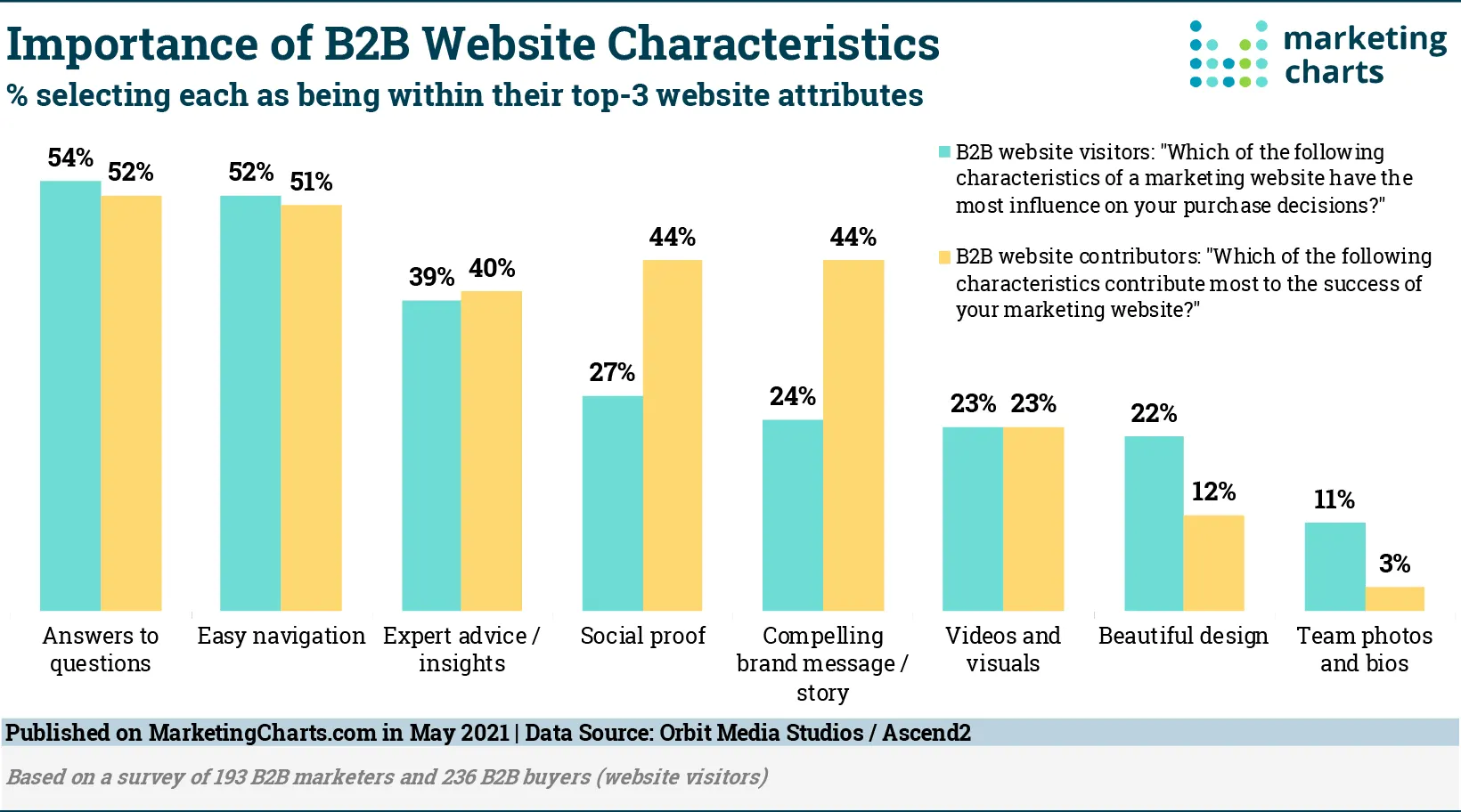
B2B decision-makers generally trust and favor well-structured, user-friendly websites. Therefore, building such a website is crucial for enhancing user experience, increasing conversion rates, and establishing yourself as a trustworthy industry leader.
Now that we understand the importance of a B2B website, creating a functional and aesthetically pleasing website is challenging, especially when trying to capture the attention of business decision-makers. B2B targets traditionally have more information than general consumers and tend to be short on time.
If your website is difficult to navigate, they will quickly move on to the next one. To capture their attention, your B2B website must be highly relevant and engaging enough to generate leads.
To achieve this, we at Growth Marketing Agency follow the steps outlined below when analyzing and developing a B2B website.
Market Research
Whether you’re just starting a website or planning a redesign, making informed decisions at every stage is crucial. Comprehensive market research is a prerequisite for this.
The purpose of running your business is likely to provide excellent products or services that meet the needs of a specific target audience. You probably aim to build a customer base, increase revenue, and expand your business.
To align your web design strategy with these goals, it’s essential to carefully review common objectives like the following:
Do you want your website to be a simple lead-generation tool, directing inquiries to your sales team? Or do you want it to guide B2B visitors through the entire sales cycle and convert them into potential customers? Answers to these questions will determine the amount and type of functionality required.
If your website is simply collecting consumer information for follow-up, you are less likely to encounter backend or infrastructure issues compared to an e-commerce site.
On the other hand, a sales-oriented website needs to be integrated with existing IT strategies and requires management of inventory, shipping, and other logistics.
Once you’ve identified all the website’s requirements, such as functions and pages, you can move on to the sitemap development stage, where each page and function is meticulously analyzed within the marketing funnel.
Goal-Oriented Processes
If you already have a website and are planning updates, it makes sense to hold off on creating an update list until you have an analysis report. By leveraging analysis, you can avoid wasting time on updates to pages and sections that performed well or weren’t directly related to your business goals.
Similarly, if the data reveals high bounce rates or low engagement on specific pages, you can reprioritize those pages. Using real-time data, consider installing a “Heat map,” which visualizes the parts of a page that generate the most interaction and attract the most attention.
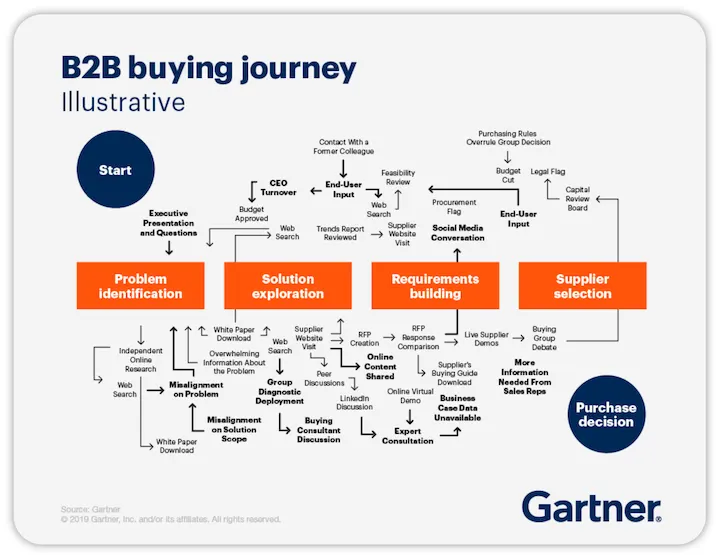
When building a website, it’s essential to define your marketing audience clearly. B2B customers are more cautious than general consumers and often make decisions that reflect the opinions of other key stakeholders.
In some cases, a customer may need approval from up to 10 colleagues before making a purchase decision. Therefore, a B2B website must be designed to meet the needs of various stakeholders.
Consider how those who need to get approval before taking action will evaluate your website. If the information is unconvincing or fails to distinguish your business from competitors, it’s unlikely that the first impression will be shared with your company’s decision-makers.
Your goal here is to create a concise environment that provides a clear and logical overview of your company’s services, how they differ from competitors, and what actions users can take to obtain more information. By creating a buyer persona targeting your ideal customer, you can ensure that your development goals remain focused on those seeking to maximize benefits through partnerships with your brand.
UI/UX, Content, SEO
Now it’s time to structure the layout of your website. Generally, less is more when it comes to web design. A website that allows customers to find the desired content or resources within three clicks is considered the most structured.
Are you planning to place “Contact Us” buttons and other CTAs throughout your website? However, in certain business models, building relationships with potential customers may be more important.
For example, resources such as expertise, experience, and testimonials fall into this category. Here are a few steps for developing a structured build strategy.
Prioritizing UX and UI
B2B customers are put off by websites that are difficult to navigate. They are more likely to browse your website from a desktop computer and may return multiple times via mobile or tablet.
If your website has slow image loading times or refreshes without reason, you may lose potential customers.
Therefore, it is crucial to prioritize key principles of user experience (UX) and user interface (UI).
In B2B marketing, however, UX is not just about creating a simple and clear site. Customers must be able to conveniently gather information, with a focus on creating a repeatable contract strategy that ensures continuity.
Crafting Core Content and SEO
High-quality content provides value to visitors and emphasizes your company’s expertise and reliability. As a result, visitors may become more interested in building a long-term relationship with your company rather than simply obtaining information.
Built upon this foundation, Search Engine Optimization (SEO) helps your website rank higher in search engines. This leads to more visibility in search results, which in turn results in more clicks and visits from potential customers.
Here is a simple SEO strategy to consider when developing a website:
Off-Page Strategy: Acquiring high-value backlinks and building brand authority
White Papers and Case Studies
Documents such as white papers, case studies, and testimonials are highly effective indicators in B2B marketing. They demonstrate that the company holds an authoritative position in the industry and that other consumers trust the company. This approach is suitable for products or services with a lengthy sales cycle or those that require significant investment.
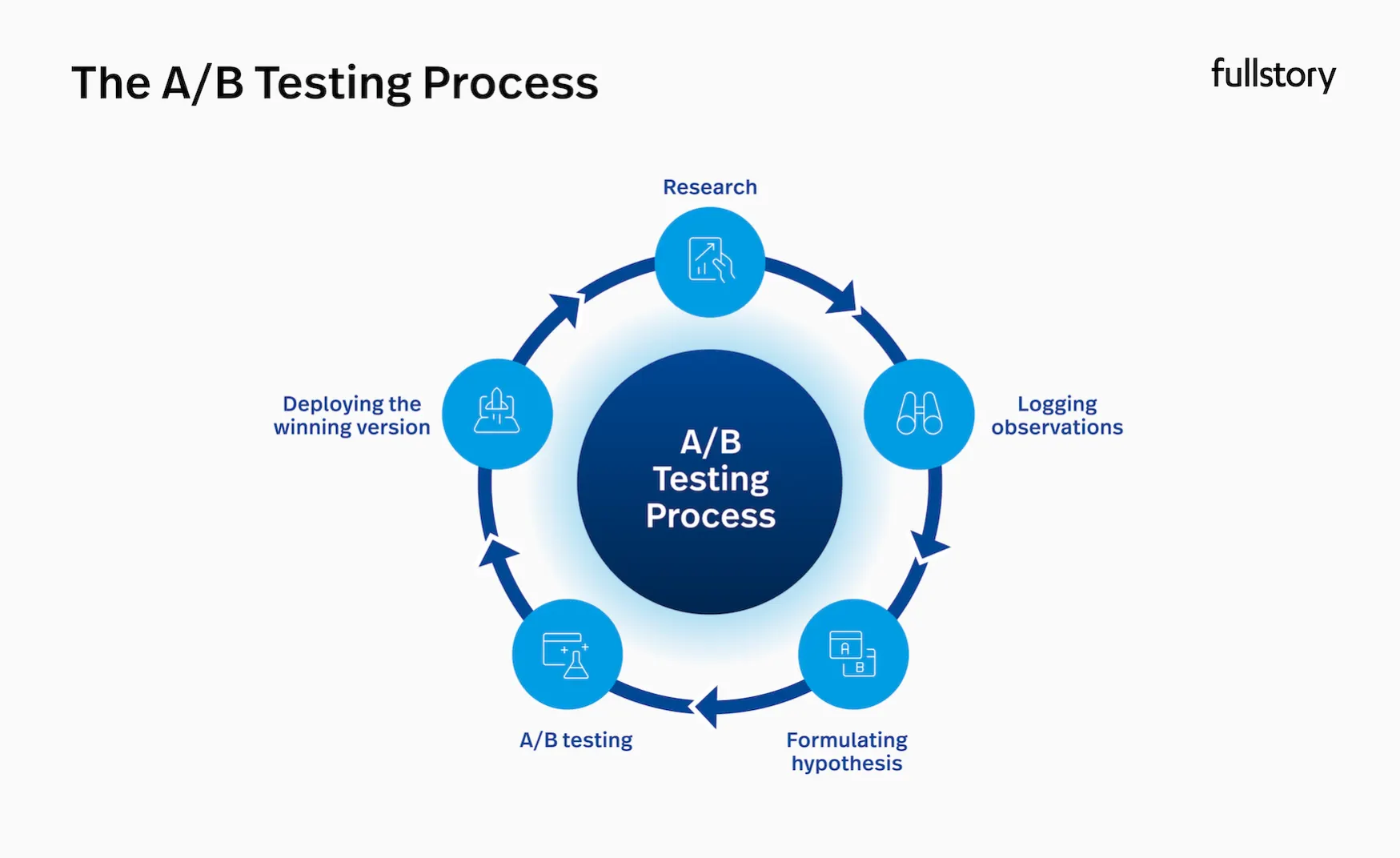
B2B websites and homepages play a crucial role in a company’s digital strategy, and their performance and efficiency significantly impact the company’s success. One of the most effective methods for optimizing such websites is A/B testing.
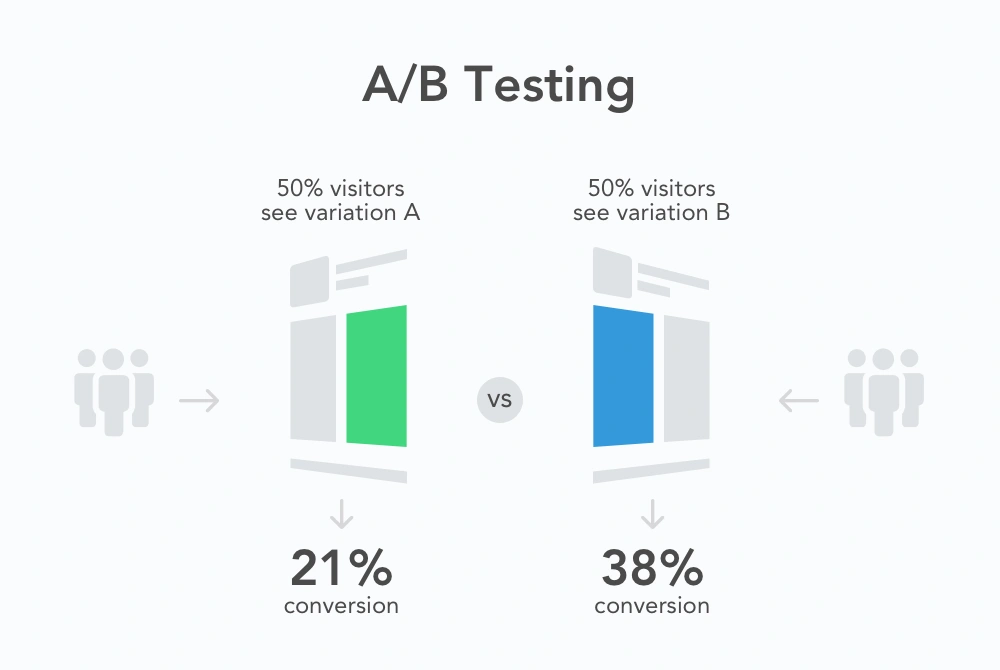
A/B testing is an experimental approach where users are presented with two different versions (A and B) to compare which version produces better results. This method can be applied to various elements, such as web page design, content, and functionality.
Because A/B testing is based on real user data, it is more objective and reliable than subjective judgment. Additionally, it helps identify which elements improve or hinder the user experience.
Optimized web pages increase customer engagement and conversion rates. Ultimately, experimenting in small steps before making significant changes reduces potential risks.
The A/B test implementation plan in the website development process includes:
Analyzing test results and drawing conclusions
Clearly defining the goal of the experiment
Establishing and prioritizing test hypotheses
Selecting and setting up test tools
Conducting A/B tests in stages
Conclusion
Your website serves as the primary source of information about your company and is a powerful marketing tool. Therefore, it is vital to develop your website with a well-planned strategy, ensuring that your online presence is optimized for growth and success.
These steps represent an overview of a B2B website development approach. However, each business has different goals, and careful planning, consideration of market research, target audience, UX/UI design, and content marketing strategies should be tailored to your specific needs.
By following these steps and continually optimizing and refining your website, you can build a strong online presence that drives growth, enhances credibility, and generates more business opportunities.
인게이지먼트(Engagement) 중심의 마케팅이란, 고객이 직접 관심을 갖고 참여할 만한 콘텐츠를 사용해 고객들에게 접근하는 마케팅 전략입니다.
인게이지먼트 중심 전략은 브랜드와의 상호작용을 유도해 고객과의 연결성을 생성하고 장기적인 관계를 구축해 그들을 잠재 고객에서 충성 고객으로 이어질 수 있도록 합니다.
기업들은 단순히 웹사이트를 통한 콘텐츠 제공 뿐만 아니라 이메일, 기업 블로그, 소셜 미디어 등 다양한 채널을 통해 고객에게 다양하고 개인화된 콘텐츠를 제공합니다.
여기서 인게이지먼트(Engagement)는 더 많은 콘텐츠 보기(Page View), 장시간 체류, 공유하기, 댓글달기, 좋아요 누르기 등 모든 형태의 반응을 말합니다.
고객 참여를 효과적으로 구현한다면 잠재 고객은 자신이 해당 브랜드를 이해한다고 느끼고 해당 브랜드에 소속감마저 느끼게 됩니다.
이는 브랜드의 인지도를 높이고 신뢰를 높이는데 큰 도움을 줍니다.
또한 잠재 고객들에게 유용한 정보를 제공하고 문제를 해결하는데 도움을 준다면 그들의 삶을 더욱 윤택해지게 하겠죠.
디지털화에 따른 데이터 분석 활용
B2B 마케터들은 어느 순간부터 구글 애널리틱스와 같은 디지털 도구를 적극적으로 활용하기 시작했습니다. 데이터의 중요성을 인식하고 직관적인 마케팅에서 보다 분석적인 마케팅이 효과적임을 깨달았던 것이죠.
그러나 구글 애널리틱스로는 익명의 방문자를 알아낼 수 없다는 단점이 있었습니다. 따라서 소수의 트래픽에 집중해야 하는 B2B 서비스에는 제대로 활용할 수 없다는 문제도 있었습니다.
이로 인해 마케터들은 더 디테일한 데이터 분석에 대해 강한 필요성을 느끼고 있습니다.
B2B 마케팅 트렌드 ‘양보다 질’에 집중하기
노출량은 매출액과 비례하지 않는다
이제 마케터들은 무의미한 노출 기반의 마케팅 보다는 인게이지먼트(Engagement) 마케팅과 같은 참여형 혹은 가치 전달형 마케팅에 집중을 하고 있습니다.
특히나 많은 고객이 필요한 B2C보다 정확한 잠재고객, 특정 기업들에 집중해야 하는 B2B마케팅 트렌드에서 변화가 뚜렷하게 드러나고 있습니다.
결론적으로 양적인 확장보다는 타겟팅된 고객에게 집중하는 것이 더욱 효과적임을 기업들은 느끼고 있습니다. 이제 기업들은 잠재 고객들에게 어떤 가치를 전달할 것인지, 어떻게 참여율을 높일 것인지에 대한 관점에서 마케팅을 시도하고 있습니다.
인바운드 마케팅
인바운드 마케팅이란 잠재고객의 공감을 불러일으키는 유용한 컨텐츠와 경험을 제공하는 마케팅을 말합니다. 이는 광고에 의존하는 게 아니라 직접 고객에게 다가가 거래를 성사하게 만들도록 돕는 디지털 마케팅이라고 할 수 있습니다.
해외 통계에 따르면 마케터들은 인바운드 마케팅을 통해 평균 사이트 전환율을 2배 가량 올린 경험이 있다고 합니다. (B2B 인바운드 마케팅 사례 연구). 성장마케팅 역시 이러한 인바운드 유입을 개선하는 마케팅을 통해 SQL (Sales Quality Lead)을 평균 3배 이상 증가시켰으며, 크게는 18배 이상 증가 시킨 레퍼런스도 가지고 있습니다.
B2B 인바운드 마케팅 전략을 실행할 때는 다음과 같은 단계로 전환이 이루어진다고 볼 수 있습니다.
Attract
잠재고객들이 관심을 가지는 키워드를 적극적으로 활용한 콘텐츠를 통해서 브랜드 인지도를 높이고 유입을 발생시킵니다.
Convert
방문자의 요구 사항에 대한 솔루션을 제시합니다.
Close
잠재 고객 및 방문자를 고객으로 전환시킵니다.
Delight
고객과 파트너쉽을 맺어 협력관계를 유지합니다.
최종 단계까지 도달해 만족감을 느낀 고객은 최고의 홍보 대사가 되기도 합니다. 그들은 충성 고객이 되어 회사에 상상하지 못한 이득을 가져다주기도 합니다.
2024년, 지금 우리의 마케팅은 온라인에서 요구사항을 충족시킬 수 있는 제품 혹은 서비스를 검색하고 있는 잠재 고객에게 쉽고 매력적이게 발견되어야 합니다. 그리고, 경쟁사와의 비교에서 우위를 점할 수 있는 USP (Unique Selling Point)를 효과적으로 설득하는 내용과 구조를 갖춰야 하겠죠.
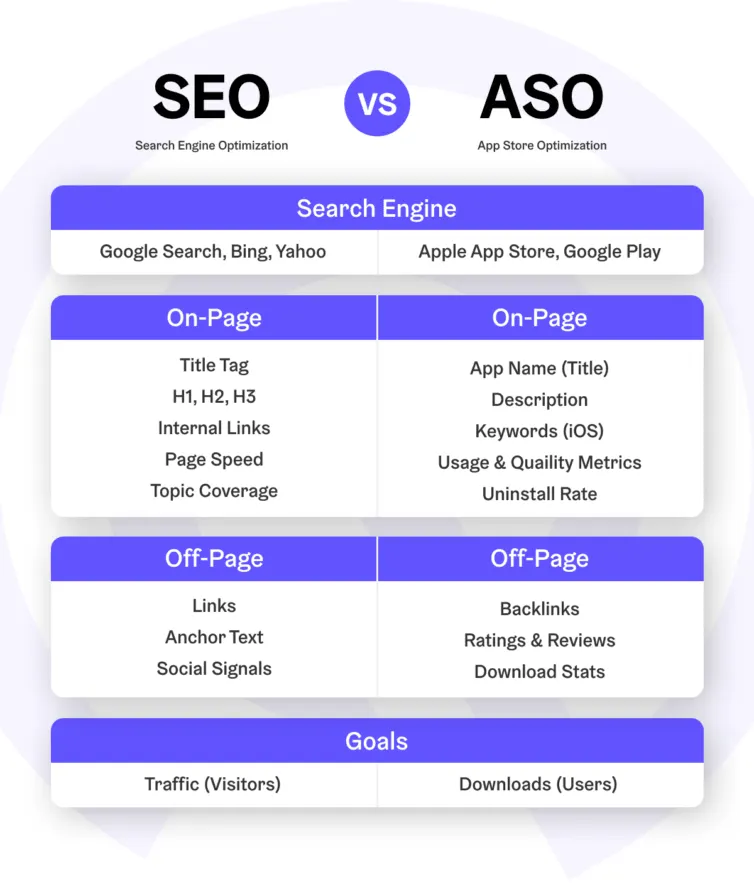
ASO is a concept similar to search engine optimization (SEO) for websites. ASO focuses on increasing the apps visibility, encouraging organic downloads, and demonstrating to users that the app meets their needs.
Why ASO is Important
Apps have become an essential part of our daily lives. On average, people spend over 30 hours per month using apps. Additionally, 25% of users find the apps they need through app store searches. Most users who search within app stores do so to find apps that fulfill their needs, making ASO increasingly important.
With millions of applications available in app stores, users typically rely on search functions to find the apps they want. By improving ASO, apps can achieve higher rankings in search results, significantly enhancing their visibility. Higher visibility means a greater likelihood of discovery and downloads, which directly correlates with increased download numbers and user base growth.
Compared to traditional paid promotion methods like advertising or marketing campaigns, ASO is relatively cost-effective. It can make a significant difference in the long run.
A well-executed ASO strategy not only yields short-term results but also contributes to long-term success. It helps maintain high ratings, positive reviews, and sustained downloads, while continuously implementing refined and up-to-date strategies.
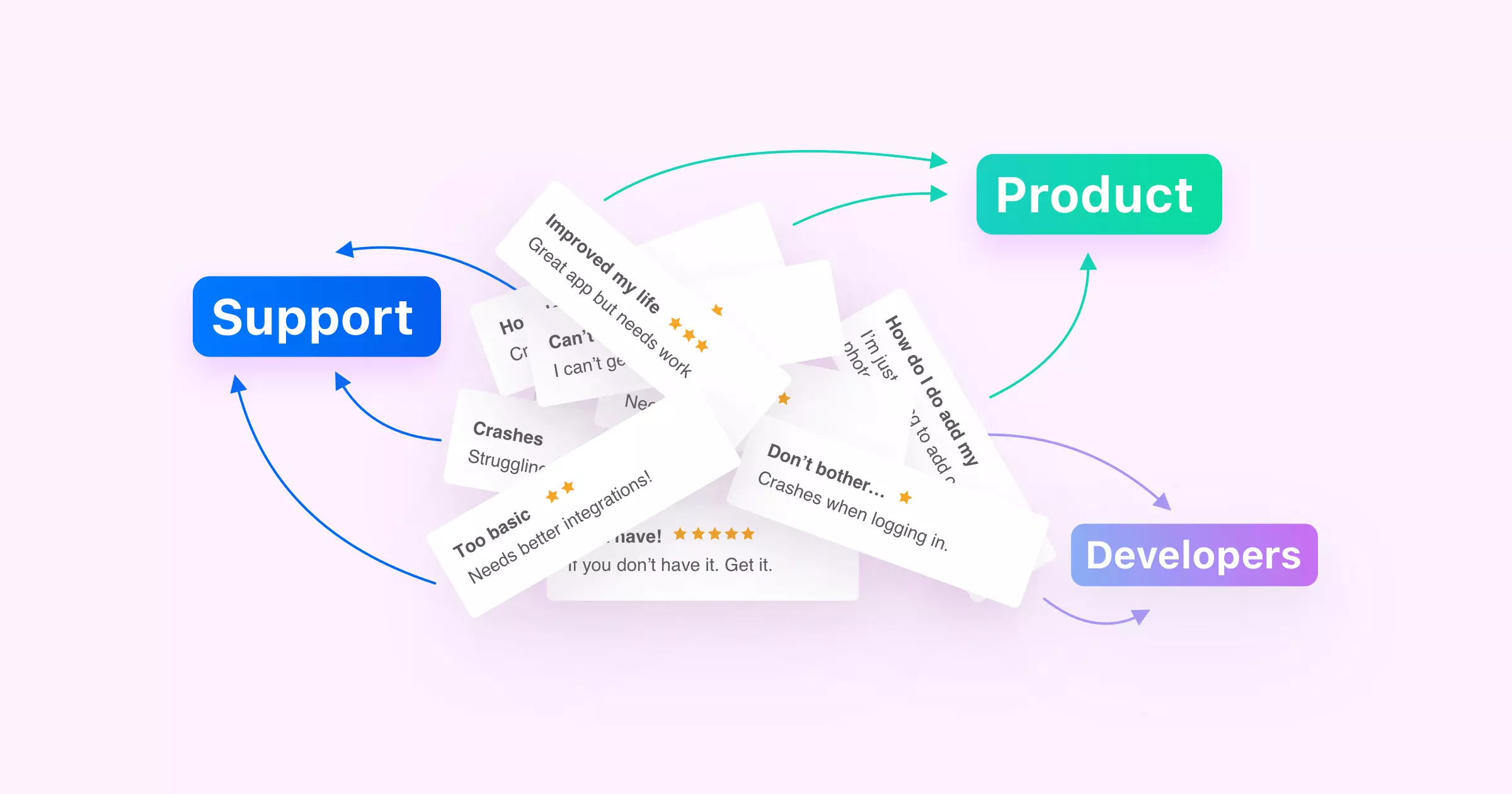
During the ASO process, developers receive valuable feedback from users about their app. This feedback aids in product improvements, updates, and enhancing the user experience.
Users generally trust apps that appear at the top of search results without ads. This is a clear reason for app marketing companies to focus on ASO. ASO is a crucial strategy for gaining a competitive edge and growing in the mobile app world.
Suggestions for ASO Improvement
Strategies to improve ASO can be categorized into direct and indirect elements.
Direct elements refer to aspects that app developers can control during the app development and deployment stages. Proper attention and management of these areas can lead to positive results.
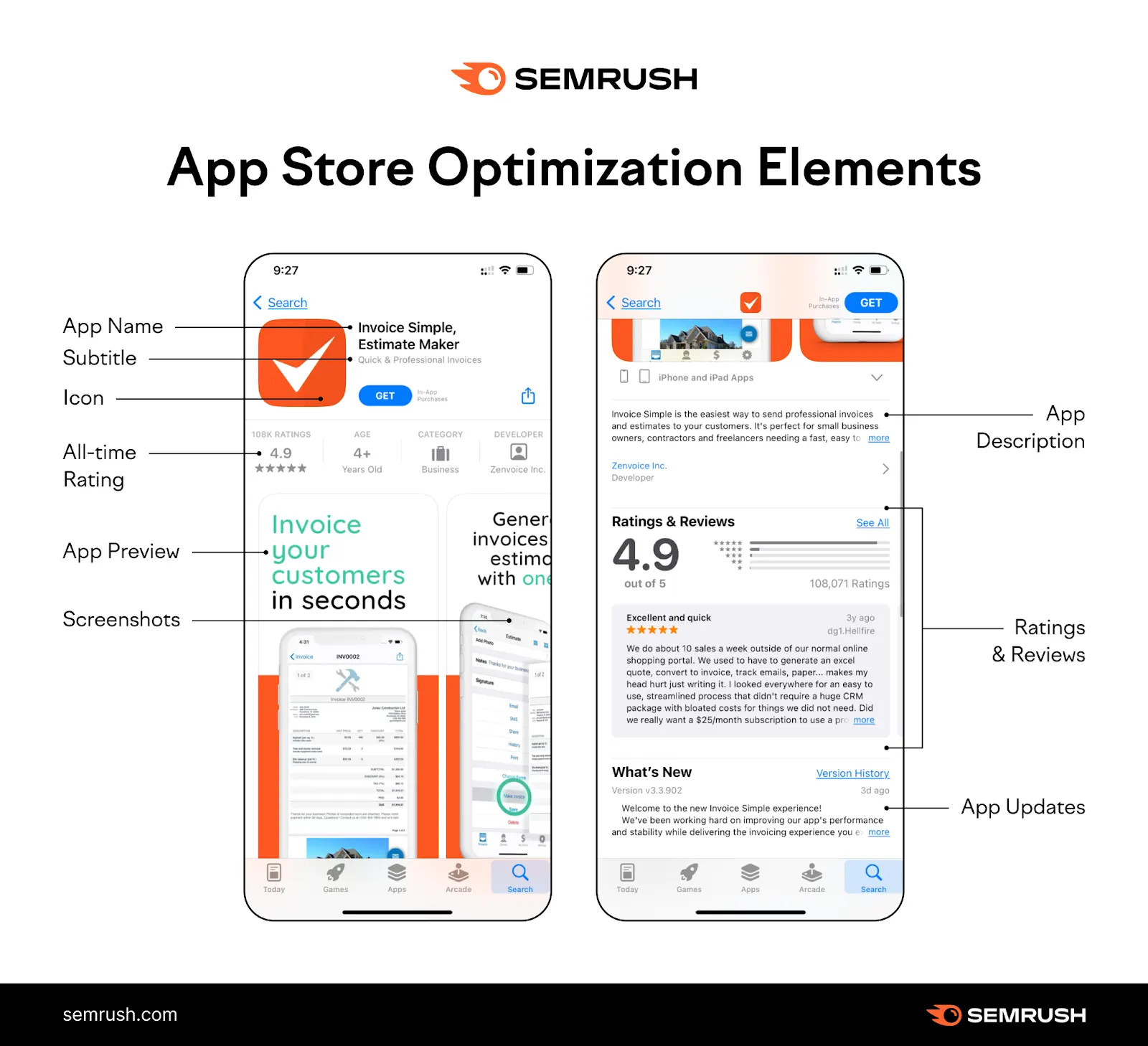
App Name: Choosing an intuitive app name is crucial. Adding high-traffic keywords to the app name can be effective.
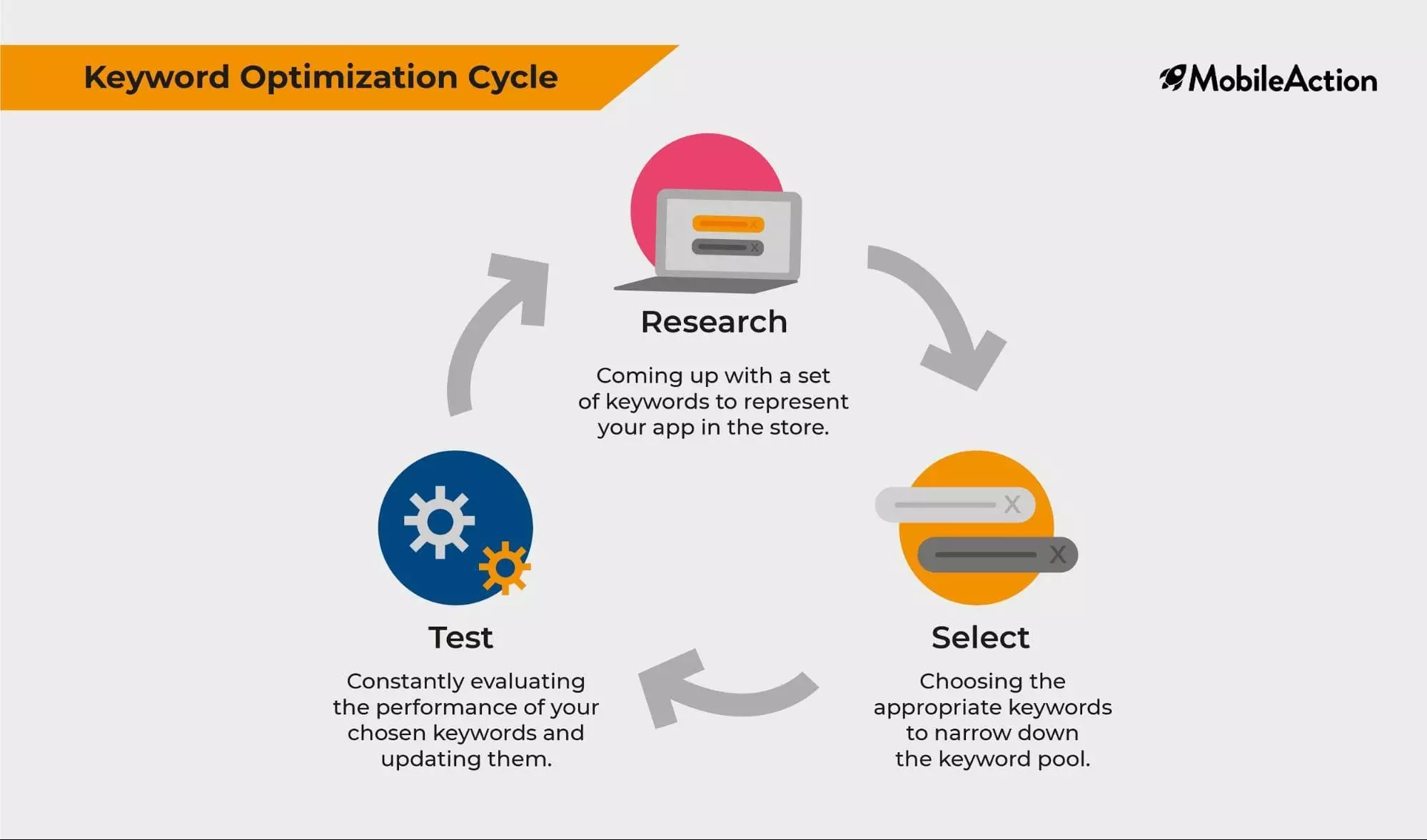
Search Keywords: These are keywords that help the app appear at the top of search results. Developers research relevant and popular keywords and include them in the app’s title, description, and other metadata. Apple has a dedicated search keyword section during app registration, similar to hashtags. Choosing the right keywords for the app service is essential.
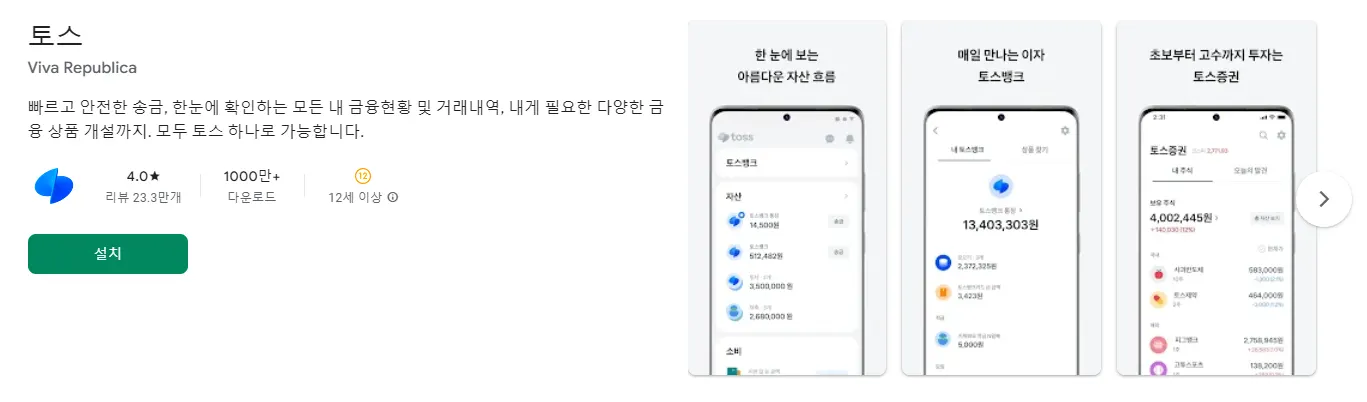
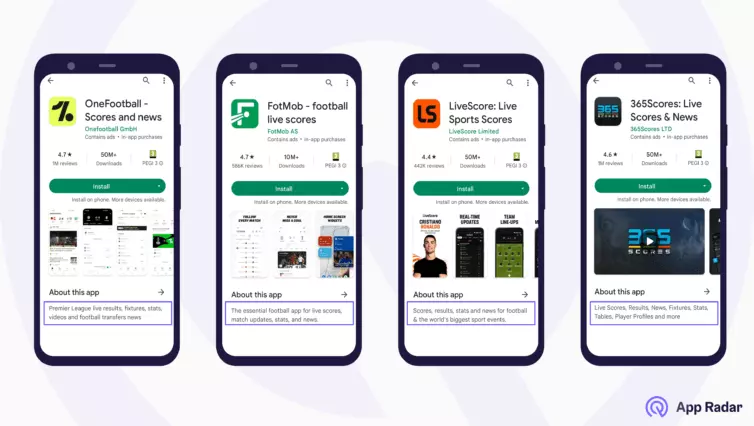
App Description: The description should clearly explain the app’s main features and how it addresses user problems or enhances their lives. Highlight the apps key benefits and unique value propositions. The description should be clean, well-organized, and easy to read. It should be regularly updated to reflect the latest information and respond to user feedback.
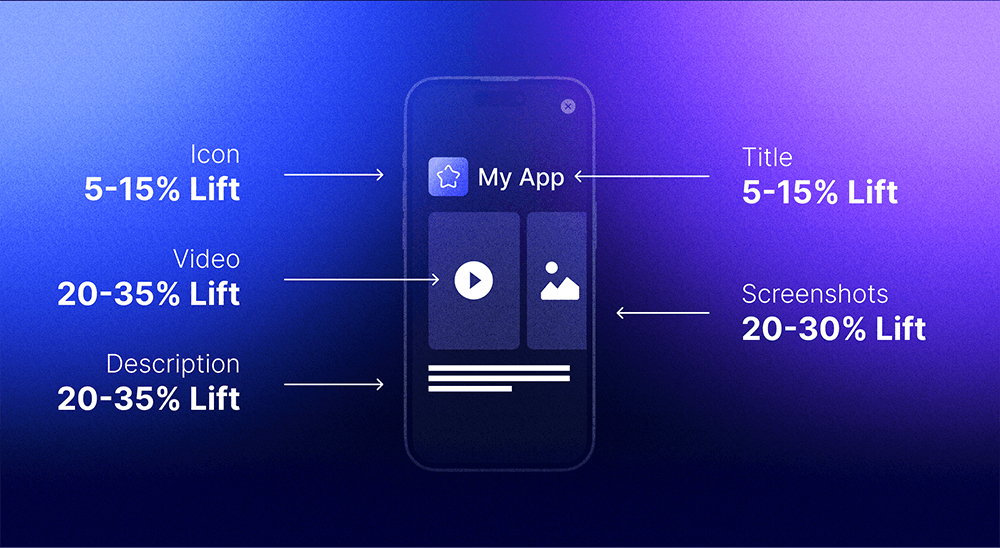
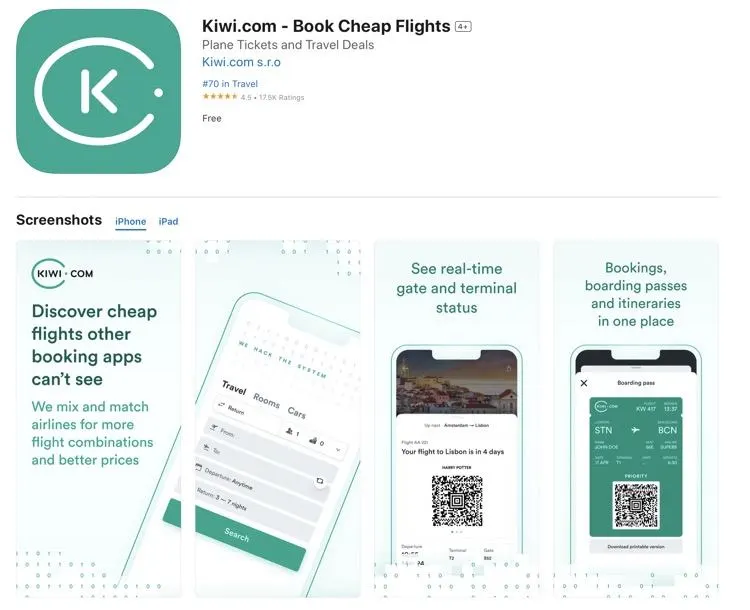
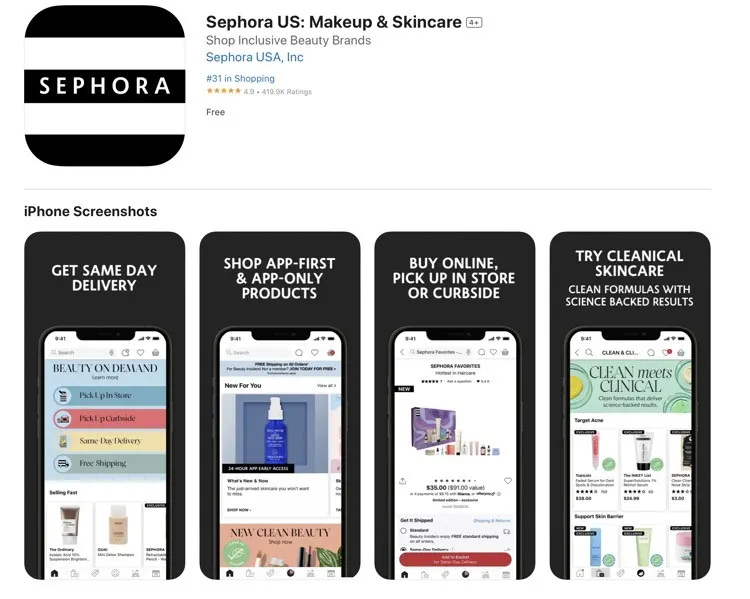
Design Elements: Visual elements such as icons, screenshots, and videos are important for attracting users’ attention. Screenshots can include short text lines to serve as intuitive service introduction areas.
Direct elements are interconnected. For example, an app name can be based on search keywords, and those keywords can be reflected in the app description and screenshots.
Include information on recent updates or improvements to show ongoing maintenance and enhancement.
Highlight positive user reviews and high ratings if possible.
Provide social proof, such as mentions in the media or endorsements from celebrities, to increase credibility.
Provide a way to contact support (e.g., customer service email) in case of issues.
Include a strong call-to-action to encourage downloads.
Indirect Elements
Indirect elements are factors beyond control but still impact ASO. Feedback from user reviews and ratings can provide insights into service improvements.
In the past, reward systems for writing reviews were common, but now it is prohibited to offer rewards for reviews in app stores. However, there are various strategies to encourage user reviews.
Three rules for encouraging app reviews are:
Do not interrupt someones experience.
Do not request reviews immediately after app download.
Delay review requests until a positive experience is likely.
Apps with numerous and positive reviews are more likely to rank higher in app charts and appear at the top of search results. Thus, app ratings and reviews play a crucial role in ASO.
Utilizing Guidelines
Apples App Store and Google Play have similar areas but also differences that significantly impact ASO. Comparing the main ranking factors of both stores and tailoring ASO strategies accordingly is important.
Apple App Store
Google Play
App Name App Subtitle App URL Keywords Installations and Engagement Reviews and Ratings App Updates In-App Purchases
App Title Short Description Full Description Installations and Engagement Reviews and Ratings In-App Purchases App Updates
Thus, while basic ASO strategies remain consistent, adapting to the specific characteristics and criteria of each app market is crucial. Both app markets provide developer pages with guidelines and methods to improve app visibility. Reviewing these pages before and after app launch can provide valuable insights.
The App Store Developer Guide provides important information about updates and app registration. App Store Connects help section also aids in app submission and management. For ASO, information about app icons, previews, and screenshots is important.
In the App Store, you can search for apps using the app name, subtitle, keywords, and company name. You can also utilize the app icon, up to 3 app previews, and up to 10 app screenshots.
The App Stores Create Product Page for developers provides detailed guidelines and suggestions regarding app name, icon, subtitle, app previews, screenshots, description, promotional text, keywords, in-app purchases, new features, ratings, and reviews. This page should be reviewed before creating the app product page.
Additionally, Apple announced that with iOS 15 and later versions, they will provide more relevant product pages through product page optimization and custom product page features. Consider using these features for ASO.
The Google Play Developer Page offers information on improving ‘app quality and discoverability,’ which is crucial for ASO. Google Plays app recommendations are based on human curation and algorithms, focusing on ‘relevance’ and ‘quality.’
One of the ‘quality’ assessment factors for an app is an effective store listing page. The store listing page provides users with their first impression of the app. Its important to clearly convey the apps features and content through the app description, screenshots, and metadata.
Google Play suggests several tips to increase app discoverability. Adding videos to the listing page and including at least three 16:9 screenshots can improve conversion rates. Additionally, providing accurate app categories and content ratings helps promote the app appropriately.
Store listing experiments allow for A/B testing different versions of icons, descriptions, and screenshots. This helps find the most effective listing page configuration for Google Play users. For effective results, test each component independently and conduct tests for at least one week.
Finally, using the User Acquisition tab in the Play Console helps you understand how users discover your app through search terms, which aids in developing ASO strategies.
Practical Approach to ASO at Growth Marketing Agency
Effective App Title and Description Writing
Titles and descriptions create the first impression between potential users and the app. An engaging title not only attracts attention but also sets the foundation for downloads. By writing app titles and descriptions professionally, you can stand out in a crowded app market.
Crafting concise yet impactful descriptions is an art. Understanding that users seek quick information, our approach ensures a persuasive narrative that highlights key features and unique value propositions.
Importance of App Icon Design
Often overlooked, app icons are as crucial as titles and descriptions in ASO. A well-designed icon conveys professionalism, credibility, and the essence of the apps function at a glance. Understanding user psychology is key to effective ASO, and a strategically designed app icon encourages clicks.
In a crowded app space, visibility is crucial. Growth Marketing Agencys ASO specialists conduct in-depth keyword research to ensure that clients apps are positioned to reach the right audience. Optimizing titles and descriptions with the right keywords enhances app searchability and helps reach users actively searching for related business.
App Review Management
App reviews play a significant role in influencing potential users and impacting searchability and credibility. At Growth Marketing Agency, our principles for managing reviews include:
Responding promptly to both positive and negative reviews to show active engagement in app improvement.
Personalizing responses to reviews, using reviewer names where possible to add a human touch.
Maintaining professionalism when responding to negative reviews, acknowledging concerns, and offering solutions.
Encouraging satisfied users to leave positive reviews through in-app feedback or other channels to balance out negative reviews and improve overall ratings.
Using reviews as valuable feedback for continuous improvement and mentioning updates based on user feedback in release notes.
ASO metrics often include keyword rankings, conversion rates, download numbers, user reviews, ratings, and retention rates. These metrics help companies understand app performance and user satisfaction.
Downloads: The number of times the app has been downloaded, indicating user interest.
Conversion Rate: The percentage of users who decide to download the app after visiting its store page.
App Ratings and Reviews: Checking average ratings and user reviews to gauge satisfaction and identify areas for improvement.
Keyword Rankings: Monitoring app rankings for relevant keywords to improve visibility.
Impressions and Click-Through Rate (CTR): Impressions indicate how often the app appears in search results, while CTR measures the percentage of users who click after seeing the app.
Retention Rate: The number of users who continue using the app after download, indicating if the app meets user expectations.
Revenue and In-App Purchases: Tracking revenue from in-app purchases to measure financial success.
Competitive Analysis: Comparing performance metrics with competitors to identify areas for improvement.
Growth Marketing Agency tracks these metrics to monitor ASO performance, identify challenges, and maintain advantages.
ASO Success Stories
Lets explore successful ASO examples that led to high visibility and downloads in app stores. These cases demonstrate effective strategies and execution.
Decrease in ad traffic due to privacy regulations such as iOS ATT (App Tracking Transparency).
Increase in retargeting restrictions.
To-be
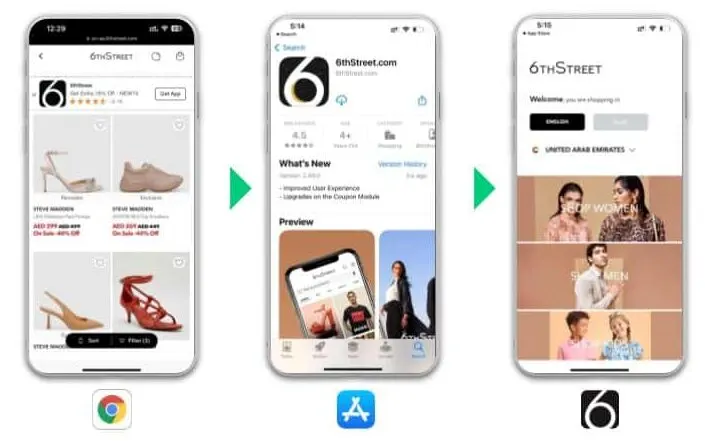
Set up app download ads with a webpage landing.
Provide introductions, descriptions, and other details about the app service on the webpage.
Build an automated webpage with a pop-up for app download at ? of the scroll-down point.
Results
13% increase in ROAS, 70% decrease in app uninstall rate.
60% increase in retention rate compared to before.
Advantages and Limitations of Website Landing Pages from an ASO Perspective
Recently, regulations on personal data tracking for app usage have become stricter. Using a website landing page is one way to address these regulations.
Websites require less personal data tracking compared to app stores, allowing users to check app information without downloading it.
A website landing page can provide more information than an app store detail page. By detailing the apps features, characteristics, usage, update history, etc., it offers users deeper insights into the app.
Additionally, including various content such as images, videos, and user reviews can engage users more effectively.
However, introducing and explaining the app through a website landing page requires an extra step compared to users downloading the app directly from the app store. This means adding an additional step to the user’s journey, which could increase the number of users who drop off. Therefore, it is essential to streamline the user path and make the transition from the website to app download as smooth as possible.
Collaboration with Specialized Agencies for ASO Improvement
ASO is an advanced marketing technique suitable for the era of smartphone popularity. It plays a crucial role in improving app visibility and download numbers. However, ASO cannot be perfected all at once. Continuous observation, improvement, and optimization are necessary to achieve results.
ASO is similar to SEO. By analyzing the app’s characteristics and market trends, and making changes and applications as needed, you can achieve good results. This helps to enhance the app’s visibility and attract more users.
Collaborating with specialized marketing agencies is important for ASO improvement. Specialized marketing agencies can analyze extensive content and develop strategies based on user behavior data. They can also find the optimal methods for the app service and use ASO expertise and tools to improve the app’s ranking and installation numbers.
By starting ASO improvement through collaboration with growth experts, you can receive optimal strategies based on in-depth analysis and experience.
Understanding the apps characteristics and market trends, along with conducting competitive analysis and keyword research, will help improve the apps visibility and download numbers.
Why should we examine B2B startup failure cases, especially those that failed? The reason is that B2B startups operate in a highly competitive environment, where many companies experience failure. Often, these companies attribute their failure to their products not achieving market fit. In other words, they created products that no one wanted, leading to an inability to gain customers and generate revenue. However, they often miss the underlying issues at play.
Let’s take a closer look at the B2B startup failure case of Argyle Social to understand the barriers in the B2B startup market and uncover the key lessons from this marketing case.
B2B Startup Failure Case: Why Did Argyle Social Fail?
Who is Argyle Social?
Argyle Social was a company that provided a social marketing platform. It offered an interactive platform designed to help marketers improve customer engagement and lead generation on social media platforms.
Initially, the platform was well-received, recognized for its reasonable pricing in the market. At one point, it even became a preferred program among marketers due to its intuitive dashboard and effective scheduling features.
Why Argyle Social Failed?
However, despite its early success, Argyle Social eventually closed its doors.
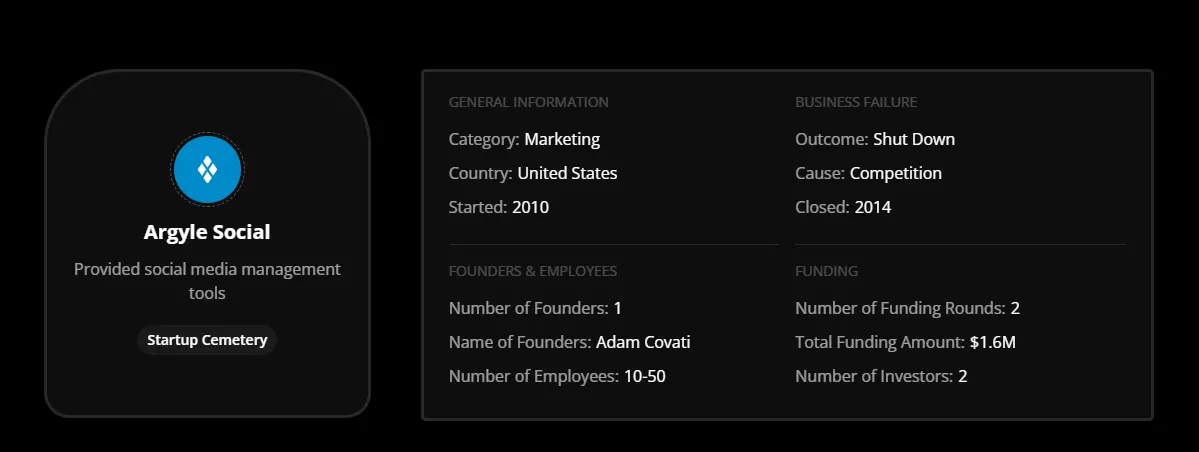
The company’s founder, Adam Covati, made efforts to integrate their software with various social media marketing automation tools to stand out from the competition.
Although these efforts were practically useful for marketing, the company lost momentum in the market due to the aggressive marketing strategies of its competitors.
This B2B startup failure case highlights the risks associated with underestimating the power of marketing in a highly competitive landscape.
As Argyle Social became less competitive, its financial situation deteriorated to the point where it struggled to pay its employees, let alone fund the development and launch of new software.
Social media giants like Facebook and Twitter frequently updated their APIs, and Argyle Social needed to keep up with these changes to function effectively on these platforms.
While the company had the talent and technology, it lacked the manpower and funding to manage these updates. The shortage of funds led to a lack of personnel, making it impossible to maintain sufficient service levels.
Covati sought business partners, but no one was willing to invest in Argyle Social’s potential, making it a cautionary B2B startup failure case.
B2B Startups: The Importance of Marketing
Many B2B startups face crises when they fail to secure additional funding before stabilizing their operations.
Most startups find themselves in an intensely competitive environment and eventually realize they are not growing fast enough to generate the necessary revenue due to limited funds.
Argyle Social is a prime B2B startup failure case, having experienced explosive growth in its early stages but ultimately failing to sustain it.
The Downfall of Argyle Social: Neglecting Marketing
Over its four years of operation, approximately 500 companies used Argyle Social’s platform. Despite achieving a reasonable profit at a mid-market price point, Covati admitted that competing with large companies was an uphill battle.
As automation in social marketing platforms became a hot topic, Argyle Social garnered significant attention, but the competition became fiercer as more companies entered the field.
In the end, Covati conceded that they lost the fight against larger competitors. This B2B startup failure case serves as a reminder of the consequences of neglecting marketing efforts.
According to Adam Covati, the CEO of Argyle Social, “Interest from suppliers and knowledgeable customers was high, and with our intriguing integrations and technology, Argyle Social seemed promising. However, business partners believed that while our technology was interesting, it was still premature.”
He added that there was one thing he deeply regretteda critical point that could have influenced the company’s future and possibly helped them avoid failure. “Since our customers became direct marketing channels, we didn’t invest in our own marketing. The common issue for tech-based companies like ours is that we fail to recognize the importance of marketing. We didn’t realize that good technology and resources alone were not enough. Argyle Social initially invested in marketing, but in hindsight, we should have continued to invest boldly in our own marketing. However, such decisions are difficult to make when managing finances.”
Covati hoped that other B2B startups would not follow in their footsteps. He stressed that while it may be difficult for CEOs to decide where to invest their capital, skimping on self-marketing is a foolish move. Despite attracting a substantial number of customers in its early stages, Argyle Social eventually lost them to competitors who could outpace them with large-scale marketing strategies. Their financial resources were simply insufficient to compete with the extensive marketing efforts of their rivals.
Lessons from B2B Startup Marketing Cases
Invest in Your Own Marketing
Covati pointed out that it is challenging for small startups to keep up with platforms like Facebook and Twitter.
Over time, it becomes increasingly difficult to maintain competitiveness with certain services from other companies.
Every time social networks update their APIs, substantial development work is required on third-party social media platforms as well. Argyle Social attempted to automate and cut back on self-marketing to invest more in these technological developments.
However, their efforts to integrate marketing automation systems ultimately failed to yield results.
Meanwhile, their competitors secured significant capital and expanded their sales and marketing strategies, leading to yet another B2B startup failure case.
What Strategy Should Small Startups Adopt?
Self-marketing strategies, such as content marketing, are among the most critical promotional tactics for B2B startups.
This is because they can be executed without large capital investments, and when done well, they can yield substantial returns relative to the time and effort invested.
However, it is also true that if appropriate content marketing strategies are not tailored to each field, it could result in wasted time.
For early-stage B2B startup founders who lack experience, diving into content marketing for the first time can be a significant risk, leading to mistakes.
They also face limitations in terms of time and resources. In such cases, seeking direct help from self-marketing experts can be a wise approach. If you want to learn more about startup marketing strategies, consulting with experts might be a good option.
Are you curious about performance marketing pitfalls and why its essential to be aware of them?
Marketing is a critical element of any business, requiring ongoing efforts and strategic planning. While the effectiveness of marketing strategies can be measured over time, not every strategy yields the desired results.
When a marketing strategy falls into common pitfalls, the costs can escalate significantly, impacting time, resources, and customer acquisition efforts, which inevitably affect sales performance.
It would be ideal if every marketing effort were guaranteed to succeed.
However, as we all know, there is no such surefire method.
While its impossible to predict with certainty whether a particular strategy will stumble into performance marketing pitfalls, there are certain factors you can avoid to reduce the risk.
Based on our extensive experience at Growth Marketing Agency, were sharing insights on how to navigate and avoid these common performance marketing pitfalls.
Why Do Performance Marketing Pitfalls Occur?
In the competitive business landscape, companies often find themselves compelled to increase their marketing budgets.
But what happens when the investment doesnt translate into the expected returns?
Successfully navigating a performance marketing campaign is more challenging than it seems.
How can you enhance the ROI of a performance marketing campaign? How can you manage the fragmented customer journey and optimize every interaction with potential customers?
One of the most significant performance marketing pitfalls is the lack of clear goals and strategy.
Without a well-defined plan, marketing efforts can become unfocused, making it difficult to achieve meaningful results. Its crucial to establish clear objectives and create a strategic roadmap that aligns with your overall business goals.
Take the time to define your digital marketing goals and develop a comprehensive strategy that includes identifying your target audience, choosing the right channels, setting performance metrics, and allocating the necessary budget and resources.
Another common performance marketing pitfall is a lack of understanding of the customer.
To run a successful campaign, you need to have a deep understanding of your potential customers’ preferences, needs, behaviors, and pain points.
Failure to target the right audience or select appropriate keywords increases the likelihood of campaign failure. Identifying the right keywords can resonate with potential customers and help clarify their intent.
Conduct thorough market research to gain deep insights into your target audience, and use data-driven insights to create buyer personas. This will guide your keyword selection and allow you to tailor your marketing messages accordingly.
Regularly updating your buyer personas by tracking and reflecting changes in customer behavior is essential to avoid these pitfalls.
Insufficient Budget and Resources
Given that performance marketing is results-driven, it requires a substantial financial investment.
Insufficient budget and resources can lead to significant performance marketing pitfalls, compromising the success of your campaigns. Allocating inadequate resources can limit the scope and impact of your campaigns, leading to diminished results.
Performance marketing heavily relies on data and analytics. One of the more subtle performance marketing pitfalls is the failure to leverage data for decision-making.
Without accurate data tracking and analysis, you may miss critical insights needed to optimize your campaigns.
To avoid this, marketers must make full use of analytical and tracking tools to accurately measure marketing performance.
Key metrics such as website traffic, engagement, conversion rates, and ROI should be continuously monitored to make informed decisions and optimize campaigns.
Coca-Cola had to revert to its previous branding strategy after facing resistance from its customers.
Branding helps build trust, credibility, and recognition with your target customers. However, inconsistent or ineffective branding can lead to digital marketing failures. If the brand message is unclear or lacks consistency, it may fail to resonate with the target audience. This can negatively impact brand awareness and customer engagement.
To avoid these performance marketing pitfalls, you must develop a strong and consistent brand identity that aligns with your overall marketing strategy. Ensure that your brand message and values are consistently reflected across all marketing efforts. Building a strong brand image requires creating a compelling brand story, designing a visually appealing website, and producing consistent content.
Failing to Adapt to Changes and Algorithms
The current market is constantly evolving with new technologies, trends, and algorithms tailored to the digital age. Businesses that fail to adapt to these changes may struggle to succeed. For instance, if you dont keep up with the latest search engine algorithms, your websites search rankings could drop, leading to a decline in traffic.
To stay competitive and avoid performance marketing pitfalls, its crucial to stay informed about the latest digital market trends and algorithm updates. Partnering with a reliable collaborator who can help monitor market trends and adjust strategies accordingly can be a great way to keep your business on track.
Lack of Patience and Persistence
Did you know that performance marketing is not a short-term solution for immediate success? The growth strategies we advocate emphasize patience and persistence, with efforts accumulating through repeated experimentation.
Businesses need to set realistic expectations and understand that marketing takes time. Patience and persistence are keycontinuously accumulate efforts and refine strategies through constant testing.
Winning Strategies to Avoid Performance Marketing Pitfalls
Continuous A/B Testing
Q: What is A/B Testing?
A. A/B Testing involves comparing two versions of a landing page to determine which one performs better based on target customer preferences. By implementing insights gained from A/B Testing, you can optimize conversion rates.
Why should you use A/B Testing in performance marketing? The first step in an effective marketing campaign is setting high-level goals that serve as benchmarks for evaluating the campaign. Typically, businesses aim to drive more traffic to their websites.
Experienced marketers know the importance of using analytical tools to evaluate website performance. However, even if a website regularly receives high traffic, if it doesnt lead to conversions, you might be missing something essential. A/B Testing provides valuable insights that can help prevent costly mistakes by leveraging the traffic effectively.
For example, before launching a display ad campaign that directs customers to a product page on your website, conducting A/B Testing on that product page can offer insights that can be implemented. This way, marketers can avoid wasting money on ads that dont generate profits and instead focus on converting visitors into buyers.
In summary, A/B Testing can help maximize ROI, reduce costs, and generate high-quality leads.
Data Analysis and Utilization
Collecting and analyzing data from various digital sources to gain insights into your marketing strategy is essential for any performance marketer. By fully utilizing digital marketing analytics tools, marketers can minimize bounce rates, create personalized experiences, and generate high-quality leads.
Data analysis helps eliminate guesswork in marketing strategies and maximizes value from a companys budget, thereby improving business efficiency. Data comes from various sources, and if a company lacks a pool of skilled professionals to use this data effectively, it can become a burden.
The more sophisticated the data analysis techniques used, the better a company can understand the market and its customers. This understanding leads to the development of effective strategies, more personalized customer interactions, and, ultimately, increased revenue.
Overcoming Performance Marketing Pitfalls
In conclusion, the failures in performance marketing often stem from a lack of understanding of the customer, as well as a lack of patience and persistence.
To overcome these challenges, clear goal setting, precise targeting based on customer insights, data-driven decision-making, and a persistent approach are necessary.
Performance marketing is a dynamic and ever-evolving field, and failures can occur in any business. However, it is crucial to learn from these failures, continuously experiment with strategies, and accumulate successes to improve marketing efforts.
By addressing the common causes of performance marketing pitfalls and implementing effective solutions, businesses can increase their chances of success and achieve their marketing goals. Marketers must always remember that marketing is an ongoing process of experimentation, optimization, and improvement.
Why are Marketing Analytics Tools Important for B2B Marketing?
Utilizing marketing analytics tools is crucial for understanding website performance and identifying opportunities for marketing improvement. Specifically, using GA4, a leading example of marketing analytics tools, allows you to track and analyze various aspects of your website, such as traffic sources, audience demographics, user behavior, and conversion rates. This tracking and analysis provide a clear understanding of how your website is acquiring potential customers.
For instance, if your goal is lead conversion, marketing analytics tools can offer insights into how to improve your website to secure more leads. If your goal is sales conversion, these tools can help you find methods for increasing conversion value.
In fact, for B2C businesses, the importance of marketing analytics tools is often well understood among practitioners, who are typically familiar with tracking tools and data utilization. However, for B2B businesses, the target customer base is relatively smaller, and website traffic is also less substantial compared to B2C businesses. As a result, the importance of marketing analytics tools is sometimes overlooked or tracking may not be implemented at all.
Why Should You Implement Marketing Analytics Tools?
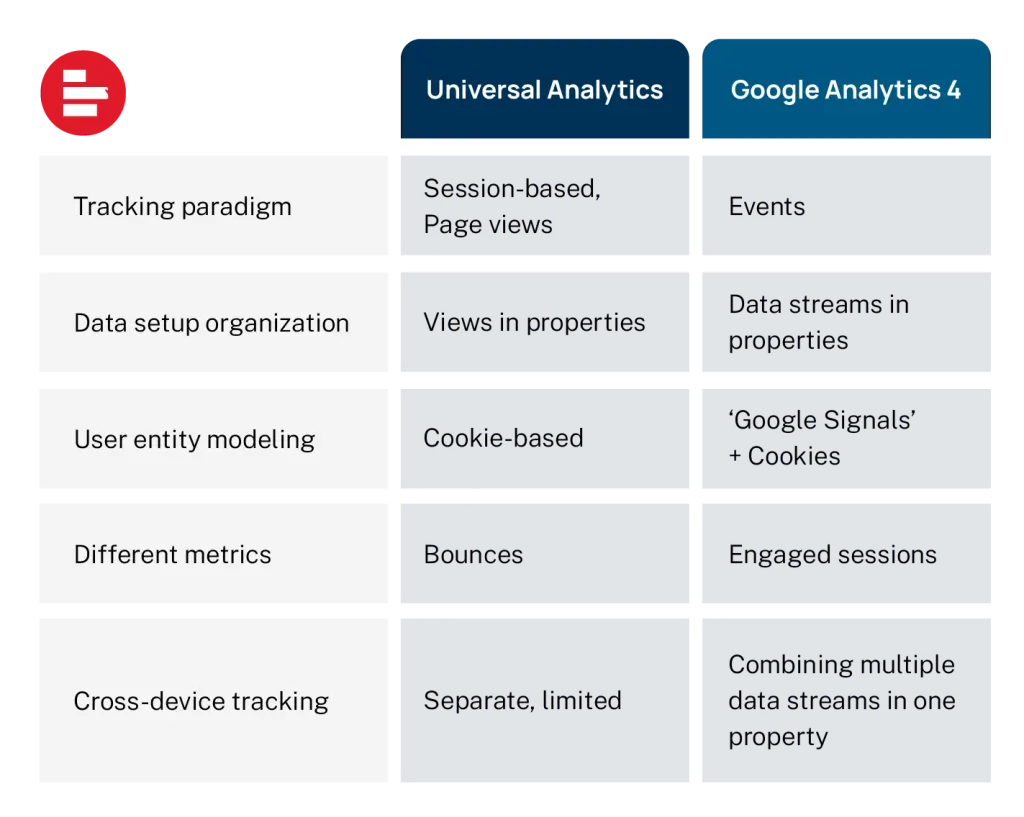
Google Analytics 4 vs. Universal Analytics: Whats the Difference?
As many of you may know, as of July 1, 2023, the service for Universal Analytics (UA) has ended, and GA4 has taken its place. Therefore, discussing the UA version of Google Analytics is now of limited relevance.
? Consequently, we will focus on GA4, which is a leading marketing analytics tool.
Cross-Platform Tracking
GA4 is capable of tracking users across websites and apps, providing a complete view of the user journey.
This is particularly important for B2B marketers, who often deal with customers interacting with the brand across multiple devices and channels.
With GA4s cross-platform tracking capabilities, marketers can fully understand the customer journey regardless of where it starts or ends.
GA4 employs machine learning to predict future customer behaviors, such as the likelihood of churn or the probability of purchase.
This enables B2B marketers to identify and target the most valuable customers, allowing for more effective marketing campaigns and personalized customer experiences.
Privacy-Focused Design
GA4 is designed with a stronger emphasis on privacy compared to its predecessor, UA.
This feature is crucial for B2B marketers who must comply with increasingly stringent data privacy regulations.
How B2B Companies Should Set Up Marketing Analytics Tools
Various marketing analytics tools have been developed to improve how B2B marketers measure and track performance.
Why is setting up these tools crucial for B2B companies?
Identifying High-Lifetime-Value Customers
Advanced machine learning and predictive capabilities provided by marketing analytics tools offer real-time statistics on user behavior and conversions. They also provide methods to easily create similar audiences based on high-value customers, allowing marketers to expand reach to similar potential customers.
These features streamline data analysis and decision-making processes, saving time and resources without the need for complex analysis models.
Marketing analytics tools allow for tracking important business events or conversions, even if they are not standard events by default. This is significant for B2B marketers with complex sales cycles and multiple conversion paths.
Understanding the Complete Customer Journey
B2B companies can now gain insights into the entire customer journey through marketing analytics tools like GA4s event-based measurement model.
For instance, GA4 provides an overview of the customer lifecycle that is not limited by individual sessions or platforms.
GA4 easily tracks data collected from various applications and devices, aiding in the accurate understanding of how customers interact with the brand.
It also enables demographic segmentation of potential customers based on factors such as company size, industry, and location, allowing for more targeted marketing campaigns and personalized content.
Data-Driven Contribution to ROI Improvement
Data-driven contribution models, provided by marketing analytics tools, allocate conversion credit based on the data of each conversion event. This method calculates the actual contribution for each click interaction.
This function analyzes the customer journey from the first touchpoint to the final conversion, helping to improve the return on investment (ROI) for brand marketing campaigns. It also provides detailed insights into how various marketing activities contribute to conversions.
Marketing analytics tools offer new features and reports to help marketers better understand website traffic and performance. For example, GA4s attribution reports can identify which marketing channels drive the most conversions, aiding in budget allocation.
GA4 integrates with various Google products, including Google Ads, Search Console, Display & Video 360, BigQuery, and Search Ads 360. This combination allows for merging web and app data to extract valuable statistics, improving data-driven marketing campaign enhancements.
Additionally, GA4 can integrate seamlessly with other marketing tools like Salesforce and HubSpot, allowing easy data sharing between different systems and providing a comprehensive understanding of marketing performance.
Marketing Analytics Tools: A Necessity in B2B Marketing
Todays digital environment demands various insights, including understanding the types of spread, new perspectives on user privacy, and the diverse touchpoints customers use. Tools that provide insights while protecting customer privacy and measuring performance have become crucial.
In other words, advanced marketing analytics tools are needed to identify new potential customers and approach them at the right moment. These tools are powerful instruments that assist B2B marketers in tracking website traffic and performance, identifying the most valuable customers, and developing more effective marketing campaigns.
By setting up marketing analytics tools, B2B marketers can gain valuable insights into their business and enhance their marketing activities.