What is Facebook ASC (Advantage Shopping Campaign)?
The Advantage+ Shopping Campaign is part of Meta’s Advantage+ product line, designed to reduce setup time and increase efficiency by leveraging machine learning to reach valuable targets. It is the most effective solution for performance-focused advertisers aiming to boost online sales.
Facebook’s ASC Campaign is a shopping ad product aimed at facilitating product purchases on various Meta platforms, including Facebook and Instagram.
Meta, known for its world-class machine learning capabilities in advertising, automatically handles ad placements, targeting, and product recommendations. This minimizes the workload for the account manager while maximizing campaign performance.
Given the lengthy name of the Facebook Advantage+ Shopping Campaign, industry insiders often refer to it as the “Facebook ASC” or “Meta ASC” campaign.
Why is the Facebook ASC Campaign Important? (Effectiveness)
Explosive Conversion Rates and ROAS (Return on Ad Spend)
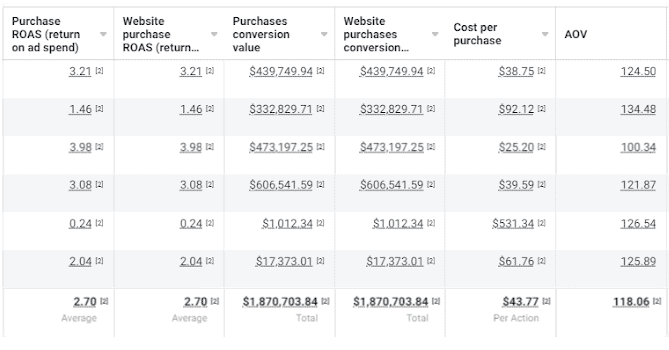
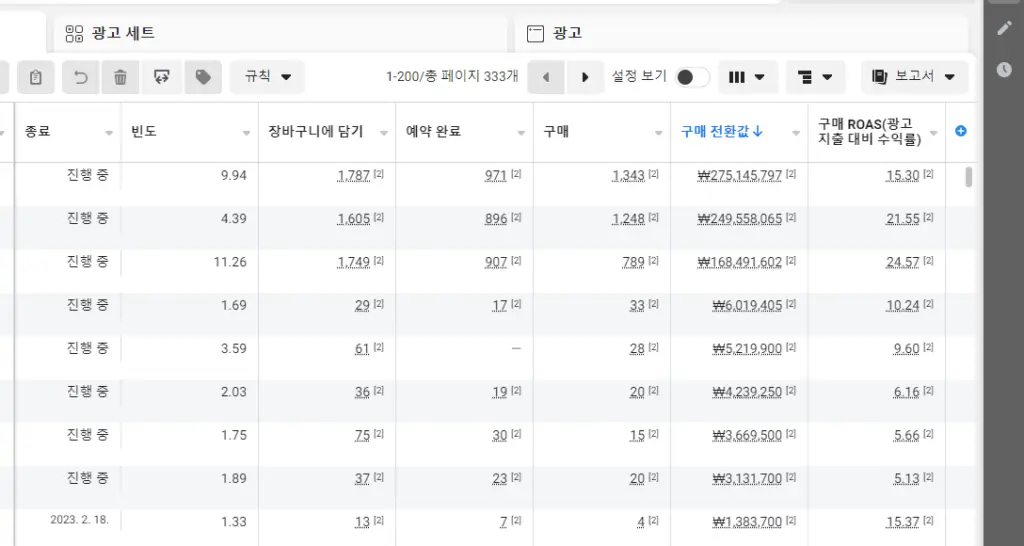
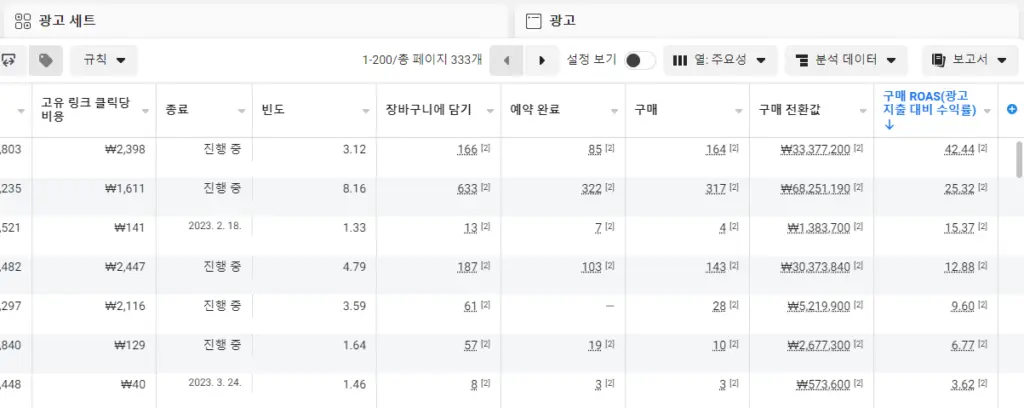
The screenshot above shows the Facebook ad manager screen for a client of the company. This single image can explain the importance of the Facebook ASC campaign, which is clear due to its outstanding performance. Particularly in the competitive e-commerce sector, the campaign achieved an ROAS of 4,244%, making its effectiveness indisputable.
Increased Overall Sales and Improved ROI
Using the ASC campaign generates additional sales beyond what traditional marketing strategies would achieve. Instead of just maintaining the ROAS achieved by conventional strategies, ASC campaigns drive additional sales, increasing net profits. Why wouldn’t you run an ASC campaign if it could boost your net profits?
Our advertising goal isn’t just to generate a high ROAS; it’s to increase the company’s net profit. This is discussed in detail in our posts on advertising budget limits and the pitfalls of ROI and ROAS.
Reduction in Advertising Planning Resources
Another significant benefit of ASC campaigns is that, unlike other advertising campaigns that require continuous planning, testing, and targeting, once the strategy is set, you can operate the campaign with minimal planning resources. This makes it an extremely attractive option.
Case Studies of Facebook ASC Campaigns
At Growth Marketing Agency, we study the outcomes of ASC campaigns through actual case studies. We will share some examples from both our clients and foreign companies.
Client Case Study A
Among the five campaigns shown in the screenshot, the one with a 4,244% ROAS is an ASC campaign. The other campaigns, maintained for over two years, involved continuous A/B testing of ad creatives, targeting, and placements, requiring significant effort from the account manager.
Overwhelming ROAS Compared to Non-ASC Campaigns
Whats remarkable is that shortly after setting up the ASC campaign, it surpassed the performance of the other campaigns, achieving over 4,000% ROAS.
Even though the second to fourth campaigns were strong enough to be proud references, their performance pales in comparison to the ASC campaign.
We documented these results in a report, recommending the client allocate additional budget to continue the ASC campaign. As a result, the ASC campaign’s high ROAS was maintained consistently, even with seasonal fluctuations in overall sales volume.
Client As Product Price Range: 150,000 KRW to 180,000 KRW
Target CPS (Cost Per Sale): 40,000 KRW
Daily Budget: 10,000 KRW to 100,000 KRW per campaign
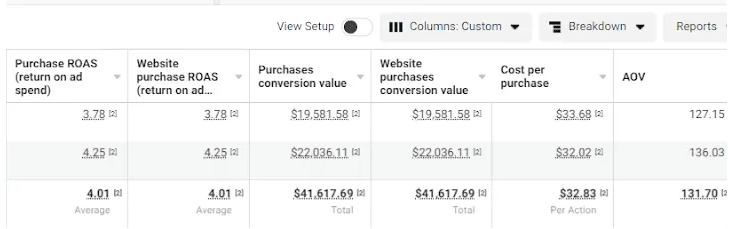
In October 2023, a performance marketing agency in the United States ran an ASC campaign for a company providing AI-related services. They compared this ASC campaign to a manually set up campaign with precise targeting under identical budget conditions.
ASC Campaign Outperforms Even with Less Favorable Ad Creatives
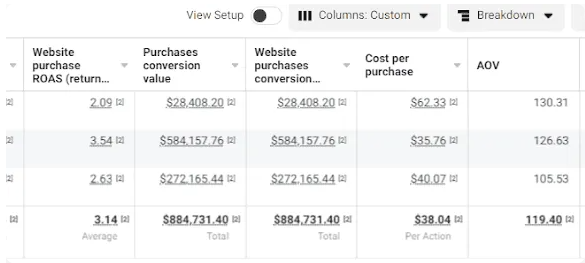
The ASC campaign recorded a 425% ROAS, outperforming the manually set campaign, which achieved 378% ROAS. In further testing during the BFCM (Black Friday & Cyber Monday) campaign, they excluded promotional offers from the ASC campaign while including them in the manual campaign.
Ultimately, the ASC campaign recorded a 314% ROAS, while the manual campaign recorded 270% ROAS, leading the company to decide to continue running the ASC campaign permanently.
How Facebook ASC Campaigns Achieve Results
Machine Learning that Understands Consumers Better than Marketers
Its no exaggeration to say that Facebooks ad AI is among the best in the world. This powerful AI tracks consumer behavior and incorporates this data into ad settings.
For example, if a user searches for interior accessories on Google, visits a caf with a beautiful interior, and likes or comments on related posts on Instagram, the AI will display shopping ads featuring the interior accessories that the user is most likely to purchase.
While marketers should never stop trying to understand consumers, Metas machine learning already understands them better than humans and has surpassed human capabilities in adjusting ad settings based on this understanding.
Myths and Facts about Facebook ASC Campaigns
Is ASC Only Effective for Certain Companies?
No. In our experience, every company that we’ve worked with has been able to operate ASC campaigns, and we havent encountered a case where it wasnt possible. If ASC campaigns can’t be set up or are ineffective, its likely due to setup issues.
If Meta Pixels are not set up
If the Conversion API is not configured
If there are errors in the Meta Pixel or Conversion API setup
If data tracking and analysis are not performed accurately
It would be difficult to expect performance from an ASC campaign. If you think ASC setup is impossible, try setting it up with us. If its not feasible, theres no cost to you.
Cant Choose the Ad Placement?
The ASC campaign relies on Metas machine learning to decide on ad placements, target exposure, and creatives without human intervention, so its natural that you cant choose the placement.
Some people believe that Meta is pushing ASC to boost Facebook ad revenue because Facebook placements perform worse than Instagram. However, based on our experience, in most cases, the ASC campaign will outperform a standard campaign limited to Instagram.
Do You Need to Set a Daily Budget of at Least 150,000 KRW?
Incorrect. We have examples where setting a daily budget of around 20,000 KRW significantly improved ROAS. In one of our clients cases, which recorded a 4,244% ROAS, they achieved over 33 million KRW in purchase conversions with a budget of just 780,000 KRW over 28 days.
While a higher budget might be necessary for certain companies and products to achieve high performance, this isnt always the case.
Conclusion
Facebooks ASC Campaign (Advantage+ Shopping Campaign) is an excellent advertising product capable of delivering impressive results.
While not every company or product will see high performance with ASC campaigns, its essential to conduct meaningful tests to confirm the results.
However, remember that ASC campaigns should not replace existing campaigns but rather diversify campaign approaches and maximize sales.
We plan to share more case studies on ASC campaign management. ASC campaigns are particularly beneficial for small to mid-sized companies that cannot hire many specialized marketing staff, offering significant advantages. If you need help with ASC campaign setup, please get in touch with us.
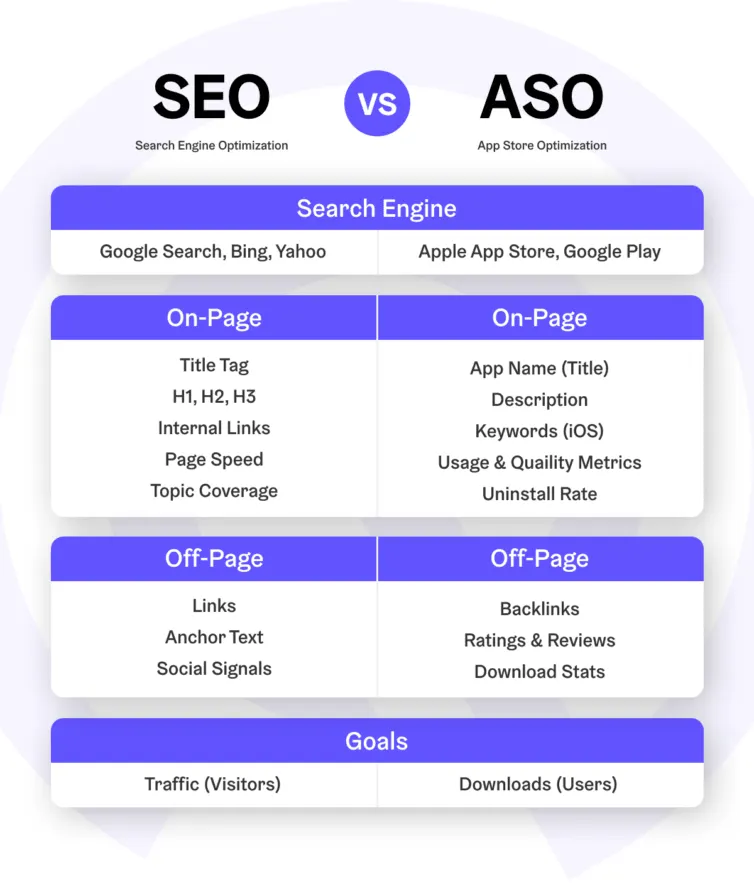
ASO is a concept similar to search engine optimization (SEO) for websites. ASO focuses on increasing the apps visibility, encouraging organic downloads, and demonstrating to users that the app meets their needs.
Why ASO is Important
Apps have become an essential part of our daily lives. On average, people spend over 30 hours per month using apps. Additionally, 25% of users find the apps they need through app store searches. Most users who search within app stores do so to find apps that fulfill their needs, making ASO increasingly important.
With millions of applications available in app stores, users typically rely on search functions to find the apps they want. By improving ASO, apps can achieve higher rankings in search results, significantly enhancing their visibility. Higher visibility means a greater likelihood of discovery and downloads, which directly correlates with increased download numbers and user base growth.
Compared to traditional paid promotion methods like advertising or marketing campaigns, ASO is relatively cost-effective. It can make a significant difference in the long run.
A well-executed ASO strategy not only yields short-term results but also contributes to long-term success. It helps maintain high ratings, positive reviews, and sustained downloads, while continuously implementing refined and up-to-date strategies.
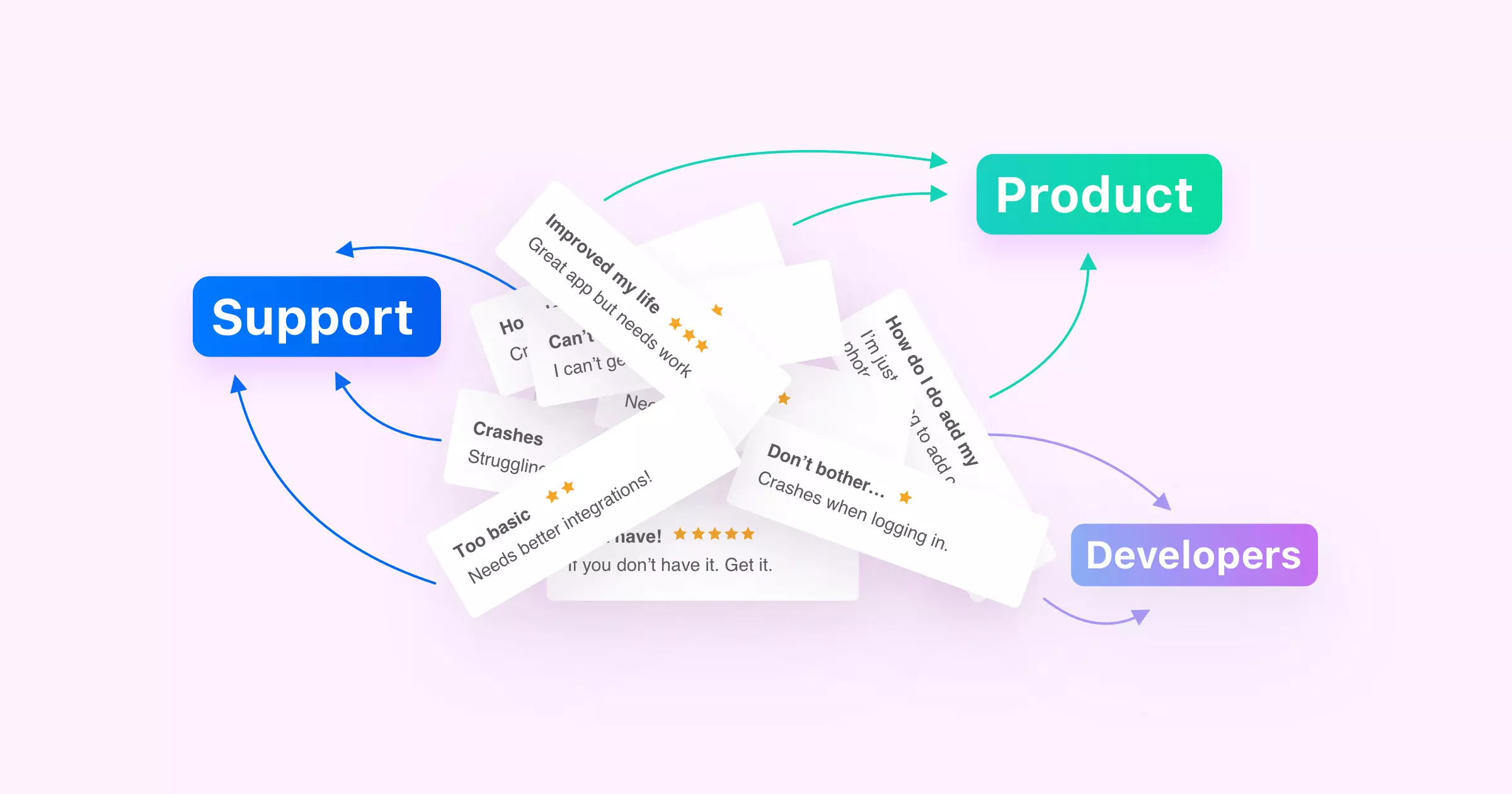
During the ASO process, developers receive valuable feedback from users about their app. This feedback aids in product improvements, updates, and enhancing the user experience.
Users generally trust apps that appear at the top of search results without ads. This is a clear reason for app marketing companies to focus on ASO. ASO is a crucial strategy for gaining a competitive edge and growing in the mobile app world.
Suggestions for ASO Improvement
Strategies to improve ASO can be categorized into direct and indirect elements.
Direct elements refer to aspects that app developers can control during the app development and deployment stages. Proper attention and management of these areas can lead to positive results.
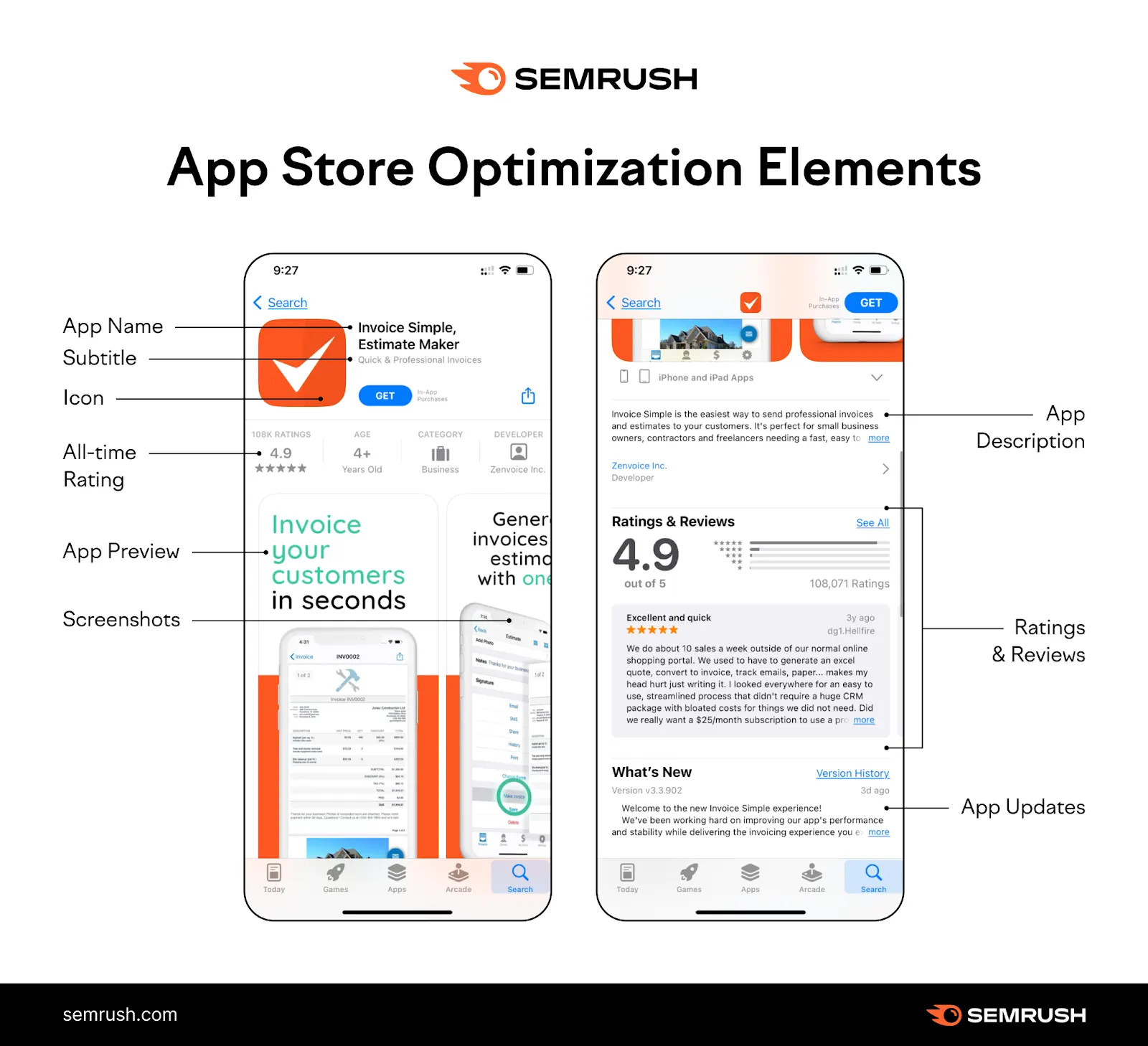
App Name: Choosing an intuitive app name is crucial. Adding high-traffic keywords to the app name can be effective.
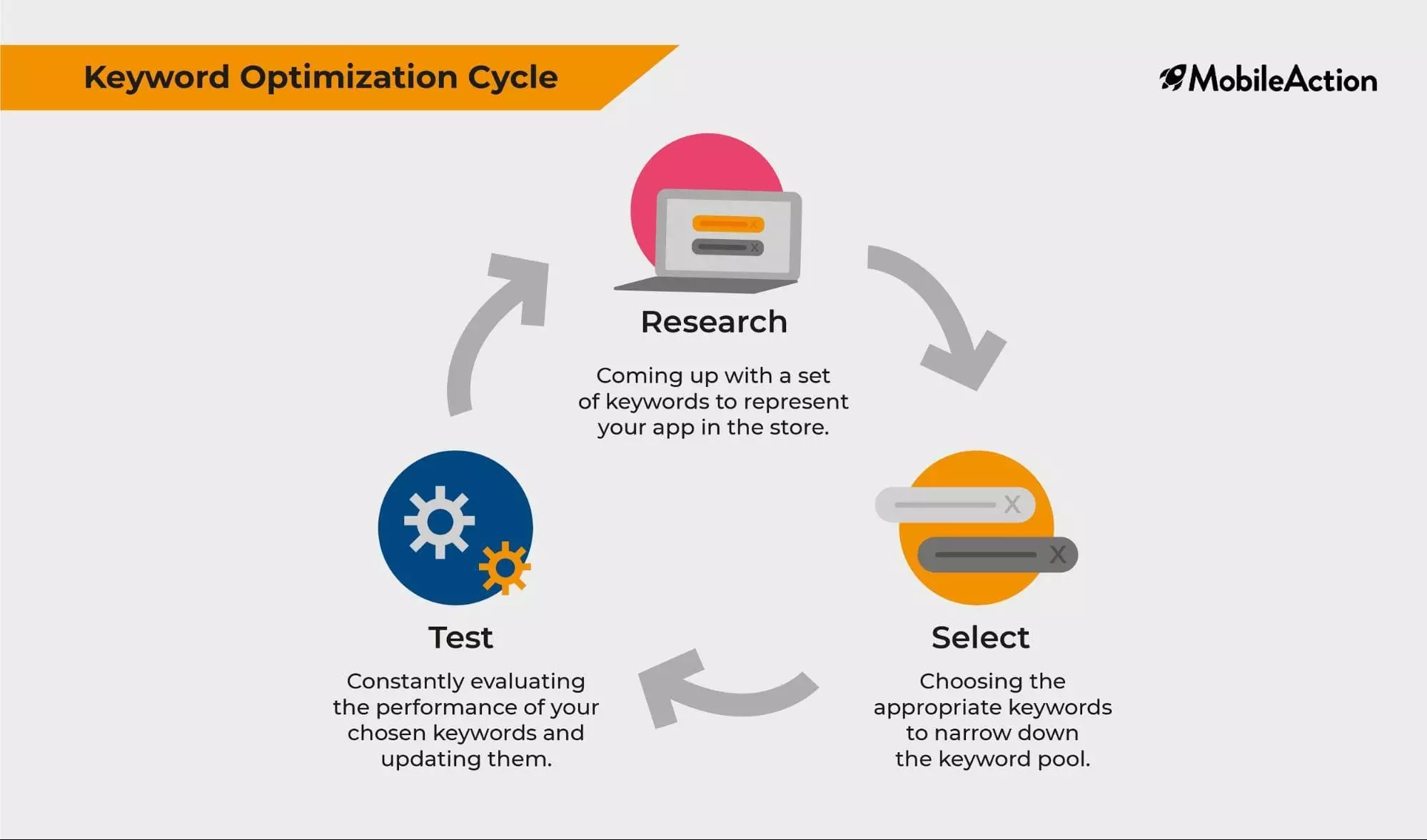
Search Keywords: These are keywords that help the app appear at the top of search results. Developers research relevant and popular keywords and include them in the app’s title, description, and other metadata. Apple has a dedicated search keyword section during app registration, similar to hashtags. Choosing the right keywords for the app service is essential.
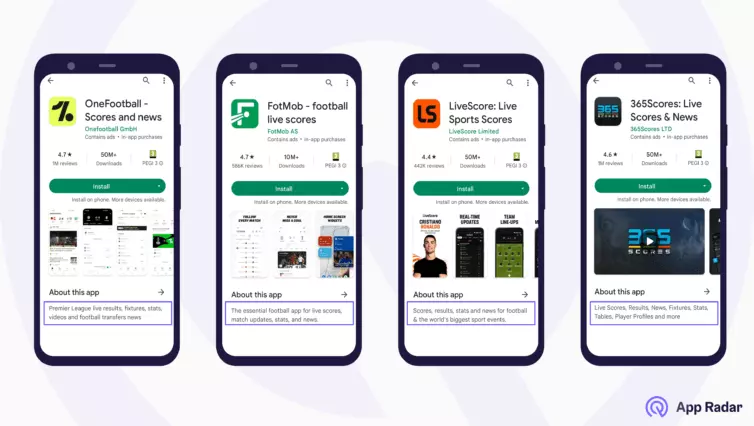
App Description: The description should clearly explain the app’s main features and how it addresses user problems or enhances their lives. Highlight the apps key benefits and unique value propositions. The description should be clean, well-organized, and easy to read. It should be regularly updated to reflect the latest information and respond to user feedback.
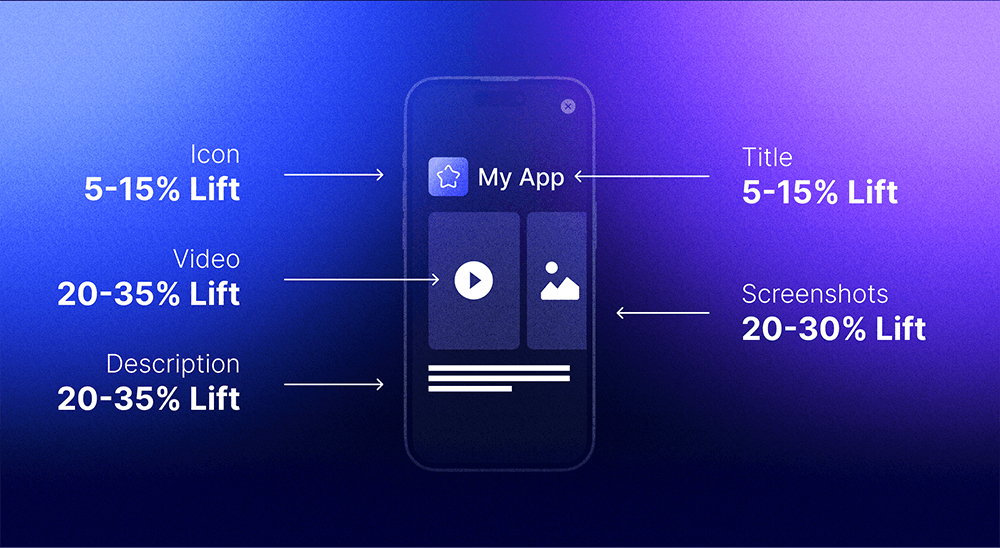
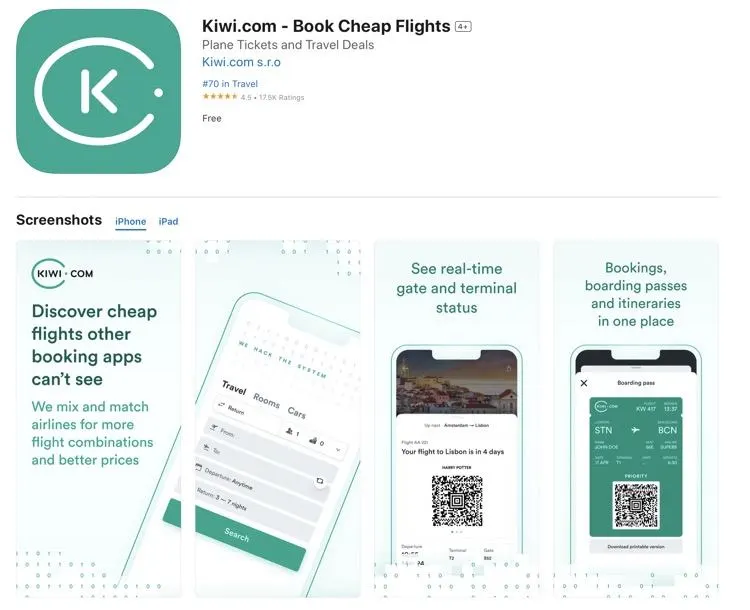
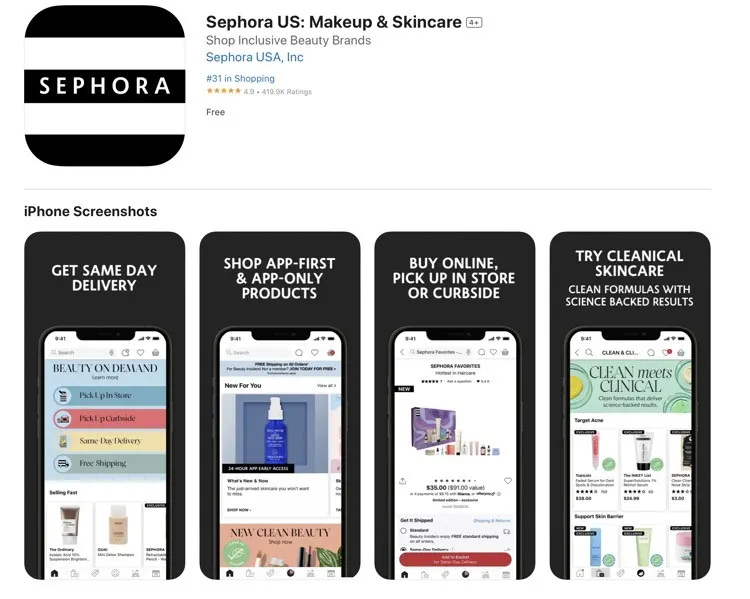
Design Elements: Visual elements such as icons, screenshots, and videos are important for attracting users’ attention. Screenshots can include short text lines to serve as intuitive service introduction areas.
Direct elements are interconnected. For example, an app name can be based on search keywords, and those keywords can be reflected in the app description and screenshots.
Include information on recent updates or improvements to show ongoing maintenance and enhancement.
Highlight positive user reviews and high ratings if possible.
Provide social proof, such as mentions in the media or endorsements from celebrities, to increase credibility.
Provide a way to contact support (e.g., customer service email) in case of issues.
Include a strong call-to-action to encourage downloads.
Indirect Elements
Indirect elements are factors beyond control but still impact ASO. Feedback from user reviews and ratings can provide insights into service improvements.
In the past, reward systems for writing reviews were common, but now it is prohibited to offer rewards for reviews in app stores. However, there are various strategies to encourage user reviews.
Three rules for encouraging app reviews are:
Do not interrupt someones experience.
Do not request reviews immediately after app download.
Delay review requests until a positive experience is likely.
Apps with numerous and positive reviews are more likely to rank higher in app charts and appear at the top of search results. Thus, app ratings and reviews play a crucial role in ASO.
Utilizing Guidelines
Apples App Store and Google Play have similar areas but also differences that significantly impact ASO. Comparing the main ranking factors of both stores and tailoring ASO strategies accordingly is important.
Apple App Store
Google Play
App Name App Subtitle App URL Keywords Installations and Engagement Reviews and Ratings App Updates In-App Purchases
App Title Short Description Full Description Installations and Engagement Reviews and Ratings In-App Purchases App Updates
Thus, while basic ASO strategies remain consistent, adapting to the specific characteristics and criteria of each app market is crucial. Both app markets provide developer pages with guidelines and methods to improve app visibility. Reviewing these pages before and after app launch can provide valuable insights.
The App Store Developer Guide provides important information about updates and app registration. App Store Connects help section also aids in app submission and management. For ASO, information about app icons, previews, and screenshots is important.
In the App Store, you can search for apps using the app name, subtitle, keywords, and company name. You can also utilize the app icon, up to 3 app previews, and up to 10 app screenshots.
The App Stores Create Product Page for developers provides detailed guidelines and suggestions regarding app name, icon, subtitle, app previews, screenshots, description, promotional text, keywords, in-app purchases, new features, ratings, and reviews. This page should be reviewed before creating the app product page.
Additionally, Apple announced that with iOS 15 and later versions, they will provide more relevant product pages through product page optimization and custom product page features. Consider using these features for ASO.
The Google Play Developer Page offers information on improving ‘app quality and discoverability,’ which is crucial for ASO. Google Plays app recommendations are based on human curation and algorithms, focusing on ‘relevance’ and ‘quality.’
One of the ‘quality’ assessment factors for an app is an effective store listing page. The store listing page provides users with their first impression of the app. Its important to clearly convey the apps features and content through the app description, screenshots, and metadata.
Google Play suggests several tips to increase app discoverability. Adding videos to the listing page and including at least three 16:9 screenshots can improve conversion rates. Additionally, providing accurate app categories and content ratings helps promote the app appropriately.
Store listing experiments allow for A/B testing different versions of icons, descriptions, and screenshots. This helps find the most effective listing page configuration for Google Play users. For effective results, test each component independently and conduct tests for at least one week.
Finally, using the User Acquisition tab in the Play Console helps you understand how users discover your app through search terms, which aids in developing ASO strategies.
Practical Approach to ASO at Growth Marketing Agency
Effective App Title and Description Writing
Titles and descriptions create the first impression between potential users and the app. An engaging title not only attracts attention but also sets the foundation for downloads. By writing app titles and descriptions professionally, you can stand out in a crowded app market.
Crafting concise yet impactful descriptions is an art. Understanding that users seek quick information, our approach ensures a persuasive narrative that highlights key features and unique value propositions.
Importance of App Icon Design
Often overlooked, app icons are as crucial as titles and descriptions in ASO. A well-designed icon conveys professionalism, credibility, and the essence of the apps function at a glance. Understanding user psychology is key to effective ASO, and a strategically designed app icon encourages clicks.
In a crowded app space, visibility is crucial. Growth Marketing Agencys ASO specialists conduct in-depth keyword research to ensure that clients apps are positioned to reach the right audience. Optimizing titles and descriptions with the right keywords enhances app searchability and helps reach users actively searching for related business.
App Review Management
App reviews play a significant role in influencing potential users and impacting searchability and credibility. At Growth Marketing Agency, our principles for managing reviews include:
Responding promptly to both positive and negative reviews to show active engagement in app improvement.
Personalizing responses to reviews, using reviewer names where possible to add a human touch.
Maintaining professionalism when responding to negative reviews, acknowledging concerns, and offering solutions.
Encouraging satisfied users to leave positive reviews through in-app feedback or other channels to balance out negative reviews and improve overall ratings.
Using reviews as valuable feedback for continuous improvement and mentioning updates based on user feedback in release notes.
ASO metrics often include keyword rankings, conversion rates, download numbers, user reviews, ratings, and retention rates. These metrics help companies understand app performance and user satisfaction.
Downloads: The number of times the app has been downloaded, indicating user interest.
Conversion Rate: The percentage of users who decide to download the app after visiting its store page.
App Ratings and Reviews: Checking average ratings and user reviews to gauge satisfaction and identify areas for improvement.
Keyword Rankings: Monitoring app rankings for relevant keywords to improve visibility.
Impressions and Click-Through Rate (CTR): Impressions indicate how often the app appears in search results, while CTR measures the percentage of users who click after seeing the app.
Retention Rate: The number of users who continue using the app after download, indicating if the app meets user expectations.
Revenue and In-App Purchases: Tracking revenue from in-app purchases to measure financial success.
Competitive Analysis: Comparing performance metrics with competitors to identify areas for improvement.
Growth Marketing Agency tracks these metrics to monitor ASO performance, identify challenges, and maintain advantages.
ASO Success Stories
Lets explore successful ASO examples that led to high visibility and downloads in app stores. These cases demonstrate effective strategies and execution.
Decrease in ad traffic due to privacy regulations such as iOS ATT (App Tracking Transparency).
Increase in retargeting restrictions.
To-be
Set up app download ads with a webpage landing.
Provide introductions, descriptions, and other details about the app service on the webpage.
Build an automated webpage with a pop-up for app download at ? of the scroll-down point.
Results
13% increase in ROAS, 70% decrease in app uninstall rate.
60% increase in retention rate compared to before.
Advantages and Limitations of Website Landing Pages from an ASO Perspective
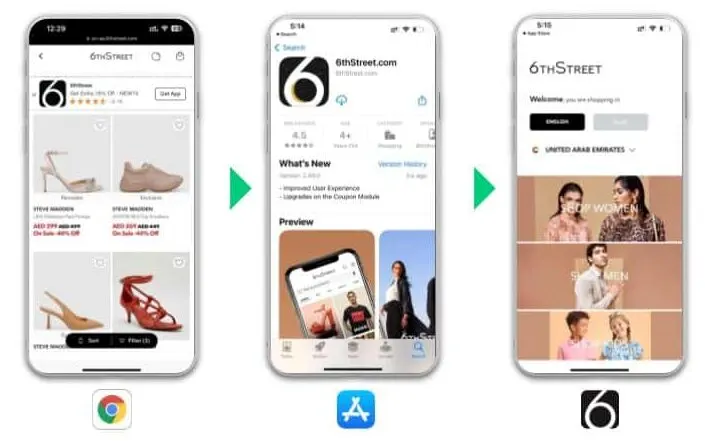
Recently, regulations on personal data tracking for app usage have become stricter. Using a website landing page is one way to address these regulations.
Websites require less personal data tracking compared to app stores, allowing users to check app information without downloading it.
A website landing page can provide more information than an app store detail page. By detailing the apps features, characteristics, usage, update history, etc., it offers users deeper insights into the app.
Additionally, including various content such as images, videos, and user reviews can engage users more effectively.
However, introducing and explaining the app through a website landing page requires an extra step compared to users downloading the app directly from the app store. This means adding an additional step to the user’s journey, which could increase the number of users who drop off. Therefore, it is essential to streamline the user path and make the transition from the website to app download as smooth as possible.
Collaboration with Specialized Agencies for ASO Improvement
ASO is an advanced marketing technique suitable for the era of smartphone popularity. It plays a crucial role in improving app visibility and download numbers. However, ASO cannot be perfected all at once. Continuous observation, improvement, and optimization are necessary to achieve results.
ASO is similar to SEO. By analyzing the app’s characteristics and market trends, and making changes and applications as needed, you can achieve good results. This helps to enhance the app’s visibility and attract more users.
Collaborating with specialized marketing agencies is important for ASO improvement. Specialized marketing agencies can analyze extensive content and develop strategies based on user behavior data. They can also find the optimal methods for the app service and use ASO expertise and tools to improve the app’s ranking and installation numbers.
By starting ASO improvement through collaboration with growth experts, you can receive optimal strategies based on in-depth analysis and experience.
Understanding the apps characteristics and market trends, along with conducting competitive analysis and keyword research, will help improve the apps visibility and download numbers.
Are you curious about performance marketing pitfalls and why its essential to be aware of them?
Marketing is a critical element of any business, requiring ongoing efforts and strategic planning. While the effectiveness of marketing strategies can be measured over time, not every strategy yields the desired results.
When a marketing strategy falls into common pitfalls, the costs can escalate significantly, impacting time, resources, and customer acquisition efforts, which inevitably affect sales performance.
It would be ideal if every marketing effort were guaranteed to succeed.
However, as we all know, there is no such surefire method.
While its impossible to predict with certainty whether a particular strategy will stumble into performance marketing pitfalls, there are certain factors you can avoid to reduce the risk.
Based on our extensive experience at Growth Marketing Agency, were sharing insights on how to navigate and avoid these common performance marketing pitfalls.
Why Do Performance Marketing Pitfalls Occur?
In the competitive business landscape, companies often find themselves compelled to increase their marketing budgets.
But what happens when the investment doesnt translate into the expected returns?
Successfully navigating a performance marketing campaign is more challenging than it seems.
How can you enhance the ROI of a performance marketing campaign? How can you manage the fragmented customer journey and optimize every interaction with potential customers?
One of the most significant performance marketing pitfalls is the lack of clear goals and strategy.
Without a well-defined plan, marketing efforts can become unfocused, making it difficult to achieve meaningful results. Its crucial to establish clear objectives and create a strategic roadmap that aligns with your overall business goals.
Take the time to define your digital marketing goals and develop a comprehensive strategy that includes identifying your target audience, choosing the right channels, setting performance metrics, and allocating the necessary budget and resources.
Another common performance marketing pitfall is a lack of understanding of the customer.
To run a successful campaign, you need to have a deep understanding of your potential customers’ preferences, needs, behaviors, and pain points.
Failure to target the right audience or select appropriate keywords increases the likelihood of campaign failure. Identifying the right keywords can resonate with potential customers and help clarify their intent.
Conduct thorough market research to gain deep insights into your target audience, and use data-driven insights to create buyer personas. This will guide your keyword selection and allow you to tailor your marketing messages accordingly.
Regularly updating your buyer personas by tracking and reflecting changes in customer behavior is essential to avoid these pitfalls.
Insufficient Budget and Resources
Given that performance marketing is results-driven, it requires a substantial financial investment.
Insufficient budget and resources can lead to significant performance marketing pitfalls, compromising the success of your campaigns. Allocating inadequate resources can limit the scope and impact of your campaigns, leading to diminished results.
Performance marketing heavily relies on data and analytics. One of the more subtle performance marketing pitfalls is the failure to leverage data for decision-making.
Without accurate data tracking and analysis, you may miss critical insights needed to optimize your campaigns.
To avoid this, marketers must make full use of analytical and tracking tools to accurately measure marketing performance.
Key metrics such as website traffic, engagement, conversion rates, and ROI should be continuously monitored to make informed decisions and optimize campaigns.
Coca-Cola had to revert to its previous branding strategy after facing resistance from its customers.
Branding helps build trust, credibility, and recognition with your target customers. However, inconsistent or ineffective branding can lead to digital marketing failures. If the brand message is unclear or lacks consistency, it may fail to resonate with the target audience. This can negatively impact brand awareness and customer engagement.
To avoid these performance marketing pitfalls, you must develop a strong and consistent brand identity that aligns with your overall marketing strategy. Ensure that your brand message and values are consistently reflected across all marketing efforts. Building a strong brand image requires creating a compelling brand story, designing a visually appealing website, and producing consistent content.
Failing to Adapt to Changes and Algorithms
The current market is constantly evolving with new technologies, trends, and algorithms tailored to the digital age. Businesses that fail to adapt to these changes may struggle to succeed. For instance, if you dont keep up with the latest search engine algorithms, your websites search rankings could drop, leading to a decline in traffic.
To stay competitive and avoid performance marketing pitfalls, its crucial to stay informed about the latest digital market trends and algorithm updates. Partnering with a reliable collaborator who can help monitor market trends and adjust strategies accordingly can be a great way to keep your business on track.
Lack of Patience and Persistence
Did you know that performance marketing is not a short-term solution for immediate success? The growth strategies we advocate emphasize patience and persistence, with efforts accumulating through repeated experimentation.
Businesses need to set realistic expectations and understand that marketing takes time. Patience and persistence are keycontinuously accumulate efforts and refine strategies through constant testing.
Winning Strategies to Avoid Performance Marketing Pitfalls
Continuous A/B Testing
Q: What is A/B Testing?
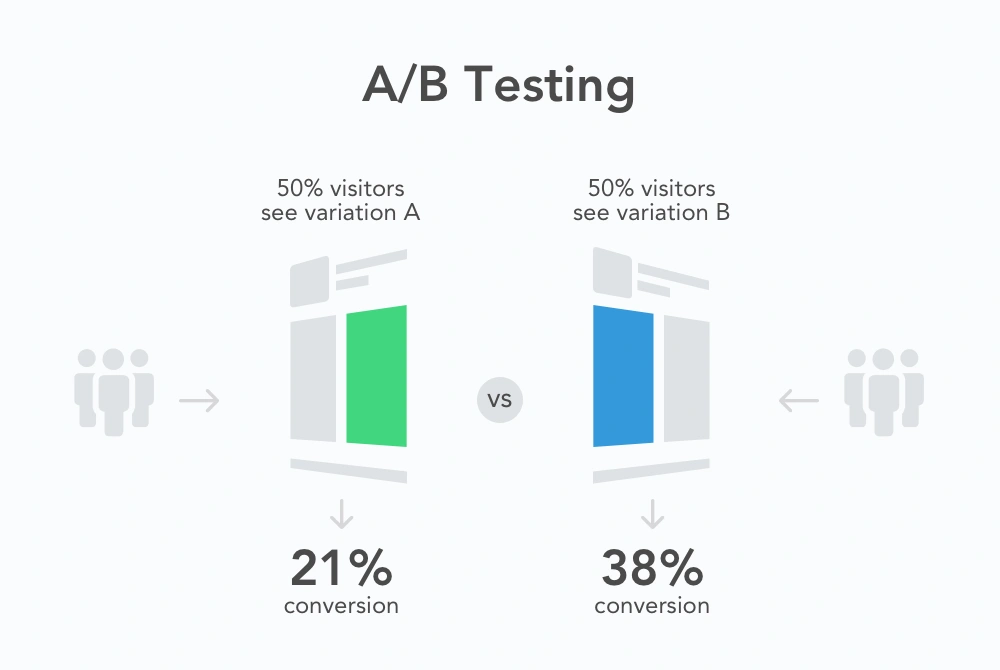
A. A/B Testing involves comparing two versions of a landing page to determine which one performs better based on target customer preferences. By implementing insights gained from A/B Testing, you can optimize conversion rates.
Why should you use A/B Testing in performance marketing? The first step in an effective marketing campaign is setting high-level goals that serve as benchmarks for evaluating the campaign. Typically, businesses aim to drive more traffic to their websites.
Experienced marketers know the importance of using analytical tools to evaluate website performance. However, even if a website regularly receives high traffic, if it doesnt lead to conversions, you might be missing something essential. A/B Testing provides valuable insights that can help prevent costly mistakes by leveraging the traffic effectively.
For example, before launching a display ad campaign that directs customers to a product page on your website, conducting A/B Testing on that product page can offer insights that can be implemented. This way, marketers can avoid wasting money on ads that dont generate profits and instead focus on converting visitors into buyers.
In summary, A/B Testing can help maximize ROI, reduce costs, and generate high-quality leads.
Data Analysis and Utilization
Collecting and analyzing data from various digital sources to gain insights into your marketing strategy is essential for any performance marketer. By fully utilizing digital marketing analytics tools, marketers can minimize bounce rates, create personalized experiences, and generate high-quality leads.
Data analysis helps eliminate guesswork in marketing strategies and maximizes value from a companys budget, thereby improving business efficiency. Data comes from various sources, and if a company lacks a pool of skilled professionals to use this data effectively, it can become a burden.
The more sophisticated the data analysis techniques used, the better a company can understand the market and its customers. This understanding leads to the development of effective strategies, more personalized customer interactions, and, ultimately, increased revenue.
Overcoming Performance Marketing Pitfalls
In conclusion, the failures in performance marketing often stem from a lack of understanding of the customer, as well as a lack of patience and persistence.
To overcome these challenges, clear goal setting, precise targeting based on customer insights, data-driven decision-making, and a persistent approach are necessary.
Performance marketing is a dynamic and ever-evolving field, and failures can occur in any business. However, it is crucial to learn from these failures, continuously experiment with strategies, and accumulate successes to improve marketing efforts.
By addressing the common causes of performance marketing pitfalls and implementing effective solutions, businesses can increase their chances of success and achieve their marketing goals. Marketers must always remember that marketing is an ongoing process of experimentation, optimization, and improvement.
Achieving exceptional Return on Ad Spend (ROAS) is a paramount objective for businesses seeking to optimize their marketing investments. This performance marketing case study presents a detailed analysis of a recent campaign that not only met but substantially exceeded our client’s expectations. The results we achieved demonstrate the profound impact of a well-executed, data-driven marketing strategy.
The Challenge: Transforming Ad Spend into Revenue
Our client approached us with a common yet critical problem: their advertising campaigns were underperforming, failing to generate the desired return on investment. Despite substantial ad spend, they were seeing minimal conversions and revenue growth. It was clear that a comprehensive overhaul of their performance marketing strategy was necessary.
Understanding the Root Cause
Before diving into solutions, we needed to identify the underlying issues. Our analysis revealed several key problems:
Lack of audience targeting precision
Ineffective ad content
Absence of continuous optimization
Insufficient data analysis and interpretation
Our Data-Driven Strategy
To address these challenges, we developed a multi-faceted, data-driven approach. Our performance marketing strategy consisted of four core elements:
Deep Audience Understanding: We conducted extensive research to gain insights into the target audience’s behaviors, preferences, and pain points.
Compelling Ad Creation: Leveraging our audience insights, we crafted highly targeted ad content that resonated with potential customers.
Rigorous Optimization: We implemented a continuous optimization process, regularly refining our campaigns based on real-time performance data.
Thorough Data Analysis: Our team of data scientists performed in-depth analysis of campaign metrics, uncovering valuable insights to drive decision-making.
The Results: Shattering ROAS Expectations
Now, let’s delve into the most exciting part of this performance marketing case study – our ROAS results. Prepare to be amazed by these extraordinary numbers:
Our campaigns consistently delivered a ROAS ranging from 513% to 2,457%. This means that for every won spent on advertising, we generated between 5.13 won and 24.57 won in return.
The crowning achievement was a campaign that achieved an astounding 4,244% ROAS. That’s right – for every won invested in this campaign, we generated a staggering 42.44 won in return.
To put these figures into perspective, the average ROAS across industries typically hovers around 200-400%. Our results didn’t just exceed expectations – they obliterated them.
Let’s break it down further:
513% ROAS: This was our baseline, already outperforming industry averages.
2,457% ROAS: Our high-performing campaigns were operating at 6x the industry average.
4,244% ROAS: Our top-performing campaign delivered over 10x the typical ROAS.
These results demonstrate not just incremental improvements, but exponential growth in advertising efficiency. We’re not just moving the needle; we’re launching it into the stratosphere.
The Growth Marketing Advantage
What sets us apart:
Customer-Centric Focus: We prioritize understanding the customer journey and decision-making process.
Multi-Channel Expertise: Our strategies span across various digital platforms for maximum reach and effectiveness.
Data-Driven Decision Making: We leverage advanced analytics and growth hacking techniques to inform every decision.
The Power of A/B Testing in Performance Marketing
A crucial element of our success lies in our commitment to A/B testing. We once had a client struggling with their ad performance simply because they weren’t conducting regular A/B tests, missing countless opportunities for improvement.
By implementing a robust A/B testing strategy and systematically testing different ad elements, we were able to significantly boost their campaign effectiveness and ROAS. This case highlights the importance of partnering with an experienced agency for performance marketing. By leveraging our expertise, the client transformed their approach into a dynamic, continuously improving strategy.
Create Your Own Performance Marketing Success Story
Are you ready to see your ROAS reach new heights? It’s time to create your own impressive performance marketing case study. Contact us today, and let’s collaborate to write the next chapter of your marketing success story.
In performance marketing, ROAS is the north star that guides our strategies. Let’s work together to make your ROAS tell an extraordinary story for your brand. Who knows? Your campaign might be our next 4000%+ ROAS success story!
As we say in golf, “Drive for show, putt for dough.” In performance marketing, strategy is your drive, but optimization is your putt – and that’s where the real gains are made.