[태그:] Naver Ads

  • Naver Shopping Live: Live Commerce and Marketing in Korea

    Naver Shopping Live: Live Commerce and Marketing in Korea

    Naver Shopping Live: Marketing in Korea
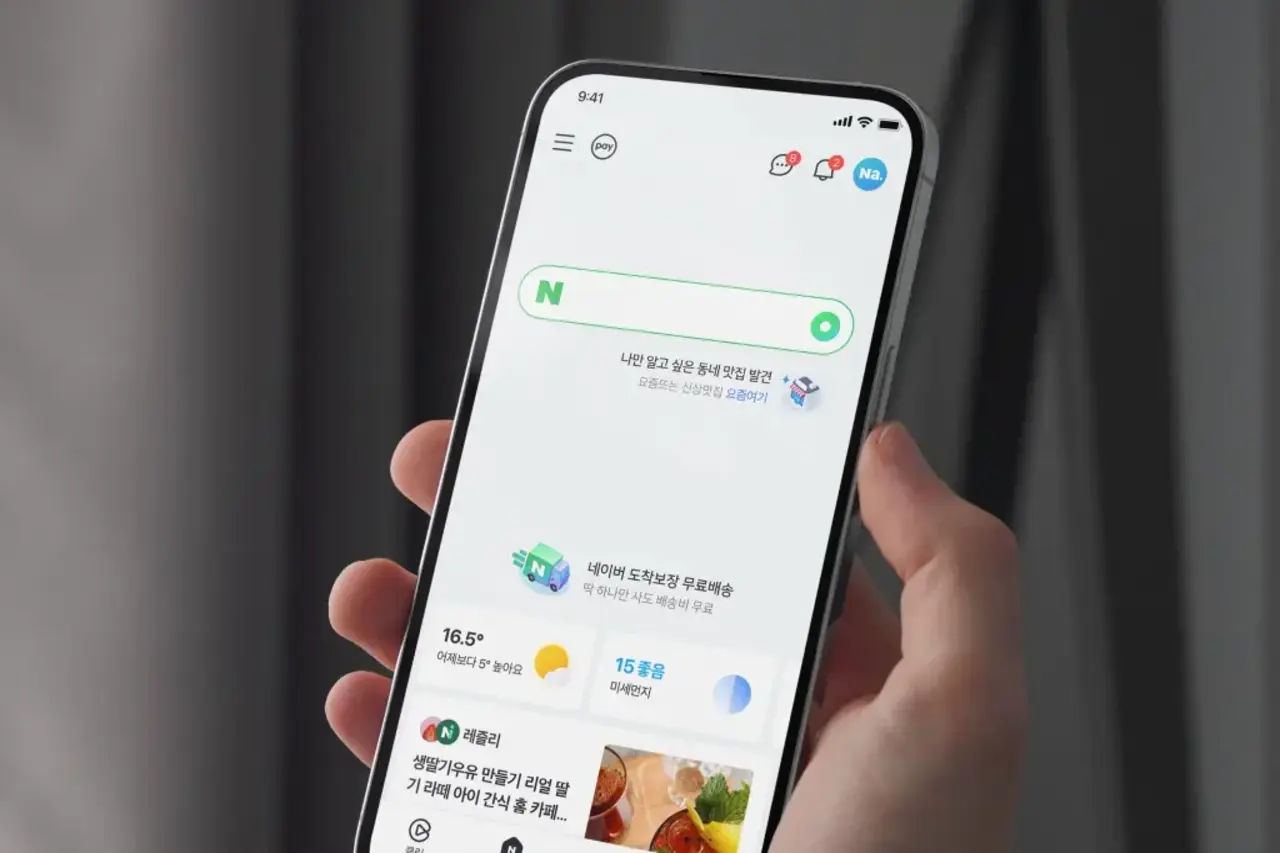
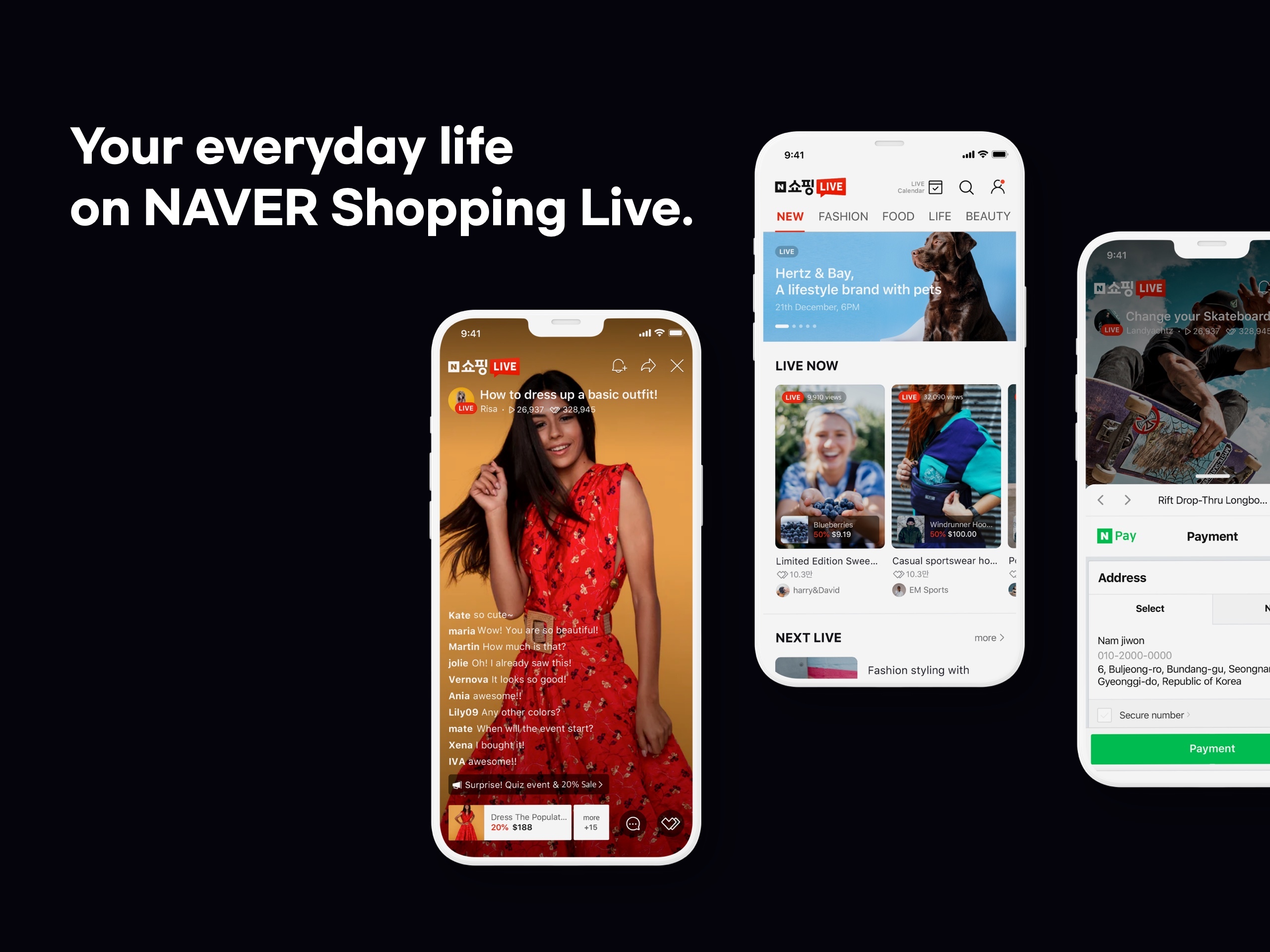
    NAVER Shopping Live: Live streaming and shopping service

    In recent years, live commerce has taken South Korea by storm, with Naver Shopping Live emerging as the dominant platform in the space. Naver Shopping Live allows brands to create live, interactive shopping experiences that engage audiences and drive sales. Through its unique blend of live streaming and e-commerce, it has become a cornerstone of digital marketing strategies for businesses across the country.

    Why Naver Shopping Live is Leading the Digital Commerce Revolution

    Naver Shopping Live is South Koreas largest live commerce platform, with a market share that far exceeds its competitors. As of 2023, 73.6% of mobile shoppers in South Korea chose Naver Shopping Live as their primary platform, leaving competitors such as Kakao Shopping Live (41.9%) and ZEM Live (20.3%) far behind. This remarkable dominance is a testament to the platform’s ability to meet the needs of both consumers and brands.

    In terms of performance, Naver Shopping Live has posted impressive statistics in 2023:

    • Cumulative transaction volume: 1.4 trillion KRW
    • Total views: 3 billion views across live events
    • SME (Small and Medium Enterprises) transaction share: 50% of total transactions

    These figures illustrate not only Naver Shopping Live’s popularity among consumers but also its growing importance as a channel for businesses of all sizes. The platform has become a vital tool for small businesses to reach wider audiences and increase sales, thanks to its seamless integration with Naver’s broader ecosystem and its easy-to-use features.

    Key Factors Behind Naver Shopping Live’s Success

    Several factors contribute to the rapid growth and success of Naver Shopping Live:

    1. Stable Live Video Streaming Technology: Naver has invested heavily in technology, ensuring that broadcasts are stable, high-quality, and engaging for users.
    2. AI and Vision Technology Integration: By leveraging advanced AI and visual technologies, Naver Shopping Live offers personalized shopping experiences that enhance user engagement and drive conversions.
    3. Introduction of Short-Form Video: The addition of short-form videos has lowered the entry barriers for sellers, making it easier for smaller brands and individual entrepreneurs to create and share content, thus boosting overall participation.

    These innovations have played a key role in Naver Shopping Live’s rapid growth, helping it solidify its position as the preferred platform for live commerce in South Korea.

    The Mercedes-Benz EQA Launch Campaign

    To understand the power and potential of Naver Shopping Live, its helpful to look at a real-world example of how the platform was used to drive a successful digital marketing campaign. One such example is the Mercedes-Benz EQA launch in South Korea, which showcased the platform’s capabilities in creating immersive, engaging, and interactive shopping experiences.

    Mercedes-Benz recognized that reaching younger, digitally native consumers was essential for launching their EQA electric SUV. The brand needed a platform that would resonate with Millennials and Gen Z, who are not only tech-savvy but also highly engaged in live streaming and social commerce. Naver Shopping Live provided the perfect opportunity to connect with this audience in a creative and impactful way.

    Mercedes-Benz on Naver Shopping Live
    Mercedes-Benz on Naver Shopping Live. (Source: MZ???? ??? ?? ??: ?????? ?? ??? ??? ???)

    The Campaign Strategy

    Mercedes-Benz chose Naver Shopping Live to host a digital live concert, a unique approach that blended entertainment with product promotion. Rather than following the traditional route of a static product showcase, the campaign featured live performances by popular Korean artists such as pH-1, Jessie, and Heize. This immersive concert experience created an engaging environment where the EQA was introduced alongside dynamic performances, appealing directly to the MZ generations love for music and culture.

    The campaign leveraged several key features of Naver Shopping Live:

    • Pre-event Teasers: To build anticipation for the live concert, Mercedes-Benz utilized Naver Ads to promote the event across the platform. Display ads and outlink banners were used to generate buzz in the days leading up to the event.
    • Real-Time Viewer Engagement: During the 60-minute live concert, viewers were encouraged to interact in real-time through live comments and chat features. This created a sense of community and direct engagement between the brand and its audience.
    • Seamless Conversion: Outlink banners were also integrated into the live broadcast, providing viewers with easy access to EQA test drive sign-ups. This integration of e-commerce and entertainment enabled Mercedes-Benz to drive immediate conversions during the event itself.
    Mercedes-Benz Naver Display Ads
    Mercedes-Benz Naver Display Ads. (Source: MZ???? ??? ?? ??: ?????? ?? ??? ??? ???)

    Impressive Results from Naver Shopping Live

    The results from the Mercedes-Benz campaign were remarkable, showcasing Naver Shopping Lives effectiveness as a digital marketing tool. Key metrics included:

    • Over 800,000 cumulative viewers tuned in to the live concert.
    • The event peaked at 5,800 concurrent viewers, demonstrating the platforms ability to handle large-scale live events.
    • 15,000+ clicks on the test drive sign-up banners were recorded during the live broadcast.
    • A 170% increase in daily qualified clicks (QC) was achieved, highlighting the success of the campaign in driving meaningful engagement.

    These statistics illustrate how Naver Shopping Live can effectively combine entertainment, engagement, and sales to achieve impressive results for brands.

    The Future of Digital Marketing with Naver Shopping Live

    The success of campaigns like the Mercedes-Benz EQA launch further solidifies Naver Shopping Live as a powerful tool for digital marketing. Its ability to merge entertainment, e-commerce, and real-time interactivity makes it an essential platform for businesses aiming to connect with modern consumers.

    As South Koreas live commerce leader, Naver Shopping Live will continue to shape the future of digital marketing, especially in industries like luxury automobiles, fashion, and electronics. By providing a platform where brands can create authentic, engaging, and impactful experiences, Naver Shopping Live is positioning itself as a key player in the future of digital marketing, driving both brand awareness and conversion rates for businesses across all sectors.

  • Nike’s Success with Naver Display Ads

    Nike’s Success with Naver Display Ads

    Nike Korea

    When it comes to online advertising in Korea, Naver Display Ads are a powerful tool that can drive significant growth for businesses. One notable success story is Nike Korea, which effectively leveraged Naver Display Ads with the help of Echomarketing Agency to boost awareness and engagement for its Nike Members Day event. This case study shows how Nike used Naver’s advertising solutions to amplify its brand visibility and increase customer interest.

    Brand Overview: Nike

    Nike, headquartered in Beaverton, Oregon, is a leading global brand in sportswear, fitness apparel, equipment, and accessories. Known for its innovative design and marketing, Nike continues to dominate in both the retail and online spaces.

    In line with its goal to foster an active lifestyle, Nike has consistently aligned its campaigns with meaningful events, including its annual Members Day in South Korea.

    Campaign Objective: Amplifying Awareness for Nike Members Day
    The primary objective of Nike’s campaign was to maximize awareness and anticipation for its Members Day event, which takes place in two phases: Pre-heat and Launch.

    For this campaign, Nike used Naver Display Ads to run a Triple Crown advertising strategy, aimed at increasing brand visibility and engagement leading up to the event?s launch.

    On October 15, 2023, a key date marking the last day of the Pre-heat phase, Nike wanted to generate excitement and anticipation for the Members Day event. By using Naver, Nike effectively aligned this campaign with Korea?s National Sports Day, under the brand?s vision of ?Make sport a daily habit.?

    Naver Display Ads Solutions: The Triple Crown Strategy

    Nike’s campaign leveraged Naver?s Triple Crown advertising solution, which consists of three high-impact ad formats: Special Logo, Headline Display Ads (DA), and Special Display Ads (DA). Each of these formats played a critical role in driving the success of the campaign.

    Nike's Naver Display Ads
    Nike’s success story using Naver display ads (Source: ??? ?????? ??? ?????? ??)
    • Special Logo: Nike utilized Naver?s Special Logo feature to display a custom-designed logo that matched its brand colors and National Sports Day theme. This logo, prominently displayed on Naver?s homepage, helped build anticipation for the upcoming event.
    • Headline DA: In addition to the logo, Nike ran Headline Display Ads that highlighted the Members Day event. These ads prominently displayed the event dates, creating a sense of urgency and encouraging users to participate.
    • Special DA: Nike also ran Special Display Ads that showcased its key campaign message and promotional offers. These ads targeted premium placements on Naver?s high-traffic pages, ensuring maximum visibility.

    Creating a Seamless User Flow

    Nike?s strategy focused on creating a seamless user flow from Naver to its own website. The Special Logo was clickable, leading users to a custom search result page that celebrated National Sports Day. At the top of this page, Nike displayed its Members Day event banner, which encouraged users to visit Nike?s event page on its website. This created a smooth and natural transition for users, driving them directly to Nike?s online store to explore products and promotions.

    By using multiple ad formats and carefully planning their placement, Nike effectively built excitement, drove traffic to its website, and provided users with a consistent brand experience across the Naver platform.

    Campaign Results: Record-Breaking Search Queries and Engagement

    The Triple Crown strategy proved to be highly successful for Nike. Key metrics from the campaign include:

    • 25% Increase in Search Queries: On October 15, Nike saw a 25% increase in search queries compared to the previous day. This resulted in the highest daily search volume for the brand in October. This indicates a significant boost in brand visibility and user interest.
    • Highest CTR for the Year: The campaign achieved the highest Click-Through Rate (CTR) for a banner ad on the integrated search results page in 2023. This underscores the effectiveness of Naver’s Triple Crown format in driving user engagement.
    • Halo Impact Across Media: The success of the campaign demonstrated the ?Halo Effect? of display media on search performance. By combining search and display ads, Nike was able to create a full-funnel marketing approach that boosted both brand awareness and direct engagement.

    Key Takeaways: Why Naver Display Ads Work for Large-Scale Campaigns

    Nike?s campaign serves as an excellent example of how Naver Display Ads can be leveraged for large-scale branding and performance marketing. Here?s why the campaign worked so well:

    • Strategic Timing: Aligning the campaign with National Sports Day helped Nike resonate with a broader audience, tying its event to a meaningful national celebration.
    • Comprehensive Ad Solutions: The use of multiple ad formats, including Special Logo and Display Ads, ensured that Nike?s message was visible across different parts of the Naver ecosystem.
    • Seamless User Experience: By creating a smooth user journey from Naver to Nike?s website, the brand was able to convert search interest into actual traffic and engagement on its online store.
    • Data-Driven Insights: The campaign?s impressive CTR and search query increases highlight the importance of tracking and optimizing for both brand visibility and performance. Nike?s success shows that a well-rounded strategy incorporating both display and search can drive significant business results.

    Conclusion: Naver Display Ads as a Key Tool for Branding and Performance

    Nike?s use of  Naver Display Ads illustrates how powerful the platform can be for large-scale marketing campaigns. By utilizing Naver?s unique ad formats and premium placements, Nike was able to drive a significant increase in brand awareness and engagement, particularly during a key promotional event.

    For businesses looking to make a lasting impact in the Korean market, Naver Display Ads offer a powerful combination of reach, visibility, and performance. With customizable solutions that can fit a variety of marketing objectives, Naver is the go-to platform for brands aiming to amplify their presence and drive measurable results.

  • Naver vs Google: Key Marketing Differences

    Naver vs Google: Key Marketing Differences

    Naver vs Google

    Expanding into new markets or selling overseas presents unique challenges and opportunities. Understanding the nuances of search engines in different regions is crucial. This article delves into the differences of Naver vs Google, focusing on how these differences can impact your digital marketing strategies whether youre a company entering the Korean market or a Korean business looking to expand internationally.

    Overview of Naver vs Google

    While Google dominates the global search market with over 90% share, South Korea is one of the few countries where it faces strong local competition. 

    By the end of 2022, Googles market share in South Korea was 26.8%, which surged to 35.3% by the end of March 2023, closing the gap with market leader Naver. 

    Nevertheless, Naver maintains a strong position thanks to its integrated portal services, user-generated content, and deep cultural relevance. The ongoing competition between these two search giants highlights the importance of localization and understanding unique market dynamics in the global tech landscape.

    Recognizing and leveraging the differences of Naver vs Google can significantly enhance your marketing effectiveness. Lets dive into the differences between these two platforms.

    Naver: Integrated Search Platform Based on Portals

    Naver is a familiar portal site for Koreans, offering a comprehensive range of services beyond just search, including news, blogs, cafes, and shopping. This integration allows ads on Naver to appear in various forms across its diverse channels.

    For instance, if youre running a cosmetics brand, your ads on Naver can appear not only in search results but also in beauty-related blogs or cafes. This broad exposure through multiple channels is a significant advantage of Naver.

    Google: Pure Search Engine Platform

    Conversely, Google is renowned as the “king of search,” focusing primarily on its powerful search engine. Googles search results are straightforward yet precise, which makes it highly effective at displaying ads that closely match user search intents.

    For example, if someone searches for “laptop recommendations,” Google will show ads for relevant laptops, based on the users intention to purchase. This approach contributes to Googles high conversion rates.

    Naver vs Google: Search Results Page Structure 

    Next, lets compare the search results page structures of Naver and Google. Understanding these differences will guide how to effectively display ads on each platform.

    Naver: Sectioned Results

    Navers search results page is divided into several sections: Power Links, Blogs, Cafes, Knowledge iN, News, etc. This structure allows advertisers to place ads across various sections in different formats.

    For example, if youve launched a new diet product, you could use Navers advertising methods as follows:

    • Power Links: Display ads at the top of search results for keywords like “diet.”
    • Blog Section: Show product reviews in blog content.
    • Cafe Section: Post ads in diet-related cafes.
    • Knowledge iN: Use Q&A format for indirect advertising.

    Leveraging these sections allows multiple exposures to potential customers. However, each section requires a distinct approach: information-based content for blogs and direct sales messages for Power Links.

    Google: Simple and Unified Results Page

    Googles search results page is much simpler compared to Navers. It primarily lists text-based search results and ads together. Thus, creating ads that precisely match the users search intent is crucial on Google.

    For example, if youre selling an online English learning program, you might:

    • Search Ads: Run ads with keywords like “online English learning.”
    • Highlight Unique Selling Points: Emphasize features like “free trials” and “native 1:1 lessons.”
    • Optimize Landing Page: Ensure it matches the search keywords.
    • Remarketing: Continuously show ads to website visitors.

    Googles emphasis on ad quality scores means using relevant keywords and optimizing landing pages are key. Understanding user intent and aligning your ads accordingly is essential.

    Naver vs Google: Ad Types

    Now, let’s look at the specific ad types offered by Naver and Google. Understanding these can help you develop more effective advertising strategies.

    Naver Ad Types

    Naver offers a variety of ad types, including:

    • Power Links (Search Ads): These are prominent ads appearing at the top of search results for specific keywords.
    • Brand Search: Large banner ads displayed at the top of search results for brand names, ideal for enhancing brand recognition.
    • Content Search Ads: Ads appearing in blog or cafe content, allowing for a more natural advertising format.
    Naver Ad Types: Naver Layout
    Naver Search Ads Guide

    For example, if launching a new smartphone accessory brand, you could:

    • Power Links: Advertise with keywords like “smartphone cases” and “wireless chargers.”
    • Brand Search: Use banner ads to emphasize brand image and introduce new products.
    • Content Search Ads: Display ads in blogs or cafes with keywords like “smartphone accessory recommendations.”

    Combining these ad types allows for a multifaceted approach to reaching potential customers. However, each type requires a different strategy: direct purchase incentives for Power Links and information provision for content search ads.

    Google Ad Types

    Google also offers diverse ad types:

    • Search Ads: Text ads related to users’ search queries displayed on search results pages.
    • Display Ads: Banner ads shown across various websites in the Google Display Network.
    • Video Ads: Ads displayed in video format on platforms like YouTube.
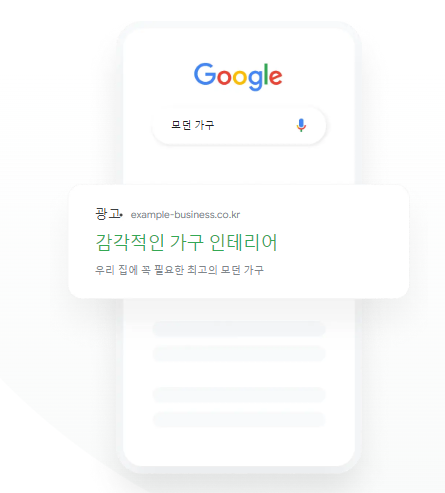
    Google search ads
    Google Search Ads

    For example, if running an online furniture store, you could:

    • Search Ads: Use keywords like “modern living room furniture” or “affordable sofas” to drive traffic to your store.
    • Display Ads: Show banner ads on home dcor blogs or interior design websites to capture potential buyers.
    • Video Ads: Create short videos showcasing your furniture collections or offering decorating tips on platforms like YouTube, with a link to your product pages.

    Googles strength lies in its refined targeting options. For example, targeting users interested in home dcor or furniture who are 25-45 years old, or recent searchers for topics like “living room design ideas” or “furniture shopping,” enhances ad efficiency.

    Naver vs Google: Keyword Management

    Keywords are central to search advertising. Naver and Google differ in how they manage and expand keywords. Understanding these differences can help you develop more effective keyword strategies.

    Naver: Manual Keyword Management with Limited Expansion

    Naver generally relies on manual keyword management, requiring advertisers to select and manage keywords themselves. This method allows for precise control but can be time-consuming.

    For instance, if running a pet shop:

    • Select Core Keywords: Choose keywords like “dog supplies” and “cat food.”
    • Use Related Searches: Identify and add related keywords like “dog toys” and “dog clothes.”
    • Seasonal Keywords: Manually add keywords like “dog cooling mats” for summer and “dog padding” for winter.
    • Negative Keywords: Exclude irrelevant clicks with negative keywords like “free” or “cheap.”

    Careful manual keyword management is crucial for aligning with your business needs.

    Google: Advanced Keyword Expansion with Machine Learning Optimization

    Google offers advanced keyword management features and automated optimization through machine learning, reducing manual effort while enhancing strategy effectiveness.

    Googles key keyword management features include:

    • Keyword Planner: Provides new keyword ideas and data on search volume and competition.
    • Automated Keyword Expansion: Automatically displays ads for keywords similar to the ones set.
    • Dynamic Search Ads: Automatically targets relevant search queries based on website content.

    For a pet shop:

    • Use Keyword Planner: Analyze related keywords and their search volumes.
    • Automated Keyword Expansion: Set a keyword like “dog food” and let Google expand it to related terms.
    • Dynamic Search Ads: Automatically target ads based on your websites content.

    While Googles automation features reduce effort, periodic checks and adjustments are necessary to ensure keyword relevance.

    Naver vs Google: Targeting Options

    Lets explore the targeting options available on Naver and Google. Precise targeting is crucial for maximizing ad efficiency.

    Naver: Basic Targeting Options

    Naver offers relatively basic targeting options:

    • Geographical Targeting: Display ads to users in specific regions.
    • Time Targeting: Show ads during specific times of the day.
    • Day-of-Week Targeting: Target ads to specific days of the week.
    • Gender Targeting: Focus ads on male or female users.

    For instance, if operating a fitness center in Seoul:

    • Geographical Targeting: Set ads for Seoul and nearby areas.
    • Time Targeting: Focus on evening hours, from 6 PM to 10 PM.
    • Day-of-Week Targeting: Target weekdays when people are more likely to exercise.
    • Gender Targeting: Aim ads at women aged 20-30, your primary clientele.

    However, Navers targeting options are less advanced compared to Google.

    Google: Detailed Targeting

    Google provides highly granular targeting options:

    • Demographic Targeting: Age, gender, parental status, etc.
    • Geographical Targeting: Country, city, radius, etc.
    • Language Targeting: Ads for specific language users.
    • Device Targeting: Mobile, desktop, tablet, etc.
    • Interest Targeting: Users based on interests or behaviors.
    • Remarketing: Target previous website visitors.

    For the fitness center:

    • Demographic Targeting: Set ads for women aged 25-45.
    • Geographical Targeting: Focus on a 5 km radius around a specific area in Seoul.
    • Device Targeting: Target mobile users, as they often search for fitness information on mobile devices.
    • Interest Targeting: Focus on users interested in “fitness,” “diet,” and “health.”
    • Remarketing: Re-target users who visited your website but didnt sign up.

    Googles detailed targeting options enhance ad effectiveness but balancing reach with specificity is crucial.

    Naver vs Google: Advertising Management Approaches

    Naver and Google also differ in their advertising management approaches. Understanding these differences will help you create effective strategies for each platform.

    Naver: Manual Management with Direct Control

    Navers approach often involves manual management with direct control over advertising details:

    • Keyword Bidding: Set individual bid amounts for each keyword.
    • Ad Group Management: Create and manage multiple ad groups.
    • Budget Allocation: Manually allocate budgets to different ad groups or campaigns.

    For example, if managing a seasonal sale for a clothing brand:

    • Set Bids: Adjust bids for “summer dresses” and “winter coats” based on seasonal relevance.
    • Ad Groups: Create separate groups for “mens clothing” and “womens clothing.”
    • Budget Allocation: Allocate higher budgets to more relevant products.

    While this method offers control, it also requires more time and effort.

    Google: Automated Management with AI Optimization

    Googles approach leverages AI and automation for ad management:

    • Automated Bidding: Adjusts bids based on campaign performance.
    • Smart Campaigns: Automates ad management for businesses with limited time.
    • Performance Insights: Provides data-driven insights to optimize campaigns.

    For the clothing brand:

    • Automated Bidding: Use Googles automated bidding strategies to optimize for conversions.
    • Smart Campaigns: Set up a campaign and let Google handle bidding and placement.
    • Performance Insights: Use insights to adjust keywords and ad content based on performance data.
    Googless Smart Bidding and Automated Bidding
    Googless Smart Bidding and Automated Bidding

    Googles automated management saves time but requires monitoring and adjustments.

    Conclusion: Navigating the Landscape

    Below is a summary of the key differences between Naver and Google, providing a clear comparison to guide your decision-making process.

    Naver vs Google Comparison

    Choosing between Naver vs Google for your digital advertising efforts involves evaluating several factors, including your target audience, preferred ad types, and keyword management approach. Navers diverse ad placements within its integrated platform offer a unique advantage for reaching Korean users, while Googles precise targeting and automated keyword expansion provide efficiency and global reach. By understanding these differences, you can tailor your advertising strategy to maximize effectiveness and achieve your marketing goals.

    Growth Marketing Agency is a certified partner with Naver, leveraging our extensive expertise to navigate the nuances of both Naver and Google. Our deep understanding of these search engines enables us to craft tailored strategies that optimize your digital presence and drive results in the Korean market and beyond.

  • Naver Advertising: How to Use Search and Display Ads

    Naver Advertising: How to Use Search and Display Ads

    Online advertising is essential for reaching your audience and growing your business. Naver, South Korea’s top search engine, offers powerful advertising options that are key to successful marketing strategies in Korea. Understanding Naver advertising is crucial because they provide unique opportunities to connect with millions of users.

    Naver advertising come in two main types: Search Ads and Display Ads. Each type has its own strengths and serves different marketing goals. This guide will break down what you need to know about both Naver Search Ads and Display Ads, so you can make the best choices and get the most out of your advertising.

    Understanding the Basics of Search Ads and Display Ads

    First, lets clearly define these two types of Naver advertising.

    Search Ads (SA: Search Ad): Search ads are text-based advertisements that appear when users search for specific keywords. These ads are displayed at the top or right side of the Naver search results page, marked with “?? (AD).”

    Naver search ads

    Example: If you search for “cosmetics,” ads for “natural skin care” and “organic cosmetics” will appear at the top of the search results. These are search ads!

    Display Ads (DA: Display Ad): Display ads are banner ads in the form of images or videos that appear across various Naver services, including the main page, blogs, cafes, and news pages.

    Naver Banner Ads

    Example: As you browse the Naver main page, you might notice striking image ads on the right. Similarly, banner ads appearing amidst blog posts are display ads.

    Now that you understand the basic concepts, lets delve into the main differences between these two types of ads.

    Key Differences Between Search Ads and Display Ads in Naver Advertising

    1. Exposure Method
      • Search Ads:
        • Appear based on the user’s search intent.
        • Only shown when specific keywords are searched.
        • Can respond to the user’s immediate needs.
      • Display Ads:
        • Shown based on targeting conditions set by the advertiser.
        • Based on user interests, behavior patterns, demographic characteristics, etc.
        • Can be displayed even if the user is not actively searching.
    2. Advertising Goals
      • Search Ads:
        • Focus on immediate conversions and sales.
        • Target users with high purchase intent, leading to a quick ROI.
      • Display Ads:
        • Focus on increasing brand awareness and acquiring potential customers.
        • Effective for long-term brand image building.
    3. Ad Formats
      • Search Ads:
        • Primarily text-based.
        • Consist of titles, descriptions, and URLs.
        • Clear and concise message delivery is crucial.
      • Display Ads:
        • Utilize various creatives, including images and videos.
        • More visually appealing and can approach users emotionally.
        • Can effectively convey the brand’s identity.

    In-Depth Analysis of Advantages and Disadvantages

    Naver Adveritising: Search Ads Advantages

    • Targeting Users with High Purchase Intent: Users searching for specific keywords already have an interest or intention to purchase, leading to higher conversion rates.

    Example: Showing a laptop ad to users searching for “laptop recommendations” is likely to result in a purchase as the user is already interested.

    • Easy Measurement of Immediate Effects and ROI: Metrics like clicks and conversion rates can be tracked in real-time, allowing for quick strategy adjustments. 

    Tip: Utilize various report functions in the Naver Ad Manager Center to analyze performance by time and day for more effective ad management.

    • Detailed Keyword Targeting: Ads can be precisely targeted to specific keywords, including competitor and related keywords. 
    Naver Advertising search ads

    Example: Running ads with the keyword “running shoes” will precisely target consumers interested in that product.

    Naver Adveritising: Search Ads Disadvantages

    • High Costs for Competitive Keywords: Popular keywords can be highly competitive, increasing the cost-per-click (CPC). Budget management is crucial. 

    Strategy: Use long-tail keywords like “best budget laptops for college students” to reduce competition and improve targeting accuracy.

    • Limited Visual Impact Due to Text-Based Format: Unable to use images or videos, reducing visual appeal and branding effectiveness. 

    Tip: Convey key messages clearly and concisely within the text constraints. Use A/B testing to find the most effective wording.

    • Dependence on Search Demand for Exposure: Ads are not displayed if users do not search for the relevant keywords, limiting exposure for new products or services with low search demand. 

    Strategy: Combine search ads with display ads to increase awareness and consider content marketing to boost search demand for related terms.

    Naver Adveritising: Display Ads Advantages

    • Strong Branding Effect with Visual Elements: Effectively convey brand identity through images and videos, allowing for an emotional approach. 

    Example: A cosmetic brand using high-quality images of beautiful models can simultaneously highlight product effectiveness and brand luxury.

    • Various Targeting Options: Targeting based on interests, behavior patterns, demographic characteristics, etc., is effective in discovering and approaching potential customers. 
    Nike's naver advertising

    Tip: Actively use Naver’s big data for interest targeting based on users’ search history and content consumption patterns.

    • Effective in Acquiring Potential Customers: Ads can be displayed without users actively searching, helping to raise brand awareness and acquire long-term customers. 

    Strategy: Use retargeting to continuously display ads to users who have visited your website, increasing purchase conversion rates.

    Naver Adveritising: Display Ads Disadvantages

    • Relatively Lower Immediate Conversion Rates: Fewer users with immediate purchase intent compared to search ads, making it difficult to measure short-term ROI. 

    Strategy: Set up conversion tracking from a long-term perspective, tracking the customer journey from the first exposure to the final purchase.

    • Banner Blindness Reducing Effectiveness: Users tend to ignore banner ads, leading to lower click-through rates (CTR). 

    Tip: Use creative and eye-catching designs to attract user interest. Consider native ad formats that blend naturally with content.

    • Higher Initial Production Costs: Creating high-quality images or videos may incur additional costs, requiring various ad sizes and formats.

    Strategy: Use templates or responsive ad designs that can be easily adapted to various sizes to reduce initial investment costs.

    Choosing the Right Naver Advertising Type

    Selecting the appropriate ad type based on your business situation and marketing goals is crucial. Heres a guide for choosing the right type in different scenarios.

    When to Choose Search Ads

    • Immediate Sales Increase Needed: If you need to boost sales in a short period, search ads are suitable as they target users with clear purchase intent. 

    Example: For seasonal products like summer vacation items, running search ads with related keywords during the peak season can quickly increase sales.

    • Clear Demand for Specific Products/Services: If users are already searching for your products or services, search ads are effective. Utilize high-volume keywords to reach your target audience directly. 

    Strategy: Use keyword planner tools to identify high-demand keywords and create ad groups around them for effective operation.

    • Emphasizing Differentiation from Competitors: If your product has clear advantages over competitors, use search ads to highlight these benefits when users compare searches. 

    Tip: Clearly state the unique selling points in your ad copy, like “Lowest Price Guaranteed,” “Same-Day Delivery,” or “1+1 Event” to increase click rates.

    When to Choose Display Ads

    • Building Awareness for New Brands/Products: Display ads are effective when launching a new brand or product, as they leave a strong first impression using visual elements. 
    naver webtoon ads

    Strategy: Focus on Naver services frequently visited by your target audience (e.g., webtoons, blogs) and use video ads to create an emotional connection.

    • Long-Term Brand Image Building: If your goal is to consistently convey your brand’s value and identity, display ads are suitable. Repeated exposure imprints the brand in the users subconscious. 

    Example: A premium kitchenware brand can continuously display ads around cooking-related content, establishing the brand as synonymous with premium kitchenware.

    • Promoting Visually Appealing Products/Services: For fields where visual appeal is crucial, like fashion, beauty, or interior design, display ads effectively highlight the product’s charm using high-quality images or videos. 
    Naver advertising: in-stream video ads
    In-stream video ads are video ads that appear before (pre-roll) and during (mid-roll) VOD content on NAVER TV and NAVER Sports.

    Tip: Use interactive elements like 360-degree rotation images or try-on videos to attract user interest and engagement.

    Tips for Effective Naver Advertising Strategies

    1. Combine Strengths of Both Ad Types in Integrated Campaigns:
      • Run both search and display ads to achieve synergy. Use display ads to build brand awareness and search ads to drive conversions.
      • Execution Plan:
        • Announce new product launches with display ads to attract interest.
        • Use related keywords for search ads to provide detailed information and drive purchases.
        • Retarget potential customers with display ads to convert those hesitant to purchase.
    2. Select Ad Types Based on Marketing Funnel Stages:
      • Choose the appropriate ad type according to the customers purchase journey: use display ads in the awareness stage and search ads in the consideration and purchase stages.
      • Funnel Strategy:
        • Awareness Stage: Display ads on popular Naver services.
        • Consideration Stage: Operate search ads when users look for product information.
        • Purchase Stage: Focus search ads on specific model names, price comparisons.
        • Re-purchase Stage: Use retargeting display ads to reinforce loyalty.
    3. Regular Performance Analysis and Optimization:
      • Regularly analyze ad performance and identify areas for improvement. Use A/B testing to discover the most effective ad copy, images, and targeting methods.
      • Analysis Points:
    • CTR: Indicates ad attractiveness. Low CTR suggests the need to improve ad copy or images.
    • Conversion Rate: Measures actual purchases or sign-ups from clicks. Low rates may indicate the need to improve the landing page.
    • ROAS: Measures ad cost efficiency. Use Naver Ad Manager Center’s performance report to monitor and adjust accordingly.

    By comprehensively understanding the characteristics of naver advertisings search and display ads, and strategically using them according to your business goals and situations, you can achieve effective advertising results. 

    Growth Marketing Agency is a certified partner with Naver, bringing extensive expertise to help you master the intricacies of Naver advertising. 

    Our skilled team is committed to enhancing your ad performance, making sure your campaigns connect with the ideal audience and deliver exceptional outcomes. 

    Should you have any queries or face challenges, feel free to consult our specialists for expert guidance and support.

  • Naver Ads: How to Avoid Common Mistakes

    Naver Ads: How to Avoid Common Mistakes

    Naver is South Korea’s largest portal site, where many people search for and consume information. As such, Naver ads plays a vital role in promoting businesses and attracting customers.

    When starting Naver ads, many people make similar mistakes. If you know about these mistakes in advance and avoid them, you can greatly improve your advertising effectiveness. Let’s look at what kinds of mistakes there are, one by one.

    Keyword Selection Mistakes in Naver Ads

    Naver Ads: Search ads
    Naver Search Ads

    1. Advertising Only with Your Company Name or Brand Name

    “Advertising with our company name should be enough, right?” 

    While this can help increase brand awareness, it has limitations in attracting new customers. This is because people who don’t know your brand won’t search for that keyword.

    Example:

    • Incorrect: “Happy Bakery” (using only the business name)
    • Improved: “Nearby bakery”, “Fresh daily bread”, “Organic bakery”, etc.

    2. Choosing Keywords with Low Relevance

    “Any popular keyword should be good?” 

    That’s not the case. Advertising with keywords unrelated to your business will result in low click-through rates, and even if there are clicks, the conversion rate will be low.

    Example:

    • Incorrect: Using “restaurants” keyword for a clothing store
    • Improved: “Daily look”, “Office wear”, “Women’s clothing in their 20s”, etc.

    3. Using Overly Broad or Narrow Keywords

    Keywords that are too broad like “fashion” are highly competitive and costly, while overly specific keywords like “2024 spring new pink cashmere sweater” may have low search volume and be less effective.

    Example:

    • Incorrect: “Clothes” (too broad) or “2024 spring new pink cashmere sweater” (too specific)
    • Improved: “Spring new sweater”, “Cashmere sweater recommendations”, etc.

    ? Keyword Selection Tips:

    • Think about search terms that people looking for your product or service might actually use.
    • Utilize Naver’s search autocomplete feature to find related keywords.
    • Use Naver’s keyword tools to check search volume and competition.
    • Appropriately combine long-term and short-term keywords.

    Naver Ads Budget Management Mistakes

    Budget management is crucial for maximizing advertising effectiveness and reducing unnecessary spending. However, many beginners make mistakes in this area.

    1. Starting Without a Proper Budget Plan

    “I’ll just start and adjust later?” 

    This approach can quickly deplete your budget or, conversely, result in insufficient budget for effectiveness.

    Example:

    • Incorrect: Starting without setting a monthly budget
    • Improved: Allocating 10% of monthly revenue for advertising and dividing it into daily budgets

    2. Falling for Monthly Fixed-Rate Inducements

    “Monthly fixed-rate seems convenient and good, doesn’t it?” 

    While it may be convenient, you might end up paying fixed costs regardless of actual advertising effectiveness. This is particularly risky for beginners who may find it difficult to accurately assess their advertising performance.

    Example:

    • Incorrect: Signing a 1 million KRW monthly fixed-rate contract without knowing advertising performance
    • Improved: Starting with CPC (Cost Per Click) method and gradually increasing budget based on performance

    ? Budget Management Tips:

    • Start with a small budget and gradually increase it.
    • Set daily budget limits to prevent excessive spending.
    • Regularly check advertising performance and calculate ROI (Return on Investment).

    Lack of Landing Page Optimization

    No matter how good your keywords are for advertising, if the page visitors land on (landing page) after clicking is not optimized, the advertising effect will decrease. Many beginners overlook this aspect.

    1. Using Landing Pages That Don’t Match the Search Terms

    “Sending them to our homepage main page should be fine, right?” 

    That’s not the case. You should link to pages related to what the user searched for.

    Example:

    • Incorrect: Linking “winter padding” keyword ad to the company’s homepage main page
    • Improved: Directly linking “winter padding” keyword ad to the winter padding product page

    2. Providing Complex and Inconvenient User Experience

    “The more information, the better?” 

    This can actually have the opposite effect. Users should be able to find the information they want quickly and easily.

    Example:

    • Incorrect: Too many pop-ups, complex menu structure, slow loading speed
    • Improved: Clean design, clear CTA (Call-to-Action) buttons, fast loading speed

    ? Landing Page Optimization Tips:

    • Clearly display content related to the search keyword at the top of the landing page.
    • Apply responsive design for mobile users.
    • Optimize page loading speed.
    • Provide clear CTAs (Buy Now, Inquire, etc.).
    • Continuously improve landing pages through A/B testing.

    Insufficient Targeting Settings in Naver Ads

    Accurate targeting is a key factor in increasing advertising efficiency. However, many beginners overlook or incorrectly set this part.

    1. Ignoring Targeting Options Like Region, Gender, Age, etc.

    “Isn’t it better to advertise to everyone?” 

    That’s not the case. This can waste budget on unnecessary exposures and clicks.

    Example:

    • Incorrect: Advertising to all age groups nationwide
    • Improved: Setting target as women in their 20s-30s in Seoul (for a women’s clothing shopping mall)

    2. Advertising to Unnecessary Regions

    “Our store is in Seoul, but should we advertise nationwide?” 

    For offline stores, it’s more effective to focus on the local area and nearby regions.

    Example:

    • Incorrect: Advertising an offline store in Gangnam-gu, Seoul, nationwide
    • Improved: Limiting advertising to Gangnam-gu and adjacent districts

    ? Targeting Setting Tips:

    • Accurately identify your main customer base.
    • Utilize various targeting options in Naver advertising (region, gender, age, interests, etc.).
    • Use time-of-day targeting to increase efficiency (e.g., restaurant ads during lunch hours).
    • Use retargeting to advertise again to users who have previously visited your site.

    Effective Naver Ads Strategies

    An effective keyword strategy is key to success in Naver advertising. How can we select and manage good keywords?

    Setting Up Highly Relevant Keyword Groups

    Grouping related keywords is more effective than randomly listing keywords. This makes ad management easier and can increase quality scores.

    Example:

    • Group 1: Women’s sneakers, Women’s running shoes, Women’s walking shoes
    • Group 2: Men’s dress shoes, Men’s formal shoes, Men’s loafers

    Using Synonyms and Related Search Terms

    People search for the same meaning using various expressions. Include these diverse expressions to increase your ad’s exposure opportunities.

    Example:

    • Main keyword: Diet meal plan
    • Synonyms/Related terms: Weight loss food, Low-calorie meal plan, Diet food recommendations

    ? Keyword Strategy Tips:

    • Use Naver’s search autocomplete feature to find related keywords.
    • Use Naver’s keyword tools to check search volume and competition.
    • Reference competitors’ ad keywords, but don’t blindly copy them.
    • Regularly analyze keyword performance and boldly remove ineffective keywords.

    Budget Management

    Effective budget management is crucial for increasing ad ROI. How can we manage the budget efficiently?

    Establishing an Appropriate Budget Plan

    Rather than blindly investing budget, you should establish a systematic plan. It’s good to start with a small budget and gradually increase it.

    Example:

    • Stage 1 (Weeks 1-2): Start with a daily budget of 10,000 KRW
    • Stage 2 (Weeks 3-4): Increase daily budget to 20,000-30,000 KRW based on performance
    • Stage 3 (Week 5 onwards): Set optimal budget considering ROI

    Adjusting Bid Prices by Keyword

    Applying the same bid price to all keywords is inefficient. Adjust bid prices according to each keyword’s performance and importance.

    Example:

    • High-performing keyword “Diet lunch box”: Increase bid price
    • Low-performing keyword “Healthy food”: Decrease bid price or pause temporarily

    ? Budget Management Tips:

    • Set daily budget limits to prevent excessive spending.
    • Analyze ad performance and readjust budget on a weekly or monthly basis.
    • Operate budget flexibly according to peak/off-peak seasons.
    • Allocate more budget to keywords with high conversion value.

    Landing Page Optimization for Naver Ads

    No matter how good your ad is, if the landing page isn’t optimized, its effectiveness will decrease. How can we optimize landing pages?

    Providing Landing Pages That Match Search Terms

    Users expect the information they searched for on the landing page. Accurately reflecting this expectation increases the conversion rate.

    Example:

    • Search term “Affordable men’s suits”: Link to the men’s suits page with sale information

    Simplifying Design and Navigation

    A complicated page design can discourage users. Make it simple and easy for users to find the information they want.

    Example:

    • Incorrect: Complicated menus and various pop-ups
    • Improved: Simple menu structure, clear CTAs, fast page loading speed

    ? Landing Page Optimization Tips:

    • Ensure content related to the search keyword is visible at the top of the landing page.
    • Apply responsive design for mobile users.
    • Optimize page loading speed.
    • Provide clear CTAs (Buy Now, Inquire, etc.).
    • Continuously improve landing pages through A/B testing.

    Precise Targeting Settings

    Accurate targeting increases ad efficiency. How can we set precise targeting?

    Setting Targeting by Region, Gender, Age, etc.

    Naver ad platform allows for detailed targeting. Use this to accurately set your main customer base.

    Example:

    • Demographic targeting: Women in their 20s-30s interested in fashion
    • Regional targeting: Users in Seoul and adjacent areas

    Using Time-of-Day Targeting

    People’s online activities vary by time of day. Targeting ads at specific times can increase their effectiveness.

    Example:

    • Restaurant ads: Displayed around lunch and dinner times

    ? Targeting Setting Tips:

    • Accurately identify your main customer base.
    • Utilize various targeting options in Naver advertising (region, gender, age, interests, etc.).
    • Use time-of-day targeting to increase efficiency (e.g., restaurant ads during lunch hours).
    • Use retargeting to advertise again to users who have previously visited your site.

    Conclusion

    We covered crucial considerations and frequent errors that beginners to Naver advertising should be aware of. By avoiding common mistakes in keyword selection, budget management, landing page optimization, and targeting settings, you can maximize your advertising effectiveness and save unnecessary costs.

    Naver Ads Partner

    Finally, remember that successful advertising requires continuous analysis and improvement. By regularly analyzing performance data and reflecting results in future strategies, you can achieve more effective advertising results.

    Growth Marketing Agency is an official partner of Naver, equipped with the knowledge and expertise to help you navigate the complexities of Naver advertising.

    Unlike Google and Meta, where simply registering is enough to start working with the platforms, Naver and Kakao require agencies to be qualified and licensed to become official partners.

    This distinction is significant in Korea, highlighting the importance of working with an officially recognized agency. 

    Our team of experienced professionals is dedicated to maximizing your ad performance, ensuring that your campaigns reach the right audience and achieve optimal results. If you have any questions or difficulties, don’t hesitate to seek our expert advice.