[태그:] Marketing

  • Securing Potential Customers for Business Success

    Securing Potential Customers for Business Success

    Securing potential customers requires significant time and effort, but it is an indispensable process for business success. The more you find new customers, the more revenue you can generate and the more you can grow your business.

    At Growth Marketing Agency, we provide guidance on how to identify and discover potential customers that are suitable for each business.

    Securing Potential Customers: Different Types of Leads

    Securing Potential Customers: Different Types of Leads
    Q. What is a Lead?

    A lead refers to an individual who has shown interest in a company’s products or services. Leads are recorded in various ways, such as email addresses, phone numbers, or names, and are those who are seeking solutions to their problems. Leads can be obtained through specific events like contact forms, website sign-ups, or newsletter subscriptions. They represent a crucial data point for businesses as they indicate interest and potential solutions that your products can offer.

    Types of Potential Customers Leads

    Types of Potential Customers Leads

    Information Qualified Lead (IQL): Also known as a cold lead, an IQL is someone who has just started searching for products or services. They may provide contact information in exchange for useful information but generally do not know how a company can help them.

    Marketing Qualified Lead (MQL): Also known as a warm lead, an MQL is someone who has taken some action to learn more about your products or services. This might be through targeted ads, affiliate marketing, or email campaigns. MQLs often provide their name, email address, and phone number in exchange for offers like eBooks, promotional proposals, newsletters, or free quotes.

    Sales Qualified Lead (SQL): Also referred to as a hot lead, an SQL is a customer ready to make a purchase. They have shown interest, gathered information, compared options, and are prepared to buy. SQLs have the highest likelihood of converting from a potential customer to a buyer.

    Importance of Securing Leads from Potential Customers

    Finding leads through marketing is a valuable strategy for increasing business revenue. When marketers identify strong leads, they can develop more efficient and effective sales strategies tailored to the relevant information. This allows marketers to target individuals who already know about and are interested in your products or services.

    Importance of Securing Lead

    Well-targeted customers are more likely to purchase than those unfamiliar with your products. Genuine interest from potential customers often leads to faster conversions.

    ? If you want to attract people to your brand, check out Growth Marketing Agency’s marketing strategies.

    Reevaluate Your Targeting

    Reevaluate Your Targeting

    When you started your business, you likely targeted a specific group of people. However, was sticking to that initial group the right choice?

    Lead generation provides an opportunity to learn more about potential customers in detail. You might end up engaging individuals not included in your original marketing campaigns.

    By gathering insights from a customer perspective and generating high-quality leads, marketers can identify market trends and explore new markets that were previously inaccessible.

    Enhance Lead Quality with Persuasive Techniques

    As you continue to secure leads, you’ll be able to adopt a highly targeted approach. Every piece of content created for your brand, from website and email copy to social media and blog posts, will be crafted with advanced targeting in mind.

    This allows marketers to create more relevant and appealing topics and messages for each target audience.

    Properly executed lead generation can maximize your brand’s capabilities to achieve marketing goals. You’ll find it easier to capture the interest of qualified leads and guide them toward conversion.

    Enhance Lead Quality with Persuasive Techniques

    Focusing on the problems that potential customers care about will make them more open and interested in your brand. Improved lead quality can enhance conversion rates and boost revenue, potentially increasing your sales growth beyond expectations.

    Building customer reviews is also an effective way to address potential customer problems. For example, potential customers need strong persuasion to convert, and few things are more persuasive than past customer reviews.

    When potential customers see or hear from other consumers who have resolved similar issues with your product, it adds substantial persuasive power. However, obtaining customer reviews isn’t automatic and may involve costs to request recommendations.

    As you generate more potential customers, collecting customer reviews can be utilized in marketing materials such as websites, emails, videos, social media posts, and infographics.

    ? Learn about the impact of product reviews on conversion rates.

    Potential Customers Lead Generation Marketing Strategy

    Determine Target Customers

    Potential Customers Lead Generation Marketing Strategy

    If potential customers do not convert into suitable clients, generating leads is pointless. Therefore, start by conducting research to accurately identify your target audience.

    Understand your ideal customers’ backgrounds, goals, online habits, challenges, and their buying processes.

    Once you have detailed information about your target potential customers, tailor your lead generation marketing campaigns to their preferences, including messaging and traffic channels.c

    Set Campaign Goals

    To achieve success in marketing campaigns, set specific goals. Generating as many leads as possible might not always be the goal. Benchmark past performance to set specific targets such as the number of visits and conversion rates.

    If you havent started tracking yet, now is the time. Understanding the impact of potential customers on your brand will help you determine how many customers are needed to meet sales goals.

    Then, calculate the average number of leads that convert into buyers and adjust conversion rates and goals accordingly.

    Attract Ideal Customers

    Attract Ideal Customers

    Today’s potential customers are more cautious and require more compelling offers. It is no longer easy to attract ideal potential customers as before.

    ? Marketers need to make unique and highly attractive offers in their campaigns to achieve results. This requires considerable effort.

    Build Landing Pages
    Build Landing Pages

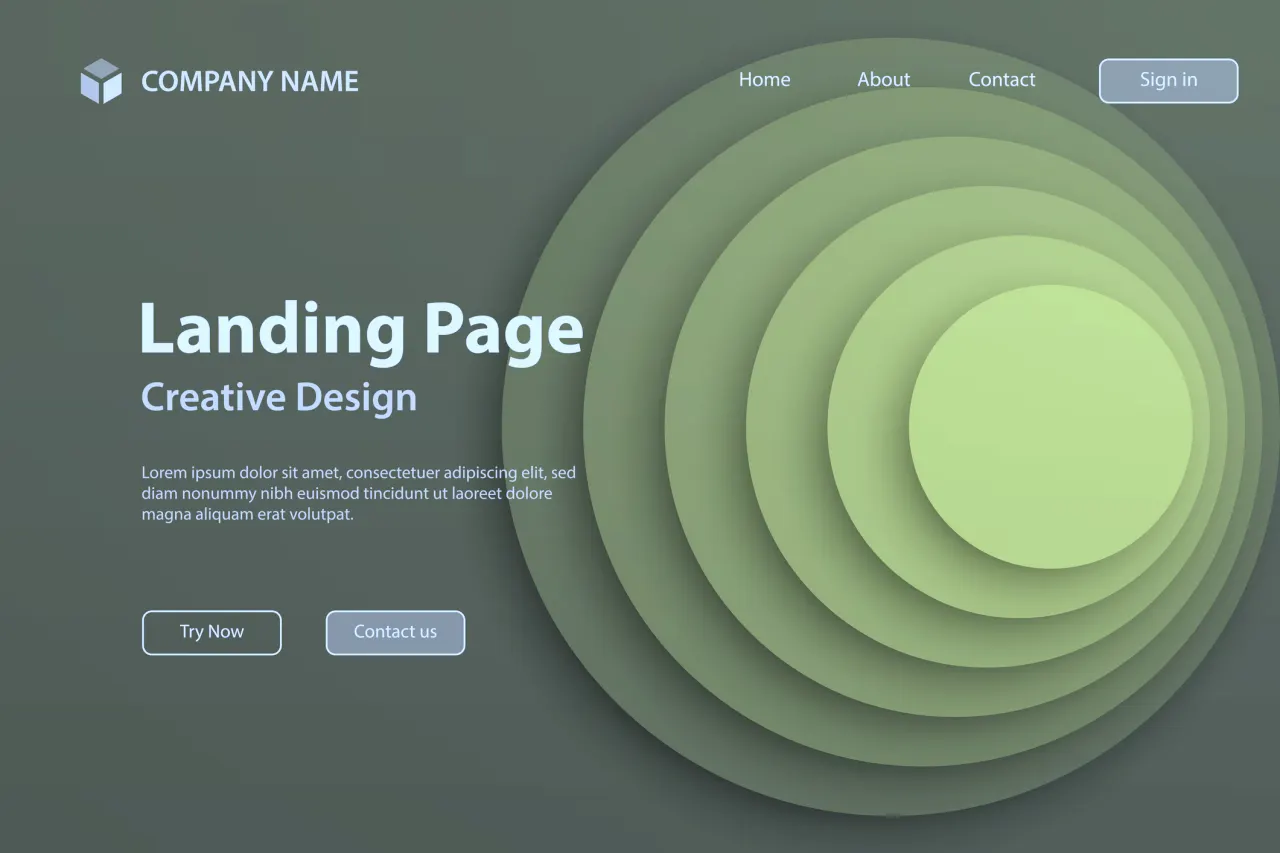
    Once you know what to offer potential customers, you need to persuade them to make a purchase. Landing pages are an excellent way to directly guide customers to a call to action (CTA). Therefore, businesses should provide persuasive landing pages.

    A landing page is the first page users see when they click on a site. It includes marketing to promote the company’s products and services. In digital marketing, landing pages primarily focus on conversion rates.

    They should drive more traffic and convert it into sales, helping users develop an interest in your products or services and achieve business goals.

    Test Your Campaign

    Before driving traffic, conduct thorough campaign testing. Act as if you are a potential customer accessing the landing page through various links, such as email or social media posts. Ensure these links work correctly and verify that the landing page displays as intended across all browsers.

    Interact with the page sufficiently to ensure all processes, from the frontend to the backend, function smoothly.

    Analyze and Optimize Lead Generation Marketing

    Even the best marketers can’t do everything perfectly. Using analysis software is a smart approach to quickly optimize campaigns based on data.

    ? How does Growth Marketing Agency utilize analysis tools?

    Securing Potential Customers by Cultivating Diverse Lead Sources

    Securing Potential Customers by Cultivating Diverse Lead Sources

    Achieving a successful lead generation campaign requires a multifaceted approach. Developing effective, customized strategies for each channel and nurturing lead sources is essential. Many small businesses face increased challenges due to digital saturation.

    Maintaining a steady influx of new leads in a digitally oversaturated market can be challenging. Therefore, many companies need to overcome these obstacles and elevate their business to a higher level.


  • Understanding Customer Needs vs. Wants: Why It Matters

    Understanding Customer Needs vs. Wants: Why It Matters

    Before identifying customer needs and wants, many marketers find themselves overwhelmed by a plethora of data during market research. However, most of this data does not come directly from customers.

    Of course, website analytics provided by various platforms can assist with excellent marketing analysis and offer insights. Nevertheless, they do not provide personalized data such as direct surveys of customers.

    Many companies overlook the necessity of customer marketing research. In many cases, they are too focused on achieving their own plans and goals without considering the customers.

    Customer needs and wants are different.
    Henry Ford (18631947)

    If I had asked people what they wanted, they would have said faster horses. – Henry Ford

    However, this is not a shortcut to business success. Even if it seems like a roundabout way, marketers need to accumulate personalized customer data again.

    In today’s rapidly changing consumer market, what marketers need to do is identify customers’ wants.

    What Are Customer Wants?

    In the 20th century, the crucial keyword in business was needs, but in the 21st century, the emerging key term is wants. To explain the difference between the two terms, needs can be considered as functional needs, while wants can be understood as psychological desires.

    Needs are the psychological efforts to fulfill what humans require to survive. On the other hand, wants can be simply thought of as the psychological effort to satisfy desires that are not necessarily essential for survival but are driven by social desires.

    Why Identify Customer Wants?

    Here lies an important point: functional needs, like needs, have limitations in demand and pricing. However, psychological desires, like wants, do not have such limitations in demand or pricing.

    For example, most people already have a functioning mobile phone.

    Why Identify Customer Wants?

    Although smartphones are already sold to most customers, manufacturers release new models every year.

    People then replace their perfectly functional phones with new ones, even if it means paying a high price.

    Steve Jobs once said:

    Innovation is saying no to a thousand things

    Jobs believed that innovation involves introducing to the world what people dont realize they want.

    Customer needs are confined within their knowledge and consciousness limits. However, marketers must dive into customers’ unconscious to ‘catch’ what they truly want.

    The Hidden Trap in Customer Responses

    The economic term indicating that demand has reached saturation no longer applies in the market. The era of predicting customer demand based on population and needs is long gone. Wants are elements that can create demand in this market indefinitely. However, identifying customer wants is not an easy task.

    If every customer answered surveys honestly, saying, “This is what I want!” or “I definitely needed this!”, companies could simply create or plan to sell products based on those surveys. But now, companies must scrutinize customers’ ‘responses’ carefully as they often contain blatant lies.

    The Secret in Customer Needs: Customers Lie

    The Secret in Customer Needs: Customers Lie

    Why do people use social media? It’s time for marketers to rethink this fundamental question. They need to understand not just the apparent reasons but also the hidden psychology behind users.

    Customers lie more blatantly than one might think. Its not just sellers who mix in sweet lies to entice customers; customers also say things contrary to their true feelings for various reasons.

    For instance, a customer might say, “Yes, this is exactly what I want!” Such instances happen more often than you might imagine.

    Importantly, while some customers lie deliberately, most do not.

    Sometimes, customers themselves are unaware of what they want. This is why the role of a marketer becomes even more crucialto discover what customers truly want, even if the customers themselves dont know it.

    Why Do Marketers Confuse Customer Needs and Wants?

    Why Do Marketers Confuse Customer Needs and Wants?

    Even experienced marketers confuse customer needs and wants. Fundamentally, marketers need to focus on the customers’ ‘intentions’ rather than their ‘words’.

    Suppose someone frequently searches for ‘daily look’, ‘OOTD’, or ‘clothing brands’. The marketer might consider this person a potential customer for fashion items and guide them with a message like, “Follow this link to get a shopping mall discount coupon”.

    However, the customer might end up using the link to get an electronics coupon and buy AirPods instead. This example shows that such mistakes occur frequently in the market.

    This error happens because the marketer confused the customer’s wants in a one-dimensional manner.

    The customer was actually looking for a birthday gift for their partner, not new clothes. Therefore, marketers must focus on customers’ ‘intentions’ rather than their ‘words’.

    They must not take the customers’ first response at face value but should dig deeper.

    Why Do Customers Lie?

    When companies conduct customer surveys, they often find that slightly changing the wording of questions results in different answers from customers, which can be confusing.

    In general surveys, even if the questions imply the same meaning, the tone, words, or order of questions lead to different answers from customers each time.

    This happens because customers themselves have to fabricate their responses to explain why they want or like a product.

    To accurately explain why they need or like a product, customers must have a strong and precise understanding of their feelings and emotions towards it.

    Only with a clear understanding can they translate it into definite language.

    However, customers often dont have a clear emotional or psychological grasp of why they want something. They consume and move on without fully understanding their desires.

    Why Do Customers Lie?

    Human thoughts and behaviors undergo complex and comprehensive processes.

    While the act of purchasing is simple and quick, the process leading up to it is intricate and psychological.

    Thus, companies and marketers must precisely understand how customers perceive and why they want a product, even if the customers themselves dont fully know.

    How Do Customers Lie About Their Needs?

    Customer needs and wants are obscured by lies, making them difficult to identify. Companies, therefore, must interact with lying customers daily.

    For example, what would customers say when returning a broken device or when habitual drinkers visit a hospital?

    Lets illustrate

    Even when needing to fix a broken phone screen or a device damaged by water due to their carelessness, customers think a lot:

    “I signed up for a service offering a one-year free repair, but what terms and conditions did I agree to for this service?”

    “If I honestly say I dropped the phone several times or that the device was damaged by water due to my negligence, wont I be penalized?”

    Because of these reasons, customers lie about the cause of the damage to the repair or refund center.

    Customers Lie Despite the Risk of Disadvantages

    Even in situations where disadvantages are not a concern, people lie.

    Imagine a habitual drinker visiting a hospital because of deteriorating liver health.

    The doctor, seeing the patient’s records, knows that the patient previously visited due to poor liver condition caused by frequent drinking. The doctor will ask:

    Customers Lie Despite the Risk of Disadvantages

    “How often do you drink a week?”

    The patient will confidently reply: “Almost never. At most, 2-3 times a week.”

    Why would a patient lie to the doctor, despite knowing that not telling the truth makes accurate diagnosis difficult and disadvantages them?

    This scenario is more common than expected. Many doctors struggle with patients lying, making it hard to provide accurate diagnoses.

    Patients concoct lies instead of being truthful, causing significant issues for doctors.

    Lies in Interactions

    Its well known that getting one-on-one solutions from renowned dog trainer Kang Hyung-wook requires a high fee.

    Hence, getting the opportunity to show their pet and receive solutions directly from him is rare for pet owners (customers).

    But when Kang Hyung-wook asks questions for precise problem diagnosis, pet owners often lie instead of telling the truth.

    Customers Lie in Social Interactions

    In this situation for example, when Kang Hyung-wook asks how often he walks his dog, the pet owner answers, “About three times a week.” Kang Hyung-wook, catching the lie, says, “So, actually about once or twice a week.” The pet owner then cannot refute.

    Accustomed to customers lying, he quickly identifies the lie and deduces the actual answer.

    Even in paid one-on-one solutions, not just free programs, pet owners and consultants lie frequently. Despite needing to provide accurate answers to get value for their money, they lie.

    In face-to-face interactions, customers lie to preserve social dignity, avoid disadvantages, or because of anticipated reactions.

    They may feel uncomfortable or emotionally insecure about telling the truth to a doctor or consultant.

    Whatever the reason, we must note that customers easily withhold the truth.

    Strategies for Discovering Customer Needs and Wants

    So, should companies dismiss customers as mere liars?

    If their thinking stops there, the business cannot succeed. If companies do not trust customers at all, they will lose direction.

    Strategies for Discovering Customer Needs and Wants
    Ronald Reagan (19112004)

    “Trust, but verify.” – President Ronald Reagan, based on a Russian proverb

    Marketers cannot take everything customers say at face value. However, they can accumulate and analyze customer data to uncover hidden truths.

    First, listen to the customers and extend in-depth questions to understand more. Uncovering the true wants of customers will be more complex than you think. Companies might need to take several routes to obtain clear answers.

    To conduct proper business, marketers must find answers amid numerous lies. This is precisely what marketers are capable of achieving.

  • How to Develop a Channel Mix Strategy for the Korean Market

    How to Develop a Channel Mix Strategy for the Korean Market

    Understanding the Channel Mix Strategy

    Channel mix strategy in social media marketing provides the advantage of seamlessly integrating into the daily lives of potential customers. With the proliferation of diverse marketing channels and platforms, many companies now manage multiple social media channels. For businesses aiming to enhance their marketing efforts in Korea, it is crucial to select channels that align with their specific goals; otherwise, even the most successful channels for other companies may prove ineffective. 

    This article will delve into the characteristics and strategies of various marketing channels and share Growth Marketing Agency’s expertise in leveraging them effectively for the Korean market.

    Overview of Marketing Channel Characteristics

    Naver |  Dominating Influence in the Korean Market

    Naver continues to hold unparalleled influence in the Korean market, making it a crucial channel for businesses aiming to engage with Korean consumers. This platforms dominant position in search results means that achieving high visibility here can significantly enhance brand recognition and credibility. For companies targeting Korean audiences, mastering Naver’s search optimization and advertising features is essential for driving effective marketing campaigns.

    Marketing Channel Mix Strategies: Naver
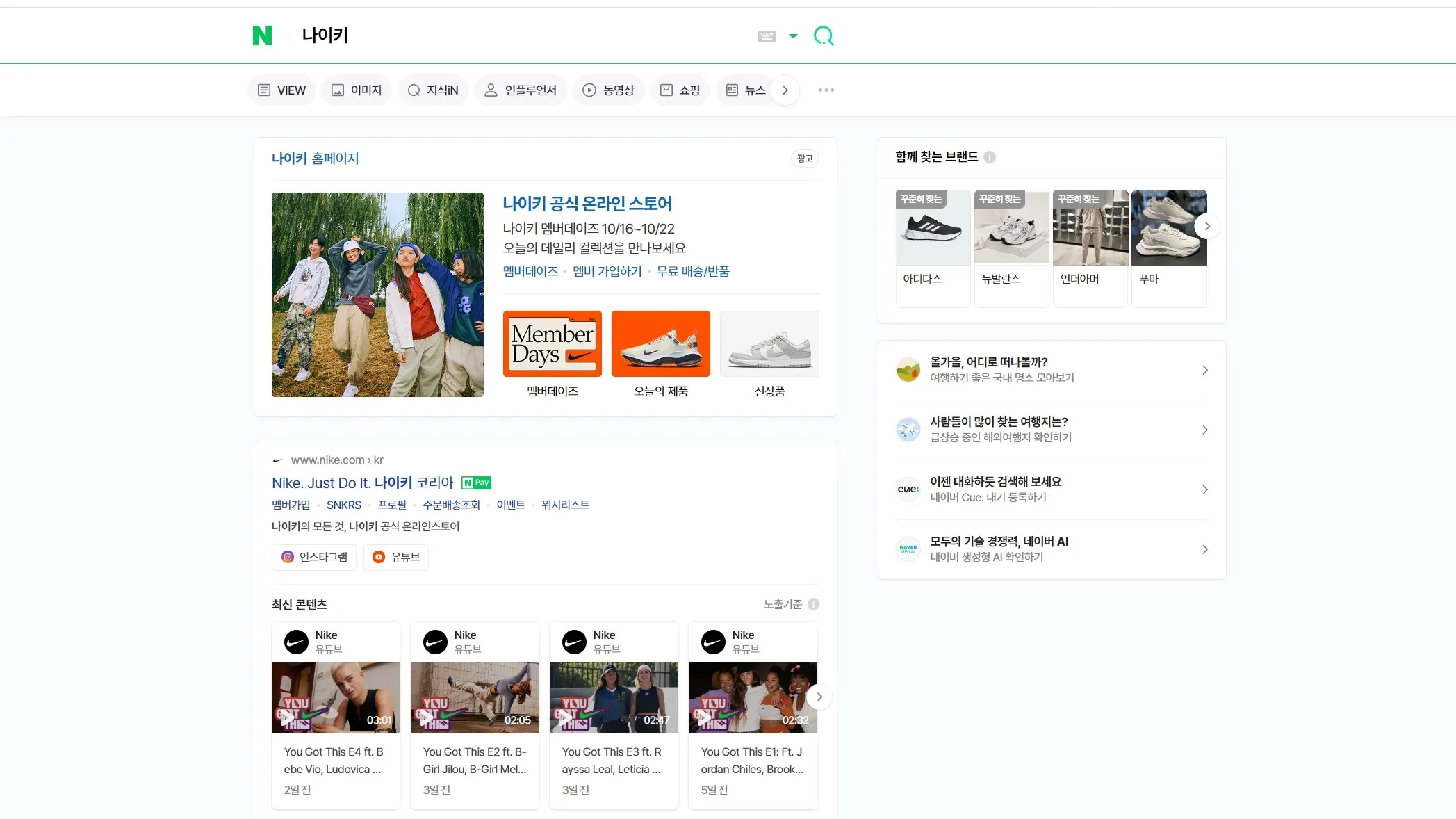
    Naver Search Results for the keyword “Nike”

    This means the search results for our brand on Naver represent our brand’s image. Whether these results are advertisements or organic listings, it doesn’t matter. High rankings in advertisements or frequent exposure create the impression of a larger, more influential brand.

    The key to Naver marketing strategy is ‘top exposure’. Its crucial for our brand-related content or ads to appear prominently when users search for relevant keywords. Most users complete their search activities with results from the first page, making it important for us to rank on the first page for significant keywords in our industry. Besides paid media, attention should also be given to blogs, posts, cafes, and web documents, which are often categorized under viral marketing.

    Facebook | Expanding Reach and Encouraging Sharing

    Despite reports of user decline, Facebook still boasts the broadest range of active users. Many people question, “Who uses Facebook nowadays?” but data shows a substantial number of users who primarily ‘lurk’ without actively liking or posting. Facebook’s vast user base provides opportunities to reach a wide target audience, with various options for precise ad targeting, such as demographics, interests, custom audiences, and lookalike audiences.

    However, as Facebooks popularity and competitiveness increase, so do advertising costs. In some industries, intense competition requires meticulous management. At Growth Marketing Agency, we leverage Facebook to spread content tailored to user interests rather than relying on it as the core of our strategy.

    Instagram | Visual Storytelling and Strategic Hashtag Use

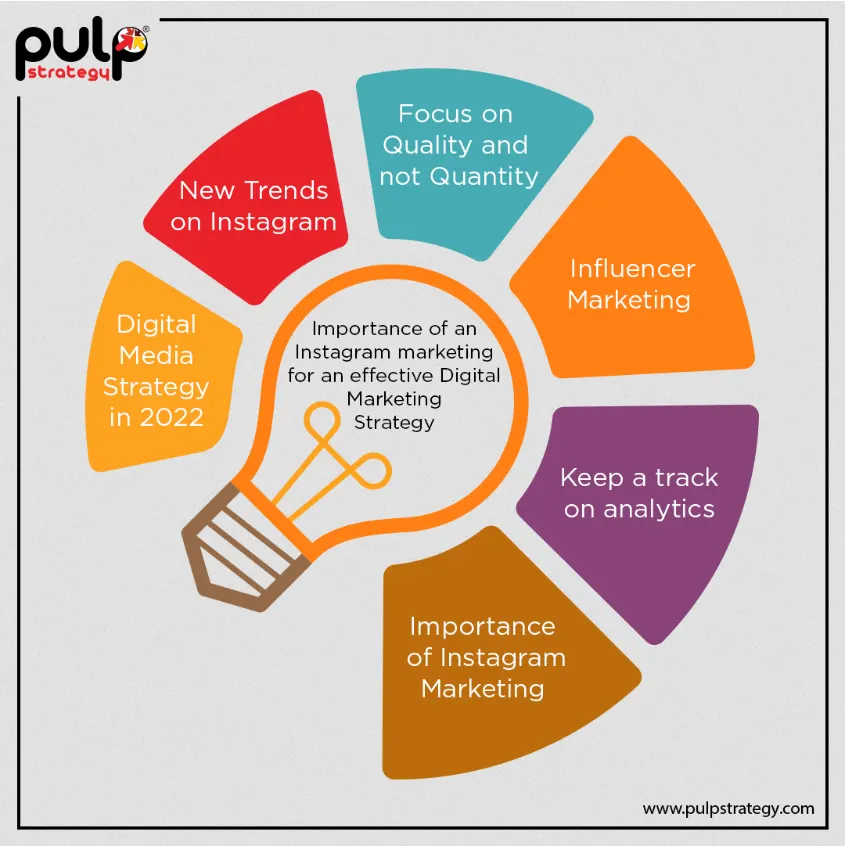
    In the food industry, the focus is on making the experience ‘Instagrammable’ from the planning stages of a new franchise. Among the channels, many companies prioritize Instagram due to the importance of visually appealing images and trendy content. Instagram users actively interact with posts through likes, comments, and shares, fostering brand-user interactions. Hashtags help categorize posts and increase search visibility, offering opportunities to reach the target group.

    ?????? : ??? ?? ?? ?? ?? ?????
    Importance of Instagram in Digital Marketing Strategy

    However, links are limited to profiles and stories, requiring careful planning for external traffic and conversions. Instagram’s algorithm changes have also altered the order in which posts appear, aiming to prevent repetitive promotional posts from dominating the feed.

    LinkedIn | Business Networking Hub

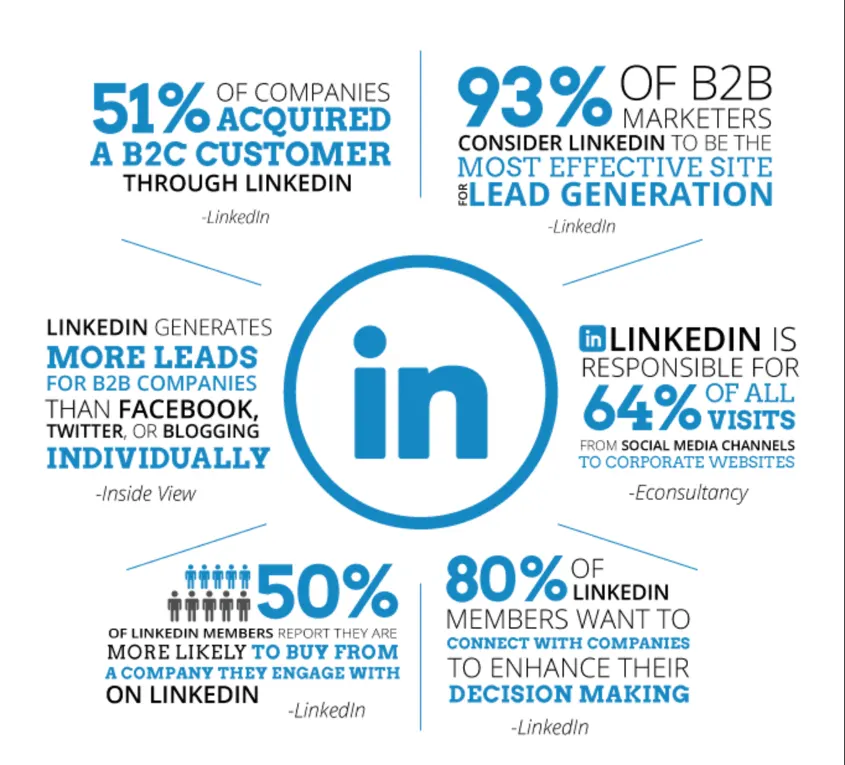
    LinkedIn is primarily used for professional and business-related connections. Users build profiles and share career information, expanding networking opportunities within their industries. LinkedIn allows sharing various content forms like posts, articles, and updates, enabling users to share knowledge and timely business information. Its detailed user data, such as job roles and interests, facilitates precise targeting, benefiting marketers selling business-related products or services.

    ?????? : ??? ?? ?? ?? ?? ????
    9 Powerful LinkedIn Marketing Tips (That Actually Work)

    Although LinkedIns user base is smaller compared to general social media platforms, it provides a professional networking environment ideal for B2B marketing activities. However, the high cost of advertising and lower interaction rates compared to other channels can be challenging.

    YouTube | The Core of Video Content

    YouTube, a community centered around video content, supports longer videos and detailed information, enhancing exposure opportunities through SEO. As a Google subsidiary, YouTube videos appear in search results, and its subscriber-based community fosters relationships with fans. YouTube offers diverse content formats, such as vlogs, tutorials, and reviews, allowing tailored content for target audiences.

    ?????? ???
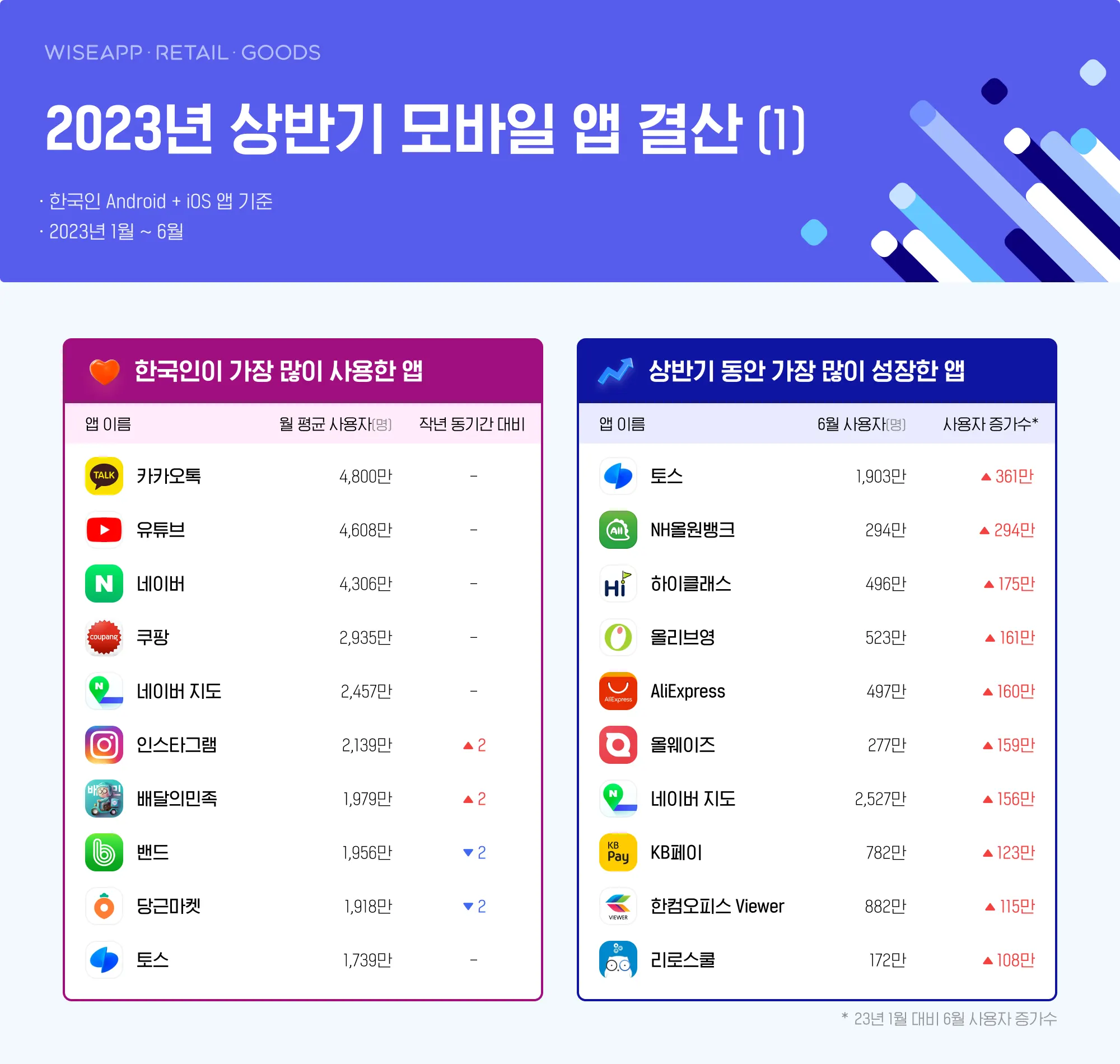
    Statistics on the most used apps by Koreans (Source: WiseApp)

    Brands can collaborate creatively with influencers who have established subscriber bases. However, predicting reach and performance can be challenging.

    ? Summary of Marketing Channels

    • Search Engines: Google, Naver, Daum
    • Social Media: Twitter, Facebook, Instagram, TikTok
    • Video Platforms: YouTube
    • Blogs: Naver, Brunch
    • Email: Newsletters, cold emails
    • Communities: Naver, Daum, Kakao

    Why Operate More Than Two Marketing Channels?

    Search engines like Naver and Google have lower reach compared to social media platforms like Facebook and Instagram. However, search activities indicate direct user intent, making these visitors more likely to convert into actual customers. Social media platforms, while having higher reach, often have lower conversion rates as they are primarily interest-based platforms.

    Therefore, operating more than two marketing channels is effective. Consumers do not use just one type of media, and each marketing channel has complementary characteristics.

    Should Tone and Manner Vary Across Platforms?

    Determining whether to adapt tone and manner across different marketing channels is crucial for a successful channel mix strategy. 

    Each platform has its unique user characteristics and content preferences. Businesses must balance maintaining a consistent brand identity with tailoring their messaging to suit the distinct nuances of each channel. For instance, professional content for blogs or web pages targeting search engines, and interest-based content for Instagram and Facebook. However, this approach can consume excessive time and resources and have several negative effects:

    • Loss of Brand Consistency: Different tones and manners across channels can confuse customers and diminish brand awareness and trust.
    • Fragmented Customer Experience: Inconsistent experiences across channels can reduce customer satisfaction and loyalty.
    • Message Delivery Failure: Disparate messages can lead to missed communication of important information or promotions.

    Creating and managing content with varying tones for each channel can increase workload and error potential. Therefore, maintaining a consistent tone and manner across multiple content marketing channels can build more effective brand communication.

    Successful Channel Mix Strategy Examples

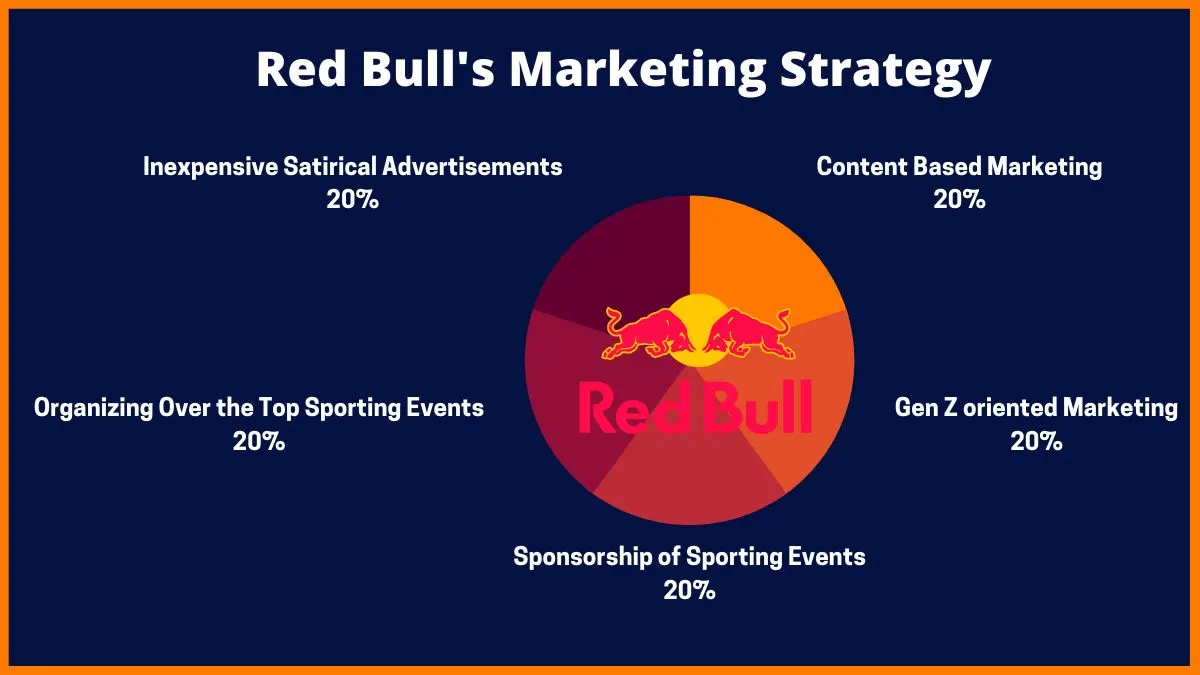
    Red Bull – Mastering the Art of Engaging Content Marketing

    ??? ??? ?????? ?? ??
    Analyzing The Best Red Bulls Marketing Campaign

    Red Bull is well-known for not focusing on their product in content but creating sensational news, such as sponsoring a parachute project from space. They upload extreme sports events and support athletes on their YouTube channel, attracting customers through exciting content rather than direct product placement.

    Busan Police Facebook – Breaking Stereotypes with Innovative Channel Mix Strategies

    ??? ??? ?????? ?? ?? ???
    Busan Female Police Officers Cute Song, Officer Kim Min-joo

    In 2013, the Busan Police created a ‘cute’ video that broke stereotypes of the police, garnering over 100,000 likes and 6,000 shares. This friendly and humorous content increased social media reports and opened new public investigation channels.

    Glossier – Redefining Content Marketing Through Authentic Engagement

    ??? ??? ?????? ?? ?? ??
    Into The Gloss

    Glossiers founder used her fashion industry experience to start a blog, ‘Into The Gloss’, sharing interviews with notable fashion figures. This blog focused on real consumer questions about beauty products, building continuous communication with readers and achieving significant engagement.

    Developing a Channel Mix Strategy Based on Marketing Channel Characteristics

    Each marketing channel has a unique user base. For instance, Instagram is popular among younger generations, while LinkedIn is used by business professionals. Understanding each channels characteristics allows for tailored content that engages the most active target audience. Selecting appropriate content formats for each channel further increases interest and participation.

    Despite the variety of marketing channels, resources are limited. Knowing what types of messages and formats work best on each platform optimizes time and effort. While respecting each channel’s characteristics, creating vastly different tone and manner content can confuse users and dilute brand identity. Therefore, developing effective strategies for each marketing channel and using them efficiently is crucial for delivering a consistent brand message and maintaining competitiveness in the market.

    Growth Marketing Agency meticulously plans content marketing strategies based on a deep understanding of numerous marketing channels and continuously researches the most efficient ways to convey unique messages for clients.

  • 11 Tips to Convert Visitors into Customers and Boost Conversion Rates

    11 Tips to Convert Visitors into Customers and Boost Conversion Rates

    Many marketers are deeply interested in improving conversion rates to increase sales by converting visitors into customers. However, achieving this is not an easy task.

    In today’s fast-paced world, the importance of a website for business survival is well recognized. Modern consumers want the information they need when they need it and have endless options on where to find it.

    An optimized and appropriately adjusted website aligned with business goals can become a frequently visited, profitable, and essential element. So, how can you convert new visitors into paying customers to enhance awareness and trust?

    Improving conversion rates requires various strategies and tips. This article will explore 11 tips to convert visitors into customers and boost conversion rates.

    11 Strategies to Improve Conversion Rates

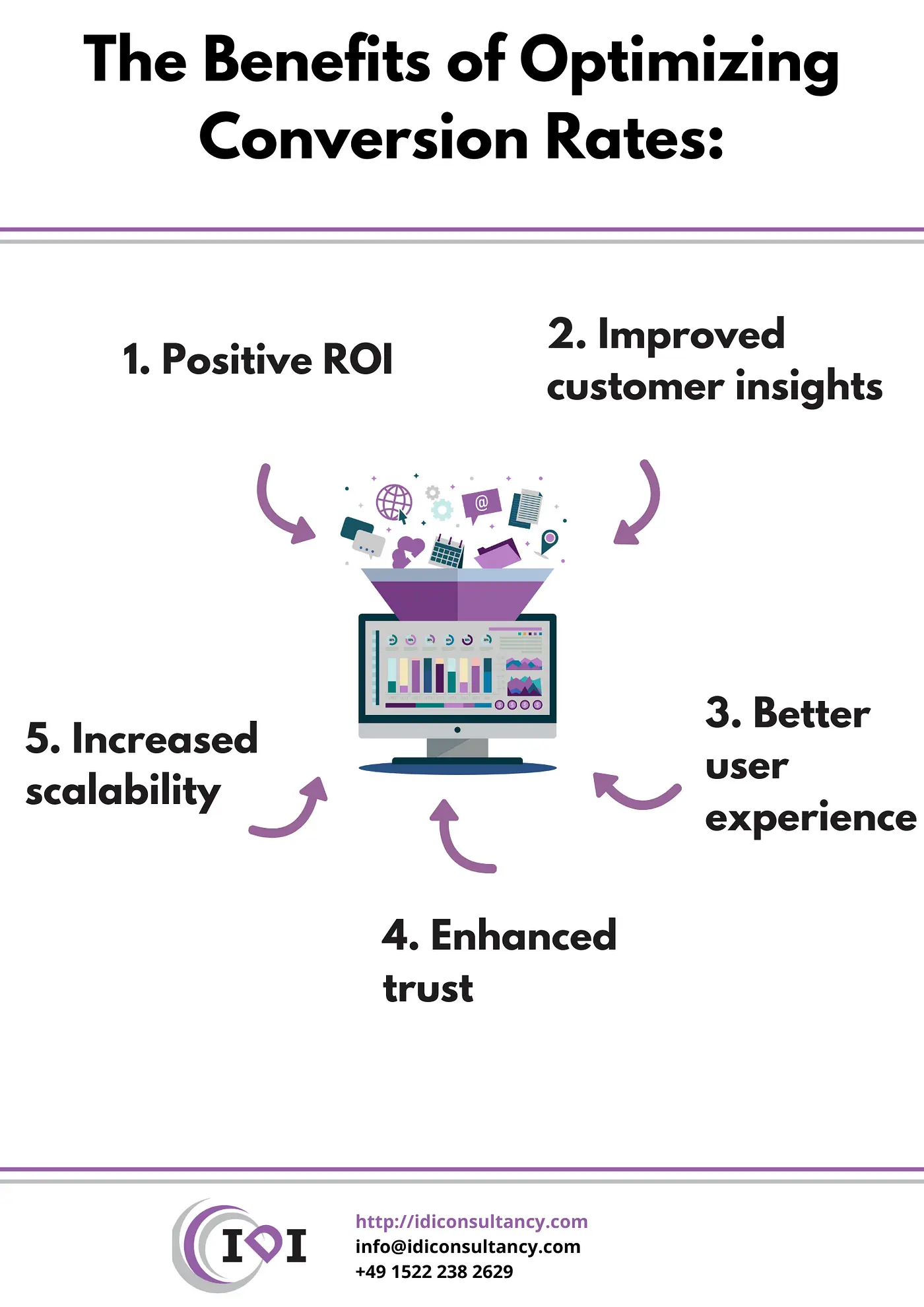
    Benefits of optimizing conversion rates
    Benefits of Conversion Rate Optimization – Positive ROI, improved customer insights, enhanced scalability, better user experience, and increased trust (Source: The Definitive Guide to Conversion Rate Optimization | by Adriana Stein | Medium)

    Optimization means modifying and adjusting the site to make it more visible, noticeable, and user-friendly for site visitors. Keywords like optimization and conversion rates are marketing terms that are difficult to implement without a plan and clear goals.

    Specifically, conversion rate optimization refers to ways to modify the site to encourage visitors to complete desired actions, such as purchases, filling out opt-in forms, or engaging with the site through comments or social shares.

    In conclusion, a site may have hundreds of visitors each month, but if these visitors do not complete actions aligned with the site’s purpose, the numbers are meaningless.

    While there is no exact formula for improving conversion rates, there are good methods to start with.

    Clearly Define Conversion Goals and Targeting

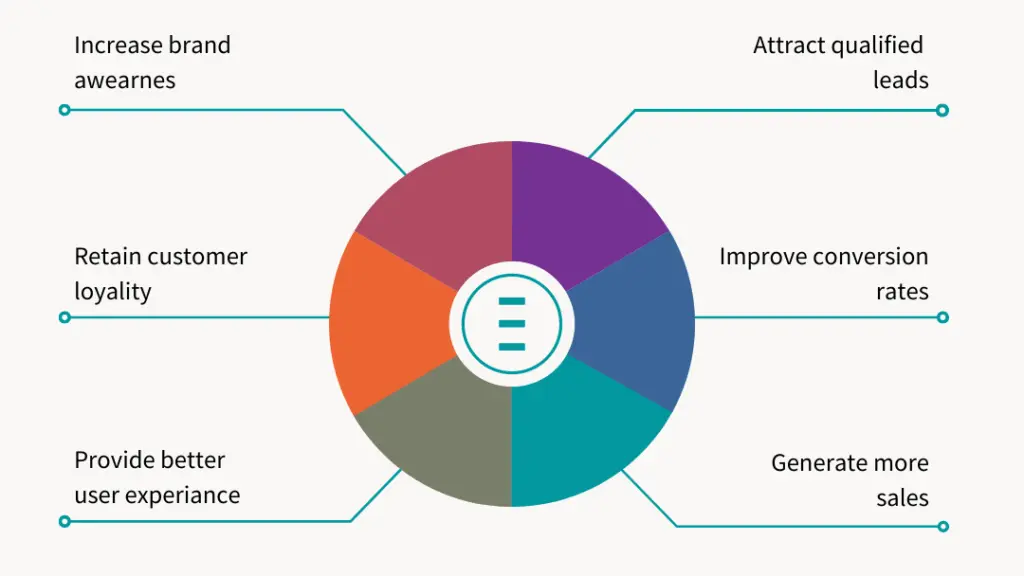
    Setting Website Goals

    Clearly define conversion goals
    What goals might your website have? ?Increase brand awareness ?Attract qualified leads ? Retain customer loyalty ?Provide a better user experience ?Improve conversion rates ?Generate more sales (Source: How to set website goals to accomplish the best results | Evidid Marketing Solutions)

    Your website might serve as a lead generator for sales or as a virtual store. In either case, much needs to be addressed for the website to meet business goals and the needs of visiting potential customers.

    The best approach is to provide visitors with a unique value proposition. A unique value proposition clearly explains the value you aim to offer and why visitors should get that value from you rather than anyone else.

    Once the value proposition is developed, ensure that design, messaging, media, content, services, and overall experience reflect this value proposition, so customers know exactly why they visit the site.

    Creating and Targeting the Ideal Visitor Profile (Target Persona)

    You cannot satisfy everyone with your website, nor should you try to. The main goal of creating a website is to convert visitors into customers. To do this, it is crucial to understand the pain points and preferences of visitors and customize the website accordingly.

    First, utilize both quantitative and qualitative data. Track visitor behavior through Google Analytics and sales trend data, and gather feedback from customers and site users to understand their needs and requirements.

    Next, use this information to improve the website. Enhance content and optimize user paths so that visitors can easily find the information or products they want. Clearly display CTA buttons and optimize the website’s loading speed to reduce customer churn.

    The mobile experience of customers is also important. Adopt a mobile-friendly design to provide a seamless experience for mobile users.

    Additionally, build trust by providing social proof to customers. Sharing satisfied customers’ reviews or case studies can give customers additional confidence.

    Conduct A/B testing to try various design elements or content and observe customer reactions. This helps determine which changes are most effective for customer conversion.

    Finally, continuously improve the website through learning and adaptation. Customer pain points and behaviors can change, so update the website to reflect the latest information. This will help convert visitors into customers and boost conversion rates.

    Simplify Traffic Funnel Navigation and Optimize Conversion Rates

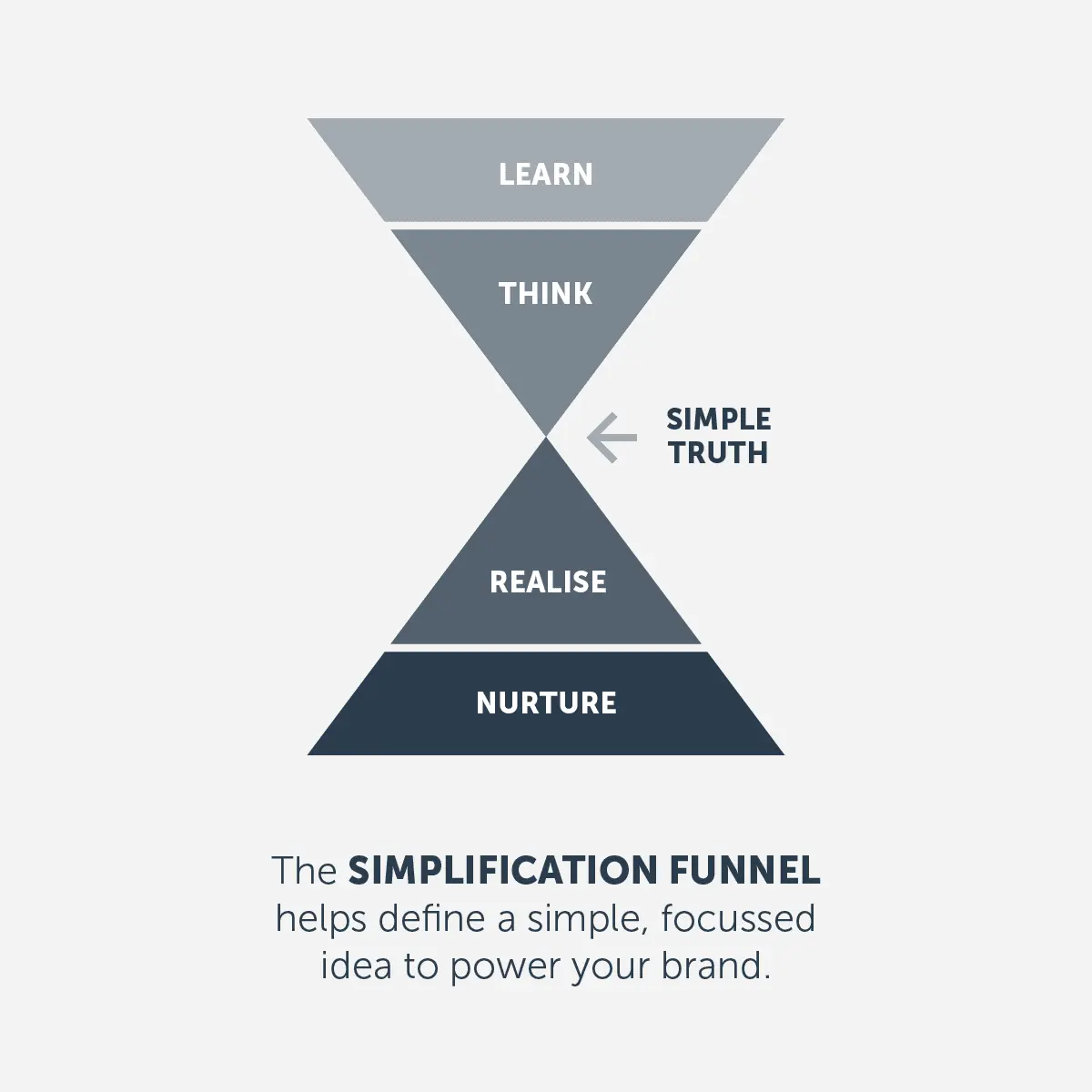
    Simplifying the Funnel for Traffic Acquisition

    Simplify Traffic Funnel Navigation and Optimize Conversion Rates
    A simplified funnel helps define simple and focused ideas that strengthen the brand. (Source: Increase your brand visibility with simplification – Firebrand)

    Even if you have the most fantastic website in the world, if general customers cannot find what they need, they are likely to leave.

    For example, if the website is a virtual store, consider the number of clicks it takes to make a purchase. The longer and more complicated the customers purchasing process, the more likely they will leave without completing the purchase or opting in for additional information. Ensure that site navigation is clear and click connections work properly.

    Do not forget about mobile users. As more internet users access the web through mobile devices, failing to develop a site for these users can result in losing potential customers.

    Data-Driven Conversion Rate Optimization

    Relying on intuition or guesswork to invest in website optimization is never a wise approach. Powerful data sources like Google Analytics and visitor tracking software can provide traffic insights with a single click.

    However, do not treat this information like an autopsy. Instead, use it to uncover the stories behind the visitor experiences on your site.

    Where do people most often drop off? What do usability trends say about the site? Based on average site visit times and heat maps, what hypotheses can you form?

    Test these hypotheses through A/B testing to see if they can convert those visitors, then implement broad changes based on what works best for your customers.

    The Relationship Between Conversion Rates and SEO

    Standing out online does not happen by chance.

    Building a website with an SEO-friendly framework and keeping up with search trends and algorithms requires strategy and time.

    Ensure that pages have accurate titles, proper meta tags, and relevant keywords. Also, do not think of these tasks as one-time efforts. SEO requires continuous efforts to maintain competitiveness and relevance.

    Aim for Conversion Rate Improvement with Various Marketing Strategies

    Diversified Marketing Strategy

    Do not fall into the trap of running your website solely on paid advertising. As the bidding costs for key keywords increase, it poses risks to sustainability and profitability. To avoid these pitfalls, it is necessary to combine various digital marketing strategies.

    Firstly, PPC can help achieve quick results, but it should be linked with natural search optimization (SEO). Optimize your website for free exposure in search engines through SEO. Create high-quality content and optimize for relevant keywords to secure organic traffic.

    Secondly, social media activities play a vital role in customer interaction and brand awareness. Choose the right social media platforms, maintain connections with customers, and consistently share content. Promote interactions and build your brand through social media.

    Thirdly, email marketing is effective for maintaining direct contact with customers and building customer loyalty. Build a subscriber list and regularly provide useful information or special benefits to retain and expand customers.

    Finally, consider individualized strategies since not all customers have the same experience. Identify customer groups through data analysis and develop content and marketing strategies tailored to those groups. Personalized approaches can provide more value to customers and improve conversion rates.

    In summary, integrating and appropriately adjusting various digital marketing strategies should focus on converting visitors into customers and improving conversion rates. This comprehensive approach will enhance website performance and achieve sustainable growth.\

    Building Relationships with Customers Using Social Media

    The popularity of social media sites like Facebook and Instagram has increased over the past few years. Being active on social media can positively expand the web presence of your site.

    Sharing content and company announcements through social media allows customers to share information within their social circles through electronic word-of-mouth.

    Additionally, social media enables customers to interact with the business on a social level through comments, reviews, and posts, allowing the business to respond to and empathize with customer needs.

    Building Clear Trust

    Examples of websites with optimized conversion rates and built-in trust
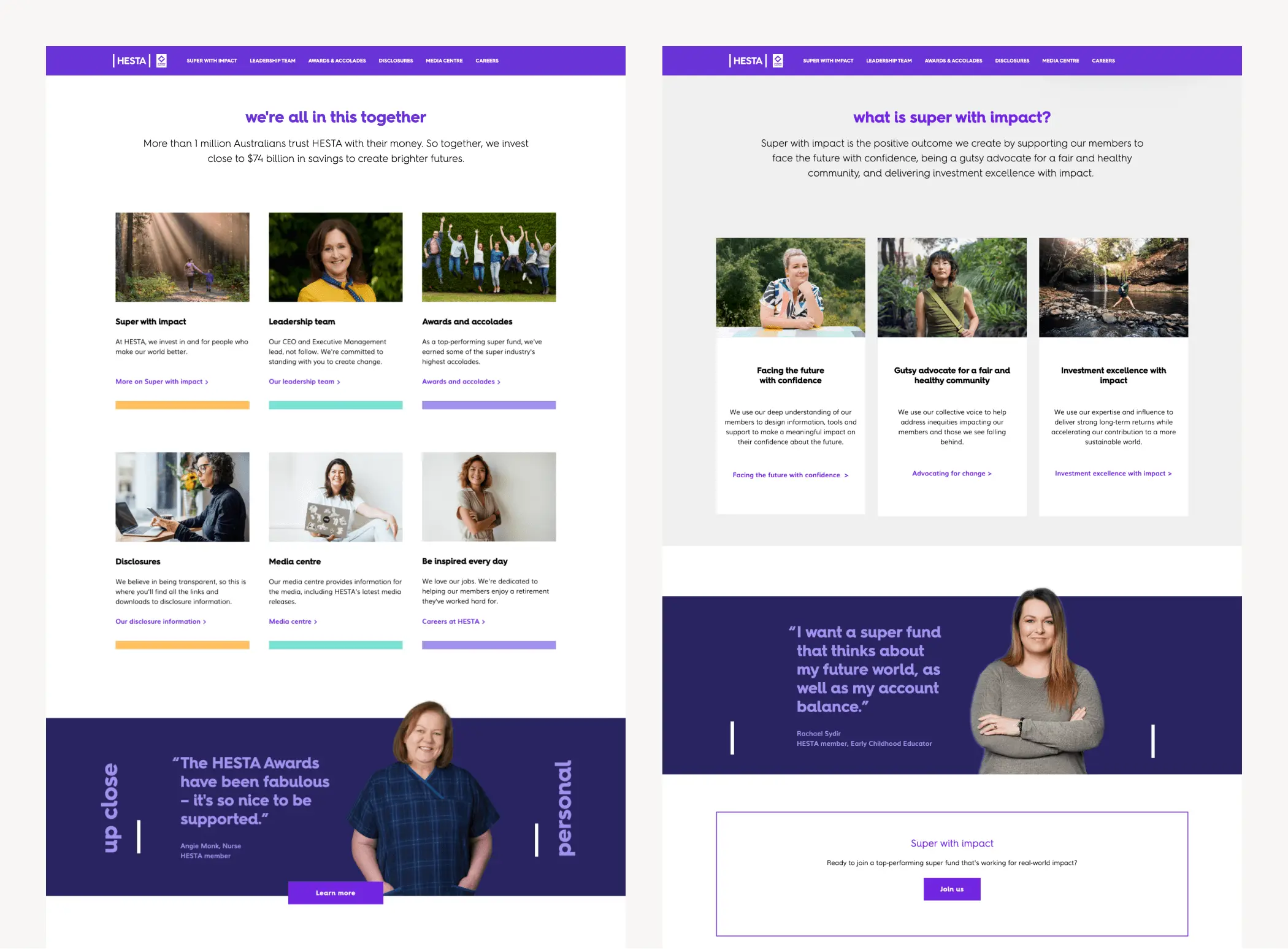
    Example of a trustworthy website. Create content that includes actual customer reviews to earn visitors’ trust. (Source: HESTA)

    Since face-to-face interactions are missing in online transactions, you need to find other ways to build trust between you and your visitors. Always include an ‘About’ page so that site visitors can learn more about you and what you do.

    Displaying professional memberships/partnerships and site security measures is a great way to build trust for the company and any transactions on the site.

    Posting past customer testimonials shows experience and a positive reputation. If selling products on the site, utilize customer reviews to reflect third-party opinions about the products and services offered.

    Valuable CTAs

    We’ve all seen endless junk mail and eventually canceled subscriptions from filling out forms and submitting them on sites. People are increasingly reluctant to provide their personal information, so you need to offer something in return for visitors to provide anything.

    For example, you could offer a special one-time coupon or access to information and education. Providing perceived value can make visitors feel more engaged in the transaction and more likely to become long-term customers.

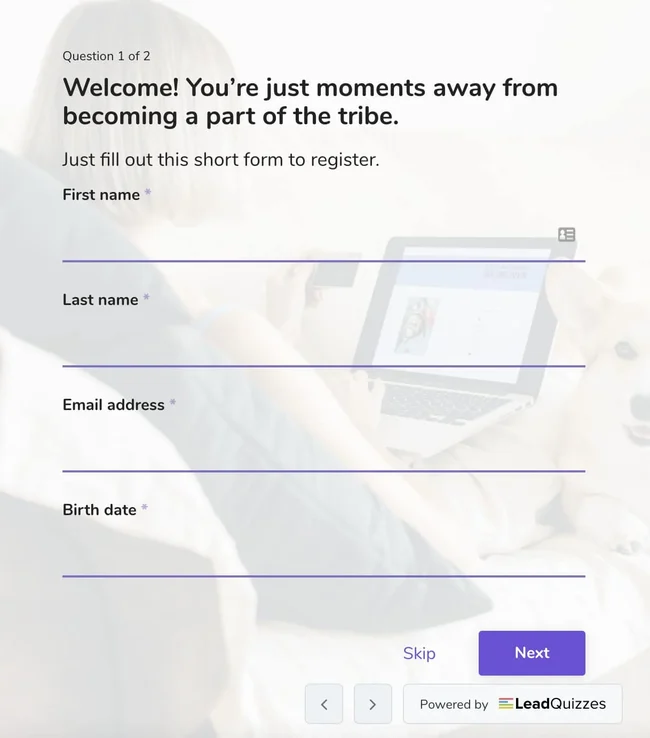
    Example of a simple lead generation form
    Example of a simple lead generation form (Source: 4 Free Lead Generation Form Templates [+ Tools])

    Also, start with forms that only require the name and email address. As marketers, you need a lot of information about leads, but asking for too much information can greatly annoy visitors.

    Align Paid Ads and Website Messaging

    Consistency Between Ads and Website Messaging

    When visitors click on an ad and enter the website, they are likely to leave if they do not find the information or experience they want. To prevent this, the message of the ad should match the content of the website.

    Ads should not just be filled with popular keywords but should consist of keywords and messages related to the website’s products or services. All elements of the website, including colors, images, ad copy, forms, etc., should convey the same message and brand identity.

    If the message of the ad and the website is mixed, visitors can become confused and lose direction. This increases the likelihood of customers leaving the site or not performing the desired actions.

    Therefore, to improve website conversion rates, adjust PPC and paid ad messages to align with the unique value proposition and website experience. This will help provide a consistent message and seamless experience, leading to customer conversion.

    Relevant and Consistent Content

    Meta tags and titles are important for SEO, but they are not the only elements that affect your site. Another critical factor in improving website conversion rates is providing valuable and consistent content.

    Visitors should know what to expect when they visit the site. This includes consistent branding, valuable information, and a clear call to action.

    Offer free information that educates, informs, or entertains visitors while positioning the company as an industry expert. When visitors feel that the content of the site helps them solve their pain points, they are more likely to become customers.

    A clear call to action should be placed throughout the content to guide visitors to the next step, such as contacting for a quote, making a purchase, or signing up for a newsletter.

    Providing Easy Checkout and Options

    The checkout process should be simple and intuitive, and visitors should not experience any difficulties. Complex or cumbersome checkout processes can easily cause visitors to leave without completing their purchases. Reduce the number of steps and ensure the flow is smooth and easy to understand.

    If possible, offer various payment methods. Provide as many payment options as possible to accommodate diverse customer needs and improve the likelihood of conversion.

    Also, mention any shipping costs or additional fees clearly. Customers should not be surprised at the last moment during the checkout process. Provide clear information in advance to prevent losing customers due to unexpected costs.

    In summary, a simple checkout process and various payment options can reduce visitor friction and increase conversion rates. Addressing these issues helps make visitors’ experiences more convenient and encourages them to complete purchases.

    Benefits of Engaging Call-to-Action Buttons

    Call-to-action (CTA) buttons play a crucial role in converting visitors into customers. Effective CTA buttons guide visitors to desired actions, such as purchasing, signing up for a newsletter, or downloading content. Here are some tips for effective CTA buttons:

    Personalization: Tailor CTA buttons to specific visitor segments to increase relevance and effectiveness.

    Clear and Concise Text: Use clear and concise text that communicates the desired action, such as “Buy Now,” “Sign Up,” or “Download.”

    Compelling Design: Make the CTA button visually appealing and easily noticeable. Use contrasting colors, larger font sizes, and ample white space to make the button stand out.

    Sense of Urgency: Create a sense of urgency by using phrases like “Limited Time Offer,” “Act Now,” or “Don’t Miss Out.”

    Placement: Place CTA buttons strategically where visitors naturally look, such as above the fold or at the end of a blog post.

    Consistency: Ensure that CTA buttons are consistent with the website’s overall design and messaging.

    Conclusion

    Converting visitors into customers and boosting conversion rates requires a multifaceted approach. By implementing the tips mentioned above, you can enhance your website’s performance, improve user experience, and ultimately achieve your business goals. Remember, continuous improvement and adaptation are key to staying competitive and meeting the evolving needs of your customers.

  • What is Growth Hacking

    What is Growth Hacking

    Before we dive into Growth Hacking, let’s define marketing. The term “marketing” combines “market” and “-ing,” encompassing all activities that make a market function. It’s not just about advertising and promotions for product sales. 

    Most business activities fall under the marketing umbrella. This includes everything from conceptualizing the product, producing prototypes, mass production, distribution, sales, promotions, to customer service (CS).

    Growth Hacking in Marketing

    In a broad sense, marketing isn’t much different from overall business activities. 

    From this perspective, we can see Growth Hacking as one of many marketing methodologies.

    Growth Hacking: A Marketing Methodology for Finding Minor Gaps

    What is Growth Hacking?

    Growth Hacking means using all possible means (Hacking) to achieve growth.

    Like finding minor vulnerabilities in a target to hack, it is a marketing methodology that identifies and aggressively targets customers and distribution points for growth. 

    Initially, it involves hypothesizing strategies to increase brand, company, or product sales and quickly launching a Minimum Viable Product (MVP) model to get market feedback. 

    Based on the reactions from consumers and the market, the product or service is continuously improved until it becomes the perfect product desired by the market (customers).

    dropbox logo image

    The term ‘Growth Hacking’ was first used by Sean Ellis, author of “Hacking Growth: How Today’s Fastest-Growing Companies Drive Breakout Success,” who was the first marketing manager at Dropbox. 

    During Dropboxs early stages, he spread the demo version on social media to gather initial users. Through data analysis, he found that most new users were referred by friends, leading to the ‘Friend Referral’ campaign. 

    This provided both the referrer and the new user with an additional 500MB of free storage, creating a viral effect among users and achieving significant marketing success.

    As the term suggests, Growth Hacking maximizes efficiency and rapidly grows products and services through all means necessary for growth. 

    These means include data-driven analysis and market feedback to improve and expand products and services. This approach is particularly effective for startup companies with limited capital and resources.

    Goals of Growth Hacking

    Maximizing Low-Cost, High-Efficiency Viral Marketing

    Traditional marketing strategies focus on promotional activities to make an already complete product known to more consumers. 

    In contrast, Growth Hacking incorporates marketing elements throughout the entire process of producing products and services.

    The first version of the product is released to the market to gather consumer feedback, which is then used to improve the product. This improved product is released again, and consumer behavior patterns are analyzed. 

    Repeating this process allows consumers to have increasingly satisfying purchasing experiences, which naturally leads to word-of-mouth advertising.

    Growth Hacking in Marketing

    In other words, it analyzes buyer behavior patterns and optimizes user experience based on that analysis. 

    Growth Hacking involves creating products that satisfy consumer wants from production to management. 

    During the process of evolving into a product that perfectly matches consumer tastes, advertising effects naturally occur.

    This is especially true for service improvements, which accumulate positive brand experiences, leading to high viral effects. 

    Hence, ‘low-cost, high-efficiency growth’ is the essence of Growth Hacking. Additionally, the continuous improvement of products and services leads to the overall growth of the company.

    Growth Hacking and Growth Marketing: Methods for Securing Potential Customers

    Growth Marketing

    Industry professionals often use ‘Growth Marketing’ and ‘Growth Hacking’ interchangeably. Growth Marketing derives from the concept of Growth Hacking, applying it to actual marketing.

    From the product conceptualization stage, it actively utilizes big data analysis to create products. Then, users are attracted through various platforms such as email, blogs, and social media, using metrics like:

    • CPM (Cost Per Mile: cost per thousand impressions)
    • CPC (Cost Per Click: cost per click)
    • CPL (Cost Per Lead: cost per lead, e.g., sign-ups, event participation, survey responses, comments)
    • CPA (Cost Per Action: cost per action, e.g., purchases, adding to cart)
    • Visitor numbers

    These objective metrics help to continually research the companys products and understand the target audiences wants. 

    Insights allow to formulate new marketing strategies and continually improve the product until it meets consumer expectations, similar to Growth Hacking. Growth Marketing is a technique for securing potential customers through three stages: tracking, verification, and expansion.

    Growth Hacking: Growth of Key Performance Indicators

    Growth Hacker

    B2B Marketing KPIs

    There are professionals who specialize in analyzing these objective metrics and devising strategies to secure potential customers. 

    If Growth Hacking grows products and services, ‘Growth Hackers’ grow the metrics. 

    They meticulously investigate the markets potential elements based on KPIs (Key Performance Indicators) and remove the boundaries between service and marketing. 

    They work to ensure that consumers build brand experiences within the ‘service itself’ and naturally become ‘communication (marketing)’ agents to other customers.

    Content Marketing Strategy Thumbnail

    Growth Hackers aim to create automated marketing structures within this marketing framework, where consumers themselves propagate to millions of people and sustain this propagation.

    They design the foundation for continuous company and product appeal by letting consumers build and transform the ambiguous value of ‘branding.’

    Applying Growth Hacking to Your Business

    As discussed, Growth Hacking is a marketing methodology that identifies customer problems based on data, tests hypotheses to achieve goals, and continuously improves the product. 

    It doesnt necessarily require hiring a Growth Hacker or checking specific metrics. All decisions for continuous and steady growth start with data-based hypothesis formulation. 

    These hypotheses are verified through small experiments, leading to product improvements and sustained growth. This is the essence of Growth Hacking.

    We believe that explosive growth along the so-called J-curve can be detrimental in the long run. A restaurant bustling with customers from day one may reveal issues such as food quality, service speed, and cleanliness. These problems can drive customers away once the initial excitement fades. 

    Therefore, we believe that planned and prepared growth to enhance customer satisfaction is more important. Growth Marketing Agency takes a marketing approach that makes time our ally.

  • Top Marketing Agencies in South Korea: Your Guide for 2026

    Top Marketing Agencies in South Korea: Your Guide for 2026

    South Korea’s marketing industry continues to set global benchmarks for innovation, creativity, and digital transformation. In 2024, the Korean digital marketing market was valued at approximately 7.66 billion USD and is projected to continue growing steadily through 2026, fueled by advances in AI-driven campaigns, social commerce, and immersive digital experiences.

    As we enter 2026, choosing the right marketing agency in Korea is more critical than ever. Leading agencies not only deliver traditional brand campaigns but also leverage data-driven strategies, cultural fluency, and cutting-edge technologies to maximize impact both locally and internationally.

    This guide highlights the top marketing agencies in South Korea for 2026, selected based on proven campaign success, client portfolios, innovation in strategy, and ability to adapt to emerging platforms like generative search and AI-driven advertising.

    How We Chose These Agencies

    Our selection criteria for these top agencies include:

    • Track record of successful campaigns
    • Innovation in marketing strategies
    • Client portfolio and testimonials
    • Industry recognition and awards
    • Adaptability to emerging trends and technologies

    Top Marketing Agencies in South Korea

    1. Growth Marketing Agency

    Overview: Growth Marketing Agency stands at the forefront of Korea’s marketing landscape, offering a unique blend of data-driven methodologies and creative excellence to drive sustainable growth for businesses across various sectors and scales.

    Top marketing agency in South Korea: Growth Marketing Agency Case Study

    Key Strengths:

    • Customer-centric strategy development
    • Multi-channel digital marketing expertise
    • Data-driven decision making
    • Global perspective with local insight

    Notable Clients: Samsung, LG CNS, Hyosung Group, Kolon Benit

    Growth Marketing Agency Case Study

    Case Studies and Achievements:

    1. Achieved a remarkable 565% increase in organic traffic for a client in the AI industry within just three months through targeted SEO and content marketing strategies.
    2. Delivered an impressive 4,244% ROAS for an e-commerce client’s digital advertising campaign, significantly outperforming industry averages.

    Unique Approach:

    • Cumulative Growth Model: Focuses on methodologies that yield compounding results over time, fostering sustainable, long-term growth for clients.
    • Rapid Insight Generation: Employs an agile methodology of swift, small-scale experiments to rapidly expand insights, enabling quick pivots and maximum effectiveness.
    • Global-Local Synergy: A multilingual and multicultural team bridges the gap between Korean and international markets, offering nuanced strategies that resonate both locally and globally.

    2. Cheil Worldwide

    Overview: Affiliated with Samsung Group, Cheil Worldwide is a powerhouse in the Korean marketing landscape with a significant global presence.

    Key Strengths:

    • Extensive global network
    • Cutting-edge digital marketing expertise
    • Impressive roster of high-profile clients

    Notable Clients: Samsung, Adidas, Coca-Cola

    Top marketing agency in South Korea: Cheil Worldwide Case Study

    Case Study: A TikTok AR effect campaign for the Galaxy S21 FE 5G resulted in 26 million video views, 13.7 thousand brand-relevant video creations, and a 9.5% lift in ad recall.

    3. INNOCEAN Worldwide

    Overview: As the marketing arm of Hyundai Motor Group, INNOCEAN Worldwide excels in integrated marketing communications.

    Key Strengths:

    • Comprehensive integrated marketing solutions
    • Cross-cultural campaign expertise
    • Specialized automotive marketing knowledge

    Notable Clients: Hyundai, Kia, Genesis

    Top marketing agency in South Korea: INNOCEAN Case Study

    Case Study: For Wienerschnitzel, INNOCEAN USA created “The Delicious Crew” campaign, which resulted in a 6% lift in brand consideration, a 7% lift in purchase intent, 1.75x lift in in-store visitation.

    4. The SMC Group

    Overview: The SMC Group has made significant strides in digital marketing, particularly in mobile video production and overseas advertising.

    Key Strengths:

    • Expertise in digital campaign creation
    • Impressive portfolio of mobile video productions
    • Substantial experience in international markets

    Notable Clients: Samsung, Kakao, Coupang

    The SMC Group Case Study

    Case Study: SMC’s Starfield Suwon opening campaign video “Don’t Be Curious” achieved 6.2 million views within one week of its release.

    5. HS Ad

    Overview: HS Ad is a Marketing Creative Company that specializes in creating remarkable stories for brands from a new perspective on consumers.

    Key Strengths:

    • Extensive global presence
    • Focus on driving innovation through digital transformation
    • Creative excellence in developing impactful brand campaigns

    Notable Clients: LG, SSG.com, Korean Air

    Top marketing agency in South Korea: HS Ad Case Study

    Case Study: HS Ad successfully launched the SSG.COM brand, a unified online shopping platform for Shinsegae Group. Naver search queries for the brand increased by 185%.

    Factors to Consider When Choosing a Marketing Agency in Korea

    1. Cultural Understanding: Ensure the agency has a deep understanding of Korean culture and consumer behavior.
    2. Technological Capabilities: Look for agencies that leverage cutting-edge marketing technologies and analytics tools.
    3. Cross-Platform Expertise: Choose an agency with experience in creating cohesive campaigns across various digital and traditional platforms.
    4. Scalability: Consider whether the agency can support your business as it grows or expands internationally.
    5. Communication: Opt for agencies that offer clear, transparent communication and regular reporting on campaign performance.
    6. Budget Alignment: It’s worth noting that conglomerate-affiliated agencies like Cheil Worldwide and HS Ad often require substantial budgets of around 100 million KRW monthly (approximately $75,000) for meaningful engagement. Smaller businesses or those with limited budgets may find better value from agencies like Growth Marketing Agency, which can accommodate more modest budgets while still providing quality service.
    7. Personalized Attention: Consider how much individual attention your projects will receive. Larger conglomerate agencies may prioritize bigger clients, while smaller agencies like Growth Marketing Agency typically offer more dedicated service to each client, regardless of size.

    Navigating the Future of Korean Marketing

    As we move into 2026, South Korea’s marketing landscape is evolving at unprecedented speed. The country’s digital marketing market, valued at USD 7.66 billion in 2024, is expected to grow more than threefold to USD 27.42 billion by 2034, at a CAGR of 13.6%. Investments are increasingly directed toward AI-driven personalization, immersive media, and generative search optimization.

    Generative Engine Optimization (GEO) is also becoming a crucial factor. Research shows that content incorporating statistics, credible citations, and direct quotations can boost visibility in generative search results by up to 40%—a major shift for brands relying on organic discovery.

    Growth Marketing Agency stands out for its data-driven approach, impressive ROAS achievements, and ability to blend global perspectives with local insights. Their proven track record with major clients like Samsung and LG CNS demonstrates their capability to deliver results for businesses of all sizes.

    When selecting an agency, consider your business objectives, target audience, and the agency’s track record in your industry. Don’t hesitate to request case studies and client references to ensure a good fit.

    Remember, the most successful partnerships are built on clear communication, shared goals, and a willingness to innovate. By choosing the right marketing agency, you can navigate the dynamic Korean market effectively and achieve sustainable growth for your brand.

  • Why You Should Hire a Marketing Agency in Korea

    Why You Should Hire a Marketing Agency in Korea

    In the dynamic landscape of South Korean business, the decision to hire a marketing agency can be the defining factor between success and obscurity. As Peter Drucker, the father of modern management, astutely observed, “The aim of marketing is to know and understand the customer so well the product or service fits him and sells itself.” This principle holds especially true in the unique and fast-paced Korean market, where understanding the local consumer is paramount.

    The Challenges of DIY Marketing in Korea

    Cultural Complexities

    Navigating the intricate web of Korean business culture requires more than just surface-level knowledge. From the nuanced use of honorifics to understanding the concept of ‘jeong’ (emotional connection), the cultural landscape is fraught with potential pitfalls for the uninitiated.

    Linguistic Labyrinth

    The Korean language, with its complex structure and cultural nuances, presents a significant barrier. A simple mistranslation can lead to unintended consequences, potentially damaging your brand’s reputation.

    Platform Peculiarities

    While global platforms like Google and Facebook have their place, the Korean digital ecosystem is dominated by local giants such as Naver, KakaoTalk, and Coupang. Each platform has its unique algorithms and user behaviors that require specialized knowledge to navigate effectively.

    5 Reasons to Hire a Marketing Agency in Korea

    Here’s why you should hire a marketing agency for your Korean market conquest:

    1. Local Expertise and Language Proficiency

    A proficient marketing agency in Korea doesn’t just translate your message; they recreate it to resonate with the local audience. This involves a deep understanding of cultural nuances, idiomatic expressions, and current societal trends.

    Why Hire a Marketing Agency in Korean: Avoid Mistranslations
    Example of a Korean ad where the expression so delicious that its addictive was translated to narcotic.

    2. Platform Mastery

    The digital landscape in Korea is distinct from the rest of the world. A seasoned marketing agency will have established relationships with platforms like Naver, providing invaluable insights and tools for optimizing your online presence.

    3. Cutting-Edge Tools and Techniques

    In the era of big data and AI-driven marketing, staying ahead requires more than just creativity. It demands a sophisticated technological approach. A competent agency utilizes advanced data tracking tools, SEO optimization techniques, and predictive analytics to craft strategies that are not just current but future-proof.

    4. Trend Analysis and Rapid Adaptation

    The Korean market is known for its rapidly changing trends. Take the recent Tanghulu craze, for example. This candied fruit on a stick became so popular that shops were popping up everywhere. The number of stores operated by Dalkom Wang Ga Tanghulu, Koreas biggest Tanghulu chain, grew from around 50 in February to over 300 in August 2023. But almost as quickly as it rose, the trend began to fade, leaving many shops struggling. 72 Tanghulu shops closed in 2023, while 136 had already closed by May 2024. A marketing agency with its finger on the pulse of Korean consumer behavior can help your brand capitalize on trends without falling victim to their volatility.

    Korean Trend: Tanghulu

    5. Demonstrable Return on Investment

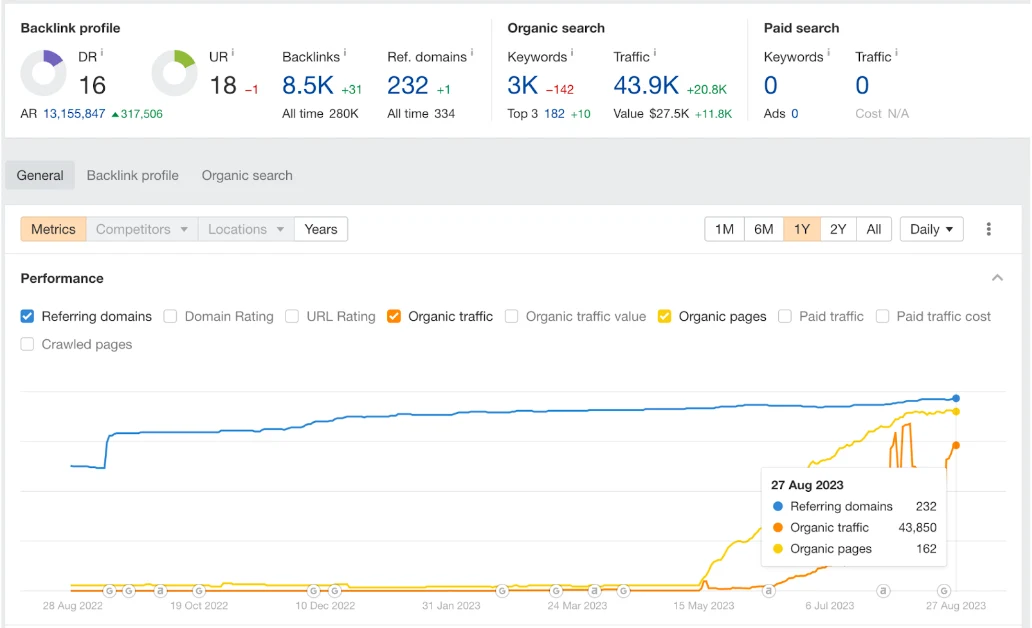
    While the initial investment in a marketing agency may seem substantial, the returns can be exponential. For example, our agency recently helped an AI industry client increase their organic traffic from 6,600 to 43,900 visitors in just three months through targeted, SEO-focused content strategies.

    ? SEO ??? ????? ?????
    Growth Marketing Agencys Client Success Case Study

    The Strategic Advantage of Professional Marketing in Korea

    Entering the Korean market without professional guidance is akin to navigating a complex maze blindfolded. The potential for missteps is high, and the cost of these errors can be substantial. By hiring a marketing agency, you’re not just outsourcing a task; you’re investing in a partnership that combines local insights with global marketing principles.

    At Growth Marketing Agency, we pride ourselves on our ability to bridge the gap between international brands and the Korean consumer psyche. Our team of experts doesn’t just follow trends; we analyze data, conduct experiments, and craft strategies that drive tangible results.

    In conclusion, the decision to hire a marketing agency in Korea is not just a smart choice; it’s a necessary step for any business looking to thrive in this unique and dynamic market. As we often say in the marketing world, “In the game of business, the best-informed player always wins.”

  • Choosing the Right CMS for SEO Success in South Korea

    Choosing the Right CMS for SEO Success in South Korea

    As an SEO professional, you may often wonder which Content Management System (CMS) is most beneficial for your website’s SEO. For foreign companies aiming to establish a strong online presence in the South Korean market, choosing the right Content Management System (CMS) is crucial. 

    This guide will help you understand the importance of choosing the right CMS for SEO success in South Korea and identify which systems are particularly advantageous in this unique digital landscape.

    CMS: The Core of Website Success

    A CMS is the foundation of your website’s success in the Korean market. It’s a crucial tool that assists in creating, managing, and modifying content.

    Beyond managing content, it supports SEO optimization, enhances user experience, and improves website performance all critical factors for standing out in Korea’s competitive online space.

    Advantages of an SEO-Friendly CMS

    In the Korean market, an SEO-friendly CMS offers several benefits:

    • Facilitates easier crawling and indexing by both Korean and global search engines
    • Enhances visibility in search results through metadata optimization for Korean keywords
    • Provides mobile-friendly responsive design, crucial in Korea’s mobile-first market
    • Improves page loading speed, essential for Korean users’ high expectations
    • Allows easy setup of SEO-optimized URL structures

    Now, lets examine some of the leading CMS options that excel in SEO.

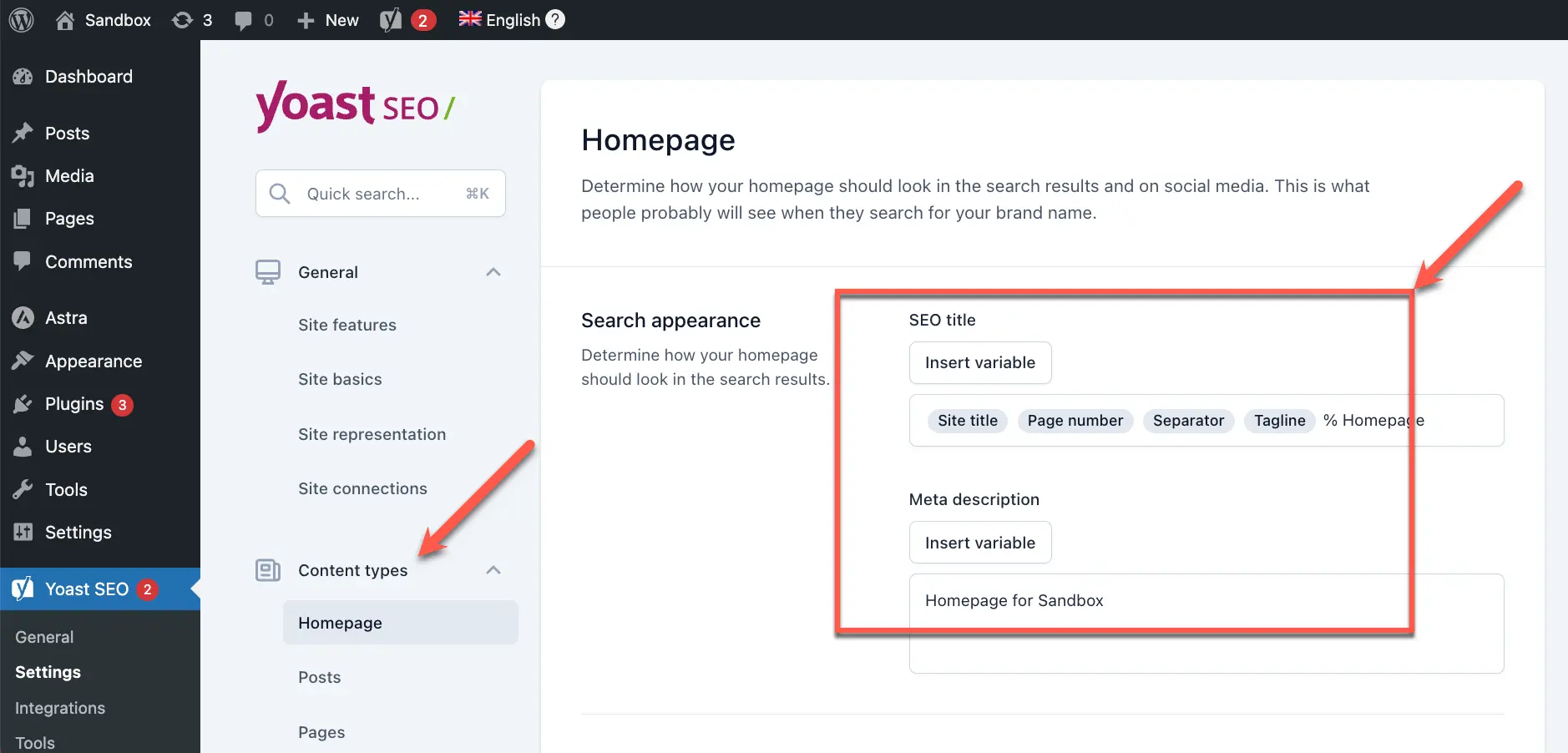
    WordPress and Yoast SEO
    WordPress and Yoast SEO

    WordPress is widely used in Korea and offers excellent localization options. Its user-friendly interface and abundance of SEO-optimized plugins make it perfect for businesses entering the Korean market, especially those focused on content marketing.

    • Pros:
      • Intuitive and easy to use
      • Easy integration with Korean payment gateways
      • Extensive range of SEO plugins
      • High scalability with themes and plugins
      • Large community support
    • Cons:
      • Can be slow if not optimized properly
      • Requires attention to security
      • Advanced features often rely on plugins

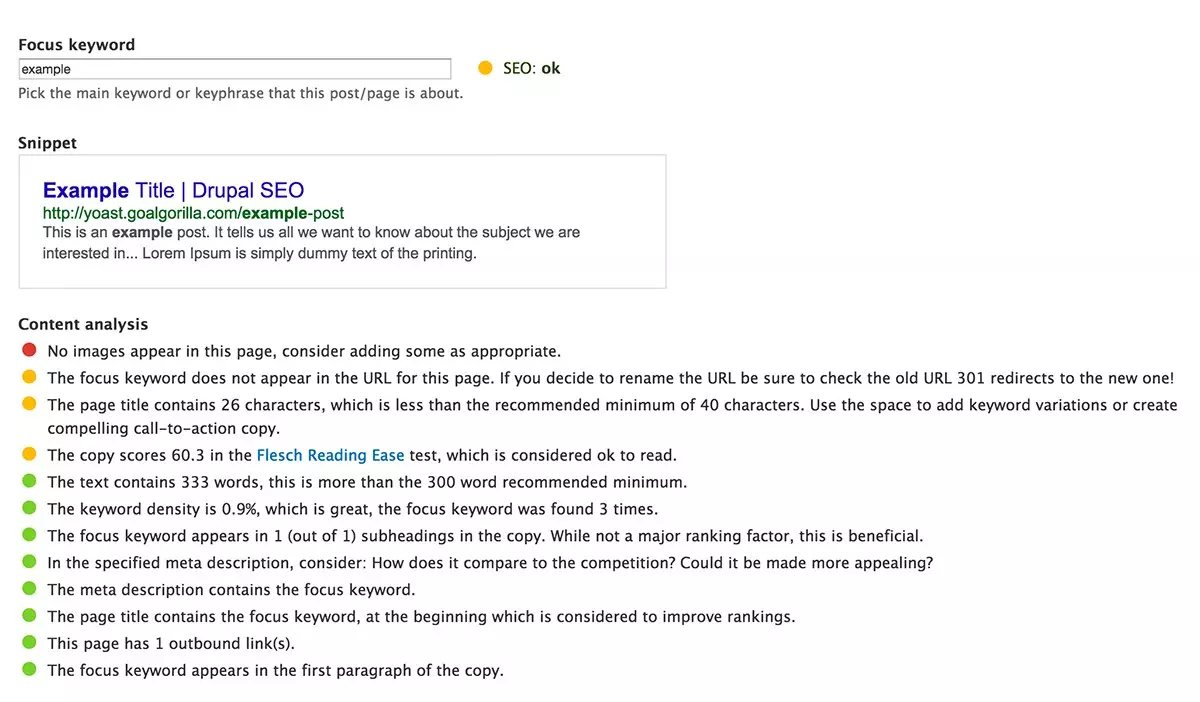
    Drupal: A Powerful Choice for Complex Websites

    Drupal's SEO Capabilities
    Drupal’s SEO Capabilities

    Drupal excels at building complex, large-scale websites in Korea. It’s ideal for organizations requiring high security and complex data structures, such as government agencies, universities, and international corporations establishing a significant presence in the Korean market.

    Its high customizability makes it useful for projects with specific requirements or those managing large volumes of content.

    • Pros:
      • Excellent security, crucial in Korea’s privacy-conscious environment
      • Built-in SEO features
      • High scalability and flexibility for managing multilingual content (Korean and English)
    • Cons:
      • Steep learning curve
      • May require expert assistance
      • Fewer plugin options compared to WordPress

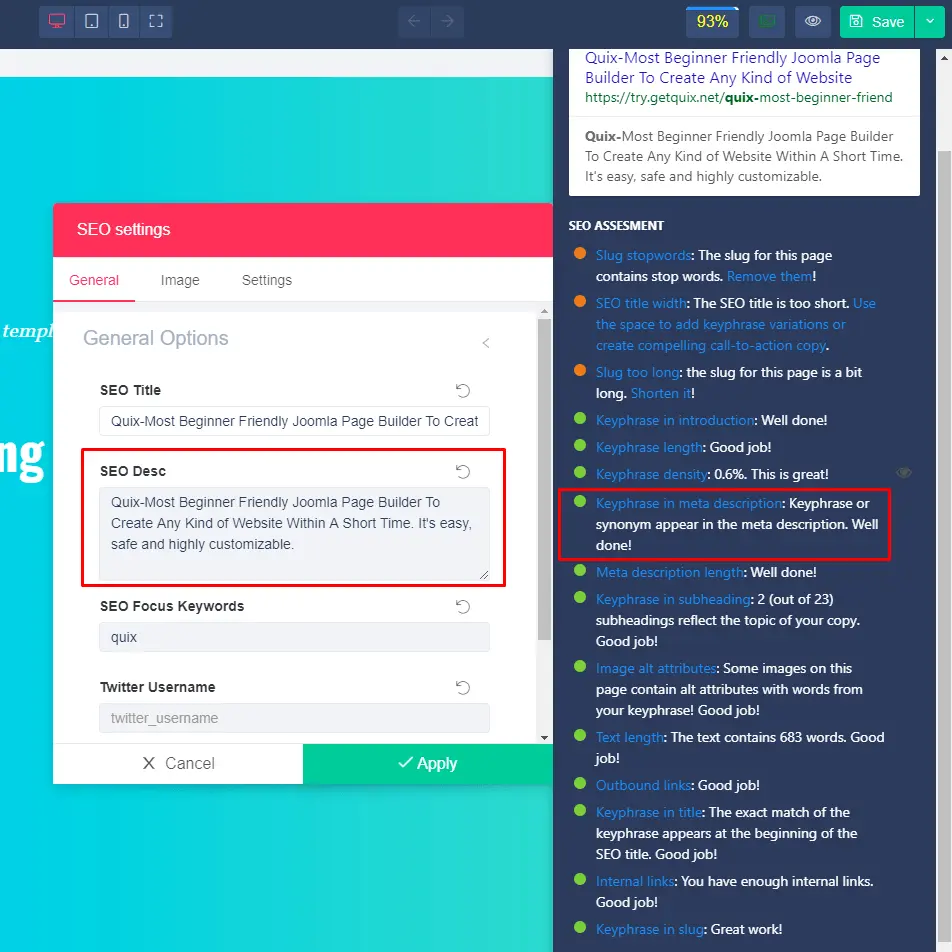
    Joomla: A Mid-Level Complexity CMS

    Joomlas Technical SEO Settings
    Joomlas Technical SEO Settings

    Joomla offers a middle ground between WordPress and Drupal in terms of complexity. Its suitable for small to medium-sized business websites, online magazines, and government sites. It’s particularly suitable for companies requiring robust multilingual support for Korean and English content.

    • Pros:
      • Good balance of user-friendliness and performance
      • Built-in SEO features
      • Excellent multilingual support, crucial for businesses maintaining both Korean and English sites
    • Cons:
      • Smaller community compared to WordPress
      • Limited range of extensions.
      • Slightly complex for beginners

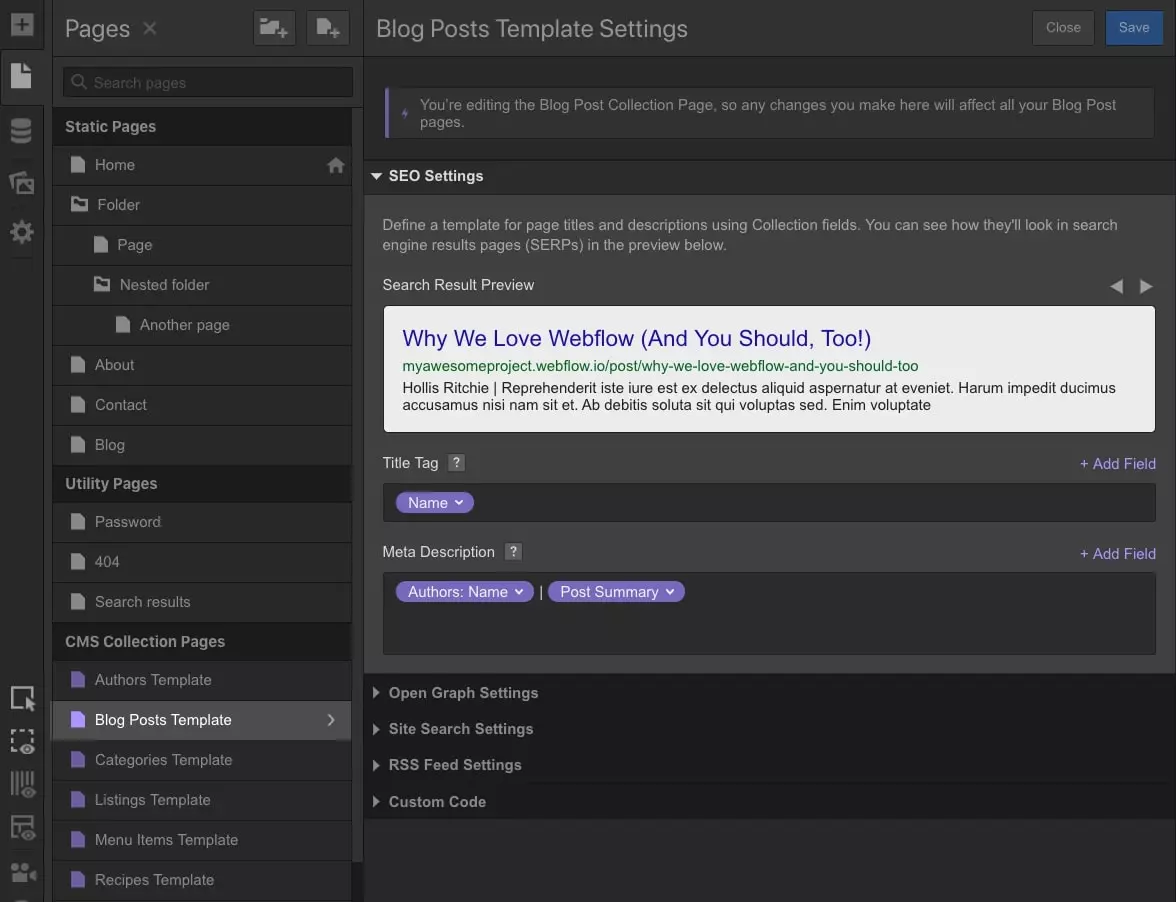
    Webflow: Harmony of Design and SEO

    Choosing the Right CMS for SEO - Webflows Visual and SEO-Friendly Features
    Webflows Visual and SEO-Friendly Features

    Webflow is a design-centric CMS perfect for designers and creative businesses looking to build visually appealing websites. Its useful for projects where visual impact is paramount, like portfolio sites, branding agencies, and startup landing pages. It’s particularly useful for creating visually appealing, fast-loading websites that cater to Korea’s design-savvy consumers.

    It allows building professional-looking websites without coding knowledge, making it suitable for marketing teams and small business owners.

    • Pros:
      • Advanced web design without coding
      • Fast and optimized page loading
      • Intuitive and easy-to-use SEO settings
      • Automatic responsive design generation
    • Cons:
      • Initial learning curve
      • Some advanced features can be costly
      • Less diverse plugins compared to WordPress

    How to Choose the Right CMS for SEO?

    While there’s no perfect CMS, there’s certainly one that’s best suited for your needs. If you’re new to SEO, WordPress could be an excellent choice. Its popularity means a wide variety of plugins and themes, making technical SEO more manageable. 

    On the other hand, if your company has in-house developers or designers, Webflow might be a better fit. It offers a design-centric approach with fast site speeds and lower maintenance resources. Its excellent speed and high design flexibility allow for creating high-quality websites with manageable technical SEO.

    Ultimately, the most important factor is to choose a CMS that aligns with your business goals and technical capabilities. It should also cater to the unique aspects of the Korean digital landscape. This includes considerations like mobile optimization, fast loading speeds, and support for Korean language and local services. Selecting and effectively utilizing an SEO-friendly CMS can lead to improved search engine rankings, increased traffic, and business growth.

    If you’re finding it challenging to create a website tailored for the Korean market using an SEO-friendly CMS, consider enlisting the help of SEO specialists familiar with the Korean digital ecosystem.

    At Growth Marketing Agency, we specialize in helping foreign businesses optimize their online presence for success in Korea.

  • Why Global Firms Struggle with Marketing in Korea

    Why Global Firms Struggle with Marketing in Korea

    At Growth Marketing Agency, we work with both Korean and international companies, and we’ve observed a common trend: even renowned global corporations often struggle with marketing in Korea. If you’re considering entering the Korean market or looking to improve your current performance, understanding these challenges is crucial for your success.

    Key Challenges in Marketing in Korea

    1. Lack of Understanding of the Korean Market’s Unique Characteristics

    One of the biggest issues for global companies is their failure to understand the unique aspects of the South Korean market. Many global companies view South Korea merely as part of the broader Asian market, overlooking its distinct digital ecosystem.

    The Landscape of the South Korean Market in the 2020s
    The Landscape of the South Korean Market in the 2020s

    For instance, Naver (a local search engine) and KakaoTalk (a messaging app) are dominant platforms in Korea, yet many global marketing teams focus solely on global platforms like Google and Facebook. Without recognizing the importance of these local platforms, simply allocating a “translation budget” won’t suffice for success in South Korea.

    2. Absence of Localized Marketing Strategies

    Another major issue is the lack of localized strategies. Many global companies attempt to apply their headquarters’ marketing strategies directly to the Korean market, which is ineffective.
    For example, while many global firms emphasize LinkedIn, most Koreans don’t use it.

    Remember App for B2B Marketing in Korea
    Remember App: Business Card Management

    To achieve similar results, utilizing local platforms like Remember, a business card management service, would be more for B2B marketing in Korea. Remember is a crucial marketing channel in South Korea but unfamiliar to many global companies.

    3. Lack of Competence and Authority Among Local Marketers

    The third problem is the lack of competence and authority among local marketers. In many cases, marketers at Korean branches are merely seen as communication liaisons with good English skills rather than marketing professionals. They often lack substantial marketing expertise and struggle to bridge the gap between headquarters and the local market.

    A common scenario is junior marketers working alone without senior guidance. Moreover, they’re often not given the authority to develop and implement independent marketing strategies, hindering their ability to respond quickly to local market changes.

    4. Communication Issues Between Headquarters and Local Branches

    The fourth problem is communication issues between headquarters and local branches. Decision-makers at headquarters often make choices without understanding the Korean market’s nuances, while local branch opinions are frequently overlooked.

    Key Challenges in Marketing in Korea - Communication Issues Between Headquarters and Local Branches

    It’s common for new proposals to go without feedback for 3-4 days due to time differences or staff vacations, and even minor decisions can take 2-3 weeks. The resulting decisions often disregard input from the South Korean branch.

    This disconnect leads to frustration and demotivation among local marketers, often resulting in high turnover and loss of talent.

    5. Lack of Continuity Due to High Turnover

    The fifth problem is a lack of continuity due to high turnover. In our experience with one client, the point of contact changed seven times over five years. While some changes were due to maternity leave or sabbaticals, the frequency of turnovers among marketing staff at global companies’ South Korean branches is concerning.

    These frequent changes disrupt marketing strategy continuity and result in a loss of accumulated knowledge and experience. Each time a new representative comes on board, you have to start from scratch, making it hard to maintain effective marketing efforts.

    6. Insufficient Budget Allocation

    The sixth problem is insufficient budget allocation. Compared to larger markets like China, South Korea is often perceived as a smaller market and doesn’t receive adequate budget allocation.

    For instance, the Chinese market receives substantial budget allocations due to its size and high revenue potential, whereas expectations for the Korean market are comparatively lower. This limited budget makes it difficult for local marketers to be proactive, even if they are motivated.

    Overcoming Challenges in Marketing in Korea – Localization and Empowerment

    So, how can these challenges be addressed?

    First, invest time and resources in understanding the unique characteristics of the Korean digital landscape. Develop localized marketing strategies that leverage popular local platforms such as Naver, KakaoTalk, and Remember.

    Second, empower your local marketing team with decision-making authority. Trust their insights and allow them to lead strategy development and execution, as they understand the nuances of the Korean market best.

    Global companies' strategies for successful marketing in Korea

    Third, build a strong local team by hiring marketing professionals with genuine expertise in the Korean market, or partnering with experienced local agencies like Growth Marketing Agency. Look beyond English language skills and prioritize candidates with deep knowledge of Korean consumer behavior and marketing trends.

    Fifth, establish efficient communication channels between your headquarters and the Korean branch. This step is crucial to reduce time delays and ensure that local insights are properly considered in your decision-making processes. Regular meetings and reports can help convey the local market’s situation to headquarters accurately.

    Sixth, build a compelling case for the Korean market within your organization. To secure sufficient budget allocation, present concrete data on market size, growth potential, and consumer behavior.

    At Growth Marketing Agency, we can help you gather this data and craft a persuasive narrative to convince your leadership of the immense potential the Korean market holds for your brand.

    Conclusion: Balancing Global Standards with Localization for Successful Marketing in Korea

    Success in marketing in Korea requires a delicate balance between maintaining your global brand standards and adapting to local market specifics. This means preserving your core brand identity and key messages while tailoring your approach to resonate with Korean consumers.

    To achieve this balance, foster close cooperation between your headquarters and the Korean branch. Encourage mutual understanding and respect, ensuring both teams work cohesively towards common goals.

    Additionally, collaborating with experts from Growth Marketing Agency can be highly beneficial. Our experts can effectively persuade global headquarters and advocate for the South Korean market’s unique conditions. In particular, our team members who are native English speakers and fluent in Korean can facilitate smooth communication, significantly aiding in convincing global headquarters.

    Ultimately, success in South Korea starts with a profound respect for and understanding of the local market, coupled with appropriate resource allocation. By recognizing the unique characteristics of the Korean market, developing tailored strategies, and providing your local team with sufficient budget and authority, your company can achieve remarkable success in this dynamic and lucrative market. 

    At Growth Marketing Agency, we’re here to guide you through this process and help you unlock the full potential of the Korean market.