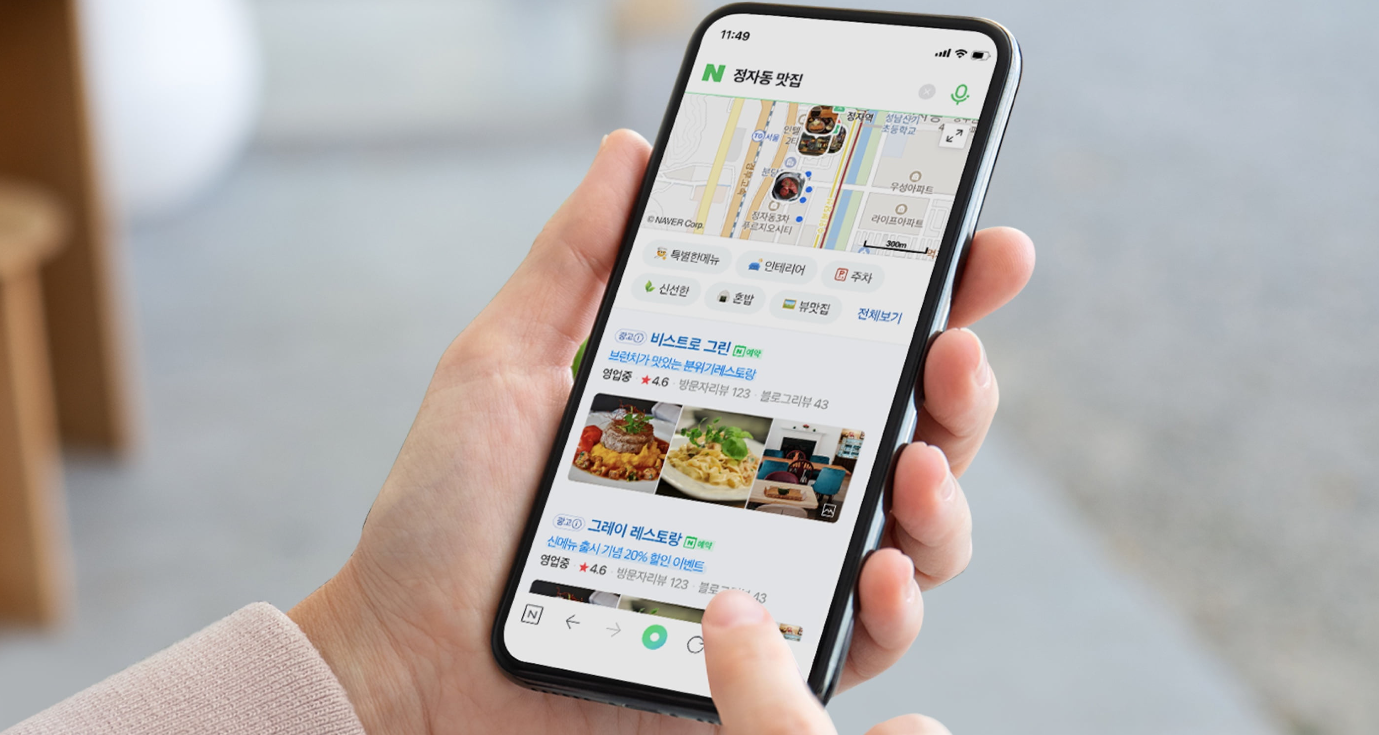
If you want to run ads in Korea, Naver is the most important platform to start with. Naver is the country’s #1 search engine, used by millions every day. It offers search ads, display ads, and shopping ads that help you reach the right audience fast. But if your business is based outside Korea, opening a Naver Ad account is not so simple.
Why foreign companies can’t open Naver Ad accounts directly
Naver requires all advertisers to have:
A Korean business registration number
A Korean bank account
A Korean-language website with matching business information in the footer
If you don’t have these, you can’t register directly. This is where we can help.
How we can open a Naver ad account for you
Growth Marketing Agency is an official partner of Naver Ads in Korea. We handle the entire account opening process for you, so you don’t need to worry about Korean business registration or bank accounts. Please note that some types of businesses are not allowed to run ads in Korea (such as gambling or certain medical services), and some industries have stricter advertising rules. We will review your business type before starting. Here’s how it works:
We begin by signing a service agreement with you and receiving your prepaid ad budget, which will be used to run your campaigns.
You send an English copy of your Business Registration Certificate issued in your country, and we submit it to Naver.
We create your Naver Ads account.
While setting up, we handle Naver’s required Korean-language review for your landing page URL and ad creatives.
Once the review is approved, your ads are ready to launch on Naver.
We guide you through setting up conversion tracking (sales, inquiries, and other goals) so results are measurable from day one.
You receive monthly performance reports in English with clear metrics and practical next steps.
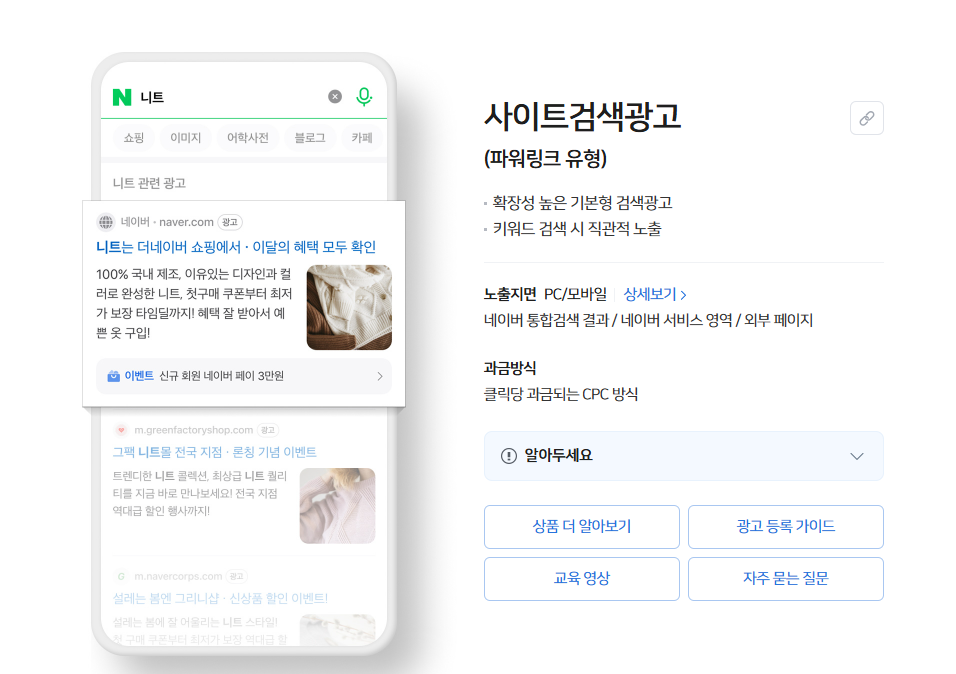
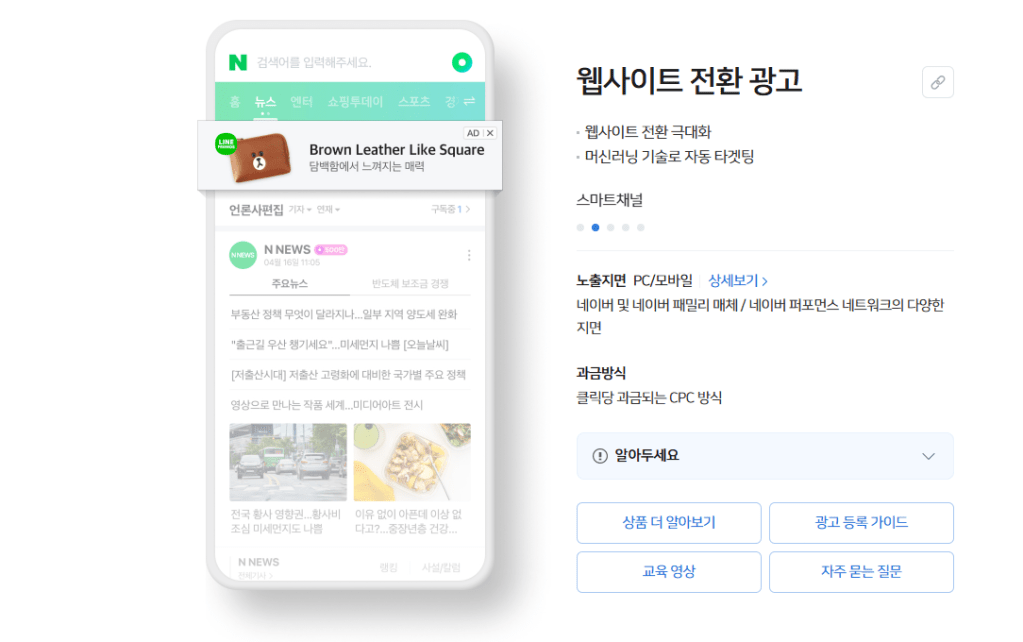
The two most widely used options are Keyword Search Ads and Display Ads (GFA).
Keyword Search Ads work very similarly to Google’s Search Campaigns. When users search on Naver, your ads appear alongside the results based on the keywords you select.
Display Ads (GFA) allow you to reach users through banner placements across Naver’s wide network of sites and apps.
One important difference from Google Ads is the way budgets are managed. For example, if you set a daily budget of USD 1,000 on Google Ads, the actual spend may fluctuate slightly above or below that amount. On Naver, however, your daily budget is a hard cap — it will never exceed the limit you set.
Naver Display Ads can be purchased in different ways. In some cases, you reserve exposure for specific dates, days of the week, or time slots. More commonly, they operate in a format similar to Meta campaigns, where you set a daily budget and target users by gender, age, location, interests, or even by their past search history for specific keywords.
Beyond search and display, Naver also offers specialized ad placements. For example, Local Ads appear at the top of Naver Maps results (important to note: most Koreans don’t use Google Maps). There are also Shopping Ads, which allow products to appear at the top of Naver’s shopping section.
By sharing details about your business, Growth can recommend the most suitable ad products and strategies for your goals in the Korean market.
Ready to Start Advertising on Naver?
Contact us now to get started. We’ll explain our process and give you a quote for opening your Naver ad account.
PEST Analysis(페스트 분석)는 기업이나 조직이 외부 환경을 체계적으로 분석하기 위해 사용하는 전략적 경영 도구입니다. Political(정치적), Economic(경제적), Social(사회적), Technological(기술적) 요인의 앞글자를 따서 명명된 이 분석법은 거시환경 분석의 핵심 프레임워크로 인정받고 있습니다.
PEST Analysis는 외부 환경의 변화가 조직에 미치는 영향을 사전에 파악하고, 이를 바탕으로 전략적 의사결정을 내리는 데 도움을 줍니다. 특히 B2B 마케팅 트렌드 2024 A to Z 분석과 같은 시장 분석에서 필수적인 도구로 활용되고 있으며, 콘텐츠 마케팅 전략 수립 시에도 중요한 역할을 담당하고 있습니다.
PEST Analysis의 역사와 기원
PEST Analysis는 1967년 하버드 비즈니스 스쿨의 프랜시스 아길라(Francis Aguilar) 교수가 처음 개발한 개념입니다. 아길라는 기업의 전략 기획에서 환경 스캐닝(Environmental Scanning)의 중요성을 강조하며, 이를 체계화한 분석틀을 제시했습니다.
초기에는 ETPS(Economic, Technical, Political, Social) 순서로 명명되었으나, 1980년대에 들어 현재의 PEST 순서로 정착되었습니다. 이후 다양한 학자들과 컨설팅 기업들이 이 프레임워크를 발전시켜 PESTEL, PESTLIED 등의 확장된 형태로 발전하기도 했습니다.
한국에서는 1990년대 후반 외환위기 이후 기업들이 체계적인 환경 분석의 필요성을 인식하면서 본격적으로 도입되기 시작했습니다. 특히 글로벌 기업의 한국 마케팅 성공 가이드에서 언급되듯이, 해외 기업들이 한국 시장 진입 시 필수적으로 활용하는 분석 도구로 자리잡았습니다.
PEST Analysis의 주요 구성요소
Political Factors (정치적 요인)
정치적 요인은 정부 정책, 법률, 규제 환경 등이 기업 활동에 미치는 영향을 분석합니다. 여기에는 정치적 안정성, 정부의 경제 정책, 세법 변화, 무역 정책, 규제 완화 또는 강화 등이 포함됩니다.
사회적 요인은 인구 구조, 문화적 특성, 생활양식, 가치관 변화 등이 시장에 미치는 영향을 분석합니다. 고령화, 1인 가구 증가, 건강에 대한 관심 증대, 환경 의식 향상 등이 대표적인 예시입니다.
사회적 변화는 고객 니즈(Needs)와 원츠(Wants)의 차이를 이해하는 데 필수적이며, 매슬로우 욕구 5단계 마케팅에 활용하기에서 제시하는 고객 욕구 분석의 기초가 됩니다. 또한 ESG 콘텐츠 사례와 현실적인 전략에서 다루는 지속가능성에 대한 사회적 요구도 중요한 사회적 요인입니다.
Technological Factors (기술적 요인)
기술적 요인은 기술 발전과 혁신이 산업과 기업에 미치는 영향을 분석합니다. 디지털 기술, 인공지능, 빅데이터, 사물인터넷 등의 발전이 대표적인 예시입니다.
마케팅 분야에서는 시장 진입 전략이나 신제품 출시 시 PEST Analysis를 활용합니다. 퍼포먼스 마케팅 레퍼런스 – 확실한 성과가 필요하다면?에서 강조하는 성과 중심의 마케팅 전략을 수립할 때, 외부 환경 분석을 통해 기회와 위험 요인을 파악하는 것이 중요합니다.
특히 그로스해킹(Growth Hacking)이란?에서 다루는 급속한 성장 전략을 위해서는 기술적 트렌드와 사회적 변화를 정확히 파악해야 하며, 이때 PEST Analysis가 유용한 도구가 됩니다.
위기 관리 및 리스크 평가
기업들은 PEST Analysis를 통해 잠재적 위험 요인을 사전에 식별하고 대응 방안을 마련합니다. 코로나19 팬데믹과 같은 예상치 못한 변화에 대응하기 위해서도 지속적인 환경 모니터링이 필요하며, 이때 PEST 프레임워크가 체계적인 분석을 가능하게 합니다.
2025년 SEO 트렌드, 새로운 접근이 필요한 이유에서 언급되는 검색엔진 알고리즘 변화나 한국 검색 점유율의 변화와 SEO 전략의 중요성과 같은 기술적 변화도 PEST Analysis를 통해 체계적으로 대응할 수 있습니다.
PEST Analysis와 관련된 주요 개념
SWOT Analysis와의 연계
PEST Analysis는 종종 SWOT Analysis와 함께 사용됩니다. PEST를 통해 파악된 외부 환경 요인들은 SWOT의 기회(Opportunities)와 위협(Threats) 요소로 활용됩니다. 이러한 통합적 접근은 B2B 마케팅 성과, 이렇게 설정하세요에서 강조하는 성과 지표 설정에도 중요한 기초 자료가 됩니다.
시나리오 플래닝
PEST Analysis 결과를 바탕으로 여러 시나리오를 개발하여 미래 상황에 대비하는 것이 시나리오 플래닝입니다. 콘텐츠 마케팅 기획서 작성하는 방법에서 다루는 장기적 콘텐츠 전략 수립 시에도 다양한 환경 변화 시나리오를 고려해야 합니다.
CPM(Cost Per Mille, 1,000회 노출당 비용)은 온라인 광고 비용 책정 모델 중 하나로, 광고가 1,000회 노출될 때마다 광고주가 지불하는 비용을 의미합니다. ‘Mille’은 라틴어로 1,000을 뜻하며, 따라서 CPM은 1,000회 노출당 비용으로 해석됩니다. 이 모델은 주로 브랜드 인지도 증대, 메시지 확산, 특정 타겟 도달 범위 극대화를 목표로 하는 광고 캠페인에 사용됩니다.
CPM은 광고의 클릭이나 실제 전환이 아닌 노출 자체에 비용을 지불하는 방식이므로, 광고가 얼마나 많은 사람들에게 보여졌는지를 기준으로 광고 효과를 측정하고자 할 때 유용합니다. 이는 [브랜드 콘텐츠 마케팅 가이드]에서 다루는 브랜드 인지도 향상 전략의 핵심적인 도구 중 하나입니다.
역사와 기원
CPM 개념은 전통적인 인쇄 매체에서 시작되어 디지털 광고로 발전했습니다. 1990년대 인터넷 광고가 등장하면서 온라인에서도 노출 기반 과금 모델이 도입되었고, 이는 디지털 마케팅 생태계의 기초가 되었습니다.
초기 웹 광고는 주로 배너 광고 형태로 시작되었으며, CPM 모델을 통해 광고주는 예측 가능한 비용으로 대규모 노출을 확보할 수 있게 되었습니다. 2000년대 들어 구글 애드센스와 같은 광고 네트워크가 등장하면서 CPM 기반의 프로그래매틱 광고가 본격화되었습니다.
최근에는 가시적 노출을 중시하는 vCPM과 실시간 입찰 환경에서의 동적 CPM 책정이 주요 트렌드로 자리잡고 있습니다.
주요 특징과 구성요소
CPM의 핵심 특징은 노출 기반 과금 구조입니다. 광고의 실제 성과나 클릭이 아닌 노출 횟수를 기준으로 비용을 산정하므로, 브랜드 인지도 향상과 메시지 전달에 효과적입니다. 참여율 (Engagement Rate)과 함께 분석하면 노출된 광고가 실제로 얼마나 사용자의 관심을 끌었는지 파악할 수 있습니다.
CPM 계산의 핵심 구성요소는 총 광고 비용과 총 노출 수입니다. CPM은 총 광고 비용을 총 노출 수로 나눈 후 1,000을 곱한 값으로 계산됩니다. 예를 들어, 총 광고 비용이 100,000원이고 총 노출 수가 500,000회 발생했다면, CPM은 200원이 됩니다.
CPM 캠페인은 예측 가능성이 높다는 특징을 갖습니다. 광고 예산과 목표 노출 수를 기준으로 비용을 예측하거나, 정해진 CPM 단가에 따라 지출을 관리할 수 있습니다. [광고예산한계점, ROI와 ROAS의 함정]에서 설명하는 것처럼 예산 관리와 성과 측정에서 명확한 기준을 제공합니다.
활용 사례와 예시
브랜드 인지도 캠페인에서 CPM은 가장 효과적인 모델 중 하나입니다. 새로운 브랜드 런칭이나 리브랜딩 시 대중에게 브랜드를 각인시키는 데 활용됩니다. 특히 대규모 타겟 고객에게 도달해야 하는 경우 상대적으로 저렴한 비용으로 넓은 도달 범위를 확보할 수 있습니다.
디스플레이 광고와 동영상 광고에서 CPM은 핵심적인 과금 방식으로 사용됩니다. 배너 광고, 리치 미디어 광고, 소셜 미디어 광고 등 다양한 온라인 매체에서 널리 활용되며, 광고 형식과 지면 위치에 따라 CPM 단가가 달라집니다.
신제품 출시나 프로모션 홍보에서도 CPM은 효과적입니다. 단기간에 많은 사람에게 메시지를 전달해야 하는 상황에서 CPM 기반 캠페인을 통해 빠른 인지도 확산을 달성할 수 있습니다. [콘텐츠 마케팅 사례 분석 – 고객 의도 분석부터 USP 강조까지]에서 다루는 통합 마케팅 전략의 일환으로 활용되는 경우가 많습니다.
관련 개념
CPM은 다른 온라인 광고 과금 모델과 비교하여 이해할 수 있습니다. CPI (Cost per Install)는 클릭당 비용을 지불하는 방식으로, CPM보다 더 구체적인 사용자 행동에 기반합니다. CPA는 실제 전환 행동에 대해서만 비용을 지불하는 모델로, 광고주의 위험도가 가장 낮습니다.
eCPM은 다양한 과금 모델의 수익성을 노출 기준으로 비교할 수 있게 하는 지표입니다. CPC나 CPA 등 다른 과금 모델로 발생한 수익을 1,000회 노출 기준으로 환산하여 CPM 모델과 효과를 비교할 수 있습니다.
CPM 캠페인의 효과를 높이기 위해서는 체계적인 최적화가 필요합니다. [A/B 테스트, 광고 성과를 꾸준하게 개선하는 방법]에서 제시하는 방법론을 활용하여 다양한 광고 소재와 타겟팅 전략의 효과를 비교 분석할 수 있습니다.
CPM과 ROAS (Return on Ad Spend)를 함께 분석하면 브랜드 캠페인의 장기적인 효과를 평가할 수 있습니다. 비록 CPM은 즉각적인 전환보다는 인지도 향상에 초점을 맞추지만, 장기적으로는 브랜드 가치 상승과 수익 증대에 기여할 수 있습니다.
[퍼포먼스 마케팅 레퍼런스 – 확실한 성과가 필요하다면?]에서 설명하는 통합적 접근법에서 CPM은 브랜딩과 퍼포먼스를 연결하는 중요한 역할을 합니다. 특히 B2B 마케팅에서는 긴 구매 주기 동안 지속적인 브랜드 노출을 통해 의사결정자들의 인지도를 높이는 데 CPM이 효과적으로 활용됩니다.
최적화 전략
CPM 캠페인의 효과를 극대화하기 위해서는 정확한 타겟 고객 설정이 중요합니다. 광고 메시지에 가장 잘 반응할 가능성이 높은 잠재 고객을 명확히 정의하고 타겟팅해야 합니다.
광고 가시성 모니터링과 개선도 핵심 요소입니다. vCPM을 통해 실제로 사용자에게 보여지는 비율을 높이고, 가시성 높은 지면을 확보하는 것이 중요합니다. 빈도수 제한을 통해 동일 사용자에게 광고가 과도하게 노출되어 광고 피로감을 유발하지 않도록 관리해야 합니다.
지속적인 성과 분석과 개선을 통해 캠페인 목표에 맞춰 노출 수, 도달 범위, 클릭률 등을 모니터링하고 개선점을 찾아 반영하는 것이 필요합니다. 또한 부정 클릭과 어뷰징 방지 솔루션을 활용하여 광고 사기로 인한 예산 낭비를 막아야 합니다.
CPI(Cost Per Install, 설치당 비용)는 주로 모바일 애플리케이션 마케팅에서 사용되는 광고 단가 책정 모델로, 광고주가 자신의 앱이 광고를 통해 신규 사용자에게 설치될 때마다 비용을 지불하는 방식입니다. CPI는 앱 다운로드 수를 늘리고 새로운 사용자를 확보하는 것을 주목표로 하는 캠페인에 효과적입니다.
이 모델은 광고주가 실제 앱 설치라는 명확한 성과에 대해서만 비용을 지불하기 때문에 예산 효율성을 높일 수 있다는 장점이 있습니다. CPI는 “총 광고 비용을 해당 캠페인을 통해 발생한 총 앱 설치 수로 나눈 값”으로 계산되며, 모바일 앱 사용자 확보 전략의 핵심 지표입니다.
역사와 기원
CPI 개념은 2000년대 후반 스마트폰의 보급과 앱 스토어의 등장과 함께 발전했습니다. 기존의 웹 기반 광고와 달리 모바일 앱 설치라는 명확한 성과를 추적할 수 있게 되면서, 앱 개발사들은 더욱 정확한 사용자 확보 비용을 측정할 수 있게 되었습니다.
2010년대 중반 모바일 게임 시장의 급성장과 함께 CPI 마케팅이 본격화되었습니다. 특히 프리미엄 게임 모델에서 수익을 창출하는 앱들이 초기 사용자 확보를 위해 CPI 캠페인을 적극 활용하기 시작했습니다.
최근에는 애플의 앱 추적 투명성 정책과 구글의 개인정보보호 강화 움직임으로 인해 CPI 측정 방식에도 변화가 일어나고 있습니다. 기존의 정교한 사용자 추적이 제한되면서 집계된 데이터 중심의 성과 측정으로 전환되고 있습니다.
주요 특징과 구성요소
CPI의 가장 중요한 특징은 성과 기반 과금 구조입니다. 광고 노출이나 클릭이 아닌 실제 앱 설치라는 구체적인 결과에 대해서만 비용을 지불하므로 투자 대비 성과를 명확히 파악할 수 있습니다. 퍼포먼스 마케팅 레퍼런스 – 확실한 성과가 필요하다면?에서 다루는 성과 중심 마케팅의 핵심 사례 중 하나입니다.
CPI 측정에는 정확한 추적 기술이 필수적입니다. 모바일 측정 파트너를 통해 어떤 광고를 통해 설치가 이루어졌는지 정확하게 기여도를 분석해야 합니다. 추적툴세팅, B2B 마케팅에 중요한 이유에서 설명하는 것처럼 체계적인 추적 환경 구축이 CPI 캠페인 성공의 전제 조건입니다.
CPI 캠페인은 크게 보상형과 비보상형으로 구분됩니다. 보상형 CPI는 사용자에게 앱 설치에 대한 직접적인 보상을 제공하여 단기간에 많은 설치를 확보할 수 있지만, 설치 품질은 상대적으로 낮을 수 있습니다. 비보상형 CPI는 광고 자체의 매력도로 자연스러운 설치를 유도하여 더 높은 품질의 사용자를 확보할 수 있습니다.
CPI 활용 사례와 예시
모바일 게임 업계에서 CPI는 핵심적인 사용자 확보 전략으로 활용됩니다. 신규 게임 출시 시 초기 사용자 기반을 빠르게 구축하고 앱 스토어 순위 상승을 통해 추가적인 유기적 설치를 유도할 수 있습니다.
전자상거래 앱에서는 CPI를 통해 확보한 신규 사용자가 실제 구매로 이어지는지 분석하는 것이 중요합니다. 단순한 설치 수보다는 설치 후 사용자의 앱 내 활동과 구매 전환율을 함께 평가해야 합니다. 광고예산한계점, ROI 와 ROAS의 함정에서 설명하는 것처럼 CPI만으로는 전체 마케팅 성과를 판단하기 어려운 경우가 많습니다.
유틸리티 앱의 경우 상대적으로 낮은 CPI로 대량의 사용자를 확보할 수 있지만, 사용자의 장기적인 참여와 유지가 더욱 중요합니다. AARRR이란? 앱마케팅 AARRR 적용하기에서 다루는 성장 지표와 함께 CPI를 분석하면 더욱 효과적인 사용자 확보 전략을 수립할 수 있습니다.
“앱 설치에 초점을 맞춘 캠페인의 경우 입찰가를 설정하거나 설정하지 않을 수 있습니다. 입찰가를 설정하면 ‘목표 설치당 비용(Target CPI)’ 캠페인이 됩니다. 이 방식에서는 앱 설치 1건당 지불하고자 하는 평균 금액을 Google Ads에 알리게 됩니다.”
예산과 목표 CPI를 설정하면, 시스템이 가능한 한 많은 설치를 목표로 예산을 자동 분배합니다.
Target CPI 캠페인은 앱 설치를 최대화하면서도 예산 효율성을 높이기 위한 대표적인 성과형 광고 방식입니다.
CPI 관련 개념
CPI는 다른 모바일 광고 단가 모델과 비교하여 이해할 수 있습니다. CPM은 노출 기반, CPC는 클릭 기반으로 과금되는 반면, CPI는 실제 설치라는 더 구체적인 성과에 기반합니다. CPC (Click Per Cost)와 함께 분석하면 광고 클릭에서 설치까지의 전환율을 파악할 수 있습니다.
ROAS와 CPI는 밀접한 관련이 있습니다. CPI로 확보한 사용자가 실제로 얼마나 많은 수익을 창출하는지 ROAS (Return on Ad Spend)를 통해 측정할 수 있습니다. 낮은 CPI라도 사용자의 생애 가치가 낮다면 실제 수익성은 떨어질 수 있습니다.
A/B 테스트는 CPI 캠페인 최적화에 필수적인 도구입니다. A/B 테스트, 광고 성과를 꾸준하게 개선하는 방법에서 제시하는 방법론을 활용하여 다양한 광고 소재와 타겟팅 전략의 효과를 비교 분석할 수 있습니다.
리마케팅도 CPI 전략의 중요한 구성 요소입니다. 리마케팅 (Remarketing)을 통해 앱을 설치했지만 사용하지 않는 사용자들을 다시 활성화시킬 수 있으며, 이는 전체적인 사용자 확보 비용을 최적화하는 데 도움이 됩니다.
CPI 캠페인의 성과 측정에는 체계적인 분석 도구가 필요합니다. [Google Analytics 4 초기 세팅 따라하기에서 제시하는 설정 방법을 참고하여 앱 설치부터 사용자의 장기적인 행동까지 추적할 수 있는 환경을 구축해야 합니다. 특히 참여율 (Engagement Rate)과 함께 분석하면 설치된 앱이 실제로 얼마나 활발하게 사용되는지 파악할 수 있습니다.
CTR(Click-Through Rate, 클릭률)은 온라인 콘텐츠가 노출된 총 횟수 대비 클릭된 횟수의 비율을 나타내는 디지털 마케팅 핵심 지표입니다. 백분율로 표시되며, 광고 캠페인, 검색 결과, 이메일, 소셜 미디어 게시물 등의 효과를 측정합니다.
높은 CTR은 해당 콘텐츠가 타겟 고객에게 매력적이고 관련성이 높다는 것을 의미합니다. CTR은 “총 클릭 수를 총 노출 수로 나눈 후 100을 곱한 값”으로 계산되며, 디지털 마케팅 성과 분석의 기초가 되는 지표입니다.
CTR 역사와 기원
CTR 개념은 1990년대 중반 인터넷 광고 등장과 함께 발전했습니다. 1994년 첫 웹 배너 광고는 약 44%의 놀라운 CTR을 기록했으나, 사용자들이 광고에 익숙해지면서 점차 감소했습니다.
2000년 구글이 애드워즈를 출시하면서 CTR은 광고 품질 평가와 순위 결정에 직접 영향을 미치는 요소로 발전했습니다. 이는 CTR이 사용자 경험의 질을 나타내는 중요한 신호로 인식되기 시작했음을 의미합니다.
소셜 미디어와 모바일 환경의 확산으로 다양한 플랫폼과 기기에 따른 사용자 행동 패턴이 달라지면서, CTR은 더욱 정교한 분석이 필요한 지표로 진화했습니다.
CTR 주요 특징과 구성요소
CTR의 가장 기본적인 특징은 즉각적인 사용자 반응을 수치화할 수 있다는 점입니다. 디지털 환경에서는 실시간으로 사용자의 클릭 행동을 추적하고 분석할 수 있어 마케터들이 캠페인을 즉시 조정할 수 있습니다.
CTR 계산의 핵심 구성요소는 노출 수와 클릭 수입니다. 노출 수는 콘텐츠가 사용자 화면에 표시된 총 횟수이며, 클릭 수는 사용자가 실제로 클릭한 횟수입니다. 이 두 요소의 비율로 콘텐츠의 매력도를 객관적으로 평가할 수 있습니다.
CTR은 광고 유형, 플랫폼, 산업 분야, 타겟 고객, 시기 등에 따라 크게 달라집니다. 검색 광고는 일반적으로 디스플레이 광고보다 높은 CTR을 보입니다.
높은 CTR이 항상 높은 CVR로 이어지는 것은 아닙니다. 광고가 매력적이어서 클릭은 많이 발생했지만, 랜딩 페이지가 부실하거나 제안이 기대에 미치지 못하면 전환율은 낮을 수 있죠. 퍼포먼스 마케팅의 다양한 성과 지표와 올바른 활용법에 대해서는 광고예산한계점, ROI 와 ROAS의 함정과 ROAS (Return on Ad Spend)에서 자세히 다루고 있습니다.
CTR은 단독으로 평가하기보다는 전환율, ROI, 고객 생애 가치(CLV) 등 다른 주요 지표들과 함께 종합적으로 분석하여 캠페인의 전반적인 성과를 판단해야 합니다. 퍼포먼스 마케팅에서 자주 발생하는 지표 해석 오류와 개선 방법에 대해서는 퍼포먼스 마케팅 실패 이유와 극복방법에서 실용적인 해결책을 제시하고 있습니다.
CTR 활용 사례와 예시
검색 엔진 마케팅에서 CTR은 품질 평가 점수의 핵심 요소로 작용하며, 광고 순위와 클릭당 비용에 직접 영향을 미칩니다. 높은 CTR을 유지하는 광고는 더 낮은 비용으로 더 좋은 위치에 노출됩니다. 검색광고의 기본 개념과 운영 방법이 궁금하시다면 [성장에게 네이버 검색광고 맡기는 방법]에서 실제 진행 과정을 확인해 보세요.
이메일 마케팅에서는 제목의 매력도와 본문 내 링크의 효과를 측정하는 지표로 활용됩니다. 온라인 쇼핑몰의 할인 행사 이메일에서 수신자 중 몇 퍼센트가 실제로 상품 페이지로 이동했는지를 CTR로 파악할 수 있습니다.
소셜 미디어 마케팅에서는 게시물이나 광고의 사용자 참여도를 CTR로 측정합니다. 패션 브랜드가 인스타그램 신제품 광고를 게재했을 때, 이미지를 본 사용자 중 실제로 제품 페이지로 이동한 비율로 광고 효과를 평가할 수 있습니다. 소셜 미디어 기반의 퍼포먼스 마케팅 전략이 궁금하시다면 퍼포먼스 마케팅 레퍼런스 – 확실한 성과가 필요하다면?을 참고해 보세요.
CTR 관련 개념
전환율은 CTR과 밀접한 관련이 있는 개념입니다. 전환율은 클릭 후 사용자가 실제 목표 행동을 완료한 비율을 의미하며, 높은 CTR이 항상 높은 전환율로 이어지지는 않습니다.
뷰스루 전환은 사용자가 광고를 클릭하지 않았지만 광고를 본 후 나중에 해당 브랜드에 대해 행동을 취하는 경우를 측정합니다. 브랜드 인지도 향상을 목표로 하는 캠페인에서는 CTR보다 중요할 수 있습니다.
클릭당 비용은 CTR과 밀접한 관계를 가집니다. 높은 CTR을 유지하는 광고는 플랫폼으로부터 좋은 평가를 받아 낮은 클릭당 비용으로 운영될 수 있습니다.
참여율은 소셜 미디어에서 CTR과 함께 고려되는 지표입니다. 클릭뿐만 아니라 좋아요, 댓글, 공유 등 다양한 사용자 상호작용을 포함하는 더 넓은 개념입니다.
결론적으로, CTR은 광고나 콘텐츠가 사용자의 초기 관심을 끄는 데 얼마나 성공적인지를 보여주는 핵심 지표이며, 다른 성과 지표들과 함께 균형 있게 활용될 때 마케팅 캠페인의 효과를 극대화하는 데 중요한 역할을 할 것입니다. CTR 측정과 분석을 위한 도구 설정이 필요하시다면 Google Analytics 4 초기 세팅 따라하기와 추적툴세팅, B2B 마케팅에 중요한 이유를 참고하여 체계적인 성과 측정 환경을 구축해 보세요.
ROAS(Return on Ad Spend)는 지출한 광고 비용 대비 발생한 수익의 비율을 나타내는 마케팅 성과 측정 지표입니다. 일반적으로 백분율(%)이나 비율로 표현되며, 광고 캠페인의 재정적 효율성과 수익성을 직접적으로 파악할 수 있게 해주므로, 디지털 마케팅을 중심으로 다양한 광고 활동에서 핵심적인 기준으로 활용됩니다.
ROAS를 통해 마케터는 어떤 광고 채널, 캠페인, 혹은 광고 소재가 가장 높은 수익을 창출하는지 객관적으로 평가하고, 이를 바탕으로 예산 배분 및 전략 수립에 대한 합리적인 의사 결정을 내릴 수 있습니다.
ROAS를 통해 마케터는 어떤 광고 채널, 캠페인, 혹은 광고 소재가 가장 높은 수익을 창출하는지 객관적으로 평가하고, 이를 바탕으로 예산 배분 및 전략 수립에 대한 합리적인 의사 결정을 내릴 수 있습니다. 성과 중심의 마케팅 접근법에 대해 더 알아보려면 퍼포먼스 마케팅 레퍼런스 – 확실한 성과가 필요하다면?을 확인해보세요.
역사 및 기원
ROAS는 디지털 마케팅과 전자상거래의 발전과 함께 등장한 지표로, 마케팅 투자의 효율성을 측정하려는 기업들의 필요에서 비롯되었습니다. 전통적인 마케팅 성과 측정이 어려웠던 것과 달리, 디지털 환경에서는 광고와 매출 간의 직접적인 연관성을 추적할 수 있게 되면서 ROAS가 중요한 지표로 자리잡게 되었습니다.
초기에는 단순히 ROI(투자 수익률)의 한 형태로 간주되었으나, 디지털 광고의 특성상 더 즉각적이고 직접적인 성과 측정이 가능해지면서 ROAS는 독자적인 지표로 발전했습니다. 특히 구글, 페이스북 등 주요 디지털 광고 플랫폼들이 자체적인 ROAS 측정 도구를 제공하면서 그 활용도가 더욱 확대되었습니다.
ROAS의 주요 특징 및 구성요소
계산 방법
ROAS는 광고를 통해 발생한 총 수익을 해당 광고에 지출된 총 비용으로 나눈 값입니다. 보통 백분율(%)로 표현됩니다.
ROAS 계산 공식: ROAS = (광고를 통해 발생한 수익 ÷ 광고 비용) × 100(%)
예를 들어, 특정 광고 캠페인에 100만 원을 지출하여 500만 원의 수익이 발생했다면, ROAS는 다음과 같이 계산됩니다: (5,000,000원 ÷ 1,000,000원) × 100 = 500%
이는 광고비 1원당 5원의 수익을 창출했다는 의미입니다.
주요 특성
ROAS는 마케터에게 다음과 같은 중요한 통찰력을 제공합니다:
광고 캠페인 성과 측정: 특정 광고나 캠페인이 얼마나 효과적으로 수익을 창출하는지 명확히 보여줍니다.
예산 배분 최적화: ROAS가 높은 채널이나 캠페인에 더 많은 예산을 집중하고, 성과가 낮은 부분은 개선하거나 중단하는 등 효율적인 예산 관리를 가능하게 합니다.
마케팅 전략 검증 및 개선: 설정한 마케팅 목표 달성 여부를 판단하고, 데이터 기반으로 전략을 수정 및 발전시키는 데 기여합니다. ROAS를 지속적으로 개선하는 효과적인 방법으로는 A/B 테스트, 광고 성과를 꾸준하게 개선하는 방법이 있습니다.
수익성 중심 사고 강화: 단순 노출이나 클릭 수보다 실질적인 수익 창출에 초점을 맞추도록 유도합니다.
ROAS 활용 사례 및 예시
업종별로 기대하는 ROAS 수준도 다양합니다. B2B 기업의 경우 일반 소비자 대상 비즈니스와는 다른 성과 지표와 ROAS 목표를 설정해야 합니다. B2B 기업을 위한 마케팅 성과 설정에 대해서는B2B 마케팅 성과, 이렇게 설정하세요를 참고하세요.
사례 1: 전자상거래 기업 A
구글 검색 광고 비용: 200만 원
검색 광고를 통한 매출: 1,200만 원
ROAS: (12,000,000원 ÷ 2,000,000원) × 100 = 600%
해석: A 기업은 구글 검색 광고에 지출한 비용 대비 6배의 수익을 얻었습니다.
검색 광고는 일반적으로 높은 ROAS를 기대할 수 있는 채널 중 하나입니다. 국내 주요 검색 플랫폼인 네이버 검색광고를 통해 높은 ROAS를 달성하고자 하신다면, 성장에게 네이버 검색광고 맡기는 방법도 한 번 읽어보시길 권합니다.
사례 2: 모바일 앱 개발사 B
페이스북 앱 설치 광고 비용: 500만 원
광고를 통해 발생한 인앱 구매 수익: 300만 원
ROAS: (3,000,000원 ÷ 5,000,000원) × 100 = 60%
해석: B 개발사는 페이스북 광고 비용보다 적은 수익을 창출하여 ROAS가 100% 미만입니다. 이는 광고 전략 개선 또는 비용 구조 점검이 필요함을 시사합니다. 이 경우, 고객 생애 가치(LTV) 등 장기적 관점을 함께 고려해야 할 수도 있습니다.
업종별로 기대하는 ROAS 수준도 다양합니다:
전자상거래: 일반적으로 300~500% 이상을 목표로 합니다.
SaaS(Software as a Service): 초기 ROAS는 낮을 수 있으나, 고객 생애 가치(LTV)를 고려합니다.
ROAS vs. ROI: ROAS는 특정 ‘광고’ 비용에 초점을 맞추는 반면, ROI는 마케팅 비용을 포함한 ‘모든 사업 투자’ 비용을 고려하여 순이익을 기준으로 수익성을 평가합니다.
ROAS vs. CPA: ROAS는 ‘수익’을 기준으로 효율성을 평가하지만, CPA는 ‘비용’을 기준으로 특정 결과(예: 구매, 가입, 앱 설치)를 얻기 위한 효율성을 평가합니다.
또한 ROAS를 활용할 때 자주 함께 고려하는 지표로는 고객 획득 비용(CAC), 고객 생애 가치(LTV), 전환율(CVR) 등이 있습니다.
ROAS는 특정 ‘광고’ 비용에 초점을 맞추는 반면, ROI는 마케팅 비용을 포함한 ‘모든 사업 투자’ 비용을 고려하여 순이익을 기준으로 수익성을 평가합니다. 두 지표의 차이점과 활용 시 주의점에 대해 더 자세히 알아보려면 광고예산한계점, ROI 와 ROAS의 함정을 참고하세요.
ROAS 활용 시 고려사항
ROAS 기반의 마케팅 전략에서도 실패가 발생할 수 있습니다. 흔한 오류와 이를 극복하는 방법에 대해서는 퍼포먼스 마케팅 실패 이유와 극복방법에서 더 자세히 알아보시기 바랍니다.
ROAS를 활용할 때 주의해야 할 사항들은 다음과 같습니다.
수익의 정의 모호: ROAS 계산 시 ‘수익’을 총 매출로 할지, 이익(매출 – 매출원가)으로 할지 명확히 정의해야 합니다. 일반적으로는 총 매출을 기준으로 하지만, 비즈니스 모델에 따라 이익을 기준으로 삼기도 합니다.
모든 비용 포함: 광고 플랫폼 수수료 외에 광고 소재 제작 비용, 에이전시 수수료, 인력 비용 등 간접 비용을 광고 비용에 포함해야 정확한 ROAS를 측정할 수 있습니다.
단기적 성과와 장기적 가치 균형: ROAS는 즉각적인 수익성을 보여주지만, 브랜드 인지도 상승, 잠재 고객 확보 등 장기적인 마케팅 목표도 함께 고려해야 합니다.
기여 모델 이해: 여러 광고 채널을 동시에 운영할 경우, 어떤 기여 모델(첫 클릭, 마지막 클릭, 선형 등)을 적용하느냐에 따라 ROAS 측정 결과가 달라질 수 있습니다. 정확한 ROAS 측정을 위한 추적 도구 설정의 중요성은 추적툴세팅, B2B 마케팅에 중요한 이유에서 확인할 수 있습니다.
If you’ve scrolled through your Instagram feed lately, you’ve likely noticed a shift in the aestheticfewer polished, obviously sponsored posts and more authentic-looking content featuring Korean creators with that unmistakable clean, minimalist style. Introducing the world of Korean influencers who are quietly transforming how global brands connect with audiences both in Korea and worldwide.
Ten years ago, international brands entering the Korean market relied heavily on traditional celebrity endorsements. Today, they’re investing millions in partnerships with Korean digital creators who wield genuine influence over purchasing decisions. The secret behind this major shift lies in understanding the unique ecosystem of Korean influencer marketingone that operates with its own distinct rules, categories, and measures of success.
Let’s unpeel the multiple layers of the Korean influencer landscape and how savvy global brands are navigating this space to create authentic connections with Korean audiences.
Korean Influencers: The Origin Story
The Korean influencer ecosystem wasn’t born out of corporate marketing departments or agency brainstorming sessions. Rather, it emerged organically alongside Korea’s rapid digital transformation and the global rise of Korean cultural exports (K-wave or Hallyu).
What makes Korean influencer marketing distinctive isn’t just its scale or reach, but its fundamentally different approach to influence itself. While Western influencer marketing often emphasizes direct promotion and clear calls-to-action, the Korean approach prioritizes subtlety, authenticity, and lifestyle integrationcreating content where products enhance the creator’s narrative rather than interrupting it.
This unique approach stems from Korean consumers’ sophisticated understanding of digital marketing and their expectations for more nuanced, trustworthy recommendations. The result? An influencer landscape that’s categorically different from what many global brands are accustomed to navigating.
Three Types of Korean Influencers
To decode the science behind successful Korean influencer marketing, let’s break down the three distinct types of Korean influencers that brands encounter in this market:
Type 1: The Power Metrics Players
Picture an Instagram account with 10,000 to 100,000 followers, impressive engagement rates, and a feed filled with perfectly staged content spanning multiple categoriesfrom travel and beauty to fashion and lifestyle products. These accounts maintain robust metrics, participate in virtually any marketing opportunity available, and frequently appear in hashtag search results.
Here’s the catch: many of these accounts maintain their impressive stats through purchased followers, likes, and commentsa common practice in the Korean digital ecosystem. While they excel at generating visibility (appearing in top search results when users look for relevant content), their actual influence over consumer behavior may be significantly limited.
Type 2: The Authentic Micro-Influencers
Now imagine a much smaller accountperhaps just 500 to a few thousand followerswhere every interaction feels genuine. These accounts are run by what Koreans might call “??” (insiders or socially connected individuals)people with authentic social connections who are actively engaged in their communities.
For these creators, growing their social media presence is a genuine interest, and brand collaborations represent just one aspect of their digital experience rather than their primary focus. Their feeds predominantly feature authentic lifestyle content, with promotional posts comprising just a small percentage of their overall sharing.
While these accounts rarely rank high in hashtag searches (making them less immediately visible), they wield genuine influence with their audiences. Their recommendations carry significant weight precisely because followers trust their authenticity and relate to their content on a personal level.
Type 3: The Semi-Celebrities
Between mainstream celebrities and everyday content creators exists this distinctive third category: individuals who’ve achieved public recognition beyond social media but aren’t managed by traditional entertainment agencies.
This group includes fashion brands fitting models (chosen for their style and appearance), regional TV personalities, weather forecasters, and other public-facing professionals who’ve cultivated strong personal brands on social media.
Popular Korean influencer posing at a LOEWE event in Seoul. Source: youseeany
Platform Strategy: Where Your Brand Belongs in Korea’s Digital Ecosystem
For international brands, choosing the right platform is just as important as selecting the right influencers. While Instagram dominates discussions of global influencer marketing, Korea’s digital landscape offers multiple platforms with distinct advantages.
Instagram: Visual Storytelling for Global Appeal
Instagram remains popular for brands targeting both Korean and international audiences simultaneously. It’s particularly effective for:
Fashion and beauty brands showcasing visual aesthetics
Travel and hospitality brands highlighting experiential content
Products with strong visual appeal and minimal need for technical explanation
The platform’s visual nature makes it ideal for brands that can tell their story primarily through imagery, but less effective for products requiring detailed information or technical specifications.
Naver Blog: Korea’s Content Powerhouse
Unlike Instagram, Naver Blog (a platform many international marketers overlook) offers an official influencer program with structured categories.
For brands targeting Korean consumersparticularly for information-intensive decisions like travel planning or luxury purchases that benefit from detailed contentNaver Blog often delivers more substantial results than Instagram.
What makes Naver Blog particularly powerful:
Long-form content capability with detailed product information
Higher trust factor among Korean consumers for purchase decisions
Better searchability within Korea’s dominant search engine
Structured categories that allow precise targeting by interest
Content longevity that continues generating traffic months after posting
Brands selling products that require education, explanation, or detailed comparison find Naver Blog particularly effective for driving considered purchases rather than impulse buys.
The Localization Imperative: Why Korean Campaigns Need Korean Expertise
Perhaps the biggest mistake international brands make when entering the Korean influencer market is assuming that strategies effective in other markets will translate directly. Korean consumers have distinct expectations for how brands engage with influencers, and campaigns that ignore these cultural nuances often fail despite substantial investment.
Cultural Context: The Hidden Rules of Korean Promotion
Korean influencer content follows unwritten rules that might seem subtle to outsiders but are immediately apparent to local audiences:
Indirect endorsement is preferred over direct promotion
Visual harmony between product and influencer aesthetic is non-negotiable
Relationship narrative matters more than product features
Subtle integration of products into lifestyle contexts outperforms obvious placement
Community acknowledgment through comments and interaction enhances credibility
Campaigns that violate these implicit expectations often face consumer skepticism or, worse, backlash for appearing inauthentic or “too foreign” in approach.
Language Beyond Translation: The Nuance of Korean Marketing Communication
Korean marketing language has its own conventions, humor styles, emotional triggers, and trending expressions that evolve rapidly. Content that simply translates Western messaging misses these cultural touchpoints, immediately signaling to consumers that the brand doesn’t truly understand the market.
Building Your Korean Influencer Strategy: A Roadmap for International Brands
For international brands looking to leverage Korean influencers effectively, here’s a strategic framework that addresses the unique challenges of this market:
Step 1: Define Your Korean Audience Segment
Before approaching any influencers, clearly define who you’re targeting within Korea:
Age demographic and digital behavior patterns
Geographic concentration (Seoul vs. regional cities)
Income level and purchase priorities
Cultural identification (globally-oriented vs. traditionally Korean)
Digital platform preferences and consumption habits
This foundation determines everything from influencer selection to content approach and platform strategy.
Step 2: Determine Your Authenticity Approach
Based on your brand positioning, decide where you fall on the authenticity spectrum:
Full Localization: Adapting completely to Korean aesthetic and communication norms
Global Brand, Local Voice: Maintaining global brand identity while adopting local communication styles
International Appeal: Leveraging your foreign origin as part of your brand story
This decision impacts which influencers will resonate with your strategy and how content should be developed.
Step 3: Partner with Local Experts
Rather than attempting to navigate the Korean influencer landscape alone, partner with local experts who can provide:
Cultural verification of campaign concepts
Influencer vetting beyond surface metrics
Negotiation support with appropriate compensation structures
Content review for cultural appropriateness
Performance analysis based on local benchmarks
These partnerships dramatically increase campaign effectiveness while preventing costly cultural missteps.
Step 4: Develop a Multi-Tier Influencer Strategy
The most successful international brands in Korea employ influencers across multiple categories:
Awareness Tier: Larger accounts (including some Power Metrics Players) to generate initial visibility
Credibility Tier: Semi-Celebrity influencers who bring public recognition and authority
Conversion Tier: Authentic Micro-Influencers whose recommendations drive actual purchase behavior
This balanced approach maximizes both reach and effectiveness while distributing the budget strategically.
Step 5: Create a Platform-Specific Content Strategy
Develop distinct content approaches for each platform rather than using identical content across all channels:
Instagram: Visually-driven, aesthetically cohesive content that integrates naturally
Naver Blog: Detailed, informative content with substantial product information
YouTube: Narrative-driven content that showcases product experience over time
Each platform requires specific formatting, tone, and content structure to perform optimally.
Airbnb faced significant cultural barriers entering Korea, where traditional hospitality norms and privacy concerns made their sharing economy model initially unfamiliar. Their influencer strategy focused on:
Cultural Translation: Working with travel influencers to explain the concept in culturally relevant terms
Safety Narrative: Partnering with trusted female influencers to address safety concerns
Unique Experience Focus: Highlighting experiences unavailable through traditional accommodation
Host Spotlights: Featuring Korean hosts to build local credibility
As Korean cultural influence continues to expand globally, we’re seeing two parallel trends emerge:
Korean influencers with global reach: As K-beauty, K-fashion, and K-entertainment continue gaining international popularity, Korean influencers are increasingly able to impact consumers beyond Korea’s borders.
Korean influencer methodologies applied globally: The subtle, authentic approach pioneered in Korea is gradually influencing global influencer practices as consumers worldwide become more sophisticated about detecting overt promotion.
For international brands, this creates both challenges and opportunities. While navigating the Korean influencer landscape requires significant cultural understanding and local expertise, brands that master this ecosystem gain not only access to Korean consumers but insights applicable to increasingly sophisticated influencer markets worldwide.
The brands that will succeed in this evolving landscape are those willing to adapt their approachtreating Korean influencer marketing not as simply another market to conquer with existing strategies, but as a fundamentally different model requiring genuine cultural engagement and strategic flexibility.
Looking to develop a Korean influencer strategy tailored to your brand? Contact our specialized team to explore a customized approach that aligns with your specific objectives, audience, and budget requirements.
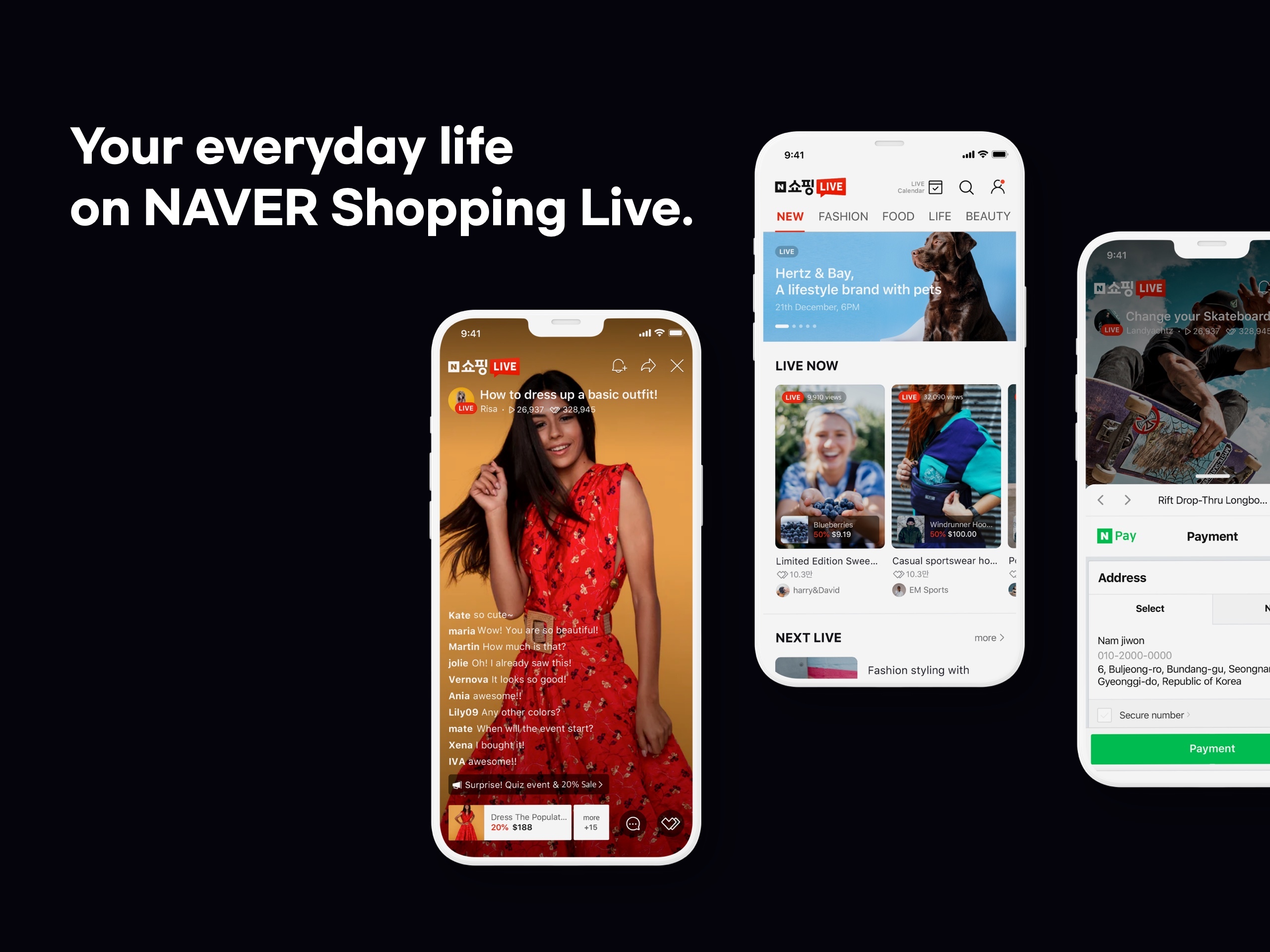
In recent years, live commerce has taken South Korea by storm, with Naver Shopping Live emerging as the dominant platform in the space. Naver Shopping Live allows brands to create live, interactive shopping experiences that engage audiences and drive sales. Through its unique blend of live streaming and e-commerce, it has become a cornerstone of digital marketing strategies for businesses across the country.
Why Naver Shopping Live is Leading the Digital Commerce Revolution
Naver Shopping Live is South Koreas largest live commerce platform, with a market share that far exceeds its competitors. As of 2023, 73.6% of mobile shoppers in South Korea chose Naver Shopping Live as their primary platform, leaving competitors such as Kakao Shopping Live (41.9%) and ZEM Live (20.3%) far behind. This remarkable dominance is a testament to the platform’s ability to meet the needs of both consumers and brands.
SME (Small and Medium Enterprises) transaction share: 50% of total transactions
These figures illustrate not only Naver Shopping Live’s popularity among consumers but also its growing importance as a channel for businesses of all sizes. The platform has become a vital tool for small businesses to reach wider audiences and increase sales, thanks to its seamless integration with Naver’s broader ecosystem and its easy-to-use features.
Key Factors Behind Naver Shopping Live’s Success
Several factors contribute to the rapid growth and success of Naver Shopping Live:
Stable Live Video Streaming Technology: Naver has invested heavily in technology, ensuring that broadcasts are stable, high-quality, and engaging for users.
AI and Vision Technology Integration: By leveraging advanced AI and visual technologies, Naver Shopping Live offers personalized shopping experiences that enhance user engagement and drive conversions.
Introduction of Short-Form Video: The addition of short-form videos has lowered the entry barriers for sellers, making it easier for smaller brands and individual entrepreneurs to create and share content, thus boosting overall participation.
To understand the power and potential of Naver Shopping Live, its helpful to look at a real-world example of how the platform was used to drive a successful digital marketing campaign. One such example is the Mercedes-Benz EQA launch in South Korea, which showcased the platform’s capabilities in creating immersive, engaging, and interactive shopping experiences.
Mercedes-Benz recognized that reaching younger, digitally native consumers was essential for launching their EQA electric SUV. The brand needed a platform that would resonate with Millennials and Gen Z, who are not only tech-savvy but also highly engaged in live streaming and social commerce. Naver Shopping Live provided the perfect opportunity to connect with this audience in a creative and impactful way.
Mercedes-Benz chose Naver Shopping Live to host a digital live concert, a unique approach that blended entertainment with product promotion. Rather than following the traditional route of a static product showcase, the campaign featured live performances by popular Korean artists such as pH-1, Jessie, and Heize. This immersive concert experience created an engaging environment where the EQA was introduced alongside dynamic performances, appealing directly to the MZ generations love for music and culture.
The campaign leveraged several key features of Naver Shopping Live:
Pre-event Teasers: To build anticipation for the live concert, Mercedes-Benz utilized Naver Ads to promote the event across the platform. Display ads and outlink banners were used to generate buzz in the days leading up to the event.
Real-Time Viewer Engagement: During the 60-minute live concert, viewers were encouraged to interact in real-time through live comments and chat features. This created a sense of community and direct engagement between the brand and its audience.
Seamless Conversion: Outlink banners were also integrated into the live broadcast, providing viewers with easy access to EQA test drive sign-ups. This integration of e-commerce and entertainment enabled Mercedes-Benz to drive immediate conversions during the event itself.
The results from the Mercedes-Benz campaign were remarkable, showcasing Naver Shopping Lives effectiveness as a digital marketing tool. Key metrics included:
Over 800,000 cumulative viewers tuned in to the live concert.
The event peaked at 5,800 concurrent viewers, demonstrating the platforms ability to handle large-scale live events.
15,000+ clicks on the test drive sign-up banners were recorded during the live broadcast.
A 170% increase in daily qualified clicks (QC) was achieved, highlighting the success of the campaign in driving meaningful engagement.
These statistics illustrate how Naver Shopping Live can effectively combine entertainment, engagement, and sales to achieve impressive results for brands.
The Future of Digital Marketing with Naver Shopping Live
The success of campaigns like the Mercedes-Benz EQA launch further solidifies Naver Shopping Live as a powerful tool for digital marketing. Its ability to merge entertainment, e-commerce, and real-time interactivity makes it an essential platform for businesses aiming to connect with modern consumers.
As South Koreas live commerce leader, Naver Shopping Live will continue to shape the future of digital marketing, especially in industries like luxury automobiles, fashion, and electronics. By providing a platform where brands can create authentic, engaging, and impactful experiences, Naver Shopping Live is positioning itself as a key player in the future of digital marketing, driving both brand awareness and conversion rates for businesses across all sectors.
When it comes to online advertising in Korea, Naver Display Ads are a powerful tool that can drive significant growth for businesses. One notable success story is Nike Korea, which effectively leveraged Naver Display Ads with the help of Echomarketing Agency to boost awareness and engagement for its Nike Members Day event. This case study shows how Nike used Naver’s advertising solutions to amplify its brand visibility and increase customer interest.
Brand Overview: Nike
Nike, headquartered in Beaverton, Oregon, is a leading global brand in sportswear, fitness apparel, equipment, and accessories. Known for its innovative design and marketing, Nike continues to dominate in both the retail and online spaces.
In line with its goal to foster an active lifestyle, Nike has consistently aligned its campaigns with meaningful events, including its annual Members Day in South Korea.
Campaign Objective: Amplifying Awareness for Nike Members Day The primary objective of Nike’s campaign was to maximize awareness and anticipation for its Members Day event, which takes place in two phases: Pre-heat and Launch.
On October 15, 2023, a key date marking the last day of the Pre-heat phase, Nike wanted to generate excitement and anticipation for the Members Day event. By using Naver, Nike effectively aligned this campaign with Korea?s National Sports Day, under the brand?s vision of ?Make sport a daily habit.?
Naver Display Ads Solutions: The Triple Crown Strategy
Nike’s campaign leveraged Naver?s Triple Crown advertising solution, which consists of three high-impact ad formats: Special Logo, Headline Display Ads (DA), and Special Display Ads (DA). Each of these formats played a critical role in driving the success of the campaign.
Special Logo: Nike utilized Naver?s Special Logo feature to display a custom-designed logo that matched its brand colors and National Sports Day theme. This logo, prominently displayed on Naver?s homepage, helped build anticipation for the upcoming event.
Headline DA: In addition to the logo, Nike ran Headline Display Ads that highlighted the Members Day event. These ads prominently displayed the event dates, creating a sense of urgency and encouraging users to participate.
Special DA: Nike also ran Special Display Ads that showcased its key campaign message and promotional offers. These ads targeted premium placements on Naver?s high-traffic pages, ensuring maximum visibility.
Creating a Seamless User Flow
Nike?s strategy focused on creating a seamless user flow from Naver to its own website. The Special Logo was clickable, leading users to a custom search result page that celebrated National Sports Day. At the top of this page, Nike displayed its Members Day event banner, which encouraged users to visit Nike?s event page on its website. This created a smooth and natural transition for users, driving them directly to Nike?s online store to explore products and promotions.
By using multiple ad formats and carefully planning their placement, Nike effectively built excitement, drove traffic to its website, and provided users with a consistent brand experience across the Naver platform.
Campaign Results: Record-Breaking Search Queries and Engagement
The Triple Crown strategy proved to be highly successful for Nike. Key metrics from the campaign include:
25% Increase in Search Queries: On October 15, Nike saw a 25% increase in search queries compared to the previous day. This resulted in the highest daily search volume for the brand in October. This indicates a significant boost in brand visibility and user interest.
Highest CTR for the Year: The campaign achieved the highest Click-Through Rate (CTR) for a banner ad on the integrated search results page in 2023. This underscores the effectiveness of Naver’s Triple Crown format in driving user engagement.
Halo Impact Across Media: The success of the campaign demonstrated the ?Halo Effect? of display media on search performance. By combining search and display ads, Nike was able to create a full-funnel marketing approach that boosted both brand awareness and direct engagement.
Key Takeaways: Why Naver Display Ads Work for Large-Scale Campaigns
Nike?s campaign serves as an excellent example of how Naver Display Ads can be leveraged for large-scale branding and performance marketing. Here?s why the campaign worked so well:
Strategic Timing: Aligning the campaign with National Sports Day helped Nike resonate with a broader audience, tying its event to a meaningful national celebration.
Comprehensive Ad Solutions: The use of multiple ad formats, including Special Logo and Display Ads, ensured that Nike?s message was visible across different parts of the Naver ecosystem.
Seamless User Experience: By creating a smooth user journey from Naver to Nike?s website, the brand was able to convert search interest into actual traffic and engagement on its online store.
Data-Driven Insights: The campaign?s impressive CTR and search query increases highlight the importance of tracking and optimizing for both brand visibility and performance. Nike?s success shows that a well-rounded strategy incorporating both display and search can drive significant business results.
Conclusion: Naver Display Ads as a Key Tool for Branding and Performance
Nike?s use of Naver Display Ads illustrates how powerful the platform can be for large-scale marketing campaigns. By utilizing Naver?s unique ad formats and premium placements, Nike was able to drive a significant increase in brand awareness and engagement, particularly during a key promotional event.
For businesses looking to make a lasting impact in the Korean market, Naver Display Ads offer a powerful combination of reach, visibility, and performance. With customizable solutions that can fit a variety of marketing objectives, Naver is the go-to platform for brands aiming to amplify their presence and drive measurable results.
Expanding into new markets or selling overseas presents unique challenges and opportunities. Understanding the nuances of search engines in different regions is crucial. This article delves into the differences of Naver vs Google, focusing on how these differences can impact your digital marketing strategies whether youre a company entering the Korean market or a Korean business looking to expand internationally.
By the end of 2022, Googles market share in South Korea was 26.8%, which surged to 35.3% by the end of March 2023, closing the gap with market leader Naver.
Nevertheless, Naver maintains a strong position thanks to its integrated portal services, user-generated content, and deep cultural relevance. The ongoing competition between these two search giants highlights the importance of localization and understanding unique market dynamics in the global tech landscape.
Recognizing and leveraging the differences of Naver vs Google can significantly enhance your marketing effectiveness. Lets dive into the differences between these two platforms.
Naver: Integrated Search Platform Based on Portals
Naver is a familiar portal site for Koreans, offering a comprehensive range of services beyond just search, including news, blogs, cafes, and shopping. This integration allows ads on Naver to appear in various forms across its diverse channels.
For instance, if youre running a cosmetics brand, your ads on Naver can appear not only in search results but also in beauty-related blogs or cafes. This broad exposure through multiple channels is a significant advantage of Naver.
Google: Pure Search Engine Platform
Conversely, Google is renowned as the “king of search,” focusing primarily on its powerful search engine. Googles search results are straightforward yet precise, which makes it highly effective at displaying ads that closely match user search intents.
For example, if someone searches for “laptop recommendations,” Google will show ads for relevant laptops, based on the users intention to purchase. This approach contributes to Googles high conversion rates.
Naver vs Google: Search Results Page Structure
Next, lets compare the search results page structures of Naver and Google. Understanding these differences will guide how to effectively display ads on each platform.
Naver: Sectioned Results
Navers search results page is divided into several sections: Power Links, Blogs, Cafes, Knowledge iN, News, etc. This structure allows advertisers to place ads across various sections in different formats.
For example, if youve launched a new diet product, you could use Navers advertising methods as follows:
Power Links: Display ads at the top of search results for keywords like “diet.”
Blog Section: Show product reviews in blog content.
Cafe Section: Post ads in diet-related cafes.
Knowledge iN: Use Q&A format for indirect advertising.
Leveraging these sections allows multiple exposures to potential customers. However, each section requires a distinct approach: information-based content for blogs and direct sales messages for Power Links.
Google: Simple and Unified Results Page
Googles search results page is much simpler compared to Navers. It primarily lists text-based search results and ads together. Thus, creating ads that precisely match the users search intent is crucial on Google.
For example, if youre selling an online English learning program, you might:
Search Ads: Run ads with keywords like “online English learning.”
Highlight Unique Selling Points: Emphasize features like “free trials” and “native 1:1 lessons.”
Optimize Landing Page: Ensure it matches the search keywords.
Remarketing: Continuously show ads to website visitors.
Googles emphasis on ad quality scores means using relevant keywords and optimizing landing pages are key. Understanding user intent and aligning your ads accordingly is essential.
Naver vs Google: Ad Types
Now, let’s look at the specific ad types offered by Naver and Google. Understanding these can help you develop more effective advertising strategies.
For example, if launching a new smartphone accessory brand, you could:
Power Links: Advertise with keywords like “smartphone cases” and “wireless chargers.”
Brand Search: Use banner ads to emphasize brand image and introduce new products.
Content Search Ads: Display ads in blogs or cafes with keywords like “smartphone accessory recommendations.”
Combining these ad types allows for a multifaceted approach to reaching potential customers. However, each type requires a different strategy: direct purchase incentives for Power Links and information provision for content search ads.
Google Ad Types
Google also offers diverse ad types:
Search Ads: Text ads related to users’ search queries displayed on search results pages.
Display Ads: Banner ads shown across various websites in the Google Display Network.
Video Ads: Ads displayed in video format on platforms like YouTube.
For example, if running an online furniture store, you could:
Search Ads: Use keywords like “modern living room furniture” or “affordable sofas” to drive traffic to your store.
Display Ads: Show banner ads on home dcor blogs or interior design websites to capture potential buyers.
Video Ads: Create short videos showcasing your furniture collections or offering decorating tips on platforms like YouTube, with a link to your product pages.
Googles strength lies in its refined targeting options. For example, targeting users interested in home dcor or furniture who are 25-45 years old, or recent searchers for topics like “living room design ideas” or “furniture shopping,” enhances ad efficiency.
Naver vs Google: Keyword Management
Keywords are central to search advertising. Naver and Google differ in how they manage and expand keywords. Understanding these differences can help you develop more effective keyword strategies.
Naver: Manual Keyword Management with Limited Expansion
Naver generally relies on manual keyword management, requiring advertisers to select and manage keywords themselves. This method allows for precise control but can be time-consuming.
For instance, if running a pet shop:
Select Core Keywords: Choose keywords like “dog supplies” and “cat food.”
Use Related Searches: Identify and add related keywords like “dog toys” and “dog clothes.”
Seasonal Keywords: Manually add keywords like “dog cooling mats” for summer and “dog padding” for winter.
Negative Keywords: Exclude irrelevant clicks with negative keywords like “free” or “cheap.”
Careful manual keyword management is crucial for aligning with your business needs.
Google: Advanced Keyword Expansion with Machine Learning Optimization
Google offers advanced keyword management features and automated optimization through machine learning, reducing manual effort while enhancing strategy effectiveness.
Googles key keyword management features include:
Keyword Planner: Provides new keyword ideas and data on search volume and competition.
Automated Keyword Expansion: Automatically displays ads for keywords similar to the ones set.
Dynamic Search Ads: Automatically targets relevant search queries based on website content.
For a pet shop:
Use Keyword Planner: Analyze related keywords and their search volumes.
Automated Keyword Expansion: Set a keyword like “dog food” and let Google expand it to related terms.
Dynamic Search Ads: Automatically target ads based on your websites content.
While Googles automation features reduce effort, periodic checks and adjustments are necessary to ensure keyword relevance.
Naver vs Google: Targeting Options
Lets explore the targeting options available on Naver and Google. Precise targeting is crucial for maximizing ad efficiency.
Naver: Basic Targeting Options
Naver offers relatively basic targeting options:
Geographical Targeting: Display ads to users in specific regions.
Time Targeting: Show ads during specific times of the day.
Day-of-Week Targeting: Target ads to specific days of the week.
Gender Targeting: Focus ads on male or female users.
For instance, if operating a fitness center in Seoul:
Geographical Targeting: Set ads for Seoul and nearby areas.
Time Targeting: Focus on evening hours, from 6 PM to 10 PM.
Day-of-Week Targeting: Target weekdays when people are more likely to exercise.
Gender Targeting: Aim ads at women aged 20-30, your primary clientele.
However, Navers targeting options are less advanced compared to Google.
Demographic Targeting: Age, gender, parental status, etc.
Geographical Targeting: Country, city, radius, etc.
Language Targeting: Ads for specific language users.
Device Targeting: Mobile, desktop, tablet, etc.
Interest Targeting: Users based on interests or behaviors.
Remarketing: Target previous website visitors.
For the fitness center:
Demographic Targeting: Set ads for women aged 25-45.
Geographical Targeting: Focus on a 5 km radius around a specific area in Seoul.
Device Targeting: Target mobile users, as they often search for fitness information on mobile devices.
Interest Targeting: Focus on users interested in “fitness,” “diet,” and “health.”
Remarketing: Re-target users who visited your website but didnt sign up.
Googles detailed targeting options enhance ad effectiveness but balancing reach with specificity is crucial.
Naver vs Google: Advertising Management Approaches
Naver and Google also differ in their advertising management approaches. Understanding these differences will help you create effective strategies for each platform.
Googles automated management saves time but requires monitoring and adjustments.
Conclusion: Navigating the Landscape
Below is a summary of the key differences between Naver and Google, providing a clear comparison to guide your decision-making process.
Choosing between Naver vs Google for your digital advertising efforts involves evaluating several factors, including your target audience, preferred ad types, and keyword management approach. Navers diverse ad placements within its integrated platform offer a unique advantage for reaching Korean users, while Googles precise targeting and automated keyword expansion provide efficiency and global reach. By understanding these differences, you can tailor your advertising strategy to maximize effectiveness and achieve your marketing goals.
Growth Marketing Agency is a certified partner with Naver, leveraging our extensive expertise to navigate the nuances of both Naver and Google. Our deep understanding of these search engines enables us to craft tailored strategies that optimize your digital presence and drive results in the Korean market and beyond.