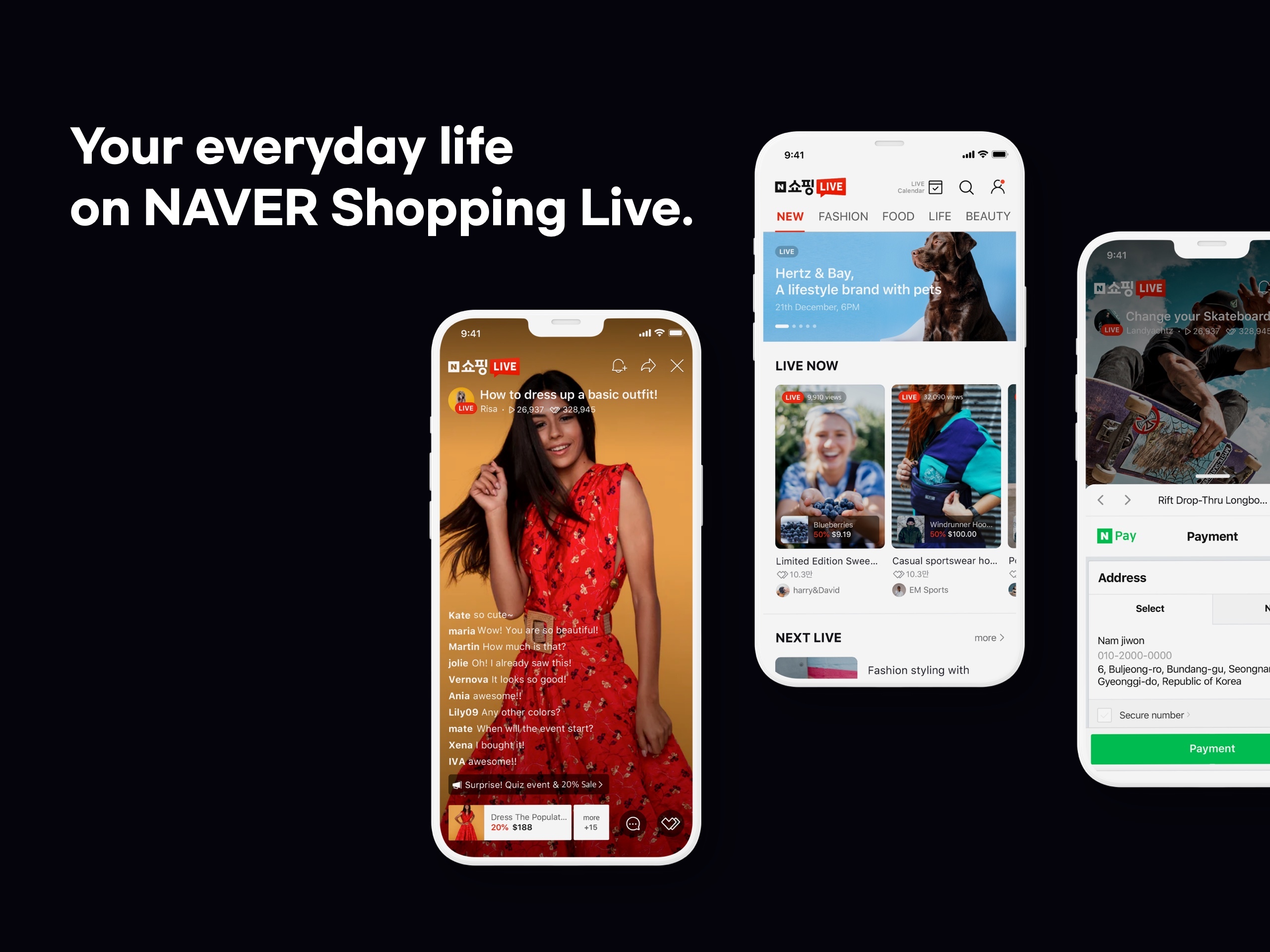
In recent years, live commerce has taken South Korea by storm, with Naver Shopping Live emerging as the dominant platform in the space. Naver Shopping Live allows brands to create live, interactive shopping experiences that engage audiences and drive sales. Through its unique blend of live streaming and e-commerce, it has become a cornerstone of digital marketing strategies for businesses across the country.
Why Naver Shopping Live is Leading the Digital Commerce Revolution
Naver Shopping Live is South Koreas largest live commerce platform, with a market share that far exceeds its competitors. As of 2023, 73.6% of mobile shoppers in South Korea chose Naver Shopping Live as their primary platform, leaving competitors such as Kakao Shopping Live (41.9%) and ZEM Live (20.3%) far behind. This remarkable dominance is a testament to the platform’s ability to meet the needs of both consumers and brands.
SME (Small and Medium Enterprises) transaction share: 50% of total transactions
These figures illustrate not only Naver Shopping Live’s popularity among consumers but also its growing importance as a channel for businesses of all sizes. The platform has become a vital tool for small businesses to reach wider audiences and increase sales, thanks to its seamless integration with Naver’s broader ecosystem and its easy-to-use features.
Key Factors Behind Naver Shopping Live’s Success
Several factors contribute to the rapid growth and success of Naver Shopping Live:
Stable Live Video Streaming Technology: Naver has invested heavily in technology, ensuring that broadcasts are stable, high-quality, and engaging for users.
AI and Vision Technology Integration: By leveraging advanced AI and visual technologies, Naver Shopping Live offers personalized shopping experiences that enhance user engagement and drive conversions.
Introduction of Short-Form Video: The addition of short-form videos has lowered the entry barriers for sellers, making it easier for smaller brands and individual entrepreneurs to create and share content, thus boosting overall participation.
To understand the power and potential of Naver Shopping Live, its helpful to look at a real-world example of how the platform was used to drive a successful digital marketing campaign. One such example is the Mercedes-Benz EQA launch in South Korea, which showcased the platform’s capabilities in creating immersive, engaging, and interactive shopping experiences.
Mercedes-Benz recognized that reaching younger, digitally native consumers was essential for launching their EQA electric SUV. The brand needed a platform that would resonate with Millennials and Gen Z, who are not only tech-savvy but also highly engaged in live streaming and social commerce. Naver Shopping Live provided the perfect opportunity to connect with this audience in a creative and impactful way.
Mercedes-Benz chose Naver Shopping Live to host a digital live concert, a unique approach that blended entertainment with product promotion. Rather than following the traditional route of a static product showcase, the campaign featured live performances by popular Korean artists such as pH-1, Jessie, and Heize. This immersive concert experience created an engaging environment where the EQA was introduced alongside dynamic performances, appealing directly to the MZ generations love for music and culture.
The campaign leveraged several key features of Naver Shopping Live:
Pre-event Teasers: To build anticipation for the live concert, Mercedes-Benz utilized Naver Ads to promote the event across the platform. Display ads and outlink banners were used to generate buzz in the days leading up to the event.
Real-Time Viewer Engagement: During the 60-minute live concert, viewers were encouraged to interact in real-time through live comments and chat features. This created a sense of community and direct engagement between the brand and its audience.
Seamless Conversion: Outlink banners were also integrated into the live broadcast, providing viewers with easy access to EQA test drive sign-ups. This integration of e-commerce and entertainment enabled Mercedes-Benz to drive immediate conversions during the event itself.
The results from the Mercedes-Benz campaign were remarkable, showcasing Naver Shopping Lives effectiveness as a digital marketing tool. Key metrics included:
Over 800,000 cumulative viewers tuned in to the live concert.
The event peaked at 5,800 concurrent viewers, demonstrating the platforms ability to handle large-scale live events.
15,000+ clicks on the test drive sign-up banners were recorded during the live broadcast.
A 170% increase in daily qualified clicks (QC) was achieved, highlighting the success of the campaign in driving meaningful engagement.
These statistics illustrate how Naver Shopping Live can effectively combine entertainment, engagement, and sales to achieve impressive results for brands.
The Future of Digital Marketing with Naver Shopping Live
The success of campaigns like the Mercedes-Benz EQA launch further solidifies Naver Shopping Live as a powerful tool for digital marketing. Its ability to merge entertainment, e-commerce, and real-time interactivity makes it an essential platform for businesses aiming to connect with modern consumers.
As South Koreas live commerce leader, Naver Shopping Live will continue to shape the future of digital marketing, especially in industries like luxury automobiles, fashion, and electronics. By providing a platform where brands can create authentic, engaging, and impactful experiences, Naver Shopping Live is positioning itself as a key player in the future of digital marketing, driving both brand awareness and conversion rates for businesses across all sectors.
When it comes to online advertising in Korea, Naver Display Ads are a powerful tool that can drive significant growth for businesses. One notable success story is Nike Korea, which effectively leveraged Naver Display Ads with the help of Echomarketing Agency to boost awareness and engagement for its Nike Members Day event. This case study shows how Nike used Naver’s advertising solutions to amplify its brand visibility and increase customer interest.
Brand Overview: Nike
Nike, headquartered in Beaverton, Oregon, is a leading global brand in sportswear, fitness apparel, equipment, and accessories. Known for its innovative design and marketing, Nike continues to dominate in both the retail and online spaces.
In line with its goal to foster an active lifestyle, Nike has consistently aligned its campaigns with meaningful events, including its annual Members Day in South Korea.
Campaign Objective: Amplifying Awareness for Nike Members Day The primary objective of Nike’s campaign was to maximize awareness and anticipation for its Members Day event, which takes place in two phases: Pre-heat and Launch.
On October 15, 2023, a key date marking the last day of the Pre-heat phase, Nike wanted to generate excitement and anticipation for the Members Day event. By using Naver, Nike effectively aligned this campaign with Korea?s National Sports Day, under the brand?s vision of ?Make sport a daily habit.?
Naver Display Ads Solutions: The Triple Crown Strategy
Nike’s campaign leveraged Naver?s Triple Crown advertising solution, which consists of three high-impact ad formats: Special Logo, Headline Display Ads (DA), and Special Display Ads (DA). Each of these formats played a critical role in driving the success of the campaign.
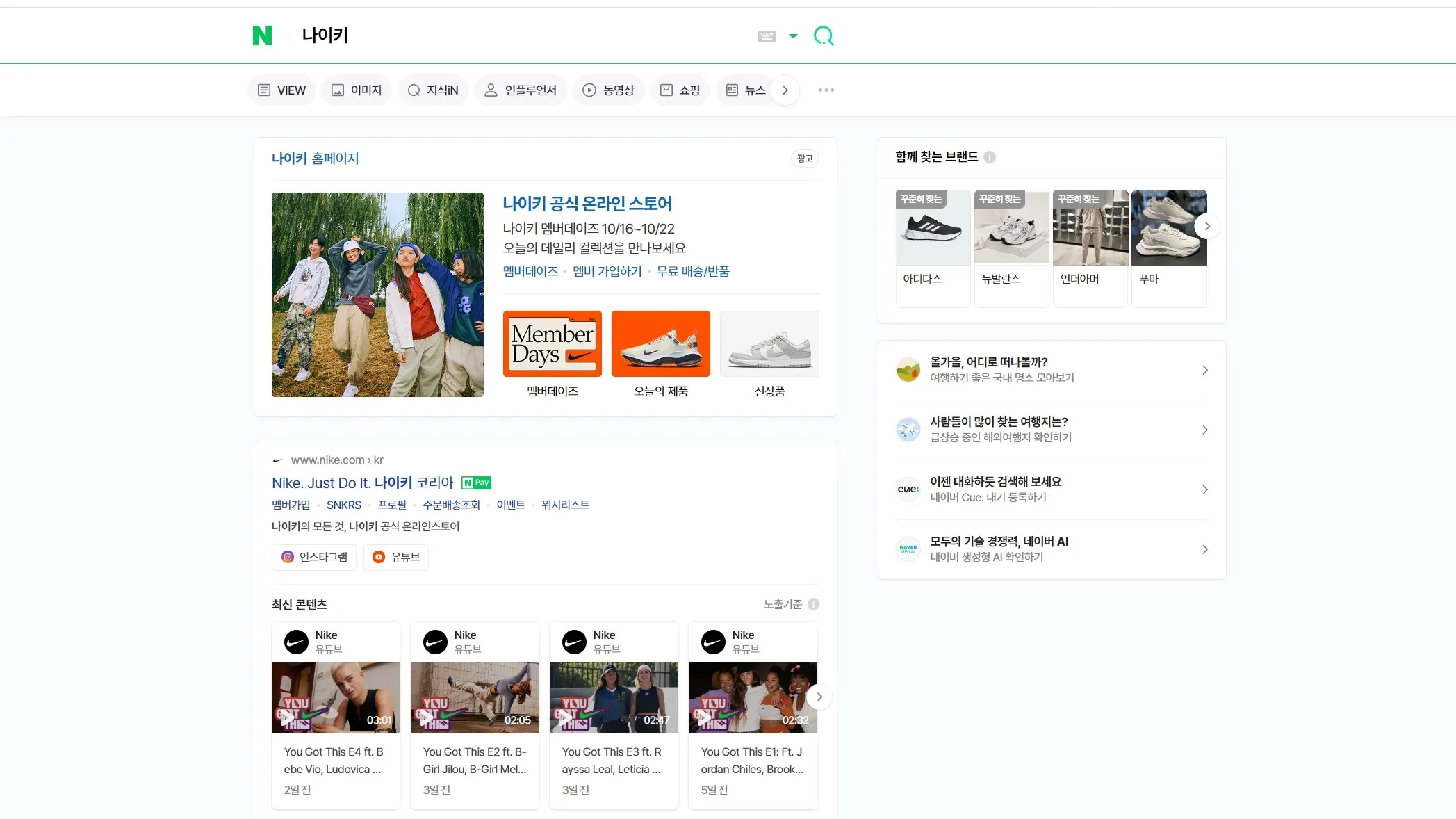
Special Logo: Nike utilized Naver?s Special Logo feature to display a custom-designed logo that matched its brand colors and National Sports Day theme. This logo, prominently displayed on Naver?s homepage, helped build anticipation for the upcoming event.
Headline DA: In addition to the logo, Nike ran Headline Display Ads that highlighted the Members Day event. These ads prominently displayed the event dates, creating a sense of urgency and encouraging users to participate.
Special DA: Nike also ran Special Display Ads that showcased its key campaign message and promotional offers. These ads targeted premium placements on Naver?s high-traffic pages, ensuring maximum visibility.
Creating a Seamless User Flow
Nike?s strategy focused on creating a seamless user flow from Naver to its own website. The Special Logo was clickable, leading users to a custom search result page that celebrated National Sports Day. At the top of this page, Nike displayed its Members Day event banner, which encouraged users to visit Nike?s event page on its website. This created a smooth and natural transition for users, driving them directly to Nike?s online store to explore products and promotions.
By using multiple ad formats and carefully planning their placement, Nike effectively built excitement, drove traffic to its website, and provided users with a consistent brand experience across the Naver platform.
Campaign Results: Record-Breaking Search Queries and Engagement
The Triple Crown strategy proved to be highly successful for Nike. Key metrics from the campaign include:
25% Increase in Search Queries: On October 15, Nike saw a 25% increase in search queries compared to the previous day. This resulted in the highest daily search volume for the brand in October. This indicates a significant boost in brand visibility and user interest.
Highest CTR for the Year: The campaign achieved the highest Click-Through Rate (CTR) for a banner ad on the integrated search results page in 2023. This underscores the effectiveness of Naver’s Triple Crown format in driving user engagement.
Halo Impact Across Media: The success of the campaign demonstrated the ?Halo Effect? of display media on search performance. By combining search and display ads, Nike was able to create a full-funnel marketing approach that boosted both brand awareness and direct engagement.
Key Takeaways: Why Naver Display Ads Work for Large-Scale Campaigns
Nike?s campaign serves as an excellent example of how Naver Display Ads can be leveraged for large-scale branding and performance marketing. Here?s why the campaign worked so well:
Strategic Timing: Aligning the campaign with National Sports Day helped Nike resonate with a broader audience, tying its event to a meaningful national celebration.
Comprehensive Ad Solutions: The use of multiple ad formats, including Special Logo and Display Ads, ensured that Nike?s message was visible across different parts of the Naver ecosystem.
Seamless User Experience: By creating a smooth user journey from Naver to Nike?s website, the brand was able to convert search interest into actual traffic and engagement on its online store.
Data-Driven Insights: The campaign?s impressive CTR and search query increases highlight the importance of tracking and optimizing for both brand visibility and performance. Nike?s success shows that a well-rounded strategy incorporating both display and search can drive significant business results.
Conclusion: Naver Display Ads as a Key Tool for Branding and Performance
Nike?s use of Naver Display Ads illustrates how powerful the platform can be for large-scale marketing campaigns. By utilizing Naver?s unique ad formats and premium placements, Nike was able to drive a significant increase in brand awareness and engagement, particularly during a key promotional event.
For businesses looking to make a lasting impact in the Korean market, Naver Display Ads offer a powerful combination of reach, visibility, and performance. With customizable solutions that can fit a variety of marketing objectives, Naver is the go-to platform for brands aiming to amplify their presence and drive measurable results.
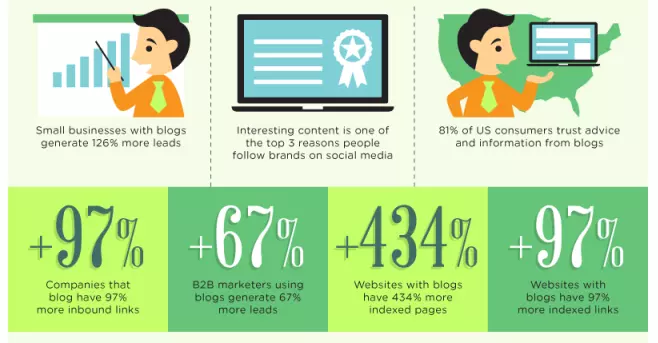
Regularly posting high-quality content on your corporate blog website increases visibility in search engines, which in turn leads to increased traffic for your site.
Providing useful information related to your products or services through your corporate blog can greatly assist in attracting potential customers.
Additionally, you can generate leads by encouraging blog readers to subscribe to newsletters or sign up for free trials.
Through corporate blogs, you can also communicate the value and expertise of your brand or build relationships by engaging with readers.
Such activities help boost brand awareness and customer loyalty.
While there are many benefits to running a corporate blog, the majority of blogging efforts tend to fail.
The main reason corporate blogs fail is that they start without understanding their audience. Blogs that focus only on what the company wants to say, without considering the interests of the target audience, struggle to gain traction.
Content marketing through a corporate blog requires a long-term strategy, but if done effectively, it can greatly benefit business growth.
This guide covers everything you need to know to grow your corporate blog, from foundational elements to promotional strategies.
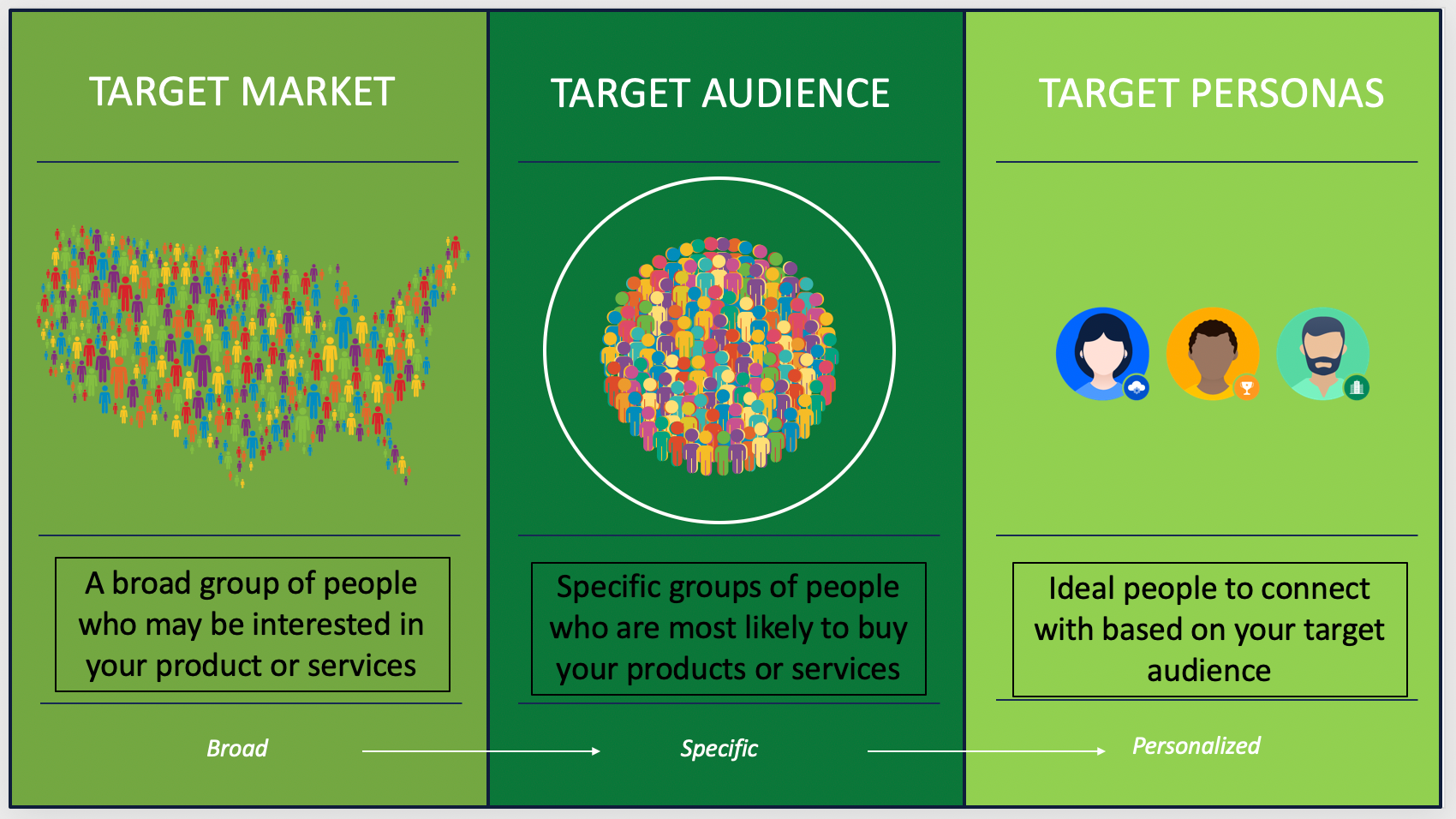
Identifying and categorizing your blog users is an essential step toward successful blog marketing.
By identifying and categorizing users, you can provide more targeted content to your readers, better understanding their needs and interests.
Knowing who is reading your blog is crucial for several reasons:
Relationship Building: Understanding your audience helps you build relationships. By responding to comments and questions and engaging on social media, you can create a community around your blog, increasing loyalty and brand advocacy.
Tailored Content: You can customize your content to meet specific needs and interests, increasing the relevance of your blog for the target audience and enhancing engagement, which may lead to conversions.
Performance Measurement: Understanding your audience helps measure your blog’s success. Track metrics like page views, bounce rate, and time spent on the page to see what resonates with potential customers and what doesnt. This information can be used to improve blog performance.
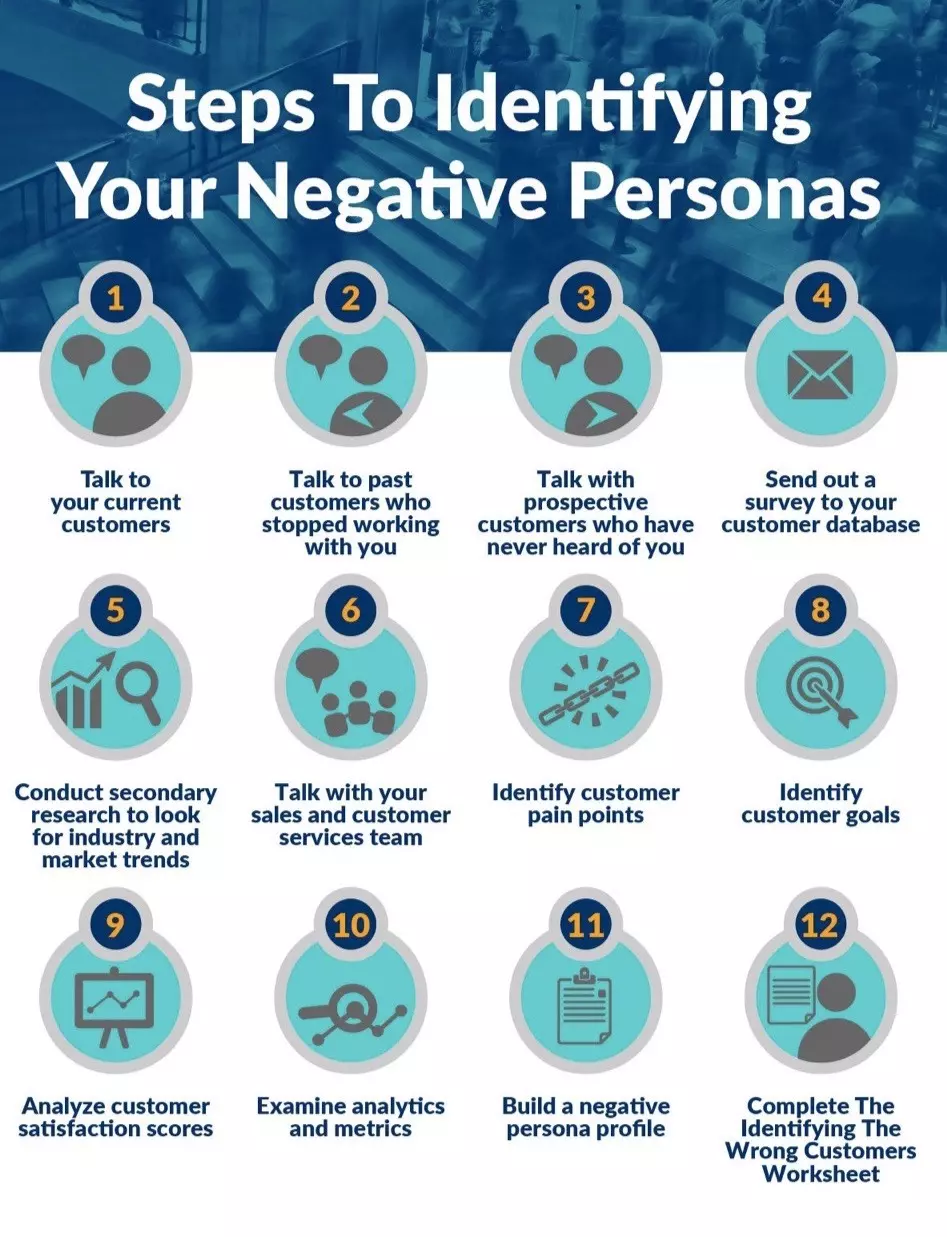
Negative Buyer Personas represent those who are not ideal customers. Analyzing and understanding negative personas helps you avoid creating content that may be irrelevant or off-putting to them.
For example, in a software company, a negative persona could be someone uninterested in technology or lacking the budget for the product. Understanding these personas helps avoid producing overly technical or unaffordable content.
Persona Development Strategy
To identify your corporate blogs target audience, follow these steps:
Analyze Existing Customers: Look at your best customers. What are their demographics, interests, and pain points? By understanding them well, you can craft content that captures their attention.
Conduct Market Research: Understand industry trends and the challenges your target audience faces. This allows you to create relevant and timely content.
Analyze Competitors: Study what content your competitors are creating and who they are targeting. This can help you better understand your target audience and how to reach them.
Methodology
Interviews with Readers and Users
Analyzing Contact Databases
Using Forms to Capture User Information
Examining Who the Sales Team Engages with Most Frequently
These methods allow you to analyze who is likely to read your corporate blog and develop personas based on insights gathered from real-world data.
Creating Engaging Blog Content
Your readers are influenced by every part of the blog, from style to topic. To attract organic traffic, it’s essential to write about topics users are actively searching for. Heres how you can achieve that:
Finding Persona-Centered Keywords
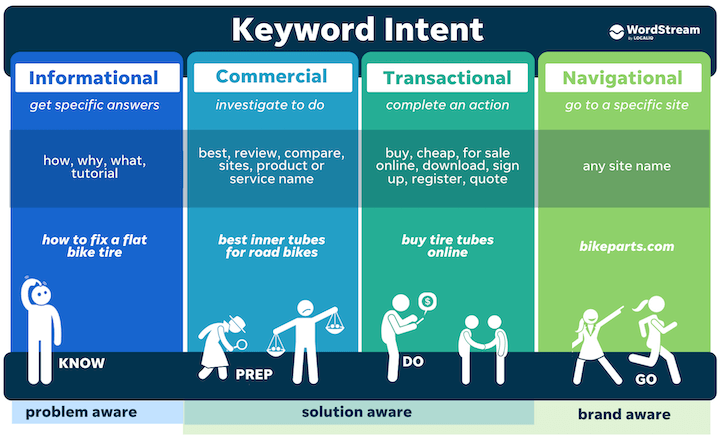
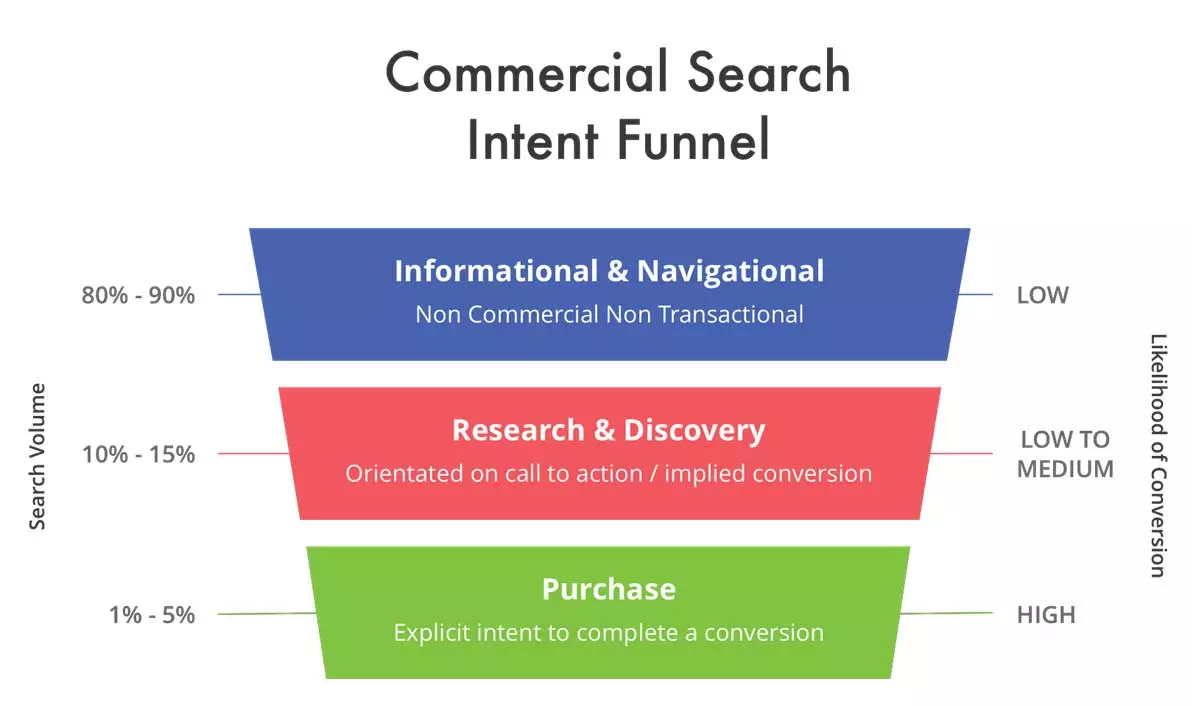
Keywords can be broken down into different intentsinformational, navigational, transactional, and commercial. Persona-centered keywords relate to the needs, interests, and pain points of your target audience. (Source: How to Do Keyword Research: The Easy, Step-by-Step Guide)
Finding the right keywords involves understanding what your target audience searches for when seeking solutions or information. Using these keywords helps create relevant content that drives engagement and increases the likelihood of turning visitors into leads.
Here are some ways to find persona-centered keywords:
Start with Buyer Personas: Understanding your buyer personas will help you identify the keywords they are most likely to search for.
Use Keyword Research Tools: Tools like Google Keyword Planner or SEMrush can help you find relevant keywords and their search volumes.
Analyze Competitors: Study your competitors websites and identify the keywords they focus on.
Creating a List of Corporate Blog Content Ideas
A list of corporate blog content ideas should be created based on keywords and prioritized according to the preferences of potential customers.
Once youve developed a persona-based keyword list, you can begin generating content ideas.
Think about various types of content that might interest your target audience. Do they prefer blog posts, news articles, or technical white papers? Do they like watching videos or listening to podcasts? Create a list of various content types using persona-based keywords.
Finally, prioritize your topics. Not all topics are created equal. Some will be more relevant and engaging for your target audience than others. Set priorities based on your audiences needs and interests.
Brainstorm a list of topics that can be written based on each persona-based keyword. For example, if the keyword is “content marketing,” you could write about “how to develop a content marketing strategy,” “tips for writing effective blog posts,” or “how to promote content.”
Persona-based keywords make your content more relevant to your target audience. By creating engaging content based on this data, you can increase corporate blog visitors and generate more leads.
Successful corporate blogs have a unique personality. While it may not be a measurable factor, personality is one of the core aspects of a brand because people are drawn to brands they can relate to.
In life, we tend to form friendships with people who share our tastes and ideas. The same applies to business blogs. Blog readers tend to consume content from brands that resonate with their personality, lifestyle, and interests.
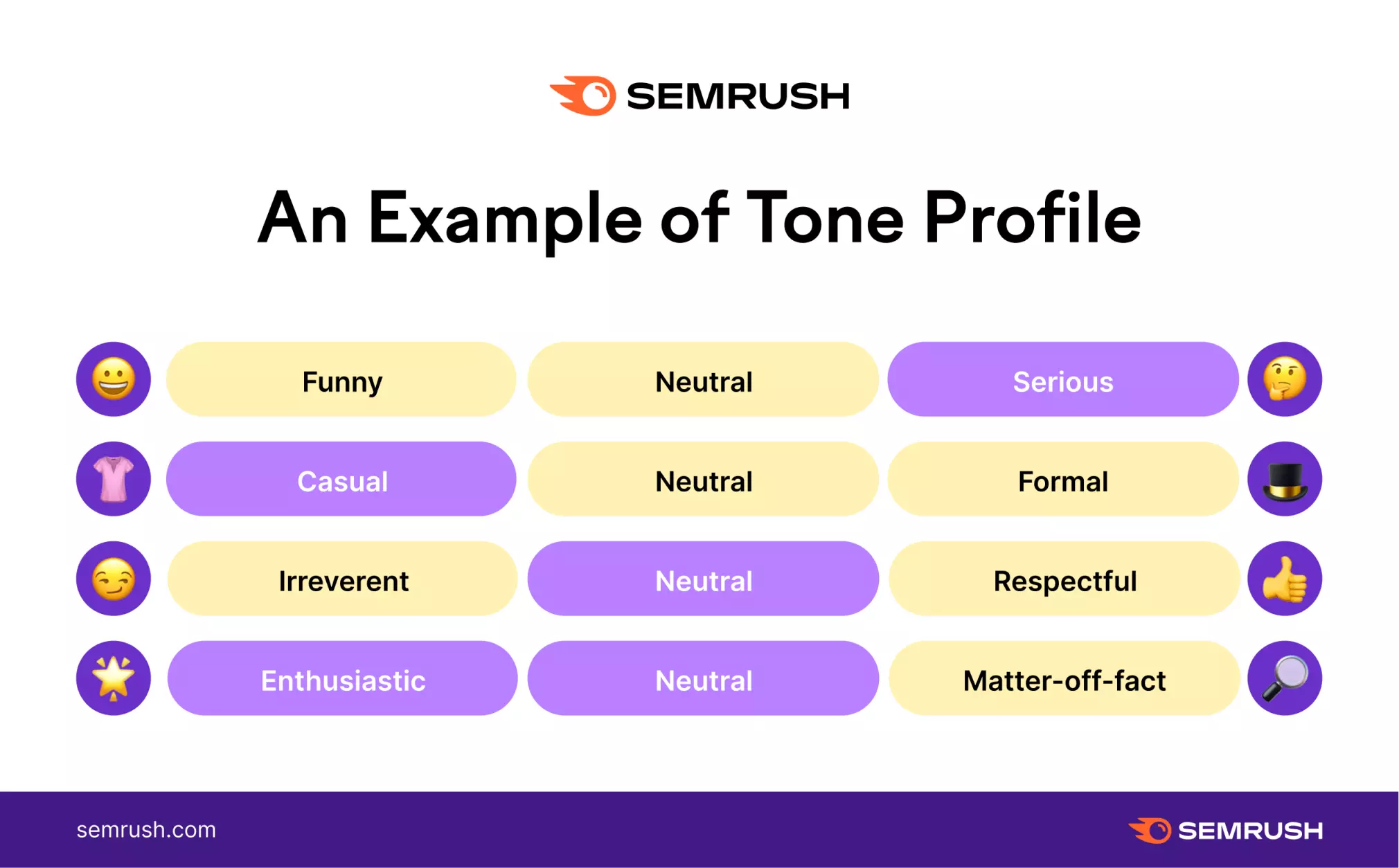
Earlier, we explored the preliminary work of identifying the content types your audience desires. Now, its time to strategize how to create the content. This includes selecting the tone of voice or the image you want to portray.
A good example of a successful corporate blog with a strong identity is Red Bull. Red Bull creates content aimed at an active and energetic audience, presenting it in a style that suits its brand.
Consistent Uploads
The posting frequency of corporate blogs is slightly different from that of social media or email newsletters. You need to consider the frequency and timing of your content posts.
First, review the type of content youre creating and the time it takes to produce. This will help you calculate how often you can post on your blog.
Also, keep your readers habits in mind when scheduling uploads. Think about when they are likely to be online and ready to engage.
For example, Growth Marketing Agency typically uploads at 10 a.m., considering the decision-makers in the business sector.
Once your schedule is set, stick to it. Whether you post daily or weekly, consistency is key.
After determining your blogs posting frequency and audience, use a blog calendar to manage this process in the long term. Pre-planning your posting schedule ensures consistency and efficiency for your corporate blog team.
Even if youve created a corporate blog that matches your audience’s personality, the internet is vast and competitive. To drive new blog traffic, you need to optimize your posts so search engines can easily find them.
For more details on search engine optimization (SEO), check out Growth Marketing Agencys SEO guide. Here, well briefly summarize the practical aspects for running your blog.
Optimizing Post Structure
Custom URLs: A blog posts URL is one of the first things search engines crawl. Create unique URLs that include your blog posts main keyword. A URL thats both search engine and user-friendly can significantly impact how quickly your content ranks higher.
Compelling Titles: Create curiosity-provoking titles that naturally include the words and phrases your target audience searches for. Statistics show that blog titles with 6-13 words generate the most traffic (in English). Search engines will not favor content with high click-through rates but low engagement.
Section Headings: Nearly 50% of people skim blog posts. Make your corporate blog easy to scan by creating clear section headings.
Table of Contents: Users may only want to read one or two sections. Providing a hyperlinked table of contents allows them to navigate your content easily.
Responsive Design: All elements of your corporate blog website must be responsive, ensuring its readable on any device. Some business websites remain incompatible with mobile devices, which gives users the impression that the business isnt attentive to its web presence, resulting in negative feedback.
Optimizing Post Content
Keyword-Relevant Content: Distribute target keywords throughout the corporate blog post. Include commonly used terms related to the keyword as well. However, forcing keywords unnaturally into the content can hurt the reader experience.
Avoid Jargon: No one wants to reach for a dictionary while reading your blog. Use simple, conversational language to explain concepts. Accessible content improves the reader experience.
Short Paragraphs: Readers find it easier to scan blog posts broken into short sections.
Internal Links: Encourage users to explore more content by including internal links to related posts.
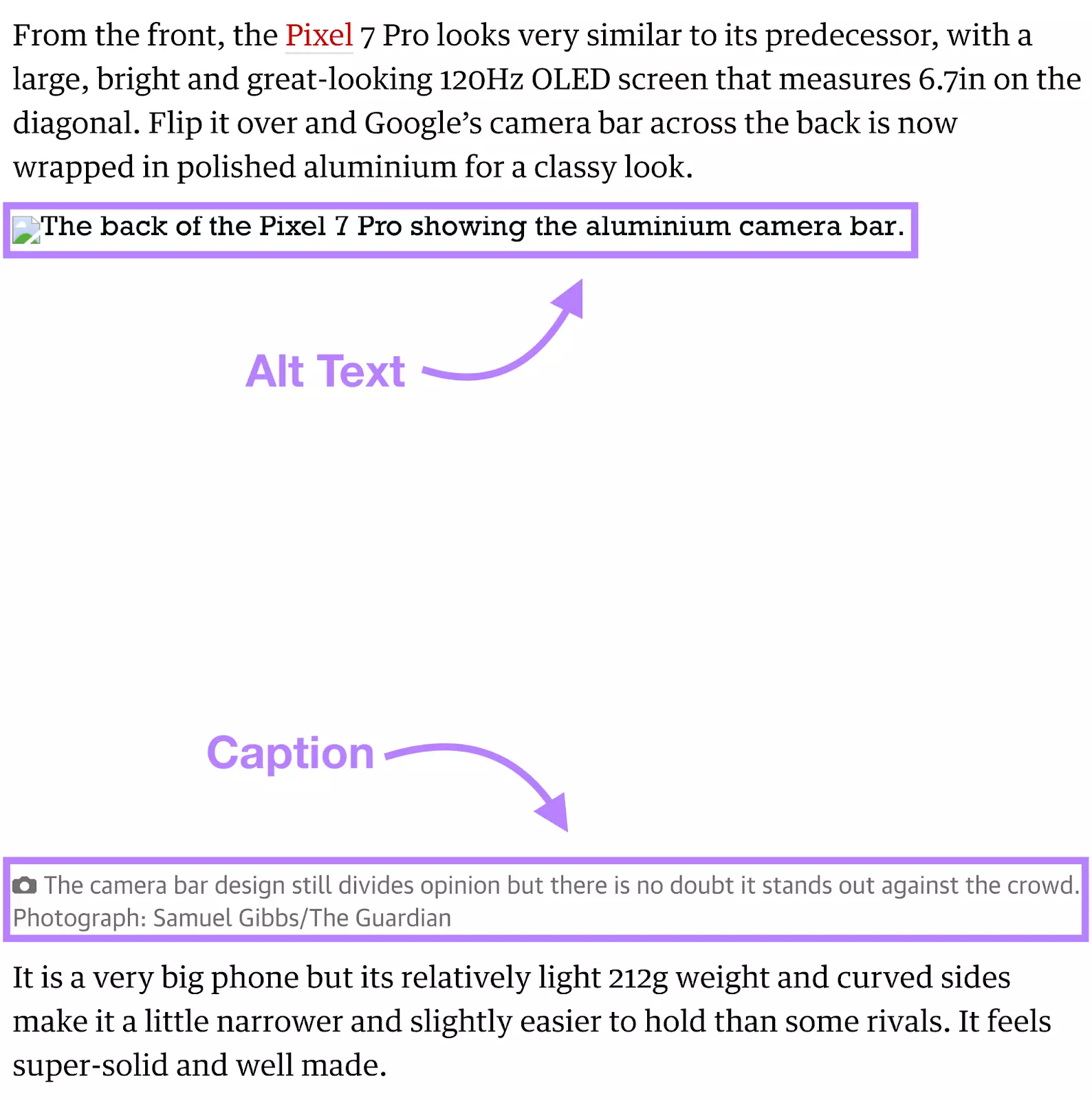
Use images that support the content and enhance comprehension.
Include alt-text for all images, which serves as a description if the image fails to load and helps search engines understand the images content, potentially leading to more visibility in image-based search results.
Optimizing Engagement
Share Buttons: Make it easy for readers to share your content with social sharing buttons.
Enable Comments: Reader feedback can provide valuable insights for future content.
Smart CTAs: Offer personalized content based on the different lifecycle stages of your database. Showing the right message at the right time can boost engagement and conversions.
Promoting a Corporate Blog
Expanding your subscriber base is essential for any business blog. Subscribers are your most engaged readers and are more likely to convert into customers or leads. However, no corporate blog can thrive without promotion.
Here, well introduce ways to promote your blog and drive new traffic, as well as how to convert mere “visitors” into “subscribers.”
Corporate Blog Promotion Strategy
Following this strategy will help you grow your subscriber base and effectively promote your business blog.
Paid advertising platforms like Google Ads and Facebook Ads can be excellent tools for reaching more potential customers and promoting your blog.
Industry events provide great opportunities to network with potential customers and subscribers. Bring your business cards and prepare a plan for promoting your blog.
Industry influencers can help secure new leads and promote your blog. Reach out to influencers and offer free products or services in exchange for reviews or blog mentions.
Subscriber Growth Strategy
First, make it easy to subscribe. The subscribe button should be clearly visible on your blog and website. You can also offer a pop-up subscription form when visitors first arrive on your site.
Once youve built a subscriber list, use email marketing to promote your latest blog posts and other content. Segment your list so you can send targeted emails to different subscriber groups.
In the past, it was common to ask for email addresses to send newsletters or magazines. Today, more users are hesitant to share their email addresses just to receive post updates.
Therefore, offering subscription incentives is a good strategy. You can provide discounts, free e-books or white papers, or exclusive content only available to subscribers.
Additionally, share links to your latest blog posts on social media. You can also run contests or giveaways on social media that require blog subscription for entry.
For more on the channel mix strategy to expand your corporate blogs reach, refer to this article.
Guest posting is another great way to acquire new leads and promote your business blog. When guest posting on other blogs, include a link back to your blog in your author bio.
Start Corporate Blogging with a Strategy
Many companies are focusing on content marketing, realizing the importance of having a corporate blog.
However, its essential to have a solid strategy and set goals before jumping in. A blog is not just a platform for sharing information but a vital tool for communicating your brands values and philosophy to customers.
Therefore, corporate blog content must maintain brand consistency while offering unique and fresh information.
As experts in corporate blogging, Growth has successfully managed numerous corporate blogs.
Our expertise shines through in every phase, from content creation to content management and audience engagement.
We understand your brands value and excel in delivering content that effectively communicates this value.
For brands preparing their next year marketing strategies, we confidently say that running a corporate blog is not just an option but a necessityand it requires a strategic approach.
We are the most reliable partner in setting and executing that strategy. With us, your corporate blog will be a powerful tool for growth.
First, let’s clarify that no SEO agency, including Growth Marketing Agency, should guarantee SEO services or claim to guarantee rankings on Naver, Google, or any other search engines. It’s impossible for anyone to guarantee natural search rankings on these platforms.
No SEO agency can control how Google or Naver ranks websites. Even if someone worked as a developer responsible for the search algorithms at these companies, they could never fully understand every aspect of it. This is because the algorithms have been adjusted and refined by many people over a long period, making it impossible for one person to have complete knowledge of them.
To respond to changes in search algorithms, SEO agencies like ours take a reverse engineering approach. We analyze the changed search results, estimate the new algorithm, and do our best to optimize your website’s ranking on both Google and Naver.
Agencies that guarantee high rankings without upfront fees are likely engaging in unethical practices (like Black Hat SEO) or promising visible results that have nothing to do with the performance you expect.
Read Google and Navers official stances on SEO agency contracts that claim to “guarantee rankings” and be cautious.
If you’re wondering how to choose a good SEO agency, you can refer to our guide on selecting the right SEO agency.
What to Expect from SEO Agencies Offering Guaranteed Services
SEO agencies that offer guaranteed services usually include the following:
Guarantees for rankings on very easy keywords
Bait-and-switch tactics using paid search (keyword advertising)
Outsourced SEO services
Poor-quality copywriting
Risky backlink-building techniques
Sales teams that are better at consulting than delivering results
Focusing solely on the quantity of low-quality links
Automated SEO packages
Offering the same service to all clients
Other deceptive sales strategies
The Difference Between SEO and Paid Search
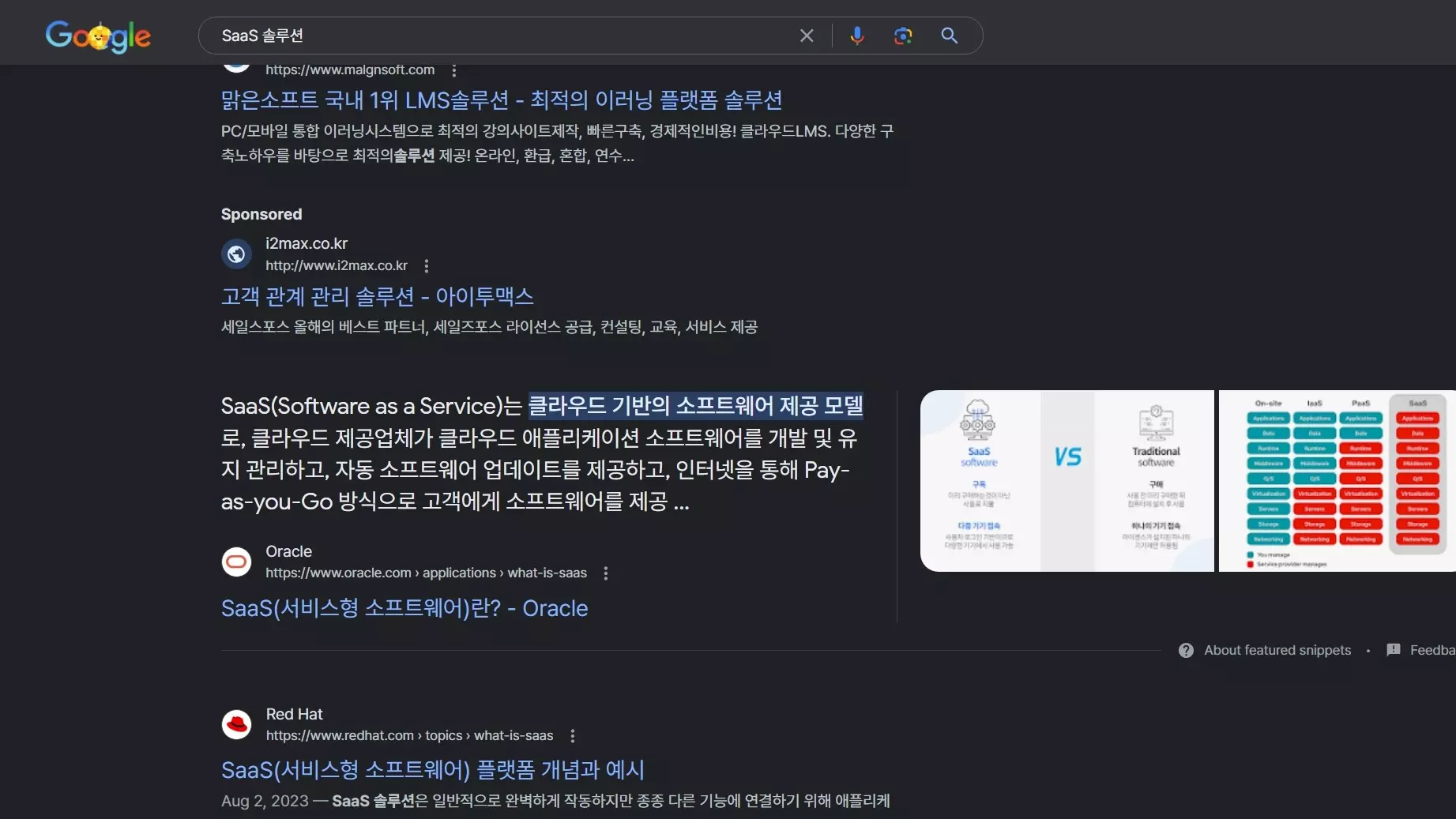
Let’s look at this in more detail. When you search for something on Google or Naver, you’ll see both organic search results and paid search results.
Paid search results appear at the top of the page, labeled as “Sponsored” or “AD.”
Google Ads / Naver Ads
These are ads purchased through Google Ads or Naver Ads to promote or sell a companys products and services. When a user clicks on one of these ads, they are taken to the business’s website.
Businesses pay Google or Naver each time a user clicks on their ad, a model known as Cost Per Click (CPC). The cost can range from as low as 100 KRW per click to over 100,000 KRW, depending on the competitiveness of the keyword in the industry.
The search engine’s algorithm determines the order of ads in the paid section. This algorithm is based on the amount the business is willing to pay for the ad and the “Quality Score” of the website.
How Do Google and Naver Determine Website Rankings?
To achieve a high rank in organic search results, Google and Naver must consider your website an authority on the searched keywords. The more general and competitive the keyword, the harder it is to rank high.
For example, “Intellectual Property Lawyer” is easier to rank for than simply “Lawyer.” While search engines dont disclose exactly how their algorithms work, industry experts agree that the following factors are crucial:
The number and quality of inbound links
The use of keywords in the website’s titles, headings, and content
The quantity and freshness of content
Website speed and usability
Online reviews and business reputation
Mentions on social media
Other factors such as site structure and code organization
For more information on how to achieve high rankings, check out Growth Marketing Agency’s guide to improving search rankings.
Are Conditional Guarantee Contracts from SEO Agencies Reliable?
First, lets briefly explain what a conditional guarantee contract is. Its a contract between the service provider and the client, where the provider guarantees a specific result, and the client receives that result. If the promised outcome isnt achieved, the client is entitled to a refund.
Why do SEO agencies recommend conditional guarantee contracts? It’s to secure their revenue.
Many companies choose SEO agencies to achieve the goal of ranking high on search engines like Naver and Google. However, if they dont achieve this goal, they often end up paying without seeing results. In such cases, a conditional guarantee contract may seem like a safer option since the client wont have to pay unless the service is successful.
However, you need to be careful when choosing an agency offering such a contract. Some agencies exploit these contracts by providing results that only seem impressive on the surface but don’t actually meet the clients goals. These contracts are often designed to shift responsibility away from the agency rather than truly benefiting the client.
Therefore, its crucial to verify if the agency is trustworthy and if the contract is properly drafted.
In the fresh food industry, for example, the “100% refund policy” was a concern for potential abuse. However, industry insiders noted that the percentage of consumers who actually requested refunds was very low. Emphasizing a 100% refund policy helped to build an image of a trustworthy company. (Source: “? ??? 100% ??”?? ??? ????? ??? : ??? ??)
As online market competition intensifies, companies must choose an SEO agency to attract more customers on platforms like Naver and Google. However, its important to ensure that the agency is trustworthy and that the contract is well-drafted.
The services provided by an SEO agency can significantly contribute to your company’s growth and development, so make your choice carefully to achieve the best results.
Growth Marketing Agency Works Differently from Other SEO Agencies
In conclusion, reputable SEO agencies cannot and should not guarantee any specific rankings on Naver or Google. Unfortunately, theres no “magic wand” for achieving top rankings.
At Growth Marketing Agency, we dont make unreliable promises of success. Instead, we stay updated on search algorithms and continuously research ways to improve your website’s ranking, consistently delivering results.
Marketing is often considered most challenging when it involves a keyword research process that is not too competitive and close to potential customers. To effectively secure actual leads, the keyword must not only be less competitive but also penetrate the wants of potential customers.
Here, a keyword refers to specific words or phrases that describe the core content or topic of a website, article, or advertisement.
Search engines cannot recognize all content on a web page, so they first look at keywords. Based on these keywords, they determine the relevance of a page to a user’s search query.
This article introduces the keyword research process and how to utilize it.
What is Keyword Research?
Definition of Keyword Research
Keyword research is a task performed for SEO (Search Engine Optimization). It involves finding the keywords potential customers use to search for our products or services and using this information to build a keyword strategy.
Without keyword research, you might miss popular keywords that target customers are already searching for or end up competing with large industry giants.
No matter how excellent your strategy is, it will be difficult to achieve good results if you face two major setbacks.
The Importance of Keywords
Keywords are crucial in SEO because they help search engines understand the content of a website. Search engines use complex algorithms to determine which websites are relevant to specific search terms. Therefore, creating content related to keywords improves the site’s ranking in search results.
Research shows that people generally do not look beyond the first page of search results. The more a site is exposed to higher search result rankings, the more traffic it will attract.
Keyword Research Process
Getting Started
Before beginning the keyword research process, we need to collect both our brand’s keywords and competitors’ keywords.
These keywords are the most commonly used when people search for our brand or competitors.
You can find these keywords through brainstorming, Google Keyword Planner, checking competitors websites and social media accounts.
Examples include:
[Brand] + @
[Product Name] + @
[Competitor Brand] + @
[Competitor Product Name] + @
Initially, start by gathering suggestive and related keywords based on the brand and competitor keywords you have collected.
Practical Application
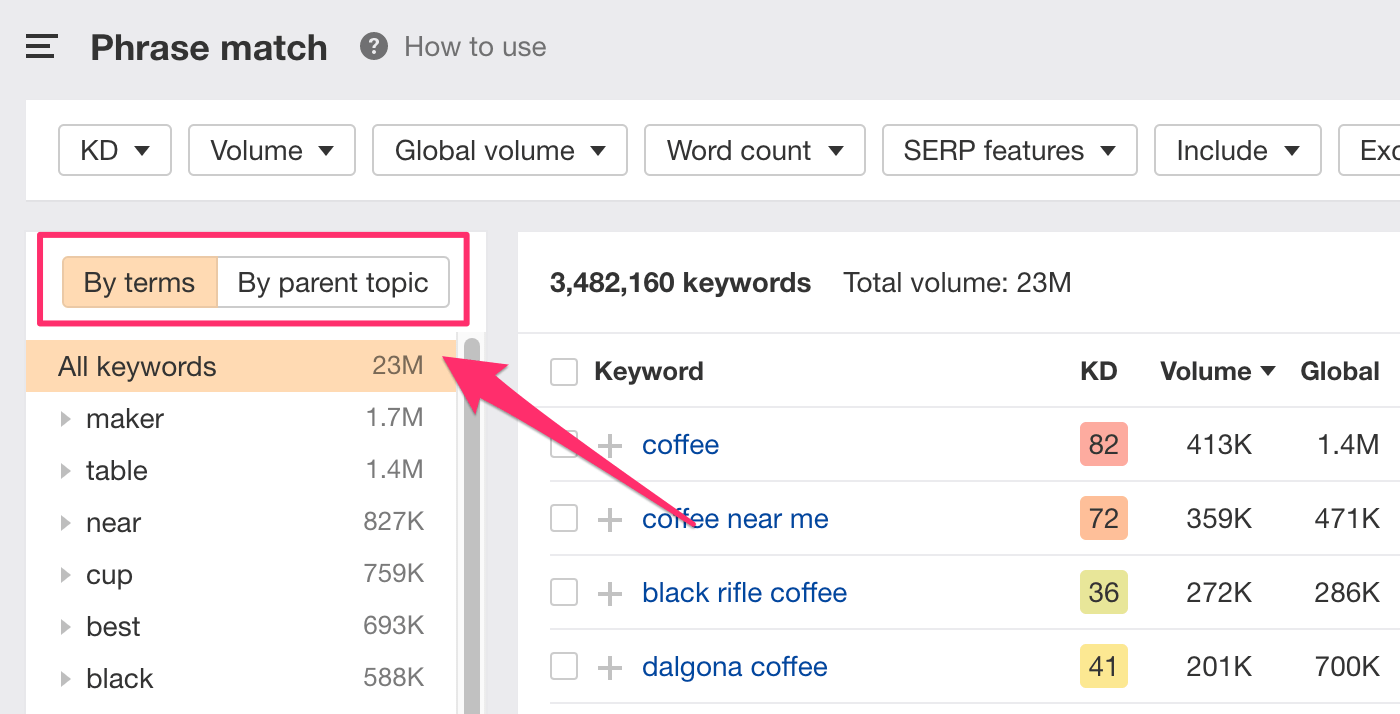
Using keyword research tools, you can get recommendations for related search terms based on the keywords you search. These keywords are sorted by volume, and you can understand the search intent behind them. Free tools like Naver’s keyword tool and Googles Keyword Planner, or paid tools like Ahrefs and Semrush, can be used.
By analyzing search queries from users searching for specific keywords, brands, or product names, you can gain insights into search intent.
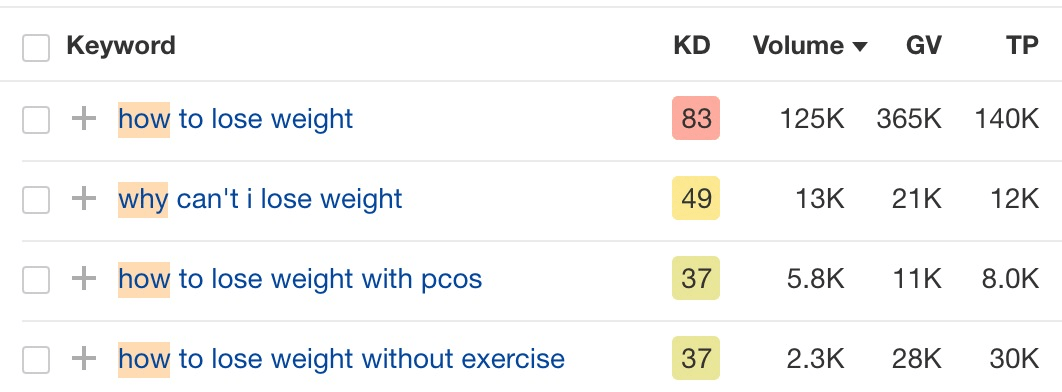
Informational queries are used by search users to gain more knowledge about a topic and often include words like how, what, why, tips, and ideas. Utilizing these informational queries with broad target keywords helps better understand user intent.
Brand Keywords
The second step is to collect non-brand keywords that do not include the brand.
For example, collect category keywords like functional cosmetics, phones with good camera performance, gift recommendations for people in their 20s, and restaurants for first meetings.
Most of the time in keyword research is spent on this task because it involves uncovering actual user wants.
This process helps marketers understand what factors consumers consider important in their purchase decisions.
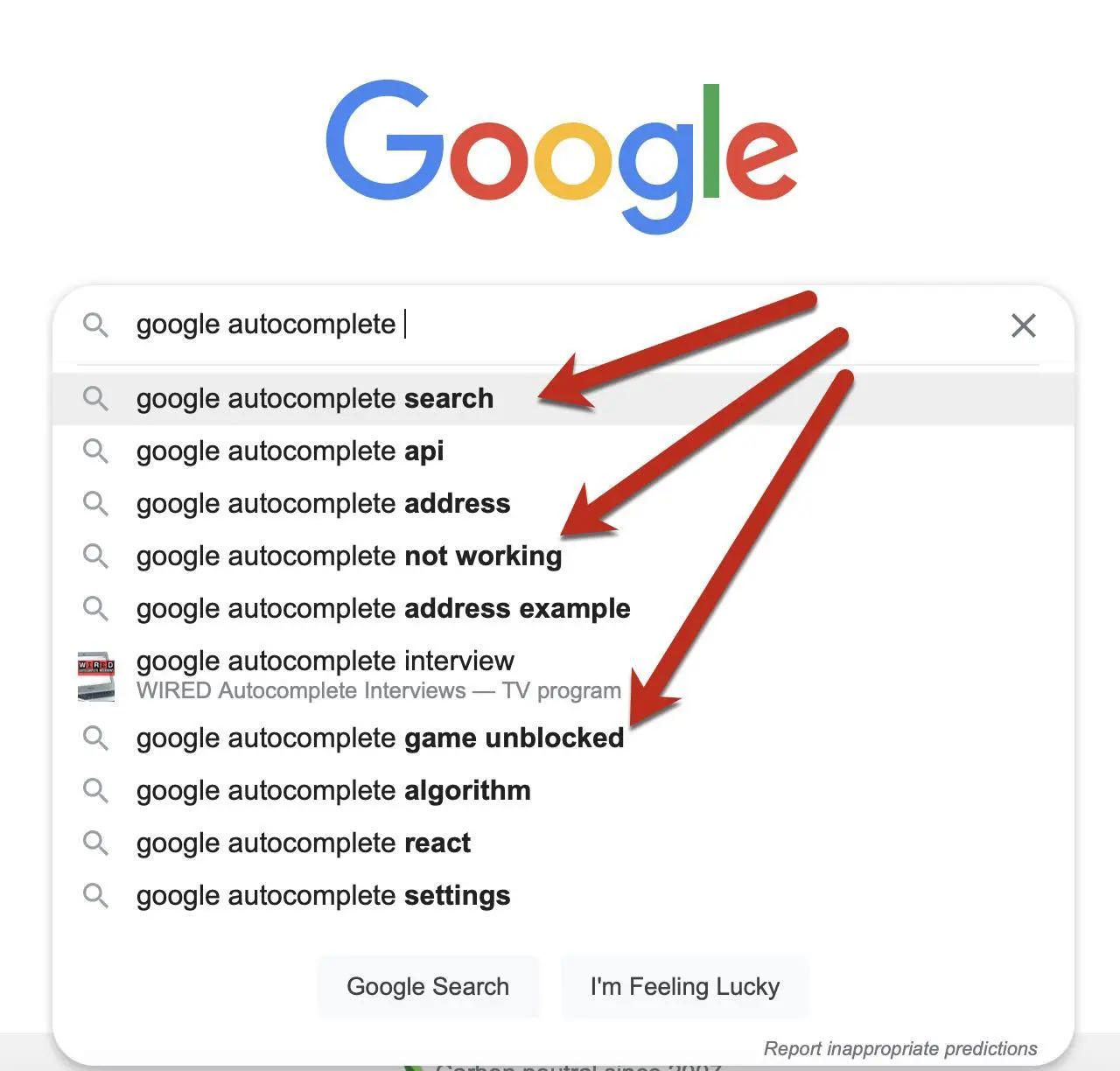
To find search engine and related keywords, you can use keyword research tools like Google Keyword Planner, Ahrefs, and SEMrush. You can also use Google suggestions found at the bottom of search results pages.
After collecting a list of keywords, group them into categories. This helps understand the various types of keywords people use to search for information about brands, products, and industries.
You can group keywords based on the following criteria:
Topic: Product Keywords, Category Keywords, Industry Keywords
Competition: Highly Competitive Keywords, Medium Competition Keywords, Low Competition Keywords
After organizing the keywords, analyze them to identify which ones are most important for your business. Check monthly search volume, CPC information, ad competition, top URLs in search results, and format information for each keyword or topic.
Based on the analysis, prioritize keywords and focus on the ones that are most important for your business. You can create different keyword lists for each marketing campaign, such as for SEO, PPC, or social media campaigns.
Campaign Optimization
Based on keyword research results, you can develop campaign strategies for content, SEO, search ads, and more.
Marketers must decide whether to address each topic through content and SEO or to enter the competition with search ads. This process is called campaign optimization.
If the content on your operating website is already well-exposed in search results, there may be no need to run ads for that keyword.
Conversely, if you need to start marketing for keywords with high volume and conversion rates, and if your content isnt appearing favorably in search results, you should consider using search ads to compensate for the lack of organic traffic.
This highlights why content marketing and performance marketing are inseparable.
Gaining Target Insights Based on Keyword Research
Now that you understand the keyword research method, lets explore how to gain consumer insights based on it.
Through the keyword research process, we can generate lists of search keywords used by consumers in their purchase decision-making process. Additionally, we can check monthly search volumes, gender ratios, age distributions, and ad competition.
However, this direct information is not all the insights keyword research can reveal.
Combining Keywords
Search keywords consisting of two or more words often include target keywords referring to the products or services a consumer intends to purchase.
Simultaneously, margin keywords can be used to infer the searcher’s interests, goals, and circumstances.
By grouping similar meaning keywords based on these margin keywords, we can understand what consumers are focusing on within an industry.
By reverse analyzing search results for keywords in the main interest topic groups, we can understand what purpose consumers have when searching for that topic.
This leads to understanding consumer search intent, known as Keyword Intent.
For example, if someone searches for building AI models, it likely indicates a search for professional services. However, if they simply search for artificial intelligence, they may only be seeking information about AI.
Google aims to answer user queries as efficiently as possible, so its likely to rank content that aligns with user intent higher.
By analyzing the top URLs in search results for specific topic group keywords, you can determine which media touchpoints influence consumers the most. You can also gain insights into the content formats consumers prefer.
At this stage, keyword research expands into intent analysis.
Conclusion
In conclusion, through the keyword research process, marketers can gather:
Lists of consumer search keywords
Monthly search volume for a year
Consumer interest topics and intent
Media touchpoint information for consumers
Sequence information among search keywords
Marketers can use this data to predict and suggest where to provide content and how to approach consumers with advertising methods.
This allows for the creation of more specific content and campaign strategies.
Understanding the contexts and situations in which consumers search for specific keywords is crucial for business success. Marketers need to connect with consumers through optimal media mixes, delivering content that resonates with them.
If marketers can accurately understand and empathize with personas’ lives and plan content accordingly, they will be able to successfully run campaigns.
This is why Growth Marketing Agency invests so much time in precise target analysis. We focus on analyzing search intent through expanded keyword research processes to understand customer interests. This aims to identify the Contextual Consumer Persona, providing a clearer view of the consumers buying journey.
The strategy behind content marketing KPIs is a critical aspect of any business. The more strategically and efficiently you use content marketing, the more your business can experience measurable success. However, there isnt a one-size-fits-all solution, so individualized analysis is necessary.
Content marketing offers the advantage of being both cost-effective and efficient, but even the smallest budget can be a burden depending on the size of the company. Therefore, its essential to consider ROI when engaging in content marketing.
Marketers must measure and optimize the performance of their content marketing to improve engagement, which in turn allows for more effective ROI measurement.
So, what are the strategies, tactics, and recent trends in content marketing performance measurement?
The Challenge of Content Marketing KPIs
Accurately measuring marketing effectiveness is extremely challenging. Surveys reveal that two-thirds (66%) of marketers find it difficult to measure content marketing performance, while only one-third (34%) consider it somewhat easy or straightforward.
To properly measure content marketing performance, a significant amount of data must be collected. Beyond this, marketers often have differing opinions when discussing marketing effectiveness. For clarity, lets examine the three types of marketing effects:
Channel-Specific Effects
Consider a scenario where youve spent a substantial amount on paid search advertising. Youd naturally wonder how many of those conversions from paid search might have occurred organically. This is known as the channel-specific effect.
To understand channel-specific effects, you can either track the direct increase in conversions from the ads or analyze and measure the impact of ads across different channels. Another approach is conducting a randomized controlled experiment, not at a geographical level but at the user level.
For example, by dividing target users into two groupsone exposed to ads and the other notmarketers can compare the behavior of those exposed to advertising with those who werent. Some argue that such tests don’t fully capture the true channel-specific effect, but its still a strategic option for measuring content marketing performance.
Cross-Media Effects
Advertising platforms often provide various options for placing ads, which prompts marketers to consider the effectiveness of resources across different marketing channels. This is referred to as the cross-media effect.
Not all ad spend results in conversions, which is why measuring cross-media effects is complex and challenging. Most advertising platforms cannot measure cross-media effects. However, market comparison tests can analyze specific user behaviors to assess cross-media effects. If you have a generous budget, advanced modeling techniques like conversion modeling can also be employed.
Leveraging cross-media effects can help optimize the budget allocated for content marketing performance measurement.
Marketers are concerned with measuring the effectiveness of all marketing activities that have been budgeted. This is known as the marketing portfolio effect.
In other words, how effective is the marketing spend across platforms A, B, and C? The return on investment relative to the expenditure is a crucial metric for measuring performance. Accurately measuring marketing effectiveness can have a significant impact on marketing decisions.
However, precise measurement is difficult, and conflicting results are common. Like cross-media effects, marketing portfolio effects can be measured through market comparison tests.
Content Marketing KPIs and the Necessity of Martech Tools
As mentioned earlier, content marketing typically utilizes multiple channels.
Surveys show that one in five marketers uses more than six tools to track content marketing KPIs. Moreover, over half of respondents use at least three to five tools.
As technology advances and market trends evolve, the field of marketing technology is becoming increasingly sophisticated.
With the growth of AI and automation, the Martech stack has expanded rapidly, enhancing related capabilities. Additionally, the acceleration of digital and e-commerce has led to the rise of flexible, cloud-based technologies.
The Need for Robust Marketing Measurement Tools
Martech is on the rise to more effectively prove marketing impact. Due to the COVID-19 pandemic, companies have chosen to review costs and reduce budgets across all areas. This has necessitated that content marketers demonstrate the value and effectiveness of their roles more clearly and accurately.
Although the pandemic has subsided, content marketers will continue to feel pressure to report on marketing success and automation. As a result, experts suggest that finding tools that effectively measure marketing impact will become the norm. Going forward, marketers will focus on targeting potential customers, tracking and optimizing capabilities, and improving sales cycles through automation and machine learning.
These will become meaningful metrics for business improvement. While perfect measurement is challenging, marketers will increasingly be able to extract more meaningful data. Content marketers will adapt to environments where they can more effectively measure and continuously improve ROMI.
Content Marketing KPIs: Conversion Rates and Traffic
Regardless of budget size, marketers need to have a solid understanding of the concept of marketing effectiveness. To measure performance effectively, its crucial not only to use the right tools but also to clearly define metrics.
Half of the marketers agree that conversion rates (50%) and website traffic (46%) are among the most important metrics to consider when assessing the overall performance of content marketing strategies. Additionally, 39% of respondents ranked engagement on social media channels high on their list of key metrics.
Traffic and conversion rates are vital metrics, providing marketers with clear and straightforward evidence. However, not all visitors generate revenue or become customers. If the percentage of visitors converting to leads decreases, the number of visitors becomes less relevant.
Instead, marketers will focus on targeting more suitable potential customers rather than simply attracting more visitors. In this way, conversion rates and traffic can complement each other.
Marketers want visitors who have the potential to become leads. Therefore, they will target specific niche markets, excluding numerous visitors who are unlikely to convert. This allows marketers to use their time more efficiently.
Marketers should strive to build an ideal customer persona and form optimized, customer-tailored metrics. Once marketers establish metrics for a specific customer group, setting up and measuring these metrics becomes much simpler. Instead of wasting energy on filtering out irrelevant traffic, marketers can spend time nurturing traffic with a higher likelihood of conversion.
Conclusion and Next Steps
Creating great content is crucial, but its just one element of the bigger picture in marketing. Content marketers must consider the most significant challenges and then develop a strategic plan to overcome them. At Growth Marketing Agency, we believe that establishing content marketing KPIs that everyone agrees on and reviewing the marketing technology stack are essential parts of the marketing strategy. We are committed to realizing data-driven content marketing.
Still find content marketing challenging? Start by checking out Growth Marketing Agencys content marketing case study and SEO marketing case study to see the analyzed results.
The SEO keyword analysis process forms the cornerstone of effective search engine optimization. It plays a crucial role in shaping a websites visibility, traffic, and overall online success.
Through meticulous keyword research, businesses can identify the exact words and phrases that users input into search engines.
By strategically integrating these keywords into content, the likelihood of appearing in search results increases.
Related Searches That Reveal User Intent
Understanding user intent is equally important. By targeting keywords that align with what users are seeking, a website can drive more organic traffic.
Relevant traffic not only increases the number of visitors but also enhances the likelihood of converting them into customers.
In this article, well explore a case where Warner Bros. failed in SEO, leading to a missed box office opportunity.
Warner Bros. and the Failure of SEO Keyword Research
Founded in April 1923, Warner Bros. has spent a century bringing various stories to people.
Warner Bros. is an American film studio involved in both film production and distribution. Under the Warner name, the company has influenced sectors like American TV dramas, animations, games, and music.
It’s one of the major six Hollywood studios that achieved consecutive box office hits in the 2000s, including well-known titles like Superman, The Dark Knight, The Lord of the Rings, and Harry Potter.
Warner Bros. produced a new film based on Harley Quinn, the notorious girlfriend of the Joker and one of the popular DC characters.
However, despite the strong character, the movie delivered disappointing results.
The Reason for Failure?
The movie was originally titled Birds of Prey: And the Fantabulous Emancipation of One Harley Quinn.
Despite Harley Quinn being the main character, Warner Bros. did not include her name at the beginning of the movie title.
It wasnt until later that Warner Bros. realized Harley Quinn was a crucial keyword, leading them to change the movie title to Harley Quinn: Birds of Prey. Unfortunately, by then, it was too late.
Without Harley Quinns name at the start of the title, audiences had difficulty realizing that she was the main character of the film.
The movie was expected to gross $60 million, but it only achieved $33 million.
All of This Stemmed from Ignoring the Importance of Keywords
People searching for the movie were likely interested in Harley Quinn. Although the title was eventually changed, it was criticized as being too late.
Warner Bros. was also criticized for neglecting competitor research. It was essential to understand what keywords and content moviegoers were interested in at the time.
Analyzing the Search Engine Result Pages (SERP) to understand search intent is one of the most important considerations when building SEO.
Conclusion from the SEO Keyword Analysis Failure
The lesson Warner Bros. learned from this case is that an SEO perspective is essential when choosing content titles.
Like other companies launching new services or product lines, Warner Bros. should have involved SEO experts in this process. Had they done so, Birds of Prey might have performed better at the box office.
Keyword research serves as a guide for content creation, highlighting topics important to the target audience. This not only optimizes content for search engines but, more importantly, provides significant value to potential customers.
Ultimately, SEO keyword research is not a one-time task. It requires continuous activity, allowing companies to adapt to evolving user preferences and industry environments.
How a Hotel Enhanced Guest Experience with Kakao Channel
Real-World Example: Hotelier Jun Gil-bong, Daejeon
Jun Gil-bong, a hotel manager in Daejeon, faced a tough challenge: making his hotel stand out in a city often labeled as dull. His hotel, which had primarily served government officials for 25 years, needed to attract general customers. Kakao Channel came to the rescue:
Targeted Marketing: By analyzing customer data through KakaoTalk Channel, Jun found that women aged 35-39 were his main customers. This insight helped him tailor marketing campaigns, promoting family-friendly packages and seasonal deals.
Customer Engagement: Jun sent bi-weekly messages to his followers, sharing exclusive offers and updates like holiday packages and special events.
Collecting Reviews: Kakao Channel made it easy to gather customer reviews, boosting the hotels online reputation. Positive feedback from guests helped attract new customers from beyond the local area.
The result? The hotel saw a significant increase in occupancy rates and gained a reputation as a top choice for both locals and visitors.
How a Packaging Company Revolutionized Client Interaction with KakaoTalk Channel
Real-World Example: CEO Jang Ji-eun, Goyang
Jang Ji-eun, running a packaging company in Goyang, struggled with the traditional, inefficient face-to-face consultation process. She needed a more efficient method and found it with KakaoTalk Channel:
Online Consultations: The platform enabled Jang to offer detailed online consultations, expanding her reach nationwide and even internationally. The channel handled up to 50 inquiries daily.
Automated Responses and Custom Menus: Jang set up custom menus to address frequently asked questions, providing immediate answers and reducing the need for constant direct interaction.
Improved Customer Service: The efficiency of Kakao Channel improved customer satisfaction. Clients appreciated quick responses and the ability to discuss packaging options without physical meetings.
These innovations led to a 500% increase in sales, establishing Jang’s company as a leader in the packaging industry.
How a Pharmacy Built Trust and Increased Sales with Kakao Channel
Pharmacist Yoo Dae-hae, operating a late-night pharmacy in Songdo, needed to stand out in a crowded market. KakaoTalk Channel was the solution:
Personalized Communication: Yoo used Kakao Channel to keep detailed notes on customers regular purchases and consultation histories. He shared tailored health information and product recommendations.
Group Management: By categorizing customers into groups (e.g., parents, students), Yoo sent targeted messages about relevant products and promotions.
Efficient Alerts: When hard-to-find products arrived, Yoo quickly notified loyal customers via Kakao Channel. This prompt communication established his pharmacy as a reliable source for specialty items.
The result? Monthly revenue increased significantly, averaging over 30 million KRW, and the pharmacys customer base grew substantially.
Conclusion
Kakao Channel has demonstrated its potential to boost sales and enhance customer engagement across various industries. By integrating this platform, businesses can leverage data-driven insights, improve communication, and streamline operations.
In Korea, both Naver and Kakao require businesses to meet specific qualifications and obtain approval to become official agencies.
Growth Marketing Agency is proud to be an official agency, meaning we have met these stringent requirements and received authorization to manage and optimize your campaigns on these platforms. This status ensures that we have the expertise and tools necessary to help you effectively promote your business on KakaoTalk Channel.
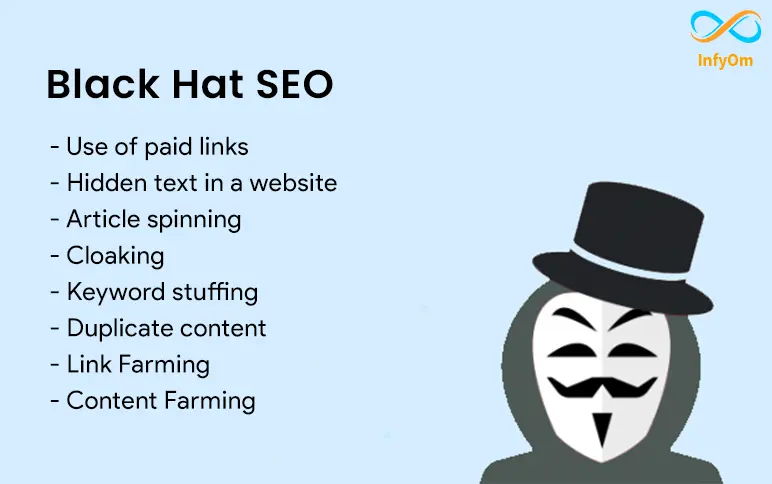
Black Hat SEO refers to unethical and manipulative practices that use abnormal methods to influence search engine algorithms for better search visibility.
While Black Hat SEO might offer short-term gains, it leads to severe long-term consequences for a website’s SEO.
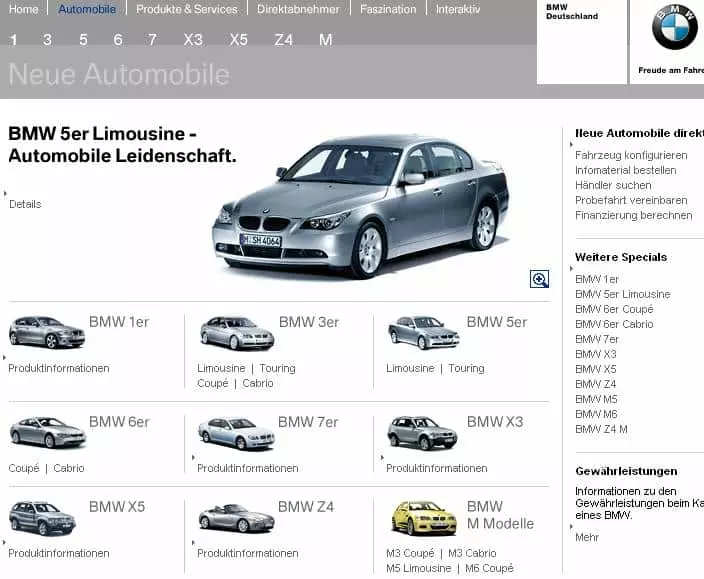
BMW chose this strategy because their site primarily used Javascript that Google couldn’t understand at the time.
Google had issues recognizing Javascript back then.
Viewing the same page in a different browser
Of course, Google can now read Javascript. Search algorithms have become much more complex and advanced, making such strategies obsolete.
What is a Doorway Page?
Have you ever clicked on a search result only to be redirected to a page different from what you saw in the search engine?
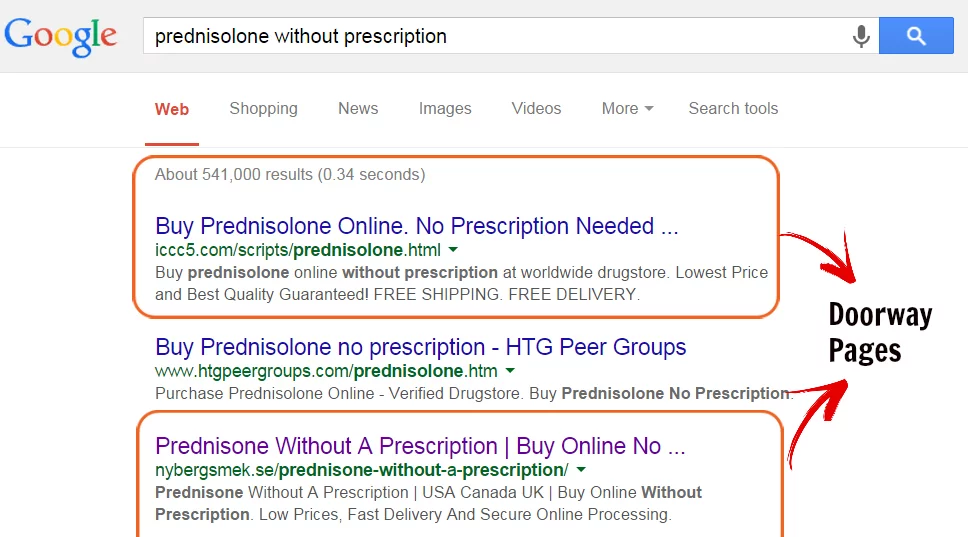
Known also as gateway pages, entry pages, or bridge pages, doorway pages are web pages created primarily to manipulate search engine rankings.
These pages are usually designed to rank highly in search engine results for specific keywords and phrases, but when users click on them, they are redirected to other pages.
Doorway pages aim to deceive search engines by showing content different from what is displayed to users, thereby increasing a website’s visibility for certain terms.
Doorway pages may include cloaking, where the content shown to search engine crawlers differs from what users see. This is another attempt to mislead search engines about the true nature of the page.
The Risks of Black Hat SEO and Why Compliance is Crucial
Due to this incident, Google downgraded BMW’s PageRank to 0, effectively excluding BMW’s rankings from Google search results.
BMW admitted to creating doorway pages but officially denied deceiving users. However, the severe negative impact on their SEO was undeniable.
In conclusion, while the quick gains from Black Hat tactics might seem appealing, they can result in very serious long-term failures.
Channel mix strategy in social media marketing provides the advantage of seamlessly integrating into the daily lives of potential customers. With the proliferation of diverse marketing channels and platforms, many companies now manage multiple social media channels. For businesses aiming to enhance their marketing efforts in Korea, it is crucial to select channels that align with their specific goals; otherwise, even the most successful channels for other companies may prove ineffective.
This article will delve into the characteristics and strategies of various marketing channels and share Growth Marketing Agency’s expertise in leveraging them effectively for the Korean market.
This means the search results for our brand on Naver represent our brand’s image. Whether these results are advertisements or organic listings, it doesn’t matter. High rankings in advertisements or frequent exposure create the impression of a larger, more influential brand.
The key to Naver marketing strategy is ‘top exposure’. Its crucial for our brand-related content or ads to appear prominently when users search for relevant keywords. Most users complete their search activities with results from the first page, making it important for us to rank on the first page for significant keywords in our industry. Besides paid media, attention should also be given to blogs, posts, cafes, and web documents, which are often categorized under viral marketing.
Facebook | Expanding Reach and Encouraging Sharing
Despite reports of user decline, Facebook still boasts the broadest range of active users. Many people question, “Who uses Facebook nowadays?” but data shows a substantial number of users who primarily ‘lurk’ without actively liking or posting. Facebook’s vast user base provides opportunities to reach a wide target audience, with various options for precise ad targeting, such as demographics, interests, custom audiences, and lookalike audiences.
However, as Facebooks popularity and competitiveness increase, so do advertising costs. In some industries, intense competition requires meticulous management. At Growth Marketing Agency, we leverage Facebook to spread content tailored to user interests rather than relying on it as the core of our strategy.
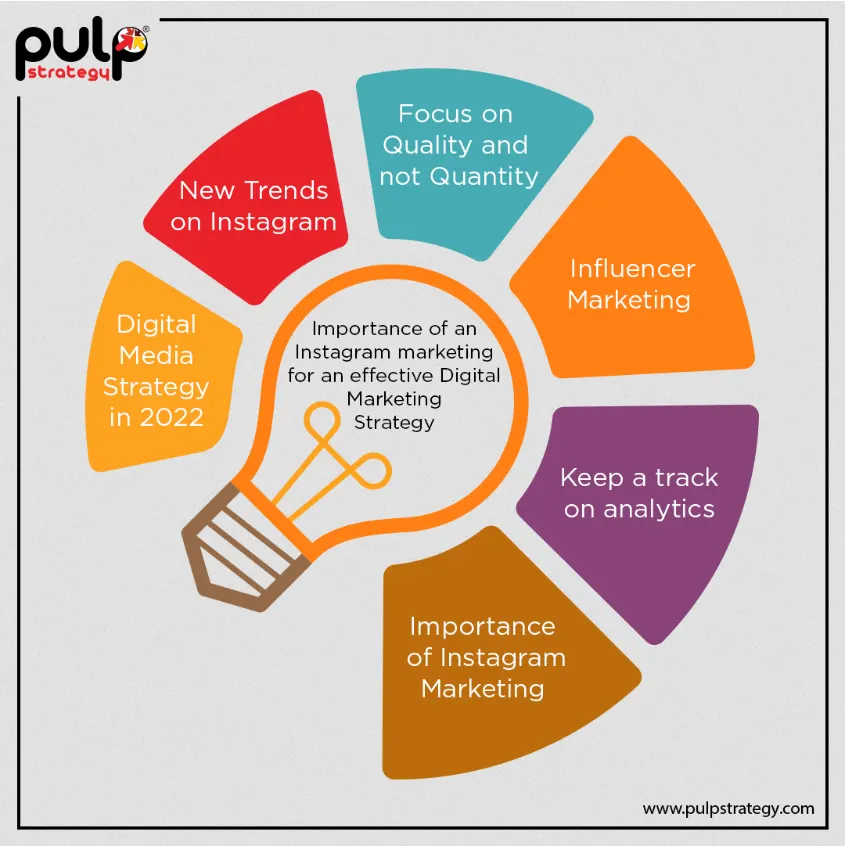
Instagram | Visual Storytelling and Strategic Hashtag Use
In the food industry, the focus is on making the experience ‘Instagrammable’ from the planning stages of a new franchise. Among the channels, many companies prioritize Instagram due to the importance of visually appealing images and trendy content. Instagram users actively interact with posts through likes, comments, and shares, fostering brand-user interactions. Hashtags help categorize posts and increase search visibility, offering opportunities to reach the target group.
However, links are limited to profiles and stories, requiring careful planning for external traffic and conversions. Instagram’s algorithm changes have also altered the order in which posts appear, aiming to prevent repetitive promotional posts from dominating the feed.
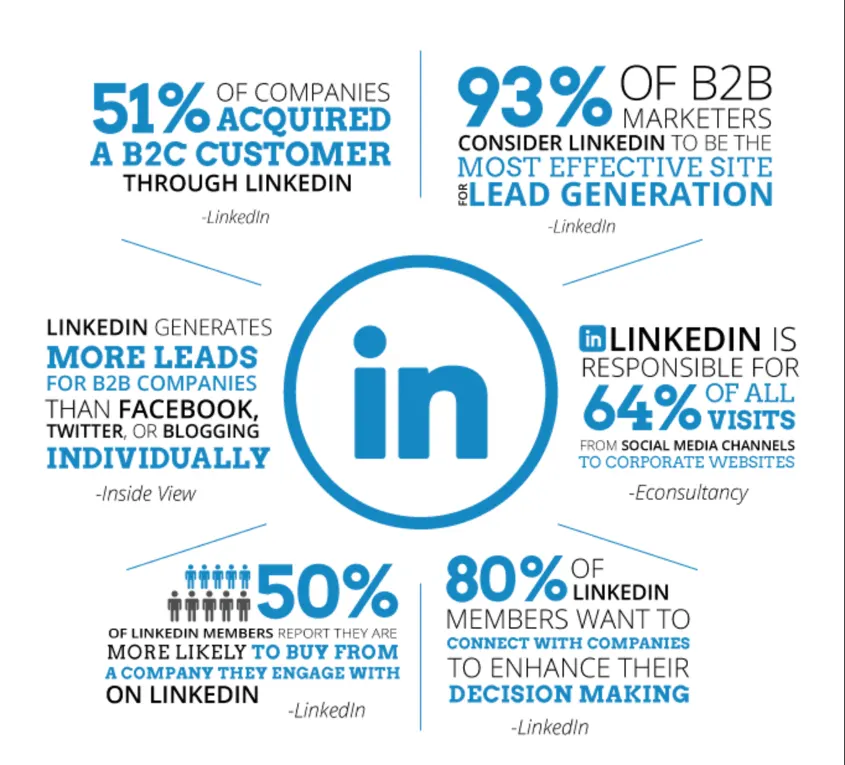
LinkedIn | Business Networking Hub
LinkedIn is primarily used for professional and business-related connections. Users build profiles and share career information, expanding networking opportunities within their industries. LinkedIn allows sharing various content forms like posts, articles, and updates, enabling users to share knowledge and timely business information. Its detailed user data, such as job roles and interests, facilitates precise targeting, benefiting marketers selling business-related products or services.
Although LinkedIns user base is smaller compared to general social media platforms, it provides a professional networking environment ideal for B2B marketing activities. However, the high cost of advertising and lower interaction rates compared to other channels can be challenging.
YouTube | The Core of Video Content
YouTube, a community centered around video content, supports longer videos and detailed information, enhancing exposure opportunities through SEO. As a Google subsidiary, YouTube videos appear in search results, and its subscriber-based community fosters relationships with fans. YouTube offers diverse content formats, such as vlogs, tutorials, and reviews, allowing tailored content for target audiences.
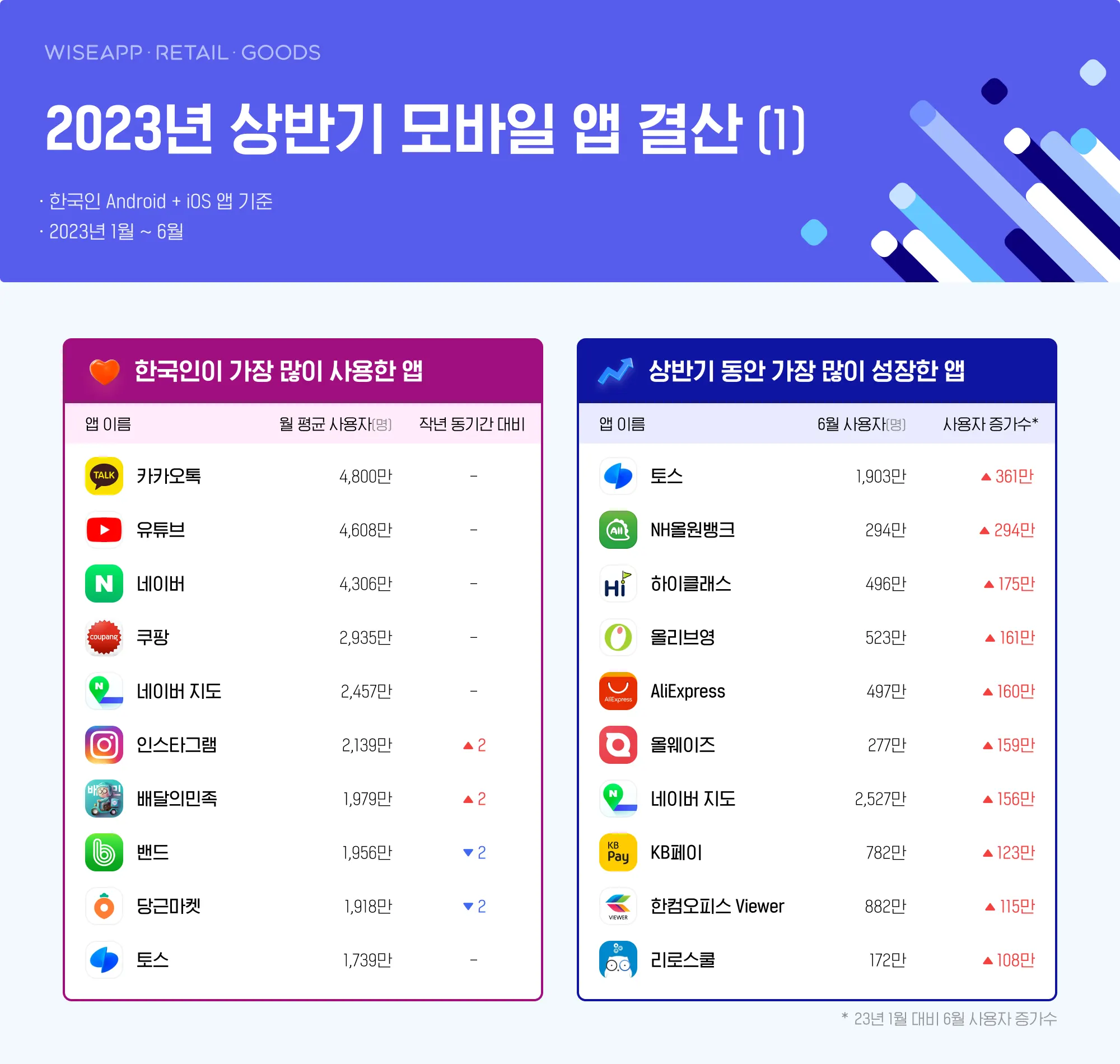
Statistics on the most used apps by Koreans (Source: WiseApp)
Social Media: Twitter, Facebook, Instagram, TikTok
Video Platforms: YouTube
Blogs: Naver, Brunch
Email: Newsletters, cold emails
Communities: Naver, Daum, Kakao
Why Operate More Than Two Marketing Channels?
Search engines like Naver and Google have lower reach compared to social media platforms like Facebook and Instagram. However, search activities indicate direct user intent, making these visitors more likely to convert into actual customers. Social media platforms, while having higher reach, often have lower conversion rates as they are primarily interest-based platforms.
Therefore, operating more than two marketing channels is effective. Consumers do not use just one type of media, and each marketing channel has complementary characteristics.
Should Tone and Manner Vary Across Platforms?
Determining whether to adapt tone and manner across different marketing channels is crucial for a successful channel mix strategy.
Each platform has its unique user characteristics and content preferences. Businesses must balance maintaining a consistent brand identity with tailoring their messaging to suit the distinct nuances of each channel. For instance, professional content for blogs or web pages targeting search engines, and interest-based content for Instagram and Facebook. However, this approach can consume excessive time and resources and have several negative effects:
Loss of Brand Consistency: Different tones and manners across channels can confuse customers and diminish brand awareness and trust.
Fragmented Customer Experience: Inconsistent experiences across channels can reduce customer satisfaction and loyalty.
Message Delivery Failure: Disparate messages can lead to missed communication of important information or promotions.
Creating and managing content with varying tones for each channel can increase workload and error potential. Therefore, maintaining a consistent tone and manner across multiple content marketing channels can build more effective brand communication.
Successful Channel Mix Strategy Examples
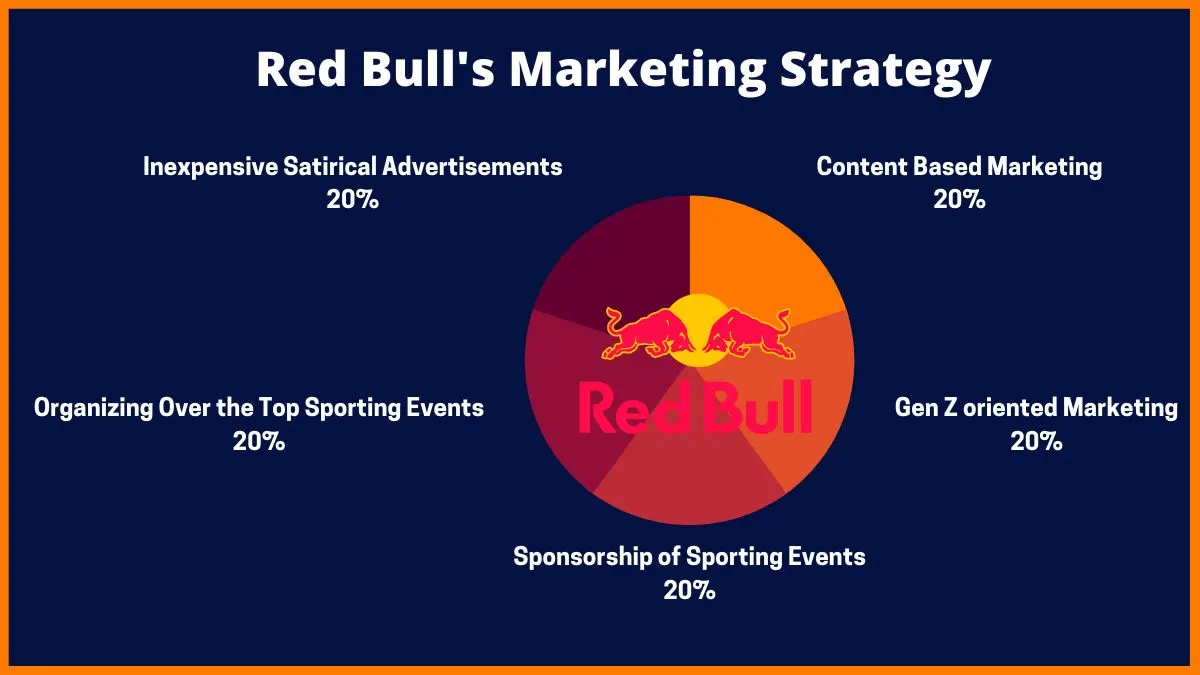
Red Bull – Mastering the Art of Engaging Content Marketing
Red Bull is well-known for not focusing on their product in content but creating sensational news, such as sponsoring a parachute project from space. They upload extreme sports events and support athletes on their YouTube channel, attracting customers through exciting content rather than direct product placement.
In 2013, the Busan Police created a ‘cute’ video that broke stereotypes of the police, garnering over 100,000 likes and 6,000 shares. This friendly and humorous content increased social media reports and opened new public investigation channels.
Glossier – Redefining Content Marketing Through Authentic Engagement
Glossiers founder used her fashion industry experience to start a blog, ‘Into The Gloss’, sharing interviews with notable fashion figures. This blog focused on real consumer questions about beauty products, building continuous communication with readers and achieving significant engagement.
Developing a Channel Mix Strategy Based on Marketing Channel Characteristics
Each marketing channel has a unique user base. For instance, Instagram is popular among younger generations, while LinkedIn is used by business professionals. Understanding each channels characteristics allows for tailored content that engages the most active target audience. Selecting appropriate content formats for each channel further increases interest and participation.
Despite the variety of marketing channels, resources are limited. Knowing what types of messages and formats work best on each platform optimizes time and effort. While respecting each channel’s characteristics, creating vastly different tone and manner content can confuse users and dilute brand identity. Therefore, developing effective strategies for each marketing channel and using them efficiently is crucial for delivering a consistent brand message and maintaining competitiveness in the market.
Growth Marketing Agency meticulously plans content marketing strategies based on a deep understanding of numerous marketing channels and continuously researches the most efficient ways to convey unique messages for clients.