[작성자:] Nouri Nisrin GP

  • What are Primary Keywords and Secondary Keywords?

    What are Primary Keywords and Secondary Keywords?

    Keyword strategy is crucial for the success of both organic and paid search campaigns. Deciding which primary keywords to target for advertising and how to optimize for organic search results through SEO are key factors that can determine the success of a campaign.

    However, creating a strategy for every possible keyword is nearly impossible. Instead, we need to categorize keywords based on their characteristics, search intent, and search volume, and then develop targeted strategies for each category.

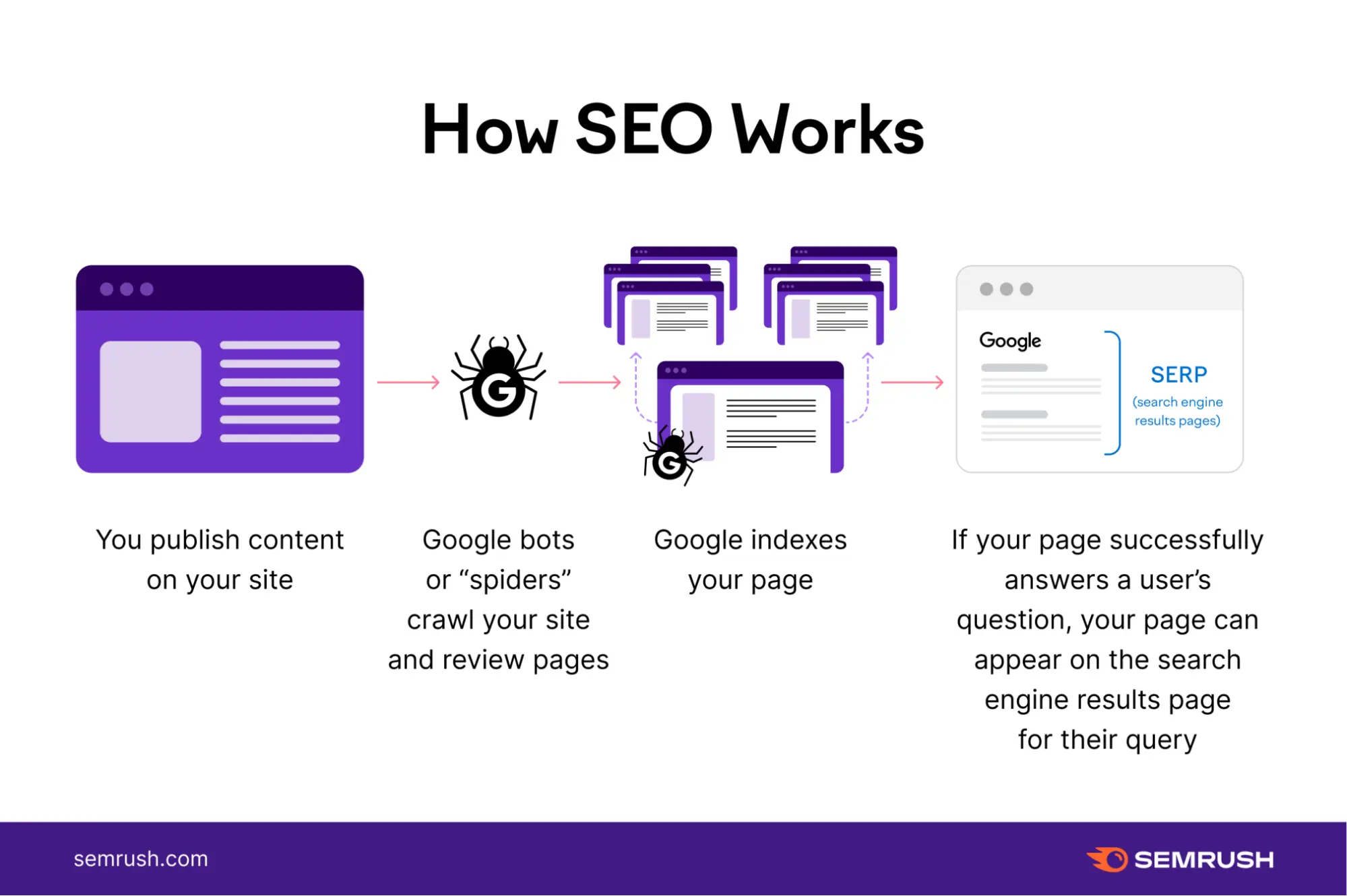
    Search engines continuously analyze content across the internet to provide users with the best possible search results. They keep track of nearly all content on every website and webpage in real-time.

    What are Primary Keywords and Secondary Keywords?
    What are Primary Keywords and Secondary Keywords?
    How Many SEO Keywords Should a Page Really Target?

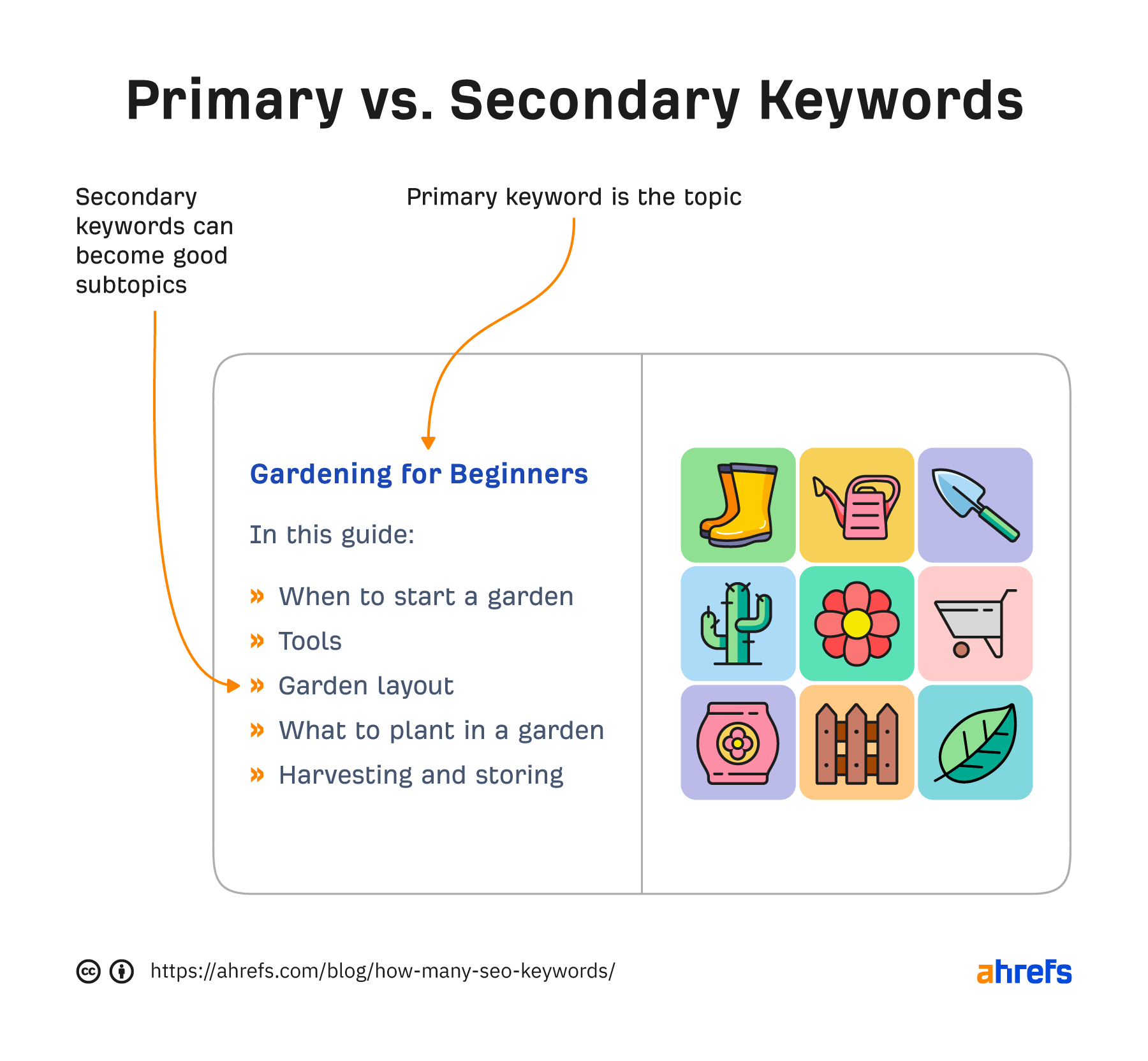
    From an SEO perspective, a primary keyword, also known as a focus keyphrase, is the main term or phrase that a webpage is expected to rank for in search engine results.

    In essence, a primary keyword is the main keyword that the page is optimized for. Typically, primary keywords have high search volumes and, if they rank well in the SERPs, can drive significant organic traffic.

    On the other hand, secondary keywords add context, value, and depth to the content. These are more closely related to the search intent. Secondary keywords include all keywords that are closely related to the primary keyword being targeted on a page. Synonyms, subtopics, and long-tail keywords can all be considered secondary keywords.

    Including secondary keywords in subheaders and body text allows you to cover various aspects of a topic, helping Google better understand the content of the page.

    ?SEO Case Study: The Power of Keyword Analysis

    From a performance marketing perspective, primary keywords are high-volume terms directly connected to your product or service, often with high CPC and intense competition.

    In contrast, secondary keywords usually have lower search volumes, are less directly related to your product, or consist of long-tail keywords made up of two or more words. These generally have lower CPCs and face slightly less competition than primary keywords.

    Primary Keywords vs. Secondary Keywords

    The relationship between primary and secondary keywords
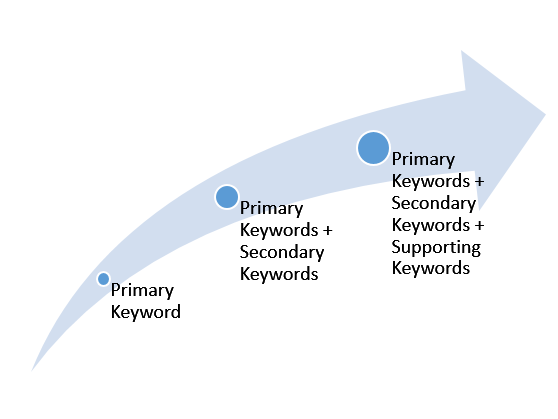
    The relationship between primary and secondary keywords
    The relationship between primary and secondary keywords starts with the primary keyword, then expands to include secondary keywords, and finally incorporates even more specific secondary keywords.
    (Source: Understanding On-Page Search Engine Optimization – SERPninja)

    Primary Keywords as the Core of Content Marketing

    Primary keywords are the cornerstone of content marketing. For instance, if your company sells yoga clothes, yoga clothes might be your primary keyword. This is the term that best represents your market and is also the most frequently searched term related to your business. Therefore, the most crucial aspect of content marketing is to choose the right primary keyword.

    Secondary keywords, while related to the primary keyword, are more specific. For example, secondary keywords for yoga clothes could include womens yoga clothes, short-sleeve yoga clothes, yoga clothes prices, recommended yoga clothes, and yoga clothes brands. These more specific terms are easier to rank for in search engines and often have lower CPCs and less competition in search ads.

    Why are Secondary Keywords as Important as Primary Keywords?

    Why should you use secondary keywords in content marketing? If you create content targeting high-volume keywords and rank well, you will attract a lot of organic traffic, which seems great for content performance. However, secondary keywords play an equally important role.

    For example, imagine that a company writes a high-quality blog article on IT technology, including explanations of technical terms and real-life examples. However, upon analyzing the incoming audience, they find that the article attracted as many students studying the subject as it did industry decision-makers and engineers. While it succeeded in ranking well for a high-volume primary keyword, it also attracted traffic from students who were primarily interested in learning, not buying.

    Although organic traffic is generally beneficial, its more valuable when it leads to conversions. This relates to search intent. When people search for solutions to problems, they use more specific terms. Returning to the yoga clothes example, someone searching for yoga clothes might just be curious about their appearance, but someone searching for short-sleeve yoga clothes prices likely has a clear purchasing intent.

    Thus, if you only focus on a primary keyword strategy, you may miss out on potential customers with a higher likelihood of conversion. By effectively utilizing secondary keywords, you can attract a more diverse audience, which can significantly improve performance.

    Lastly, primary and secondary keywords are closely linked and essential components of your strategy. Primary keywords represent the core of your market, while secondary keywords help capture search intent and attract a broader range of users. By effectively setting and using primary and secondary keywords in content marketing, you can build a more successful marketing strategy.

    How to Choose Effective Primary Keywords

    When selecting primary keywords, consider four key factors:

    Search Volume

    High search volume keywords can generate more traffic for your website. Monthly search volume indicates how often users search for a term, showing the popularity of that topic.

    Properly ranking your webpage for a keyword can increase its visibility. Low search volume keywords might have less competition, but they also offer fewer opportunities to appear in search results. Finding a balance is essential.

    Keyword Difficulty

    Choosing a primary keyword with an acceptable level of difficulty maximizes your chances of appearing in search results. Keyword difficulty is often assessed based on the quality of content already ranking for that keyword and the number and quality of backlinks pointing to those pages and domains.

    For example, let’s examine the keyword SEO using Ahrefs Keyword Explorer.
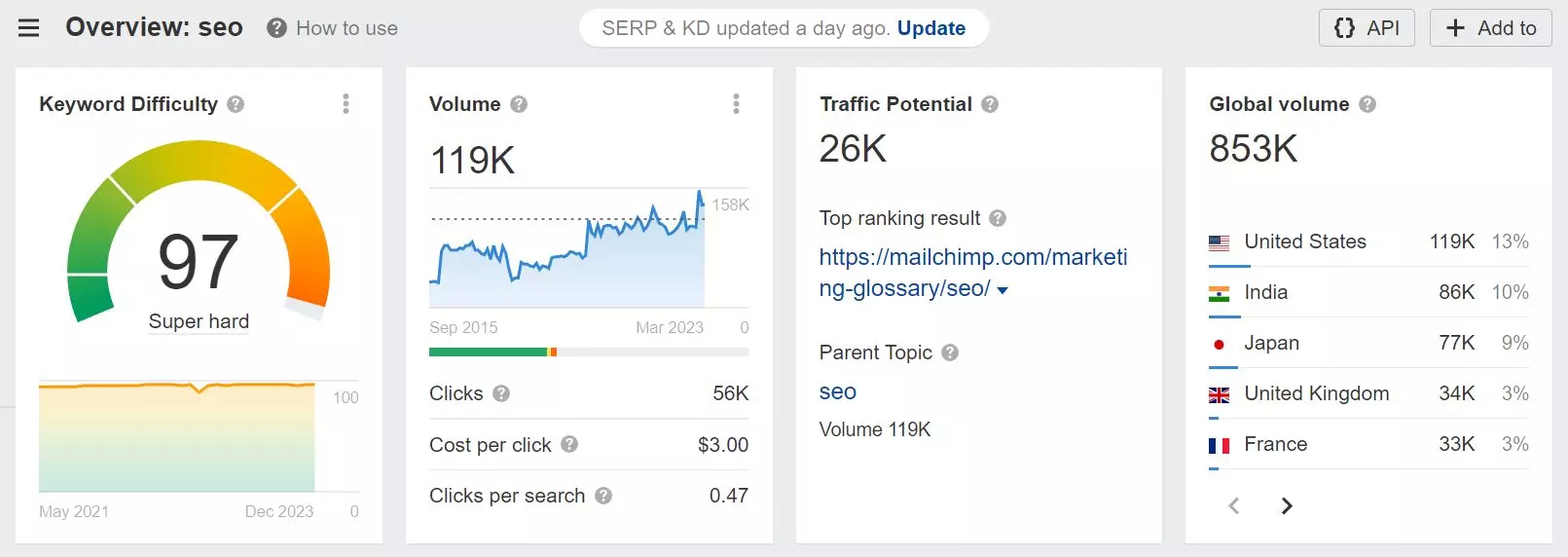
    Ahrefs' Keyword Explorer
    An overview of the keyword “SEO” through Ahrefs’ Keyword Explorer

    The keyword has a monthly search volume of 119,000 with 56,000 clicks, especially in markets like the U.S., where Google dominates. This high volume explains why English-language documents often rank high even on Korean Google for SEO. The keyword difficulty is also very high due to intense competition.

    Relevance to Your Target

    To use keywords correctly, they must be highly relevant to your business. Well-chosen keywords help your website or blog rank high in search engines and reach more potential customers. If your primary or secondary keywords aren’t relevant to your business, its difficult to achieve high rankings. Keywords used in your website or blog posts must align with the content. If they dont, visitors might leave disappointed, reducing your site traffic.

    Regularly reviewing and updating your keywords to match the latest trends is also crucial. As the business environment constantly changes, consistent review is needed to select the right keywords. Additionally, leveraging emerging keywords can help reach more customers.

    Search Intent (SERP)
    Search Intent (SERP)
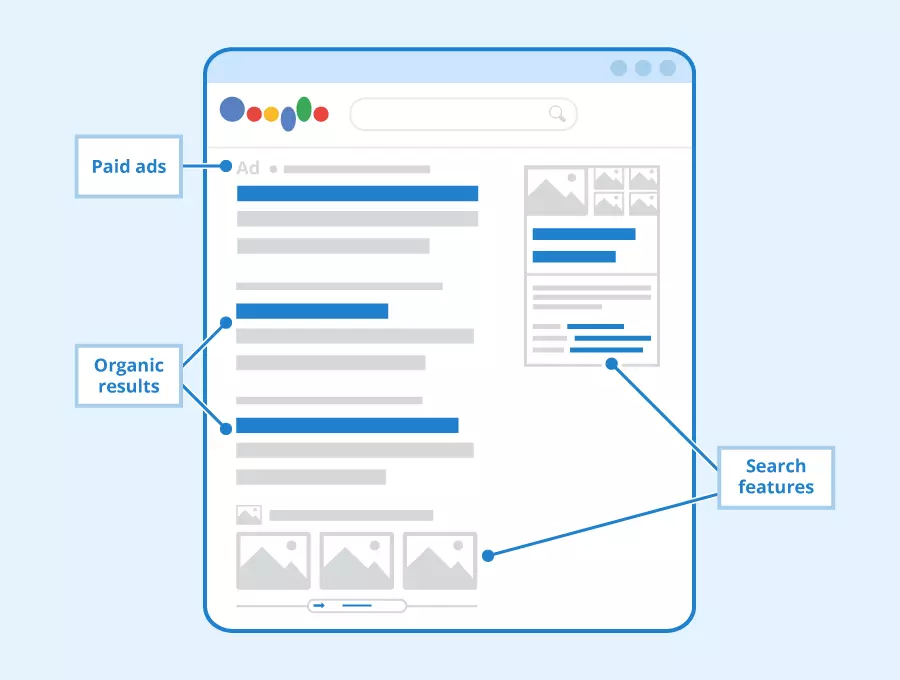
    Analysis of areas within Google search results (Source: SERP – Definition and SEO Relevance – Seobility Wiki)

    When creating content that includes a primary keyword, first ensure it matches the searcher’s intent and expectations. SERP (Search Engine Results Page) refers to the page displayed when users enter a keyword into a search engine. It lists various websites that help users find the information they seek.

    Understanding search intent is vital for both content marketing and SEO. It helps in creating better SEO strategies and producing more relevant content that attracts more visitors. Its not enough to aim for high rankings; content must also align with the specific keywords users are searching for.

    For instance, a search for travel destination recommendations might show top-ranking travel websites, but changing the search to overseas travel recommendations could yield different results. Understanding and selecting keywords based on search intent is a crucial aspect of SEO and content marketing.

    How to Find Secondary Keywords

    Autocomplete Suggestions

    Even if secondary keywords have lower search volumes than primary keywords, they can be highly effective in targeting specific audiences.
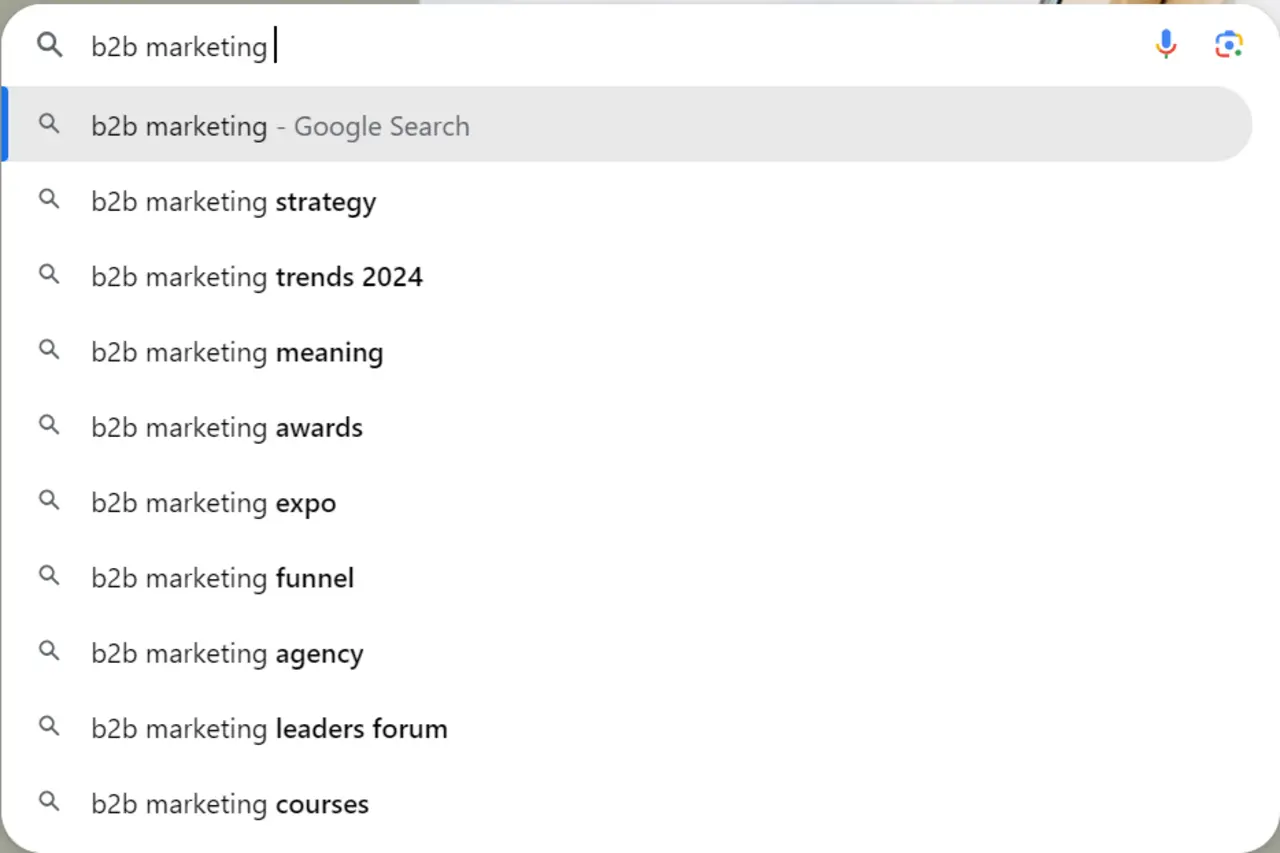
    Primary Keywords Autocomplete Suggestions

    For example, when searching for B2B marketing, autocomplete suggestions reveal related secondary keywords. If B2B marketing is the primary keyword, suggestions like [B2B marketing strategy], [B2B marketing trends 2024], and [B2B marketing meaning] become secondary keywords.

    Related and Additional Searches

    Primary Keywords Related and Additional Searches

    Secondary keywords can also be identified through related and additional searches displayed on Google.

    Synonym Searches

    inding synonyms or related terms for your primary keyword involves strategic thinking, research tools, and an understanding of the keyword’s context.

    To discover related secondary keywords, follow these steps:

    1. Clearly define your primary keyword.Understand its core meaning and context.
    2. Consider variations and potential synonyms.
    3. Use a dictionary to find alternative terms.
    4. Identify long-tail keywords that are specific variations, often including synonyms.
    5. Pay attention to language nuances and regional differences.
    6. Explore forums, social media, and user-generated content related to your niche to understand the language and terms your audience uses.
    7. Read industry publications and authoritative content to identify commonly used keywords and synonyms.
    8. Gather feedback from your audience through surveys or reviews to identify additional keywords and synonyms.

    Tools like Google Keyword Planner, SEMrush, Ahrefs, or Ubersuggest can be useful for finding synonyms, variations, and commonly used terms.

    How to Optimize Content with Primary Keywords and Secondary Keywords (On-page SEO)
    How to Optimize Content with Primary Keywords and Secondary Keywords (On-page SEO)
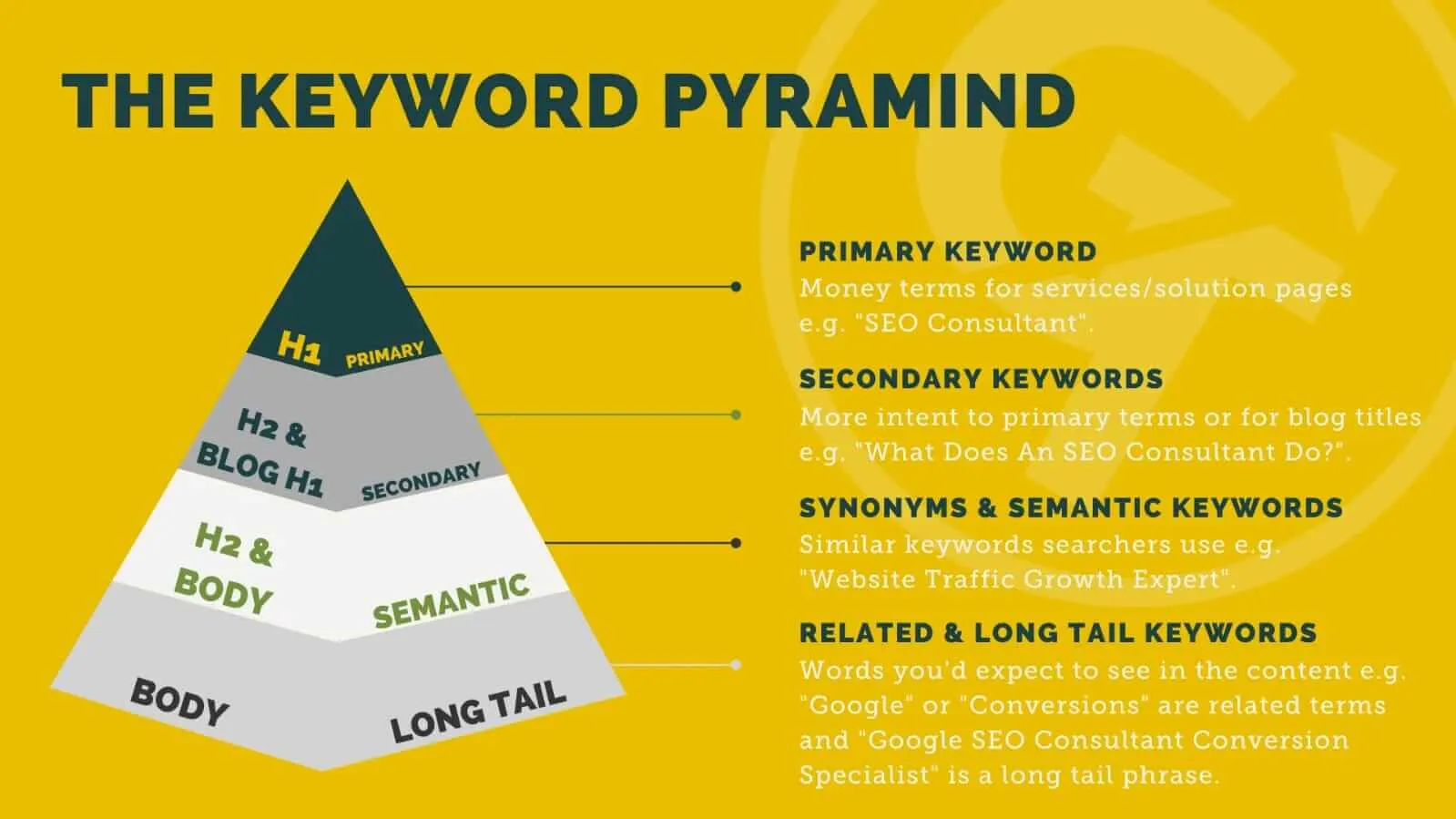
    Keyword structure for SEO (Source: Explaining The GrowTraffic Keyword Pyramid)

    Even if you find the perfect primary keyword, it wont rank well unless its integrated effectively into your content. To gain organic traffic, you need to create content based on search intent.

    In this section, well explain how to optimize content using Technical SEO or On-page SEO:

    • Title Tags: Include the primary keyword in the title to make the topic clear to both users and search engines. Aim to place the keyword at the beginning of the title.
    • First 100 Words: Use the primary keyword at least once in the first 100 words of your content to clarify the topic.
    • H1, H2, H3 Tags: Include primary keywords in various headers to structure your content and build a hierarchy.
    • Meta Description: Use primary keywords in the meta description to encourage users to click on your page when it appears in SERPs.
    • Alt Text: Include primary keywords in the alt text of images to improve accessibility and rank higher in image search results.
    • Video Content: Add the primary keyword to the video title, description, and tags to improve visibility on video search platforms.

    Conclusion: Primary Keywords and Secondary Keywords are Key Elements in Marketing Strategy

    In conclusion, appropriately using primary and secondary keywords is crucial for content marketing, SEO, performance marketing, and expanding website traffic. This requires careful and step-by-step planning.

    First, choose the appropriate primary keyword and then find relevant secondary keywords based on it. Create high-quality content based on these keywords and incorporate them into your marketing strategy.

    By doing this, you can achieve higher rankings in search engines, allowing more people to access your website. Therefore, continuous analysis and proactive management, including keeping up with the latest trends, are necessary.

    Ultimately, the effective use of primary and secondary keywords is an essential requirement for successful online business operations.
  • On-Page SEO: Optimize for Google, Naver, and More

    On-Page SEO: Optimize for Google, Naver, and More

    What is On-Page SEO?

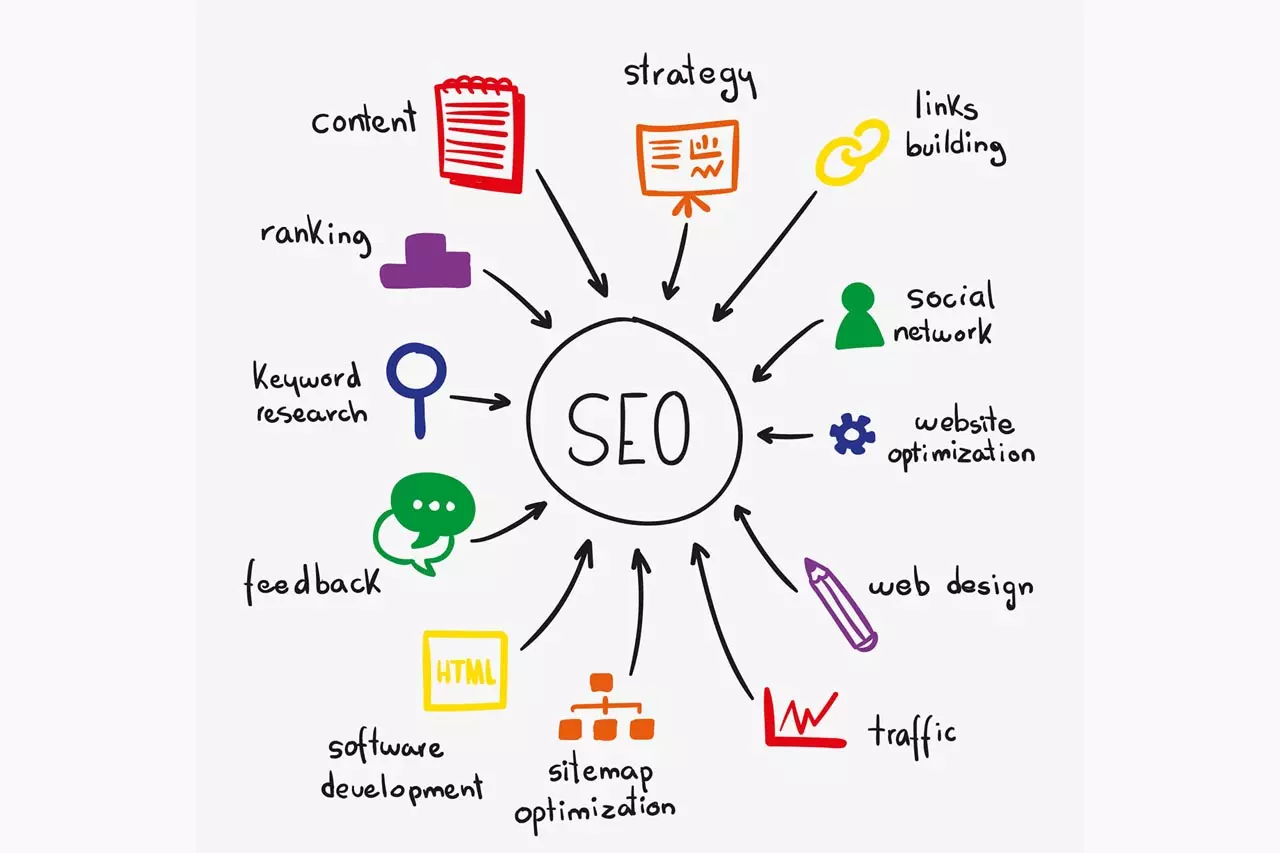
    On-page SEO involves organizing the content on your site so that search engines can better understand and rank it.

    Essentially, this process helps ensure that your content is not overlooked by search engines like Naver, Google, or Bing, and is ranked higher in search results.

    Ultimately, it allows you to communicate to search engines what content users are looking for.

    Search engines generally favor websites that are friendly to them. In other words, they prioritize sites that are optimized for search engines. Therefore, its crucial to refine your sites content to appeal to search engines.

    By carefully following the SEO guide proposed by Growth Marketing Agency, you can significantly improve the efficiency of your search advertising.

    The Importance of On-Page SEO

    The Importance of On-Page SEO
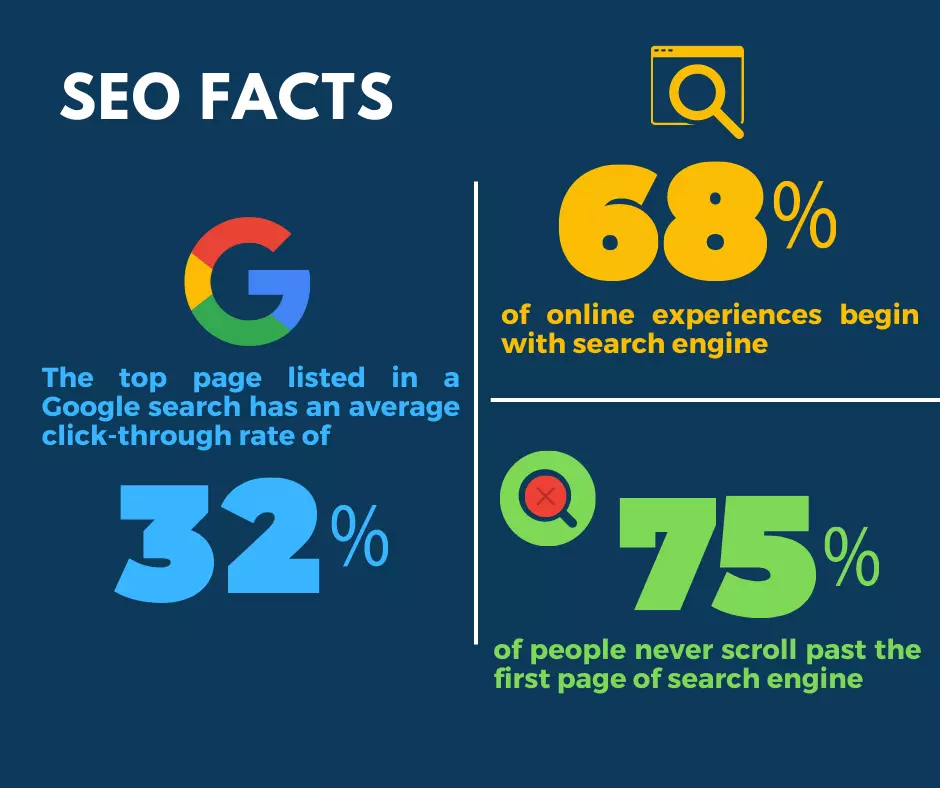
    The average click-through rate (CTR) for top-ranking pages on Google is 32%, and 68% of online experiences begin with a search engine. Notably, 75% of users never scroll past the first page of search results (Source: Measuring the Success of Your SEO Campaign: Metrics and Tools to Use)

    Improving the user experience should start with setting goals that benefit website users, which includes search engines as part of your audience.

    Through on-page SEO, you can help search robots better understand your sites content.

    Well-optimized content is more likely to be analyzed effectively by search robots and classified as higher-quality content in search results.

    Basic Guide to On-Page SEO

    ? Checklist 1: Title

    The title is the first on-page SEO element users encounter, meaning it influences the first impression of your content.

    The <title> element tells search robots what the page is about. Its essential to create accurate and unique title texts that reflect the pages theme and include the <title> element.

    However, if a document has more than one <title> element, search robots need to analyze which title aligns with the page content.

    This can lead to your page being classified as low quality. Additionally, excessively long titles can negatively affect your rankings. Be particularly careful when publishing series content to avoid having multiple pages with identical titles.

    When multiple pages share the same <title>, search robots struggle to determine which page is most relevant, leading to poor content classification. Prioritize creating unique titles for each page.

    ? Checklist 2: Summary/Description

    The meta description tag summarizes the pages content.

    Its best to write the summary in several sentences and ensure each page has a unique description since search engines often use these summaries as snippets in search results.

    If multiple pages have the same meta description, search robots may categorize them as duplicate content.

    ? Checklist 3: H1 and Alt Attributes

    Similar to the title, the <H1> element is used as a subheading to represent the page’s content. If more than one <H1> is found in a document, it creates a structure that search robots may find difficult to understand.

    The structure of your content can influence whether it is preferred by search engines.

    Similarly, if your content images include descriptive (Alt) elements, the document becomes easier for search robots to understand. To build effective on-page SEO, include explanatory sentences that describe the topics of your page content and images.

    SEO-Friendly URLs and Indexing Efficiency

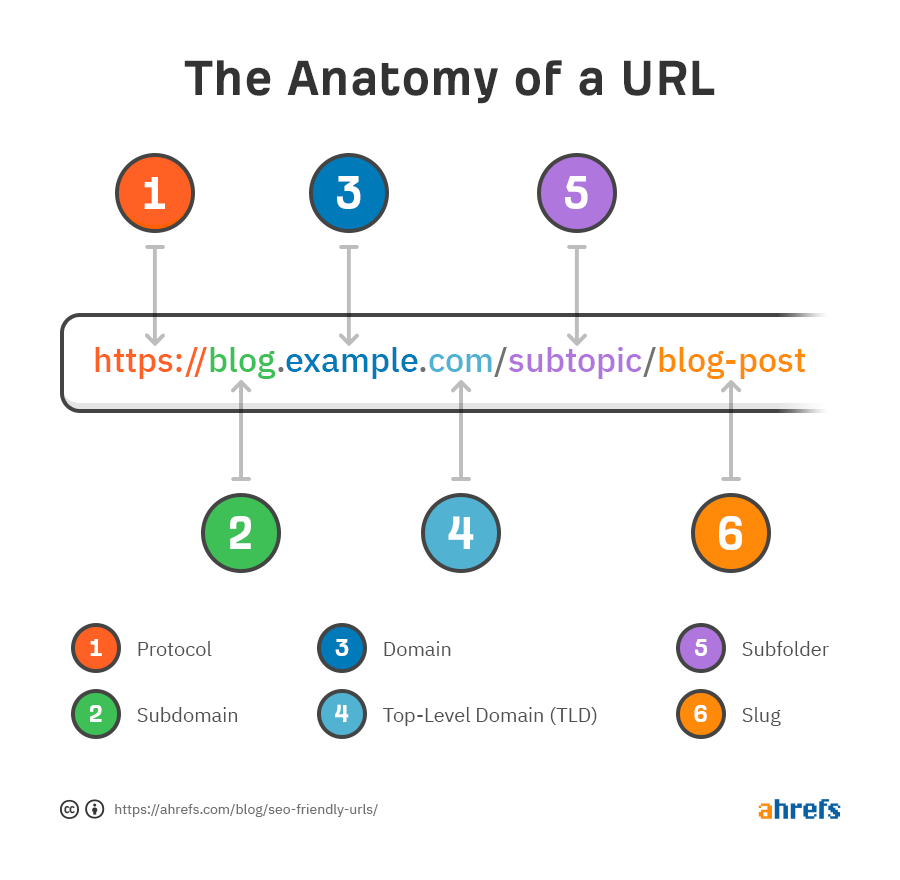
    While many factors need consideration during site construction, focusing on URLs can be a basic yet effective way to improve user metrics.

    A URL is a protocol that indicates the location of a resource on the network, typically referring to a webpages address.

    The most positive approach is to structure URLs in a way that reflects the classification of the content, making them easy to understand.

    How to Create on page SEO-Friendly URLs
    How to Create SEO-Friendly URLs (Step-by-Step)

    To create SEO-friendly URLs, use a top-level domain that is familiar to users, such as .com, .net, .co.kr, or .kr. Unfamiliar domains may be mistaken for spam or inappropriate sites, so it’s advisable to choose a popular domain. Additionally, it’s recommended to use a unique domain that matches the sites nature rather than relying on a generic domain provided by your web hosting service.

    Understanding search engines is crucial when structuring your URL. Its important to develop a URL structure that is easy for both users and search engines to interpret. Minimizing URL parameters and avoiding fragment identifiers or hashbangs (#!) is essential since search engines cannot interpret these formats. Each page with different content should have its own unique URL.

    Furthermore, search robots extract and process links within web pages as candidate URLs for indexing. Therefore, its important to mark up internal links in a way that search robots can easily interpret. For instance, providing standard link URL information helps search robots effectively navigate internal pages. Additionally, dynamic link changes can cause issues with search robot interpretation, so its recommended to use static markup for links.

    Search robots repeatedly collect and deliver web content to search engines. However, not all collected documents are indexed; those deemed unnecessary are removed from the index. To improve indexing efficiency, its crucial to identify and prevent conditions that might lead to non-indexed documents.

    ? Checklist 4: Lack of HTML Content

    In some cases, certain web pages use pure JavaScript for navigation without employing HTML markup. Search engines may consider these pages to have no content and exclude them from indexing.

    Its advisable to use HTTP response codes instead of JavaScript.

    ? Checklist 5: Soft 404 (or Soft Dead)

    When building and managing a site, its crucial to maintain HTTP response codes for error pages.

    In case of exceptional errors on the site, appropriate guidance pages should be provided to users, and specific HTTP response codes should be assigned to each case.

    The Core of On-Page SEO: JavaScript

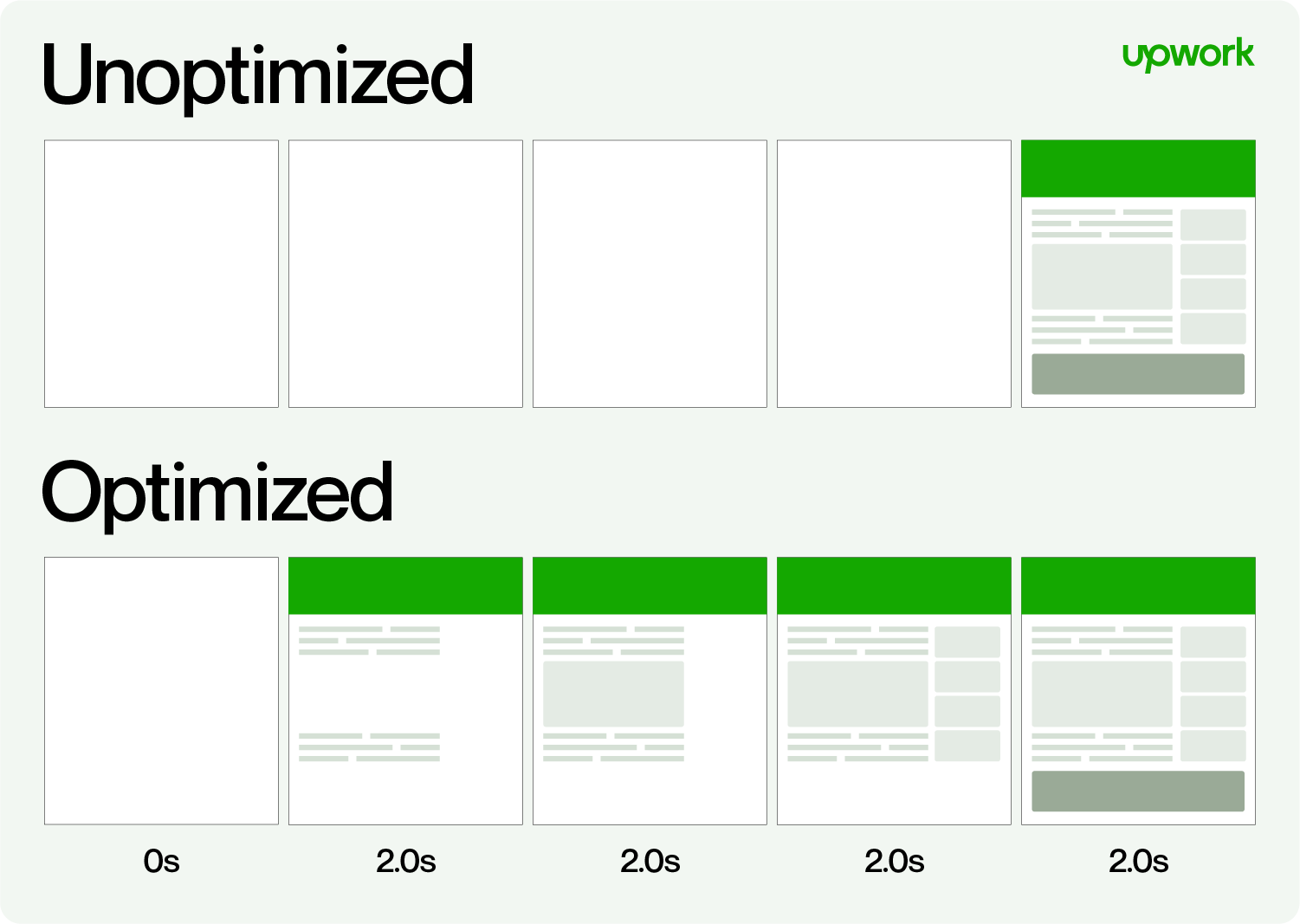
    JavaScript Optimization Tips To Improve Performance in 2023
    JavaScript Optimization Tips To Improve Performance in 2023 | Upwork

    Most websites use JavaScript to enhance user experience. Recently, many developers have adopted frameworks that convert web pages into single-page application (SPA) platforms.

    In SPA sites, JavaScript plays a decisive role in determining the structure of web pages.

    Search engines also evaluate and interpret the impact of JavaScript during the collection and content interpretation process.

    Therefore, when building a site using the SPA method, its necessary to optimize JavaScript for search engines.

    ? Checklist 6: Checking for Disallowed Collection

    Occasionally, some sites disallow the collection of resource URLs like JavaScript or CSS by search robots.

    Check the content of robots.txt to ensure that search robots can collect JavaScript. Also, verify in advance whether Naver search robot IPs are blocked.

    ? Checklist 7: Fragment (#) URLs

    Fragments are rules created to specify a particular position within a page.

    Search robots remove the fragment part during URL interpretation. If your site URLs are built with SPA fragment URLs and each URL represents independent content, its necessary to convert them into permalinks.

    JavaScript-based page construction does not necessarily exclude a page from search visibility. Search robots determine collection priorities for web pages based on algorithmic importance, given their limited collection resources.

    However, even if a page is collected, it doesnt guarantee indexing or search visibility.

    Therefore, its important to continuously update your SPA site to reduce the likelihood of being categorized as non-essential content while increasing the chances of being prioritized by search engines.

    Schema: The Key to On-Page SEO Success

    The Key to On-Page SEO Success
    What is Schema.org? – Seobility Wiki

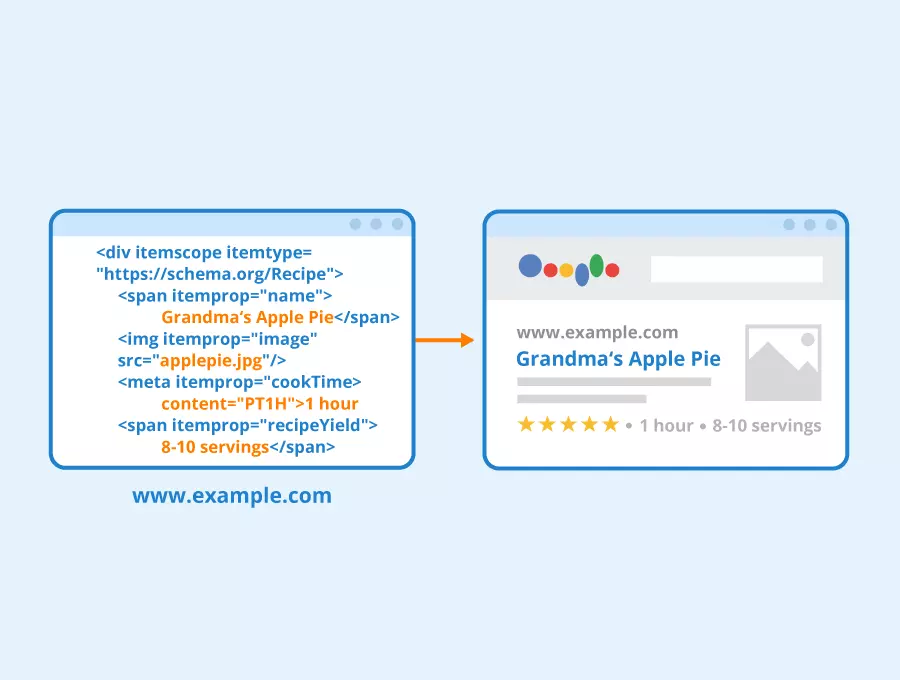
    Structuring content logically and organizing it into ‘structured data’ can significantly enhance SEO.

    Examples include relational databases. From a search engines perspective, content organized in a structured format is much easier to interpret.

    The process of defining web content as structured data has been ongoing, thanks to the continuous efforts of the community and related organizations. More details can be found at schema.org.
    Various search engines, including Naver, use structured data to deliver search results that match the characteristics of the content.

    Typically, this involves structuring the information of specific content into detailed attributes that correspond to the type of content, then adding it to the web page. Navers search robots automatically collect this information, organize it according to the contents characteristics, and use it in search results.

    Structured data, as defined by schema.org, was officially recognized as a web standard by the W3C in 2015, and standardization efforts have been active ever since. The structured data proposed by this organization consists of data types and attributes. Data types are combinations of attributes based on the characteristics of a web page or content. Based on this, multiple data types can be combined to add structured data to a single web page.

    Attributes represent detailed information about a web page or content and are elements that make up a data type. For example, in the case of audio content, attributes might include playback time or the number of plays.

    Schema.org supports three language formats for structured data: Microdata, RDFa, and JSON-LD. Naver recommends using the widely adopted Microdata or JSON-LD formats. After building structured data, its essential to validate it to ensure correct implementation. Schema.org provides structured data testing tools and detailed pages by data type for validation or to check examples written in different language formats.

    Conclusion: SEO is a Fair Starting Point, but Success Depends on Effort

    How many clicks does it take for users to find the right information in the sea of data? Some users may leave immediately after realizing they haven’t found what theyre looking for, while others may delve deeper into your content.

    The content that search engines prefer depends not only on its quality and quantity but also on how well you understand on-page SEO.

    While no one can fully understand everything about search engines, increasing the likelihood of being selected by them is a basic principle of marketing.

  • Naver SEO Strategies: Naver’s Personalized Search

    Naver SEO Strategies: Naver’s Personalized Search

    Have you ever felt that the search results on Naver vary slightly each time you search? If so, you’ve already experienced Naver’s personalized search!

    According to a 2020 article by Naver, personalized search has been an integral part of their strategy for some time now.

    Naver SEO strategies aren’t just about improving the user experienceit represents a significant change for digital marketing strategies. Understanding these dynamics can help marketers adapt and thrive in this evolving landscape.

    In this article, we will delve deep into Naver SEO strategies, especially the personalized search, and discuss how they impact our marketing strategies and how we should respond.

    Introduction to Naver’s Personalized Search

    Why did Naver introduce personalized search? The main reason is to enhance user satisfaction. Naver has constantly strived to help users find the information they want faster and more accurately. However, one challenge remained: every user’s search intent is different. 

    For example, when searching for K-pop star “IU,” some might look for the latest album information, while others might seek details about her upcoming drama. To meet these diverse needs, Naver introduced personalized search.

    Naver’s Efforts to Improve User Satisfaction

    Naver SEO strategies include content diversification, user pattern analysis, and real-time optimization.

    • Content Diversification: Provides various types of content such as movies, webtoons, and news for the same search term.
    • User Pattern Analysis: Analyzes individual search and click histories to understand preferred content types.
    • Real-time Optimization: Adjusts search results in real-time based on user behavior.

    These efforts ultimately aim to help users find the information they want more easily and quickly. For marketers like us, this is significant because it provides an opportunity for our content to reach the right target more accurately!

    Naver SEO Strategies: Personalized Search Implementation

    Now, let’s take a closer look at how Naver implements personalized search.

    Personalization of Content Information

    Naver’s first strategy is the personalization of content information, which provides various types of content according to user preferences.

    For example, when searching for “True Beauty (????)”:

    • Users who frequently watch K-dramas are presented with detailed information about the TV show, including the latest episodes, cast details, and viewer ratings.
    • Users who enjoy webtoons are shown information about the “True Beauty” webtoon series, such as chapter summaries, artwork, and recommendations for other similar webtoons.
    Naver SEO Strategies: Personalized Search
    Comparison of Standard vs. Personalized Search Results Using the Example of “True Beauty”

    To achieve this, Naver conducts user pattern analysis using statistical methods, specifically employing the Hellinger Distance statistical technique to understand users’ content consumption patterns and provide appropriate search results.

    ?Marketing Insight: This suggests that we marketers need to create various types of content. Producing content in diverse formats, such as blog posts, infographics, and videos on a single topic, increases the likelihood of exposure to more users.

    Personalization of Collection Rankings

    Naver’s second strategy is the personalization of collection rankings, which involves displaying preferred document types (e.g., images, videos, news) at the top of search results.

    For instance:

    • Users who often click on news are shown news collections at the top.
    • Users who frequently view images are shown image collections at the top.

    Naver also uses statistical methods to analyze user patterns, comparing them with other users to determine which type of collection a specific user prefers and reflecting this in the search results.

    Naver Collections

    ?Marketing Insight: This highlights the importance of understanding the preferred content format of our target audience. For example, if targeting a younger demographic, focusing on video content, while targeting professionals may require more detailed text-based content.

    Future Development Directions

    Naver is continuously developing its personalized search. Notably, it is working on a new content and channel recommendation system that reflects users’ tastes and interests. This signifies a shift towards actively recommending new information that users might be interested in, beyond merely personalizing search results.

    ?Marketing Insight: This emphasizes the importance of content marketing. Beyond creating keyword-optimized content, we must accurately understand our target audience’s interests and needs and consistently produce high-quality content that meets those needs.

    Impact on Marketing Strategies

    Let’s now explore in detail how these changes in Naver SEO strategies affect our marketing strategies.

    Content Optimization

    Naver’s personalized search demands significant changes to our content strategy.

    Necessity of Creating Various Forms of Content

    We now need to create diverse forms of content on a single topic. For example, if marketing under the theme “healthy diet”:

    • Blog Post: “10 Tips for Effective Dieting”
    • Infographic: “Meal Plans to Boost Diet Success Rates”
    • Video: “5-Minute Diet Exercise Routine”
    • News Article: “Scientific Basis of Dieting Revealed by Latest Research”

    By producing content in various formats, we can reach different user groups who prefer text, visual information, or videos.

    Selecting Content Types Suitable for Target Audience

    At the same time, we must focus on the content types preferred by our main target audience. For example:

    • For targeting 10-20 year-olds: short, fun videos, infographics, etc.
    • For targeting 30-40 year-old professionals: in-depth blog posts, expert interviews, etc.
    • For targeting those over 50: easy-to-read news-style content, large font infographics, etc.

    We should develop a content strategy that considers the characteristics and preferences of our target audience.

    Explore Growth Marketing Agencys Content Marketing Case Study

    Changes in Naver SEO Strategies

    Naver’s personalized search also requires significant changes to the existing Naver SEO strategies.

    Diversification of Keyword Strategy

    It is no longer enough to focus solely on popular keywords. Instead, the following approaches are necessary:

    • Utilizing Long-tail Keywords: Use more specific and segmented keywords. For example, instead of the general keyword “diet,” use more specific keywords like “low-carb diet for 30-year-old professionals.”
    • Semantic Keyword Grouping: Group related keywords semantically to compose content. For example, group “diet,” “weight loss,” “calorie restriction,” and “healthy diet” together to create comprehensive content.

    Optimization Based on User Intent

    Focus on user search intent rather than the keywords themselves. For example:

    • Informational Search: Provide detailed guides answering questions like “What are the principles of dieting?”
    • Transactional Search: For keywords like “buy diet food,” provide product comparison information or purchase guides.
    • Navigational Search: Directly link to official websites or product pages for brand names or specific product searches.

    Increased Importance of Technical SEO

    Naver will use more complex algorithms to provide personalized search results. Therefore, the following technical SEO elements become more important:

    • Structured Data Markup: Use Schema.org, etc., to clearly convey the meaning and structure of the content.
    • Mobile Optimization: Ensure mobile-friendly design and fast loading speed.
    • Site Structure Optimization: Build a clear and logical URL structure and internal linking system.

    Importance of Analyzing User Behavior

    Naver’s personalized search operates based on user behavior data. Therefore, we need to analyze and understand user behavior more precisely.

    Analysis of Customer Search Patterns and Preferences

    We need to collect and analyze the following data:

    • Key Inflow Keywords
    • On-site Search Terms
    • Page Dwell Time
    • Click Path
    • Engagement by Content Type (e.g., text vs. video)

    Developing Data-Driven Marketing Strategies

    Based on the collected data, we can develop the following strategies:

    • Creating Customized Content for Customer Segments
    • Identifying and Focusing on the Most Effective Content Types
    • Optimizing User Journey
    • Establishing Retargeting Strategies

    Conclusion

    In conclusion, Naver’s personalized search is a significant change that requires us to rethink and adapt our marketing strategies. By understanding and responding effectively to these changes, we can ensure that our content reaches the right target audience and achieves the desired results.

    At Growth Marketing Agency, we have extensive experience in navigating Navers content ecosystem. Our team is well-versed in crafting strategies that can help your business effectively reach and engage its target audience. By leveraging our expertise, you can turn these changes into opportunities and stay ahead of the competition. Embracing Naver SEO strategies can help your business stay competitive in this dynamic digital landscape.

  • How to Choose the Best SEO Agency in Korea

    How to Choose the Best SEO Agency in Korea

    In today’s digital landscape, partnering with the right SEO agency is crucial for successful online marketing in Korea. 

    This article will explore the importance of choosing a good SEO agency in Korea and provide criteria for selection, guiding you to find a reliable partner for successful marketing.

    ?? SEO ??? ??? ???? SEO ???? ???, ???? ??? ??? ???? ??.

    Why Choosing the Right SEO Agency Matters

    For companies unfamiliar with SEO, distinguishing between good and bad agencies can be challenging. Even those well-versed in SEO might not always find the best fit. Let’s explore the key factors to consider when selecting an SEO agency in Korea.

    SEO Agency Selection Checklist: 7 Essential Criteria

    1. Request and Evaluate Case Studies

    Case studies are crucial when considering an SEO agency in Korea. They provide valuable insights into the agency’s capabilities and past successes. When evaluating a case study:

    • Ask for examples of optimized websites and their keyword rankings
    • Review the most recent case studies to ensure the agency is up-to-date with current SEO trends
    • Verify the latest metrics and information provided

    2. Look Beyond SEO Skills

    While SEO expertise is important, it’s essential to evaluate the agency’s overall marketing capabilities. Consider the following:

    • Seek agencies with experience in your specific business domain
    • Ensure alignment with your conversion goals (e.g., e-commerce, B2B)
    • Evaluate their ability to drive actual sales and conversions, not just rankings

    3. Prepare Thoroughly for Agency Meetings

    Preliminary meetings are crucial for establishing a collaborative relationship and understanding the agency’s approach. When preparing for meetings:

    • Insist on meeting the actual personnel who will work on your project
    • For global projects, verify the competence of dedicated teams
    • Be cautious of agencies refusing video meetings if face-to-face isn’t possible
    SEO agency mistake in translating Korean
    An overseas SEO agency has launched a website to market their services to Korean companies. However, they’ve made a translation error where “SEO” has been translated as ?, which phonetically reads as “so” in Korean. This mistake indicates that the agency might have used automated translation tools without proper localization, raising concerns about their attention to detail and understanding of the Korean market. Its important for companies to ensure that such agencies have a strong grasp of both the language and the local SEO practices to avoid similar errors.

    4. Ask Relevant Questions

    During your meetings, ask targeted questions to gauge the agency’s expertise and fit:

    • What services do you provide?
    • How long have you been in business?
    • What successes have you achieved with other clients?
    • How do you conduct keyword research and select keywords for campaigns?
    • What is your approach to mobile SEO?
    • How do you measure and report campaign success?

    5. Avoid Agencies Guaranteeing Results

    Be wary of agencies that promise guaranteed results. Remember:

    • SEO success is difficult to guarantee due to various external factors
    • Focus on agencies offering superior service and skills rather than guarantees
    • Understand that guaranteed conditions often favor the agency, not the client

    6. Consider Budget Carefully

    While cost is an important factor, it shouldn’t be the sole determining factor. When considering budget:

    SEO ???? / SEO ??? / SEO ?? ??? ?? ?
    What Is an SEO Company? What Do SEO Agencies Do?

    7. Evaluate Holistically

    Make your final decision based on a comprehensive evaluation:

    • Balance performance, expertise, and cost
    • Ensure the agency can contribute to your overall marketing growth
    • Consider how well the agency aligns with your company’s goals and culture

    Conclusion: Finding Your Ideal SEO Partner in Korea

    Selecting the right SEO agency in Korea requires careful consideration and a step-by-step approach. By following these criteria and conducting thorough research, you can find a trustworthy partner that will contribute significantly to your digital marketing success.

    Remember, the goal is not just to improve rankings but to drive meaningful business results. Take your time, ask the right questions, and choose an agency that aligns with your specific needs and objectives.

  • Naver SEO: What is Naver and How to Improve Your Rankings

    Naver SEO: What is Naver and How to Improve Your Rankings

    Naver, South Koreas leading search engine, operates with distinct features and user behaviors that necessitate unique SEO strategies compared to Google. This guide provides an in-depth approach to optimizing for Naver SEO in 2024.

    South Koreas Search Engine Market Share (2024)
    South Koreas Search Engine Market Share

    What is Naver?

    Naver is South Korea’s largest and most popular online platform, often referred to as “the Google of South Korea.” Launched in 1999, Naver was the first South Korean web portal to develop its own search engine. With approximately 38.8 million monthly active users as of 2023representing about 75% of the South Korean populationNaver is predominantly a Korean-language platform. This presents challenges for non-Korean speakers and highlights the importance of understanding Korean or working with local experts to effectively reach this audience.

    Naver SEOs Unique Features

    Naver’s Search Results Page (SERP) Layout

    Naver’s SERP is notably more complex and content-rich compared to other search engines. Naver functions as a comprehensive portal where users access a wide range of services and information in one place. 

    In my years working in a Korean company, Ive noticed that most of my coworkers would start their day by opening Naver first thing in the morning. This daily routine involves browsing the homepage to catch up on the latest news, reading popular blog posts, and exploring trending fashion through the shopping section. 

    This multi-faceted functionality underscores the importance of Naver for staying informed and engaged with current trends.

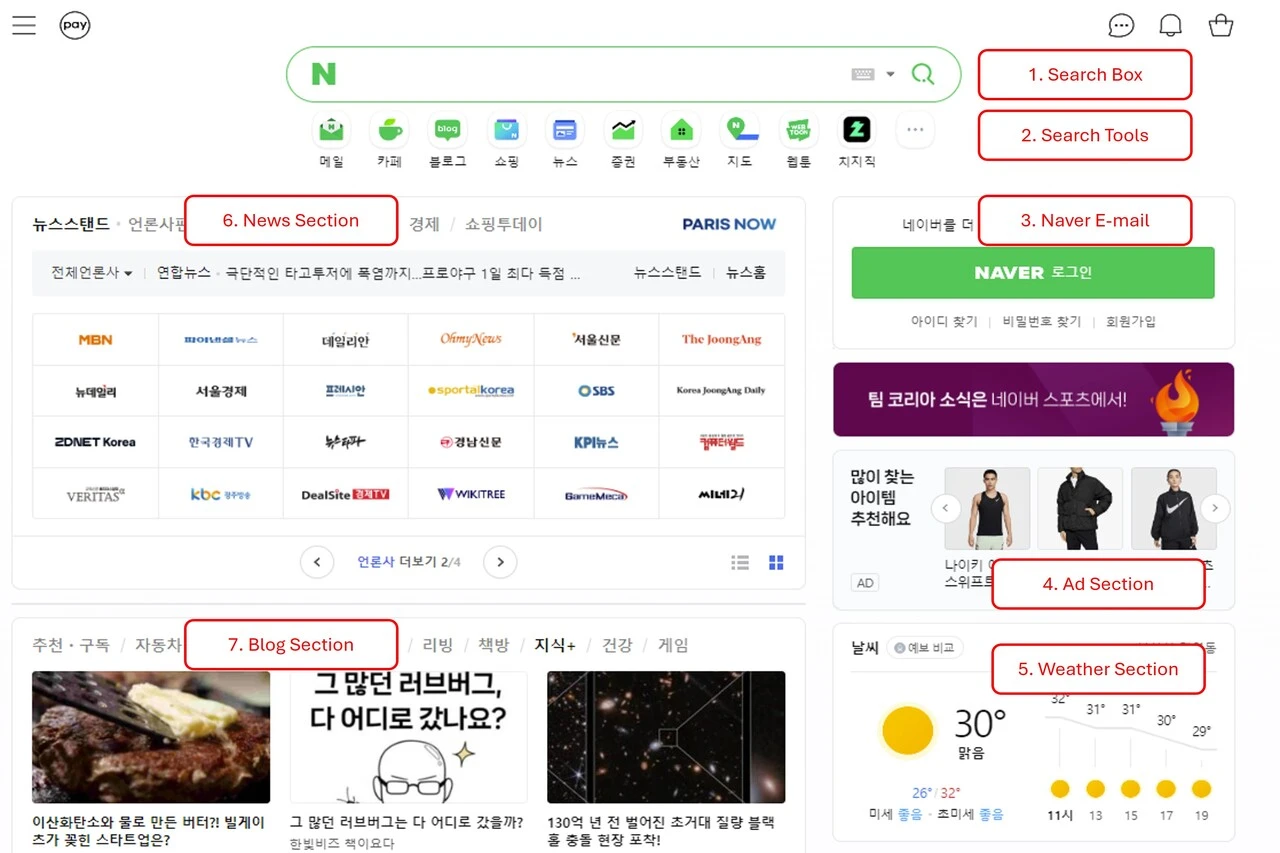
    Naver Search Layout

    When you open Naver, the main page is structured to provide a comprehensive snapshot of information and easy navigation through its various services. It is primarily divided into the following sections:

    1. Search Box: Allows you to input your search queries directly.
    2. Search Tools: These buttons facilitate quick access to a variety of Naver’s services, including Mail, Cafes (similar to Reddit), Blog, Shopping, Stock Market, Map, and more.
    3. Naver Email: Users can log in to access their Naver email accounts.
    4. Ad Section: A designated area for paid advertisements.
    5. Weather Section: Provides current weather updates and forecasts.
    6. News Section: Features the latest news stories from around the country and the world.
    7. Blogs Section: Highlights the most trending blog articles across various categories, showcasing popular and engaging content.

    Naver SERP Variations by Query Type

    The layout and content of Naver’s SERP can vary significantly depending on the type of query. For example:

    Consumer Products (e.g., vitamin supplements)

    Lets say you are a vitamin manufacturing company looking to sell your products in South Korea. Understanding the search results on Naver is crucial. Below is a breakdown of the search results for vitamin supplements on Naver (written in Korean). The first section displayed is related to Naver Shopping, emphasizing the importance of listing your products on this platform. Naver’s algorithm prioritizes the most relevant products based on public interest, recent purchases, and genuine user reviews. It’s important to note that the ‘Naver Police’ regularly monitor reviews to prevent any fraudulent activities.

    Naver SERP Variations by Query Type for B2C

    Following the shopping results, the next sections include recommended items, FAQs, best-reviewed items, and organic results from company websites and blogs. This hierarchy illustrates the varied content types Naver users engage with when searching for products.

    B2B Products (e.g., medical devices)

    Now, consider you are a medical device manufacturer selling echocardiography machines. For potential customers, the search results predominantly feature organic results from blogs and company websites first, followed by the knowledge section, news articles, Naver Shopping listings, images, and academic journals. 

    Naver SERP Variations by Query Type for B2C

    As a B2B company, a strategic approach would involve ensuring your company or product is featured in news articles to achieve higher visibility in search results.

    Naver SEO: Technical Optimization

    Naver’s technical SEO encompasses various strategies and optimizations tailored to the specific requirements and algorithms of Naver. Unlike Google, Naver’s ecosystem includes numerous integrated services, and understanding how to navigate these is key to improving visibility. 

    1. Naver Webmaster Tools

    Account Setup and Verification:

    • Create a Naver account and register your site with Naver Webmaster Tools.
    • Verify site ownership through HTML file upload, HTML tag, or DNS verification.

    Site Health and Monitoring:

    • Regularly monitor site health using Naver Webmaster Tools.
    • Check for crawl errors, indexation issues, and security problems.
    Naver SEO: Naver Webmaster Tools

    A UK-based vitamin supplements company has their website indexed on Naver, but their performance can be significantly improved. Upon analyzing their site using Naver Webmaster Tools, four technical issues were identified that need resolution for optimal performance and visibility on the platform. Addressing these issues will enhance their site’s search rankings and user experience on Naver.

    2. Indexing and Crawling

    XML Sitemap Submission:

    • Create and submit an XML sitemap to ensure Naver efficiently crawls and indexes your site.
    • Keep the sitemap updated with new or modified content.

    Robots.txt File:

    • Use a robots.txt file to control which pages are accessible to Navers crawlers.
    • Ensure critical pages are not inadvertently blocked.

    URL Structure:

    • Maintain a clean, descriptive URL structure.
    • Avoid dynamic URLs with complex query strings.

    3. Mobile Optimization

    Responsive Design:

    • Ensure your site uses responsive design to provide an optimal user experience across devices.
    • Use Naver Webmaster Tools to check mobile compatibility.

    Page Speed:

    • Optimize site speed using tools like Google PageSpeed Insights.
    • Compress images, leverage browser caching, and minimize HTTP requests.

    4. Content Optimization

    Keyword Research and Implementation:

    • Conduct keyword research using Navers keyword tools and trends.
    • Implement relevant keywords in titles, headings, meta descriptions, and content naturally.

    Meta Tags:

    • Write compelling meta titles and descriptions for each page.
    • Use accurate meta tags to help Naver understand your content contextually.

    Structured Data:

    • Implement structured data (schema markup) to help Naver understand your content better.
    • Use schema for products, articles, events, and other relevant content types.

    5. User Experience (UX)

    Navigation and Internal Linking:

    • Create an intuitive navigation structure.
    • Use internal linking to guide users and distribute page authority.

    Engagement Metrics:

    • Improve dwell time and reduce bounce rates by providing valuable, engaging content.
    • Use multimedia elements like images, videos, and interactive features.

    6. Backlinks and Social Signals

    Quality Backlinks:

    • Build high-quality backlinks from reputable Korean websites, particularly those on Naver platforms like Naver Blogs and Cafes.
    • Avoid spammy or low-quality link-building practices.

    Social Media Integration:

    • Integrate social media sharing buttons to encourage content sharing.
    • Engage with users on Navers social platforms to boost visibility and traffic.

    7. Complying with Naver Policies to Counter Black Hat SEO

    •  Compared to Google, Naver has fewer users, search volumes, and content, making it more vulnerable to Black Hat SEO tactics that rely on generating large amounts of traffic.
    • To address this, Naver continually updates its search policies to counteract Black Hat SEO. 
    • For instance, even if a significant amount of traffic is directed to a single website after searching for a specific keyword, if the sessions are not logged in with a ‘Naver ID’, this traffic is counted as zero and does not benefit the website. 

    By focusing on these key areas and staying attuned to the specific needs of the Korean market, businesses can significantly improve their visibility and success on Naver. Regular monitoring, adaptation to Naver’s updates, and consistent high-quality content creation are crucial for long-term success.

    How Our Agency Can Help You Master Naver SEO

    Navigating the intricacies of Naver SEO can be challenging, especially for businesses unfamiliar with the South Korean landscape. That’s where Growth Marketing Agency comes in. With our team of experienced Naver SEO specialists, including native Korean speakers and digital marketing experts, we can help you develop and implement a comprehensive Naver SEO strategy tailored to your specific needs. 

    From technical optimizations and content creation to building a strong presence on Naver’s integrated platforms, we have the expertise to boost your visibility and drive meaningful results in the South Korean market. 

  • SEO Translation: Going Global Without Getting Lost

    SEO Translation: Going Global Without Getting Lost

    In the ever-evolving world of digital marketing, SEO translation emerges as a crucial strategy for expanding your online presence across borders.

    More than just converting text from one language to another, SEO translation involves a nuanced approach to ensure that your content not only communicates effectively but also ranks high on search engines in different regions.

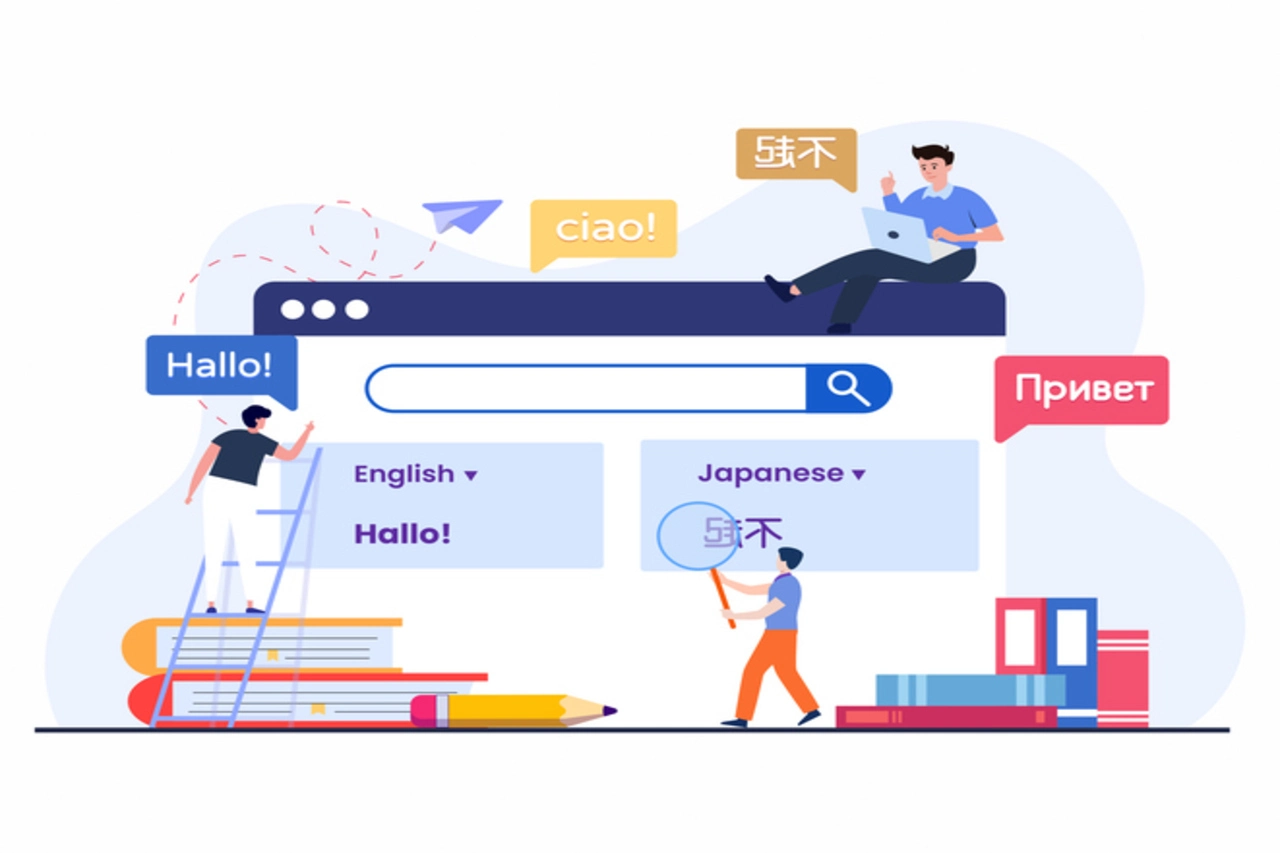
    SEO Translation vs. Regular Translation: It’s Not Just About Words!

    Picture this: Regular translation is like using Google Translate for your Tinder bio. Sure, it gets the basic message across, but will it make someone swipe right? Probably not. SEO translation, on the other hand, is like having a savvy local friend rewrite your bio to make you irresistible in a new city. See the difference?

    SEO Translation vs. Regular Translation

    What Sets SEO Translation Apart:

    1. Keyword Magic: We don’t just translate; we transform. We dig deep to find those juicy keywords that’ll make search engines in your target market sit up and take notice.
    2. Cultural Finesse: Remember that time Joey from Friends tried to speak French? Yeah, we avoid that level of cultural confusion. We make sure your content resonates locally, no matter where it lands.
    3. Search Engine Charm: Each search engine has its quirks. Google might be into long-tail keywords, while Naver in Korea might prefer its content short and sweet. We speak all these languages fluently!
    4. Structure Makeover: We don’t just translate your content; we give it a full SEO makeover, from headers to meta descriptions.

    The Impact: Because Who Doesn’t Love a Good Success Story?

    Now, I could throw a bunch of impressive-sounding statistics at you, but let’s be real – those can be as made up as my chances of ever enjoying Cheonggukjang (sorry, Korea, I tried!). Instead, let me share a real story from our agency’s treasure trove of experiences.

    A Tale of EdTech Transformation

    We recently worked with an EdTech client who wanted to take their Korean content global. Their previous translations? Let’s just say they were about as effective as using a flip phone in the age of smartphones.

    The problem? Their translators were treating Korean-to-English translation like a word-for-word marathon. Languages are like fashion trends. What’s chic in Korean could be a major faux pas in English.

    For example, we found titles like “???? ??? ??? ?? ??? ??” translated to “The best method for effective online learning”. Not terrible, but about as SEO-friendly as a cat video is to dog lovers.

    Our approach? We put on our SEO dancing shoes and:

    1. Restructured titles to front-load keywords: “Online Learning: Top Strategies for Effectiveness”
    2. Dug deep into keyword research (nerd alert: we love this stuff!)
    3. Sprinkled in related terms like “e-learning hacks” and “digital study tips”

    The result? Their English blog traffic shot up faster than my caffeine levels on a Monday morning. We’re talking a serious boost in organic traffic, better search rankings, and more social shares than a cute puppy video.

    Want to Join the SEO Translation Party?

    Listen, in today’s digital world, it’s not enough to just speak the language. You’ve got to speak the language of search engines AND international audiences. It’s like being fluent in human and robot at the same time – and yes, it’s as cool as it sounds.

    SEO Translation Korean Marketing Agency

    So, are you ready to take your website from “lost in translation” to “found in every nation”? Here at Growth Marketing, we’re not just translators; we’re your global SEO sidekicks, ready to help you conquer the digital world, one keyword at a time.

    Contact us and let’s chat about turning your website into a multilingual, traffic-attracting, conversion-generating superhero. In the immortal words of every travel influencer ever, ‘The world is waiting!’ (Just make sure it can find you online first!

  • Content Marketing Case Study: Unlocking Global Success

    Content Marketing Case Study: Unlocking Global Success

    When we say content marketing, it’s not just about creating content; it’s about crafting valuable, relevant, and consistent material that attracts and retains a clearly defined audience. 

    At its core, content marketing is the art of communicating with your customers and prospects without overtly selling. Instead, you’re delivering information that makes your audience more intelligent, all while subtly positioning your brand as an industry leader.

    This content marketing case study delves into how we at Growth Marketing Agency leveraged these principles to propel an EdTech company onto the global stage. As a content marketing specialist, I’ve seen firsthand how a well-executed content strategy can transform a brand’s reach and impact. Let’s explore how we turned content into a powerful tool for global expansion.

    Importance of a Content Marketing Case Study

    The Power of Content Marketing Case Studies

    Content marketing case studies are more than just success stories; they’re roadmaps for future strategies. They provide tangible evidence of what works in the real world, offering insights that can be applied across industries.

    In the B2B realm, where trust and expertise are paramount, content marketing case studies serve as proof of a company’s ability to deliver results.

    Our content marketing case study with the EdTech company illustrates how targeted content can bridge cultural gaps, address universal pain points, and ultimately drive global engagement. It’s a testament to the power of well-crafted content in today’s interconnected world.

    The EdTech Challenge: Crafting Content for a Global Audience

    Our client, an ambitious Korean EdTech company, approached us with a clear goal: to expand their reach beyond borders and connect with educators worldwide. The challenge? Creating content that resonates across diverse cultural and educational landscapes.

    This content marketing case study examines how we tackled this challenge head-on, transforming their content strategy from locally focused to globally impactful.

    Content Marketing Case Study: EdTech Example

    The Growth Marketing Agency Approach to Global Content

    In this content marketing case study, our strategy centered on four key pillars:

    1. Comprehensive Audience Research: We delved deep into the needs, challenges, and preferences of educators across different regions.
    2. Problem-Solving Content Creation: Our focus was on developing content that addressed real-world educational challenges.
    3. SEO Optimization for Global Reach: We implemented strategies to enhance visibility in international search results.
    4. Incorporation of Diverse Perspectives: We ensured our content reflected a wide range of global educational experiences.

    Amplifying Global Voices in Our Content Marketing Case Study

    A crucial aspect of this content marketing case study was our approach to incorporating diverse global perspectives. We conducted interviews with educators from various countries, each bringing unique insights to our content strategy.

    Content Marketing Case Study: EdTech Example

    One particularly illuminating conversation was with Megan, an Australian teacher based in Thailand. Her experience with EdTech in a cross-cultural context provided invaluable insights that shaped our content creation process. This approach not only enriched our content but also ensured its relevance across different cultural contexts.

    Crafting Audience-Centric Content: A Core Element of Our Case Study

    In this content marketing case study, we adhered to a fundamental principle: the best content focuses on the audience, not the product. For our EdTech client, this meant:

    1. Identifying and addressing common pain points in global education
    2. Providing practical, actionable solutions to educational challenges
    3. Showcasing diverse educational experiences and methodologies
    4. Simplifying complex technological concepts for broader accessibility

    The success of this content marketing case study was evident in both quantitative and qualitative outcomes. We observed significant increases in organic traffic, engagement rates, and lead generation from international markets.

    Crafting Audience-Centric Content

    Key Takeaways

    This content marketing case study offers several valuable insights for businesses looking to expand their global reach:

    1. Prioritize comprehensive audience research
    2. Focus on providing solutions to real-world challenges
    3. Incorporate diverse perspectives to ensure global relevance
    4. Implement thorough SEO optimization for international visibility
    5. Utilize storytelling to create meaningful connections with the audience

    Leveraging Content Marketing for Global Impact

    This content marketing case study demonstrates that creating content that resonates on a global scale requires a nuanced understanding of diverse educational landscapes. It’s about addressing unique challenges faced by educators worldwide while maintaining cultural sensitivity and relevance.

    At Growth Marketing Agency, we specialize in developing content strategies that not only meet SEO requirements but also forge meaningful connections with global audiences. Whether you’re in the EdTech sector or any other industry aiming for international impact, we offer expertise in crafting a content strategy that enhances your global presence and engagement.

    Are you ready to elevate your content marketing to a global standard? Let’s collaborate to develop a content strategy that drives your international growth and positions your brand as a global thought leader in your industry.

  • Content Marketing Strategy That Actually Works

    Content Marketing Strategy That Actually Works

    Ready to take your content game from meh to AMAZING? Let’s dive into the world of content marketing strategy that actually succeeds. Spoiler alert: it’s all about putting your customers front and center!

    The Importance of Content Marketing in Today's Business World
    The Importance of Content Marketing in Today’s Business World

    Why Your Content Marketing Strategy Needs a Customer-Centric Makeover

    You know that feeling when you’re stuck at a party with someone who only talks about themselves? YAWN. Well, that’s exactly how your audience feels when your content is all “me, me, me.” It’s time to break free from the trap of creating content just to please the boss. Let’s face it, if your strategy isn’t resonating with your target audience, it’s about as effective as a screen door on a submarine.

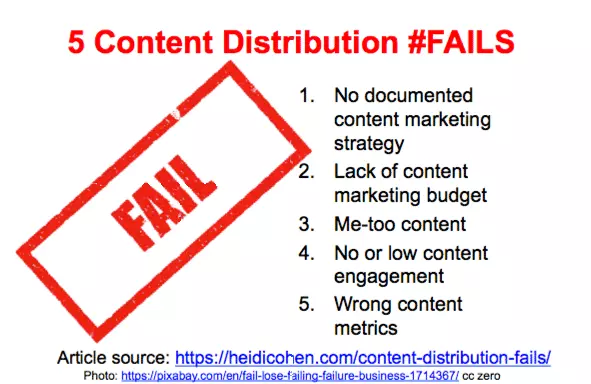
    Why content marketing might fail
    5 Content Distribution #Fails That Will Make You A Loser – Heidi Cohen

    The Secret Sauce: Understanding Your Audience

    Before you start churning out content, take a step back and ask yourself: Who am I really talking to?

    1. Develop buyer personas
    2. Map out the customer journey
    3. Identify pain points and desires

    Crafting Content That Speaks to Your Audience’s Soul

    Once you’ve got a handle on who your audience is, it’s time to create content that makes them feel like you’re reading their minds. Here’s how:

    • Address their specific pain points
    • Provide valuable solutions
    • Tell stories that resonate emotionally
    • Use real-life examples and case studies

    Remember, your content should be like a comfy sweater on a chilly day – warm, inviting, and exactly what they need.

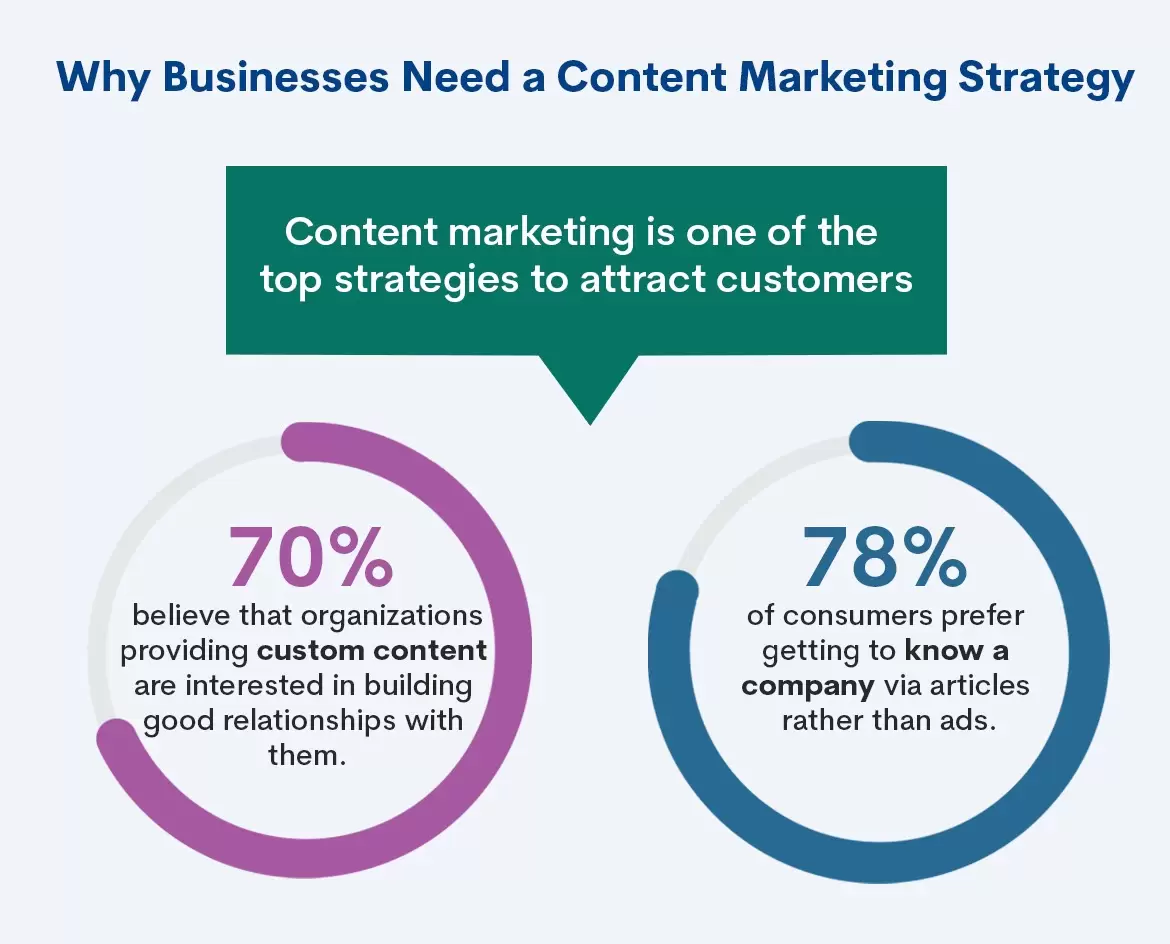
    B2B Content Marketing Statistics: Why It's Worth It
    B2B Content Marketing Statistics: Why It’s Worth It

    Diversify Your Content Portfolio

    Just like a well-balanced investment portfolio, your content strategy should include a variety of formats. Don’t rely on just one type of content. Mix it up!

    1. Blog posts (like this one!)
    2. Videos
    3. Podcasts
    4. Infographics
    5. Whitepapers and ebooks

    The Content Marketing Strategy Buffet

    Think of your content strategy like an all-you-can-eat buffet. Some people will go straight for the videos, while others will load up on blog posts. By offering a variety, you’re catering to different preferences and learning styles.

    SEO: The Not-So-Secret Weapon

    Want your content to be found easier than your keys when you’re already late for work? Then you need to cozy up to SEO. Here’s a quick rundown:

    1. Do your keyword research
    2. Optimize your content for search engines
    3. Build high-quality backlinks
    4. Create a user-friendly website structure

    The E-E-A-T Diet for Content

    No, I’m not talking about a new fad diet (although “Eat Everything Always Triumphantly” sounds pretty good). E-E-A-T stands for Experience, Expertise, Authoritativeness, and Trustworthiness. Google LOVES content that showcases these qualities, so make sure you’re serving up a healthy portion of E-E-A-T with every piece of content.

    Measure, Optimize, Repeat

    Listen up, because this is important: Your content marketing strategy should be dynamic and adaptable. It needs to evolve based on performance data and changing market conditions.

    Use tools like Google Analytics to track your content’s performance. Which pieces are getting the most engagement? Which ones are underperforming? Use this data to refine your strategy and create more of what your audience loves.

    The Bottom Line: It’s All About Your Customers

    At the end of the day, a successful content marketing strategy boils down to one thing: putting your customers first. It’s about creating content that educates, entertains, and solves problems. It’s about building relationships and trust.

    Let me share a personal example. When I first started in content marketing, I was all about showcasing our agency’s awards and accolades. But you know what? Our engagement rates were lower than my chances of winning a marathon (spoiler alert: I’m not a runner). It wasn’t until I shifted focus to addressing our clients’ pain points and providing actionable solutions that we saw a real uptick in engagement and conversions.

    So, are you ready to create a content marketing strategy that doesn’t just succeed, but CRUSHES it? Remember, in the world of content, the customer is not just king – they’re the whole royal family!

    At Growth Marketing Agency, we’re passionate about helping businesses like yours create content marketing strategies that truly resonate with your audience. We understand the nuances of different industries and can help you craft a strategy that speaks directly to your target customers.

    Ready to take your content marketing to the next level? Let’s chat! Our team at Growth Marketing Agency is here to help you create a customer-centric strategy that drives real results.

  • Medical Device Marketing: 5 Key Lessons for Global Success

    Medical Device Marketing: 5 Key Lessons for Global Success

    Medical Device Marketing: Navigating the Global Healthcare Maze

    Medical device marketing is the strategic promotion of innovative healthcare technologies in a complex global landscape. It is where innovation meets regulation, and cultural sensitivity is key to success. Let’s explore five essential lessons I’ve learned while navigating this complex landscape.

    Lesson 1: Understand Your Market

    Before you can conquer the world with your groundbreaking device, you need to know your battlefield. Are you a Korean company looking to expand overseas? Or an international player eyeing the Korean market? Either way, here’s what you need to know:

    1. Cultural Nuances Matter: What works in Seoul might not fly in San Francisco.
    2. Regulatory Landscape: Navigate the maze of regulations like a pro.
    3. Competitive Dynamics: Each market has its own unique ecosystem of competitors, influencers, and decision-makers.

    And let’s not forget the sheer size of the opportunity we’re talking about here. The Global Medical Devices Market was estimated at USD 550 billion in 2022 and is anticipated to reach around USD 850 billion by 2032, growing at a CAGR of roughly 5% between 2023 and 2032.

    Global Medical Devices Market Statistics
    Global Medical Devices Market Statistics

    The Japan-Korea Contrast in Medical Device Marketing

    Japan and South Korea might be geographical neighbors, but in medical device marketing, they’re worlds apart. Let me share a personal experience that really drove this home for me.

    While working with a Japanese customer, I discovered that laser hair removal devices are beauty treatment royalty in Japan, especially among men. It was mind-blowing to see how popular these devices were in the male grooming market.

    Now, hop over to Korea, and you’ll find skin-brightening devices ruling the roost. This contrast taught me a valuable lesson: your marketing strategy needs to be as nuanced as a diplomat’s speech and as precise as a surgeon’s scalpel.

    Lesson 2: Content is King and Localization is Queen

    Create content that educates and engages. Think:

    • Detailed product brochures
    • Case studies
    • Webinars and virtual training sessions
    • Bonus tip: Localize your content. Trust me, your Korean audience will appreciate it!

    Lesson 3: Leverage Digital Channels

    Because it’s not the 90s anymore, right? Here’s how to make the most of digital marketing:

    • Optimize your website for local search
    • Use social media wisely 
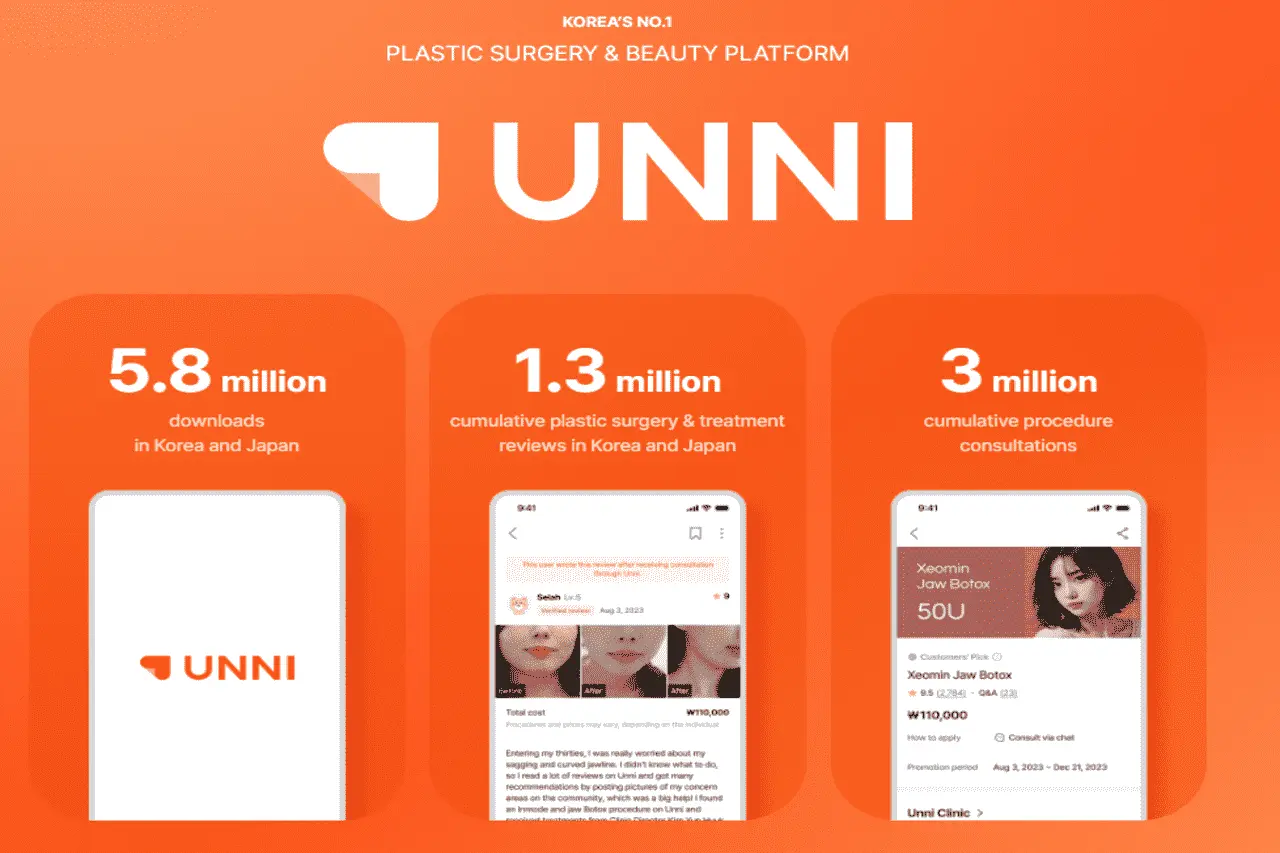
    • Explore local apps (Gangnam Unni, for example, is a well-known app in Korea and Japan for beauty and medical treatment)
    • Bonus tip: Different countries prefer different platforms. While LinkedIn might be your go-to in the US, you might need to pivot to WeChat in China or Line in Japan.
    Unni: Korean Plastic Surgery & Beauty Platform
    Gangnam Unni: Korean Plastic Surgery & Beauty Platform

    Lesson 4: Master Regulatory Compliance and Advertising Guidelines

    Let’s be real marketing medical devices isn’t all smooth sailing. One of the biggest challenges is dealing with regulations and advertising restrictions.

    Navigating FDA, KFDA, or CE marking is like solving a Rubik’s cube blindfolded. Stay up-to-date with local regulations and work closely with regulatory teams.

    When it comes to advertising, the restrictions can be equally challenging. Here’s a real-world example: While working with a Korean company, we had an ad denied on Naver (Korea’s leading search engine) for including the word “painless” without providing scientifically proven evidence. It was a wake-up call about the stringency of Korean advertising regulations in the medical field.

    Lesson 5: Develop Cultural Intelligence

    Having worked with Korean medical device companies and international brands, I can’t stress this enough: cultural intelligence is crucial in medical device marketing.

    For Korean companies going global:

    • Emphasize innovation and quality
    • Adapt your communication style
    • Highlight your unique selling points

    For international companies entering Korea:

    • Respect hierarchy
    • Understand the importance of business dinners (I’ve closed more deals over bibimbap than in meeting rooms!)
    • Localize your marketing materials meticulously

    Remember, what works in one culture might fall flat in another. Always take the time to understand and adapt to local customs and preferences.

    Medical Device Marketing: Understand the importance of business dinners

    Ready to Take Your Medical Device Marketing to the Next Level?

    Navigating the global medical device market can be challenging, but you don’t have to do it alone. At Growth Marketing Agency, we specialize in crafting tailored marketing strategies for medical device companies looking to expand their global footprint.

    Whether you’re a Korean company aiming to go global or an international brand eyeing the Korean market, we have the expertise to guide you through cultural nuances, regulatory mazes, and market-specific challenges.

  • Why Global Firms Struggle with Marketing in Korea

    Why Global Firms Struggle with Marketing in Korea

    At Growth Marketing Agency, we work with both Korean and international companies, and we’ve observed a common trend: even renowned global corporations often struggle with marketing in Korea. If you’re considering entering the Korean market or looking to improve your current performance, understanding these challenges is crucial for your success.

    Key Challenges in Marketing in Korea

    1. Lack of Understanding of the Korean Market’s Unique Characteristics

    One of the biggest issues for global companies is their failure to understand the unique aspects of the South Korean market. Many global companies view South Korea merely as part of the broader Asian market, overlooking its distinct digital ecosystem.

    The Landscape of the South Korean Market in the 2020s
    The Landscape of the South Korean Market in the 2020s

    For instance, Naver (a local search engine) and KakaoTalk (a messaging app) are dominant platforms in Korea, yet many global marketing teams focus solely on global platforms like Google and Facebook. Without recognizing the importance of these local platforms, simply allocating a “translation budget” won’t suffice for success in South Korea.

    2. Absence of Localized Marketing Strategies

    Another major issue is the lack of localized strategies. Many global companies attempt to apply their headquarters’ marketing strategies directly to the Korean market, which is ineffective.
    For example, while many global firms emphasize LinkedIn, most Koreans don’t use it.

    Remember App for B2B Marketing in Korea
    Remember App: Business Card Management

    To achieve similar results, utilizing local platforms like Remember, a business card management service, would be more for B2B marketing in Korea. Remember is a crucial marketing channel in South Korea but unfamiliar to many global companies.

    3. Lack of Competence and Authority Among Local Marketers

    The third problem is the lack of competence and authority among local marketers. In many cases, marketers at Korean branches are merely seen as communication liaisons with good English skills rather than marketing professionals. They often lack substantial marketing expertise and struggle to bridge the gap between headquarters and the local market.

    A common scenario is junior marketers working alone without senior guidance. Moreover, they’re often not given the authority to develop and implement independent marketing strategies, hindering their ability to respond quickly to local market changes.

    4. Communication Issues Between Headquarters and Local Branches

    The fourth problem is communication issues between headquarters and local branches. Decision-makers at headquarters often make choices without understanding the Korean market’s nuances, while local branch opinions are frequently overlooked.

    Key Challenges in Marketing in Korea - Communication Issues Between Headquarters and Local Branches

    It’s common for new proposals to go without feedback for 3-4 days due to time differences or staff vacations, and even minor decisions can take 2-3 weeks. The resulting decisions often disregard input from the South Korean branch.

    This disconnect leads to frustration and demotivation among local marketers, often resulting in high turnover and loss of talent.

    5. Lack of Continuity Due to High Turnover

    The fifth problem is a lack of continuity due to high turnover. In our experience with one client, the point of contact changed seven times over five years. While some changes were due to maternity leave or sabbaticals, the frequency of turnovers among marketing staff at global companies’ South Korean branches is concerning.

    These frequent changes disrupt marketing strategy continuity and result in a loss of accumulated knowledge and experience. Each time a new representative comes on board, you have to start from scratch, making it hard to maintain effective marketing efforts.

    6. Insufficient Budget Allocation

    The sixth problem is insufficient budget allocation. Compared to larger markets like China, South Korea is often perceived as a smaller market and doesn’t receive adequate budget allocation.

    For instance, the Chinese market receives substantial budget allocations due to its size and high revenue potential, whereas expectations for the Korean market are comparatively lower. This limited budget makes it difficult for local marketers to be proactive, even if they are motivated.

    Overcoming Challenges in Marketing in Korea – Localization and Empowerment

    So, how can these challenges be addressed?

    First, invest time and resources in understanding the unique characteristics of the Korean digital landscape. Develop localized marketing strategies that leverage popular local platforms such as Naver, KakaoTalk, and Remember.

    Second, empower your local marketing team with decision-making authority. Trust their insights and allow them to lead strategy development and execution, as they understand the nuances of the Korean market best.

    Global companies' strategies for successful marketing in Korea

    Third, build a strong local team by hiring marketing professionals with genuine expertise in the Korean market, or partnering with experienced local agencies like Growth Marketing Agency. Look beyond English language skills and prioritize candidates with deep knowledge of Korean consumer behavior and marketing trends.

    Fifth, establish efficient communication channels between your headquarters and the Korean branch. This step is crucial to reduce time delays and ensure that local insights are properly considered in your decision-making processes. Regular meetings and reports can help convey the local market’s situation to headquarters accurately.

    Sixth, build a compelling case for the Korean market within your organization. To secure sufficient budget allocation, present concrete data on market size, growth potential, and consumer behavior.

    At Growth Marketing Agency, we can help you gather this data and craft a persuasive narrative to convince your leadership of the immense potential the Korean market holds for your brand.

    Conclusion: Balancing Global Standards with Localization for Successful Marketing in Korea

    Success in marketing in Korea requires a delicate balance between maintaining your global brand standards and adapting to local market specifics. This means preserving your core brand identity and key messages while tailoring your approach to resonate with Korean consumers.

    To achieve this balance, foster close cooperation between your headquarters and the Korean branch. Encourage mutual understanding and respect, ensuring both teams work cohesively towards common goals.

    Additionally, collaborating with experts from Growth Marketing Agency can be highly beneficial. Our experts can effectively persuade global headquarters and advocate for the South Korean market’s unique conditions. In particular, our team members who are native English speakers and fluent in Korean can facilitate smooth communication, significantly aiding in convincing global headquarters.

    Ultimately, success in South Korea starts with a profound respect for and understanding of the local market, coupled with appropriate resource allocation. By recognizing the unique characteristics of the Korean market, developing tailored strategies, and providing your local team with sufficient budget and authority, your company can achieve remarkable success in this dynamic and lucrative market. 

    At Growth Marketing Agency, we’re here to guide you through this process and help you unlock the full potential of the Korean market.