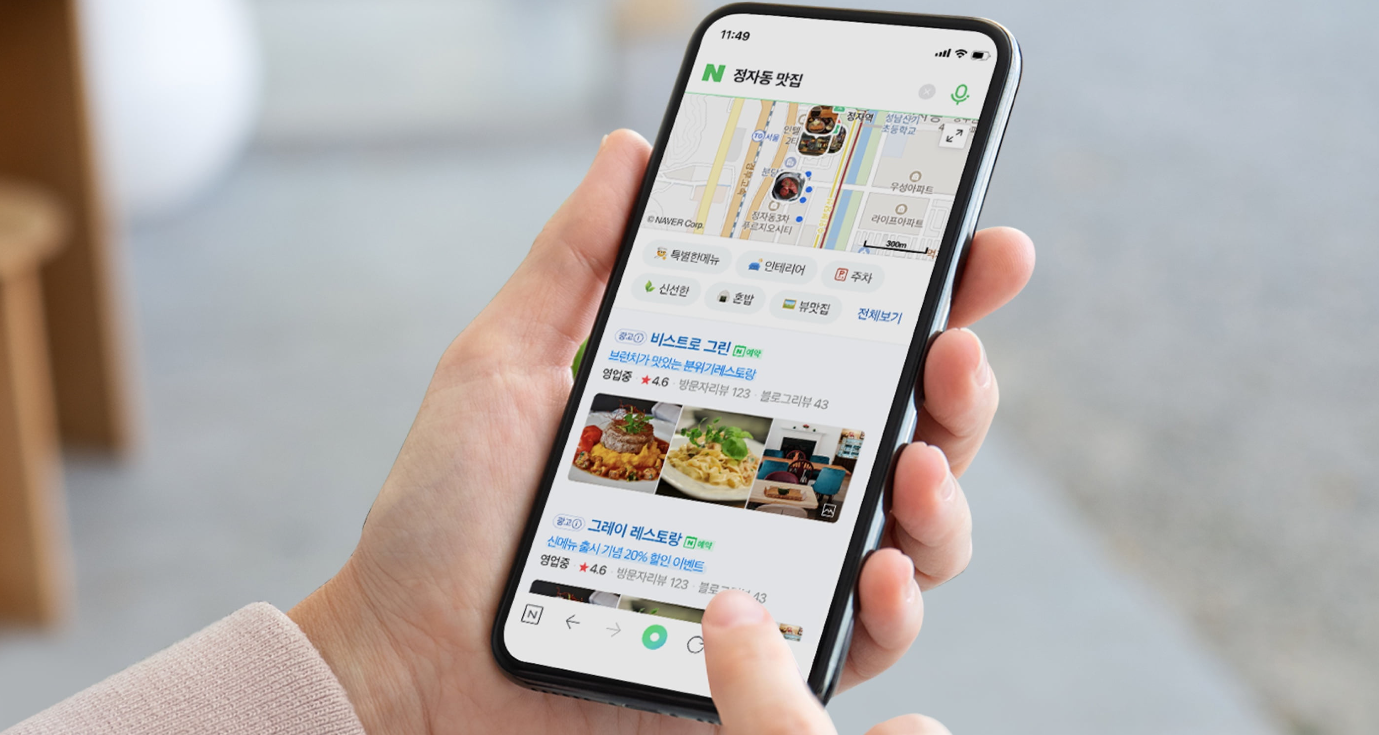
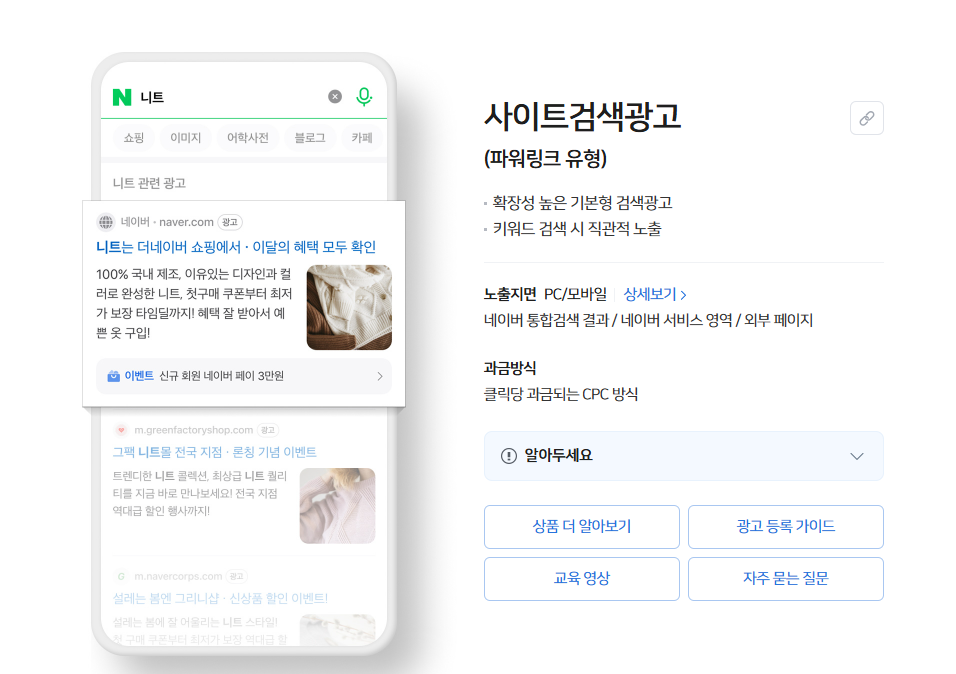
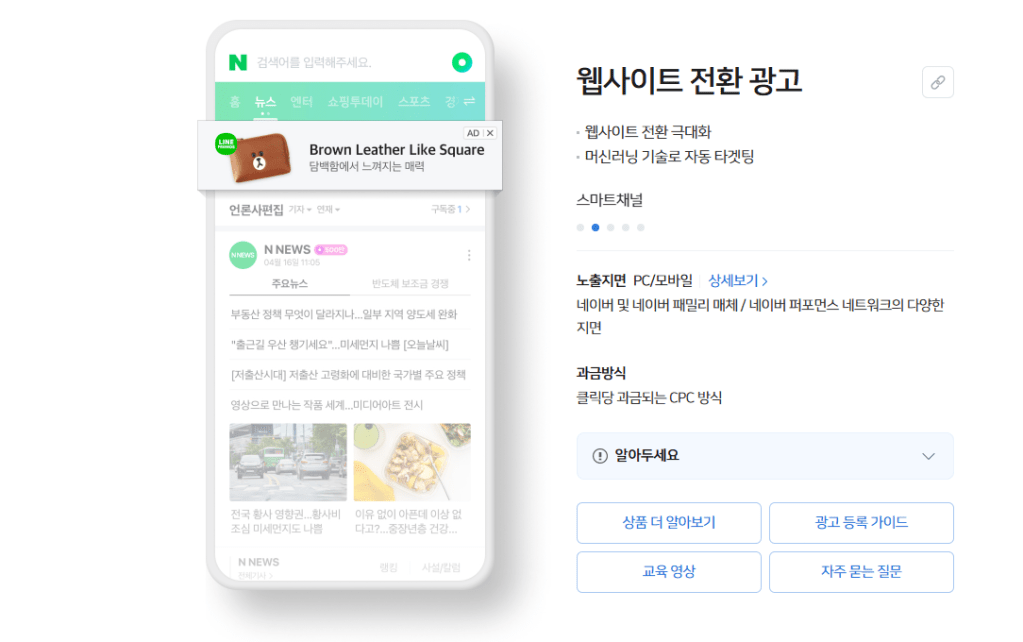
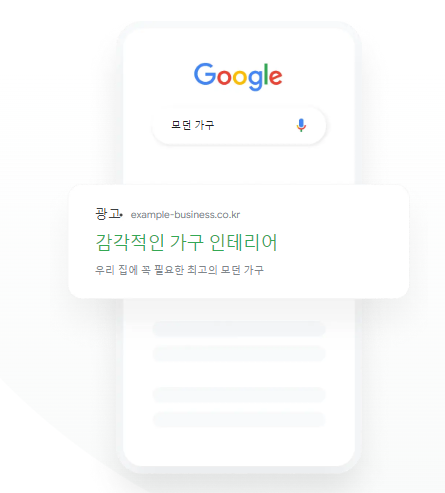
If you want to run ads in Korea, Naver is the most important platform to start with. Naver is the country’s #1 search engine, used by millions every day. It offers search ads, display ads, and shopping ads that help you reach the right audience fast. But if your business is based outside Korea, opening a Naver Ad account is not so simple.
Why foreign companies can’t open Naver Ad accounts directly
Naver requires all advertisers to have:
A Korean business registration number
A Korean bank account
A Korean-language website with matching business information in the footer
If you don’t have these, you can’t register directly. This is where we can help.
How we can open a Naver ad account for you
Growth Marketing Agency is an official partner of Naver Ads in Korea. We handle the entire account opening process for you, so you don’t need to worry about Korean business registration or bank accounts. Please note that some types of businesses are not allowed to run ads in Korea (such as gambling or certain medical services), and some industries have stricter advertising rules. We will review your business type before starting. Here’s how it works:
We begin by signing a service agreement with you and receiving your prepaid ad budget, which will be used to run your campaigns.
You send an English copy of your Business Registration Certificate issued in your country, and we submit it to Naver.
We create your Naver Ads account.
While setting up, we handle Naver’s required Korean-language review for your landing page URL and ad creatives.
Once the review is approved, your ads are ready to launch on Naver.
We guide you through setting up conversion tracking (sales, inquiries, and other goals) so results are measurable from day one.
You receive monthly performance reports in English with clear metrics and practical next steps.
The two most widely used options are Keyword Search Ads and Display Ads (GFA).
Keyword Search Ads work very similarly to Google’s Search Campaigns. When users search on Naver, your ads appear alongside the results based on the keywords you select.
Display Ads (GFA) allow you to reach users through banner placements across Naver’s wide network of sites and apps.
One important difference from Google Ads is the way budgets are managed. For example, if you set a daily budget of USD 1,000 on Google Ads, the actual spend may fluctuate slightly above or below that amount. On Naver, however, your daily budget is a hard cap — it will never exceed the limit you set.
Naver Display Ads can be purchased in different ways. In some cases, you reserve exposure for specific dates, days of the week, or time slots. More commonly, they operate in a format similar to Meta campaigns, where you set a daily budget and target users by gender, age, location, interests, or even by their past search history for specific keywords.
Beyond search and display, Naver also offers specialized ad placements. For example, Local Ads appear at the top of Naver Maps results (important to note: most Koreans don’t use Google Maps). There are also Shopping Ads, which allow products to appear at the top of Naver’s shopping section.
By sharing details about your business, Growth can recommend the most suitable ad products and strategies for your goals in the Korean market.
Ready to Start Advertising on Naver?
Contact us now to get started. We’ll explain our process and give you a quote for opening your Naver ad account.
If you’ve scrolled through your Instagram feed lately, you’ve likely noticed a shift in the aestheticfewer polished, obviously sponsored posts and more authentic-looking content featuring Korean creators with that unmistakable clean, minimalist style. Introducing the world of Korean influencers who are quietly transforming how global brands connect with audiences both in Korea and worldwide.
Ten years ago, international brands entering the Korean market relied heavily on traditional celebrity endorsements. Today, they’re investing millions in partnerships with Korean digital creators who wield genuine influence over purchasing decisions. The secret behind this major shift lies in understanding the unique ecosystem of Korean influencer marketingone that operates with its own distinct rules, categories, and measures of success.
Let’s unpeel the multiple layers of the Korean influencer landscape and how savvy global brands are navigating this space to create authentic connections with Korean audiences.
Korean Influencers: The Origin Story
The Korean influencer ecosystem wasn’t born out of corporate marketing departments or agency brainstorming sessions. Rather, it emerged organically alongside Korea’s rapid digital transformation and the global rise of Korean cultural exports (K-wave or Hallyu).
What makes Korean influencer marketing distinctive isn’t just its scale or reach, but its fundamentally different approach to influence itself. While Western influencer marketing often emphasizes direct promotion and clear calls-to-action, the Korean approach prioritizes subtlety, authenticity, and lifestyle integrationcreating content where products enhance the creator’s narrative rather than interrupting it.
This unique approach stems from Korean consumers’ sophisticated understanding of digital marketing and their expectations for more nuanced, trustworthy recommendations. The result? An influencer landscape that’s categorically different from what many global brands are accustomed to navigating.
Three Types of Korean Influencers
To decode the science behind successful Korean influencer marketing, let’s break down the three distinct types of Korean influencers that brands encounter in this market:
Type 1: The Power Metrics Players
Picture an Instagram account with 10,000 to 100,000 followers, impressive engagement rates, and a feed filled with perfectly staged content spanning multiple categoriesfrom travel and beauty to fashion and lifestyle products. These accounts maintain robust metrics, participate in virtually any marketing opportunity available, and frequently appear in hashtag search results.
Here’s the catch: many of these accounts maintain their impressive stats through purchased followers, likes, and commentsa common practice in the Korean digital ecosystem. While they excel at generating visibility (appearing in top search results when users look for relevant content), their actual influence over consumer behavior may be significantly limited.
Type 2: The Authentic Micro-Influencers
Now imagine a much smaller accountperhaps just 500 to a few thousand followerswhere every interaction feels genuine. These accounts are run by what Koreans might call “??” (insiders or socially connected individuals)people with authentic social connections who are actively engaged in their communities.
For these creators, growing their social media presence is a genuine interest, and brand collaborations represent just one aspect of their digital experience rather than their primary focus. Their feeds predominantly feature authentic lifestyle content, with promotional posts comprising just a small percentage of their overall sharing.
While these accounts rarely rank high in hashtag searches (making them less immediately visible), they wield genuine influence with their audiences. Their recommendations carry significant weight precisely because followers trust their authenticity and relate to their content on a personal level.
Type 3: The Semi-Celebrities
Between mainstream celebrities and everyday content creators exists this distinctive third category: individuals who’ve achieved public recognition beyond social media but aren’t managed by traditional entertainment agencies.
This group includes fashion brands fitting models (chosen for their style and appearance), regional TV personalities, weather forecasters, and other public-facing professionals who’ve cultivated strong personal brands on social media.
Popular Korean influencer posing at a LOEWE event in Seoul. Source: youseeany
Platform Strategy: Where Your Brand Belongs in Korea’s Digital Ecosystem
For international brands, choosing the right platform is just as important as selecting the right influencers. While Instagram dominates discussions of global influencer marketing, Korea’s digital landscape offers multiple platforms with distinct advantages.
Instagram: Visual Storytelling for Global Appeal
Instagram remains popular for brands targeting both Korean and international audiences simultaneously. It’s particularly effective for:
Fashion and beauty brands showcasing visual aesthetics
Travel and hospitality brands highlighting experiential content
Products with strong visual appeal and minimal need for technical explanation
The platform’s visual nature makes it ideal for brands that can tell their story primarily through imagery, but less effective for products requiring detailed information or technical specifications.
Naver Blog: Korea’s Content Powerhouse
Unlike Instagram, Naver Blog (a platform many international marketers overlook) offers an official influencer program with structured categories.
For brands targeting Korean consumersparticularly for information-intensive decisions like travel planning or luxury purchases that benefit from detailed contentNaver Blog often delivers more substantial results than Instagram.
What makes Naver Blog particularly powerful:
Long-form content capability with detailed product information
Higher trust factor among Korean consumers for purchase decisions
Better searchability within Korea’s dominant search engine
Structured categories that allow precise targeting by interest
Content longevity that continues generating traffic months after posting
Brands selling products that require education, explanation, or detailed comparison find Naver Blog particularly effective for driving considered purchases rather than impulse buys.
The Localization Imperative: Why Korean Campaigns Need Korean Expertise
Perhaps the biggest mistake international brands make when entering the Korean influencer market is assuming that strategies effective in other markets will translate directly. Korean consumers have distinct expectations for how brands engage with influencers, and campaigns that ignore these cultural nuances often fail despite substantial investment.
Cultural Context: The Hidden Rules of Korean Promotion
Korean influencer content follows unwritten rules that might seem subtle to outsiders but are immediately apparent to local audiences:
Indirect endorsement is preferred over direct promotion
Visual harmony between product and influencer aesthetic is non-negotiable
Relationship narrative matters more than product features
Subtle integration of products into lifestyle contexts outperforms obvious placement
Community acknowledgment through comments and interaction enhances credibility
Campaigns that violate these implicit expectations often face consumer skepticism or, worse, backlash for appearing inauthentic or “too foreign” in approach.
Language Beyond Translation: The Nuance of Korean Marketing Communication
Korean marketing language has its own conventions, humor styles, emotional triggers, and trending expressions that evolve rapidly. Content that simply translates Western messaging misses these cultural touchpoints, immediately signaling to consumers that the brand doesn’t truly understand the market.
Building Your Korean Influencer Strategy: A Roadmap for International Brands
For international brands looking to leverage Korean influencers effectively, here’s a strategic framework that addresses the unique challenges of this market:
Step 1: Define Your Korean Audience Segment
Before approaching any influencers, clearly define who you’re targeting within Korea:
Age demographic and digital behavior patterns
Geographic concentration (Seoul vs. regional cities)
Income level and purchase priorities
Cultural identification (globally-oriented vs. traditionally Korean)
Digital platform preferences and consumption habits
This foundation determines everything from influencer selection to content approach and platform strategy.
Step 2: Determine Your Authenticity Approach
Based on your brand positioning, decide where you fall on the authenticity spectrum:
Full Localization: Adapting completely to Korean aesthetic and communication norms
Global Brand, Local Voice: Maintaining global brand identity while adopting local communication styles
International Appeal: Leveraging your foreign origin as part of your brand story
This decision impacts which influencers will resonate with your strategy and how content should be developed.
Step 3: Partner with Local Experts
Rather than attempting to navigate the Korean influencer landscape alone, partner with local experts who can provide:
Cultural verification of campaign concepts
Influencer vetting beyond surface metrics
Negotiation support with appropriate compensation structures
Content review for cultural appropriateness
Performance analysis based on local benchmarks
These partnerships dramatically increase campaign effectiveness while preventing costly cultural missteps.
Step 4: Develop a Multi-Tier Influencer Strategy
The most successful international brands in Korea employ influencers across multiple categories:
Awareness Tier: Larger accounts (including some Power Metrics Players) to generate initial visibility
Credibility Tier: Semi-Celebrity influencers who bring public recognition and authority
Conversion Tier: Authentic Micro-Influencers whose recommendations drive actual purchase behavior
This balanced approach maximizes both reach and effectiveness while distributing the budget strategically.
Step 5: Create a Platform-Specific Content Strategy
Develop distinct content approaches for each platform rather than using identical content across all channels:
Instagram: Visually-driven, aesthetically cohesive content that integrates naturally
Naver Blog: Detailed, informative content with substantial product information
YouTube: Narrative-driven content that showcases product experience over time
Each platform requires specific formatting, tone, and content structure to perform optimally.
Airbnb faced significant cultural barriers entering Korea, where traditional hospitality norms and privacy concerns made their sharing economy model initially unfamiliar. Their influencer strategy focused on:
Cultural Translation: Working with travel influencers to explain the concept in culturally relevant terms
Safety Narrative: Partnering with trusted female influencers to address safety concerns
Unique Experience Focus: Highlighting experiences unavailable through traditional accommodation
Host Spotlights: Featuring Korean hosts to build local credibility
As Korean cultural influence continues to expand globally, we’re seeing two parallel trends emerge:
Korean influencers with global reach: As K-beauty, K-fashion, and K-entertainment continue gaining international popularity, Korean influencers are increasingly able to impact consumers beyond Korea’s borders.
Korean influencer methodologies applied globally: The subtle, authentic approach pioneered in Korea is gradually influencing global influencer practices as consumers worldwide become more sophisticated about detecting overt promotion.
For international brands, this creates both challenges and opportunities. While navigating the Korean influencer landscape requires significant cultural understanding and local expertise, brands that master this ecosystem gain not only access to Korean consumers but insights applicable to increasingly sophisticated influencer markets worldwide.
The brands that will succeed in this evolving landscape are those willing to adapt their approachtreating Korean influencer marketing not as simply another market to conquer with existing strategies, but as a fundamentally different model requiring genuine cultural engagement and strategic flexibility.
Looking to develop a Korean influencer strategy tailored to your brand? Contact our specialized team to explore a customized approach that aligns with your specific objectives, audience, and budget requirements.
H1 태그는 웹페이지 구조에서 가장 상위에 위치한 제목 요소로, 단순한 디자인 요소가 아닌 SEO의 핵심 기둥 중 하나입니다. H1 태그의 전략적 활용은 검색 엔진 최적화의 성공과 실패를 가르는 중요한 요소입니다. 이 글에서는 H1 태그의 기술적 측면부터 실용적인 최적화 전략까지 깊이 있게 살펴보겠습니다.
H1 태그란 무엇이며, 왜 중요한가요?
H1 태그는 단순한 대형 텍스트가 아닌, 웹페이지의 정체성을 정의하는 핵심 HTML 요소입니다. 검색 엔진이 H1 태그를 평가하는 방식과 그 중요성을 정확히 이해하는 것이 효과적인 SEO의 시작점입니다.
검색 엔진 알고리즘에서 H1 태그 역할
구글의 검색 알고리즘은 지속적으로 진화해왔지만, H1 태그의 중요성은 여전히 유효합니다. 2023년 구글의 John Mueller가 확인한 바와 같이, H1 태그는 페이지의 주제를 결정하는 강력한 신호로 작용합니다.
검색 엔진 크롤러가 페이지를 방문할 때, HTML 문서의 구조적 계층에서 H1 태그는 최우선적으로 분석됩니다. 특히 주목할 점은 페이지 주제와 관련된 키워드가 H1에 포함되었을 때 해당 키워드에 대한 관련성 점수가 상승한다는 것입니다.
전자상거래 웹사이트를 위한 컨버전율 최적화 전략
시맨틱 HTML과 웹 접근성 측면에서의 H1 태그 역할
시맨틱 웹의 원칙에 따르면, HTML 요소는 단순히 시각적 표현이 아닌 콘텐츠의 의미와 구조를 반영해야 합니다. H1 태그는 이러한 시맨틱 마크업의 핵심 요소로, 스크린 리더와 같은 보조 기술이 페이지 구조를 이해하는 데 중요한 역할을 합니다.
WCAG(Web Content Accessibility Guidelines) 2.1 기준에 따르면, 모든 페이지는 명확한 H1을 포함해야 하며, 이는 단순한 SEO를 넘어 법적 요구사항이 될 수 있습니다. 접근성을 고려한 H1 태그 구현은 다음과 같은 이점을 제공합니다.
스크린 리더 사용자가 페이지의 주제를 즉시 파악 가능
키보드 네비게이션을 통한 콘텐츠 탐색 개선
인지 장애가 있는 사용자를 위한 명확한 콘텐츠 구조 제공
데이터 기반 마케팅: 전환율을 두 배로 높이는 분석 방법론
실제 데이터로 본 H1 태그의 검색 결과 영향력
SEMrush와 Ahrefs의 연구 데이터를 분석한 결과, H1 태그에 주요 키워드를 포함한 페이지는 그렇지 않은 페이지보다 평균적으로 SERP에서 3.6 포지션 더 높게 랭크되는 경향이 있습니다.
특히 2022년 구글의 유용한 콘텐츠 업데이트(Helpful Content Update) 이후, 사용자 의도를 명확하게 반영한 H1 태그의 중요성은 더욱 커졌습니다.
H1 태그가 페이지 제목(Title 태그)과 일관성을 유지하면서도 더 자세한 정보를 제공할 때 CTR(클릭률)이 더 높다고 하는데요. 이는 검색 결과에서 사용자의 기대와 실제 페이지 콘텐츠의 일치도가 높아졌기 때문입니다.
H1 태그 최적화를 위한 심층 전략
H1 태그 최적화는 단순히 키워드를 삽입하는 것 이상의 전략적 접근이 필요합니다.
키워드 통합 전략 – 주요 키워드와 LSI 키워드의 균형
효과적인 H1 태그는 주요 키워드와 LSI(Latent Semantic Indexing) 키워드를 자연스럽게 통합합니다. 구글의 BERT와 같은 자연어 처리 알고리즘은 문맥을 이해하므로, 단순히 키워드를 나열하는 것보다 의미론적 관련성이 중요합니다.
클릭률(CTR)을 높이는 것은 SEO의 핵심 목표 중 하나입니다. H1 태그에 감정적 트리거와 숫자를 전략적으로 활용하면 CTR을 크게 향상시킬 수 있습니다.
Nielsen Norman Group의 연구에 따르면, 다음 요소를 포함한 제목은 그렇지 않은 제목보다 더 높은 참여율을 보인다고 합니다.
숫자 (특히 홀수 숫자가 더 효과적)
감정적 형용사 (“필수적인”, “혁신적인”, “놀라운”)
가치 제안 (“시간 절약”, “비용 절감”, “효율성 향상”)
긴급성 표현 (“지금”, “즉시”, “한정”)
다만, 과도한 클릭베이트 성향의 H1은 오히려 이탈률을 높일 수 있으므로 콘텐츠 내용과 일치하는 선에서 작성해야 합니다.
산업별 특화 H1 전략: B2B vs B2C vs 정보성 콘텐츠
산업과 비즈니스 모델에 따라 H1 태그 전략은 달라져야 합니다.
B2B 웹사이트
전문 용어와 산업 특화 키워드 활용
ROI, 효율성, 비용 절감 등의 비즈니스 가치 강조
신뢰성과 전문성을 강조하는 톤 유지
예시: <h1>엔터프라이즈 클라우드 마이그레이션: 운영 비용 30% 절감 솔루션</h1>
B2C 웹사이트
감정적 혜택과 소비자 중심 언어 사용
제품/서비스의 직접적 이점 강조
간결하고 쉬운 용어 선택
예시: <h1>5분 만에 완성하는 홈메이드 파스타: 초보자도 쉽게 따라하는 비법</h1>
정보성 콘텐츠
질문형 H1 또는 “방법” 중심 접근
구체적인 문제 해결 방법 암시
권위있는 톤으로 전문성 표현
예시: <h1>워드프레스 성능 최적화: 로딩 속도를 2초 이하로 줄이는 전문가 기법</h1>
H1 태그와 페이지 구조의 통합적 접근
H1 태그는 독립적으로 존재하지 않고 전체 페이지 구조와 유기적으로 연결되어야 합니다. 검색 엔진과 사용자 모두에게 명확한 콘텐츠 구조를 제시하는 방법을 알아보겠습니다.
H1-H6 계층 구조: 검색 엔진이 선호하는 콘텐츠 아키텍처
검색 엔진은 잘 구성된 제목 계층 구조를 통해 콘텐츠의 주제와 구조를 더 정확하게 이해합니다. Google의 품질 평가 가이드라인에 따르면, 논리적인 제목 계층 구조는 콘텐츠 품질 평가의 중요한 요소입니다.
이상적인 제목 계층 구조는 다음과 같습니다.
H1: 페이지의 주요 주제 (페이지당 하나만 사용)
H2: 주요 섹션 제목
H3: H2 섹션 내의 하위 주제
H4-H6: 추가적인 하위 섹션
이러한 계층 구조는 검색 엔진 크롤러에게 명확한 주제 맵을 제공하며, 특히 Google의 지식 그래프 구축에 도움을 줍니다. 정돈된 제목 구조를 가진 웹페이지는 특성 스니펫과 같은 리치 결과에 선정될 확률이 더 높다는 조사 결과가 있습니다.
Schema.org 마크업과 H1 태그 연계 전략
구조화된 데이터는 검색 엔진이 콘텐츠의 의미를 더 정확히 이해하도록 돕습니다. H1 태그와 Schema.org 마크업을 연계하면 검색 결과에서의 가시성을 크게 향상시킬 수 있습니다.
특히 Article, BlogPosting, HowTo, FAQPage와 같은 Schema.org 타입을 활용할 때, H1 태그의 텍스트를 name 또는 headline 속성과 일치시키는 것이 중요합니다.
이렇게 구조화된 데이터와 H1을 연계하면 리치 결과, 지식 패널, 음성 검색 결과 등에서 콘텐츠가 더 잘 표시될 수 있습니다. 실제로 Schema.org 마크업을 적절히 구현한 웹페이지는 클릭률이 평균 30% 향상되는 것으로 나타났습니다.
기술적 구현과 일반적인 H1 오류 해결
H1 태그의 기술적 구현은 종종 간과되지만, SEO 성과에 큰 영향을 미칩니다. H1 태그의 스타일링과 동적 처리는 SEO에 예상치 못한 영향을 미칠 수 있습니다. 다음은 개발 과정에서 고려해야 할 중요한 포인트입니다.
단, CSS 관련해서 몇 가지 유의해야 할 점이 있습니다.
display: none이나 visibility: hidden과 같은 속성은 검색 엔진이 H1을 무시하게 만들 수 있습니다.
지나치게 작은 글꼴 크기(12px 미만)는 사용자 경험뿐만 아니라 SEO에도 부정적 영향을 미칠 수 있습니다.
CSS로 H1을 시각적으로 다른 위치에 배치하더라도, HTML 구조에서는 여전히 페이지 상단에 유지하는 것이 좋습니다.
혹은 Java를 사용하신다면, H1 태그를 구성할 때 이런 점을 유의해야 합니다.
클라이언트 사이드 렌더링에서 H1이 지연 로딩되면 검색 엔진이 이를 놓칠 수 있습니다
동적으로 H1 콘텐츠를 변경하는 경우 초기 HTML에도 의미 있는 H1이 포함되어야 합니다
Google의 렌더링 지연 시간을 고려하여, H1이 JavaScript에 의존적이라면 서버 사이드 렌더링(SSR) 또는 정적 사이트 생성(SSG)을 검토하세요
성과 측정과 H1 태그 A/B 테스트 방법론
H1 태그 최적화는 한 번으로 끝나는 작업이 아니라 꾸준한 테스트와 데이터 분석이 필요한 과정입니다. 웹사이트 성과를 개선하기 위해 체계적인 접근 방식을 통해 H1 태그의 효과를 측정하고 최적화할 수 있습니다.
H1 태그 변경에 따른 SEO 영향 측정 방법
H1 태그를 변경했을 때 실제로 어떤 효과가 있는지 파악하려면 먼저 변경 전 상태의 기준점을 명확히 설정해야 합니다.
변경 전 특정 키워드의 검색 순위, 방문자들의 클릭률, 유입되는 자연 트래픽 양, 방문자가 페이지를 떠나는 비율, 그리고 방문자가 페이지에 머무는 평균 시간을 기록해 두세요. 이 기록이 있어야 변경 후 효과를 정확히 비교할 수 있습니다.
효과적인 테스트를 위해서는 통제된 환경에서 진행하는 것이 중요합니다. 동일한 내용을 가진 두 페이지를 만들어 다른 H1 태그를 사용하는 방식은 검색 엔진이 중복 콘텐츠로 판단할 수 있어 피해야 합니다.
대신 비슷한 성격의 페이지 그룹을 선별하여 한 그룹에만 변경을 적용하거나, 같은 페이지의 성과를 시간 간격을 두고 비교하는 방법이 효과적입니다.
웹 분석 도구와 구글 서치 콘솔을 활용하면 H1 태그 변경의 효과를 보다 정확하게 추적할 수 있습니다. 분석 도구에 H1 텍스트 정보를 전송하도록 설정하면 어떤 유형의 제목이 더 높은 성과를 보이는지 패턴을 발견할 수 있습니다.
테스트 결과를 분석할 때는 충분한 시간을 두고 데이터를 수집하는 것이 중요합니다. H1 태그 변경 후 최소 한 달에서 두 달 정도의 데이터를 모아야 의미 있는 결론을 도출할 수 있습니다.
또한 계절적 요인이나 검색 엔진의 알고리즘 업데이트와 같은 외부 변수도 고려해야 합니다. 단순한 상관관계와 실제 인과관계를 구분하는 안목을 키우는 것도 중요합니다.
효과적인 H1 태그 A/B 테스트 설계 방법
A/B 테스트는 H1 태그 최적화에 가장 신뢰할 수 있는 방법입니다. 성공적인 A/B 테스트를 위해서는 우선 명확한 가설을 세워야 합니다. 예를 들어 질문 형식의 제목이 일반 문장형 제목보다 클릭률을 높일 것이라는 가설이나, 숫자가 포함된 제목이 사용자의 체류 시간을 늘릴 것이라는 가설을 세울 수 있습니다. 감정적인 표현을 사용한 제목이 전환율을 높일 것이라는 가설도 테스트해볼 만합니다.
테스트 결과의 신뢰성을 확보하기 위해서는 충분한 데이터 샘플이 필요합니다. 트래픽이 많은 페이지부터 테스트를 시작하고, 최소 천 회 이상의 방문 데이터를 수집해야 통계적으로 의미 있는 결과를 얻을 수 있습니다. 95% 이상의 신뢰도를 목표로 하는 것이 좋습니다.
구글 옵티마이즈와 같은 테스트 도구를 활용하면 H1 태그의 다양한 변형을 쉽게 테스트할 수 있습니다. 원본 제목과 함께 질문 형식, 숫자 포함, 감정적 표현을 사용한 여러 버전을 동시에 테스트하여 어떤 접근 방식이 가장 효과적인지 파악할 수 있습니다.
테스트 결과를 분석할 때는 다양한 사용자 그룹별로 나누어 살펴보는 것이 유익합니다. 새로운 방문자와 재방문자, 모바일 사용자와 데스크톱 사용자, 검색을 통해 유입된 사용자와 소셜 미디어를 통해 유입된 사용자, 그리고 지역별 사용자 반응의 차이를 분석하면 더욱 세분화된 전략을 수립할 수 있습니다.
마지막으로, 테스트 결과를 평가할 때는 단일 지표만 보지 말고 여러 지표를 종합적으로 고려해야 합니다. 클릭률이 높아지고, 이탈률이 낮아지고, 전환율이 향상되었다면 성공적인 변경이라고 볼 수 있습니다.
반면 클릭률은 높아졌지만 이탈률도 함께 증가했다면 클릭을 유도하기만 하고 실제 내용은 기대에 미치지 못하는 클릭베이트 위험이 있음을 의미합니다.
결론: H1 태그의 전략적 활용을 통한 SEO 성과 극대화
지금까지 H1 태그의 기술적 측면부터 최적화 전략, 그리고 미래 트렌드까지 폭넓게 살펴보았습니다. 핵심 인사이트를 요약하자면, H1 태그는 단순한 디자인 요소가 아닌 검색 엔진과 사용자를 연결하는 중요한 다리 역할을 한다는 것입니다.
핵심 H1 태그 최적화 체크리스트
성공적인 H1 태그 최적화를 위한 종합 체크리스트입니다.
✓ 타겟 키워드를 자연스럽게 포함 ✓ 페이지 콘텐츠와 정확히 일치하는 주제 반영 ✓ 적절한 길이 유지 (50-70자 이내) ✓ 사용자의 검색 의도 직접적으로 충족 ✓ 클릭을 유도하는 감정적/가치 요소 포함 ✓ 모바일 환경에서 가독성 최적화 ✓ 페이지당 단 하나의 H1 태그만 사용 ✓ 논리적인 제목 계층 구조 내에서 최상위 위치 ✓ 시맨틱 HTML과 웹 접근성 원칙 준수 ✓ 정기적인 A/B 테스트로 지속적 개선
지속적인 H1 태그 최적화의 중요성
SEO는 단발적인 작업이 아닌 지속적인 개선 과정입니다. H1 태그도 마찬가지로 정기적인 분석과 최적화가 필요합니다:
분기별 검색 트렌드 분석 및 H1 태그 조정
경쟁사의 상위 랭킹 페이지 H1 벤치마킹
사용자 행동 데이터 기반 최적화
검색 알고리즘 업데이트에 따른 전략 조정
H1 태그 최적화는 기술적 SEO와 콘텐츠 마케팅의 접점에 위치한 중요한 요소입니다. 이 가이드에서 제시한 전략과 원칙을 적용한다면, 검색 엔진과 사용자 모두에게 가치를 제공하는 효과적인 웹페이지를 구축할 수 있을 것입니다.
SEO는 계속 변화하지만, 명확하고 가치 있는 콘텐츠를 제공한다는 기본 원칙은 변하지 않습니다. H1 태그는 그 원칙을 구현하는 첫 번째 요소이자, 사용자와의 첫 만남의 순간입니다. 이 순간을 전략적으로 최적화하여 SEO 성과를 극대화하시기 바랍니다.
Expanding into new markets or selling overseas presents unique challenges and opportunities. Understanding the nuances of search engines in different regions is crucial. This article delves into the differences of Naver vs Google, focusing on how these differences can impact your digital marketing strategies whether youre a company entering the Korean market or a Korean business looking to expand internationally.
By the end of 2022, Googles market share in South Korea was 26.8%, which surged to 35.3% by the end of March 2023, closing the gap with market leader Naver.
Nevertheless, Naver maintains a strong position thanks to its integrated portal services, user-generated content, and deep cultural relevance. The ongoing competition between these two search giants highlights the importance of localization and understanding unique market dynamics in the global tech landscape.
Recognizing and leveraging the differences of Naver vs Google can significantly enhance your marketing effectiveness. Lets dive into the differences between these two platforms.
Naver: Integrated Search Platform Based on Portals
Naver is a familiar portal site for Koreans, offering a comprehensive range of services beyond just search, including news, blogs, cafes, and shopping. This integration allows ads on Naver to appear in various forms across its diverse channels.
For instance, if youre running a cosmetics brand, your ads on Naver can appear not only in search results but also in beauty-related blogs or cafes. This broad exposure through multiple channels is a significant advantage of Naver.
Google: Pure Search Engine Platform
Conversely, Google is renowned as the “king of search,” focusing primarily on its powerful search engine. Googles search results are straightforward yet precise, which makes it highly effective at displaying ads that closely match user search intents.
For example, if someone searches for “laptop recommendations,” Google will show ads for relevant laptops, based on the users intention to purchase. This approach contributes to Googles high conversion rates.
Naver vs Google: Search Results Page Structure
Next, lets compare the search results page structures of Naver and Google. Understanding these differences will guide how to effectively display ads on each platform.
Naver: Sectioned Results
Navers search results page is divided into several sections: Power Links, Blogs, Cafes, Knowledge iN, News, etc. This structure allows advertisers to place ads across various sections in different formats.
For example, if youve launched a new diet product, you could use Navers advertising methods as follows:
Power Links: Display ads at the top of search results for keywords like “diet.”
Blog Section: Show product reviews in blog content.
Cafe Section: Post ads in diet-related cafes.
Knowledge iN: Use Q&A format for indirect advertising.
Leveraging these sections allows multiple exposures to potential customers. However, each section requires a distinct approach: information-based content for blogs and direct sales messages for Power Links.
Google: Simple and Unified Results Page
Googles search results page is much simpler compared to Navers. It primarily lists text-based search results and ads together. Thus, creating ads that precisely match the users search intent is crucial on Google.
For example, if youre selling an online English learning program, you might:
Search Ads: Run ads with keywords like “online English learning.”
Highlight Unique Selling Points: Emphasize features like “free trials” and “native 1:1 lessons.”
Optimize Landing Page: Ensure it matches the search keywords.
Remarketing: Continuously show ads to website visitors.
Googles emphasis on ad quality scores means using relevant keywords and optimizing landing pages are key. Understanding user intent and aligning your ads accordingly is essential.
Naver vs Google: Ad Types
Now, let’s look at the specific ad types offered by Naver and Google. Understanding these can help you develop more effective advertising strategies.
For example, if launching a new smartphone accessory brand, you could:
Power Links: Advertise with keywords like “smartphone cases” and “wireless chargers.”
Brand Search: Use banner ads to emphasize brand image and introduce new products.
Content Search Ads: Display ads in blogs or cafes with keywords like “smartphone accessory recommendations.”
Combining these ad types allows for a multifaceted approach to reaching potential customers. However, each type requires a different strategy: direct purchase incentives for Power Links and information provision for content search ads.
Google Ad Types
Google also offers diverse ad types:
Search Ads: Text ads related to users’ search queries displayed on search results pages.
Display Ads: Banner ads shown across various websites in the Google Display Network.
Video Ads: Ads displayed in video format on platforms like YouTube.
For example, if running an online furniture store, you could:
Search Ads: Use keywords like “modern living room furniture” or “affordable sofas” to drive traffic to your store.
Display Ads: Show banner ads on home dcor blogs or interior design websites to capture potential buyers.
Video Ads: Create short videos showcasing your furniture collections or offering decorating tips on platforms like YouTube, with a link to your product pages.
Googles strength lies in its refined targeting options. For example, targeting users interested in home dcor or furniture who are 25-45 years old, or recent searchers for topics like “living room design ideas” or “furniture shopping,” enhances ad efficiency.
Naver vs Google: Keyword Management
Keywords are central to search advertising. Naver and Google differ in how they manage and expand keywords. Understanding these differences can help you develop more effective keyword strategies.
Naver: Manual Keyword Management with Limited Expansion
Naver generally relies on manual keyword management, requiring advertisers to select and manage keywords themselves. This method allows for precise control but can be time-consuming.
For instance, if running a pet shop:
Select Core Keywords: Choose keywords like “dog supplies” and “cat food.”
Use Related Searches: Identify and add related keywords like “dog toys” and “dog clothes.”
Seasonal Keywords: Manually add keywords like “dog cooling mats” for summer and “dog padding” for winter.
Negative Keywords: Exclude irrelevant clicks with negative keywords like “free” or “cheap.”
Careful manual keyword management is crucial for aligning with your business needs.
Google: Advanced Keyword Expansion with Machine Learning Optimization
Google offers advanced keyword management features and automated optimization through machine learning, reducing manual effort while enhancing strategy effectiveness.
Googles key keyword management features include:
Keyword Planner: Provides new keyword ideas and data on search volume and competition.
Automated Keyword Expansion: Automatically displays ads for keywords similar to the ones set.
Dynamic Search Ads: Automatically targets relevant search queries based on website content.
For a pet shop:
Use Keyword Planner: Analyze related keywords and their search volumes.
Automated Keyword Expansion: Set a keyword like “dog food” and let Google expand it to related terms.
Dynamic Search Ads: Automatically target ads based on your websites content.
While Googles automation features reduce effort, periodic checks and adjustments are necessary to ensure keyword relevance.
Naver vs Google: Targeting Options
Lets explore the targeting options available on Naver and Google. Precise targeting is crucial for maximizing ad efficiency.
Naver: Basic Targeting Options
Naver offers relatively basic targeting options:
Geographical Targeting: Display ads to users in specific regions.
Time Targeting: Show ads during specific times of the day.
Day-of-Week Targeting: Target ads to specific days of the week.
Gender Targeting: Focus ads on male or female users.
For instance, if operating a fitness center in Seoul:
Geographical Targeting: Set ads for Seoul and nearby areas.
Time Targeting: Focus on evening hours, from 6 PM to 10 PM.
Day-of-Week Targeting: Target weekdays when people are more likely to exercise.
Gender Targeting: Aim ads at women aged 20-30, your primary clientele.
However, Navers targeting options are less advanced compared to Google.
Demographic Targeting: Age, gender, parental status, etc.
Geographical Targeting: Country, city, radius, etc.
Language Targeting: Ads for specific language users.
Device Targeting: Mobile, desktop, tablet, etc.
Interest Targeting: Users based on interests or behaviors.
Remarketing: Target previous website visitors.
For the fitness center:
Demographic Targeting: Set ads for women aged 25-45.
Geographical Targeting: Focus on a 5 km radius around a specific area in Seoul.
Device Targeting: Target mobile users, as they often search for fitness information on mobile devices.
Interest Targeting: Focus on users interested in “fitness,” “diet,” and “health.”
Remarketing: Re-target users who visited your website but didnt sign up.
Googles detailed targeting options enhance ad effectiveness but balancing reach with specificity is crucial.
Naver vs Google: Advertising Management Approaches
Naver and Google also differ in their advertising management approaches. Understanding these differences will help you create effective strategies for each platform.
Googles automated management saves time but requires monitoring and adjustments.
Conclusion: Navigating the Landscape
Below is a summary of the key differences between Naver and Google, providing a clear comparison to guide your decision-making process.
Choosing between Naver vs Google for your digital advertising efforts involves evaluating several factors, including your target audience, preferred ad types, and keyword management approach. Navers diverse ad placements within its integrated platform offer a unique advantage for reaching Korean users, while Googles precise targeting and automated keyword expansion provide efficiency and global reach. By understanding these differences, you can tailor your advertising strategy to maximize effectiveness and achieve your marketing goals.
Growth Marketing Agency is a certified partner with Naver, leveraging our extensive expertise to navigate the nuances of both Naver and Google. Our deep understanding of these search engines enables us to craft tailored strategies that optimize your digital presence and drive results in the Korean market and beyond.
Many companies today are investing in digital marketing, but often make the mistake of neglecting basic SEO practices, such as fundamental Technical SEO, which can significantly impact their results.
This is unfortunate, but its a problem we need to address and solve together.
Optimizing Technical SEO with precision is not an easy task. To avoid mistakes, you must always keep an eye on industry trends and search engine algorithms, and continuously optimize your site internally. Its also important to pay attention to basic Technical SEO from the beginning with the help of experts.
In this article, we will look at the SEO failure case of Ryanair, which suffered great losses due to mistakes in the basic areas of Technical SEO.
If you are not familiar with the definition of Technical SEO, you can refer to this guide.
Ryanairs Neglect of Technical SEO
Ryanair
Ryanair is one of the most profitable airlines in Europe. In the 2010s, it served 128 million passengers.
However, its website had downsides such as difficult navigation and additional charges to book flights. Because user experience was not considered, customers gradually began to express discomfort.
In 2014, Ryanair revamped its website. It reduced the number of clicks required to book a flight to five, earning much praise from both customers and the media.
At the time, Ryanair’s landing pages dominated most of the search results for European flights. Unfortunately, this change did not lead to positive results.
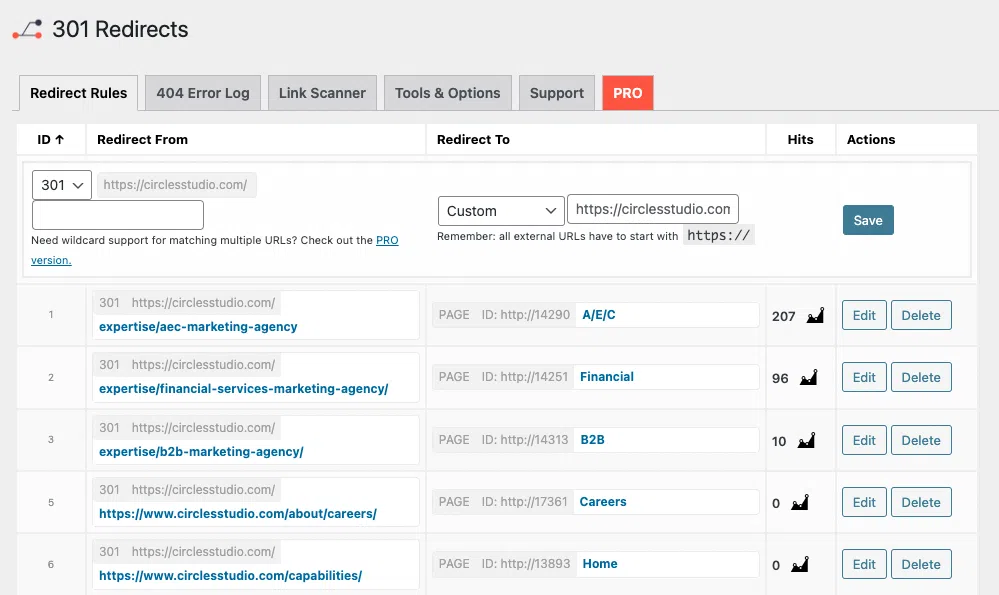
The existing pages started to return 404 errors. In other words, Ryanair had forgotten to redirect the old duplicate pages to the new and simplified pages.
As a result, Google excluded Ryanair from the first page of search results, where it had previously ranked high. Due to this, Ryanair lost about 25% of its websites organic traffic.
What is a 301 Redirection, and Why is It Important?
A 301 redirection is one of the Technical SEO practices necessary for higher visibility in search engines. Simply put, it is the permanent forwarding of a websites URL to another URL.
Why is it important to use 301 redirection? The reason is simple: search engines can recognize when the same content is used on different URLs.
For example, “www.example.com” and “example.com” may point to the same website, but search engines may perceive the two URLs as separate.
In this case, a duplicate content issue arises that can affect the websites ranking. However, using a 301 redirection allows search engines to recognize that the two URLs point to the same content and ensures that this does not affect the ranking.
Among its various aspects, Technical SEO is particularly important because it forms the foundation of search engine optimization.
A great developer who understands the importance of SEO will build or modify websites with SEO in mind. However, if pressed by tight schedules and the need to implement requested features, there may not be time to meet all the intricate Technical SEO requirements.
Additionally, because developers are not SEO experts, they may not view websites from an SEO perspective or may not realize that their development methods are unfavorable for SEO.
For this reason, Technical SEO should be a top priority in all website projects, including migrations, rebranding, and domain changes.
If you fail to consider this when operating or managing a website, you may encounter difficulties in ranking at the top of search results.
SEO Marketing, or Search Engine Optimization Marketing, refers to marketing strategies based on search engines. The goal is to understand the intent of potential customers who conduct searches and use that understanding to deliver messages to targeted customers.
In other words, it is a marketing strategy that enhances connectivity by providing products or information to targeted customers through owned media like websites or blogs, especially when they enter specific search terms.
All marketing activities aim to create communication between the brand and the customer. Search engine optimization marketing is essentially about communicating with customers through search engines and content.
Importance of SEO Marketing
Today, search plays the most significant role in the consumer decision-making process. While the introduction of generative AI, like ChatGPT, has changed how searches are conducted, the act of searching for decision-making has remained constant.
Potential customers encounter search result pages as a result of their searches. These pages represent the best content that the search engine has listed in response to user intent.
Although its possible to answer consumer questions through advertisements, consumers generally trust organic search results more than ads. If search ads have a click-through rate (CTR) of 1-4%, organic search results can achieve a CTR of 5-60%.
Growth Marketing Agency’s content in Google’s recommended snippets
Nowadays, search engines have become more sophisticated, allowing them to respond to various user search queries. A prime example is the “snippet” feature, which provides precise answers to user questions directly on the search results page.
Therefore, companies must create and expose content that provides the information customers seek to survive in the digital marketing market. This is why preparing for SEO marketing is essential, even if its late.
Through SEO marketing, companies can identify consumer questions and interests related to their brand and products and provide that information via search engines. This approach helps secure high engagement from potential customers.
5-Step Basic Guide to SEO Marketing
Having understood the value and importance of search engine optimization marketing, you might be ready to start SEO marketing. Heres a basic guide broken down into five steps.
Website Checkup – Crawling and Indexing
Google crawls websites to select good content and then exposes it in search results. Its crucial to ensure that all content on your website is correctly uploaded during this process.
If there are crawling or indexing errors on your website, its essential to address them quickly. These issues can be checked using tools like Google Search Console and other search engine tools.
An increase in the number of valid web pages indexed by Google also affects website traffic. Google wants to feature reliable websites with good information at the top of search results. A large number of valid web pages suggests that the site has received a positive evaluation from Google, indicating it is a trustworthy website.
However, its crucial to avoid producing or duplicating low-quality, similar content to increase the number of indexed pages. If low-quality content is repeatedly found, the entire sites content may not be exposed in search results.
Technical SEO: Structuring an SEO-Friendly Website
Since search engines cannot read every website and document, they crawl key content and rank it in search results. To ensure your content is chosen by consumers through SEO marketing, it must first pass the search engine’s tests.
Thus, its necessary to organize your site so that search engines can easily understand its content. This is known as an SEO-friendly website.
Technical SEO refers to the techniques used to create a search engine-friendly site, based on Googles webmaster guidelines. There are two main approaches: strategies for indexing web pages and elements that help search engines better understand the content.
You can find more detailed information on the definition and construction of Technical SEO in the document below:
While there are various ways to start SEO marketing, the most important is providing good content to customers. Even if your websites structure and quality are excellent, poor content will not yield good results.
Search engine algorithms do not reward content that only chases ranking. Instead, they prefer content that fulfills visitors’ objectives, even if its slightly less readable.
Therefore, creating content that delivers value to visitors is the best strategy for achieving higher rankings.
Growth Marketing Agency conducts keyword research and customer journey analysis to create content that satisfies customers. Tracking the search keywords consumers use can significantly help understand the purpose and intent of customers visiting your web pages.
The easiest way to perform this search data research is to analyze the SERP (Search Engine Results Page) of relevant keywords. By examining the search results for a keyword, you can understand why users are searching for it.
Growth Marketing Agency uses this information to create content that successfully reaches potential customers. If youre curious about Growths efforts to create great content, you can check out the detailed content in this article.
Improving Search Ranking
Websites that search engines deem the best answers to user queries usually rank within the top 10 positions.
Several factors, including the three mentioned earlier, determine the ranking. Analyzing and improving what is lacking on your website and what needs reinforcement is crucial.
Lets start with some simple ways to improve your ranking:
Improve website loading speed
Shorten URL length
Use security protocols
Build backlinks
Have you ever visited a website for information but closed the page because it was too slow to load?
Its said that for every second of delay in loading speed, 7% of visitors leave. If your websites loading speed is unsatisfactory, the elements on the site might be the cause. You can easily check your sites speed using Googles PageSpeed Insights.
Additionally, if your URL is too long, search engines are less likely to trust the content. Consider using Canonical URLs to shorten your website address.
Surprisingly, many overlook security protocols during website construction. Security is also a criterion for search engines to judge a website as good. Ensure that your website’s URL uses the https:// format.
Backlink Building: Earning Recognition from Others
Lastly, building backlinks is essential. Search engines consider pages frequently mentioned by others as highly credible websites.
Some hesitate to cite sources or link to other websites, but mentioning URLs from highly trusted pages within your content can increase your websites credibility. Content based on high-trust pages suggests that the content contains quality information.
According to a survey, 48% of over 14,000 online shoppers said they start their buying journey through a search engine. However, search engines can also help customers find your competitors. Therefore, those who rank first in search results with an excellent content SEO strategy can secure more potential customers.
Conclusion
So far, weve introduced a basic five-step guide useful for those starting search engine optimization marketing.
SEO marketing is a method that can succeed with some time, cost, and patience. Its especially useful for continuously connecting with potential customers who havent been reached before. We hope that SEO marketing strategies help you establish your presence in the existing market and find new customers.
What is Facebook ASC (Advantage Shopping Campaign)?
The Advantage+ Shopping Campaign is part of Meta’s Advantage+ product line, designed to reduce setup time and increase efficiency by leveraging machine learning to reach valuable targets. It is the most effective solution for performance-focused advertisers aiming to boost online sales.
Facebook’s ASC Campaign is a shopping ad product aimed at facilitating product purchases on various Meta platforms, including Facebook and Instagram.
Meta, known for its world-class machine learning capabilities in advertising, automatically handles ad placements, targeting, and product recommendations. This minimizes the workload for the account manager while maximizing campaign performance.
Given the lengthy name of the Facebook Advantage+ Shopping Campaign, industry insiders often refer to it as the “Facebook ASC” or “Meta ASC” campaign.
Why is the Facebook ASC Campaign Important? (Effectiveness)
Explosive Conversion Rates and ROAS (Return on Ad Spend)
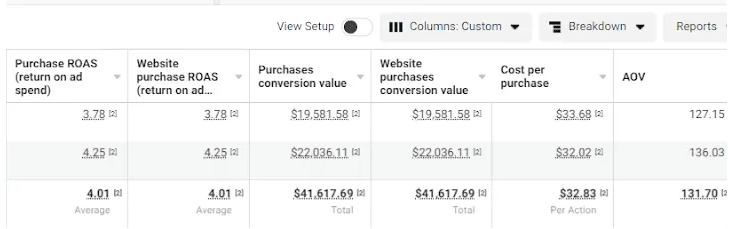
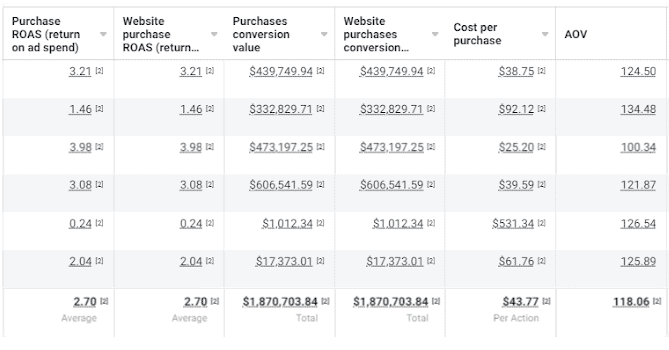
The screenshot above shows the Facebook ad manager screen for a client of the company. This single image can explain the importance of the Facebook ASC campaign, which is clear due to its outstanding performance. Particularly in the competitive e-commerce sector, the campaign achieved an ROAS of 4,244%, making its effectiveness indisputable.
Increased Overall Sales and Improved ROI
Using the ASC campaign generates additional sales beyond what traditional marketing strategies would achieve. Instead of just maintaining the ROAS achieved by conventional strategies, ASC campaigns drive additional sales, increasing net profits. Why wouldn’t you run an ASC campaign if it could boost your net profits?
Our advertising goal isn’t just to generate a high ROAS; it’s to increase the company’s net profit. This is discussed in detail in our posts on advertising budget limits and the pitfalls of ROI and ROAS.
Reduction in Advertising Planning Resources
Another significant benefit of ASC campaigns is that, unlike other advertising campaigns that require continuous planning, testing, and targeting, once the strategy is set, you can operate the campaign with minimal planning resources. This makes it an extremely attractive option.
Case Studies of Facebook ASC Campaigns
At Growth Marketing Agency, we study the outcomes of ASC campaigns through actual case studies. We will share some examples from both our clients and foreign companies.
Client Case Study A
Among the five campaigns shown in the screenshot, the one with a 4,244% ROAS is an ASC campaign. The other campaigns, maintained for over two years, involved continuous A/B testing of ad creatives, targeting, and placements, requiring significant effort from the account manager.
Overwhelming ROAS Compared to Non-ASC Campaigns
Whats remarkable is that shortly after setting up the ASC campaign, it surpassed the performance of the other campaigns, achieving over 4,000% ROAS.
Even though the second to fourth campaigns were strong enough to be proud references, their performance pales in comparison to the ASC campaign.
We documented these results in a report, recommending the client allocate additional budget to continue the ASC campaign. As a result, the ASC campaign’s high ROAS was maintained consistently, even with seasonal fluctuations in overall sales volume.
Client As Product Price Range: 150,000 KRW to 180,000 KRW
Target CPS (Cost Per Sale): 40,000 KRW
Daily Budget: 10,000 KRW to 100,000 KRW per campaign
In October 2023, a performance marketing agency in the United States ran an ASC campaign for a company providing AI-related services. They compared this ASC campaign to a manually set up campaign with precise targeting under identical budget conditions.
ASC Campaign Outperforms Even with Less Favorable Ad Creatives
The ASC campaign recorded a 425% ROAS, outperforming the manually set campaign, which achieved 378% ROAS. In further testing during the BFCM (Black Friday & Cyber Monday) campaign, they excluded promotional offers from the ASC campaign while including them in the manual campaign.
Ultimately, the ASC campaign recorded a 314% ROAS, while the manual campaign recorded 270% ROAS, leading the company to decide to continue running the ASC campaign permanently.
How Facebook ASC Campaigns Achieve Results
Machine Learning that Understands Consumers Better than Marketers
Its no exaggeration to say that Facebooks ad AI is among the best in the world. This powerful AI tracks consumer behavior and incorporates this data into ad settings.
For example, if a user searches for interior accessories on Google, visits a caf with a beautiful interior, and likes or comments on related posts on Instagram, the AI will display shopping ads featuring the interior accessories that the user is most likely to purchase.
While marketers should never stop trying to understand consumers, Metas machine learning already understands them better than humans and has surpassed human capabilities in adjusting ad settings based on this understanding.
Myths and Facts about Facebook ASC Campaigns
Is ASC Only Effective for Certain Companies?
No. In our experience, every company that we’ve worked with has been able to operate ASC campaigns, and we havent encountered a case where it wasnt possible. If ASC campaigns can’t be set up or are ineffective, its likely due to setup issues.
If Meta Pixels are not set up
If the Conversion API is not configured
If there are errors in the Meta Pixel or Conversion API setup
If data tracking and analysis are not performed accurately
It would be difficult to expect performance from an ASC campaign. If you think ASC setup is impossible, try setting it up with us. If its not feasible, theres no cost to you.
Cant Choose the Ad Placement?
The ASC campaign relies on Metas machine learning to decide on ad placements, target exposure, and creatives without human intervention, so its natural that you cant choose the placement.
Some people believe that Meta is pushing ASC to boost Facebook ad revenue because Facebook placements perform worse than Instagram. However, based on our experience, in most cases, the ASC campaign will outperform a standard campaign limited to Instagram.
Do You Need to Set a Daily Budget of at Least 150,000 KRW?
Incorrect. We have examples where setting a daily budget of around 20,000 KRW significantly improved ROAS. In one of our clients cases, which recorded a 4,244% ROAS, they achieved over 33 million KRW in purchase conversions with a budget of just 780,000 KRW over 28 days.
While a higher budget might be necessary for certain companies and products to achieve high performance, this isnt always the case.
Conclusion
Facebooks ASC Campaign (Advantage+ Shopping Campaign) is an excellent advertising product capable of delivering impressive results.
While not every company or product will see high performance with ASC campaigns, its essential to conduct meaningful tests to confirm the results.
However, remember that ASC campaigns should not replace existing campaigns but rather diversify campaign approaches and maximize sales.
We plan to share more case studies on ASC campaign management. ASC campaigns are particularly beneficial for small to mid-sized companies that cannot hire many specialized marketing staff, offering significant advantages. If you need help with ASC campaign setup, please get in touch with us.
As the allure of the Korean market grows, many foreign companies are making their move. But in this process, one crucial element often gets overlooked: SEO. Why is it so important?
Korea is an internet powerhouse. Most consumers rely heavily on online searches when making purchasing or investment decisions. Therefore, ranking high in search results directly impacts revenue. This is where SEO plays a pivotal role.
However, many foreign companies set their Korean SEO strategies without fully understanding the nuances of the Korean market, leading to mistakes.
One of the common Korean SEO mistakes that foreign companies make when entering the Korean market is using Korean URLs. We’ll focus on this misconception and explore more effective Korean SEO strategies.
Korean SEO mistake: The use of Korean URLs
Foreign companies often think, “We’re targeting the Korean market, so Korean URLs must be good, right?” Unfortunately, this is a significant misconception.
Why are Korean URLs problematic?
URL Breakage: Korean URLs are converted to Punycode, an encoding system that represents Unicode characters in ASCII, when used in the domain name system. For example, ‘??.kr’ becomes ‘xn--vg1bl39d.kr’. While this encoding allows Korean characters to be used in URLs, it can impact user experience by making the URLs less readable and recognizable, potentially causing confusion when shared.
Browser Compatibility: Some browsers may not properly recognize Korean URLs, potentially losing potential customers.
Search Engine Crawling Issues: Search engine bots may struggle to crawl Korean URLs, negatively impacting search result visibility.
The Advantages of English URLs when working on Korean SEO
So, why are English URLs a better choice?
Stable Compatibility: English URLs work reliably across all browsers and systems.
Global Accessibility: Even when targeting the Korean market, it’s wise to consider global accessibility. English URLs make this possible.
SEO-Friendly: Search engines can more easily understand and index English URLs, benefiting your overall Korean SEO efforts.?
Effective Korean SEO Strategies
Now, what should you do? Here are some effective Korean SEO strategies for the Korean market:
Combine English URLs with Korean Keywords: Keep your URLs in English, but strategically place Korean keywords within your page content. For example, use this URL structure: www.yourcompany.com/whitening-cream, while including Korean keywords like “?? ??” in your page content.
Optimize Metadata: Write your title tags and meta descriptions in Korean. These are crucial as they appear in search results.
Mobile Optimization: Korea has an extremely high mobile usage rate. Therefore, mobile-friendly website design and content structure are essential for successful Korean SEO.
Other SEO Mistakes to Avoid
Besides using Korean URLs, there are other Korean SEO mistakes that foreign companies often make. It’s crucial to avoid these as well.
Keyword Stuffing: Cramming in keywords doesn’t help SEO. It can even be considered spam. Use keywords naturally.
Low-Quality Content: Content that’s high in quantity but low in quality doesn’t help. Create high-quality content that provides real value to users.
Ignoring Page Speed: Page loading speed is a crucial SEO factor. Improve page speed through image optimization, caching, and other techniques.
Neglecting Meta Tags: Title tags and meta descriptions are SEO basics. Write unique and descriptive meta tags for each page.
Real-World Application: The Nike Korea Example
Let’s take a real-world example to illustrate the impact of using Korean URLs in Korean SEO. Nike, a global brand, has a dedicated Korean website. While they are a leader in digital marketing, even they aren’t immune to the pitfalls of Korean URLs.
Consider this product URL from Nike Korea:
Original URL: ??-??-???-?-??-???-6P0mijB1/FZ3503-100
This encoding has far-reaching implications beyond mere URL breakage:
User Experience Impact: When users see such an encoded URL, it can create confusion and frustration. The URL becomes nearly impossible to remember or manually type, leading to a poor user experience that can drive customers away.
Brand Perception: These complex URLs can inadvertently communicate a lack of attention to local user needs.?
SEO Complications: While the technical aspects of SEO, such as search engine crawling, are important, the broader SEO implications for global brands are even more critical. Korean consumers expect a seamless digital experience. When they encounter issues with sharing or accessing content due to complex URLs, it can reduce engagement and, ultimately, the effectiveness of the brand?s online presence in Korea.
Optimized Korean SEO Strategy for Nike Korea
Instead of using Korean characters in URLs, Nike could improve their Korean SEO by adopting English URLs combined with Korean keywords within the page content. For example:
Page Content: Include Korean keywords such as “?? ?? ??? ? ?? ???” within the product description and metadata.
This approach would make the URL more user-friendly, easier to share, and more compatible across different browsers and platforms, all while maintaining strong Korean SEO performance.
Conclusion: SEO is an Ongoing Process
As the Nike Korea example shows, even top brands can fall into the trap of using Korean URLs, which can hinder their Korean SEO efforts. By opting for English URLs and strategically incorporating Korean keywords within content, companies can enhance user experience and improve their search engine rankings.
Remember, Korean SEO isn’t a one-time task. Continuous monitoring and improvement are necessary to stay ahead of the competition in the ever-changing digital landscape. With the right strategy, you can achieve significant success in the Korean market.
At Growth Marketing Agency, we have decades of experience working in SEO across diverse markets. In our experience, pages with Korean URLs have consistently underperformed, often leading to issues in user engagement and search engine visibility. We’ve seen firsthand how adopting English URLs and incorporating localized content can dramatically improve results.
Influencer marketing isn’t a new concept, but its landscape has evolved dramatically over time. Historically, only celebrities wielded this kind of influence. Today, the field is diverse, with various types of influencers making an impact. As brands strive for deeper, more authentic connections with their audiences, understanding the roles and benefits of different types of Korean influencers is crucial.
In this article, well delve into the world of Korean influencers in marketing, highlighting their unique characteristics and advantages. Well guide you in selecting the right type of Korean influencer for your marketing strategy. By exploring these elements, we aim to provide you with insights to craft effective influencer marketing strategies tailored to your brands needs.
Korean Influencers: Who Are the Truly Influential Figures?
So, who exactly are the Korean influencers we commonly refer to? Simply put, they are creators with a substantial number of followers who exert influence on social media platforms. Influencers can be categorized based on their follower count as follows:
Nano Influencers: Fewer than 1,000 followers
Micro Influencers: 1,000 to 10,000 followers
Macro Influencers: 100,000 to 1 million followers
Mega Influencers: Over 1 million followers
In this discussion, we will particularly focus on micro influencers and macro influencers. Why? Because each type of Korean influencer offers distinct advantages and disadvantages that can impact your marketing strategy.
The Appeal of Korean Micro Influencers: Small but Mighty
Korean micro influencers, while having fewer followers, possess unique traits that make them especially effective. Lets explore what sets them apart:
Close Relationships with Followers The greatest advantage of micro influencers is their close relationship with their followers. Their smaller follower count allows for more personal interactions, increasing follower loyalty. Example: A micro influencer in the beauty sector might engage daily with her audience through Instagram Live, creating a conversational atmosphere that fosters high engagement.
Expertise in Specific Niches Korean micro influencers often focus on particular niches, which helps build trust with their followers. Utilization Tip: Look for Korean micro influencers whose niche aligns with your brand. For instance, an organic food brand should collaborate with influencers focused on healthy eating.
Authentic Content Creation Micro influencers generally produce natural and authentic content, building greater trust with their audience. Caution:Avoid forcing overly commercial content on Korean micro influencers, as it may backfire and diminish authenticity.
???? (a_b.haus) is a rising Korean micro influencer making waves in the interior design and home styling space. With around 7,800 followers on Instagram, she has cultivated an engaged audience passionate about home decor and interior design.
The Power of Korean Macro Influencers: The Strength of Broad Influence
Now, lets examine the characteristics of Korean macro influencers, who come with their own set of unique benefits:
Wide Influence and High Visibility The primary advantage of macro influencers is their extensive reach. With hundreds of thousands to millions of followers, they offer significant exposure from just one post. Usage Example: A fashion brand might collaborate with a famous Korean macro influencer for a new collection launch, achieving massive exposure and a spike in sales.
High-Quality Content Production Many Korean macro influencers have professional content creation teams, allowing them to deliver high-quality content consistently. Branding Tip: Leverage their capabilities by suggesting high-quality content formats like mini-documentaries or photo shoots that narrate a brand story.
Combination of Expertise and Popularity Many macro influencers start in specific niches and gradually gain broad appeal, offering both expertise and popularity. Caution: Ensure the macro influencers image aligns with your brand to avoid potential damage to your brands reputation.
Relatively Lower Engagement Rates Macro influencers typically have lower engagement rates compared to Korean micro influencers, but their large follower base means overall engagement can still be substantial. ?Strategic Approach: Plan campaigns that encourage follower participation, such as hashtag challenges or interactive events, to boost engagement.
Analyzing Effectiveness in the Korean Market: Which Is More Effective?
Lets explore which type of influencer is more effective in the Korean market.
Korean Influencers: Advantages of Micro Influencers
High Trust and Authenticity Korean consumers highly value authentic content, and Korean micro influencers genuine posts resonate well with this preference. ?Strategic Approach: Encourage authentic content like product reviews or personal use stories, but avoid over-scripting.
Advantages in Target Marketing Korean micro influencers can be more effective for niche targeting due to their followers’ specific interests. ?Strategic Approach: Partner with Korean micro influencers whose niche aligns with your product or service for optimal impact.
Korean Influencers: Advantages of Macro Influencers
Extensive Exposure In a country with high social media usage, Korean macro influencers can rapidly increase brand awareness. ?Strategic Approach: Use macro influencers for broad promotional efforts, such as new product launches.
Effective for Brand Recognition Collaborating with well-known Korean celebrities or influencers can enhance a brands image. Focus on conveying your brands story and values, rather than just product promotion, to build a premium brand image.
????? (Wonji’s Day) is a Korean macro-influencer with approximately 950,000 subscribers on YouTube. She focuses on authentic, immersive travel experiences across various countries and cultures. Travel-related companies like airlines, hotels, and tourism boards could benefit from partnering with her to promote their services to her audience of Korean travel enthusiasts.
Effective Influencer Marketing Strategies: How Should You Approach It?
Here are some key points for crafting an effective influencer marketing strategy in the Korean market:
Selecting Influencers Based on Brand Goals The crucial first step is choosing Korean influencers that align with your brand objectives. ?Strategic Approach:
For brand awareness, Korean macro influencers may be more suitable.
For targeting specific audiences or driving sales, Korean micro influencers might be more effective.
Balanced Use of Micro and Macro Influencers A balanced approach, using both Korean micro and macro influencers, can be highly effective. ?Strategic Approach:
Use macro influencers for broad promotion.
Follow up with multiple micro influencers to provide detailed product information and user experiences.
Building Authentic Relationships for Long-Term Success Establishing long-term partnerships can provide a more authentic connection with influencers’ followers. ?Strategic Approach:
Consider long-term contracts.
Engage Korean influencers in product development and regular content creation.
Incorporate their feedback into improvements.
Measuring Performance Based on Content Quality and Engagement Focus on content quality and engagement metrics rather than just exposure. Measurement Metrics:
Quality and Quantity of Comments: Look for genuine, interest-driven comments.
Shares: The number of shares indicates content value.
Click-Through Rate (CTR) and Conversion Rate: Track website visits and purchases via influencer posts.
Analysis Tools: Use analytics tools like Instagram Insights to track these metrics effectively.
Korean Influencers in Marketing: A Balanced Approach is Key
Weve explored the characteristics and effective utilization of influencers, especially micro influencers and macro influencers in the Korean market. Its challenging to declare one type as definitively better than the other. The right strategy depends on your brands goals, target audience, and product characteristics.
The key is a balanced approach. Combining the authenticity and high engagement of micro influencers with the broad reach of macro influencers can create a powerful synergistic effect. Additionally, focus on long-term relationship building rather than short-term results. Trust and authenticity are essential for achieving lasting brand success.
Finally, remember that influencer marketing strategies are ever-evolving. Staying updated with the latest trends and adapting your strategy flexibly is crucial.